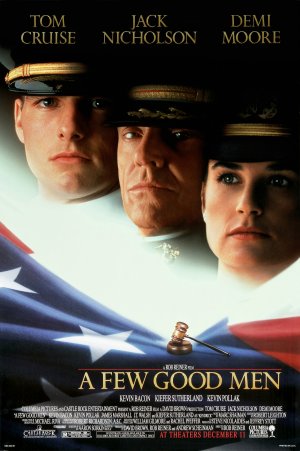
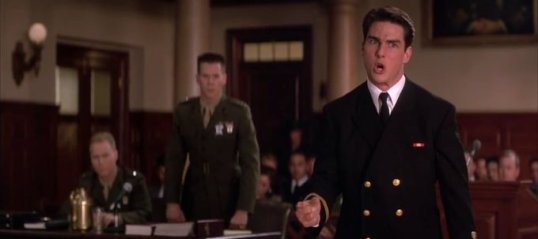
For today’s scene that I love, I decided to pick from the only Rob Reiner-directed film to be nominated for Best Picture of the Year, 1992’s A Few Good Men.
This scene features great work from two legitimate film stars, Tom Cruise and Jack Nicholson. It’s also the type of potentially stagey scene that would have proved problematic for a lot of other directors. Rob Reiner, however, handled it perfectly.
4 Shots From 4 Films is just what it says it is, 4 shots from 4 of our favorite films. As opposed to the reviews and recaps that we usually post, 4 Shots From 4 Films is all about letting the visuals do the talking.
A mere 4 shots cannot sum up how shocked and heartbroken we all are today. Rest in Peace, Rob Reiner.
4 Shots From 4 Rob Reiner Films
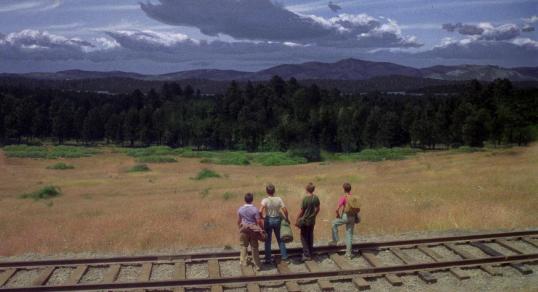
Stand By Me (1986, dir by Rob Reiner, DP: Thomas Del Ruth)
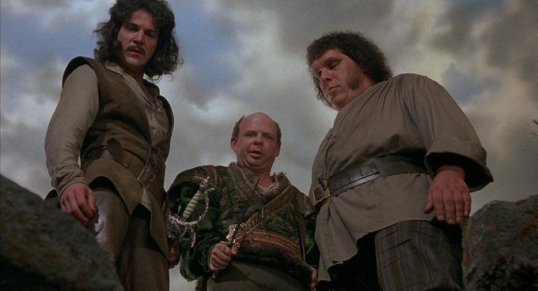
The Princess Bride (1987, dir by Rob Reiner, DP: Adrian Biddle)
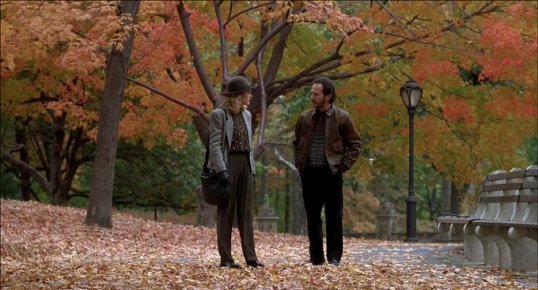
When Harry Met Sally (1989, dir by Rob Reiner, DP: Barry Sonnenfeld)
A Few Good Men (1992, dir by Rob Reiner, DP: Robert Richardson)
Hi, everyone! Tonight, on twitter, I will be hosting one of my favorite films for #MondayMania! Join us for 2017’s The Bachelor Next Door!
You can find the movie on Prime and then you can join us on twitter at 9 pm central time! (That’s 10 pm for you folks on the East Coast.) See you then!
As some of our regular readers undoubtedly know, I am involved in hosting a few weekly live tweets on twitter and occasionally Mastodon. I host #FridayNightFlix every Friday, I co-host #ScarySocial on Saturday, and I am one of the five hosts of Mastodon’s #MondayActionMovie! Every week, we get together. We watch a movie. We snark our way through it.
Tonight, for #MondayActionMovie, the film will be 1977’s The Crater Lake Monster!I picked it so you know it’ll be good.
It should make for a night of fun viewing and I invite all of you to join in. If you want to join the live tweets, just hop onto Mastodon, find the movie on YouTube, Tubi, or Prime hit play at 8 pm et, and use the #MondayActionMovie hashtag! The watch party community is a friendly group and welcoming of newcomers so don’t be shy.
Last night, the San Francisco Bay Area Film Critics Circle announced their picks for the best of 2025. The winners and runner-up are in bold.
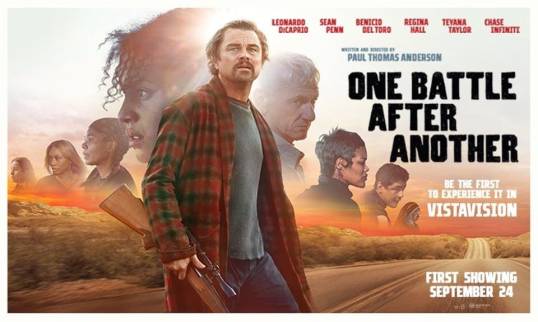
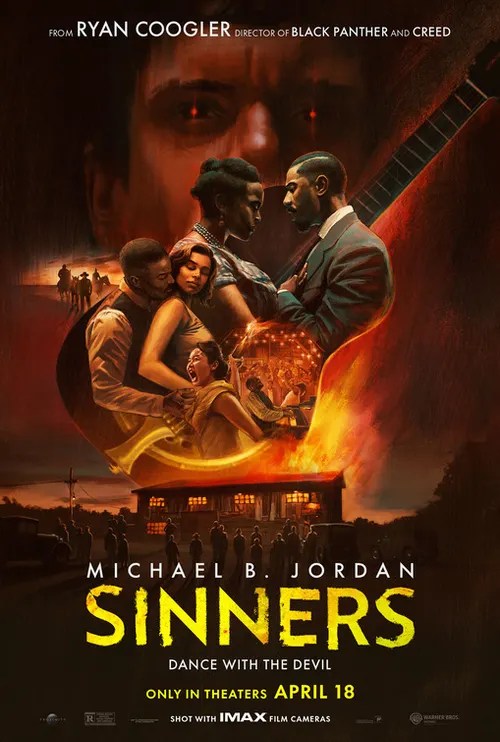
Best Picture Hamnet One Battle After Another (WINNER) Sentimental Value Sinners (RUNNER-UP) Train Dreams
Best Director Hamnet – Chloé Zhao It Was Just An Accident – Jafar Panahi One Battle After Another – Paul Thomas Anderson (WINNER) Sentimental Value – Joachim Trier Sinners – Ryan Coogler (RUNNER-UP)
Best Original Screenplay Sinners – Ryan Coogler (RUNNER-UP) Sentimental Value – Eskil Vogt, Joachim Trier (WINNER) Sorry, Baby – Eva Victor It Was Just An Accident – Jafar Panahi Weapons – Zach Cregger
Best Adapted Screenplay Bugonia Hamnet No Other Choice One Battle After Another (WINNER) Train Dreams (RUNNER-UP)
Best Actor Leonardo DiCaprio – One Battle After Another (RUNNER-UP) Joel Edgerton – Train Dreams Ethan Hawke – Blue Moon (WINNER) Michael B. Jordan – Sinners Wagner Moura – The Secret Agent
Best Actress Jessie Buckley – Hamnet (RUNNER-UP) Rose Byrne – If I Had Legs I’d Kick You (WINNER) Renate Reinsve – Sentimental Value Emma Stone – Bugonia Eva Victor – Sorry, Baby
Best Supporting Actor Benicio Del Toro – One Battle After Another (WINNER) Jacob Elordi – Frankenstein Paul Mescal – Hamnet Sean Penn – One Battle After Another Stellan Skarsgård – Sentimental Value (RUNNER-UP)
Best Supporting Actress Elle Fanning – Sentimental Value Inga Ibsdotter Lilleaas – Sentimental Value (RUNNER-UP) Amy Madigan – Weapons (WINNER) Wunmi Mosaku – Sinners Teyana Taylor – One Battle After Another
Best Animated Feature Arco Elio KPop Demon Hunters (WINNER) Little Amélie Or The Character Of Rain Zootopia 2 (RUNNER-UP)
Best International Feature Film It Was Just An Accident (WINNER) No Other Choice The Secret Agent Sentimental Value (RUNNER-UP) Sirat
Best Documentary Feature The Alabama Solution (RUNNER-UP) Come See Me In The Good Light Orwell: 2+2=5 (WINNER) The Perfect Neighbor Riefenstahl
Best Cinematography Frankenstein – Dan Laustsen Hamnet – Łukasz Żal One Battle After Another – Michael Bauman Sinners – Autumn Durald Arkapaw (WINNER) Train Dreams – Adolpho Veloso (RUNNER-UP)
Best Production Design Frankenstein – Tamara Deverell (RUNNER-UP) Hamnet – Fiona Crombie Marty Supreme – Jack Fisk One Battle After Another – Florencia Martin Sinners – Hannah Beachler (WINNER)
Best Film Editing A House Of Dynamite – Kirk Baxter F1 – Stephen Mirrione Marty Supreme – Ronald Bronstein, Josh Safdie One Battle After Another – Andy Jurgensen (WINNER) Sinners – Michael P. Shawver (RUNNER-UP)
Best Original Score Bugonia – Jerskin Fendrix Frankenstein – Alexandre Desplat One Battle After Another – Jonny Greenwood (RUNNER-UP) Sinners – Ludwig Göransson (WINNER) Train Dreams – Bryce Dessner
Special Citation for Independent Cinema Brother Verses Brother (RUNNER-UP) The Encampments Happyend Twinless (WINNER)
The Marlon Riggs Award (Goes to someone from or working in the Bay Area)
Karen Larsen – Publicist and Academy member who tirelessly advocates for independent film and giving local people opportunities that build careers beyond the Bay
The St. Louis Film Critics Association has announced its picks for the best of 2025. The winners are listed in bold.
BEST FILM Frankenstein
Hamnet
It Was Just an Accident
Marty Supreme One Battle After Another
The Phoenician Scheme
The Secret Agent
Sinners
Superman
Weapons
BEST DIRECTOR Paul Thomas Anderson – “One Battle After Another”
Ryan Coogler – “Sinners”
Jafar Panahi – “It Was Just an Accident”
Josh Safdie – “Marty Supreme”
Chloe Zhao – “Hamnet”
BEST ACTRESS Jessie Buckley – “Hamnet”
Rose Byrne – “If I Had Legs I’d Kick You”
Chase Infiniti – “One Battle After Another”
Amanda Seyfried – “The Testament of Ann Lee”
Emma Stone – “Bugonia”
BEST ACTOR Timothee Chalamet – “Marty Supreme” Leonardo DiCaprio – “One Battle After Another”
Ethan Hawke – “Blue Moon”
Michael B. Jordan – “Sinners”
Wagner Moura – “The Secret Agent”
BEST SUPPORTING ACTRESS Glenn Close – “Wake Up Dead Man”
Elle Fanning – “Sentimental Value”
Inga Ibsdotter Lilleaas – “Sentimental Value” Amy Madigan – “Weapons”
Teyana Taylor – “One Battle After Another”
BEST SUPPORTING ACTOR Benecio del Toro – “One Battle After Another”
Paul Mescal – “Hamnet” Sean Penn – “One Battle After Another”
Andrew Scott – “Blue Moon”
Stellan Skarsgard – “Sentimental Value”
BEST ADAPTED SCREENPLAY Frankenstein
Hamnet One Battle After Another
Train Dreams
Wake Up Dead Man
BEST ORIGINAL SCREENPLAY Blue Moon
It Was Just an Accident
Marty Supreme
Sinners
Sorry, Baby Weapons
BEST CINEMATOGRAPHY Frankenstein
Hamnet One Battle After Another
Sinners
Train Dreams
BEST COSTUME DESIGN Frankenstein
Hamnet
Sinners
The Testament of Ann Lee
Wicked: For Good
BEST EDITING F1 A House of Dynamite
Marty Supreme One Battle After Another
Sinners
BEST PRODUCTION DESIGN Frankenstein
Hamnet
The Phoenician Scheme
Sinners
Wicked: For Good
BEST ORIGINAL SCORE Frankenstein
Hamnet One Battle After Another
Sinners
The Testament of Ann Lee
BEST VISUAL EFFECTS
Avatar: Fire and Ash
F1
Sinners
Superman
Tron: Ares
BEST SOUNDTRACK KPop Demon Hunters
Marty Supreme Sinners
Springsteen: Deliver Me from Nowhere
Wicked: For Good
BEST VOCAL PERFORMANCE
Arden Cho – “KPop Demon Hunters”
Ginnifer Goodwin – “Zootopia 2”
Damian Lewis – “Orwell: 2+2=5” Will Patton – “Train Dreams”
Scarlet Sher – “Weapons”
BEST ANIMATED FILM Arco
Elio
KPop Demon Hunters
Ne Zha II Zootopia 2
BEST ENSEMBLE
Black Bag
Hamnet
A House of Dynamite One Battle After Another
Sinners
BEST HORROR FILM 28 Years Later
Companion
Frankenstein
Sinners Weapons
BEST STUNTS
Ballerina
F1 Mission: Impossible – The Final Reckoning
One Battle After Another
Warfare
BEST COMEDY FILM Eephus
Friendship
Good Fortune The Naked Gun
The Phoenician Scheme
BEST ACTION FILM
F1 Mission: Impossible – The Final Reckoning
One Battle After Another
Superman
Warfare
BEST DOCUMENTARY FEATURE
2000 Meters to Andriivka
Afternoons of Solitude
Deaf President Now Orwell: 2+2=5
The Perfect Neighbor
BEST INTERNATIONAL FEATURE FILM It Was Just an Accident
No Other Choice
The Secret Agent
Sentimental Value
Sirāt
BEST FIRST FEATURE FILM
Emilie Blichfeldt – “The Ugly Stepsister”
Andrew DeYoung – “Friendship”
Drew Hancock – “Companion”
Carson Lund – “Eephus” Eva Victor – “Sorry, Baby”
BEST SCENE
The Globe theatrical production in “Hamnet”
Finale in “It Was Just an Accident” Music evolution “I Lied to You” in “Sinners”
Baktan Cross Car Chase Scene in “One Battle After Another”
The fate of Aunt Gladys in “Weapons”
“The real Santa was totally different. The Coca-Cola Santa is just a hoax.” — Pietari Kontio
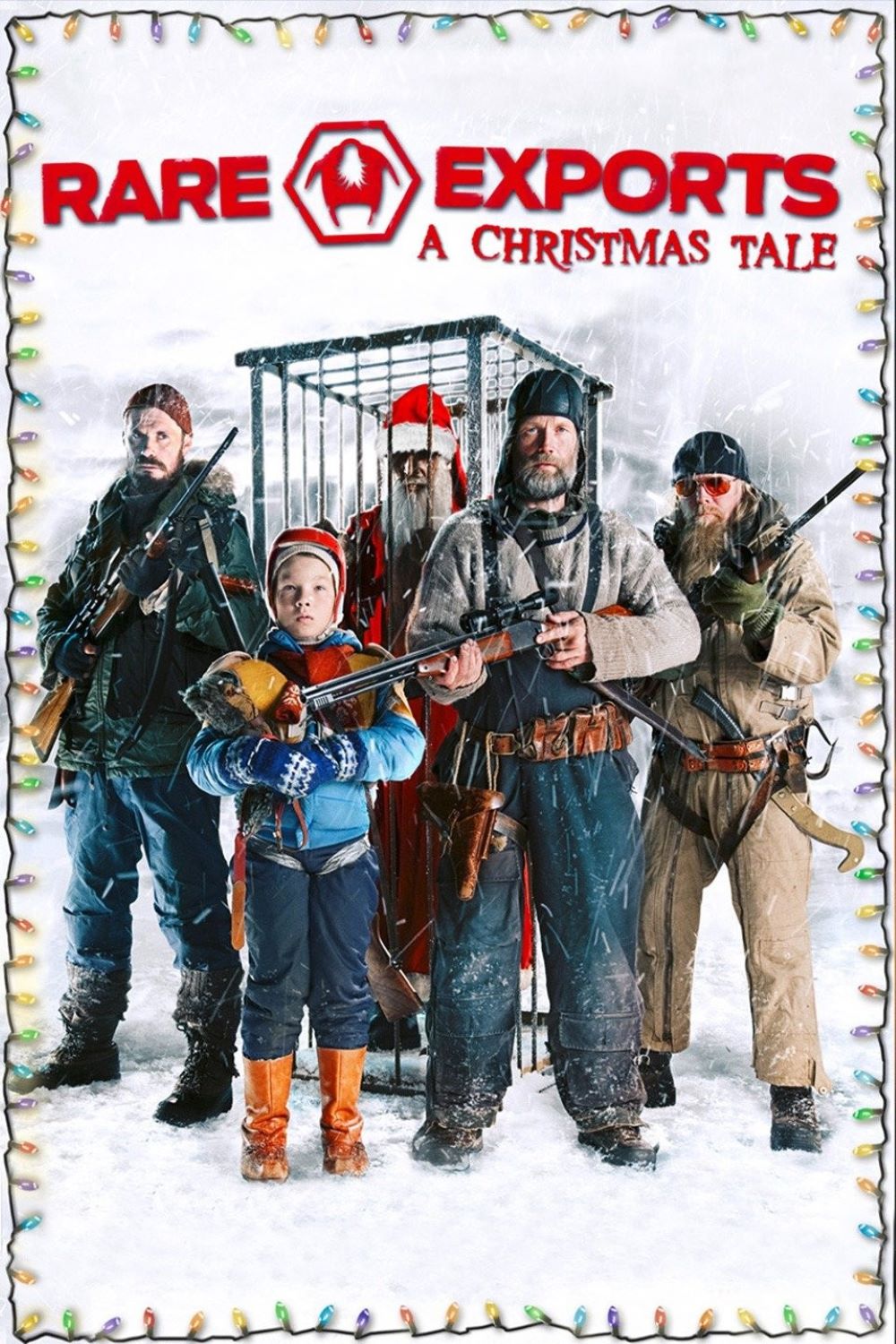
Rare Exports: A Christmas Tale is a quirky Finnish film that turns the cheerful Santa story upside down, mixing horror, laughs, and holiday vibes in a bold way. Directed by Jalmari Helander in 2010, it builds on his earlier short films and unfolds in the bleak, snowy wilds of Lapland. Starting with a kid’s innocent curiosity, it dives into creature-filled madness, offering a fun alternative to typical Christmas movies. The film’s unique premise grabs you right away, promising something far removed from the sanitized holiday fare we’re all used to, and it delivers on that with a blend of folklore, tension, and unexpected twists that linger long after the credits roll.
The plot centers on young Pietari in a remote village where his dad and neighbors herd and slaughter reindeer for a living. An American-backed dig nearby uncovers something ancient and icy, sparking trouble like missing kids and odd thefts. Pietari reads from a book portraying Santa as a terrifying punisher rather than a gift-bringer, and soon the village captures a wild, elf-like creature to exploit, only to confront the bigger threat emerging from the frost. This setup masterfully builds suspense through everyday rural life clashing with supernatural intrusion, where the slow reveal of the mound’s secrets heightens the stakes. Pietari’s journey from wide-eyed boy to resourceful hero forms the emotional core, as he grapples with myths coming alive while the adults bumble through denial and desperation. The narrative weaves in economic pressures on the herders, adding a layer of realism to the fantastical elements, making the horror feel grounded in human struggle.
The movie’s mood captures that chilling isolation of deep winter, with vast snowscapes and biting winds making every sound feel ominous. Practical effects bring the skinny, feral beings—wild-eyed old men with fangs who move like beasts—to life in a raw, creepy style that avoids digital gloss for something viscerally unsettling. Pietari, played with earnest intensity by a young actor who nails the mix of fear and determination, anchors the emotion as he outsmarts the clueless grown-ups. It blends youthful adventure with sharp violence, from brutal bites and chases across frozen lakes to fiery clashes that punctuate the cold palette. Cinematography plays a huge role here, using long takes of barren landscapes to evoke vulnerability, while close-ups on the creatures’ grotesque features ramp up the dread without relying on jump scares. The film’s pacing ebbs and flows like a blizzard—calm buildup giving way to frantic bursts—keeping viewers on edge throughout its compact runtime.
Humor keeps things lighthearted, skewering Christmas clichés with glee, from red-suited abominations to the absurdity of weaponizing holiday icons against ancient evils. Burly locals stuffing their caught creature into a Santa outfit for a quick ransom scam leads to hilarious chaos, blending slapstick with dark undertones as plans unravel spectacularly. The short runtime flies by, blending Finnish authenticity—complete with subtitles that capture the dry wit—with brisk energy that never lets momentum sag. Deeper notes on faith, family bonds, and rural struggles hide under the fun, all tied to old pagan roots of the holiday myth, prompting thoughts on how modern traditions mask primal fears. These comedic beats provide relief without undercutting tension, creating a tonal tightrope walk that Helander navigates with confidence, much like his protagonists dodging fangs in the snow.
Still, it has rough edges holding it back from perfection. Some plot turns feel too convenient, like the hasty shift from fear to scheming among the villagers, which can pull you out of the immersion if you’re paying close attention. A few characters lack depth, especially the overconfident American outsider whose motivations come off as cartoonishly smug without much backstory to flesh them out. Women barely appear, relegated to minor roles or off-screen mentions, giving it an old-school, male-dominated feel that hasn’t aged as gracefully in modern viewing. The monsters, while initially shocking, grow predictable in their attacks after repeated encounters, diluting the novelty midway through. The wild finale, packed with explosive action and a cheeky resolution, might leave straight horror seekers cold—it’s more a playful genre mash-up than nonstop unrelenting terror, prioritizing fun over lingering nightmares.
The real locations sell the unforgiving outdoors, with Finland’s rugged terrain ramping up the ancient-evil vibe through authentic blizzards and icy caverns that no studio set could replicate. A clever soundtrack pairs eerie hums and dissonant strings with festive twinkles for ironic tension, underscoring scenes of quiet horror or frantic pursuits without overpowering the natural sounds of cracking ice and howling gales. Acting feels grounded across the board, with the dad character delivering tough warmth through gruff line delivery and physical comedy, while the ensemble of villagers comes across like real, weathered folks rather than polished performers. Helander expands his original shorts smartly, keeping the cheeky core intact while scaling up the stakes for feature-length thrills, showing a director comfortable with both intimate scares and big set pieces.
Beyond the surface-level scares and laughs, Rare Exports invites reflection on cultural myths and commercialization—how Santa’s image has been sanitized from something feral into a mall mascot, and what happens when the wild origins claw their way back. It’s a film that thrives on subverting expectations, starting as a kid’s adventure tale before morphing into a survival thriller with creature-feature flair. The practical makeup and prosthetics on the beasts deserve special mention for their handmade creepiness, evoking classic horror without the uncanny valley pitfalls of CGI. Editing keeps the energy taut, cutting between Pietari’s discoveries and the adults’ mishaps to build parallel dread.
As holiday counterprogramming, Rare Exports shines for fans of weird cult picks, great for group watches where reactions to the escalating weirdness become part of the fun. It holds up on repeats with hidden nods to its short-film origins, like recurring motifs and visual gags that reward eagle-eyed viewers. If you like folklore twists in films with adventure flair—think pseudo-documentaries hunting trolls or rural legends gone wrong—this delivers original entertainment despite its quirks. Ultimately, its charm lies in balancing the grotesque with the gleeful, crafting a Christmas tale that’s equal parts frightful and festive, proving that sometimes the best gifts come wrapped in fangs and fur.
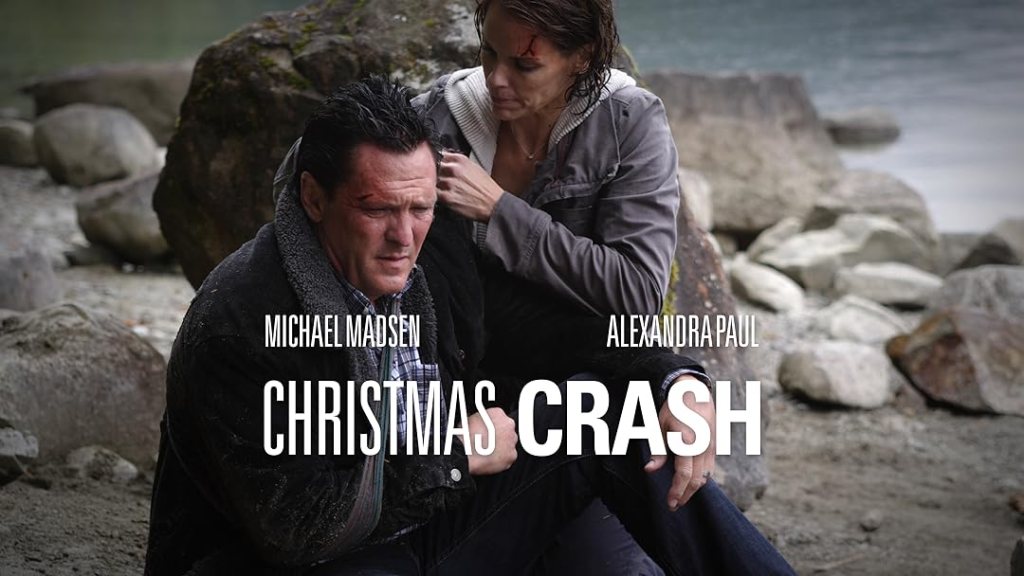
As I scrolled through the “Recommended” movies on Tubi last night, I came across this one movie, CHRISTMAS CRASH, that intrigued me. It sounded sort of like a Hallmark movie, but it starred Michael Madsen, an actor I couldn’t possibly imagine in a Hallmark movie. Check out this description on Tubi…
“An unhappily married couple is presumed dead after their private plane crashes in the woods, but reconnects as their survival offers a second chance.”
All bad grammar aside, it was very late at night and I was looking for something that required zero functioning brain cells, and this seemed to fit the bill. Also, I had recently watched Madsen in the theatrical release of KILL BILL: THE WHOLE BLOODY AFFAIR, where he was so good, so I thought I’d check out his performance as the husband reconnecting with his wife, played here by Alexandra Paul (BAYWATCH).
After watching CHRISTMAS CRASH, all I can say is that I still can’t imagine Michael Madsen in anything that resembles a Hallmark movie. To say that he was “miscast as the beleaguered husband attempting to reconnect with his wife while attempting to survive the trek back to civilization after the plane crash” just may be my understatement of the year. There was nothing about his performance that seemed remotely realistic from the very beginning to the very end. Still, his uncomfortable line delivery, whether it be in a tense board meeting, out in the middle of the woods, or at a Christmas party at the end of the movie, is my favorite part of the movie. It was oddly enjoyable in a way that I can’t quite explain. Alexandra Paul does come off a little better as she proves to have some determined survival instincts, but this will not be on anyone’s list of career highlights.
CHRISTMAS CRASH has some pretty Canadian scenery as the married couple fly their plane over some beautiful mountains before crash landing in a beautiful, frigid lake. Luckily for them though, they’re able to swim to the shore, start a small, but obviously very warm, fire and somehow not succumb to hypothermia. And the weather, at least based on the news reports their terrified daughters are seeing on TV, is so terrible that search and rescue efforts have to be suspended. The problem is we never see any of this bad weather. What we’re shown looks fine! I laughed out loud when I saw that weather report coupled with beautiful sunshine! I will admit that I was worried about the big gash on Madsen’s lower leg after the accident, especially since it looked so dirty. But after the initial application of a homemade tourniquet, it wasn’t really mentioned any further. After about thirty minutes of screen time with no grody scenes of leg re-dressing, I quit worrying about it. And then there are the wolves that attempt to make a snack of our couple. I’ve seen THE GREY with Liam Neeson and I’ve been to Yellowstone, so I know that wolves are very dangerous. Let’s just say that the wolves of CHRISTMAS CRASH are too easily fended off with a medium-sized stick to ever feel too dangerous. There was this one moment where it appeared a wolf might have been biting on Madsen’s injured character for a moment, but after they run off, it’s never mentioned or shown that he was injured in any way, so I guess that wolf didn’t have any teeth.
My initial thoughts on at least a superficial connection between CHRISTMAS CRASH and the Hallmark channel did prove perceptive, as the movie is directed by Terry Ingram. A quick review of Mr. Ingram’s directorial credits on IMDB reveal an extensive connection to Hallmark, with generic titles such as HATS OFF TO CHRISTMAS, ‘TIS THE SEASON FOR LOVE, and THE MISTLETOE SECRET. Despite the director’s apparent love of the season and the fact this movie is titled CHRISTMAS CRASH, it sure doesn’t feel very Christmassy. With extremely limited changes, this movie could be set in any season, so don’t expect any feelings of genuine Yuletide spirit.
Overall, I’d say the best thing about CHRISTMAS CRASH is that it’s a 90 minute movie that has potential value in a “so bad it’s funny” kind of way. I think it would be fun to watch with friends, or as a “Live Movie Tweet” on social media. I watched the whole movie, had a few unintentional laughs, and when it was over around 1:00 in the morning, I went to bed none the worse for the wear.
In this 1990 made-for-TV movie, a little girl wishes for a mom for Christmas. So, of course, a mannequin played by Olivia Newton-John comes to life and serves as her mother. The only catch is that she goes back to being a mannequin on Christmas Eve! Can Olivia’s new family find a way to make her into a real person or will she go be forced to back to decorating a department store as soon as the holidays end?
 Through the Shattered Lens