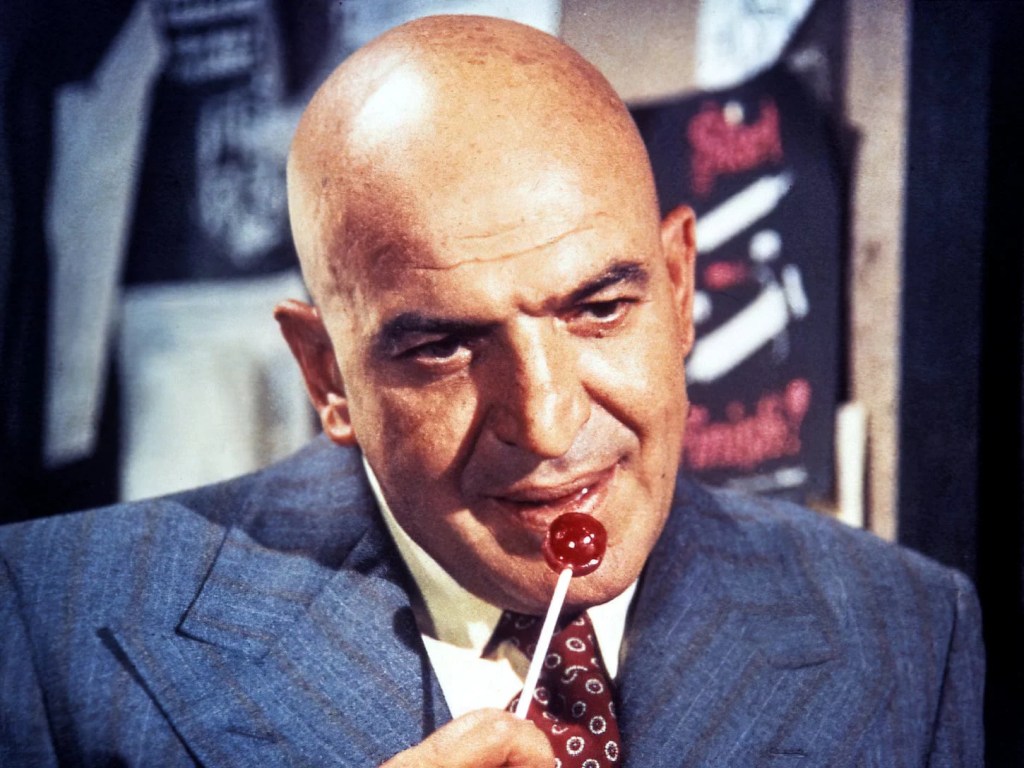
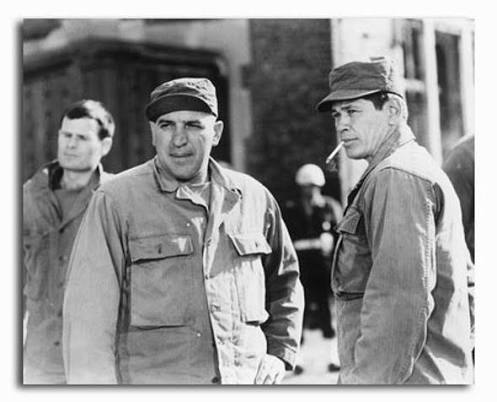
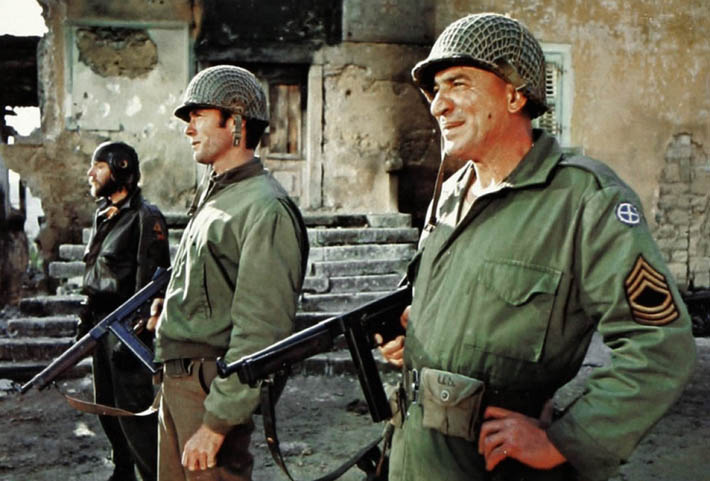
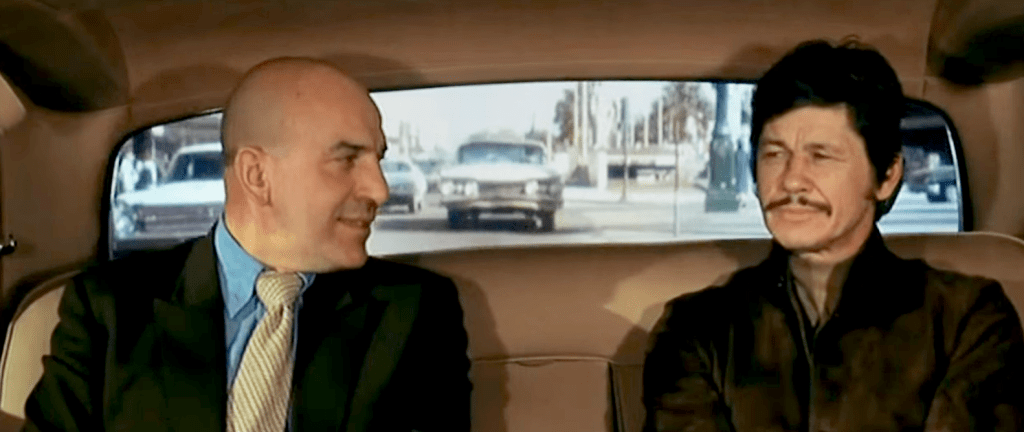
Telly Savalas would have been 104 years old today. He’s been in many of my favorite movies so I’m glad to celebrate him today with 4 Shots from 4 of my favorites!
Telly Savalas would have been 104 years old today. He’s been in many of my favorite movies so I’m glad to celebrate him today with 4 Shots from 4 of my favorites!
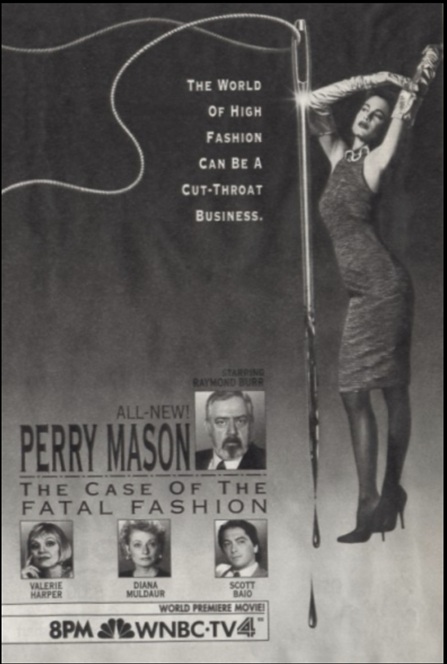
Perry Mason (Raymond Burr), Della Street (Barbara Hale), and Ken Malansky (William R. Moses) are in New York when an old friend of Perry’s, magazine editor Lauren Jeffreys (Diana Muldaur) is accused of murdering a rival editor, Dyan Draper (Valerie Harper). Dyan was infamous for writing about the personal lives of celebrities in her column so there’s a ton of possible suspects. While Ken teams up with a mobster named Tony Loomis (Robert Clohessy) to search for clues, Perry finds himself facing off against a young district attorney (Scott Baio) who is smarter than he seems.
This Perry Mason movie is unique because, for once, the prosecutor is as good an attorney as Perry. It reminded me of how, when the movies started, David Ogden Stiers always played the prosecutor and came across like someone who would probably win if he has going up against anyone other than Perry Mason. Even though I immediately thought of Bob Loblaw as soon as I saw him, Scott Baio gives a good performance as a lawyer who worships Perry and can’t wait to face him in court. For once, there’s mutual respect between the two sides.
The mystery was another one of those where I was able to guess who the killer was from the start. They had to really stretch things to get the mob involved so that Ken could team up with Tony. (Ken wanted to bring the killer to court while Tony just waned to shoot them.) Also, it was obvious that Raymond Burr was not doing well when he filmed this movie. In almost every scene, he’s either seated or leaning against something. There are only 6 more Perry Mason films featuring Burr after this one and one of those aired after he died. Burr still gives a commanding performance whenever Perry’s in court, though. Sick or not, there’s no other attorney you want on your side.
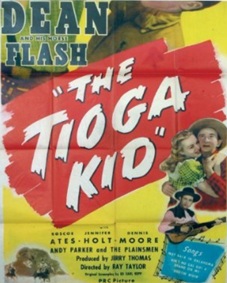 Singing Ranger Eddie Dean (played by the same-named Eddie Dean) and his sidekick, Soapy Jones (Roscoe Ates), are sent to track down the Tioga Kid, an outlaw who happens to look just like Eddie. Soapy suggests that The Tioga Kid could be a long lost twin brother. Eddie isn’t sure because his parents were killed in an Indian ambush when he was just a baby. This seemed to be the backstory for many of Poverty Row’s favorite western heroes.
Dean plays both Eddie and the Tioga Kid. You can tell them apart because the Tioga Kid doesn’t sing and always dresses in black while Eddie dresses in white and won’t stop singing. Twin rivals were another big thing when it came to B-westerns. Thanks to then revolutionary split-screen technology, matinee audiences could enjoy the sight of their favorite heroes shooting at themselves. Eddie Dean was usually cast as a mild-mannered hero so he really seems to enjoy the chance to be bad as the Tioga Kid.
The Tioga Kid is a film that will be appreciated by those who are already fans of B-westerns. The Tioga Kid was made late in the B-western cycle and there are a lot signs that it was made in a hurry. There’s a scene involving a stunt man where he’s not even wearing the same shirt as the person he’s standing in for. Matinee audiences probably didn’t mind. They were too busy watching Eddie Dean shoot at himself and cheering him on during the movie’s big fist fight scene. Eddie Dean may not have been a great actor but he could throw a punch with the best of them.
Today’s song of the day comes from David Lynch’s short film, What Did Jack Do? Can a monkey singing about love make you cry? Let’s find out.
From David Lynch’s Mulholland Drive, here is one of the most haunting moments ever captured on film.
RIP, Rebekah Del Rio and David Lynch.
 4 Or More Shots From 4 Or More Films is just what it says it is, 4 shots from 4 of our favorite films. As opposed to the reviews and recaps that we usually post, 4 Shots From 4 Films lets the visuals do the talking!
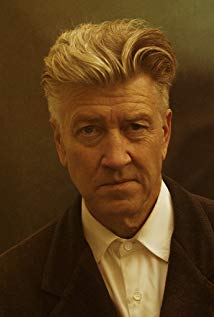
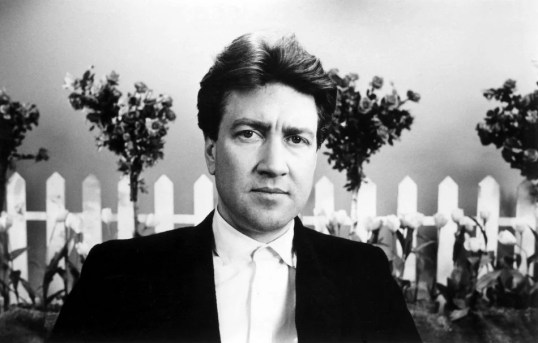
Today, on what would have been his birthday, we take the time to pay tribute to one of our favorite directors. Needless to say, when it comes to David Lynch, there’s an embarrassment of riches.
Here are….
8 Shots From 8 David Lynch Films
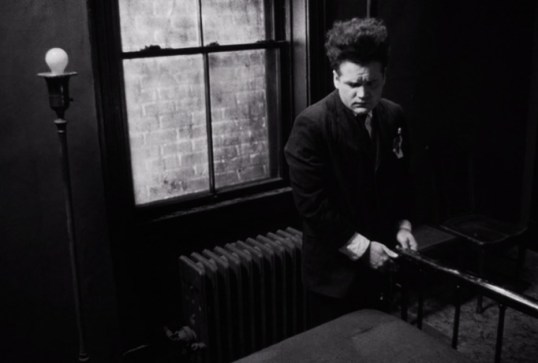
Eraserhead (1977, dir by David Lynch, DP: Frederick Elmes, Herbert Cardwell)
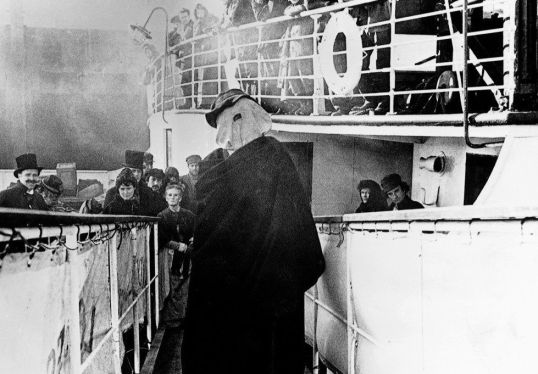
The Elephant Man (1980, dir by David Lynch, DP: Freddie Francis)
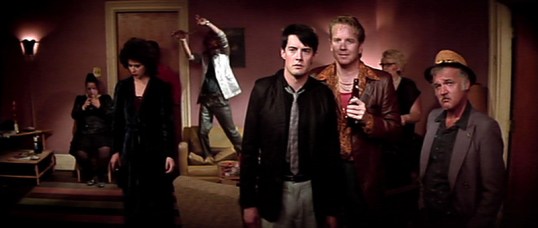
Blue Velvet (1986, dir by David Lynch, DP: Frederick Elmes)
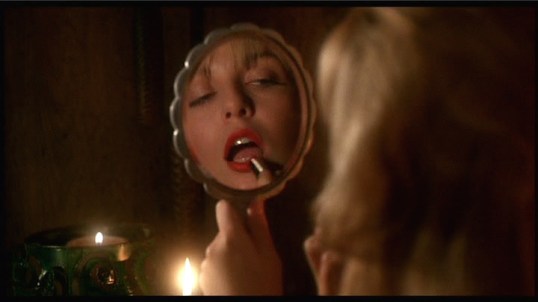
Twin Peaks: Fire Walk With Me (1992, dir by David Lynch, DP: Ron Garcia)
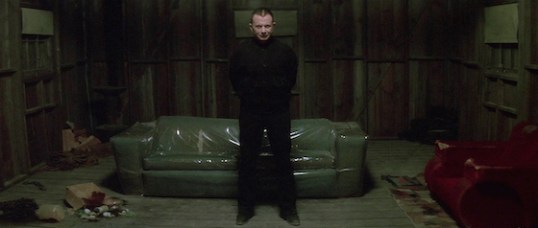
Lost Highway (1997, dir by David Lynch, DP: Peter Deming)
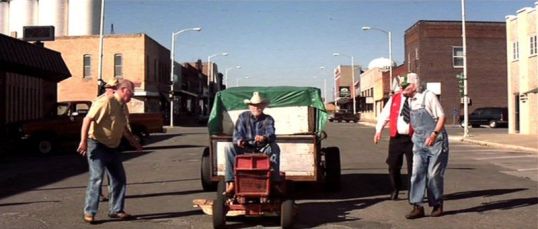
The Straight Story (1999, dir by David Lynch, DP: Freddie Francis)
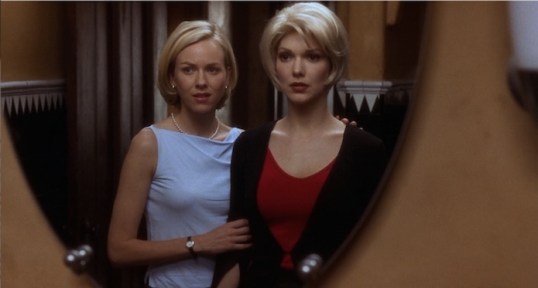
Mulholland Drive (2001, dir by David Lynch, DP: Peter Deming)
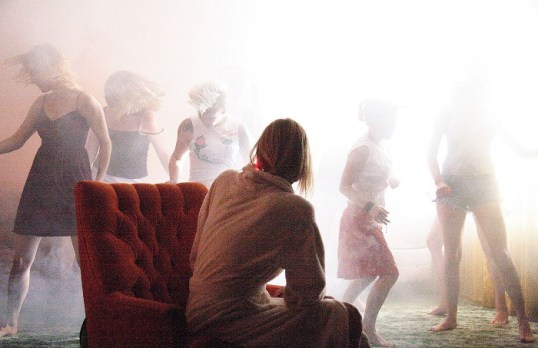
Inland Empire (2006, dir by David Lynch, DP: David Lynch)
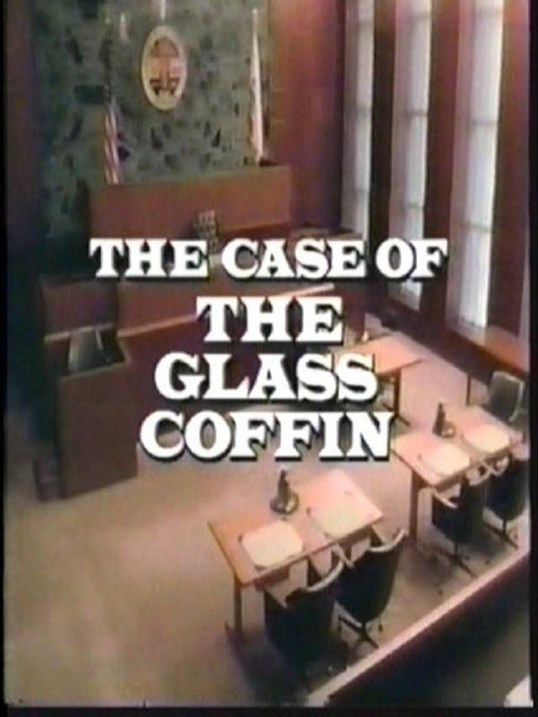
World famous magician David Katz (Peter Scolari) is accused of murdering his assistant (Nancy Lee Grahn) while performing a trick at a charity show. The prosecution says that David killed her to cover-up a pregnancy that was the result of a drunken, one-night stand. However, Perry Mason (Raymond Burr) and Ken Malansky (William R. Moses) discover that there were many people who might have a motive for killing the victim.
After the previous emotionally-charged Perry Mason movie, this entry felt pretty bland. I liked Peter Scolari as the accused magician but otherwise, this was a little boring. I guessed who would be playing the murderer as soon as I saw their name during the opening credits. I did find it amusing that Perry and the prosecutor (played by Bob Gunton) seemed to sincerely dislike each other. That added some bite to the courtroom scenes but I really do miss David Ogden Stiers’s as Perry’s regular courtroom opponent.
At the end of the movie, Perry took the jury to the theater where the murder occurred and then cross-examined the witnesses in the theater. I guess the movie’s producers were trying to do something new but it just didn’t feel right for Perry to get his confession anywhere other than in a courtroom.
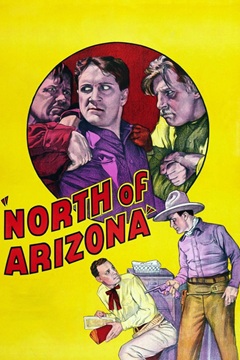 Newly hired ranch foreman Jack Loomis (Jack Perrin) comes to the aid of two Indians who were nearly swindled out of their land during a card game. The Indians inform Jack that his new boss, George Tully (Al Bridge), is actually a crook and the ranch is just a front for his criminal activities. When Jack says he doesn’t want to be a part of Tully’s schemes, Tully and his men frame Jack for a robbery.
After you watch enough of these Poverty Row westerns, you start to get the feeling that anyone in the 30s could walk into a studio and star in a B-western. Jack Perrin was a World War I veteran who had the right look to be the star of several silent films but once the sound era came along, his deficiencies as an actor became very apparent. He could ride a horse and throw a punch without looking too foolish but his flat line delivery made him one of the least interesting of the B-western stars. That’s the case here, where Perrin is a boring hero and the entire plot hinges on the villain making one really big and really stupid mistake. John Wayne could have pulled this movie off but Jack Perrin was lost.
Jack Perrin’s career as a star ended just a few years after this film but not because he was a bad actor. Instead, Perrin filed a lawsuit after a studio failed to pay him for starring in one of their films. From 1937 until he retirement in 1960, Perrin was reduced to playing minor roles for which he often went uncredited. Hollywood could handle a bad actor but not an actor who expected to be paid for his work.
Hi, everyone! Tonight, on twitter, I will be hosting one of my favorite films for #MondayMania! Join us for 2019’s My Sister’s Deadly Secret!
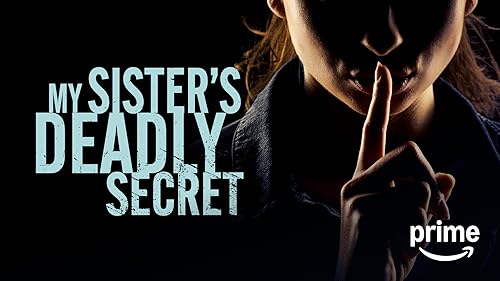
You can find the movie on Prime and Tubi and then you can join us on twitter at 9 pm central time! (That’s 10 pm for you folks on the East Coast.) See you then!
Today’s scene that I love is from the 1961 Roger Corman-directed Edgar Allan Poe adaptation, The Pit and The Pendulum!
Not only is that pendulum nightmarish as Hell but check out that set design! One can see that Corman definitely took some inspiration from the work being done in the UK by Hammer. Watching this scene, it is easy to see why Corman devoted so much of the early 60s to directing Vincent Price in various Edgar Allan Poe adaptations.
Enjoy!
 Through the Shattered Lens