Scene That I Love: The New Year’s Countdown from The Poseidon Adventure


The Poseidon Adventure (1972, dir by Ronald Neame, DP: Harold E. Stine)

It’s nearly time!

As they prepare to count away the last few seconds of 2025 on the West Coast, here’s a scene from one of the greatest New Year’s Day films ever made.  Indeed, just as Die Hard is a great Christmas film, then 1972’s The Poseidon Adventure is a great New Year’s film.

So, let’s join with Gene Hackman, Ernest Borgnine, Stella Stevens, Shelley Winters, Red Buttons, and a host of other familiar faces as we count down.  2026 will undoubtedly bring some tidal waves but I remain confident that we will not be tipped over!

Lisa’s Marie’s Oscar Predictions For December


Well, the year’s almost over so it’s time for me to make my final prediction as to who and what will be nominated on January 22nd.

Jay Kelly and Wicked: For Good certainly don’t feel like locks right now but I’m going to pick them anyway.  Wicked: For Good’s strong showing with the Oscar short lists would seem to indicate that it has some support.  Jay Kelly, I’m picking because it’s about acting and the Actors’ Branch is the biggest branch of the Academy.  I nearly gave the spot to Avatar: Fire and Ash but that film hasn’t quite made the impression that the previous two Avatars made.  That said, I certainly wouldn’t be shocked to see either Wicked: For Good or Jay Kelly replaced by Avatar: Fire and Ash when the actual nominations are announced.

Click here for my April and May and June and July and August and September and October and November predictions!

Best Picture

Frankenstein

Hamnet

It Was Just An Accident

Marty Supreme

One Battle After Another

Sentimental Value

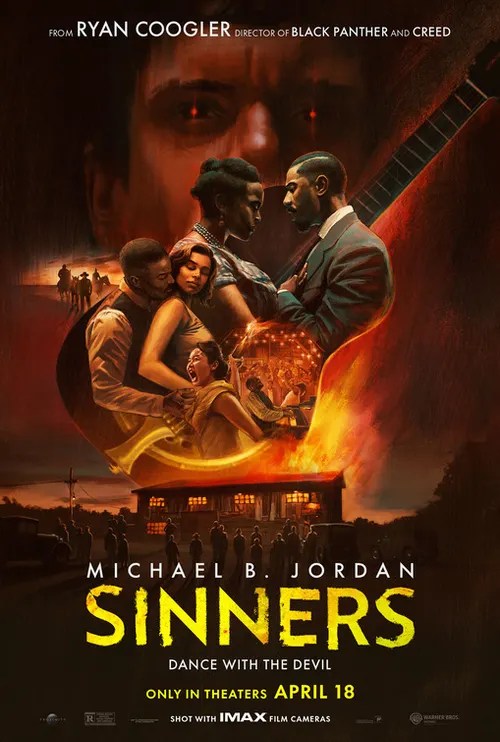
Sinners

Train Dreams

Wicked: For Good

Best Director

Paul Thomas Anderson for One Battle After Another

Ryan Coogler for Sinners

Jafar Panahi for It Was Just An Accident

Josh Safdie for Marty Supreme

Chloe Zhao for Hamnet

Best Actor

Timothee Chalamet in Marty Surpeme

Leonardo DiCaprio in One Battle After Another

Ethan Hawke in Blue Moon

Michael B. Jordan in Sinners

Wagner Moura in The Secret Agent

Best Actress

Jessie Buckley in Hamnet

Rose Byrne in If I Had Legs I Would Kick You

Chase Infiniti in One Battle After Another

Emma Stone in Bugonia

Eva Victor in Sorry Baby

Best Supporting Actor

Benicio Del Toro in One Battle After Another

Jacob Elordi in Frankenstein

Paul Mescal in Hamnet

Sean Penn in One Battle After Another

Stellan Skarsgard in Sentimental Value

Best Supporting Actress

Ariana Grande in Wicked: For Good

Regina Hall in One Battle After Another

Inga Ibsdotter Lilleaas in Sentimental Value

Amy Madigan in Weapons

Teyana Taylor in One Battle After Another

One Battle After Another Wins In Portland


The Portland Critics Association has announced its picks for the best of 2025.  The winners are listed in bold.

Best Picture
Marty Supreme
No Other Choice
One Battle After Another (WINNER)
Sinners (RUNNER-UP)
Sorry, Baby
Train Dreams

Best Director
Paul Thomas Anderson, One Battle After Another (WINNER)
Clint Bentley, Train Dreams
Ryan Coogler, Sinners (RUNNER-UP)
Jafar Panahi, It Was Just An Accident
Park Chan-wook, No Other Choice
Josh Safdie, Marty Supreme

Best Lead Performance
Rose Byrne, If I Had Legs I’d Kick You (WINNER)
Jessie Buckley, Hamnet (WINNER)
Timothée Chalamet, Marty Supreme (WINNER)
Leonardo DiCaprio, One Battle After Another
Joel Edgerton, Train Dreams
Ethan Hawke, Blue Moon
Michael B. Jordan, Sinners (RUNNER-UP)
Josh O’Connor, The Mastermind
Amanda Seyfried, The Testament of Ann Lee
Emma Stone, Bugonia

Best Supporting Performance
Mariam Afshari, It Was Just An Accident
Benicio del Toro, One Battle After Another (RUNNER-UP)
Jacob Elordi, Frankenstein
Ralph Fiennes, 28 Years Later
Delroy Lindo, Sinners (WINNER)
Amy Madigan, Weapons (WINNER)
Paul Mescal, Hamnet
Wunmi Mosaku, Sinners (WINNER)
Sean Penn, One Battle After Another
Stellan Skarsgård, Sentimental Value

Best Ensemble Cast
It Was Just An Accident
Marty Supreme
One Battle After Another (WINNER)
Sinners (RUNNER-UP)
Wake Up Dead Man: A Knives Out Mystery
Weapons

Best Animated Feature
I Am Frankelda
K-Pop Demon Hunters
Lost in Starlight
Predator: Killer of Killers (WINNER)
Stitch Head
Zootopia 2 (RUNNER-UP)

Best Documentary Feature
Direct Action
Megadoc (RUNNER-UP)
Orwell: 2+2=5 (WINNER)
Pavements
The Perfect Neighbor
Sly Lives!

Best Film Not in the English Language
Caught by the Tides
It Was Just An Accident
No Other Choice (WINNER)
The Secret Agent (RUNNER-UP)
Sirāt
Sentimental Value

Best Comedy Feature
Bugonia
Eephus (WINNER)
Friendship (RUNNER-UP)
The Naked Gun
Sorry, Baby
Wake Up Dead Man: A Knives Out Mystery

Best Horror Feature
Frankenstein
Good Boy
The Plague
Sinners (WINNER)
28 Years Later
Weapons (RUNNER-UP)

Best Science Fiction Feature
Bugonia (WINNER)
Companion
Frankenstein
Mickey 17
Predator: Badlands
Superman (RUNNER-UP)

Best Screenplay
It Was Just An Accident
Marty Supreme
No Other Choice
One Battle After Another (RUNNER-UP)
Sinners (WINNER)
Sorry, Baby

Best Cinematography
Frankenstein
Hamnet
Marty Supreme
One Battle After Another (WINNER)
Sinners (RUNNER-UP)
Train Dreams

Best Costume Design
Frankenstein (RUNNER-UP)
Marty Supreme
One Battle After Another
Sinners
Superman
The Testament of Ann Lee (WINNER)

Best Film Editing
Marty Supreme (RUNNER-UP)
One Battle After Another (WINNER)
Sinners
Train Dreams
28 Years Later
Warfare

Best Production Design
Frankenstein
Hamnet
One Battle After Another
The Phoenician Scheme (RUNNER-UP)
Sinners (WINNER)
28 Years Later

Best Original Score
Marty Supreme
The Mastermind
One Battle After Another (RUNNER-UP)
Sinners (WINNER)
Sirāt
Train Dreams

Best Sound Design
F1
One Battle After Another
Sinners (RUNNER-UP)
Superman
28 Years Later
Warfare (WINNER)

Best Stunts or Action Choreography
Mission: Impossible – The Final Reckoning (WINNER)
One Battle After Another
Sinners
Thunderbolts
28 Years Later
Warfare (RUNNER-UP)

Best Visual Effects
The Fantastic Four: First Steps
Frankenstein
Predator: Badlands
Sinners (WINNER)
Superman (RUNNER-UP)
Thunderbolts

One Battle After Another Wins In New Jersey


The New Jersey Film Critics Circle has announced its picks for best of 2025!  The winners are in bold!

Best Picture
Hamnet
It Was Just An Accident
Marty Supreme
No Other Choice
One Battle After Another (WINNER)
The Secret Agent
Sentimental Value
Sinners (RUNNER-UP)
Train Dreams
Weapons

Best Director
Chloé Zhao – Hamnet
Park Chan-wook – No Other Choice
Paul Thomas Anderson – One Battle After Another (WINNER)
Joachim Trier – Sentimental Value
Ryan Coogler – Sinners (RUNNER-UP)

Best Original Screenplay
It Was Just An Accident
Marty Supreme (RUNNER-UP)
Sentimental Value
Sinners (WINNER)
Weapons

Best Adapted Screenplay
Bugonia
Hamnet
No Other Choice (RUNNER-UP)
One Battle After Another (WINNER)
Train Dreams

Best Actor
Timothée Chalamet – Marty Supreme (WINNER)
Leonardo DiCaprio – One Battle After Another
Joel Edgerton – Train Dreams
Ethan Hawke – Blue Moon
Michael B. Jordan – Sinners (RUNNER-UP)

Best Actress
Jessie Buckley – Hamnet (WINNER)
Rose Byrne – If I Had Legs I’d Kick You (RUNNER-UP)
Chase Infiniti – One Battle After Another
Renate Reinsve – Sentimental Value
Emma Stone – Bugonia

Best Supporting Actor
Benicio del Toro – One Battle After Another (RUNNER-UP)
Jacob Elordi – Frankenstein
Delroy Lindo – Sinners
Sean Penn – One Battle After Another
Stellan Skarsgård – Sentimental Value (WINNER)

Best Supporting Actress
Elle Fanning – Sentimental Value
Ariana Grande – Wicked: For Good
Inga Ibsdotter Lilleaas – Sentimental Value (RUNNER-UP)
Amy Madigan – Weapons (WINNER)
Teyana Taylor – One Battle After Another

Best Acting Ensemble
Marty Supreme
One Battle After Another (WINNER)
Sentimental Value
Sinners (RUNNER-UP)
Weapons

Best Original Score
F1
Hamnet
Marty Supreme (RUNNER-UP)
One Battle After Another
Sinners (WINNER)

Best Original Song
“Drive” – F1
“Golden” – KPop Demon Hunters (WINNER)
“I Lied to You” – Sinners (RUNNER-UP)
“Last Time (I Seen the Sun)” – Sinners
“Train Dreams” – Train Dreams

Best Editing
F1 (RUNNER-UP)
Marty Supreme
No Other Choice
One Battle After Another (WINNER)
Sinners

Best Production Design
Frankenstein (WINNER)
Marty Supreme
One Battle After Another
Sinners (RUNNER-UP)
Wicked: For Good

Best Costume Design
Frankenstein (WINNER)
Hamnet
Hedda
Sinners
Wicked: For Good (RUNNER-UP)

Best Hair and Makeup
Frankenstein (WINNER)
Sinners
The Smashing Machine
Weapons (RUNNER-UP)
Wicked: For Good

Best Sound
F1 (RUNNER-UP)
One Battle After Another
Sinners
Sirāt
Warfare (WINNER)

Best Animated Feature
Arco (RUNNER-UP)
Elio
Little Amélie or the Character of Rain
KPop Demon Hunters (WINNER)
Zootopia 2

Best International Feature
It Was Just An Accident
No Other Choice (WINNER)
The Secret Agent
Sentimental Value (RUNNER-UP)
Sirāt

Best Documentary
2000 Meters to Andriivka
Come See Me in the Good Light (RUNNER-UP)
Orwell: 2+2=5
The Perfect Neighbor (WINNER)
Predators

Best Cinematography
Hamnet
No Other Choice
One Battle After Another
Sinners (RUNNER-UP)
Train Dreams (WINNER)

Best Visual Effects
Avatar: Fire and Ash (WINNER)
F1
Frankenstein (RUNNER-UP)
Sinners
Superman

Best Stunts
F1 (RUNNER-UP)
Mission: Impossible – The Final Reckoning (WINNER)
One Battle After Another
The Running Man
Sinners

Best Directorial Debut
The Chronology of Water
Friendship
Pillion (RUNNER-UP)
Sorry, Baby (WINNER)
The Ugly Stepsister

Best Breakthrough Performance
Miles Caton – Sinners (RUNNER-UP)
Chase Infiniti – One Battle After Another (WINNER)
Jacobi Jupe – Hamnet
Inga Ibsdotter Lilleaas – Sentimental Value
Eva Victor – Sorry, Baby

Best Animal in a Movie
Bing the Dog – The Friend
Googoo the Meerkat – Left-Handed Girl
Indy the Dog – Good Boy (WINNER)
Noochie the Cat – Sorry, Baby (RUNNER-UP)
Tonic the Cat – Caught Stealing

Best LGBTQIA+ Representation
Blue Moon
Hedda
Pillion (RUNNER-UP)
Plainclothes
Twinless (WINNER)

Best New Jersey Representation
The Housemaid
Marty Supreme (RUNNER-UP)
Ponyboi
Presence
Springsteen: Deliver Me From Nowhere (WINNER)

The Alliance of Women Film Journalists Honors Sinners


The Alliance of Women Film Journalists have announced their picks for the best of 2025!  The winners are in bold!

BEST FILM
FRANKENSTEIN
HAMNET
IT WAS JUST AN ACCIDENT
ONE BATTLE AFTER ANOTHER
THE SECRET AGENT
SENTIMENTAL VALUE
SINNERS
TRAIN DREAMS

BEST DIRECTOR
Paul Thomas Anderson – ONE BATTLE AFTER ANOTHER
Ryan Coogler – SINNERS
Jafar Panahi – IT WAS JUST AN ACCIDENT
Joachim Trier – SENTIMENTAL VALUE
Chloe Zhao – HAMNET

BEST SCREENPLAY, ORIGINAL
IT WAS JUST AN ACCIDENT – Jafar Panahi
JAY KELLY – Noah Baumbach
SENTIMENTAL VALUE – Joachim Trier
SINNERS – Ryan Coogler
SORRY, BABY – Eva Victor

BEST SCREENPLAY, ADAPTED
BUGONIA – Will Tracy
FRANKENSTEIN – Guillermo del Toro
HAMNET – Maggie O’Farrell & Chloe Zhao
ONE BATTLE AFTER ANOTHER – Paul Thomas Anderson
TRAIN DREAMS – Clint Bentley & Greg Kwedar

DOCUMENTARY
COME SEE ME IN THE GOOD LIGHT – Ryan White
MY MOM JAYNE – Mariska Hargitay
ORWELL 2+2=5 – Raoul Peck
THE LIBRARIANS – Kim A. Snyder
THE PERFECT NEIGHBOR – Geeta Gandbhir

ANIMATED FEATURE
ARCO – Ugo Bienvenu & Giles Cazaux
IN YOUR DREAMS – Erik Benson & Alexander Woo
KPOP DEMON HUNTERS – Chris Applehaus & Maggie Kang
LITTLE AMELIE OR THE CHARACTER OF RAIN – Liane-Cho Jin Kuang & Mailys Vallade
ZOOTOPIA 2 – Jared Bush & Simon Howard

BEST ACTRESS
Jessie Buckley – HAMNET
Rose Byrne – IF I HAD LEGS I’D KICK YOU
Renate Reinsve – SENTIMENTAL VALUE
Emma Stone – BUGONIA
Tessa Thompson – HEDDA

BEST ACTRESS, SUPPORTING
Nina Hoss – HEDDA
Inga Ibsdotter Lilleaas – SENTIMENTAL VALUE
Amy Madigan – WEAPONS
Teyana Taylor – ONE BATTLE AFTER ANOTHER
Wunmi Mosaku – SINNERS

BEST ACTOR
Leonardo DiCaprio – ONE BATTLE AFTER ANOTHER
Joel Edgerton – TRAIN DREAMS
Ethan Hawke – BLUE MOON
Michael B. Jordan – SINNERS
Wagner Moura – THE SECRET AGENT

BEST ACTOR, SUPPORTING
Benicio Del Toro – ONE BATTLE AFTER ANOTHER
Jacob Elordi – FRANKENSTEIN
Paul Mescal – HAMNET
Sean Penn – ONE BATTLE AFTER ANOTHER
Stellan Skarsgård – SENTIMENTAL VALUE

BEST ENSEMBLE CAST & CASTING DIRECTOR
HAMNET – Nina Gold & Lucy Amos
MARTY SUPREME – Jennifer Venditti
NOUVELLE VAGUE – Stéphane Batut
ONE BATTLE AFTER ANOTHER – Cassandra Kulukundis
SINNERS – Francine Maisler

BEST CINEMATOGRAPHY
FRANKENSTEIN – Dan Laustsen
HAMNET – Łukasz Żal
ONE BATTLE AFTER ANOTHER – Michael Bauman
SINNERS – Autumn Durald Arkapaw
TRAIN DREAMS – Adolpho Veloso

BEST EDITING
F1: THE MOVIE – Stephen Mirrione & Patrick J. Smith
HAMNET – Affonso Gonçalves & Chloe Zhao
MARTY SUPREME – Ronald Bronstein & Josh Safdie
ONE BATTLE AFTER ANOTHER – Andy Jurgensen
SINNERS – Michael P. Shawver

BEST INTERNATIONAL FEATURE
IT WAS JUST AN ACCIDENT – Jafar Panahi
NO OTHER CHOICE – Park Chan-wook
SENTIMENTAL VALUE – Joachim Trier
SIRÂT – Oliver Laxe
THE SECRET AGENT – Kleber Mendonça Filho

FEMALE FOCUS AWARDS
Presented Only to Women

FEMALE FOCUS: BEST FEMALE DIRECTOR
Kathryn Bigelow – A HOUSE OF DYNAMITE
Mary Bronstein – IF I HAD LEGS I’D KICK YOU
Mona Fastvold – THE TESTAMENT OF ANN LEE
Eva Victor – SORRY, BABY
Chloe Zhao – HAMNET

FEMALE FOCUS: BEST FEMALE WRITER
Mary Bronstein – IF I HAD LEGS I’D KICK YOU
Nia DaCosta – HEDDA
Hikari & Stephen Blahut – RENTAL FAMILY
Eva Victor – SORRY, BABY
Chloe Zhao & Maggie O’Farrell – HAMNET

FEMALE FOCUS: BEST VOICED PERFORMANCE IN ANIMATED FILM
Ginnifer Goodwin – ZOOTOPIA 2
Loïse Charpentier – LITTLE AMELIE OR THE CHARACTER OF RAIN
Arden Cho – KPOP DEMON HUNTERS
Fortune Feimster – ZOOTOPIA 2
Zoë Saldaña – ELIO

FEMALE FOCUS: BEST BREAKTHROUGH PERFORMANCE
Odessa A’Zion – MARTY SUPREME
Chase Infiniti – ONE BATTLE AFTER ANOTHER
Teyana Taylor – ONE BATTLE AFTER ANOTHER
Wunmi Mosaku – SINNERS
Eva Victor – SORRY, BABY

FEMALE FOCUS: BEST STUNTS PERFORMANCE
Ana de Armas – BALLERINA
Hayley Atwell – MISSION: IMPOSSIBLE – THE FINAL RECKONING
Chase Infiniti – ONE BATTLE AFTER ANOTHER
Teyana Taylor – ONE BATTLE AFTER ANOTHER
Pom Klementieff – MISSION: IMPOSSIBLE – THE FINAL RECKONING

Review: Strange Days (dir. by Kathryn Bigelow)


“Memories are meant to fade, Lenny. They’re designed that way for a reason.” — Lornette “Mace” Mason

Kathryn Bigelow’s Strange Days plunges into a gritty, near-future Los Angeles teetering on the edge of the millennium, where illegal “SQUID” technology lets people hijack others’ sensory experiences, fueling a black-market addiction to raw thrills. Released in 1995 with a screenplay by James Cameron and Jay Cocks, the film stars Ralph Fiennes as Lenny Nero, a shady ex-cop dealing these clips amid escalating racial tensions and urban chaos. At over two hours, it mixes cyberpunk visuals with thriller tension, crafting an immersive world that pulses with sensory overload and moral ambiguity.

The story opens with a heart-pounding sequence—a robber’s point-of-view heist captured in one seamless, breathless shot that drops you right into the adrenaline-fueled action, setting a template for the film’s signature subjective dives into chaos. Lenny navigates this underworld, peddling clips of highs and dangers to escape his own regrets, especially over a past love, singer Faith Justin, brought to life by Juliette Lewis with vulnerable intensity that captures the pull of faded dreams. He pulls in his loyal bodyguard Mace, Angela Bassett delivering a fierce, grounded performance, as a mysterious clip hints at deeper corruption involving cops and power players in the city, drawing them into a web of intrigue that tests loyalties amid the neon haze. Bigelow leans into the tech’s seductive pull, where users feel every rush or rush of emotion, blurring lines between observer and participant in uncomfortably real ways that linger long after the credits roll.

Visually, the film explodes off the screen, with cinematographer Matthew Leonetti’s dynamic camera and Bigelow’s high-octane style painting L.A. as a neon-drenched maze of helicopters, crowds, and holographic distractions that feel alive and oppressive. That kinetic opening blends POV chaos with slick editing that amps the disorientation, making every frame pulse with urgency. The world feels authentically grimy and multicultural, alive with New Year’s Eve energy in clubs and streets, evoking millennial anxiety through thumping sound design and distorted audio bleeds that heighten the sensory assault. Bigelow channels her action roots into visceral set pieces that turn the future into something tangible and tense, rewarding close attention to the details that build immersion, from flickering holograms to rain-slicked streets buzzing with tension.

Fiennes captures Lenny’s sleazy charisma perfectly—a sweaty, chain-smoking hustler whose charm masks desperation, keeping him oddly relatable even as his flaws pile up in moments of quiet vulnerability. Bassett dominates as Mace, a tough wheelwoman with unshakeable integrity, her presence anchoring the frenzy and elevating every exchange with quiet strength that cuts through the chaos like a blade. Lewis adds raw edge to Faith, trapped in a web of influence and ambition, her scenes crackling with desperation and fire. Tom Sizemore brings twitchy noir flavor as Max, Lenny’s private investigator buddy who adds layers of unreliable grit to their partnership, his manic energy bouncing off Fiennes in tense, believable banter. The cast meshes well in the overload, though some peripheral figures lean into cyberpunk stereotypes like street dealers and digital oddities, occasionally stretching the vibe thin without fully fleshing out their roles amid the relentless pace.

At its core, Strange Days digs into tech’s grip on empathy in a numb world, where SQUID clips turn voyeurism into full-body complicity, raising tough questions about detachment, consent, and the thrill of borrowed lives. Lenny’s habit of replaying personal moments underscores the addictive pull of reliving the past, turning memory into a dangerous escape that erodes real connections. Bigelow threads in sharp commentary on racism and authority, drawing from real ’90s unrest, with Mace pushing for truth amid systemic shadows in ways that feel urgent and unflinching, her moral compass a steady force against the moral rot. The infamous rape scene stands out as a gut-wrenching pinnacle of this approach, forcing viewers into the perpetrator’s twisted perspective via SQUID playback, amplifying the victim’s terror and the assailant’s depravity to confront voyeuristic horror and power imbalances head-on without pulling punches or easy outs—its raw intensity is jarring, deliberately so, to expose the ethical rot at the tech’s heart. The female-led perspective highlights abuses thoughtfully, adding layers to the spectacle and giving the film a distinctive edge that balances exploitation with unflinching critique.

That said, the film isn’t without bumps, as the plot weaves a tangled web of alliances and betrayals that can feel convoluted under the sensory barrage, occasionally losing focus amid the noise and demanding sharper clarity to match its ambition. Its 145-minute runtime sags midway with Lenny’s brooding and repetitive demos, testing patience before ramping up to its feverish peaks, where the editing could trim some fat for tighter momentum. The climax aims for catharsis amid riots and revelations but lands unevenly, with a hopeful turn that feels rushed or tidy in spots, underplaying certain social threads post-buildup and diluting their harder-hitting potential just when they build to a roar. Some effects show their age, like glitchy clip transitions that disrupt rather than enhance the immersion at times.

Still, these rough edges can’t overshadow the film’s bold highs. Bigelow’s direction thrives on discomfort, using the SQUID concept to mirror how media desensitizes us, making every clip a window into ethical quicksand. The sound design deserves special mention—bass-heavy tracks and visceral screams that bleed from headsets create a claustrophobic intensity, amplifying the tech’s invasive allure. Action beats, from high-speed chases to brutal confrontations, showcase Bigelow’s knack for kinetic choreography, with Bassett’s physicality in the driver’s seat stealing the show. Lenny’s arc, flawed as it is, lands with pathos, his hustler’s denial cracking under pressure to reveal flickers of redemption tied to loyalty and loss.

Strange Days delivers highs that exhilarate and lows that challenge, mirroring its own addictive clips—a raw, uneven ride pulsing with Bigelow’s bold vision that thrives on discomfort and connection. Mace’s decency offers human spark amid the dystopia, balancing provocation with heart in a way that elevates the whole, her bond with Lenny grounding the spectacle in something real. It’s provocative cyberpunk for those craving immersion with bite, a film that doesn’t just show a future but makes you live it, flaws and all, leaving you wired and wary. Fire it up if you’re ready to jack in and feel the rush—just brace for the crash.

The Films of 2025: Him (dir by Justin Tipping)


For an athlete, what does it take to become the greatest of all time?

Does it take natural talent?

Does it take determination and a willingness to keep playing and practicing through the pain?

Does it take going to an isolated desert training camp and getting regular injections of someone else’s blood?

That was the question asked by Him, a so-called “sports horror” film that came out in September of this year.

Tyriq Withers plays Cam Cade, a college football player who is on the verge of turning professional.  Every one is expecting Cam to be the number one pick at the upcoming league draft …. or at least, they are up until Cam is struck in the back of the head by a man wearing a goat costume.  Cam suffers a severe concussion.  The doctors warn his mother that another severe brain injury could end his career but both Cam and his family are determined for him to turn pro.  Even when Cam was a child, his father was grooming him to become a football star.  Cam grew up idolizing Isaiah White (Marlon Wayans), a college quarterback who came back from a terrible injury, turned professional, and who has since led the San Antonio Saviors to eight championships.

In fact, Isaiah is willing to train with Cam!  Isaiah is considering retirement and he thinks that Cam could be a worthy replacement.  Cam travels out to the desert compound, where Isaiah lives with his staff and his wife (Julia Fox).  After making his way through the groupies who are angry at the thought of anyone trying to replace Isaiah on the team, Cam begins to train with his idol.  Isaiah spends a lot of time talking about Roman gladiators and how tough it is to be black quarterback.  He pushes Cam to his limits, forcing him to become a more aggressive and a more arrogant player.  Isaiah shows Cam that it takes more than just having talent to be the GOAT.  Instead, it’s an entire lifestyle.  Cam starts to have bizarre visions while getting regular shots (“for the pain”) from Isaiah’s doctor.  Eventually, Cam learns the truth about how great players are created and about how success can come at the cost of one’s soul.

Him is definitely a flawed film.  A major problem is that neither Marlon Wayans nor Tyriq Withers really have the screen presence to be believable in their roles.  Wayans, in particular, seems miscast and he gives a rather one-note performance as a character who is supposed to be as charismatic as he is athletic.  (Wayans comes across as being neither charismatic nor particularly athletic.)  The script attempts to deal with just about every controversy there is about football but it often does so in the most shallow, perfunctory way possible.  The whole gladiator thing?  We’ve all heard it before.

That said, the film’s narrative is so over-the-top (and, I believe, intentionally so) and the direction is so excessively stylish that it does hold your attention.  For all of the film’s flaws, the compound is a wonderfully ominous location and the use of X-ray shots to show us concussions and twisted limbs does rather forcefully drive home the point that football is not a gentle game.  Him may not be good but it’s just ludicrous enough to be watchable.

4 Shots From 4 Films: Special Taylor Hackford Edition


4 Shots From 4 Films is just what it says it is, 4 shots from 4 of our favorite films. As opposed to the reviews and recaps that we usually post, 4 Shots From 4 Films lets the visuals do the talking.

Today, we wish a happy birthday to director Taylor Hackford.  It’s time for….

4 Shots From 4 Taylor Hackford Films

Against All Odds (1984, dir by Taylor Hackford)

Dolores Claiborne (1995, dir by Taylor Hackford)

The Devil’s Advocate (1997, dir by Taylor Hackford)

Parker (2013, dir by Taylor Hackford)

Review: Civil War (dir. by Alex Garland)


“What kind of American are you?” — Unnamed ultranationalist militant 

Alex Garland’s Civil War is the kind of movie that feels both uncomfortably close to reality and strangely abstract at the same time, like a nightmare built out of today’s headlines but deliberately smudged at the edges. It plays less like a political thesis and more like a road movie through a country that has already gone past the point of no return, seen through the eyes of people whose job is to look at horror and keep pressing the shutter anyway.

Garland frames the story around war journalists traveling from New York to Washington, D.C., hoping to reach the President before rebel forces do, and that simple premise gives the film a clear spine even when the politics around it stay fuzzy. Kirsten Dunst’s Lee, a veteran photographer, and Cailee Spaeny’s Jessie, a young aspiring shooter, are paired with Wagner Moura’s adrenaline-chasing reporter Joel and Stephen McKinley Henderson’s weary old-timer Sammy, forming a sort of dysfunctional road-trip family driving straight into hell. The setup is classic “last assignment” territory, but the context—an America shattered by an authoritarian third-term president and secessionist forces from places like Texas and California—is what makes the film play like speculative non-fiction rather than pure sci-fi. That Texas-California alliance as the Western Forces stands out as such strange bedfellows, two states about as diametrically opposed as you can get politically and culturally, which subtly hints at just how monstrous the president must be to drive them into the same camp against a common enemy.

The plot itself is pretty straightforward once you strip away the political expectations people bring in. The group moves from one pocket of chaos to another, crossing a patchwork United States where some areas still look almost normal while others are full-on war zones. The tension ramps as they get closer to Charlottesville and then D.C., eventually embedding with Western Forces as they push toward the capital. Along the way, the journalists encounter a series of vignettes—mass graves, roadside militias, bombed-out towns—that feel intentionally episodic, like flipping through the front page of a dozen different conflicts and realizing they all share the same language of fear and dehumanization.

Performance-wise, Dunst is the emotional anchor, playing Lee with a kind of hollowed-out professionalism that feels earned rather than performative. Her character is someone who has seen too many wars abroad and now finds herself documenting one at home, and Dunst sells that numbness without turning Lee into a complete emotional void. Spaeny’s Jessie, meanwhile, is the mirror opposite: all raw nerves and hungry ambition, constantly pushing closer to danger for the shot, until that drive becomes its own kind of addiction. Their dynamic—mentor vs. rookie, caution vs. thrill—gives the movie a human arc to track even when the bigger national stakes remain frustratingly vague.

The supporting cast makes the most of their moments. Moura brings a reckless charm to Joel, someone who clearly gets off on the chaos even as he understands the risks, while Henderson’s Sammy has that lived-in, old-school journalist vibe that makes his presence feel instantly comforting. Nick Offerman’s president shows up mostly as an image and a voice—an isolated leader giving delusional addresses about “victories” and “loyalty” while the country burns—which fits Garland’s choice to keep power distant and almost abstract. And then there’s Jesse Plemons in a late, unnerving scene as a soldier interrogating the group with the question “What kind of American are you?”, a moment that pulls the film’s subtext about nationalism and dehumanization right up to the surface.

Visually, Civil War is stunning and deeply unpleasant in the way it should be. Garland and his team lean heavily into realism: grounded battle scenes, chaotic firefights, and that disorienting sense of being in the middle of something huge and unknowable, with the camera clinging to the journalists as they scramble for cover or line up a shot. The film often uses shallow depth of field, throwing backgrounds into blur so explosions and tracers feel like ghostly streaks behind the tight focus on a face or a camera lens, which reinforces how narrow the characters’ survival focus has become. Sound design is equally aggressive—gunfire, drones, and explosions hit hard in a theater, and Garland doesn’t shy away from making violence both terrifying and, in a way, disturbingly exhilarating.

That’s one of the film’s more interesting, and arguably more uncomfortable, tensions: it’s overtly anti-war in its messaging, but it also understands that war, on a visceral level, can feel like a rush. Several characters clearly chase that feeling, and the film doesn’t let them—or the audience—off the hook for enjoying the adrenaline that comes from life-or-death stakes. There are moments where the action almost tips into “too cool” territory, but Garland usually undercuts this with the emotional fallout afterward, making it clear the cost of those images and thrills is paid in trauma and numbness.

Where Civil War is really going to divide people is in its politics—or more accurately, its refusal to spell them out. The film never fully explains how this United States got here or exactly what the sides are fighting over, beyond hints of authoritarian overreach and regional alliances like the Texas-California Western Forces. You get breadcrumbs: a third-term president who dissolved norms, references to an “Antifa massacre,” and presidential rhetoric that echoes real-world strongman language, but Garland refuses to plant a big obvious flag that says, “This is about X side being right or wrong.”

Depending on what you want from the movie, that choice either feels smartly universal or frustratingly evasive. On one hand, treating the conflict like a kind of Rorschach test lets viewers project their own anxieties onto the screen; it becomes a story about any country pushed too far by polarization, propaganda, and the normalization of violence. On the other, the vagueness around ideologies can come across as sidestepping tough specifics, especially in today’s charged climate, where audiences might crave a bolder stance on division and power.

To the film’s credit, its focus is very clearly on the experience of war, not the policy debates that preceded it. The journalists are not neutral robots; they have opinions, fears, and moments of moral conflict, but their professional instinct is to document first, analyze later, and that’s the lens the film adopts as well. You see how the job warps them: Lee’s exhaustion, Jessie’s desensitization, Joel’s thrill-seeking, Sammy’s weary sense of duty. In that sense, Civil War feels as much like an ode and a critique of war journalism as it does a warning about domestic collapse.

That said, the character work will not land equally for everyone. The emphasis on spectacle and raw incident sometimes leaves less room for layered personal depth, with figures beyond the leads feeling more archetypal than fully fleshed out. Even Lee and Jessie are shaped primarily by their roles in the chaos rather than extensive personal histories, which suits Garland’s lean, immersive style but might leave some wanting more nuance.

The last act, set during the assault on Washington and the White House, is where the film fully commits to being a war movie rather than a political allegory. The battle is staged with a mix of big, chaotic action and small, intimate beats: journalists diving behind columns, soldiers shouting directions, Jessie pushing closer to get the shot even as bullets hit inches away. It’s brutal and propulsive, driving home the film’s bleak thesis: once violence is normalized, legitimacy and process vanish, replaced by whoever has the most guns in the room.

Is Civil War perfect? No. It is at times overdetermined in its imagery and underdetermined in its world-building, and the decision to keep the “why” of the war so foggy will absolutely alienate viewers who wanted a sharper, more pointed statement about the current American moment. But it is also undeniably gripping, technically impressive, and thematically rich enough to spark real conversation about violence, media, and how far a society can bend before it breaks. As a piece of speculative near-future filmmaking, it lands somewhere between warning and reflection: not saying “this will happen,” but asking whether a country this polarized and numb to cruelty should be so confident that it won’t.

The Films Of 2025: Warfare (dir by Alex Garland and Ray Mendoza)


It’s been said that it’s next to impossible to make a true anti-war film because war itself is so cinematic that even the most harrowing portrayals of combat ultimately make it look exciting and, for those who survive, cool.

Now, I don’t quite believe that myself.  Stanley Kubrick made three of the most effective anti-war movies ever made, Paths of Glory, Dr. Strangelove, and Full Metal Jacket, though it should be noted that the first two of those films were more critical of the incompetence of those running the war than war itself.  Both Lewis Milestone and Edward Berger made strong anti-war statements by adapting All Quiet On The Western Front.  Both films featured battle scenes that were devoid of the personal heroics that tend to crop up in other war films.  (Platoon may have been firmly against the Vietnam War but it’s still hard not to cheer when a crazed Charlie Sheen takes on the entire VC on his own.)  Robert Altman’s M*A*S*H made an effective anti-war statement by focusing on what comes after the battle.  The scene where a geyser of blood suddenly erupts from a soldier’s neck shocks, terrifies, and ultimately outrages us.  That said, it is true that an effective battle scene, especially one that leaves the viewer feeling as if they are actually in the middle of combat themselves, does tend to get the heart pumping and the adrenaline surging, regardless of the politics of the person watching.  We tend to look up to those who have been tested by combat, those who have come under fire and who have survived.  One can be anti-war while still understanding why war itself has been a popular cinematic topic since the silent era.

I’m thinking about this because of the online reaction to Warfare, a film that came out in April of this year.  Based on actual skirmish that occurred in Iraq in 2007, the film plays out largely in real time and follows a platoon of Navy SEALs as they set up operations in a two-story house and then later try to escape when they come under fire from insurgents.  The film was written and co-directed by Ray Mendoza, who was one of the SEALs involved in the actual incident.  In the film, Mendoza is played by D’Pharaoh Woon-A-Tai while other SEALs are played by actors like Will Poulter, Michael Gandolfini, and Charles Melton.  The film itself doesn’t tell us much about the individual SEALs.  We don’t get any heart-breaking stories about anyone’s homelife.  No one takes the time to pull out a picture of their girlfriend back home or any of the other usual stuff that happens in war movies.  There’s really not time for that.  For over an hour, Warfare puts the viewers directly in the middle of the battle and it does a good job of it.  The bullets, the explosions, all of them seem far too real as we watch.

The online reaction to Warfare has definitely been a bit mixed.  There are quite a few people who are convinced that Warfare is a pro-war, “imperialist” film.  “Why did Alex Garland make this!?” cries one of the top reviews over on Letterboxd.  Myself, I disagree.  It’s not a political film.  It’s neither pro- nor anti-war.  Instead, it’s a film about a group of men who are fighting to survive.  And to me, it is an effective anti-war film because it shows exactly how much damage a bullet and a grenade can do to a human being.  When one of the SEALs is seriously wounded, there’s no glamour to it.  Instead, you feel his pain and you realize that it’s not even that clear what the mission was in the first place.  Warfare is a tough and gritty film.  It’s a combat film that makes me happy that I’ll probably never come under fire while also respecting the men who refused to leave anyone behind.

If peace could be achieved by didactic speeches and heavy-handed moralizing, it would have happened long before now.  Warfare presents what happened and leave it to the viewer to draw their own conclusion.