Queen and Mega-Man Together At Last


I think every gamer worth his console and controller knows that old-school awesome includes anything Mega-Man. People who love their rock knows that one must give proper homage to the Mercury, May, Deacon and Taylor…more known as Queen. What would be more awesome than either two? I’m glad you’ve been asking that question. There’s only one good and proper answer: Mega-Man and Queen together.

What better way for the two to come together than what you shall witness below…prepare to GRIN.

10 Best Films of 2009


While some have called 2009 as not being so great in terms of quality films, there have been others who think the year was a very good year for films from start to finish. Not all the best films of 2009 came out during the so-called “awards season” from October thru December. Some of the worst films, in my opinion, were released very late in the year and clearly done so to try and force its way into award contention. While the year of 2009 saw some very good films come out early in the year and, to my surprise, even during the popcorn and brainless season of the summer blockbusters.

My list consists of the 10 films I saw in 2009 which I believe to be the best of all them. Some people will probably agree with me on and some won’t. Some of my picks may have been little seen outside of independent arthouse theaters or film festivals but it doesn’t diminish just how much I think it deserves inclusion in a “best of” list. In the end, I thought these films doesn’t just celebrate what’s great about films but also celebrating those filmmakers who show that when given room to breathe and do things their way magic can still happen.

10. Bad Lieutenant: Port of Call – New Orleans (dir. Werner Herzog)

9. The Messenger (dir. Oren Moverman)

8. Collapse (dir. Chris Smith)

7. Moon (dir. Duncan Jones)

6. Der Baader Meinhof Komplex (dir. Uli Edel)

5. Avatar (dir. James Cameron)

4. Up In The Air (dir. Jason Reitman)

3. District 9 (dir. Neill Blomkamp)

2. Inglourious Basterds (dir. Quentin Tarantino

1. The Hurt Locker (dir. Kathryn Bigelow)

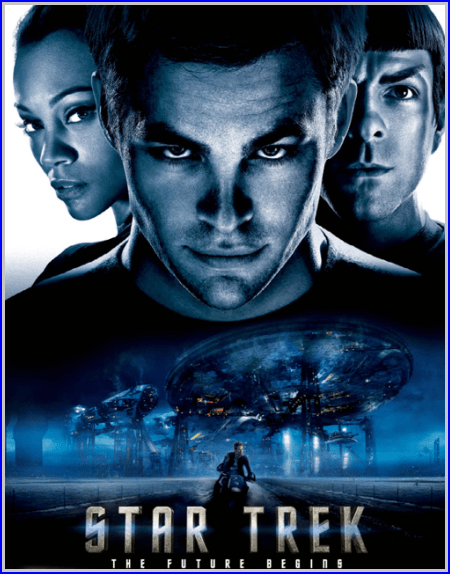
Review: Star Trek (directed by J.J. Abrams)


2009 marks the return of Star Trek franchise to the big-screen. It has been seven years since the last entry in the series with Star Trek Nemesis. The critically-panned and box-office failure of that tenth entry in the film series marked a major low-point for the franchise. The franchise was dead in space with no one seeming to be able to figure out a way to bring the franchise back to big-screen prominence. So, it comes as a surprise that it’s eventual savior happens to be a non-fan of the franchise. J.J. Abrams has confessed to not being a major fan of the series, but wanted to see how he could bring back the franchise to a high bar of standard it had set for itself through the decades of its existence. This latest and eleventh entry in the Star Trek film series marks a drastic improvement over the past decade of film entries in the series. Abrams has crafted an enjoyable and fast-paced film which includes equal amounts of details fans of the franchise love, but also creating a film which would appeal to non-fans as well.

To start off, I’m what one might call a Trekker who has pored over all the details of the franchise. Backstory, character bios and details of the expanded universe is bread-and-butter. When first announced that Abrams would be in charge of trying to bring the franchise back to prominence I was quite skeptical. I’m not the biggest fan and admirer of J.J. Abrams and his work. It didn’t help that his idea to bring in more non-fans to the fold smacked of pandering. I will say that I will be the first to eat my words as Abrams’ Star Trek has been the best entry in the film series for the last 15 or so years. It’s a fresh new take on Gene Roddenberry’s universe which has spanned over four decades starting with the original TV series and continuing with the many novels which continue to churn out year in and year out.

The casting of a relatively unknown actors by Abrams and his crew was a bold move as their performances of iconic characters beloved by tens, if not hundreds, of millions of fans could sink the film and put the final nail in the film series’ efforts to stay up on the big-screen. Fortunately, it is this cast of unknowns who make this film so fun to watch. Chris Pine as James T. Kirk does a fine job of not apeing and micmicking the Kirk of Shatner but instead makes the character his own while at the same time bringing enough of the self-confidence and charm Shatner brought to the role. As good as Pine’s performance as Kirk was the film really belongs to Zachary Quinto’s portrayal of a more conflicted and darker Spock. Where Leonard Nimoy’s work as Spock was more of a mature character whose conflicting dual-nature as an emotional human and logical Vulcan would resurface here and there throughout the decades Quinto’s Spock has that conflicted nature simmering right on the surface. We get a much darker Spock who hasn’t fully accepted his two warring sides. One might even say that this Spock was a much darker portrayal than what had been previously done of the character. Quinto’s performance was a star-making one and should make fans relieved to know that an iconic character was in good hands.

The rest of the ensemble cast do a commendable job in their roles with other stand-out works by Karl Urban as Bones McCoy and Bruce Greenwood as Capt. Pike. Urban, especially, does a remarkable job of channeling DeForrest Kelley’s McCoy without seeming to copy the man. Like Quinto’s Spock, Urban’s McCoy should resonate with fans and non-fans alike. Simon Pegg as Scotty, John Cho as Sulu, Zoe Saldana as Uhura and Anton Yelchin as Chekov all do good work but are not on the screen enough to show what they could really do. With the seeming success of this film I’m sure they’ll have more chance to grab a hold of their characters and make them their own. If there’s a weak link to the cast it would be Eric Bana’s Romulan Nero. The character of Nero wasn’t fully realized beyond the maddened, revenge-fuelled archetype for Bana to truly work his skills on. There’s just not enough in the character to make him a great Star Trek villain. There’s hints of Khan in the role but also hints of weaker villains in the franchise’s history. If the writers had done a better job fully realizing the character for Bana I think Nero would be spoken of on the same level as Khan, but he won’t be and that brings up the other weak link in this film: the writing.

I say the writing is a weak link not because of the dialogue spoken but of the the overall plot of the story. There’s a simple enough plot to hold the film together but writers Orci and Kurtzman tried to create an epic storyline which would keep both loyal fans and new people to the franchise happy. By doing this they oversimplified the story where details were left out that created huge plot holes in the story. Also, the way Kirk’s character meets up with each member of what would become his core group relied too much on timely coincidences. They tried to make each meeting to be a memorable one which ended up with action-sequences that could’ve been left out but added to make the next meeting interesting. Like another origins film of the summer, X-Men Origins: Wolverine, both Orci and Kurtzman tried to lump too much origin details into this prequel. The finished screenplay could easily have used one or two more doctoring to make it a much more leaner and streamlined story.

The good thing was that as simple and pedestrian the story ended up being it did create a way for Abrams to connect both the original stories created by previous films and tv series to this new film which now has given the franchise a new path to move forward on without forgetting the canon established in the previous four decades. Star Trek by Abrams could be compared closely to the James Bond reboot in Casino Royale and the Batman reboot with Batman Begins. All three films share similarities in that all three honors the canon of the expanded universes of their respective franchise but brings enough new ideas and changes to re-imagine the franchises to a new generation of fans. Like those two other films Star Trek has laid the foundation for new stories to be told and not having to worry about continuity problems. Now any future films in the franchise have carte blanche to boldy go where the series hasn’t gone before.

In the end, J.J. Abrams’ Star Trek turned out to be better than expected as he has created a film that is a fun, action-filled ride with a wonderful performance by the ensemble cast of unknowns. Even a weak villain and premise fail to damper and bring down the film. While it is not a great entry to the series it does bring back the franchise to a resounding return to the big-screen that should please most of its loyal fans while appealing to the casual audience. I, for one, cannot wait to see what Abrams has in store for the forseeable future of the crew of the U.S.S. Enterprise.

10 Favorite Comic Books of the Past Decade


The first decade of the new millenium found me in a weird place when it came to one of my big hobbies after high school. From 1989 all the way through the 90’s I was a major comic book reader and collector. I would say that I wouldn’t deny the charge that I might have helped the so-called “comic book speculator era” rise to the forefront of the hobby. Artists like Jim Lee, Whilce Portacio, Todd McFarlane were like rock stars in that era and their titles would fly off the shelves the moment they came out. I and others would buy multiple copies, carefully board and bagged them (but also read them) and wait for their price to go up.

Some titles did go up in price and were sold for a profit thus feeding the notion that I could make a lot of money off of these comic books. I was one of the early adopters of the independent titles which really fed the speculator market. First there was buying up all the early Evil Ernie issues before most of the public got wind of just how awesome (and limited their printing were) then doing the same for William Tucci’s Shi title which I must say really defined a speculator’s dream title. It had buzz to it due to the bad girl art, the story was not bad and had an exotic taste to it and, best of all, the printing on the title character’s first appearance was practically non-existent.

By the time the speculator’s market finally burst it’s bubble and dragged the comic book industry down with it I was pretty much burnt-out on comic books. I still read them and bought the titles whcih caught my eye, but the days of buying every issue of most every title from Marvel/DC/Image were done with. I even stopped buying and reading them in the beginning of the 2000’s. The industry was in a creative rut in the early years of the new decade. While superhero titles were floundering and publishers (small and medium ones) were declaring bankruptcy and selling off properties to the highest bidder a curious thing happened. I got back into comic books and it wasn’t the hero titles which drew me back in but the mature, independent titles from Vertigo, Dark Horse, Image and small-indie publishers.

This was a very good thing since I missed having the books in my hands. I wasn’t buying them now to collect but to read. I still handled them with kid gloves but I wasn’t worried about whether they would turn me a profit anymore. So, for most of the decade I was an indie-fool who pretty much avoided most the titles from Marvel/DC. While I still read some titles from the two main comic book houses it wasn’t on the same level pre-2000’s.

Below is the list of the 10 titles that were my favorite of the decade. Some were considered the best of the decade and some just my favorite because they spoke to me as a reader. This time they will be in order of importance unlike my previous Best/Fave lists.

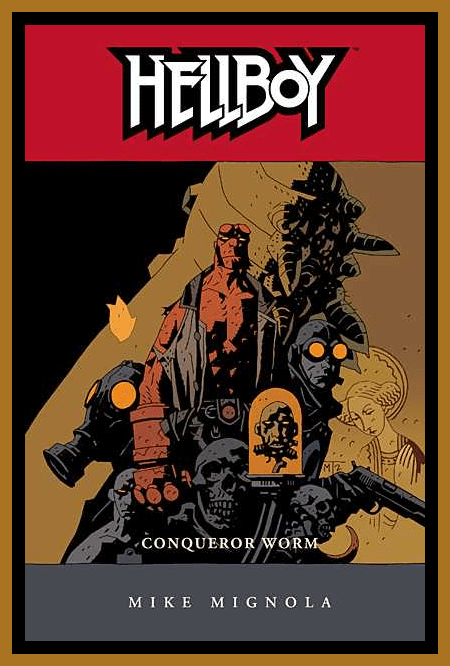
10. Hellboy by Mike Mignola (Dark Horse Comics)
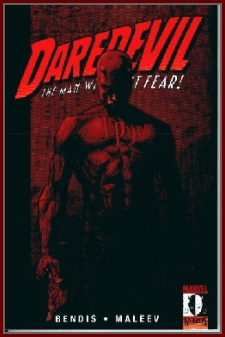
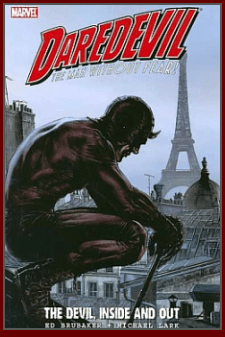
9. Daredevil by Brian Michael Bendis/Ed Brubaker (Marvel Comics)
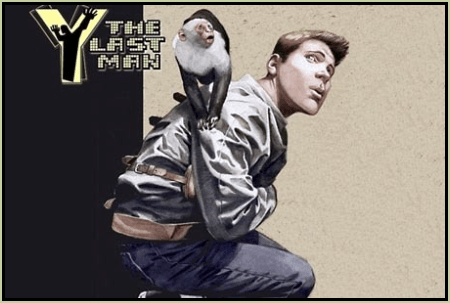
8. Y: The Last Man by Brian K. Vaughn (Vertigo)
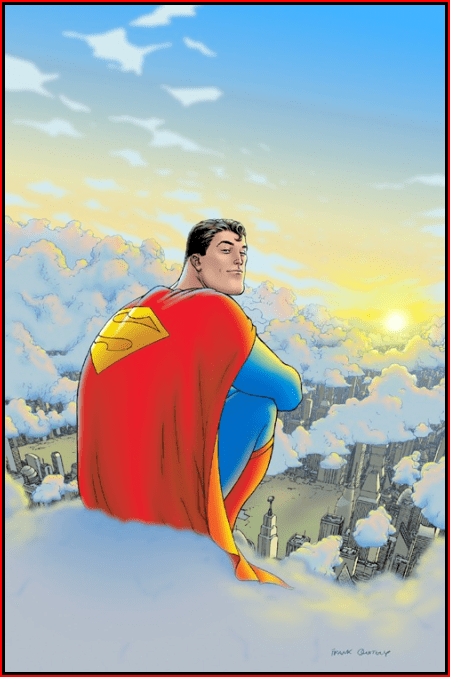
7. All-Star Superman by Grant Morrison (DC Comics)
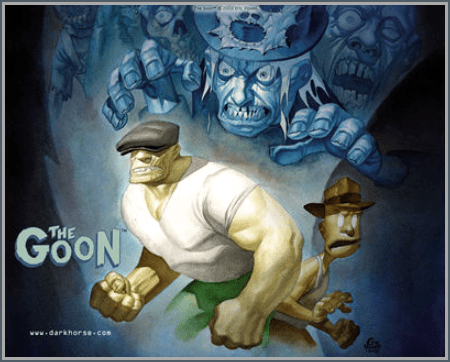
6. The Goon by Eric Powell (Dark Horse Comics)
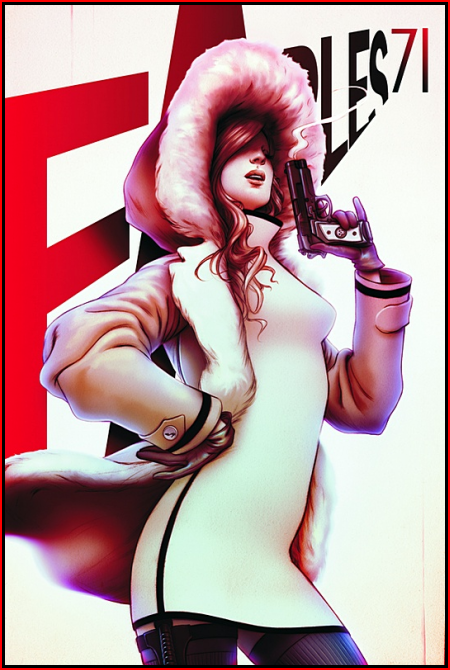
5. Fables by Bill Willingham (Vertigo)
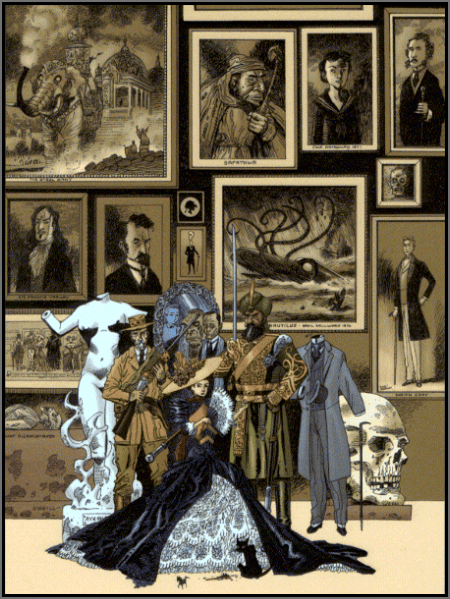
4. The League of Extraordinary Gentlemen by Alan Moore (America’s Best Comics)
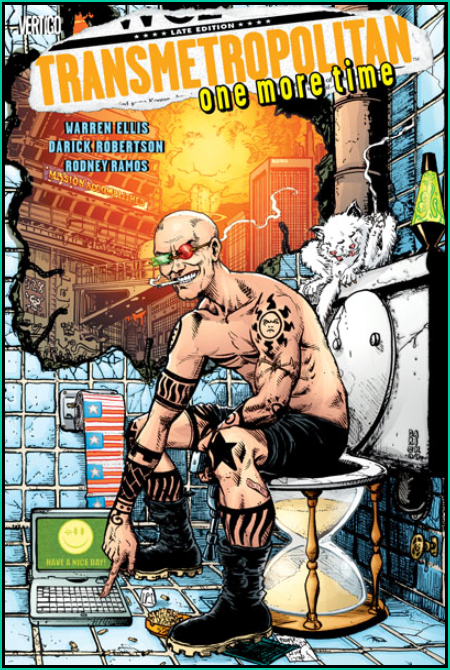
3. Transmetropolitan by Warren Ellis (Vertigo)
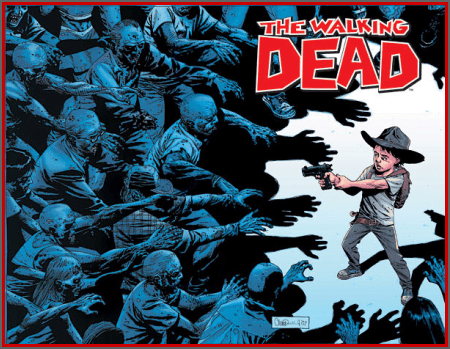
2. The Walking Dead by Robert Kirkman (Image Comics)
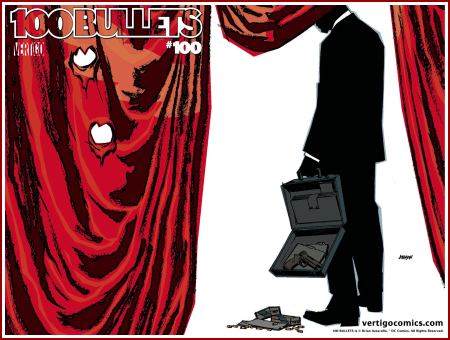
1. 100 Bullets by Brian Azzarello (Vertigo)
Dragon Age: Origins: Awakening Video Game, Expansion Debut Trailer HD


It didn’t take BioWare too long to get the Expansion Trailer up and running. And it’s in prime HD-quality. I’m liking what I see in the trailer. I hope that Alistair is not the “old favorite” from the old crew that will be joining my hot, sexy city elf Grey Warden. She needs her girl Leliana by her side for this expansion. Though I’m sure she wouldn’t mind having Morrigan around as well.

One detail which BioWare fail to mention in their news release for the game is whether it will be download only all across thee platforms or will players be able to order the game with disc and case and all that comes with them. I’m almost afraid to that Gamestop may end up having a special item and/or goodies aplenty for ordering at their site or store. I’m still more than just a tad pissed off that they cutoff pre-orders for their Mass Effect 2 Collector’s editions. Shenanigans I say!! SHENANIGANS!

If the game will be download only I may need to make some room in my Xbox360 HDD or just plain buy one of them newfangled Elites. Having that Elite means playing this expansion on glorious HDMI connection to my HDTV. March 16, 2010 cannot come any faster. Let’s hope this won’t be the only full expansion for this awesome game that is Dragon Age.

via Dragon Age: Origins: Awakening Video Game, Expansion Debut Trailer HD | Game Trailers & Videos | GameTrailers.com.

Confirmed…Dragon Age: Origins expansion due March 2010


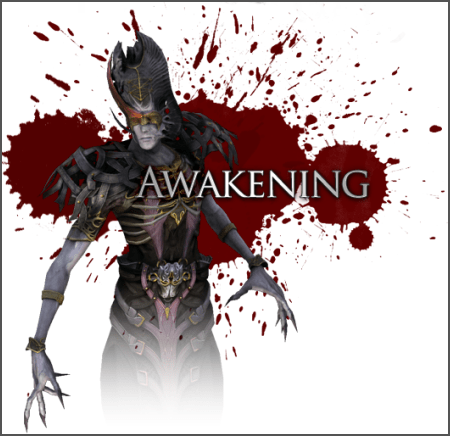
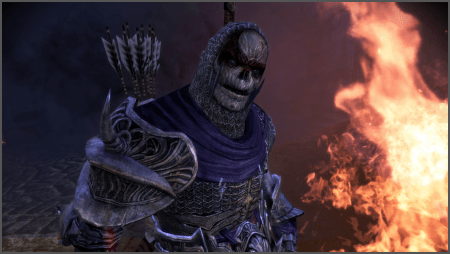
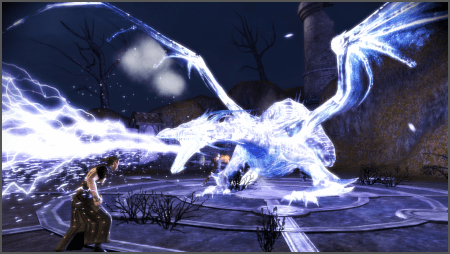
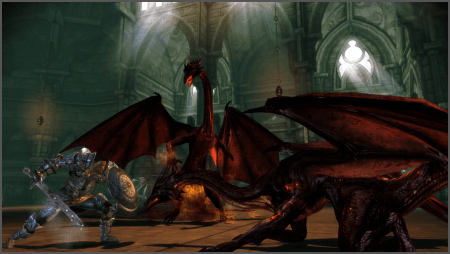
Some good news was just sent out from BioWare this morning. I am talking about confirmation of the first major expansion for Dragon Age: Origins. Unlike the usual DLC’s which have been released and set to be since the game came out in late 2009, this exapnsion will include not just a new quest but a new land to explore, new monsters and enemies to fight and a major storyline quest that should take 15 or so hours to complete. As one can see in the images below there’ll be a new dragon to put one’s combat party to test their mettle on.

It looks like one nice new tweak to the gameplay is to help in rebuilding the Grey Warden’s order in Ferelden which includes a new fortress and I’m assuming recruiting new potential recruits as well. Does this mean a player who brings over their character from the original game will be the one to give out the Testing? I sure hope so! Either way it looks like this expansion will be loaded with hours upon hours of questing and gameplay. With new intelligent Darkspawn to fight. An brand-new construct to take on: The Inferno Golem. Not to mention the aforementioned new dragon to kill going by the title of Spectral Dragon.

The game should be out by March this year and that’s just enough time to play and complete Mass Effect 2 when it comes out at the end of January 2010.

SCREENS

Source: http://dragonage.bioware.com/awakening

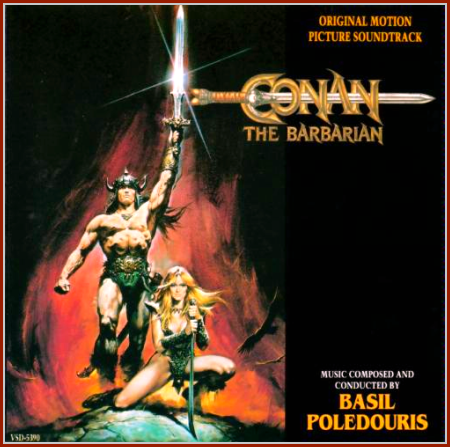
Review: Conan the Barbarian Soundtrack (composed by Basil Poledouris)


In 1982 maverick director John Milius wrote and directed a sword and fantasy epic based on the Robert E. Howard pulp character Conan the Cimmerian. Though some changes were made to the character and his adventures to make a much more accessibe fantasy epic, Milius’ Conan the Barbarian became a smashing success and ushered in the Age of Schwarzenneger. Milius had his leading man and an action-packed script with exotic locales to shoot the film at. Now all Milius needed was someone to compose a film score worthy and complementary to the character and the film. The person he ended up choosing to score his epic would be Basil Poledouris and it would turn out to be a very wise choice.

Basil Poledouris’ took on a different tack in scoring Conan the Barbarian. Instead of just coming up with music as a background to scenes in the film he opted to score the film as if it was an opera. Taking his cue from Wagner and Carl Orff (whose Carmina Burana was a heavily influence in the tracks Riddle of Steel/Riders of Doom and Battle of the Mounds), Poledouris created a score that could stand on its own as a piece of operatic work. His use of leitmotifs to sound the arrival of the main characters was reminiscent of Wagner’s work especially that of Der Ring des Nibelungen. Conan and his archnemesis Thulsa Doom would have their leitmotifs intertwined in the tracks Riddle of Steel/Riders of Doom with their pounding drums, crashing brass and triumphant horn section. This motif would return once more in the Battle of the Mounds track.

Another recurring motif would be the light and airy theme Poledouris came up with for what I call the introspective section of the film. This section of the score made great use of this motif which used less of the drums, brass and french horns in the more militaristic and martial beginning of the film. A trio of tracks made up this section with Theology/Civilization, The Wifeing, and The Leaving/The Search with the first of the trio being a light and playful tune smoothly segueing into the intimate and ultimately mournful middle track of the trio. The third and final section would combine the two towards a determined conclusion to Conan’s introspection of what his decision should be in his quest for vengeance.

Other tracks in the score adds its own personality to the story being told. There’s Gift of Fury which starts off as a slow dirge to the aftermath of Conan’s village being razed by Thulsa Doom’s men to a gradual dramatic crescendo marking the end of young Conan’s innocence and path to bondage and slavery. The other track of note which helped give the scene it was composed for a greater impact would be The Kitchen/The Orgy. This track with its dual personality of Thulsa Doom’s martial motif smoothly transition into a sensuous and decadent, albeit discordant theme showed the dual nature of Conan’s rival. A nature both militaristic and disciplined, but also hedonistic and debased. This was one piece of the score which stood out to show Poledouris’ great understanding of the characters and the subject matter he was scoring for.

Poledouris’ final score for the film works well within the boundaries of the story being told. It both complements the action and thoughts shown on the screen and enhances its dramatic weight. In fact, the symphony and choral work done in the score could be listened to without seeing the images on the screen with just the CD liner as a guide and the story would be easily understood. On its own the score would count as a great symphony which told a story through music. But when combined with the words and images crafted by Milius on-screen it takes on a greater dimension.

Conan the Barbarian was a film that helped usher in Arnold Schwarzenneger as a force in Hollywood. It was also a film which showed that sword and sorcery fantasy could be done seriously and done so with quality in mind. The film and Milius’ choice who to score it would resonate in the film scoring community for years to come as it showed that a film score didn’t have to be just a secondary afterthought in the filmmaking process. Poledouris’ score for Conan the Barbarian still counts as his best to date and remains the standard-bearer for fantasy film scoring. It’s influences could be felt as recent as Peter Jackson’s Lord of the Rings trilogy where film composer Howard Shore uses Poledouris technique of Wagnerian leitmotifs to help tell the story as if it was an opera instead of just a film. A masterful work by a master of his craft that would live long after all the participants in the project are long dead and buried.

Below are videos of the only live concert conducted by Basil Poledouris of the Conan the Barbarian symphonic score.

Part 1: Anvil of Crom/Riddle of Steel/Riders of Doom

Part 2: Gift of Fury/Atlantean Sword/Love Theme

Part 3: Funeral Pyre/Battle of the Mounds

Part 4: Orphans of Doom/The Awakening

Part 5: Anvil of Crom/Encore

Project Natal: Evolution and Revolution


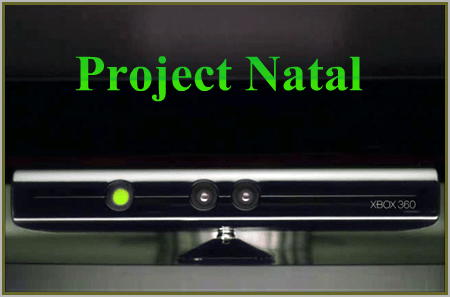
This past summer of 2009, during a company press conference the day before the start of E3 2009, an announcement which might have brought a paradigm shift in how consumers interact with their consumer electronics. The announcement I speak of is their 3D, full-body motion-cap sensor control scheme dubbed Project Natal. Tweets, texts and status updates across the ether that’s the web was a consensus jaw-dropping with a mixture of excitement and skepticism. The initial reaction was that this was Microsoft’s answer to the new 800 lb. gorilla in the gaming industry: Nintendo’s Wii.

It’s a logical reaction and one that was duplicated in a smaller part from Sony’s introduction of it’s own motion-based controller system. But Project Natal seems to be the one that has the world of not just gaming buzzing with excitement and possibilities, but the whole tech industry. Microsoft’s gamble and evolution of existing technology has the making of revolutionizing not just gaming but how people interact and use their PC and everyday home gadgets and technology.

First and foremost, Project Natal will be focusing on expanding the base of Xbox 360 owners and players to include not just the kids (both young and old) who play games ranging from kid-friendly to mature-oriented, but the rest of the family who want to be able to join in without having the master and pick up a controller. Yes, Project Natal will allow gaming to move forward with the option of actually not having to use a physical controller in one’s hands to play a game. Does it mean it will replace the handheld controller core gamers have gotten used to and by years of use become an almost intuitive part of their bodies? I don’t think it will, but instead become an option.

I will be the first to say that I will never ever get rid of my console gaming controllers. There’s an ease and familiarity of it in my hands when playing games. But the prospect of having the option of trying out all my games using my body as the controller itself is both exciting and intriguing. Project Natal is science quickly catching up to science fiction.

I say Project Natal both excites and intrigues me as a gamer for several reasons. It’s exciting to see how far gaming has evolved from the early days of the Atari VC (2600 for those who don’t recognize). While I have never been truly sold on the complete immersion Nintendo has touted the Wii and it’s Wiimote was to be for gamers, I will admit that it’s success has spurred it’s rivals to innovate and come up with the next step. If Natal is not bringing excitement back to an industry that is stagnating (even with the Wii’s innovation it has slowed down in terms of innovation) then why complain about the industry’s lack of innovation and imagination. Natal, whether one truly believes in it or believes it to be vaporware, has opened up a new door in how gaming will move forward in the forseeable future.

Another reason why Natal has me excited as a gamer is how it could breathe new life to old gaming experiences. I have never been a very adept fighting game players as combo systems and how to make them work on a controller pad has always eluded me. But with Natal I can see a future where even the most novice fighting game player could chain combos and attacks by simulating the moves themselves in a basic fashion. Playing Madden using the QB POV would actually become interesting and give a player a very close approximation as to what a real QB may see when standing in the pocket. The possibilities are endless.

Project Natal intrigue me as a gamer for the games dedicated to it that developers could come up with. Why have controller peripherals playing Rock Band when Natal could possibly make air guitar and air drumming a true reality. Console RTS would finally have a control scheme that could match the precision of keyboard and mouse system of their PC cousins. There will be hits and misses, but the fact that such a dynamic option on how games could be played should intrigue gamers looking to have a future in developing in the industry they love.

This coming evolution in gaming may be too ahead of its time. Some will say that Microsoft just took the existing technology already available with the Wiimote and EyeToy and just packaged both together into one package. That may be true but it doesn’t mean it won’t work. The industry has always been taking the latest innovation by one company and evolving and tweaking new ideas from it. While Nintendo and Sony may have arrived first in their respective tech they never thought of actually combining the two and adding new features to remove the controller outright.

Revolution that Natal brings will not be limited to gaming, but should also impact everything which relies on the synergy of software and hardware people’s everyday lives. Project Natal should be made to work with PCs, HDTVs, home electronic systems and everything in between.

It seemed such a coincidence that the one film depicting a near-future using a Natal-like technology would have its creator tout the new Microsoft technology. Project Natal does seem to be making the tech of Steven Spielberg’s Minority Report move from the realm of science fiction and into the realm of science reality. Natal has the possibility of allowing people to forgo the use of keyboards and mouse when using their computers. Pretty much the whole armor development sequence in Iron Man where Stark manipulates, designs and finally complete a new suit design without ever typing anything on a keyboard I could see Natal turning it into a real-world application for mechanical and electrical engineers. Not to mention research scientists in other fields.

While it is still too early to consider Project Natal as a success. It is still in a beta form with no announced released date other than sometime around 2010. It should be seen with eyes looking at the exciting and intriguing possibilities it opens up for gamers and the world of technology instead looking at it with cynical eyes already deciding to view it with skepticism. It doesn’t matter whether one likes Microsoft as a company or not. What they announced and showed on June 1, 2009 in the Galen Center in Los Angeles may just usher an evolution and revolution in gaming and tech that everyone will benefit from.

As we have seen with the pre-release and post-release reaction regarding James Cameron’s Avatar sometimes the product does live up to the promise and hype. When they do the general public will embrace it even if it does have some initial flaws and weaknesses. I think like Cameron, Microsoft’s Consumer Electronics and Gaming Division decided to gamble and leapfrog what others have started and move it in a direction no one had been expecting or even comtemplate as a remote possibility.

The Thing Prequel Starts Shooting in March – ShockTillYouDrop.com


John Carpenter’s The Thing is one of my favorite films ever made and I consider it one of the best sci-fi horror ever put on celluloid. There’s been talk for years of making a sequel to the 1982 film. While nothing ever came of it outside of some very well-done and well-written Dark Horse Comics were issued and set after the events of the first film. SciFi Channel even had a tentative plan to film a 4-hour miniseries sequel, but after many delays and obstacles to getting the pre-production beyond the concept stage the plan was dropped.

In the beginning of the new millenium Ron D. Moore of Star Trek and Battlestar Galactica (reboot) fame wrote a script which would take place prior to the evtns of the first film. This prequel would tell the story of how the “the Thing” was first discovered by the Norwegian team on Antarctica and the subsequent incidents which would lead into and tie with Carpenter’s film.

I am quite excited that the prequel is going to finally start filming this March and into June. The same studio which financed and released two excellent horror films in the past 10 years (James Gunn’s Slither and Zack Snyder’s Dawn of the Dead remake), Strike Entertainment, will also be the one responsible for this prequel. Matthijs van Heijninjen will be directing the film from Ron D. Moore’s scriptment with rewrite work from Eric Heisserer.

The question, I am sure fans will have, is will the filmmakers go full on digital, traditional practical effects or a combination of both. If they even go with option 2 or 3 they definitely need to bring in Rob Bottin and Stan Winston’s Effects House to either consult or handle the FX work. Bottin should just be made part of the crew just because he’s Rob Bottin and The Thing was as much his film as Carpenter’s.

Here’s to hoping Heijningen and Heisserer don’t fuck this prequel up.

The Thing Prequel Starts Shooting in March – ShockTillYouDrop.com

Posted using ShareThis

The Pacific (HBO Mini-Series)


HBO’s 10-part mini-series in 2001 adapting historian Stephen Ambrose’s best-selling book, Band of Brothers, was a hit and success with both critics and the general audiences. The book and the series detailed the life of members of Easy Company of the 2nd Battalion, 506th Regiment of the 101st Airborne Division during it’s campaign. A campaign which first began during training in Toccoa, Georgia then moving on to the Allied training in the UK before participating in some of the bloodiest battles of the Allied Western Front Campaign: Normandy, Operation Market Garden, Battle of Bastogne and finally the taking of Berchtesgarden and Hitler’s Eagle’s Nest.

The mini-series was known for it’s historical accuracy and attention to battlefield detail. Band of Brothers owes much of its visual and film-style to Stephen Spielberg’s (he was one of it’s exec. producers with Tom Hanks being another) WWII epic, Saving Private Ryan. The heavily washed-out color stock gave the series an almost black-and-white quality with just the sudden splashes of color like red and orange to highlight blood and fire. When it came to the battles the series set the bar quite high with Ridley Scott’s Black Hawk Down and Spielberg’s Saving Private Ryan being the only two to match it in technical mastery.

The series has become a yearly staple comes Memorial and Veteran’s Day in the US. I could always wake-up on those two holidays, turn on The History Channel and see a Band of Brothers marathon. Easter has it’s DeMille The Ten Commandments and these two holidays celebrating the sacrifices of soldiers, living and dead, have their BoB.

It’s now 2010, HBO Steven Spielberg and Tom Hanks go for round two with another 10-part WW2 mini-series simply titled, The Pacific. This second series will move from the European Theater of Operations over to the Pacific. Like the first mini-series, The Pacific will tell the story of the war from the eyes of a couple men on the ground. This time the men are Marines of the 1st Marine Division and through the eyes of some of these men we see WW2 fought in the Pacific and despite being fought in the same war it distinguishes itself for it’s sheer brutality. Audiences will learn such hallowed names such as Guadalcanal, Peleliu and Okinawa.

So, March 2010 people who enjoyed Band of Brothers should definitely tune in to HBO and watch it’s bookend series: The Pacific.

The Pacific Trailer

The Pacific Trailer 2

The Pacific On-Set Featurette