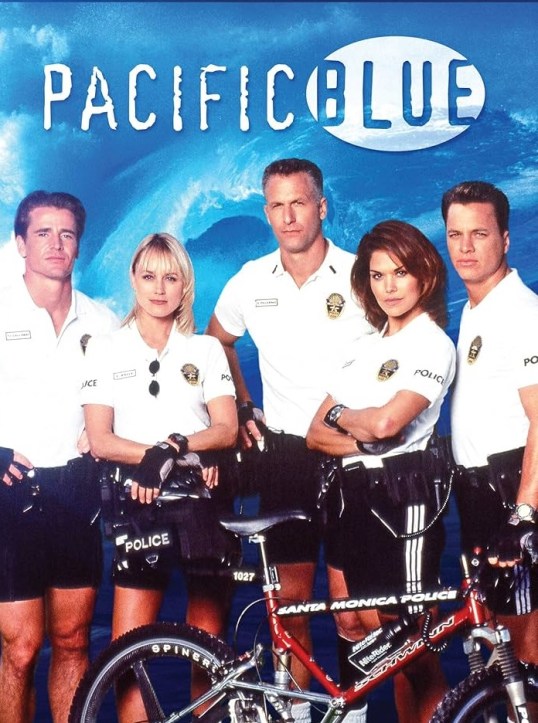
Welcome to Late Night Retro Television Reviews, a feature where we review some of our favorite and least favorite shows of the past! On Tuesdays, I will be reviewing Pacific Blue, a cop show that aired from 1996 to 2000 on the USA Network! It’s currently streaming everywhere, though I’m watching it on Tubi.
This week, two vigilantes disturb the peace, Cory meets a special guest star, and everyone continues to look stupid on their little bicycles.
Episode 3.13 “Avenging Angel”
(Dir by Terence H. Winkless, originally aired on December 14th, 1997)
This episode was dumb.
Cory is haunted by nightmares involving her mother, who died when Cory was 10. In her latest nightmare, she runs into her mother at a crime scene and her mom shoots her! Chris thinks that’s an odd dream and she’s right. Cory explains that her mom is just trying to get her attention. Cory believes that her mom is her guardian angel. Chris doesn’t know how to react to this because Cory is expressing an emotion that doesn’t involve being snarky or self-righteous.
When Cory is injured while chasing two Korean brothers (we’ll get to them in a minute), she has to go to rehab. Luckily, Olympic track medalist Florence Griffith Joyner is a patient at the same rehab clinic. Joyner takes Cory under her wing and encourages her to work hard and get her knee back into shape. When Cory says she’s thinking of leaving the force, Joyner tells her not to. “Thanks, FloJo,” Cory replies.
(Yes, Florence Griffith Joyner played herself. As an actress, she was a good athlete.)
As for the two Korean brothers, they are vigilantes who are beating up criminals on the boardwalk and becoming celebrities in their own right. Palermo views them as being a threat to the peace and he’s determined to catch them. Meanwhile, the Mob is determined to kill them and a very annoying talent agent is determined to sign them.
Ugh, what a stupid episode. Usually, I’m a sucker for episodes that deal with people coming to terms with the death of a parent. That’s something to which I can relate. I have no doubt that my mom is also looking over me. But, as much as I wanted to fully embrace Cory’s story, I couldn’t get past the fact that she went to rehab and just happened to meet an Olympic athlete. Maybe if Joyner has been a better actress, this storyline would have worked but, as it was, it just felt forced. There was really no reason why Joyner should have been so wrapped up in whether or not Cory decided to remain with the force.
As for the stuff with the brothers, the entire plotline felt like filler. The brothers couldn’t act. The actors playing the gangsters who wanted to kill the brothers couldn’t act. The talent agents who kept popping up and talking about how much they wanted to sign the brother, they also couldn’t act.
This episode was just painful and all the rehab in the world isn’t going to change that.
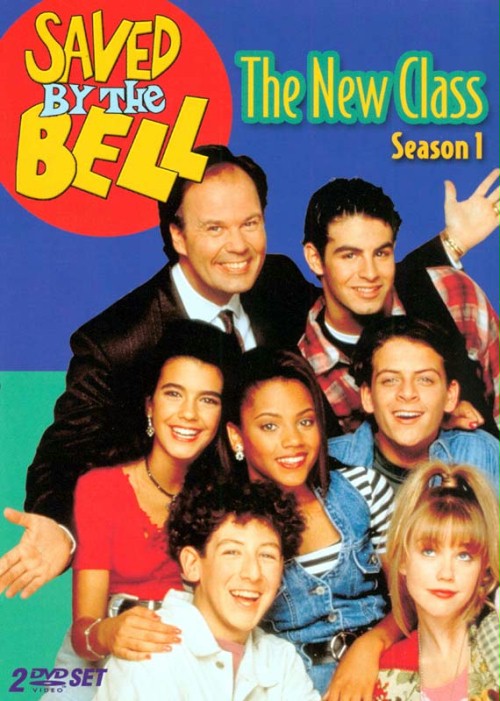
Welcome to Retro Television Reviews, a feature where we review some of our favorite and least favorite shows of the past! On Tuesdays, I will be reviewing Saved By The Bell: The New Class, which ran on NBC from 1993 to 2o00. The show is currently on Prime.
This week, Scott and Tommy D attempt to exploit Weasel’s happiness for their own monetary gain. Ah, that’s classic Bayside!
Episode 1.3 “A Kicking Weasel”
(Dir by Don Barnhart, originally aired on September 25th, 1993)
It’s been ten years since Bayside had a good football team!
That’s what Scott tell us at the start of this episode. Scott explains that the Bayside student body has no enthusiasm for football. No one cares because the team always loses and, as such, even Mr. Belding is more concerned with the school’s ping pong team.
To which I say, “What?”
Seriously, every Saved By The Bell fan knows that A.C. Slater led the Bayside Tigers to victory after victory. With the help of Ox and all the other players, Slater made Bayside into a football powerhouse.
This can only mean one of two things. Saved By The Bell: The New Class is either taking place ten years after Saved By The Bell (possible but I doubt it due to the fact that Screech is coming back next season) or that the writers just didn’t care about continuity. I’ll go with the latter.
Things are looking up for the football team, though. It turns out that Weasel can actually kick the ball! He goes from being the waterboy to the cornerstone of the team’s offense. But Weasel can only kick well when he’s angry. When he’s not angry, he’s too mellow. When he become a football star, he’s happy. He mellows out.
That’s bad news for Scott and Tommy D, who are looking to make a fortune by selling Weasel t-shirts! Tommy D agreed to embezzle the seed money from the print shop fund. (Hey, that’s a crime!) In return, Scott fixed the varsity cheerleader tryouts so that Lindsay beat out both Megan and Vicki. When Linsday finds out that the tryouts were fixed, she refuses to cheer. That makes Weasel mad and he ends up winning the game with 11 field goals. Lindsay, meanwhile. gets her revenge by telling Belding that Scott and Tommy D will be donating all of the t-shirt profits to the ping pong team.
This episode …. actually, I’m going to surprise myself by saying that it wasn’t that bad. Yes, the plot was way too busy for its own good and Scott’s constant scheming feels like what it was, a bad imitation of Zack Morris. But, in the role of Weasel, Isaac Lidsky actually gave a pretty good sympathetic performance. (Weasel was never as annoying as Screech, largely due to Lidsky.) Jonathan Angel delivered his dialogue with the right amount of dumb earnestness and it was nice to see the Bayside nerds end up winning for once. All in all, this one really wasn’t bad.
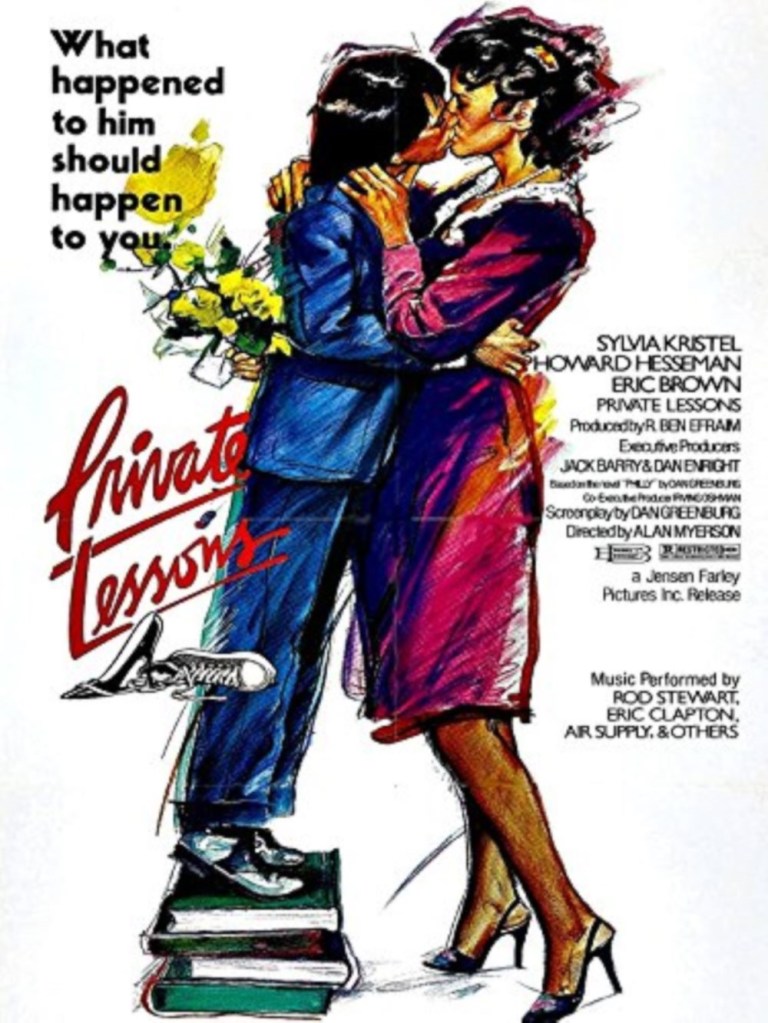
Private Lessons is that kind of early ’80s sex comedy that feels like a time capsule from when movies could get away with stuff that would never fly today. It’s got this awkward charm mixed with some seriously questionable choices, centering on a horny teenager named Philly who gets schooled in the ways of love by his family’s sultry French housekeeper. The film tries to play it all for laughs and titillation, but it lands somewhere between guilty pleasure and uncomfortable relic.
Philly, played by Eric Brown, is your classic 15-year-old rich kid left home alone for the summer in a sprawling Albuquerque mansion while his dad jets off on business. Dad hires Nicole, this alluring European housekeeper portrayed by Sylvia Kristel—yeah, the Emmanuelle star herself—to keep an eye on things, along with the sleazy chauffeur Lester, brought to life by Howard Hesseman in full sleazeball mode. From the jump, Philly’s got a massive crush on Nicole; he’s peeping through keyholes and fumbling over his words whenever she’s around. It’s all very American Pie before American Pie existed, but with a Euro-sex vibe courtesy of Kristel’s effortless sensuality. She catches him spying one night, strips down without a care, and invites him to touch—Philly bolts like his pants are on fire. You can’t help but chuckle at his panic; Brown’s wide-eyed innocence sells it without overplaying the hand.
The setup builds slowly, which is both a strength and a drag. Philly spills the beans to his buddy Sherman, played with manic energy by Patrick Piccininni, who turns every conversation into a roast session about Philly’s virginity. Their banter is some of the film’s highlights—raw, boyish ribbing that feels authentic to awkward teen friendships. Nicole keeps pushing the envelope: a steamy makeout in a dark movie theater, a goodnight kiss that nearly melts the screen, and finally, a fancy French dinner date where they seal the deal back home. Kristel owns these scenes; her Nicole isn’t just a seductress, she’s got this playful confidence that makes the slow seduction believable. The sex scene itself is tame by today’s standards—soft-focus, lots of sighs—but it’s handled with a wink, pretending to be shocking while delivering the era’s softcore goods.
But here’s where Private Lessons swerves into darker territory and kinda loses its footing. Midway through their romp, Nicole fakes a heart attack and “dies” right on top of Philly. Freaked out, he confesses to Lester, who smells opportunity. Turns out, the chauffeur’s been blackmailing Nicole over her immigration status and hatches a scheme to pin her “murder” on Philly, forcing the kid to cough up a chunk of his trust fund to cover it up. They bury a dummy in the desert, and Lester plays the concerned adult while pocketing the cash. It’s a twist that amps up the stakes, but it also shifts the tone from fluffy comedy to something creepier, leaning hard into moral panic territory. Hesseman chews the scenery as Lester, all smarmy grins and side-eye; he’s the perfect villain you love to hate, but the plot machinations feel forced, like the writers ran out of seduction gags and needed conflict.
Nicole, developing real feelings for Philly amid the con, has a change of heart and spills the truth. Together, they rope in Philly’s tennis coach—Ed Begley Jr. in a quick but fun bit—to impersonate a cop and scare Lester straight. The bad guy panics, gets nabbed trying to flee with the money, and everyone agrees to a truce: no one rats anyone out. Nicole’s “child molestation” (the film’s own loaded term for her role in seducing a minor) and immigration issues stay buried, Lester technically keeps his job, and Nicole splits before Dad returns. It’s a tidy wrap-up that dodges real consequences, which fits the film’s escapist fantasy but leaves a sour taste ethically. The romance fizzles without much payoff; you half-expect a heartfelt goodbye, but it’s more pragmatic than emotional.
Tonally, Private Lessons is all over the map. The first half thrives on its lighthearted horniness—Philly’s fumbling advances, Nicole’s teasing allure, and a very of-its-time soundtrack that pumps up the montages. It’s got that innocent raunchiness of films like Porky’s, where sex is the big mystery and everyone’s in on the joke. Brown holds his own as the lead; at 15, he’s convincingly flustered yet game, making Philly relatable rather than cartoonish. Kristel brings actual star power, turning what could be a one-note vixen into someone with hints of depth—her chemistry with Brown sparks genuine warmth amid the sleaze. Hesseman leans into Lester’s slimeball energy, turning every scene with him into a mix of funny and gross.
That said, the film’s not without flaws, and they’re glaring by modern eyes. The premise is straight-up predatory: a grown woman systematically grooming an underage boy, played for comedy without much self-awareness. It’s the male version of Lolita, but without any critique—instead of examining the situation, it just sort of grins and shrugs. The blackmail plot tries to add intrigue but mostly undermines the fun, turning Nicole from free spirit to reluctant crook. Pacing drags in spots; the relatively short runtime still feels stretched when the seduction stalls so the script can set up the con. And the ending? It papers over everything with a shrug, letting all parties walk free like it’s no big deal. The whole thing feels very much like a product of a moment when taboo could be turned into box-office bait without much pushback.
Visually, it’s a product of its time: glossy ’80s cinematography, plenty of skin but no hardcore edge, and that mansion setting screaming wealth fantasy. Director Alan Myerson keeps it breezy, never letting the comedy get too mean-spirited until Lester’s scheme really kicks in. The score and song choices nail the vibe—upbeat for the flirtations, a bit more tense for the con, always keeping things light even when the story goes to shadier places. It very much feels like something that would play late at night on cable and stick in your memory more as a vibe than as a fully coherent film.
Does it hold up? Kind of, if you’re in a nostalgic mood or digging for ’80s cheese. It’s honest about teen lust without being judgmental, and the performances carry the silly plot. But the power imbalance and the underage angle make it tough to fully endorse—watch with that lens, and it’s more cringe than chuckle. Still, for what it is—a raunchy romp with a surprisingly soft center—Private Lessons delivers just enough to warrant a spin on a bored night. Eric Brown and Sylvia Kristel do a lot of heavy lifting; without their chemistry, this would be forgettable smut instead of a strangely endearing, if deeply problematic, relic. If you’re into retro sex comedies like My Tutor or Zapped!, this one sits comfortably in that same dusty corner of the genre, flaws and all, as a snapshot of looser times that’s best taken with a big grain of salt.
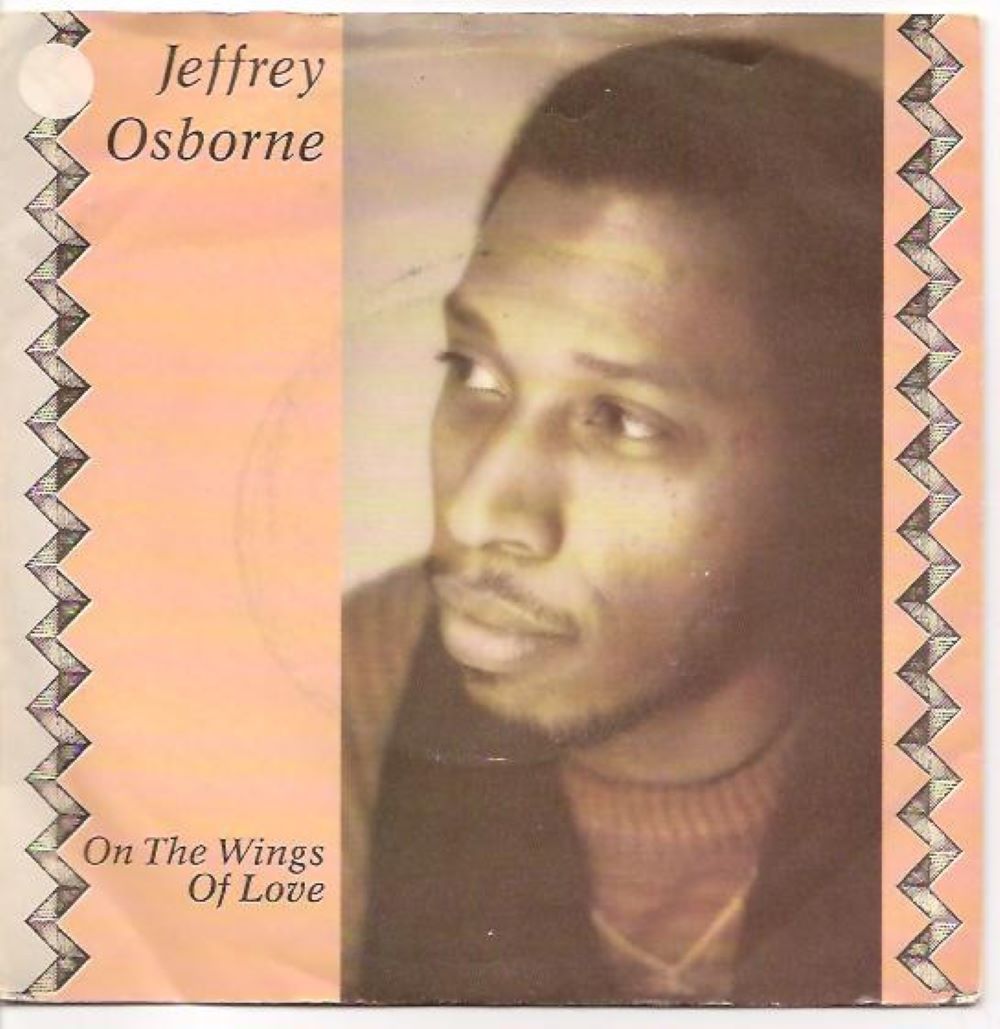
Jeffrey Osborne’s On the Wings of Love always brings back the nostalgia of those junior high and high school dances—the dim lights, the cautious swaying, the mix of nerves and excitement that felt like the biggest deal in the world. It was one of those slow songs that seemed built for that moment: simple, heartfelt, and unafraid to wear its emotions openly. Hearing it again instantly puts you back in that space where a single dance could mean everything.
What stands out now, listening with older ears, is how raw and genuine it sounds. This was music from a time before autotune, when what you heard was pure singing talent—no filters, no layers of studio polish to smooth out the edges. Osborne’s voice carries every ounce of emotion on its own, steady and powerful, but full of warmth. That sincerity is what made the song feel so timeless; it wasn’t just about hitting the notes, it was about meaning them.
Revisiting On the Wings of Love today feels like a little time capsule from when love songs aimed straight for the heart, no tricks or irony. It captures an innocence that’s rare in modern pop—back when melody and emotion were enough to lift you. For February, it’s the perfect reminder that sometimes the purest expressions of love come from nothing more than a beautiful voice and a song that believes in what it’s saying.
On the Wings of Love
Just smile for me and let the day begin You are the sunshine that lights my heart within And I’m sure that you’re an angel in disguise Come take my hand and together we will rise
On the wings of love, up and above the clouds The only way to fly is on the wings of love On the wings of love, only the two of us Together flying high, flying high upon the wings of love
You look at me and I begin to melt Just like the snow when a ray of sun is felt And I’m crazy ’bout ya, baby, can’t you see I’d be delighted if you would come with me
On the wings of love, up and above the clouds The only way to fly is on the wings of love On the wings of love, only the two of us Together flying high, flying high upon the wings of love
Yes, you belong to me and I’m yours exclusively Right now we live and breathe each other Inseparable it seems, we’re flowing like a stream Running free flowing on the wings of love
On the wings of love, up and above the clouds The only way to fly is on the wings of love On the wings of love, only the two of us Together flying high, together flying high
On the wings of love, up and above the clouds The only way to fly is on the wings of love On the wings of love, only the two of us Together flying high, together flying high Upon the wings of love, of love
How many westerns do you know that open with a graduation ceremony at Harvard? I can only think of Michael Cimino’s Heaven’s Gate.
Today’s scene that I love comes from the controversial 1981 epic western. Some people feel that Heaven’s Gate is a secret masterpiece. I’m not quite one of those people but I do think the Harvard graduation scene was a great way to launch Cimino’s idiosyncratic vision of the Old West.
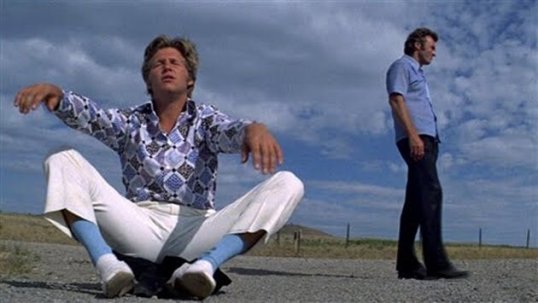
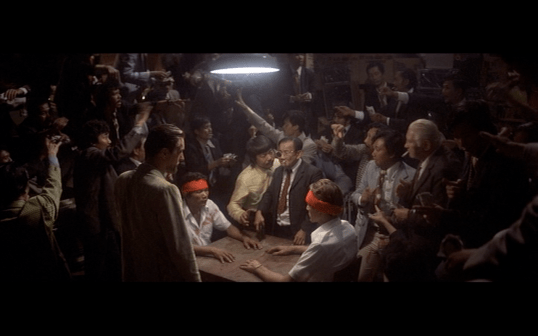
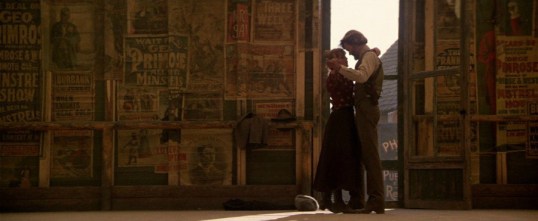
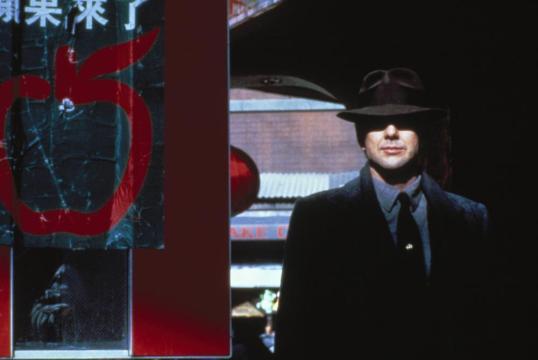
4 Shots From 4 Films is just what it says it is, 4 shots from 4 of our favorite films. As opposed to the reviews and recaps that we usually post, 4 Shots From 4 Films lets the visuals do the talking!
Today, it is time to celebrate the birth of one of the most intriguing (if uneven) filmmakers of the 20th Century, Michael Cimino! It’s time for….
4 Shots From 4 Michael Cimino Films
Thunderbolt and Lightfoot (1974, directed by Michael Cimino, DP: Frank Stanley)
The Deer Hunter (1978, dir by Michael Cimino. DP: Vilmos Zsigmond)
Heaven’s Gate (1980, dir by Michael Cimino, DP: Vilmos Zsigmond)
The Year of the Dragon (1985, dir by Michael Cimino, DP: Alex Thomson)
What a romantic song. Of course, this was originally heard in On Her Majesty’s Secret Service. It turned out that James Bond and Tracy didn’t have all the time in the world.

 Through the Shattered Lens