Today’s song of the day comes from Hans Zimmer’s score for Inception!
Today’s song of the day comes from Hans Zimmer’s score for Inception!
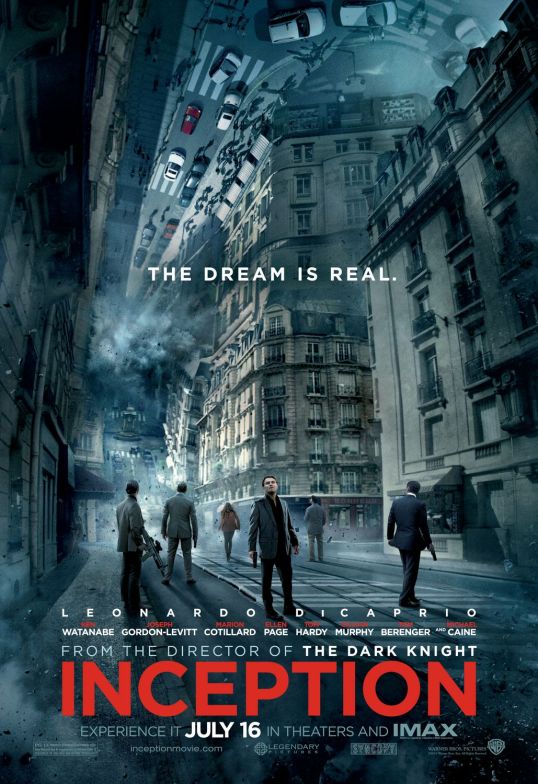
The final scenes of Inception have haunted me ever since I first watched them. Imagine living your entire life and then waking up.
Does the top fall over or does it keep spinning forever? I think it was wobbling before the scene cut out but who can say for sure. The important thing is that Dom is no longer watching it. Instead, he’s made peace with his life, whatever it may be.
4 Or More Shots From 4 Or More Films is just what it says it is, 4 shots from 4 of our favorite films. As opposed to the reviews and recaps that we usually post, 4 Shots From 4 Films lets the visuals do the talking!
4 Shots From 4 Heavenly Films
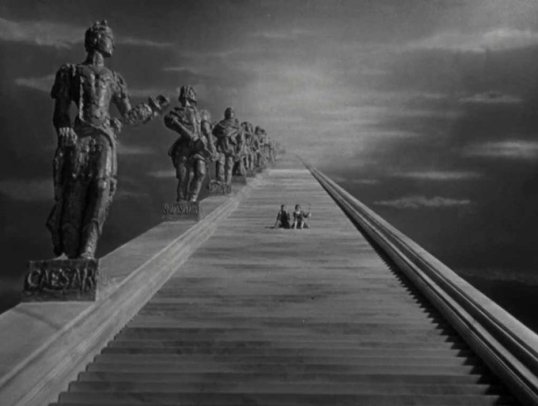
Stairway to Heaven (1946, Dir. by Michael Powell and Emeric Pressburger)
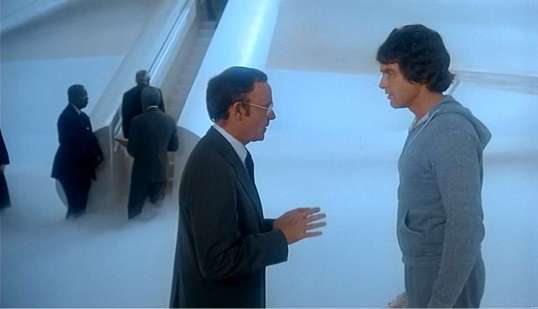
Heaven Can Wait (1978, Dir by Warren Beatty and Buck Henry)
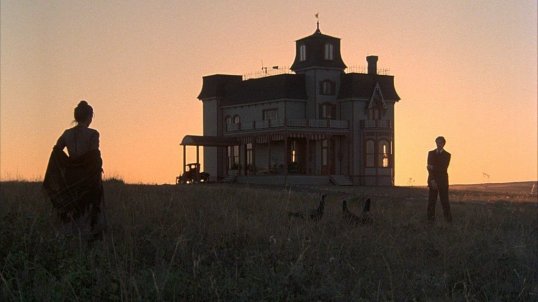
Days of Heaven (1978, Dir. by Terence Malick)
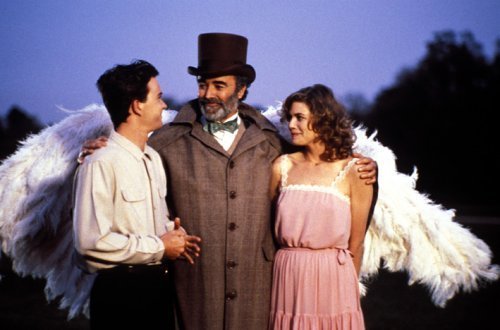
Made In Heaven (1987, Dir. by Alan Rudolph)
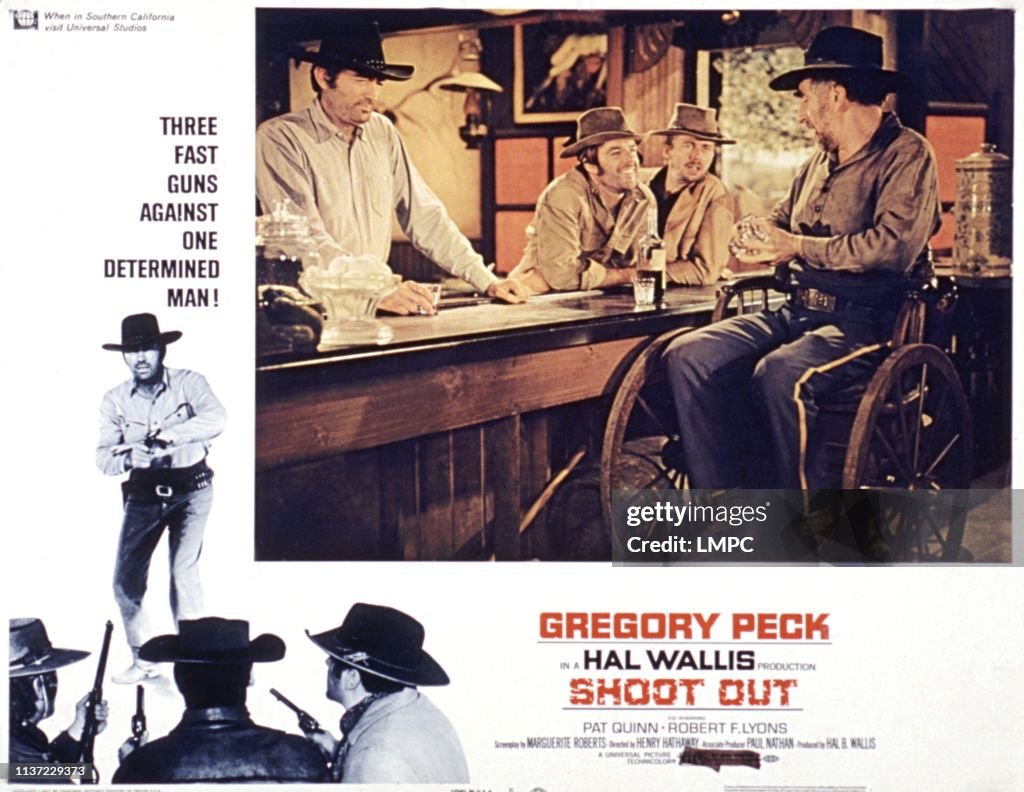
After serving a stretch at the Canon City penitentiary, Clay Lomax (Gregory Peck) gets out with only one thing on his mind… revenge on his former partner Sam Foley (James Gregory), who shot him in the back during a bank robbery, leaving him to take the rap. Foley isn’t a fool, though, so he’s hired a trio of young punks, Bobby Jay (Robert F. Lyons), Skeeter (John Davis Chandler), and Pepe (Pepe Serna) to surveil Lomax and let him know if he’s heading to his home in Gun Hill with payback on his mind. These guys are about as crazy as it gets, and they make two major mistakes. First, they kill Lomax’s friend Trooper (Jeff Corey) who lets him know where Foley is with his dying breath. Second, they kidnap the prostitute Alma (Susan Tyrell) just because they want to treat her like crap and have fun with her, which turns out to be a dumb move. Interrupting Lomax’s quest for revenge, he finds himself being forced to care for a young child named Decky (Dawn Lyn), who just may be his daughter with a lady back in Kansas City who used to be his “friend.” Looking after Decky, and then meeting and falling for the widow Juliana Farrell (Patricia Quinn), Lomax is soon facing off against his most dangerous foe, the crazed Bobby Joe, as he attempts to protect all these new people that he loves so he can move on with his life. But is it all too late?!!
I love westerns, but I must admit that I’m not the biggest fan of director Henry Hathaway’s SHOOT OUT. Hathaway has directed some of my favorite actors and movies, like Charles Bronson’s debut film with Gary Cooper, YOU’RE IN THE NAVY NOW (1951), along with the Jimmy Stewart film CALL NORTHSIDE 777 (1948) and John Wayne’s Oscar winning TRUE GRIT (1969). Unfortunately, it seems his best years are behind him, and he would only direct one more film after this, the less than excellent black action film HANGUP (1974). This isn’t exactly Gregory Peck’s best work either. Coming nine years after his Oscar winning performance in TO KILL A MOCKINGBIRD (1962), this is definitely not even close to that kind of level. Don’t get me wrong, I do enjoy his turn as Lomax when he’s the wronged outlaw looking for revenge, but I don’t really care at all for his part as the reluctant father figure trying to deal with the six-year-old Decky. I found Dawn Lyn to be more annoying than cute in the role, and this storyline distracted me from the revenge plot that I actually enjoyed. As a co-host of the “This Week in Charles Bronson Podcast,” we had the opportunity to interview Robert F. Lyons, who plays the bad guy, Bobby Jay Jones. I specifically asked him about this film and what it was like working with Gregory Peck. While he enjoyed working with Peck, his response about the film itself was telling…. “The work in there is not my work.” If you’ve watched much of the excellent actor’s work before, you can immediately understand what he means. Lyons goes so over-the-top as the spying outlaw Bobby Jay Jones, that his performance is inconsistent with the bulk of his career. Lyons told us that his performance was orchestrated by Hathaway in a way that he disagreed with, and he essentially disowns his work in the film. You can see a similar vibe with his “gang” that includes the actors John Davis Chandler and Pepe Serna.
While I’m not a huge fan of the overall direction of the storyline or the focus of some of the main performances in SHOOT OUT, I am appreciative of the genre and the classic western stars that Hathaway cast in supporting roles. I especially enjoy seeing Jeff Corey in the small but pivotal role as the wheelchair bound Trooper, Paul Fix as the train brakeman who delivers Decky and a stack of cash to Lomax, and Arthur Hunnicutt as the ranch owner who barters with Lomax over the price of a pony. Hunnicutt is a particular favorite of mine although his role here is very small. Nominated for an Oscar for his performance in Howard Hawks’ THE BIG SKY (1952), Hunnicutt is from the small town of Gravelly, Arkansas, which is not far from where my own family is from. He even attended the same college that I graduated from, the University of Central Arkansas, which was known as the Arkansas State Teachers College when he (and my dad) went there. And then there is the setup of the revenge scenario at the beginning and the final showdown at the end, classic staples of the western genre. These are enjoyable and satisfying moments as Lomax settles his scores and the bad guys get their comeuppance.
Overall, SHOOT OUT is best enjoyed by fans of old school westerns and star Gregory Peck. It veers aways from the best storylines of the genre and wastes a lot of time with uninteresting melodrama, but it does offer us another chance to see some of our great character actors doing what they do. That means something to me.
I’ve included our podcast episode with Robert F. Lyons below. He discusses SHOOT OUT at around the 1:00:30 mark.
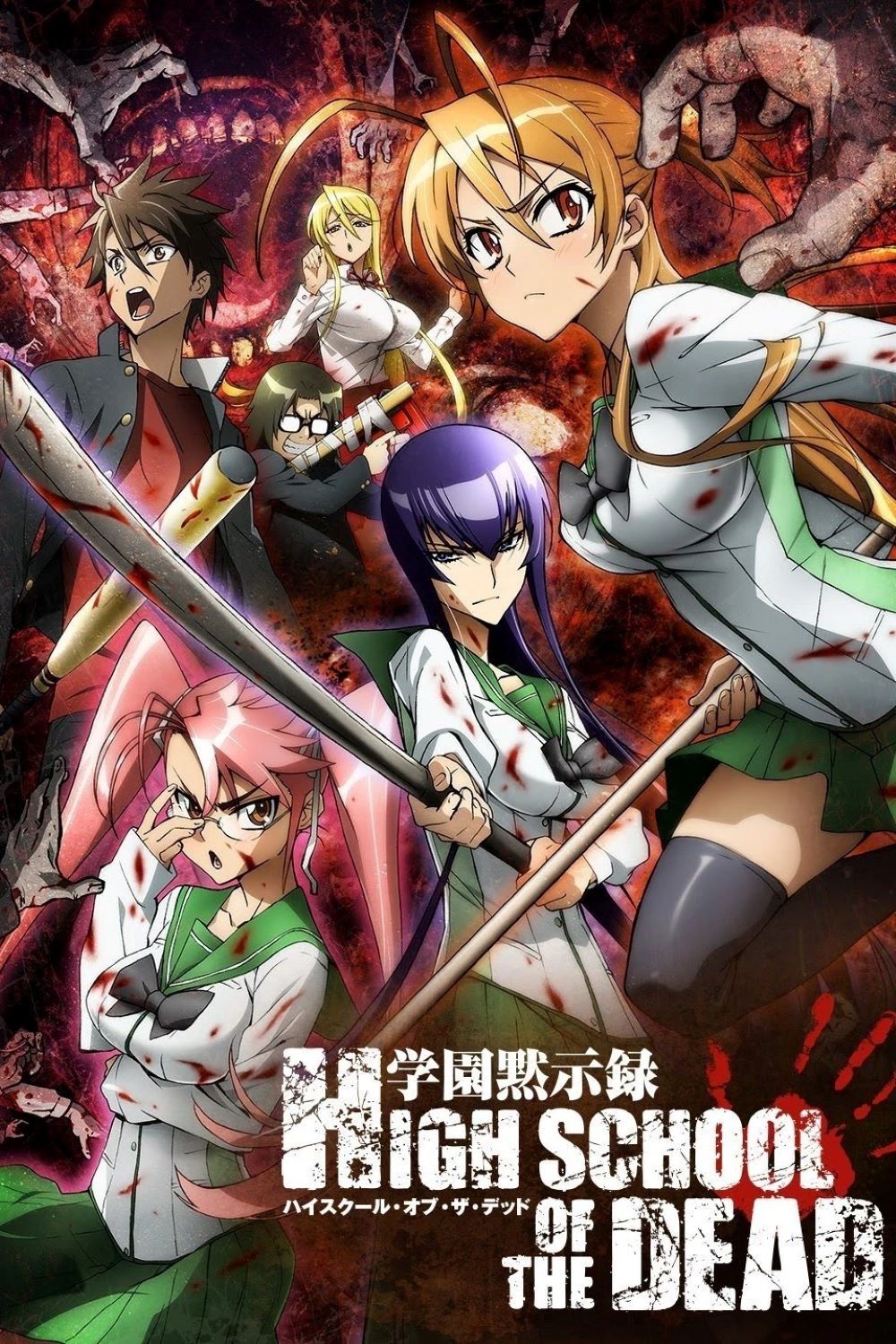
Highschool of the Dead is that wild, over-the-top anime that combines your typical zombie apocalypse survival story with a heavy dose of ecchi fanservice and ridiculous fun. The 12-episode series bursts onto the scene with a gang of Japanese high school students trying to stay alive during a sudden zombie outbreak. The show doesn’t waste time explaining how the zombies came to be — it just tosses you straight into the chaos, and honestly, that’s part of the charm.
The main crew is pretty memorable: Takashi Komuro, the guy reluctantly trying to keep everyone alive while having a crush on Rei Miyamoto; Saeko Busujima, the super cool and mysteriously dark girl who quickly became a fan favorite (and cosplay icon); Saya Takagi, the sharp-witted brainiac; Kohta Hirano, a gun-loving otaku; Shizuka Marikawa, the very adult yet hilariously ditzy school nurse; and little Arisu Marikawa with her adorable, zombie-alert puppy Zeke. This group quickly becomes your ragtag team of survivalists… and eye candy.
Now, let’s get to the heart of Highschool of the Dead — the fanservice. This show is basically a non-stop fanservice marathon, from cheeky panty shots to impossibly large breasts bouncing with wild abandon. If you’re looking for subtlety, sorry, this isn’t the show for you. But if you want ridiculous, unapologetic ecchi mixed with zombie carnage, this anime has got you covered. That infamous “Matrix Boobs” scene? Pure hypnotic, absurd fun and the perfect example of what this anime loves to deliver. These moments are so exaggerated, it’s like the anime knows exactly how nuts it is and just leans into it with a big grin.
Beyond the boobs and butt shots, Highschool of the Dead actually throws in some interesting commentary on human nature in disaster. Sure, zombies are the monsters outside, but the real danger might be the surviving humans themselves, who reveal all kinds of ugly, selfish, and sometimes heroic traits. The teenagers actually fare better than most adults who either panic or take advantage of the chaos — except for the right-wing extremist who surprisingly keeps order with a strict but effective approach. It’s crazy but adds a layer of unexpected depth beneath all the fanservice.
The characters aren’t just there for eye candy either. Komuro isn’t your overly confident anime hero but comes across as a likable, grounded guy. Saeko’s combination of calm, deadly skill and mysterious backstory makes her stand out. Kohta’s military geek side provides a lot of the show’s practical survival know-how, and the occasional comic relief too. The mix of serious struggle and ridiculous fanservice moments makes for a weirdly balanced rollercoaster of tone that keeps you hooked.
Visually, the anime shines with clean, high-quality animation by Madhouse that does a great job blending traditional and CGI elements. You get detailed zombie action and clear, pretty character designs that maximize those fanservice shots. It’s not just about the fanservice — the blood, gore, and zombie fights have their own gritty appeal that balances the show’s lighter, sexier moments. The animation style definitely knows what it’s doing: keep things stylish and eye-catching whether it’s a brutal attack or a cheeky panty shot.
The series also leans into some grindhouse and exploitation vibes, with episode titles like Spring of the Dead and All Deads Attack feeling like throwbacks to 1970s B-movie horror flicks. It’s this blend of horror, action, and exploitation that gives the show its unique flavor. And even though it’s mostly fanservice pandering, it manages to keep a pretty good pace and doesn’t get boring, zipping through the story with lots of action and humor. That “Matrix Boob Physics” meme that went viral years back
While the manga that inspired the series goes deeper and cuts back on fanservice in later chapters, the anime stays firmly in the realm of ridiculous fun with its mix of horror and ecchi. It’s not high art or groundbreaking storytelling, and it would never be mistaken for such. Instead, Highschool of the Dead proudly wears its “guilty pleasure” badge, knowing full well it’s an unapologetically silly, over-the-top romp that doesn’t shy away from the fact that it’s made to entertain and tease rather than inspire or provoke deep thought.
For those who enjoy a wild ride packed with boobs, bullets, and brain-munching zombies, Highschool of the Dead is a perfect guilty pleasure that embraces its identity. It’s a weird mashup that knows it’s silly and really loves having a good time with its audience.
Highschool of the Dead is a wild, ecchi-fueled zombie apocalypse romp that’s totally ridiculous in all the best ways. The show rides the line between horror and parody, serving up enough fanservice moments to satisfy anyone who loves their anime with a side of absurdity and cleavage. Not for everyone, but if you like your zombie stories with a lot of bounce and a wink, this one’s definitely worth a look.
Previous Guilty Pleasures
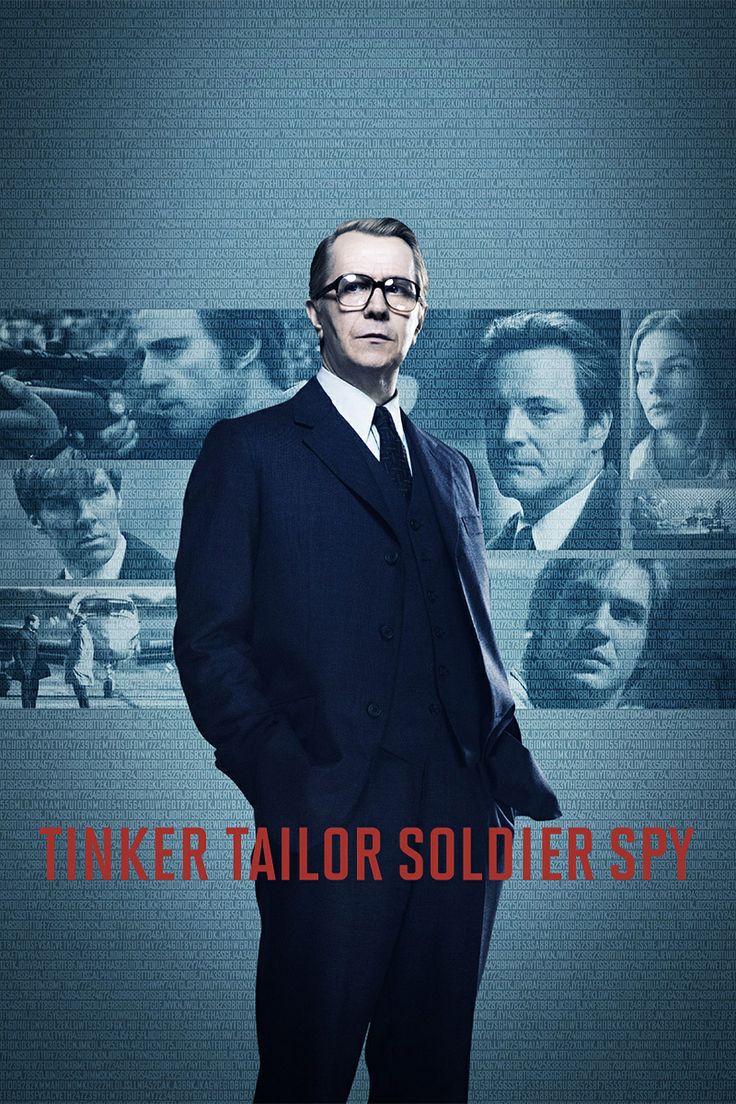
“We are not so very different, you and I.” — George Smiley
Tomas Alfredson’s Tinker Tailor Soldier Spy (2011) is a cold, coiled, and relentless march into the gray, rain-lashed corridors of British espionage—a film that exchanges Bond’s swagger for bureaucratic unease, where information is traded like poison and every conversation feels weaponized. The film is sheer confidence: so sure of itself, it expects you to keep up, get lost, and piece the puzzle together from the hushed fragments left in close-up reactions and glances across smoke-filled rooms. This is spy cinema not as spectacle, but as slow-burning existential puzzle.
A key element of the film’s mood is its distinctive brutalist aesthetic, which powerfully evokes the Cold War mentality not only behind the Iron Curtain but also in the West. Alfredson and cinematographer Hoyte van Hoytema immerse viewers in a London setting defined by greying, tired walls, bleak drizzle, and decaying interiors that feel as cold and institutional as the very espionage world they depict. This use of brutalism—with its bare concrete textures, utilitarian spaces, and sense of institutional decay—does more than create atmosphere; it visually projects the emotional and material exhaustion of a Britain entrenched in paranoia and internal rot. The characters seem physically and emotionally hemmed in by these spaces, reinforcing the film’s themes of secrecy, alienation, and moral corrosion.
There are no car chases or shootouts to speak of—just a masterclass in stillness where tension arises from precisely what remains unspoken. The film is closer to an autopsy than a thriller, dissecting the social and emotional costs of lives devoted to deception. It begins with a botched operation in Budapest—Jim Prideaux (Mark Strong), one of “the Circus’s” best agents, is captured in a tense, almost wordless scene that sets a tone of brooding unease. The fallout leads to a purge of the leadership, with Control (John Hurt) forced out and George Smiley (Gary Oldman), his quietly watchful confidant, retired—though soon to return for an unofficial mole hunt.
From there, the narrative unfolds elliptically, like a mosaic of recollections and betrayals, requiring viewers to assemble the truth from fractured glimpses. Gary Oldman’s Smiley is the film’s anchor—his performance a masterclass in minimalism and subtext. He’s the ultimate observer, haunted by decades of institutional compromises and personal betrayals.
The supporting cast is nothing short of exceptional, elevating the film through richly textured performances that bring vibrant life to an otherwise reserved script. Colin Firth as Bill Haydon delivers a quietly magnetic portrayal, his charm barely concealing the complexity beneath. Tom Hardy’s Ricki Tarr injects raw energy and restlessness, perfectly contrasting the film’s restrained atmosphere. Benedict Cumberbatch’s Peter Guillam is adept at conveying subtle shifts in allegiance and tension, his nuanced portrayal deepening the intrigue. John Hurt’s brief but potent presence as Control exudes weary gravitas, setting the tone for the murky world of espionage. Mark Strong as Jim Prideaux balances stoicism with vulnerable humanity, particularly in moments laden with pain and regret. Other supporting actors such as Ciarán Hinds, Toby Jones, and Kathy Burke contribute layered, compelling portrayals of individuals trapped within the machinery of the Circus. What binds these performances is a reliance on subtlety—expressing volumes through nuanced gestures and lingering silences, the cast anchors the complex narrative in a palpable human reality.
At its core, Tinker Tailor Soldier Spy is less a whodunnit than an exploration of institutional decay and emotional repression. The brutalist aesthetic mirrors this decline: just as the concrete and ochre walls close in on the agents, so too does the film reveal a Britain worn down by secrets and internal contradiction. Love and loyalty are liabilities in this world where everyone is alienated. The story’s emotional heart revolves around the search for a deeply embedded mole within the Circus—an elusive betrayal that shakes the organization to its core. The film carefully avoids easy reveals, maintaining a deliberate tension and exemplifying the emotional cost that the espionage game of the era had on everyone involved.
The film also explores themes of repressed queerness, class stratification, and misogyny, linking these to the numbing demands of espionage. The gloomy visuals and tightly controlled dialogue echo the emotional constraints on these men, underscoring that beneath the seemingly impenetrable exterior lies a fragile, fragile human cost.
This film is not an easy watch. Its elliptical storytelling, coded conversations, and subtle body language demand patience and multiple viewings. Yet that opacity is part of its power—uncertainty and not-knowing become central to the experience, enhanced by Alberto Iglesias’s restrained score and the claustrophobic mise-en-scène. Unlike many spy films, Tinker Tailor Soldier Spy is about process and detection, not action or glamour. Its cold, meticulous pacing trades on the cerebral seduction of uncovering hidden truths rather than adrenaline-fueled confrontations.
Ultimately, the film refuses easy resolutions. Though Smiley uncovers the mole and the Circus is superficially restored, there’s no real victory—only the acknowledgment of profound damage, both personal and institutional. The brutalist setting, with its unyielding, somber lines, stands as a perfect metaphor for this unresolved tension. Tinker Tailor Soldier Spy is a masterclass in unease and ambiguity, a film that stays with you because it reveals what you’ll never fully know about loyalty, betrayal, and the cost of secrets in a world where the line between friend and enemy is always blurred.

by Pino Daeni
This is dedicated to Gloria Marchi Bowman.
Does everyone remember O-Town? They were the band that was created on a reality show and we all thought that their name meant Orgasm Town but it was actually because they were from Orlando? O-Town was the boy band that existed to make other boy bands look tough and dangerous by comparison.
All or Nothing is a typical boy band song and this is a typical boy band video. The song is about the lead singer of O-Town realizing that his girlfriend is still hung up on Justin Timberlake. He sings that he can tell by the distant look in her eyes and he just doesn’t think they can be together as long as she’s dreaming about Justin. He wants it all or he’ll settle for nothing. There’s no such thing as a compromise when you’re from the O.
 Through the Shattered Lens