What would you do for love? How far would you go for the man or woman or thing that you love? That’s a question that has rested at the heart of many — perhaps almost all — stories. That’s because love is our most essential need. It’s something that we spend our entire lives either searching for or trying to hold onto. And really, is there any greater fear than being alone? That need to be in love and to be loved is the one thing that everyone has in common.
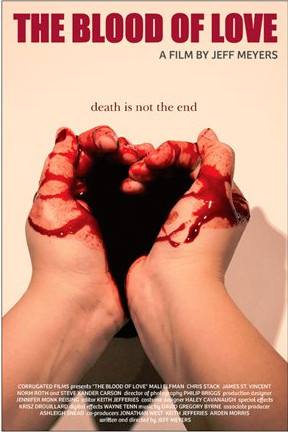
It’s also the subject matter of The Blood of Love, a short horror film that I was recently lucky enough to view. Directed by Jeff Meyers and clocking in at a brisk 18 minutes, The Blood of Love opens with Kate (played by a wonderful actress named Mali Elfman) saying goodbye to her husband, Josh (Chris Stack). Josh is in bed and obviously ill. He’s also worried about the little black dress that his wife is wearing. She assures him that it’s just for work and then goes out.
Though Kate does end up picking up a guy once she goes out, she’s not looking for a good time. Instead, she brings the guy home with her and promptly proceeds to slit his throat. Meanwhile, Josh is still in bed but now he’s dead.
However, it turns out that Kate has a special machine that will bring Josh back to life. The machine runs on blood and, unfortunately, Josh is only alive for a day or two before he dies again. Hence, Kate has to keep finding victims in order to bring her husband back to life over and over again.
However, with each resurrection, Josh is alive for a shorter amount of time. Finally, Kate makes one final attempt to bring Josh back to life permanently but it leads to a series of twists that neither she nor Josh sees coming.
With its mix of graphic gore and delirious romance, The Blood of Love can be favorably compared to the work of the great French filmmaker, Jean Rollin. (I am, in particular, thinking of the classic The Living Dead Girl but Josh’s short term amnesia also reminds one of Rollin’s Night of the Hunted.) The short film plays out with a Rollinesque dream-like intensity and Mali Elfman’s gives a remarkably brave performance as Kate, making her both sympathetic and scary at the same time. Special mention should also be made of Norman Roth, who plays a mysterious character named Mr. Ashling and gives the type of enigmatic performance that brings to mind the type of mad scientists and magicians who would have been embodied by Lionel Atwill or Vincent Price in the past.
Sorry, but during this period my Mom has been having knee replacement surgery so my descriptions are going to be so so at best. Luckily, I know that when it comes to Hallmark movies, you really just want to know whether it’s worth your time. That I can do.
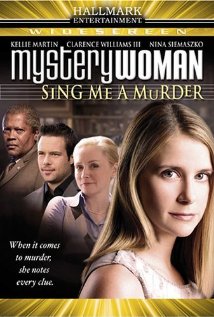
Mystery Woman: Sing Me A Murder (2005) – This one has Kellie Martin’s character hosting a charity concert for an old timey folk band. At the same time Clarence Williams III is doing side work investigating a series of bank robberies. I reached the end where they explain what really happened and it made little sense to me. I watched that section a second time, and it still didn’t make sense. This movie is a convoluted mess. It’s a shame because I have been enjoying this particular series of films. On the upside, this movie has John Getz in it. Movie lovers might not recognize the name, but you will recognize him when you see him. He is the lover in the Coen Brothers first film Blood Simple (1984). Just with 21 years added on to him. If you don’t have to see all of the Mystery Woman movies, then you can skip this one.
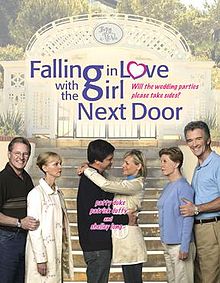
Falling In Love With The Girl Next Door (2006) – Ever wrote a paper for school, had absolutely no inspiration, but powered through it and churned out something to turn in? That’s this movie. You already know this by just reading that title. It’s about two people who fall in love, want to get married, their parents interfere, and the couple ultimately gets their way. That’s it! Nothing worth seeing here. There are a few big name actors in here, but Bruce Boxleitner and Shelley Long, for example, are completely wasted. A definite skip.
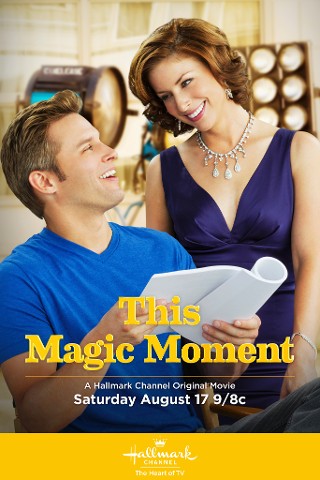
This Magic Moment (2013) – A film crew comes to a small town to shoot scenes. A local screenwriter hooks up with their lead actress, but belongs with another girl. He ends up with the local girl. I was quite bored out of my mind. However, it did remind me that the movie Love And The Midnight Auto Supply (1977) was shot in a neighboring small town to where I live, so I will have to review it at some point. I even have access to the old local papers from back then when it was being made.
If you can follow the conversations in this movie better than I did then you will probably like it more, but it’s still not a particularly good Hallmark movie of this nature. I’ve reviewed much better love stories such as Recipe For Love and the recent Love Under The Stars. Also, just like Falling In Love With The Girl Next Door, this movie has two good actors that it completely wastes. Those being Charles Shaughnessy and Corin Nemec.
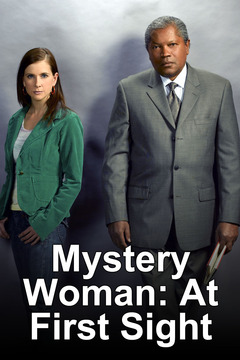
Mystery Woman: At First Sight (2006) – The interesting thing about this particular entry in the Mystery Woman series is that Kellie Martin herself directed it. It doesn’t make a whole lot of difference, but she does at least as good a job as the others who have helmed other entries in the franchise. It begins with Kellie setting out to find her birth mother. She gets embroiled in a murder mystery that involves her biological family. It’s fine, followable, and not sanitized. That’s really the best you can ask for from a Hallmark mystery movie. At the same time, Clarence has his own plot that reveals or at least hints more at his mysterious background. Honestly, I prefer when Martin and Williams work together to solve the mystery, rather than each having their own plot to follow. I think they work well together. Oh, well. Even though this is my 5th Mystery Woman film, there are still six more of these to go. This one is perfectly fine to watch.
I have never actually seen the 1996 film The Island of Dr. Moreau but I certainly have read a lot about it.
It’s one of those films that seems to get mentioned whenever film critics start talking about the worst films of all time and, as a result, the story of the film’s production has become legendary. The film’s shoot was difficult, for reasons of both nature and human nature. The film was shot in the inhospitable Australian rain forest and shooting was briefly shut down due to a sudden hurricane. Richard Stanley, the original director, was unceremoniously fired by New Line Cinema and apparently proceeded to go native in the Australian wilderness, smoking a huge amount of weed while the studio executives feared that he would return and burn down the set. Veteran director John Frankenheimer was brought in to finish the film and clashed immediately with the film’s notoriously eccentric and difficult stars, Val Kilmer and Marlon Brando.
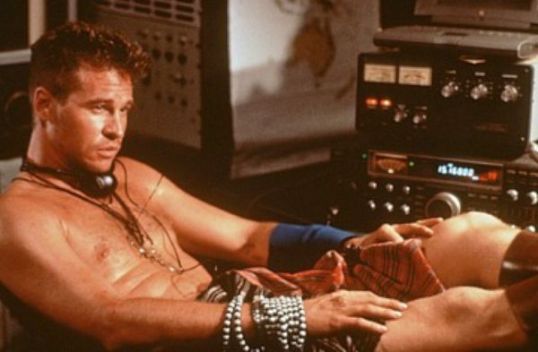
And I have to admit that, every time I read about The Island of Dr. Moreau, there’s a part of me that wants to track down and watch this film and see how bad it could possibly be. But, every time I find myself too tempted, I think about a shirtless Val Kilmer lounging around in a kilt and I quickly change my mind.
Bleh!
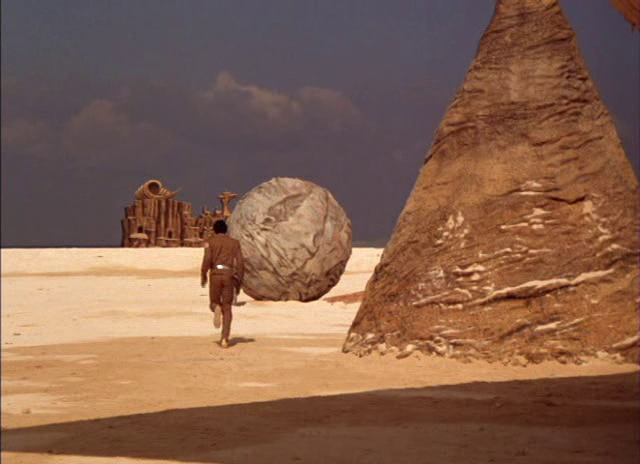
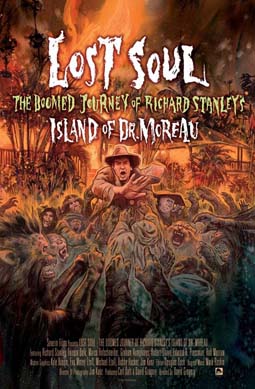
Fortunately, if I want to get a feel for the insanity behind the film’s production, I no longer have to actually watch The Island of Dr. Moreau. Instead, I can just get on Netflix and watch an entertaining documentary called Lost Soul: The Doomed Journey of Richard Stanley’s The Island of Dr. Moreau.
Lost Soul could have just as easily been called Everybody Hates Val Kilmer. Val himself declined to be interviewed for the documentary and I have to say that I think that was a huge mistake on his part because literally everyone who did agree to be interviewed appears to absolutely despise Val Kilmer. It’s not so much that everyone tells a story about Val’s bad behavior as much as the fact that, decades later, everyone still seems to be so traumatized by the experience of having been anywhere near him. (German actor Marco Hofschnieder especially seems to take a lot of delight in doing a devastating yet hilarious imitation of Val Kilmer smoking a cigarette and complaining about every line of dialogue, regardless of whether it was his dialogue or not.)
The documentary also includes plenty of crazy Marlon Brando stories but there’s a noticeable difference between the Brando stories and the Kilmer stories. Brando is portrayed as being an almost tragic figure, a great actor who hated his talent and, as a result, went out of his way to give performances that mocked the very idea of even trying to be good. As annoyed as everyone seems to have gotten with Brando, there’s still an undercurrent of affection to the Brando stories. That’s something that is definitely lacking from the Kilmer stories.
(According to the documentary, Brando was not a Val Kilmer fan. When Kilmer asked Brando if he had visited the Australian reef, Brando replied, “I own a reef,” and reportedly didn’t speak to Kilmer for the rest of the shoot.)
As interesting as the stories about Brando and Kilmer may be, the heart of the film rests with Richard Stanley, the promising young South African director whose brief “mainstream” film career was pretty much derailed by the drama surrounding The Island of Dr. Moreau. Interviewed at his home in France and captivating the audience with both his intense stare and his mordant sense of humor, Richard Stanley describes both his vision for The Island of Dr. Moreau and the pain of having that vision snatched away from him. Not only does he confirm that, as has long been rumored, he did sneak back onto the set as an extra but he also explains that the production’s problems were largely due to a mishap involving a warlock named Skip.
Lost Soul makes for an interesting cautionary tale about what happens when an artist has to deal with the establishment. Watch it with Jodorowsky’s Dune and have yourself a double feature of “what could have been” cinema.
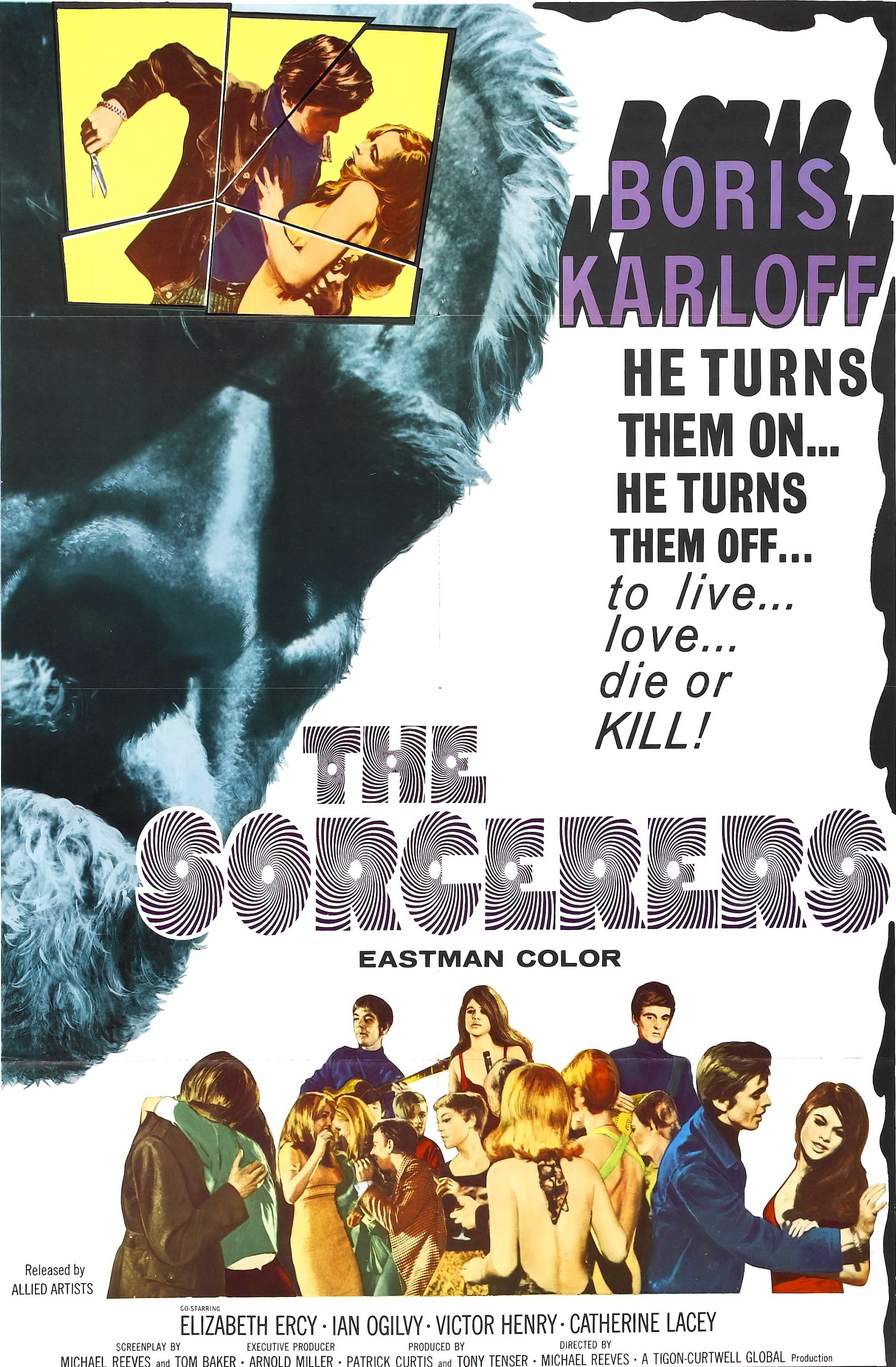
Boris Karloff had been in movies for almost fifty years by the time 1967 rolled around. The King of Horror hit it big in Universal’s 1931 FRANKENSTEIN, and went on to star in some of the genre’s true classics: THE MUMMY, THE BLACK CAT, BRIDE OF FRANKENSTEIN, THE BODY SNATCHERS, and BEDLAM. While THE SORCERERS isn’t quite in the same league as those films, it gives Boris a chance to shine in the twilight of his career, ably assisted by the direction of young Michael Reeves (THE SHE BEAST, THE CONQUEROR WORM).
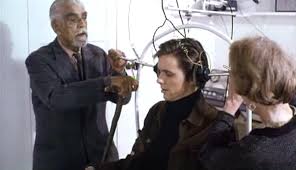
Karloff plays Professor Monserrat, an elderly “medical hypnotist” living in a flat with wife Estelle (Catherine Lacey). When bored young Londoner Mike (Ian Oglivy) meets the old gentleman, he’s promised “something new, something you’ve never done before….intoxication without hangover, ecstasy without consequences”. Mike is hooked up to the professor’s machine, a psychedelic light and sound trip that lets the aged…
4 Shots From 4 Films is just what it says it is, 4 shots from 4 of our favorite films. As opposed to the reviews and recaps that we usually post, 4 Shots From 4 Films is all about letting the visuals do the talking.
This edition of 4 Shots From 4 Films is dedicated to H.P. Lovecraft, on the occasion of his 125th birthday.
4 Shots From 4 Films
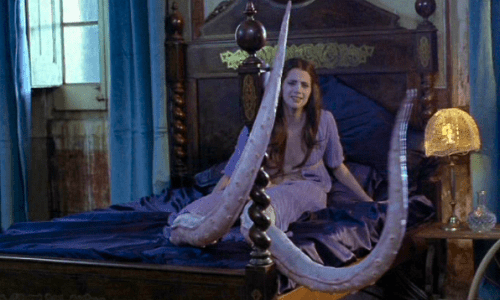
The Dunwich Horror (1970, directed by Daniel Haller)
Dagon (2001, directed by Stuart Gordon)
The Call of Cthulhu (2005, directed by Andrew Leman)
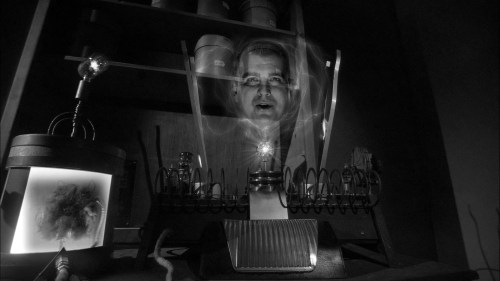
The Whisperer in Darkness (2011, directed by Sean Branney)
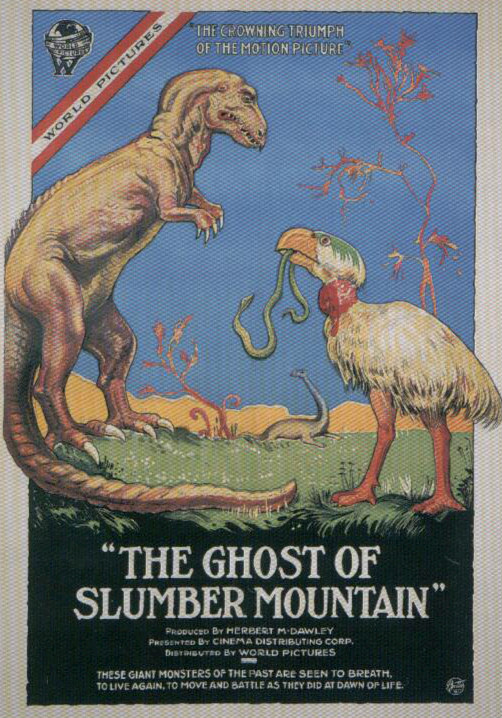
Directed by special effects pioneer Willis O’Brien (who would later do the special effects for the original King Kong), The Ghost of Slumber Mountain tells the story of an explorer and writer named Holmes (Herbert M. Dawley). When his nephews ask him to tell them a story, Holmes tells them about the time that he explored Slumber Mountain and met the ghost a prospector named Mad Dick (played by O’Brien himself). The ghost instructs Holmes to look through a telescope. Upon doing so, Holmes finds himself starting into prehistoric times. He not only sees a fight between a Tyrannosaurus and a Triceratops but then apparently gets sent though time himself as he soon finds himself being chased by the surviving dinosaur.
Now, there are a few things that I should make clear about The Ghost of Slumber Mountain. It’s a silent film, which means that watching it requires modern audiences to adapt to a far different narrative experience than they may be used to. As well, the film originally ran 30 minute but the current print clocks in at 19 minutes. As a result, most of the film’s non-dinosaur plot is unknown.
With all that in mind, The Ghost of Slumber Mountain is still a fascinating and fun slice of cinematic history. This was the first film to show live actors and stop-motion creatures together on the screen. And while the special effects are primitive when compared to today’s CGI monsters, there’s also an undeniable charm to them.
Today, of course, we tend to take special effects for granted. One of the great things about watching a movie like The Ghost of Slumber Mountain is that it gives you a chance to travel back to a time when special effects truly were special and unexpected. There was once a time when film magic truly did seem to be like magic and sometimes, it’s fun to hop into a cinematic time machine and try to imagine being in that 1918 audience and being truly amazed by what we are seeing.
So, why not hop into that time machine and watch The Ghost of Slumber Mountain?
Over on Through the Shattered Lens Presents the Oscars, we are continuing to reimagine Oscar history, one year at a time! Today, we take a look at the year 1918. World War I ended, the Spanish Flu wiped out 5% of the world’s population, and the Academy embraced Tarzan of the Apes!
1918 was a year of dominated by war and pestilence. As the world seemed to be intent on destroying itself, both the Academy and American filmgoers embraced escapism.
Overseas, the Great War continued to drag on. With no end to the fighting in sight, there were fears that the American public would turn against the war and their elected leaders would withdraw American soldiers from the fighting. The British government, realizing the potential of film as a propaganda tool, contacted director D.W. Griffith and offered to help him make a film. The end result was Hearts of the World, an epic war film that starred Lillian Gish as a French girl who struggles to survive and find true love as the Germans raid her village.
It’s been a great couple years when it comes to what the snooty cinephiles would consider as horror in cinema. Sure, we still get the slashers, zombies, found footage paranormals and even the odd cannibal exploitation, but of late we’ve also been getting some great atmospheric and truly disturbing horror of the gothic kind.
The last couple years alone we’ve gotten such great horror films as It Follows, Babadook, The Conjuring, We Are What We Are and The Sacrament to name a few. We have a film straight out of Sundance that looks to join this list.
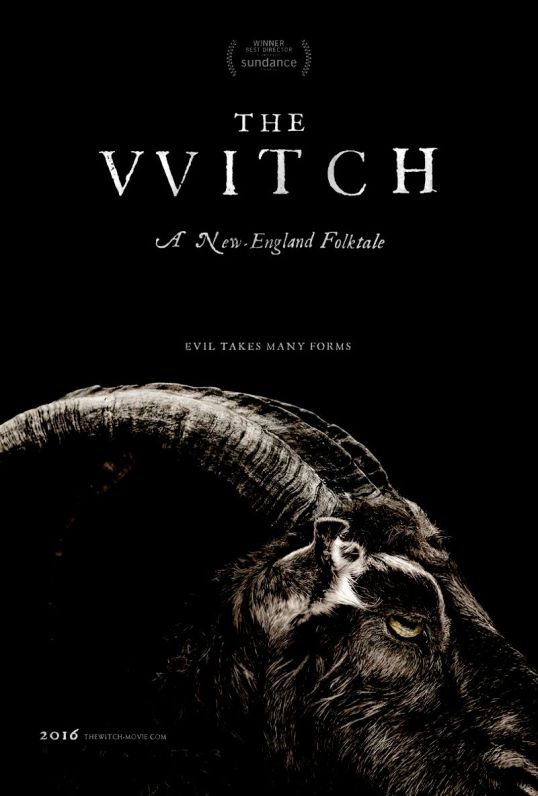
The Witch is the first film for writer/director Robert Eggers. Working off of his own script, Eggers’ film won him the Directing Award in the Drama Category during Sundance. With critics at the festival lauding the film, The Witch was soon picked up by A24 Films for a theatrical distribution.
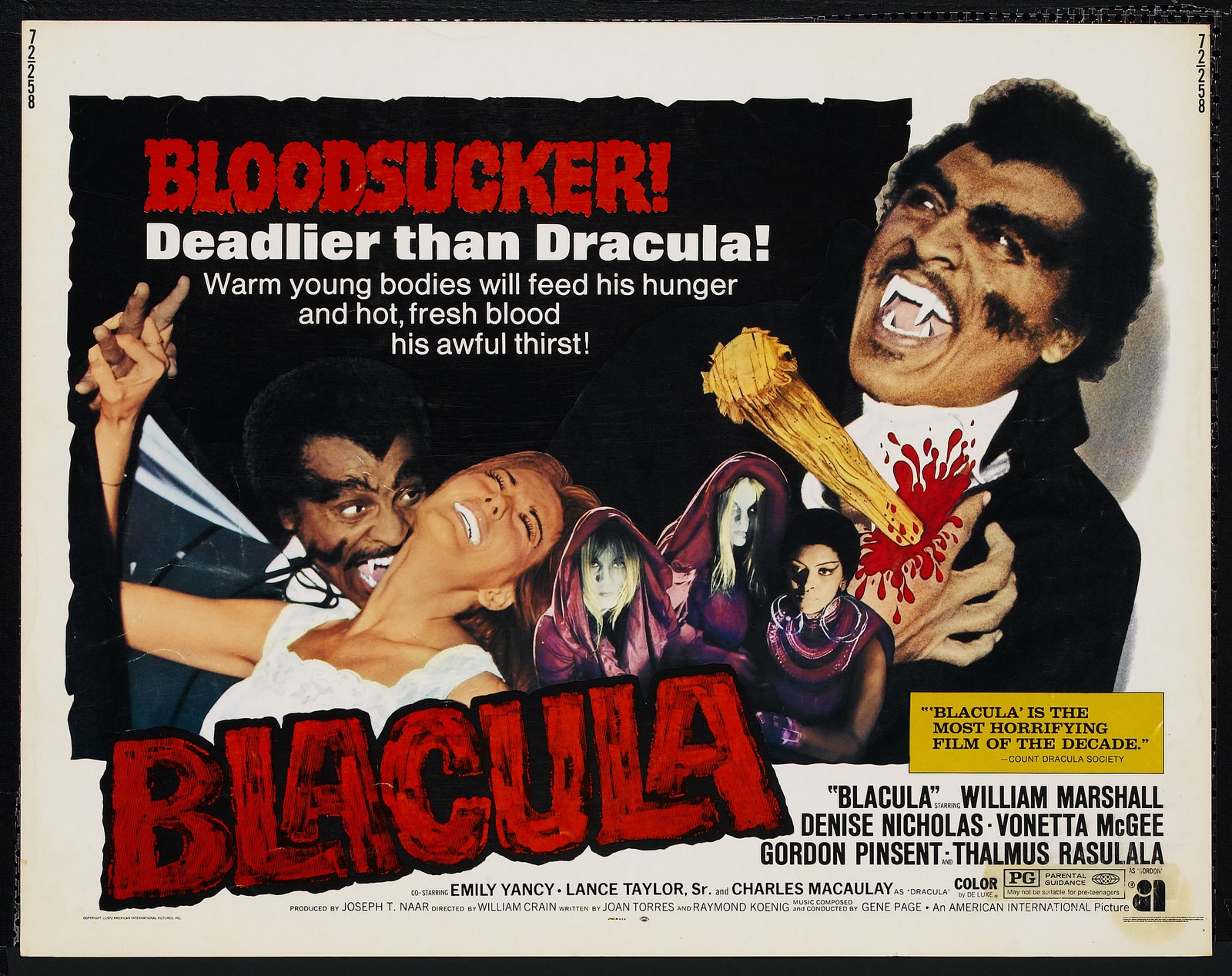
The distinguished actor William Marshall starred on Broadway, played Shakespeare’s Othello on the London stage, sang operas, and later became beloved by 80s kids as “The King of Cartoons” on PEE WEE’S PLAYHOUSE. But he’s best remembered today as Prince Mamuwalde in the first Blaxploitation/horror film, 1973’s BLACULA. It’s the late 1700s, and the Prince and his wife have traveled to Transylvania on a diplomatic mission protesting the European slave trade. When their host, Count Dracula (Charles Macauley) insults them, they get up to leave. But Dracula has other ideas, putting the bite on Mamuwalde and damning him to a fate “torn by an unquenchable thirst. I curse you and give you my name. You shall be called….BLACULA!!” With that, Dracula locks the Prince in his coffin, and leaves his wife Luva to rot to death in their cell.
After a cool animated title sequence (by designer Sandy Dvore), we’re in 1973. Two (flamboyantly…






 Through the Shattered Lens