Review: District 9 (directed by Neill Blomkamp)


It is a rare feat that an unknown filmmaker is first introduced to the public to take control of the reins to major motion picture with legions of fans. Fans who have both high expectations and also equally high trepidation about hwo their favorite intellectual property will be handled and adapted to the big-screen. The year was 2007 and Peter Jackson (who had been given producing duties by Microsoft, Fox and Universal Pictures) announced to the world that he had selected a young South African filmmaker by the name of Neill Blomkamp to direct the film adaptation of Microsoft’s hugely popular sci-fi action shooter, Halo. The reaction to this news was bewilderment, grumblings and major headscratching from fans and studio executives alike.

Who was Neill Blomkamp and what has he done of note to be given the reins to one of the largest and most popular video game franchises?

Peter Jackson definitely saw something in this young South African. While fans of the Halo game wanted Jackson himself to direct the film he decided to let this unknown take the job. To give a glimpse of what he was capable of and to prove to both fans and executives that he was the right man for the job, Blomkamp filmed three short films depicting live-action scenes of Halo to be released as part of the Halo 3 media ad-campaign blitz for its 2007 release. All three short films were dynamic and had a grittiness to it which definitely showed the young man had talent, but in the end it wasn’t enough to save the Halo film from being declared postponed then cancelled. Studio executives from both Fox and Universal (both had licensed the rights to release the Halo film for domestic and international release. They were also to help put up the $150million stated budget) wanted a higher percentage of gross profits from the film. Microsoft who was putting up a large share of the budget refused and studio politicking literally ended the film while pre-production by Blomkamp, Jackson and his WETA team were five months in.

What had become a major blow to the beginning of Blomkamp’s filmmaking career might be the very thing which puts him on the map as one of the brightest and most inventive filmmakers of his generation. With $30million dollars of his own money, Peter Jackson gave Blomkamp a second chance to make another sci-fi actioner, but this time do so independently and away from the control and interference of major studios from Hollywood. The film Neill Blomkamp ended up making after the cancellation of his Halo might just turn out to be the best film of the summer of 2009 and one of the best of the year. The film is District 9.

Born and raised in South Africa, Blomkamp’s experience growing up in the final throes of apartheid and the societal chaos which succeeded the end of minority white rule could be seen in the basic foundations of District 9‘s story (screenplay co-written by Neill Blomkamp and Terri Tatchell). It is a story detailing an alternate historical event in world history when in the late 1980’s a massive alien spacecraft suddenly appears over Johannesburg, South Africa. This momentous event in human history soon turns into a worldwide “humanitarian” undertaking people soon discovered that the aliens who inhabited this spacecraft (numbering over a million) were not the all-conquering or benevolent beings as shown by Hollywood, but malnourish, sickly and aimless beings who appeared to be bipedal, barely humanoid looking crustaceans. Derogatively called “prawns” by the inhabitants of Johannesburg, these aliens spend the next 20 years of their existence on Earth housed in a heavily-policed and walled shanty tow and slum area in the city named District 9.

It is in this District 9 where most of the action of the film takes place as a plan by the government and it’s hired private corporation of Multi-National United to relocate these aliens to a more remote camp of District 10. A camp 200 kilometers away from the population center of the nation’s capital to the relief and delight of the population. In charge of this relocation program is one Wikus van der Merwe. A middling middle-manager within MNU who may have gotten this particular job for no reason other than being the husband to the daughter of MNU’s chief executive. Wikus van der Merwe appears in the early going of the film like a cross between Lumbergh of Office Space and Michael Scott of The Office. Wikus seems to relish and delight in his new-found authority leading MNU bureaucrats and their company private security teams in forcibly removing the aliens from their shanties. Wikus’ racist attitude towards the aliens is quite evident as he uses the derogatory name for the aliens (prawns) every chance he gets. It is during the inspection of a secret lab in one of the shanties where the film deftly switches from the first third of the film as a scifi allegorical study of South Africa’s (and most likely the world as a whole) racist apartheid past and into a Fugitive-like chase film which make’s up the middle third.

To say that what Wikus finds in the alien makeshift laboratory makes a profound impact on him is quite an understatement. Blomkamp shows not just Jackson’s influence as a director of horror, but also has quite a handle on the Cronenbergian aspects of the storyline. Blomkamp shows rather than tell through long-winded expositions what is happening to Wikus that suddenly made him the most wanted man in South Africa, if not the whole entirety of the planet. Wikus’ starts the final third of the film literally transforming from the nebbish and weasly character from the beginning into something of a reluctant hero, albeit for his own self-interest.

It is the final 20-30 minutes of the film where those audiences still on the fence about District 9 will probably end up finally getting hooked with the rest of the audience. Blomkamp has shown in the first two third of the film that he knows how to handle social commentary in a scifi story without being too heavy-handed and preachy. He’s also shown a knack for keeping a constant pace and adding to the tension which finally explodes in the last half hour of the film. It’s the pay off that action-flick fans had been waiting for and they won’t go away disappointed. Alien weaponry are finally put into play and we see just how effective they can be when used on humans. Bodies are literally blasted apart whether by lighting blasts or from high-powered rapid-fire guns.

Not lost from all the social and allegorical commentaries within the story and the rolelrcoaster ride of a finale is the fact that Neill Blomkamp has deft eye for creating a believable alternate reality for this film to inhabit. With the help of his cinematographer Trent Opaloch and a battery of Red One digital cameras, Blomkamp settles for a gritty and grainy look for the film. This gives the production a very documentary-like feel. They’ve also used to great effect the so-called “shaky-cam” technique to simulate a cinema verite look for the more chaotic scenes in the film. It is not a new way to film as films like Blair Witch Project, Cloverfield plus the Bourne Trilogy. What this film was able to do which those films failed to some extent was to allow the shaky-cam effect not to distract too much. This is shaky-cam as if being handled by a professional combat filmmaker taking in a battlezone as it happens. While the first half of the film relies mostly on patched together scenes from news reports, official MNU company videos and video interviews of select individuals, the second half moves away from this mockumentary-style and into a more traditional narrative technique. It is easy to nitpick this change in techniques after the fact but Blomkamp’s chief editor in Julian Clarke makes it possible for a near-seamless transition from one film-style to the next without skipping a beat.

The peformances from a literal cast of unknowns (at least to Hollywood and those outside of South Africa) could easily have been the main weakpoint in District 9 but it turns out to not be the cast. Headed by first time lead actor, Sharlto Copley as Wikus, the film’s cast does a very good job of lending an air of realism and credibility to a fantastical story. Their performanaces are mostly understated except for the role of MNU security-team leader Koobus Venter as played by David James. While James played the role in its early stages as the usual no-nonsense military veteran the character soon turns into a major villain to hound Wikus in his flight. While this transformation wouldn’t be such a bad thing the overreaching and over-the-top performance by James turned Koobus into a caricature of a villain. One almost expected the man to cackle (at times he almost did) and bellow out the classic evil laugh. In the end, Copley’s performance as Wikus was the highlight of the film’s cast performance. In the beginning it is quite easy to detest this bookish and sycophantic functionary, but as we follow him throughout the film we see his transformation into something of a coward who must turn into a reluctant hero to serve his needs. Finally, we see him make a sacrifice which redeems him in the eyes of the audience.

It is not often that a film comes along which makes a major impact on a genre, especially from a filmmaker making his debut feature film. While not a huge blockbuster in terms of budget District 9 manages to outdo the usual tentpole event films from the major studios this summer. Budget constraints doesn’t keep the film from becoming a sweeping epic not seen since another low-to-midbudget R-rated scifi actioner that went by the title of Robocop. Like that film from the late 80’s, Blomkamp’s film manages to find a balance between saying something about his home country’s past racial and societal problems, but also give the scifi genre a frenetic, action-packed, kick-ass of an action film that doesn’t turn out to be silly, contrived or stale. Not everyone will enjoy this film as the best ever or even as the best of recent years, but it is hard to argue or dismiss the fact that District 9 is film which refuses to be pigeonholed into a particular type of film. It’s a message film and a scifi film. It’s also a film of body horror and a study of the human condition both its darker and better natures.

District 9 is a film that lived up to the hype surrounding it and surpassed expectations. This film also makes a star out of first-time director Neill Blomkamp. He will certainly be flooded by offers from the very major studios who doubted him during his aborted attempt to turn a major pop culture franchise into a film. It also validates the notion that a summer blockbuster doesn’t have to be dumbed down or stripped of its thrills to have both. Or that it has to have a budget in the hundreds of millions to make it look like one. A near-perfect film and one that should be the driving influence for the scifi genre for years to come.

20 Best Horror Films of the Past Decade


The Aught’s, as some people have come to call this decade about to end, was actually a pretty good decade in terms of the amount of quality horror that showed up on the big-screen. We had some channeling the nastiness of the 70’s exploitation era while a couple ushered in this decade’s era of the so-called “torture porn.” There were more than just a few remakes of past horror films. Most of these remakes were quite awful compared to the original, but more than a few managed to end being good and held their own against the original.

Some of the titles I will list will eschew gore and the shock scares for a more subtle and atmospheric approach. More than a few straddled not just horror but other genres like comedy, drama and sci-fi. If there was one major observation I was able to make, when collating what I thought was the 20 best horror films of the decade, it was that the Foreign studios really came into the decade with a vengeance.

While I consider these horror films on this list as “the best of…” it is still my opinion and I am sure there will be people who will disagree, but even if people do not agree with all my choices it would be hard to dispute any of them as not being good to great in their own way. Like my similar Sci-Fi list this one will be numbered but only for organizational sake and doesn’t determine which film is better than rest. They’re all equal in my eyes.

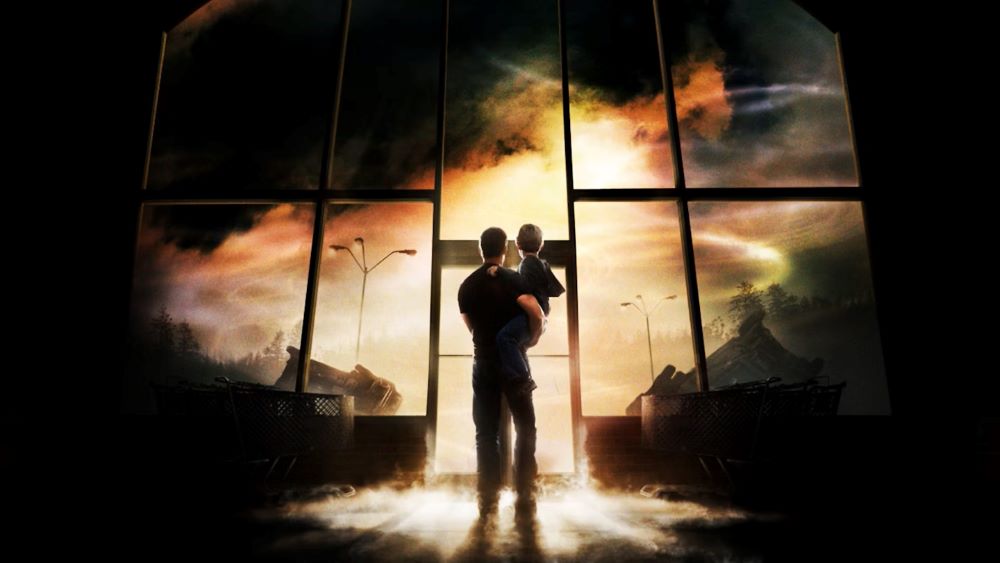
  1. The Mist (dir. Frank Darabont)
  2. Splinter (dir. Toby Wilkins)
  3. Let the Right One In (dir. Tomas Alfredson)
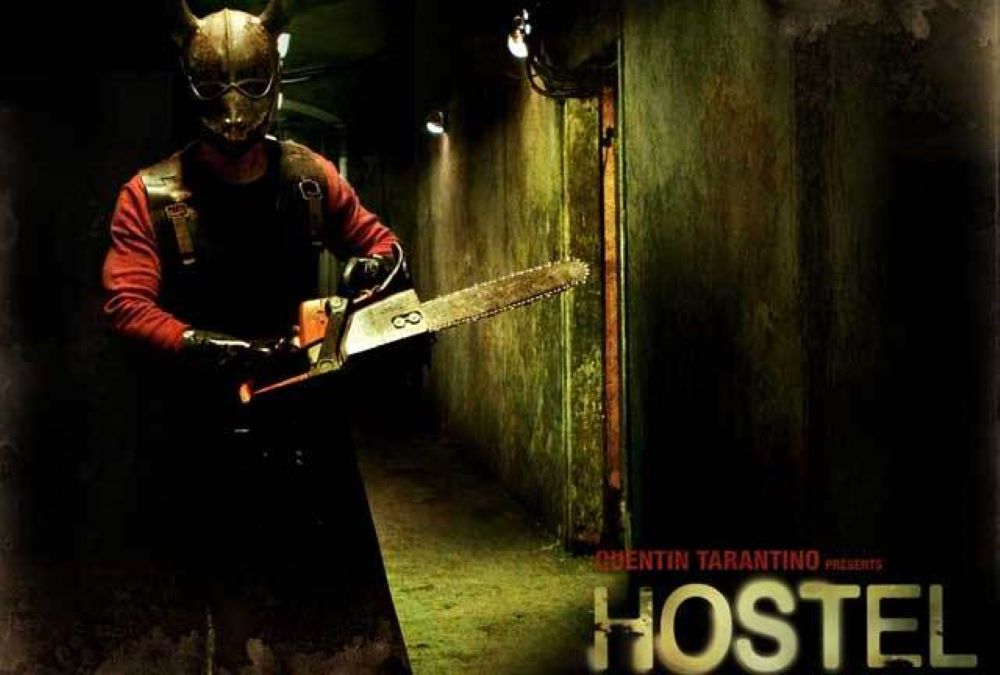
  4. Hostel (dir. Eli Roth)
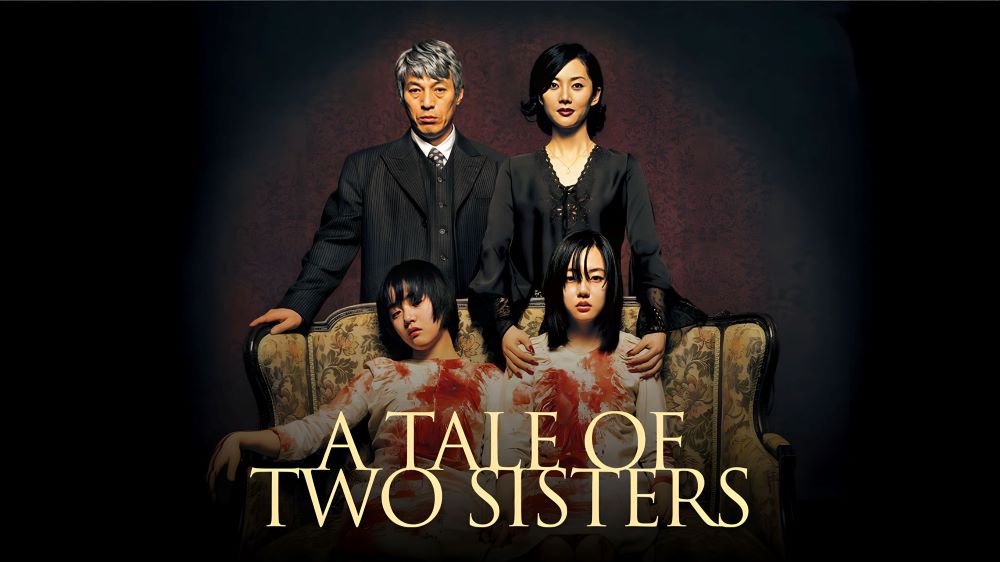
  5. A Tale of Two Sisters (Kim Ji-woon)
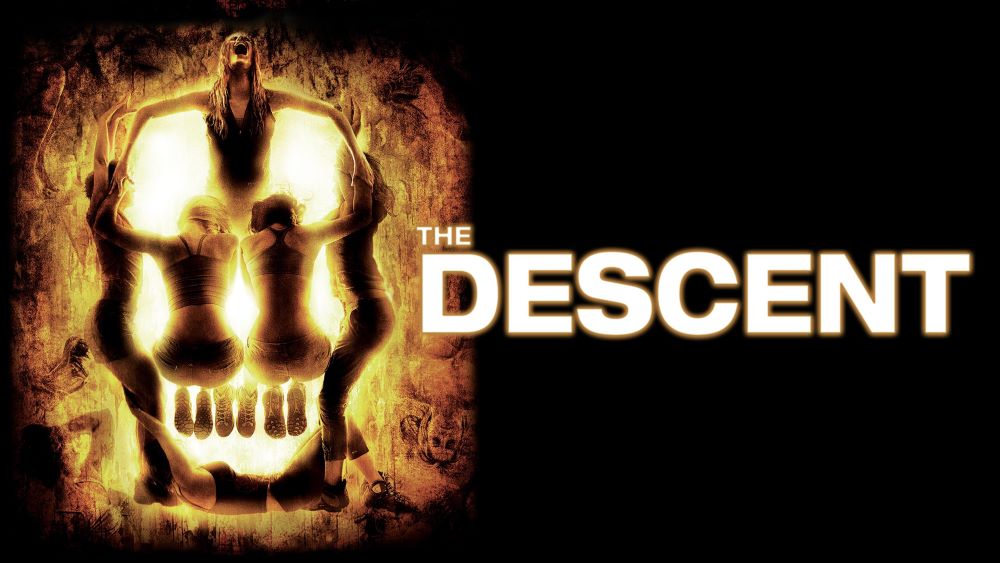
  6. The Descent (dir. Neil Marshall)
  7. Martyrs (dir. Pascal Laugier)
  8. 28 Days Later… (dir. Danny Boyle)
  9. Bubba Ho-Tep (dir. Don Coscarelli)
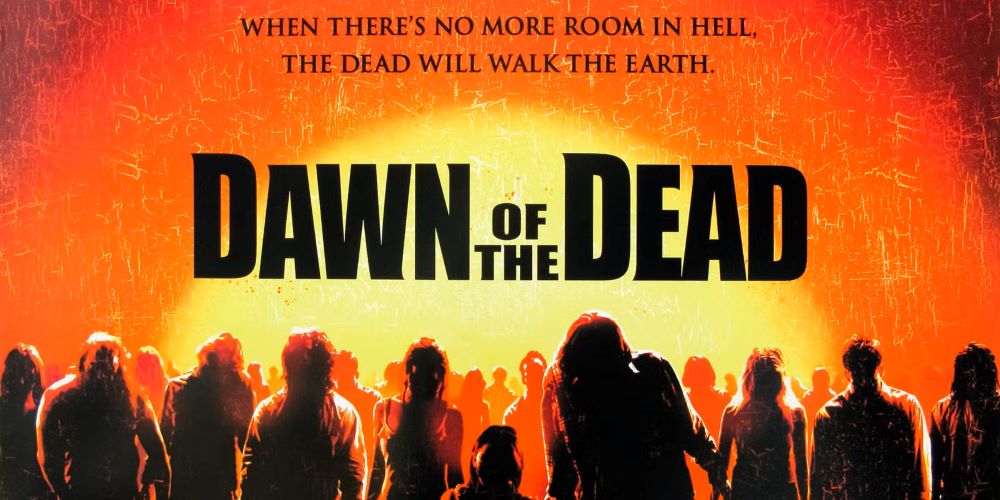
  10. Dawn of the Dead (dir. Zack Snyder)
  11. The Devil’s Backbone (Guillermo del Toro)
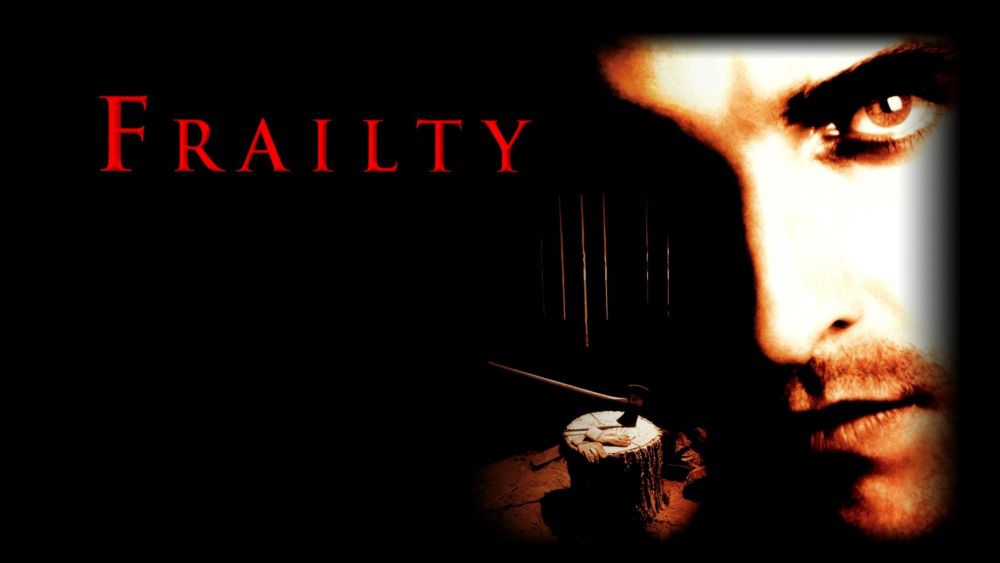
  12. Frailty (dir. Bill Paxton)
  13. Kairo (dir. Kiyoshi Kurosawa)
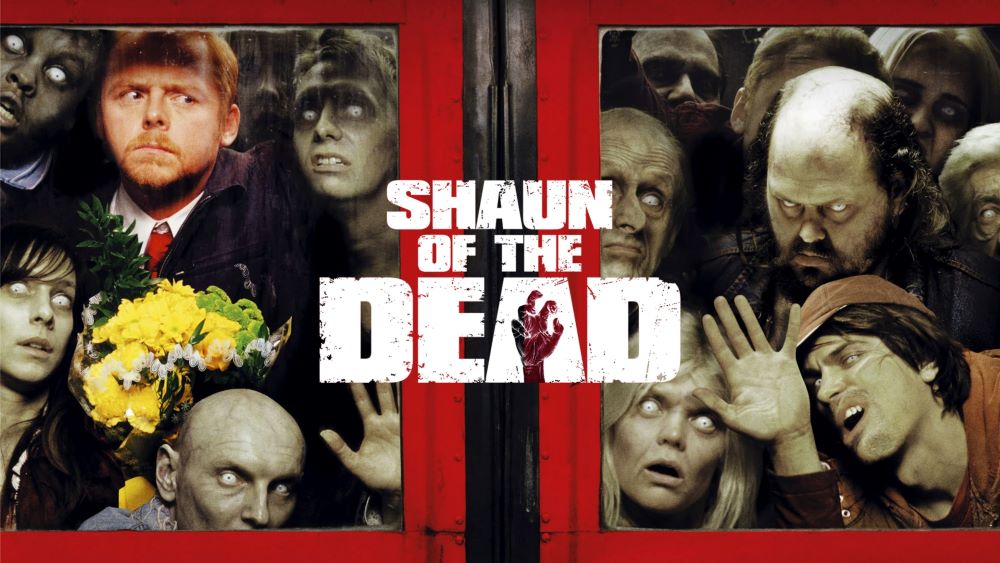
  14. Shaun of the Dead (dir. Edgar Wright)
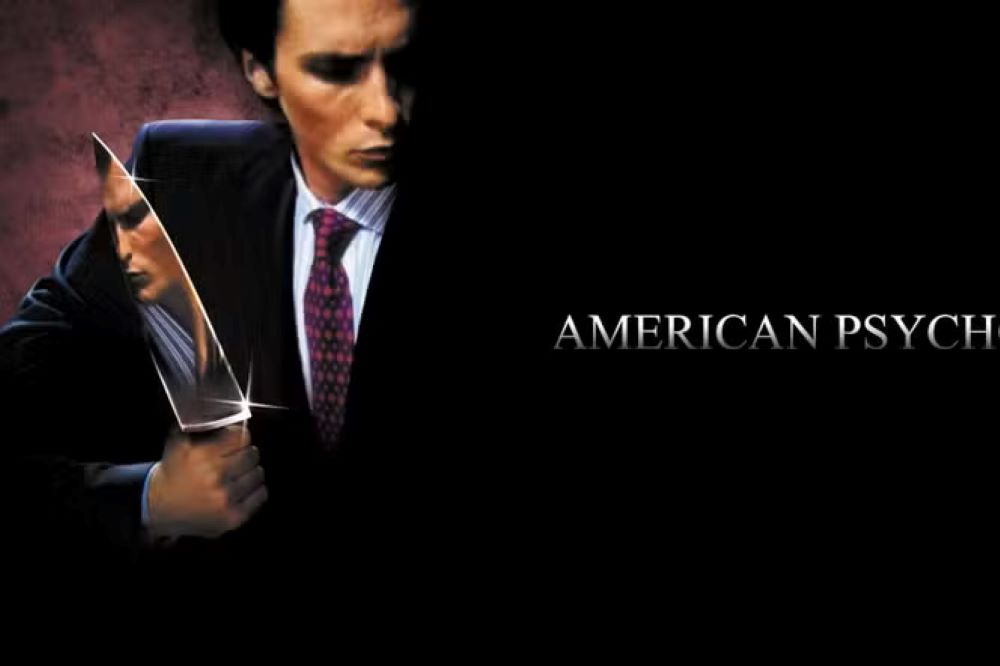
  15. American Psycho (dir. Mary Harron)
  16. Inside (dir. Alexandre Bustillo & Julien Mary)
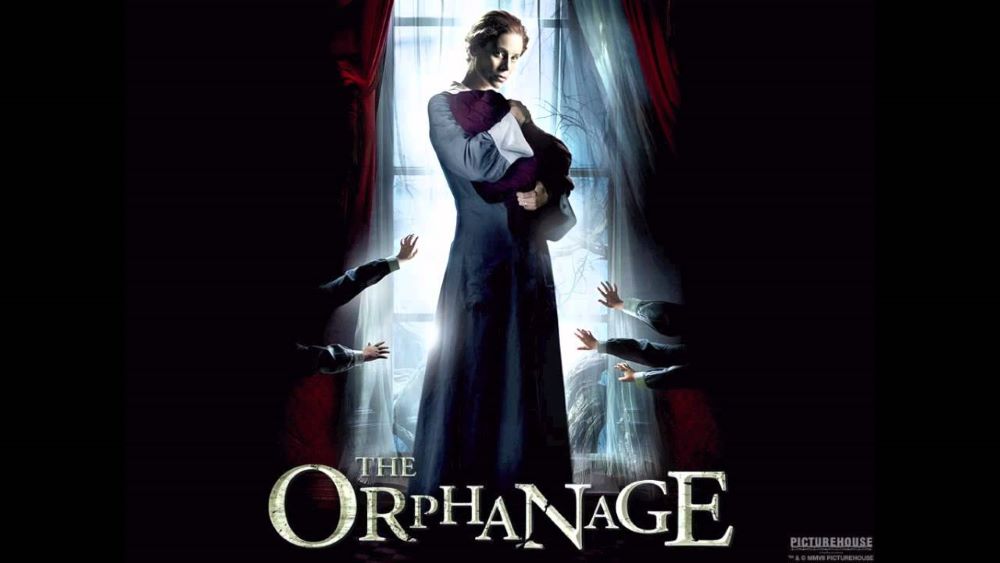
  17. The Orphanage (dir. Juan Antonio Bayona)
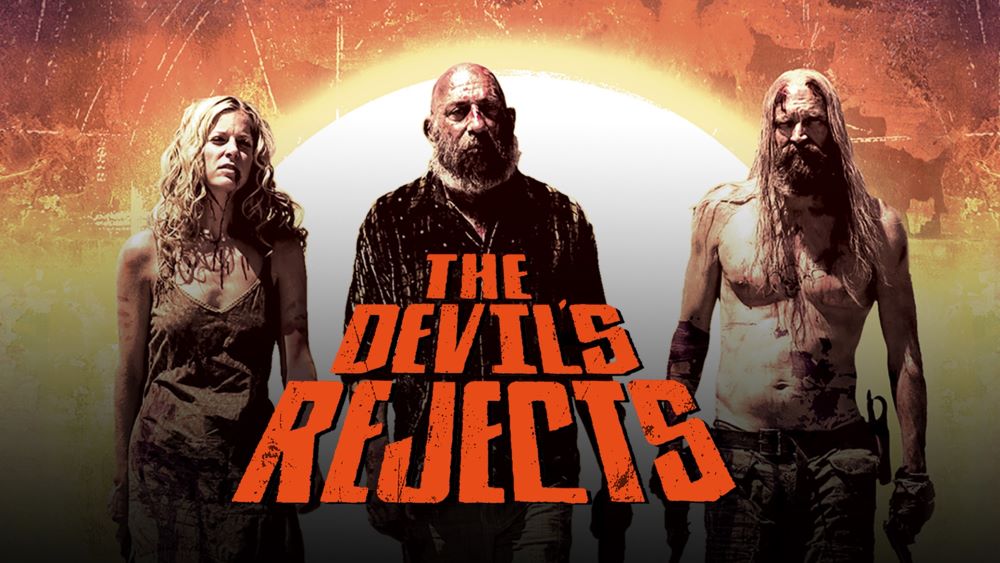
  18. The Devil’s Rejects (dir. Rob Zombie)
  19. Slither (dir. James Gunn)
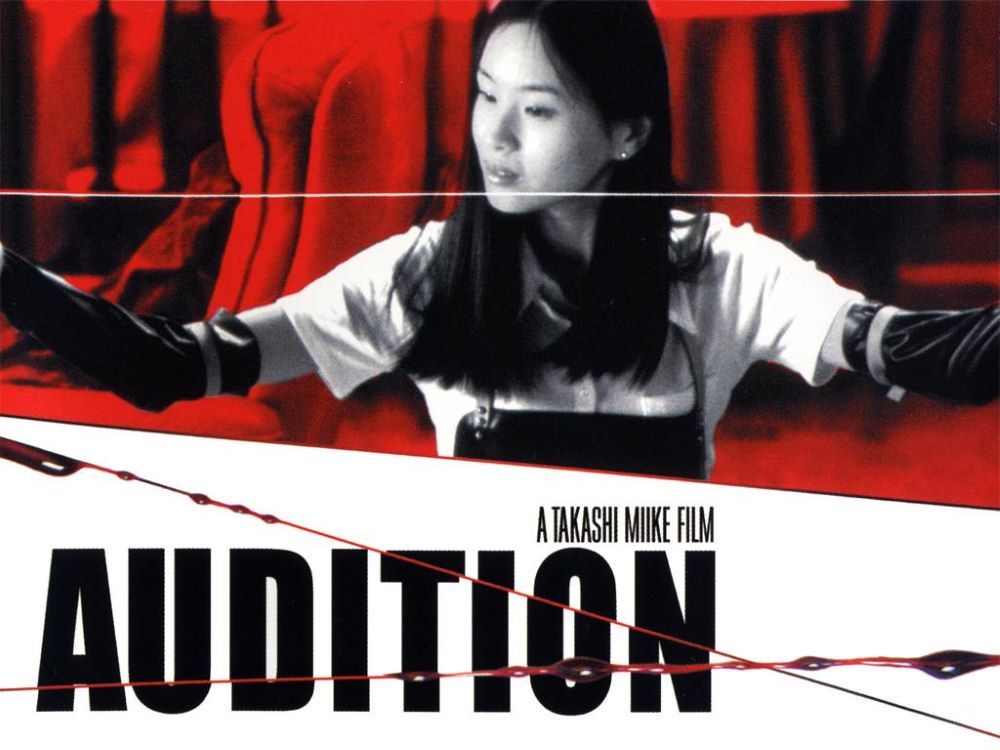
  20. Audition (dir. Takashi Miike)

Honorable Mentions: Saw, Haute Tension, Drag Me To Hell, Trick ‘r Treat, Dog Soldiers, Ju-On, May, Midnight Meat Train, The Ruins, Jeepers Creepers, Ginger Snaps, Funny Games (remake), Shutter, Frontier(s), Behind the Mask: The Rise of Leslie Vernon…just to name a few.

Past Review: The Prestige (dir. by Christopher Nolan)


2006 has been a quiet year for event films. The predicted blockbusters this past summer pretty much underperformed despite some being exactly as good as I thought they’d be. Other than Johnny Depp and the gang’s Pirates of the Caribbean: Dead Man’s Chest, every blockbuster didn’t blow the industry out of the water. It’s a very good thing that I had smaller films to tide me over. This year has been a very good ones for some independent-minded and smaller films which came out during the slow first couple months of the year and during the graveyard release months between the end of summer and the start of the late year holidays. I’ve already had the chance to see such very good films like Running Scared from Wayne Kramer and Hard Candy from David Slade to The Proposition from John Hillcoat. I am glad to say that Christopher Nolan’s film adaptation of Christopher Priest’s novel, The Prestige is another non-blockbuster that excites, entertains and, in the end, keeps the audience mystified but not confused.

I’ve read Christopher Priest’s novel about dueling late 19th-century London magicians. It’s a novel written in epistolary format with each chapter and section written as entries into the journal of one of the main characters in the story. The novel itself is pretty straightforward as it tells the story in near chronological order. I was hesistant to embrace this film adaptation when I first heard about it since alot of the mystery of of the story wouldn’t translate so well in film if they followed the strict order of how the story was told in the novel. For Christopher Nolan and his brother, Jonathan, to just adapt the novel straight-out would’ve made for a dull and boring mystery-thriller. I was glad that the Nolan brothers were inventive enough to borrow abit from Christopher Nolan’s first feature film, Memento. Their film adaptation of The Prestige doesn’t go backwards in its narrative, but it does mixes up the chronological order of the story somewhat, but not to the point that Tarantino does in Pulp Fiction and Kill Bill. The two Nolans fudges abit with the timeline to add some backstory filler to help give the characters that Christian Bale and Hugh Jackman portrays with the reason for their pathological obsession with each other.

Christopher and Jonathan Nolan’s screenplay for The Prestige was able to keep the mystery of the story intact, but it also keeps the amount of red herrings in such films to a minimum. Michael Caine’s character, Harry Cutter, opens up the film explaining just exactly what constitutes a magic trick on stage. How it’s divided into three parts. First, there’s “The Pledge” wherein the magician shows the audience something ordinary he or she will use in the trick. Soon, the magician will follow this up with “The Turn” where the abovementioned ordinary object does something extraordinary in front of the audience. The pay-off of the magician’s trick is “The Prestige” where the audience’s astonishment occurs as they fail to deconstruct and figure out the means of the trick. That’s pretty much the film in a nutshell. It’s one big magic trick. The clues are there for the audience to see, gather and extrapolate their answer to the mystery that is the story. The screenplay doesn’t treat the audience as if they need to be hand-held throughout the film. In fact, anyone who pays attention will be able to solve one-half of the mystery by the first hour. I won’t say exactly whose half of the mystery it will be but people will be kicking themselves afterwards if they don’t figure it out right away.

This magic trick of a film does have its many underlying layers of themes to add some complexity, drama and tension to the characters of Alfred Borden (Christian Bale) and Rupert Angier (Hugh Jackman). I’ve already mentioned that throughout the film their mutual obsession about each other is due to a backstory detailing their past. A past where they were initially friends — rivals even — and apprentices to the magician Milton (played by Ricky Jay) and Harry Cutter (excellently played by Michael Caine as the only voice of reason throughout the film) who creates and maintains the devices used in all the stage tricks. Borden and Angier’s obsession is not just in ruining and sabotaging each other’s magic tricks and lives, but also trying to find out each other’s secrets as they both learn magic tricks which amaze and thrill the gentry of London’s stage. From the beginning of the film these two characters begin a journey towards a path of destructive behavior which puts not just each other’s lives at risk, but those who they care about. All of it in the name of humiliating and upstaging the other due to a tragic incident early in their mutual careers. These two individuals were not sympathetic characters and I applaud Christopher Nolan and his brother for not softening up their hard edges.

Most adaptors will try to make a story’s characters more sympathetic and likable. They went the opposite in The Prestige. But even these two dark characters continue to exude the charisma and strong personalities that the audience will root for one or the other. Should they root for the charismatic and born shownman that Hugh Jackman’s Angier character plays or go for the perfectionist Borden character Christian Bale plays. A perfectionist whose technical skills surpasses that of Angier’s but whose introverted and brooding personality makes him little or no stage presence.

Both Jackman and Bale play their characters well. The film wouldn’t be so good if it wasn’t for the work of these two actors. It helps that they’re surrounded by quality supporting character like Michael Caine as the seasoned, veteran mentor to the dueling magicians. Even Scarlett Johansson does very well with the part she’s given. It’s a part that many sees as more of a throwaway character. A piece of very good-looking distraction for both the story and the audience. But she gamely plays the role of pawn for both Angier and Borden. Unlike Michael Caine’s character who remains the singular voice of sanity in the film, even Johansson’s character of Olivia gets pulled into the obsessions and betrayals that’s plagued both Angier and Borden. But in the end, she’s just part of the process of “The Turn” and if people have been watching the film closely right from the beginning then she’s also a clue as to the secret of one of the amazing magic tricks shown by the two magicians.

The Prestige also has a distinct look about it. The 19th-century London just before the start of the new millenium gives it a certain sense of Victorian-era familiarity. Production designer Nathan Crowley shows a London at the height of its Gilded Age, but soon gives way to a certain steampunk look as inventor Nikola Tesla makes an appearance during an integral part of the story. David Bowie portrays Tesla as an eccentric genius whose search for the secrets of the universe will lead to the discovery of what many of that era would consider magic. It’s the ingenius looking technology created for the Tesla sequence which finally gives The Prestige it’s root in fantasy and science-fiction. The film doesn’t dwell on this new development but from that part of the story and until the end, the film takes on a look and feel of a steampunk mystery-thriller. There’s not enough films that tries to mine this new subgenre and I, for one, am glad that Christopher Nolan added this new dimension to the film’s overall look.

In the end, The Prestige really needs to be seen to be appreciated and for people to make up their minds about the film. Some will see it as a thriller with twists and turns that doesn’t insult the intelligence of its audience. Some may see the film as just one large gimmick from start to end. Those people will probably be correct as well. The film at its most basic level is one long magic trick with all three acts. It has “The Pledge” which is then followed up by “The Turn” and then ends with “The Prestige”. It will be up to each individual who sees the film to make the final decision as to whether they’ve bought into all three acts of the magic trick that is The Prestige, or come away having felt like they’ve wasted their time. I’ve not come across many who felt like the latter, even those whose own feelings about the film don’t reach the same level of praise as I have for Christopher Nolan’s latest offering. All I know is that this is a film that delivers on its premise to confound and amaze. It also continues to validate my views that Bruce Wayne and Batman are in very good hands with Christopher Nolan at the wheel. The Prestige was easily one of the best film of 2006.

Mass Effect 2 aka The Galactic Dirty Dozen


BioWare has long been a favorite game developer of mine. This love for their games goes back to their classic Baldur’s Gate series on the PC and then their KOTOR games for the Xbox 360 (still waiting for the third game in this series…still waiting). I’ve always enjoyed how conversations were not just affairs where as a player I just had to watch the dialogue unfold. BioWare has pretty much made it their own to have dialogue which branched out into different results and consequences depending on how the player responded.

In 2007, they released what I thought was one of the best games, if not the game of the year, in Mass Effect. It was an action-rpg clothed in space opera clothing which brought to mind the early Star Wars films (prequels don’t exist in my world) and some of the best supplemental novels based on Lucas’ scifi universe (the Zahn novels being the best of the bunch). While the game itself had its flaws they were never glaring enough to ruin the game and the story.

2010 is just days away and the release of the sequel to Mass Effect is just weeks away. In what could be one of the games to vie for 2010 Game of the Year, Mass Effect 2 returns to address some of the game mechanic flaws from the first game and expand on the galactic-wide story and history which unfolded before. This game looks to find the protagonist in the initial game (whether John Shepard or a customized player) out to save the galaxy once again, but this time around needing the help of one of the villains in the first game: Cerberus. In order to save the galaxy and the human race it looks like the player must go through what I could only call as “The Dirty Dozen” but in space.

The Dirty Dozen Trailer

Mass Effect 2 – Samara Profile

Mass Effect 2 – Tali’Zorah nar Rayya Profile

Mass Effect 2 – Subject Zero Profile

Mass Effect 2 – Thane Profile

Mass Effect 2 – Grunt Profile


20 Best Science-Fiction Films of the Decade


I consider these the best and greatest science-fiction films of this closing decade. Some of the films in the list could be labeled as being hard scifi while some definitely have their roots in the pulp storytelling traditions of the 1950’s scifi publications and novels. Some could be considered horror while others more action or comedy. In the end, they all have a basis in the traditions of science-fiction as their common denominator.  They will not be in any particular order since I couldn’t truly determine which one deserved to be top on the list or which was just 20th. In my eyes they are all equally great in their own way.

Do you agree with the choices? Do you think another film belongs on the list and, if so, which one? I’m interested to know what your favorite sci-fi films of the last 10 years happen to be.

1. District 9

2. Children of Men

3. Iron Man

4. Primer

5. Sleep Dealer

6. Pitch Black

7. Minority Report

8. Moon

9. Los Cronocrimenes

10. Eternal Sunshine of the Spotless Mind

11. The Fountain

12. 28 Days Later

13. The Prestige

14. Wall-E

15. Star Trek

16. Idiocracy

17. Avatar

18. Sunshine

19. War of the Worlds

20. Serenity

Film Review: Avatar (directed by James Cameron)


“Everything is backwards now, like out there is the true world, and in here is the dream.” — Jake Sully

When was the last time a film became an experience for you—not just a story that made you think, but one that swept you up and immersed you completely? The most hyped film of 2009, and likely of this decade, was such an experience for me. James Cameron’s Avatar, a project over fifteen years in the making, more than lived up to the hype that followed it from the earliest production leaks.

Avatar is not the greatest film ever made, nor does it revolutionize filmmaking the way Technicolor did in the late 1950s and early 1960s. What Cameron has accomplished is providing a blueprint for how filmmakers can bring audiences closer to the stories they tell. Stories and ideas once considered unfilmable due to technological limitations are now within reach. Avatar is an experience that should be seen, regardless of whether one embraces its story. The narrative is not original—some may be reminded of an Oscar-winning film directed by Kevin Costner or an animated feature with “Gully” in the title. While the lack of originality is noticeable, the story works within the context of Cameron’s vision. Clichéd and hackneyed dialogue aside, it serves the film well. Cameron’s writing may not rival that of Kaufman or Mamet, but he knows how to tell a simple story and keep the audience engaged.

With that flaw acknowledged, I haven’t felt this way about a film—nor even the best I’ve seen this year—since the first time I watched The Fellowship of the Ring or, before that, Spielberg’s Jurassic Park. Only a few films truly sweep me into their world and hold me there. It didn’t matter that Avatar wasn’t the second coming of Rashomon or this generation’s Citizen Kane. What I watched, I fully bought into. The world of Pandora, imagined by Cameron and brought to life by WETA Digital and ILM, felt real. The detail, clarity, and dedication in its creation gave me hope that creative boundaries once thought uncrossable are now being stepped over.

While the film is also available in 2D for theaters without 3D capabilities, it must be seen in 3D, ideally in IMAX 3D. Cameron’s use of the new “emotion capture” cameras he helped develop achieves a level of CGI photorealism that avoids the “Uncanny Valley” effect seen in films like The Polar ExpressBeowulf, and A Christmas Carol. The groundbreaking “mo-cap” technique, refined by WETA Digital for The Lord of the Rings trilogy, convinced Cameron it was time to make Avatar as he envisioned. The Na’vi are now the most realistic CGI characters ever put on screen, surpassing even Gollum. Cameron demonstrates that the limit of CGI use is not quantity, but how it is implemented. Lucas, Bay, and others who have misused CGI have much to learn from Cameron’s achievement.

It took a few minutes to adjust to the 3D effect, but once my eyes adapted, the film’s magic took hold. The distinction between CGI and live-action scenes blurred and eventually disappeared. Even the best CGI-heavy films sometimes break immersion, but Avatar never did. This total immersion helped me overlook the story’s familiarity and, for some, its ordinariness.

Despite the material, the performances ranged from good to excellent. The villains, while written one-dimensionally, were played with enough conviction to be believable. Giovanni Ribisi’s corporate weasel, a clear echo of Burke from Aliens, was cartoonish in motivation, but Cameron is not known for deep, well-rounded characters. The standout was Stephen Lang as Colonel Miles Quaritch. His scenery-chewing performance was riveting, stealing the film from Sam Worthington’s “hero on a journey.” While Lang’s performance may not win awards, it stands as one of the year’s most memorable, joining the ranks of characters audiences love to hate.

Some may think I’ve joined the Cameron fan club, but I can’t explain why I love this film despite its flaws: the familiar story, clichéd dialogue, and one-dimensional characters. Is Avatar just a technical and visual marvel? Yes, and more. Does the CGI and bombastic climax overshadow the storytelling? No, it actually propels the story forward, much like Jake Sully’s own fragile legs.

In the end, my love for Avatar comes down to the experience it provided—a rare occurrence in modern cinema. Cameron didn’t make a perfect film, nor one better than sliced bread. But he created a filmgoing experience that will be remembered decades from now, much like the first time audiences saw Star Wars and believed in Jedi and space battles, or Superman and believed a man could fly. Cameron’s Avatar made me believe in Pandora, a place I hope to visit, or at least experience through his eyes. I’m eager to see what he—and other filmmakers inspired by his work—will create next.