Horror Film Review: The Fog (dir by John Carpenter)


“Time for one more story,” Mr. Machen (John Houseman) declares the beginning of John Carpenter’s 1980 horror film, The Fog.

Mr. Machen is a resident of Antonio Bay, California, a coastal town that was founded with the help of gold stolen from a ship that was owned by a wealthy man named Blake (Rob Bottin). Blake wanted to start a leper colony. Instead, he was betrayed by six sailors who sank Blake’s ship, stole the gold, and used it to start the town of Antonio Bay.

At 12 midnight, on the day that the town is to celebrate its 100 anniversary, strange things start to happen. Windows shatter. Masonry falls from walls. A thick fog rolls across the ocean and seems to move from house to house. Inside the fog are several angry spirits, led by Blake. They not only want their gold back but they also want to take six lives as a way of getting revenge on the six conspirators who stole their gold and sank their ship.

It all starts with knock at the door and, if you look out a window, maybe you’ll see a dark shadow standing in an all-enveloping fog. Answering the door is a mistake. At the same time, so is not answering the door. It’s not easy to escape the vengeful spirits in the fog.

The Fog (1980, dir by John Carpenter, DP: Dean Cudney)

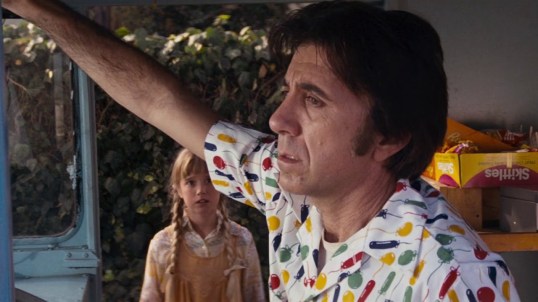
The Fog plays out like a disaster film, albeit one with a supernatural twist. The film follows several characters who are trying to survive the night and the majority of them don’t even meet until the final half of the film. There’s a truck driver (Tom Atkins) and a hitchhiker (Jamie Lee Curtis). There’s the alcoholic priest (Hal Halbrook) and the chairwoman (Janet Leigh) of the anniversary committee. Nancy Loomis, who co-starred with Curtis in Carpenter’s Halloween, plays an administrative assistant while Carpenter’s wife, Adrienne Barbeau, plays the local radio DJ whose son is briefly targeted by the fog. There’s even a coroner named Dr. Phibes!

In fact, the whole film is full of references to other films. The Fog finds John Carpenter in a rather playful mood, with characters named after Carpenter associates like Dan O’Bannon, Tommy Wallace, and Nick Castle. There’s even a mention of Arkham, the fictional New England town that served as the setting for many of H.P. Lovecraft’s stories.

42 years after it was made, The Fog holds up as a very well-told ghost story. I mean, fog is just creepy in itself. Then you add in a bunch of silent shadows standing in the fog and it gets even scarier! For the most part, the actors all do a good job playing rather thinly-drawn characters. Tom Atkins is always fun to watch! The true stars of the film, of course, are the ghosts and they will definitely give you nightmares.

The Fog is a good film for Halloween viewing so watch it and don’t answer the door!

The Fog (1980, dir by John Carpenter, DP: Dean Cundey)

(Don’t just take my word for it!  Be sure to read Leonard’s review of The Fog!)

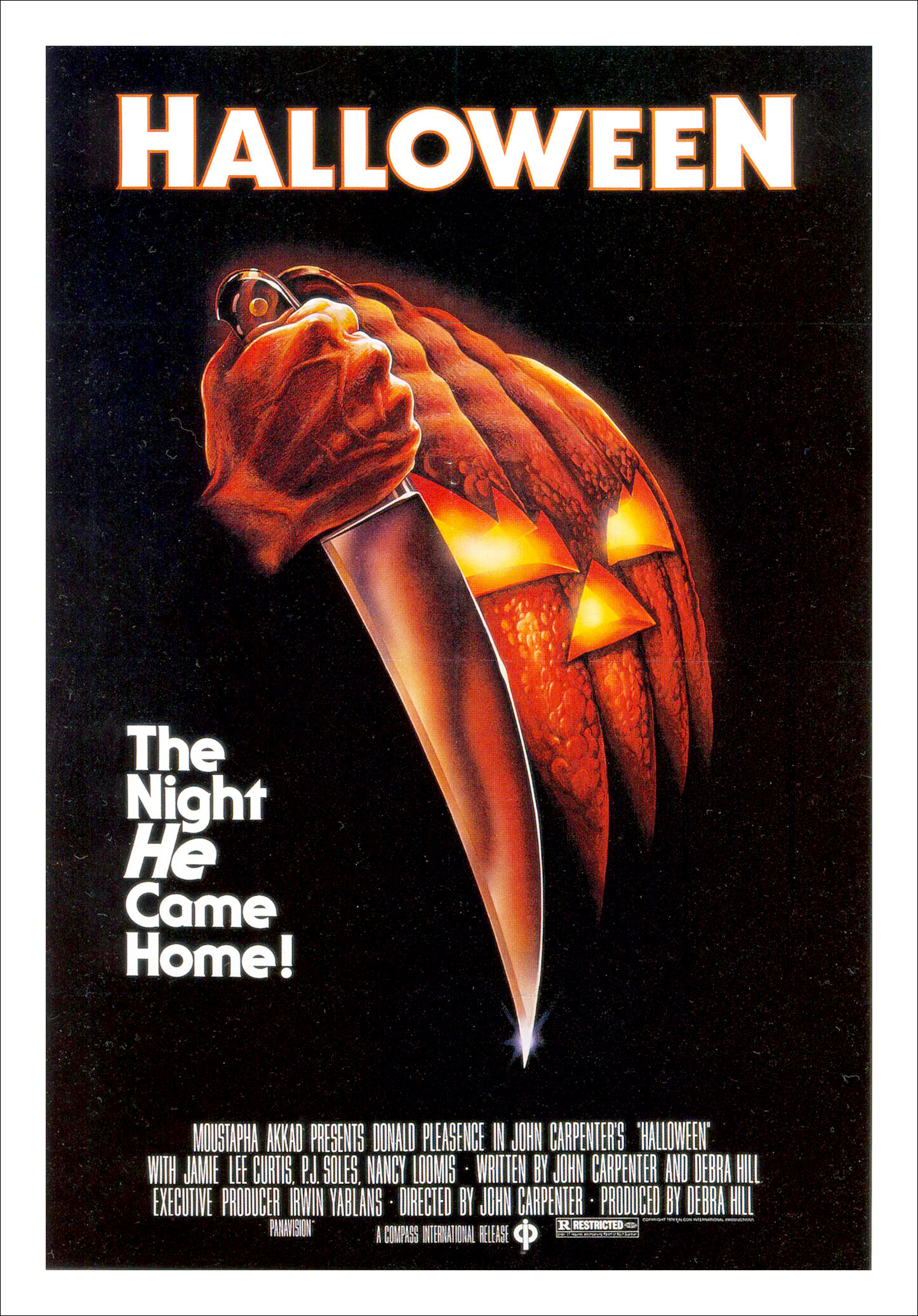
Reblog: Arleigh’s Review Of The Original Halloween (dir. by John Carpenter)


Hi everyone! Lisa here! As Halloween approaches, now is the perfect time for us to take a look back at the infamous and trend-setting career of Michael Myers. In about 90 minutes, Case will be posting his review of Halloween 4. However, before reading that, why not re-read Arleigh’s thoughts on the one that started it all, the original Halloween! From 2010, here’s Arleigh’s review…

Arleigh's avatarThrough the Shattered Lens

What better way to bring back a new daily grindhouse than the film which started the teen slasher genre. I speak of John Carpenter’s Halloween.

The film was truly a child of 1970’s independent filmmaking. With a budget of just $320,000 (even adjusting for inflation it’s still quite low) Carpenter made what’s considered one of horror’s defining films. Carpenter’s film was a smash hit when it was released in 1978. It played mostly in drive-in’s, grindhouse cinema houses before finally appearing in more mainstream venues. By then the film had become one of those must-see titles that many films both independent and mainstream try for but fail to do.

Some have commented that since Halloween was such a success in the box-office then it shouldn’t be considered grindhouse. I look at such thinking as quite narrow. Grindhouse was never synonymous with bad filmmaking. If one said the term meant…

View original post 177 more words

Quick Horror Review: John Carpenter’s The Fog


I have something of a tradition with John Carpenter’s The Fog. Every year, I try to watch the film on the date and time where the story starts – April 20th, at around 11:55pm. It’s not the scariest of stories, but it does have a spooky atmosphere that lends itself well to Halloween – or any late quiet night. I love this movie.

The Fog marked the first film that John Carpenter worked on after Halloween, collaborating with the late Debra Hill, who also produced the movie. She’d go on to also produce both Escape From New York and Escape from L.A for Carpenter. While it didn’t really have the impact of Halloween, it held up until Escape from New York came out the following year.

Here’s the story:

In the town of Antonio Bay, an old captain (John Houseman) explains to some children about the ill-fated Elizabeth Dane (what a beautiful name, I might add), a ship that belonged a rich of crew of lepers led by someone named Blake. The heads of the town conspired to steal the gold by setting up the ship to crash against the docks. It works out for the Conspirators, as they are “aided by a unearthy fog” that blinds the Leper ship’s navigators. and the gold they collect helps to form the great town the kids play in to this day.

What they don’t realize is that vengeance is coming in the form of that very same fog, as the ghost of the Lepers have come to claim the lives of the six conspirators…or their direct descendants.

As a kid, I had a problem with that. You mean because my great great grandparents messed up somewhere ages ago, I have to get killed for it? I remember thinking that it really wasn’t fair, but I’m kind of diverging from the topic here. The story gives you four points of view. You have Nick (Tom Atkins, sans his signature mustache) and a hitchhiker he picks up played by then scream queen Jamie Lee Curtis. You have Curtis mother, Janet Leigh, who’s character is working on the anniversary party for the town and her assistant, Sandy, played by Nancy Loomis (who appeared in the first three Halloween films). The third comes from Adrienne Barbeau’s character, Stevie Wayne, who works for the local radio station. Her character acts as the warning voice for the town and she starts to notice that something’s going on when her son gives her a piece of Driftwood that later echoes Blake’s warning. The final viewpoint comes from Father Malone (Hal Holbrook), who discovers Blake’s diary and learns the truth about what happened 100 years ago. His character helps to piece the mystery together, somewhat.

Carpenter and Hill gathered many of their friends, who went on to work on other films for this. Tommy Lee Wallace went on to direct Halloween III: Season of the Witch (and coincidentally did the voice of the Silver Shamrock ad-man in the commercial) and Vampires: Los Muertos. Wallace’s name was given to Carpenter fan favorite Buck Flower. Nick Castle’s name was given to Tom Atkins character. Makeup Wizard Rob Bottin (who also played Blake in the film) went on to do some of the effects in The Thing.

The makeup effects in this film were okay. The lighting and fog did more to obscure than to actually help one see what was doing the attacking, but it really worked for some of the shadowing in the film. If the movie has any drawbacks, it’s that there’s a really low body count to the film. In essence, there are only 6 people the ghosts are after, so these are only the ones they actually get. It would have been interesting if there were a few random deaths, or more individuals in danger, but I supposed it worked out well for the time period.

The Fog is a nice film to catch late at night. You won’t find it at the upper rankings of top horror films, but it’s one to try, at least. Don’t even bother with the Remake for this one. It’s not even work talking about.

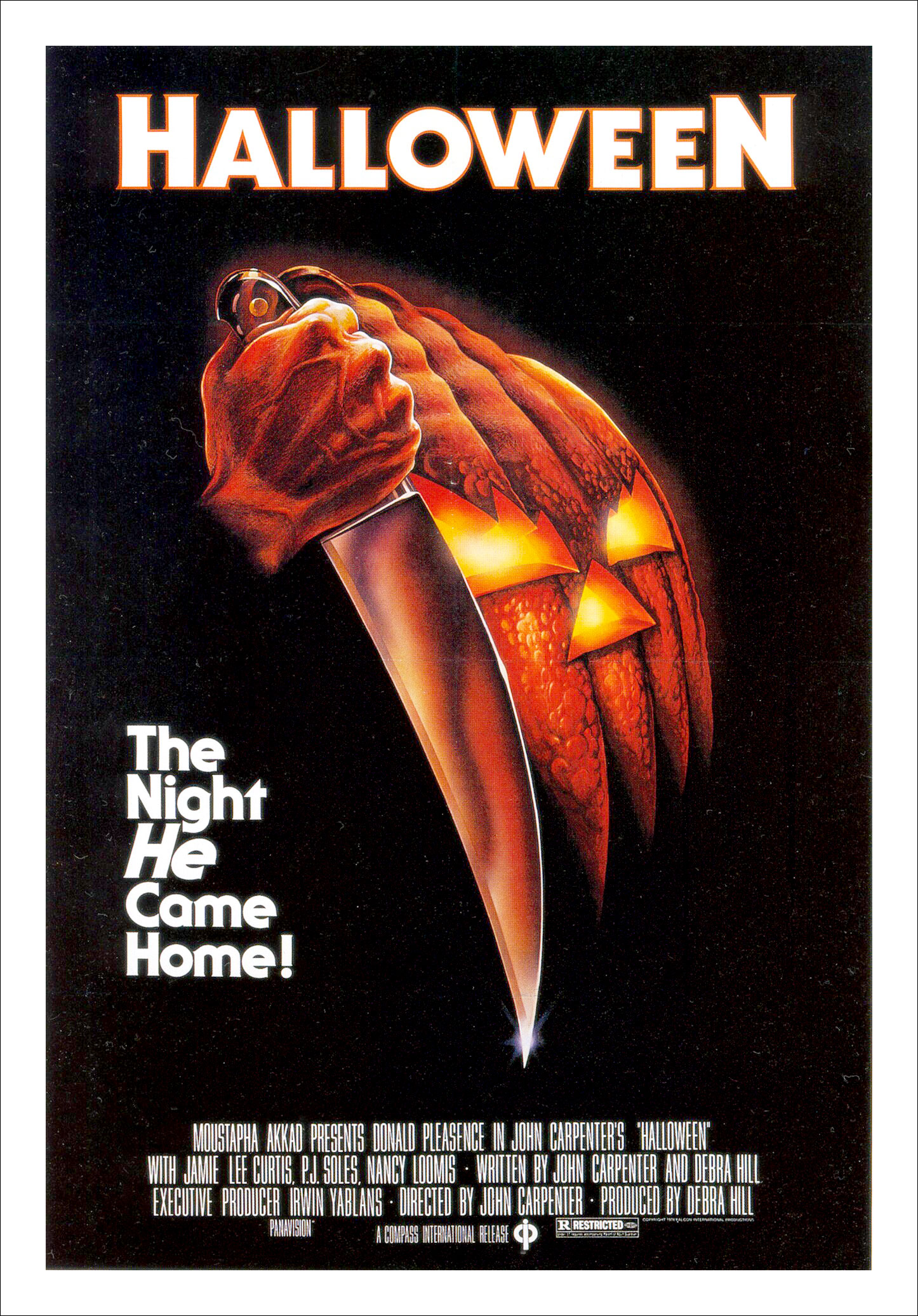
The Daily Grindhouse: Halloween (dir. by John Carpenter)


What better way to bring back a new daily grindhouse than the film which started the teen slasher genre. I speak of John Carpenter’s Halloween.

The film was truly a child of 1970’s independent filmmaking. With a budget of just $320,000 (even adjusting for inflation it’s still quite low) Carpenter made what’s considered one of horror’s defining films. Carpenter’s film was a smash hit when it was released in 1978. It played mostly in drive-in’s, grindhouse cinema houses before finally appearing in more mainstream venues. By then the film had become one of those must-see titles that many films both independent and mainstream try for but fail to do.

Some have commented that since Halloween was such a success in the box-office then it shouldn’t be considered grindhouse. I look at such thinking as quite narrow. Grindhouse was never synonymous with bad filmmaking. If one said the term meant cheap filmmaking then I would agree. Carpenter’s film has all the trappings of what makes a great grindhouse. It’s violent (though it really has less blood than what audience really remember) and uses sex as a storytelling tool (again the sex is quite chaste compared to later teen slashers).

While some film historians credit Hitchcock’s Psycho as the granddaddy of the slasher genre it wasn’t primogenitor of the teen slasher subgenre which has become an industry onto itself since Carpenter’s breakthrough hit. A hit that set many of the basic rules of teen slasher horror for decades to come. We get the nigh-unstoppable killer who seems more like a force of nature than human. The notion that teenage girls who have premarital sex will die horribly because of it while the chaste and virginal girl survives and inevitably stops the killer (until the subsequent sequel that is).

Halloween is grindhouse through and through. The fact that Carpenter’s obvious talent and skill as a director, editor, film composer and cinematographer shouldn’t DQ this film from being called grindhouse.