4 Shots From 4 Films is just what it says it is, 4 shots from 4 of our favorite films. As opposed to the reviews and recaps that we usually post, 4 Shots From 4 Films lets the visuals do the talking!
Today is the 87th birthday of the great actor and icon of all things British, Michael Caine!
Caine is famously prolific and, when it comes to picking shots from his films, it’s hard to narrow them down to just four. At a certain point in his career, the big joke about Michael Caine was that he would appear in literally everything. He even missed accepting his first Oscar in person because he was busy filming Jaws: The Revenge. Not surprisingly, it was after Jaws: The Revenge that Caine started to become more discriminating when it came to picking his films.
Despite the fact that he’s now a bit more careful about picking roles that allow him to show off his considerable talent as opposed to just supplying him with an easy paycheck, Caine remains a busy actor. In his autobiography, Blowing the Bloody Doors Off, Caine wrote that he plans to keep acting as long as he is physically and mentally able to do so. I look forward to seeing what future, great performances Michael Caine is going to give us.
For now, here are:
4 Shots From 4 Films
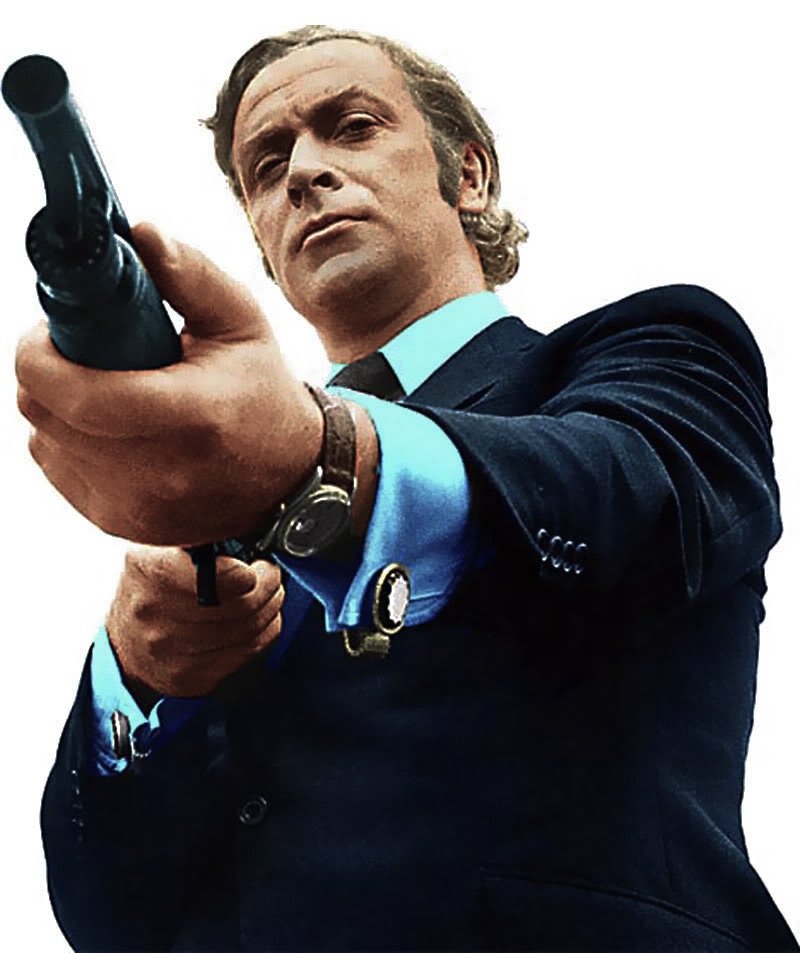
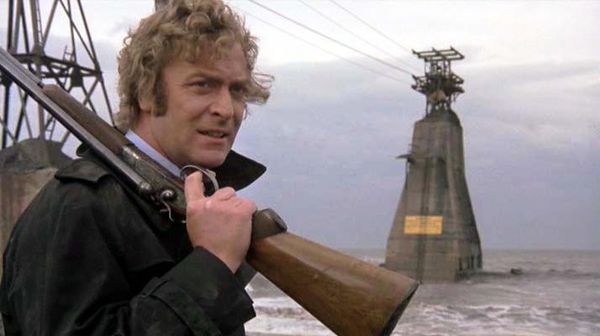
Get Carter (1971, directed by Mike Hodges)
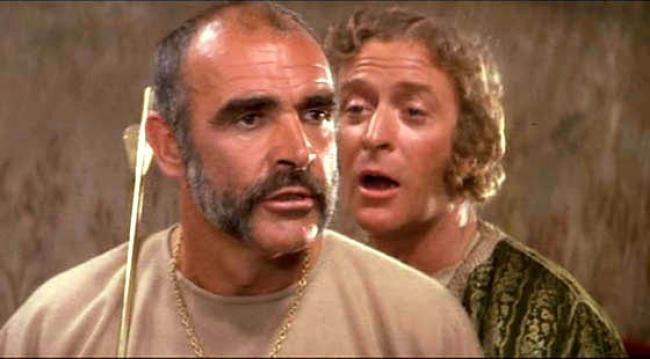
The Man Who Would Be King (1975, directed by John Huston)
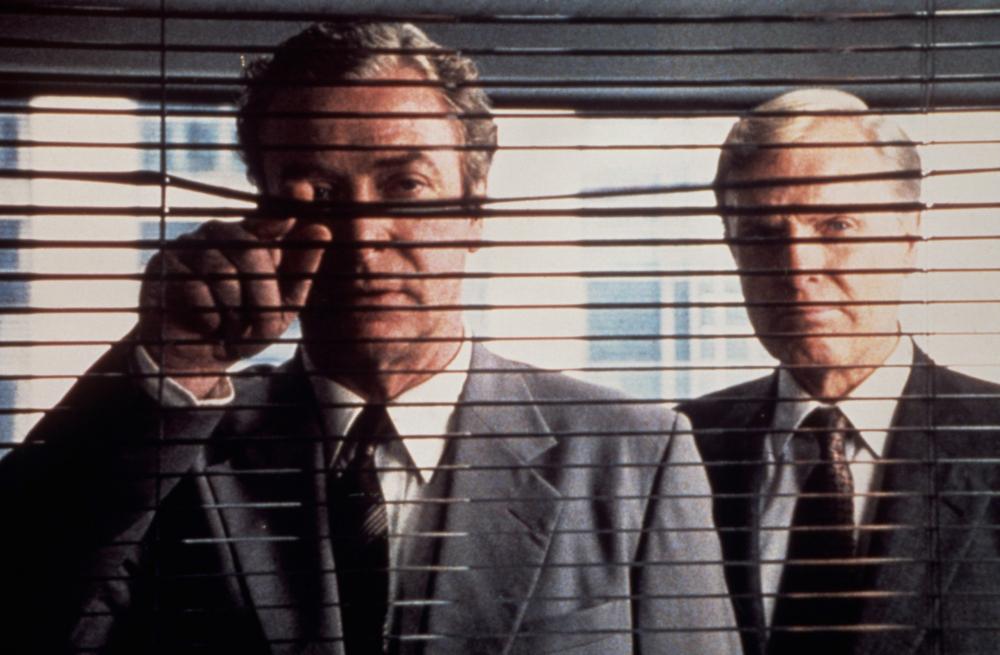
A Shock to the System (1990, directed by Jan Egleson)
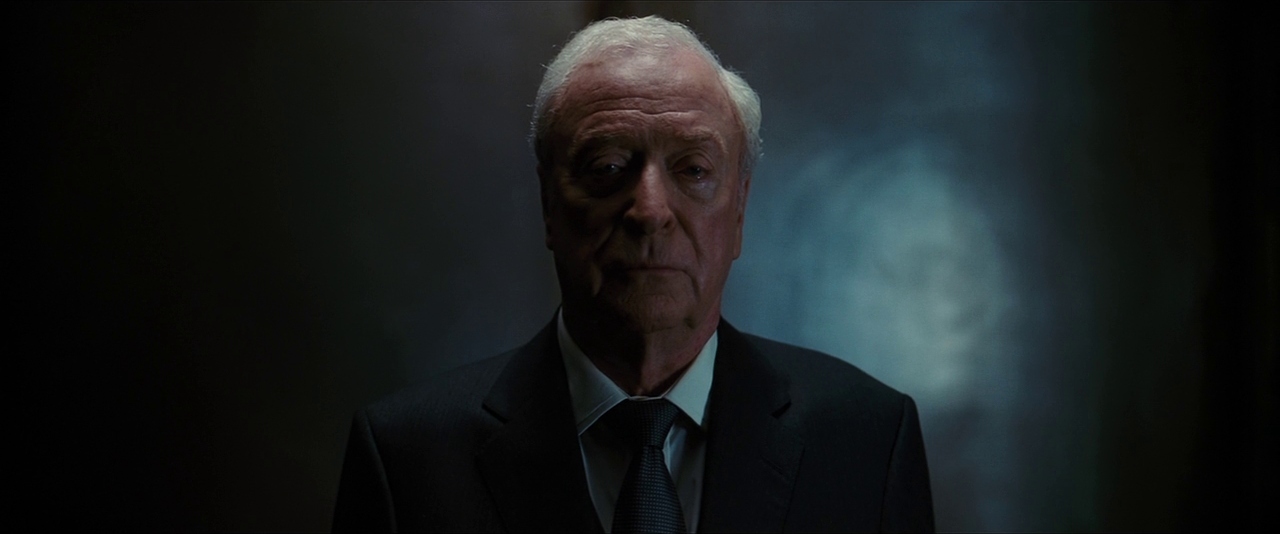
The Dark Knight Rises (2012, directed by Christopher Nolan)
I woke up to the sad news that Max von Sydow, one of the greatest actors of all time, died yesterday. He was 90 years old and he leaves behind a truly amazing filmography. He played saints, sinners, assassins, exorcists, generals, poets, doctors, and even ordinary men who were just trying to make it day-to-day. That he was nominated for only two Academy Awards over a career that lasted 71 years was a major oversight on the Academy’s part. He was an actor who was as capable in arthouse films as he was in the latest installment of a legendary sci-fi franchise.
It’s hard to take a career as long and productive as von Sydow’s and narrow it down to just four shots from four films so I’m not going to try. The shots are below are some of my favorite von Sydow performances but they’re hardly definitive. Max von Sydow gave so many good and memorable performances that it’s hard to know where to start. Below are 4 shots from 4 films from a truly remarkable career.
Max von Sydow, R.I.P.
4 Shots From 4 Films
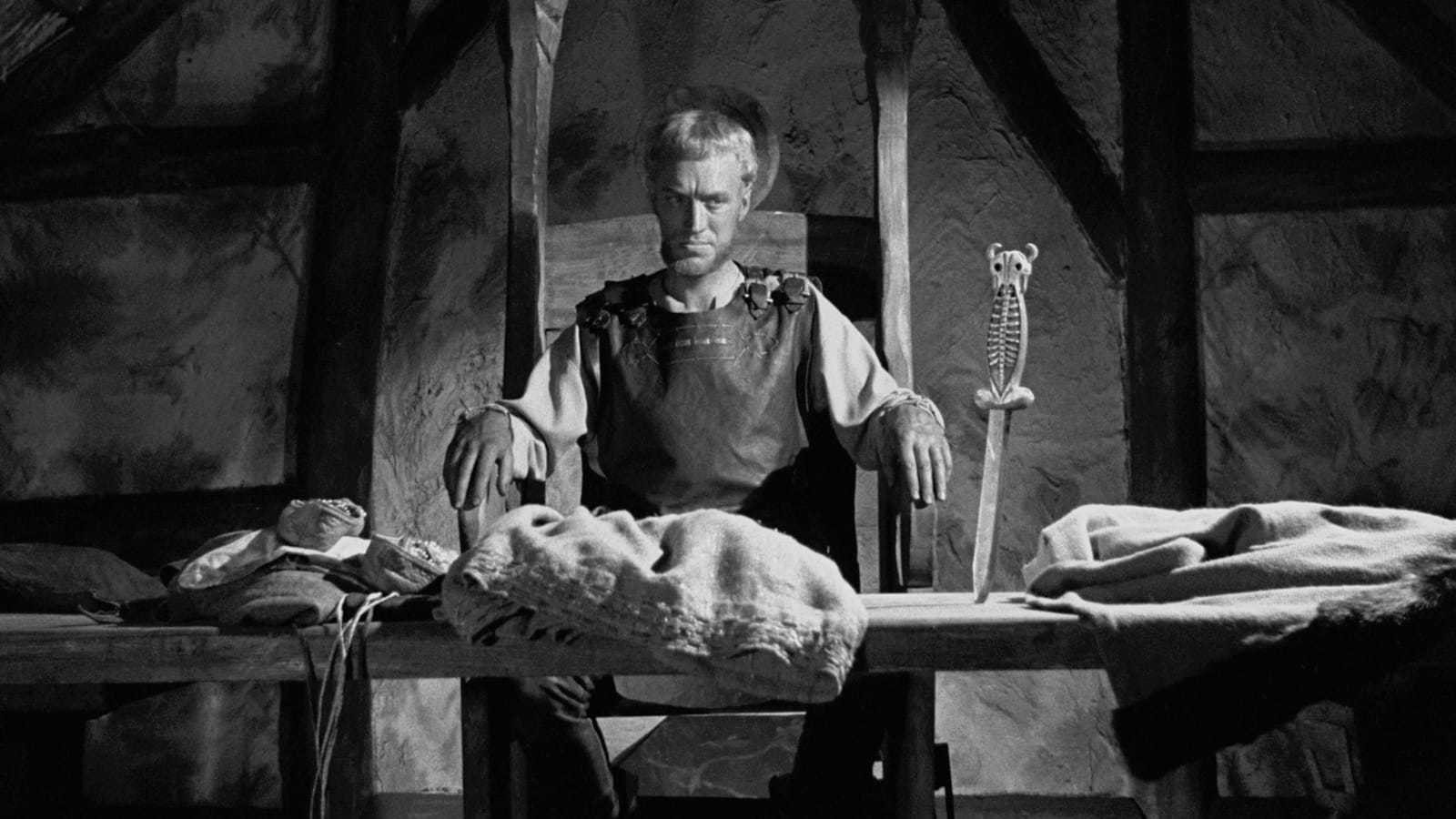
The Virgin Spring (1960, directed by Ingmar Bergman)
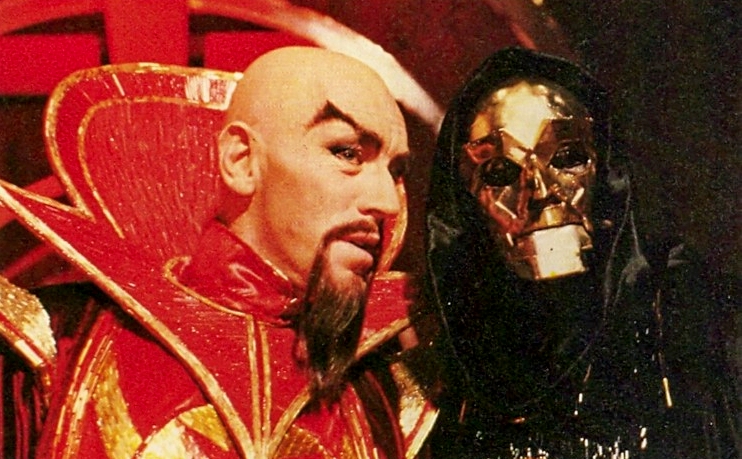
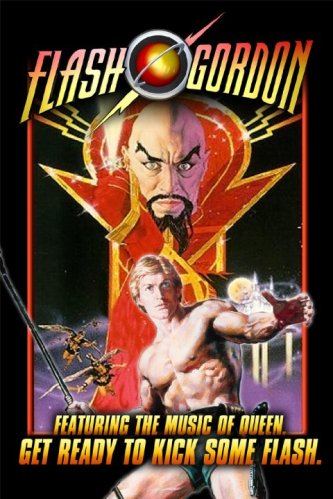
Flash Gordon (1980, directed by Mike Hodges)
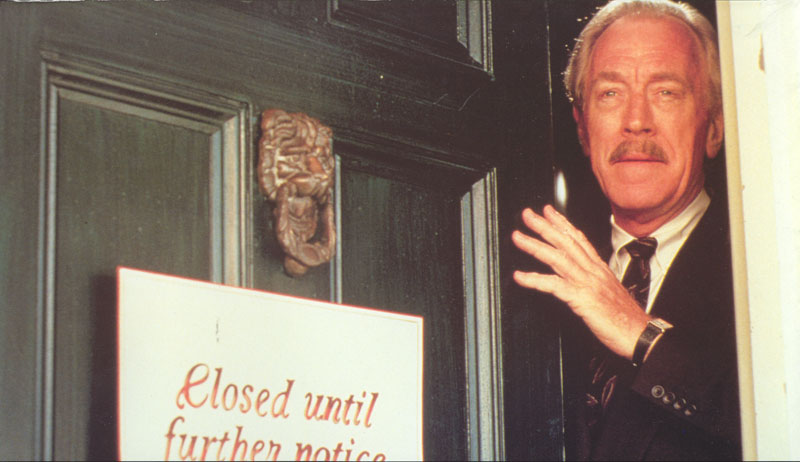
Needful Things (1993, directed by Fraser C. Heston)
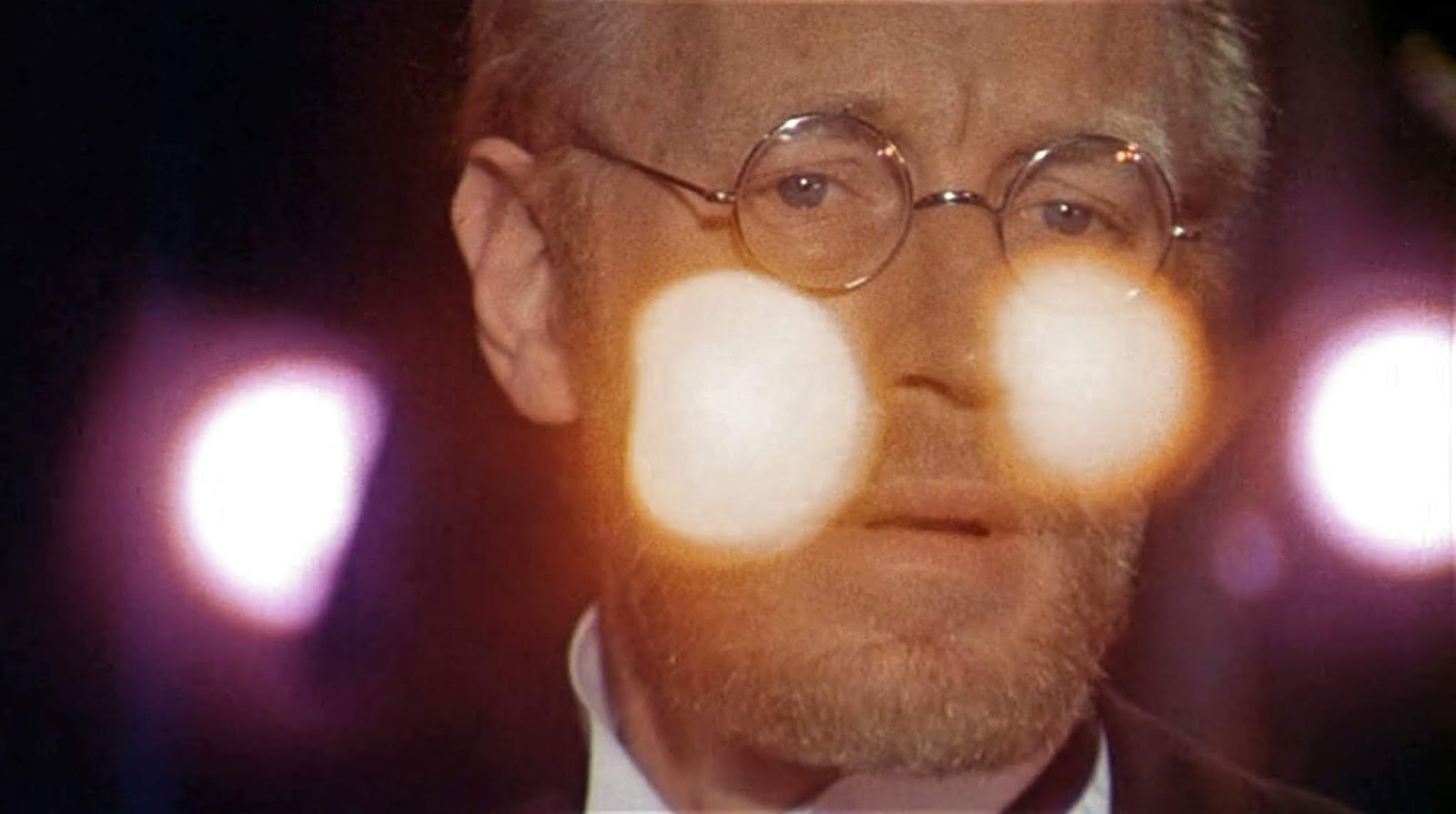
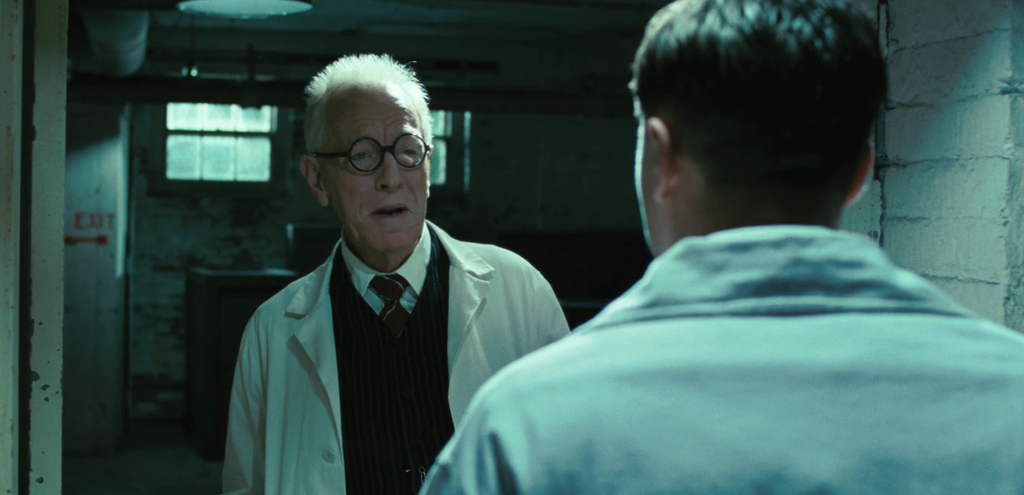
Shutter Island (2010, directed by Martin Scorsese)
Look at it carefully. Examine it. Try to ignore the fact that it’s weird that George Segal was once a film star. Yes, on the poster, Segal has been drawn to have a somewhat strange look on his face. Ignore that. Instead, concentrate on the words in the top left corner of the poster.
“ADULT ENTERTAINMENT!” it reads.
That’s actually quite an accurate description. The Terminal Man is definitely a film for adults. No, it’s not pornographic or anything like that. Instead, it’s a movie about “grown up” concerns. It’s a mature film. In some ways, that’s a good thing. In some ways, that’s a bad thing.
Taking place in the near future (and based on a novel by Michael Crichton), The Terminal Man tells the story of Harry Benson (played, of course, by George Segal). Harry is an extremely intelligent computer programmer and he’s losing his mind. It might be because he was in a serious car accident. It may have even started before that. Harry has black outs and when he wakes up, he discovers that he’s done violent things. Even when he’s not blacked out, Harry worries that computers are going to rise up against humans and take over the world.
However, a group of scientists think that they have a way to “fix” Harry. It’ll require a lot of brain surgery, of course. (And, this being a film from 1973, the film goes into excruciating details as it explains what’s going to be done to Harry.) The plan is to implant an electrode in Harry’s brain. Whenever Harry starts to have a seizure, the electrode will shock him out of it. The theory is that, much like Alex in A Clockwork Orange 0r Gerard Malanga in Vinyl, Harry will be rendered incapable of violence.
Of course, some people are more enthusiastic about this plan than others. Harry’s psychiatrist (Joan Hackett) fears that implanting an electrode in Harry’s brain will just make him even more paranoid about the rise of the computers. Other scientists worry about the ethics of using technology to modify someone’s behavior. Whatever happens, will it be worth the price of Harry’s free will?
But, regardless of the risks, Harry goes through with the operation.
Does it work? Well, if it worked, it would be a pretty boring movie so, of course, it doesn’t work. (Allowing Harry’s operation to work would have been like allowing King Kong to enjoy his trip to New York.) Harry’s brain becomes addicted to the electrical shocks and, as he starts to have more and more seizures, Harry becomes even more dangerous than he was before…
The Terminal Man is a thought-provoking but rather somber film. On the one hand, it’s a rather slow movie. The movie does eventually get exciting after Harry comes out of surgery but it literally takes forever to get there. The movie seems to be really determined to convince the audience that the story it’s telling is scientifically plausible. On the other hand, The Terminal Man does deal with very real and very important issues. Considering how threatened society is by people who cannot be controlled, issues of behavior modification and free thought will always be relevant.
Though the film may be slow, I actually really liked The Terminal Man. Judging from some of the other reviews that I’ve read, I may be alone in that. It appears to be a seriously underrated film. As directed by Mike Hodges, the film is visually stunning, emphasizing the sterility of the white-walled hospital, the gray blandness of the doctors, and the colorful vibrancy of life outside of science. Though he initially seems miscast, George Segal gives a good and menacing performance as Harry.
The Terminal Man requires some patience but it’s worth it.
They had the hook in me, and I was caught like a large mouth bass. The bait was the stuff my dreams were made of, a heady concoction of gangsters and femmes fatale, of faded Hollywood stars and references to Mickey Spillane and Ross MacDonald. I had let my guard down and plunged headlong into the trap, forgetting you can’t judge a book by its cover, especially one luridly titled PULP.
It all started so promisingly. I was introduced to Mickey King, a second-rate English hack writing under the pseudonym “Guy Strange”, scribbler of paperback trash like “Kill Me Gently” and “My Gun is Long”. Mick’s paid a visit by a gravel-voiced goon called Dinuccio, a Neanderthal throwback who hires the wordsmith to ghost a biography for his mysterious boss. Next thing Mickey knows, he’s on a tour bus and told he’ll be contacted. An American named Miller could be the one, but Miller…
Life on the planet Mongo is not easy. Aided by Darth Vader wannabe Klytus (Peter Wyngarde) and the sadistic General Kala (Mariangela Melato), the evil Emperor Ming (Max Von Sydow) rules with an iron fist. All of the citizens are heavily taxed and kept in a state of perpetual war in order to keep them from joining together and rebelling. Those who attempt to defy Ming are executed.
There are many different races living on both Mongo and its moons. The Arborians, also known as the tree people, live in a jungle and are ruled by Prince Barin (Timothy Dalton). Until Ming overthrew his father, Barin was the rightful heir to the throne of Mongo. Barin is also one of the many lovers of Aura (Ornella Muti), Ming’s rebellious daughter.
Barin distrusts the Hawkmen, a group of winged barbarians. Led by the boisterous Prince Vultan (the one and only Brian Blessed), the Hawkmen live in a palace that floats above Mongo. Both Vultan and Barin share a desire to overthrow Ming but neither one of them can set aside their own dislike and distrust of each other.
Ming grows bored easily but Klytus has found him a new play thing, an obscure planet in the S-K system. “The inhabitants,” Klytus says, “refer to it as the planet Earth.”
It all leads to this:
You may have been too busy listening to Queen’s theme song to notice (and I don’t blame you if you were) but I have always found it strange that, even though Ming had never heard of Earth before Klytus brought it to his attention, he still had a button labeled “Earthquake.” Whenever I watch Flash Gordon, I wonder if I am the only one who has noticed this.
With Ming plaguing Earth with tornadoes, hurriances, and “hot hail,” it is up to three Earthlings to travel to Mongo and defeat him. Dr. Zarkov (Topol) is an eccentric scientist who was forced out of NASA because of his belief in Mongo. Dale Arden (Melody Anderson) is a reporter. And, finally, Flash Gordon (Sam J. Jones) is a professional athlete. Because this movie is a fantasy, Flash Gordon is a superstar quarterback for the New York Jets.
The character of Flash Gordon was first introduced in a 1934 comic strip and was played by Buster Crabbe in several classic serials. Among Flash’s many young fans was a future filmmaker named George Lucas, who would later cite Flash’s adventures as being a major inspiration for the Star Wars saga. After the unprecedented success of Star Wars:A New Hope, it only made sense that someone would try to make a Flash Gordon film.
That someone was producer Dino De Laurentiis. (Before writing the script for Star Wars, Lucas attempted to buy the rights for Flash Gordon from De Laurentiis.) To write the script that would bring Flash into the 80s, De Laurentiis hired Lorenzo Semple, Jr. Semple was best known for helping to create the 1960s version of Batman and he brought a similarly campy perspective to the character and story of Flash Gordon. As a result, the film ended up with scenes like this one, where Flash interrupts one of Ming’s ceremonies with an impromptu football scrimmage:
It also led to Brian Blessed’s entire performance as Prince Vultan, which is especially famous for the way that Blessed delivered one line:
(That also makes for a great ringtone.)
Sam J. Jones and Melody Anderson often seem to be stranded by Semple’s script but Max Von Sydow, Topol, Brian Blessed, Peter Wyngarde, and Ornella Muti all get into the swing of things. Seen today, Flash Gordon is entertaining but too intentionally campy for its own good. On the positive side, the images still pop off the screen and the soundtrack sounds as great as ever. When you listen to Queen’s theme song, you have no doubt that “he’ll save every one of us.”
As Flash Gordon himself put it after he saved the universe: “YEAAAAH!”


 Life on the planet Mongo is not easy. Aided by Darth Vader wannabe Klytus (Peter Wyngarde) and the sadistic General Kala (Mariangela Melato), the evil Emperor Ming (Max Von Sydow) rules with an iron fist. All of the citizens are heavily taxed and kept in a state of perpetual war in order to keep them from joining together and rebelling. Those who attempt to defy Ming are executed.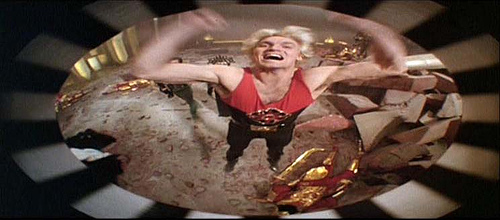
 Through the Shattered Lens