4 Shots From 4 Films is just what it says it is, 4 shots from 4 of our favorite films. As opposed to the reviews and recaps that we usually post, 4 Shots From 4 Films is all about letting the visuals do the talking.
4 Shots from 4 Assassin Films
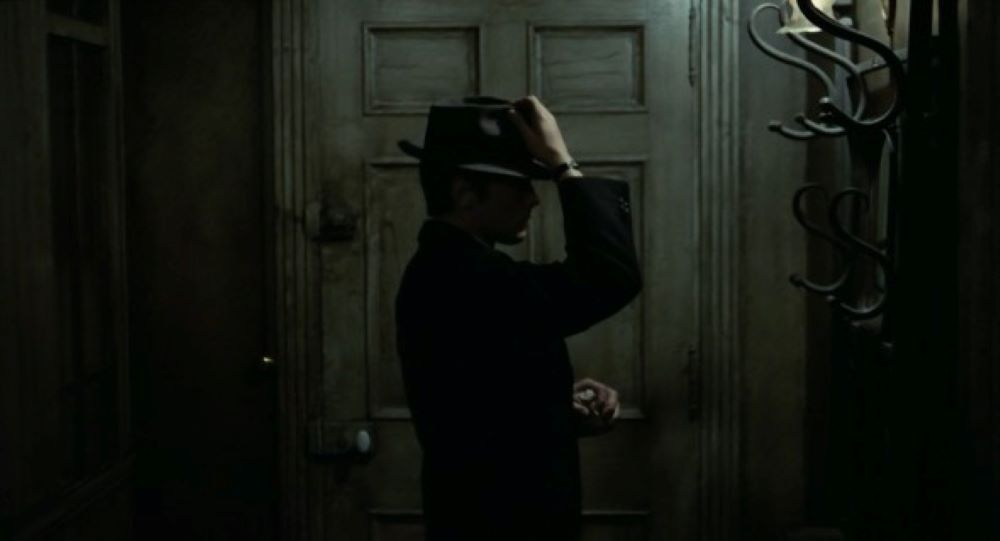
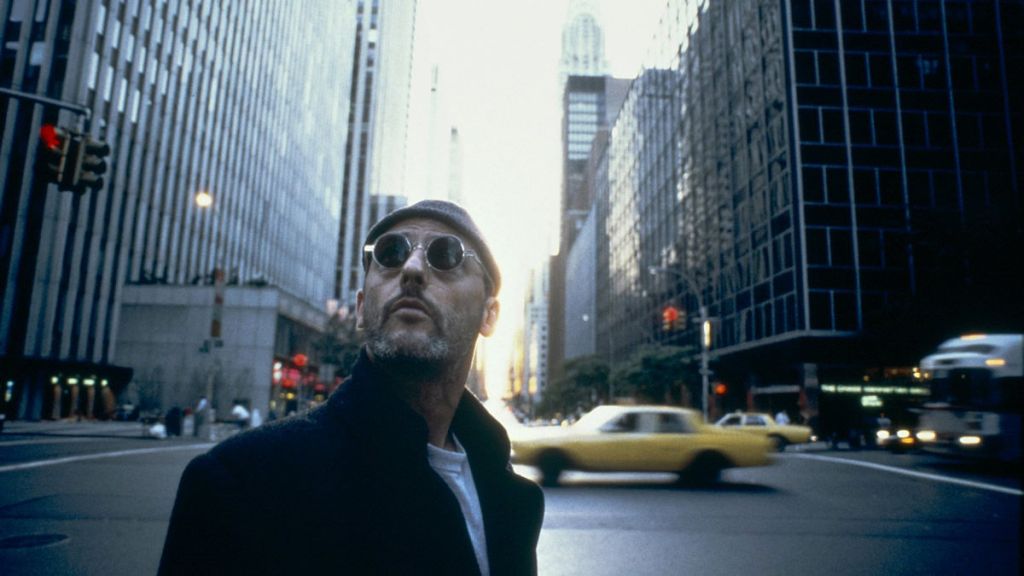
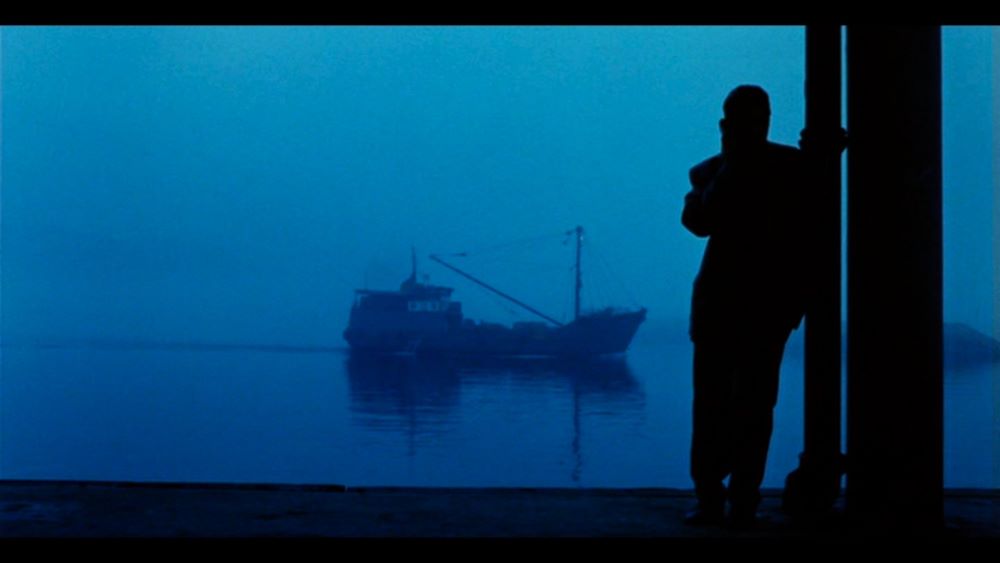
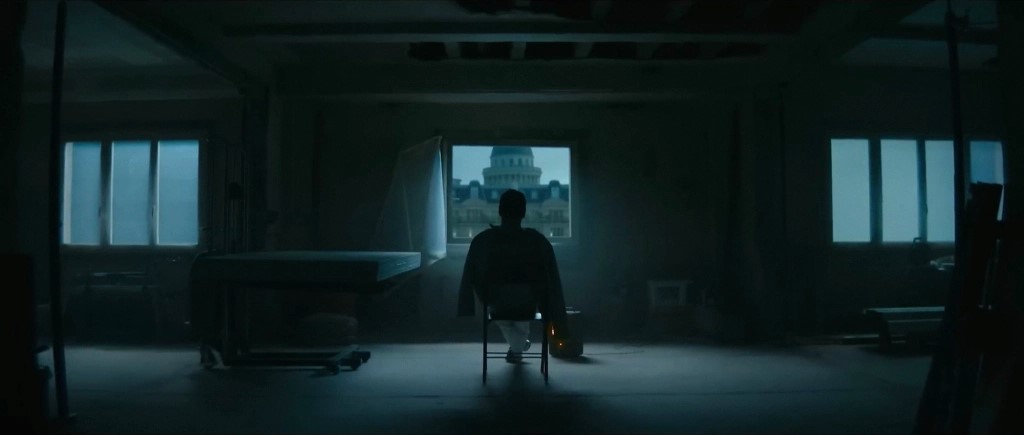
4 Shots From 4 Films is just what it says it is, 4 shots from 4 of our favorite films. As opposed to the reviews and recaps that we usually post, 4 Shots From 4 Films is all about letting the visuals do the talking.
4 Shots from 4 Assassin Films
There’s a giant lizard rampaging through New York, the result of a mutation that happened as a result of being exposed to radiation. The military tries to stop the lizard but it turns out that stopping a giant lizard is not that easy. Scientists try to understand the lizard and how it came to be a destructive giant. The media breathlessly reports from the scene as two wisecracking cameramen do their best to record every second of the mayhem. The reporters call this lizard …. GODZILLA!
But is it Godzilla?
No, it’s not. Oh, it may be called Godzilla. And the movie itself may be called Godzilla. But the creature at the center of the 1998 American film Godzilla is definitely not Godzilla.
Godzilla was released with a great deal of fanfare in 1998, with commercials and toys and a lot of hype. Diddy, back when he was still calling himself Puff Daddy, recorded a song for the soundtrack and upset thousands of Led Zeppelin fans like my Dad who found themselves having to deal with kids who thought Kashmir was called Follow Me. (Diddy singing, “Follow me?” AGCK! How cringey is that!?) But, like many of the film of Roland Emmerich, it’s been almost totally forgotten in the years since.
And why not? It’s a forgettable film. It’s the epitome of an assembly-line action blockbuster, the type of thing that Roland Emmerich is known for. There’s comic relief, in the form of Hank Azaria. There’s a nerdy scientist hero in the form of Matthew Broderick. Broderick’s scientist has an ex-wife and yes, Godzilla’s invasion of New York gives them a chance to get back together. There’s a mysterious Frenchman who is played, somewhat inevitably, by Jean Reno. The Mayor of New York is a fat guy named Ebert (Michael Lerner) and he has an assistant named Gene (Lorry Goldman) and they get a lot of screentime because Emmerich wanted to make fun of two films critics who didn’t care much for his work. In fact, the Mayor and his assistant get so much screentime that it distracts from the rest of the film. Emmerich was directing a multi-million dollar reboot of a beloved franchise and he was more concerned with a petty feud.
He certainly wasn’t concerned with Godzilla. Personally, I like the giant lizard and one of the only effective moments in the film is when the lizard discovers that its children have been killed by the military. But that lizard is not Godzilla and the fact that Emmerich made a Godzilla film without Godzilla indicates that he didn’t really care about the monster or its fans. This film has no love for its source material and that’s a shame. The Godzilla films are fun! And the fact that the majority of the ones made up until the release of this film looked kind of cheap and featured a Godzilla who was obviously a man in a rubber suit only added to the fun. There’s not much fun to be found in this version of Godzilla. The movie looks great without ever making much of an impression.
And you know what? Having gotten this review out of the way, I’m ready to get back to reviewing the true Godzilla films. They may not have cost as much as Emmerich’s film but they’ve got heart.
Previous Godzilla Reviews:

The definition of the Japanese word ronin describes it as a samurai who has lost his master from the ruin of or the fall of his master. John Frankenheimer (with some final draft help with the script from David Mamet) takes this notion of a masterless samurai and brings to it a post-Cold War setting and sensibility that more than pay homage to the great stories and film of the ronin. One particular story about ronin that Frankenheimer references in detail is the classic story of the 47 Ronin. Ronin shows that in the latter-stages of his career, Frankenheimer was still the master of the political/spy-thriller genre. He infuses the film with a real hard-edge and was able to mix together both intelligence and energy in both the quieter and action-packed sequences in the film.
The film begins quietly with the introduction of the characters involved. We meet each individual in this quiet 10-minute scene that shows Frankenheimer’s skill as a director would always be heads and shoulders above those of the bombastic and ADD-addled filmmakers of the MTV generation (Michael Bay being the poster boy). Robert De Niro plays the role of one of the two American mercenaries (or contractors) who instantly becomes the focal point for everyone in the scene. His casual, but attentive reconnoitering of the Paris bar where the first meet occurs helps build tension without being being heavy-handed in its execution. It’s with the introduction of Jean Reno as the Frenchman in the group that we get the buddy-film dynamic as De Niro and Reno quickly create a believable camaraderie born of the times for such men during and after the Cold War.
The rest of the cast was rounded out by an excellent and high-energy turn from Sean Bean as an English contractor who might not be all that he claims and brags to be. The other American in the group was played by Skipp Sudduth who in his own understated way more than kept up with the high-caliber of actors around him. Finishing off and adding the darker and seedier aspects of the cast were Stellan Skarsgard as a former Eastern Bloc (maybe ex-KGB) operative and Jonathan Pryce as an IRA commander whose agendas for bringing this team of masterless ex-spies and operatives together might not be all as he claims. The only break in all the testosterone in the film was ably played by the beautiful, yet tough Natasha McElhone. Like Sudduth, McElhone more than keeps up and matches acting skills with the likes of De Niro, Reno and Skarsgard.
The film moves from the meeting of the group to the actual operation which brought all these disparate characters together. Taking a page from Hitchcock, Frankenheimer and Mamet introduces what would become the film’s MacGuffin. A “MacGuffin” being a plot device which helps motivates each character of its importance and yet we’re left to believe that the item is important without ever finding out why. The MacGuffin in Ronin ends up being a silver case which the IRA terrorists, the Russian Mob and seemingly every intelligence agency in Europe wants to get their hands on.
It’s up to De Niro and his group to steal the case from another party and this was where Frankenheimer’s skill in seemlessly blending spy-thriller and action film shows. From the set-up of the team and their plans, to a near double-cross during an arms deal to the actual operation to take the case, Ronin begins to move at a clipped and tension-filled pace. There’s no overly extraneous dialogue. Mamet’s script fleshes out the story and adds a sense and feel of intelligent professionalism to the characters.
The action sequences mostly involved car chases through the narrow streets of Nice, France to the metropolitan thoroughfares and tunnels of Paris. Frankenheimer shines in creating and directing these sequences. Sequences which he’d decided against the use of CGI. Using what he’d learned and perfected from his own past as a former amateur race car driver and from his own classic film Grand Prix, Frankenheimer used real life cars and drove them through real (albeit choreographed) traffic to give the sequences that sense of reality and speed that one couldn’t get with CGI. The car chase scene within the Paris thoroughfare tunnel against traffic has to go down as one of the best car chase put on film. With just abit of help from second unit directors Luc Etienne and Michel Cheyko, Frankenheimer pretty much did most of the filming of the car chases.
The story itself, after all the characterizations and high-energy, tense action sequences, was really bare bones and in itself its own MacGuffin. The story just becomes a prop device to help show the mercenaries’ special sense of honor in regards to working with people who might’ve been enemies in the past. The murky world they now live in after the collapse of the black and white sensibility that was the Cold War has become nothing but shades of gray. One little bit of trivia that I found interesting was the fact that Ronin included quite a bit of actors who portrayed past James Bond villains: Sean Bean (Janus), Jonathan Pryce (Carver) and Michael Lonsdale (Drax).
In the end, Ronin became the last great film from a great director. I don’t count Reindeer Games as anything but Frankenheimer picking up a check and the studio dabbling overmuch in the final look and feel of that film. Frankenheimer’s Ronin is a blend of smart dialogue, hard-edged characters, and tense-filled action that he manages to blend together to make a fine and intelligent film. The story’s myseries concerning the MacGuffin might not have been answered in the end, but the journey the audience takes with DeNiro, Reno and McElhone’s character in getting there more than made up for any flaws in the plot.
 Through the Shattered Lens