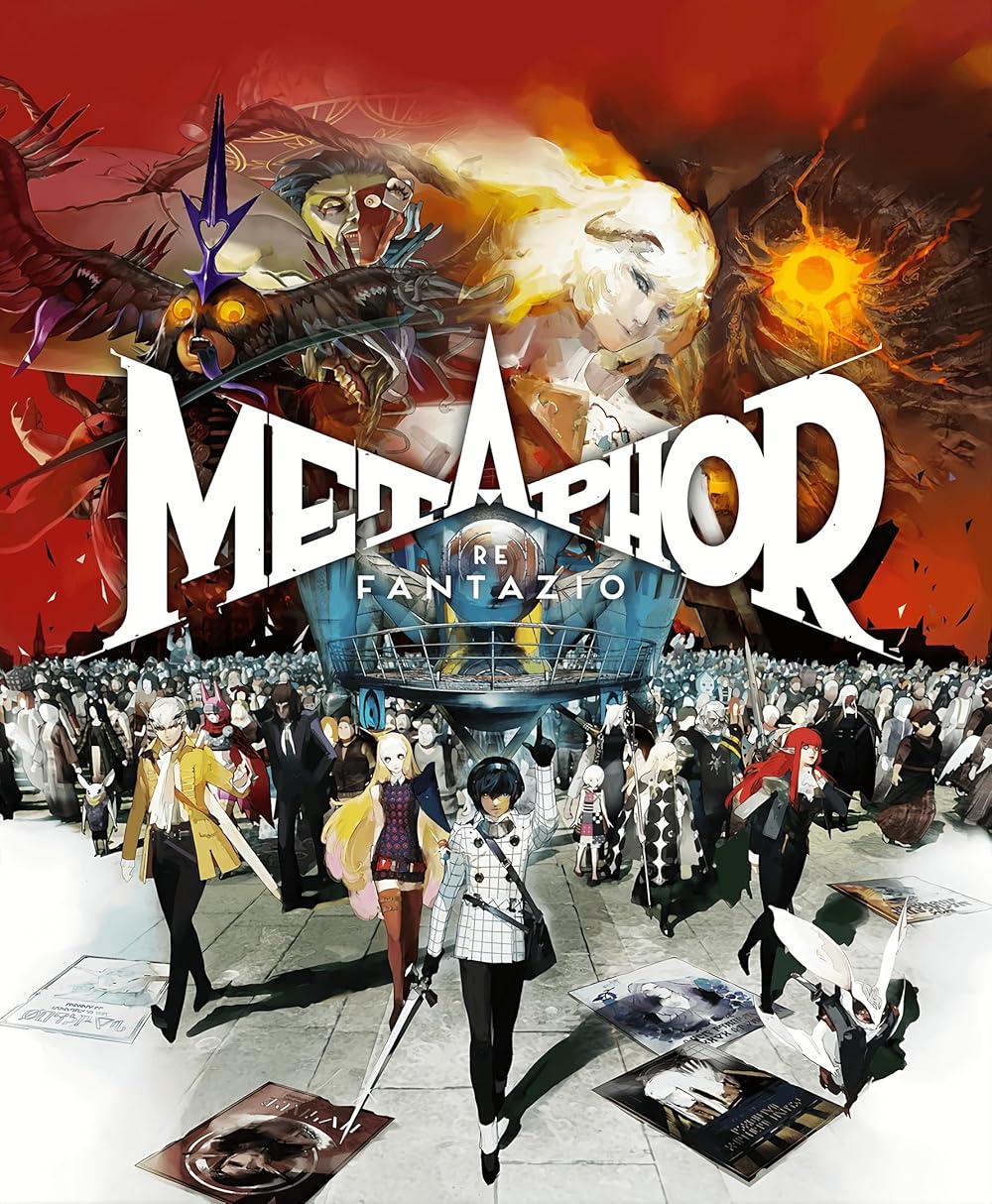
Metaphor: ReFantazio Review


“Knowledge without action is but a hollow echo.” — Heismay

Metaphor: ReFantazio delivers a fresh fantasy spin on Atlus’s signature JRPG formula, blending turn-based combat with real-time field encounters that keep battles dynamic and strategic, all in service of a narrative that probes deep into societal divides. The game’s Archetype system lets you mix and match job classes across your party, offering deep customization through skill inheritance and squad synthesis for creative builds that shine in tough boss fights, mirroring the story’s emphasis on unity through diversity. While the overarching tale of tribal tensions and royal intrigue captivates from the start, it occasionally leans into familiar Atlus tropes like social bonding and time-sensitive quests that can feel repetitive over its lengthy runtime, though these mechanics cleverly reinforce the plot’s ticking-clock urgency.

Traversal feels epic on your flying sword mount, zipping through vibrant medieval-inspired hubs packed with side requests, from monster hunts to delivery gigs that boost your follower ranks and unlock new abilities, often tying back to the narrative’s exploration of prejudice and alliance-building. Visually, the stylized UI, animated portraits, and lush world design pop with that classic Atlus flair, making every menu and cutscene a treat, with the game making especially striking use of character artist Shigenori Soejima’s artwork to give both the interface and the cast a distinctive, cohesive look. Soejima, known for his work on the Persona series, brings his signature style here—sharp lines, expressive faces, and vibrant color palettes that make every character portrait feel alive and every UI element intuitive yet stylish, visually underscoring the diverse tribes and their clashing ideologies. The character designs stand out particularly in combat, where Archetype shifts trigger flashy animations that highlight Soejima’s attention to detail, from flowing capes on knights to ethereal glows on mages, ensuring the visuals never feel generic despite the fantasy setting that grounds heavy themes.

The soundtrack nails epic orchestral swells during climaxes, paired with solid voice work that brings the diverse cast to life, even if not every dialogue line gets full voicing, amplifying the emotional weight of key story revelations. Composed by the talented team including Shoji Meguro’s influences, the music shifts seamlessly from tense dungeon crawls with pulsing synths to triumphant fanfares during story beats, enhancing the world’s medieval-fantasy vibe without overpowering the action, and perfectly suiting monologues on fear and ignorance. Voice acting, mostly in Japanese with English subtitles as an option, adds authenticity, though the selective dubbing in key scenes keeps things efficient without sacrificing impact during pivotal tribe confrontations.

Diving deeper into the narrative, Metaphor: ReFantazio crafts a world called Euchronia, where the protagonist—a member of the persecuted Elda Tribe—embarks on a quest to save the cursed prince and compete in a grand tournament to claim the throne, all amid rising prejudice fueled by mysterious monsters born from collective human anxieties like doubt and rage. The central theme of ignorance as the root of fear resonates thoughtfully throughout, explored through bonds with followers from various tribes—each with backstories rooted in discrimination, from the scholarly yet shunned eugief tribe to the ethereal Nidia—tying personal growth to larger societal critiques on tribalism and unity. These relationships aren’t just filler; they directly influence your combat prowess by unlocking new Archetypes and synthesis options, making social links feel mechanically integrated rather than tacked-on, while reinforcing the plot’s message that strength emerges from understanding others. Yet, the script sometimes prioritizes exposition over subtlety, with dialogue that explains themes a tad too on-the-nose, especially in early acts before the plot’s twists—like betrayals in the royal election—ramp up the stakes and deliver more nuanced emotional layers. The narrative culminates in a tournament arc where your speeches sway public opinion, blending political intrigue with fantasy in a way that feels timely, critiquing how fear-mongers exploit divisions without ever feeling preachy.

The game’s themes extend far beyond surface-level fantasy politics, weaving in profound ideas about human cognition and societal ills, best encapsulated by the line “O worthy heart, who tempers anxiety into strength”—a recurring invocation when awakening Archetypes that perfectly distills how the story transforms personal and collective fears into heroic potential. Ignorance isn’t just a buzzword; it’s literalized through the mechanics of human cognition, where unchecked emotions manifest as those Bosch-inspired monsters—grotesque hybrids symbolizing sloth, lust, or despair—challenging players to confront not external evils, but the shadows within collective psyches. This ties into broader explorations of tribalism, where each playable tribe represents marginalized groups: the immortal Elda as eternal wanderers mistrusted for their longevity, the brutish Nidia dismissed as savages, paralleling real-world racism and xenophobia. The royal election mechanic forces you to campaign like a politician, balancing Follower ranks (public support) with bond-building, highlighting how leaders must combat misinformation and rally diverse factions—echoing modern populism without direct allegory, as echoed in More’s constant reminder: “Time marches on, and the age of a new king draws nearer.” Ideas of inherited trauma surface too, as the protagonist grapples with his tribe’s cursed history, questioning if prejudice is a cycle broken only by empathy and action, reinforced by optional lore dumps from informants that unpack Euchronia’s lore of ancient calamities born from unchecked fears.

Later arcs delve into justice versus vengeance, as revelations about the prince and antagonists reveal layers of manipulated ignorance, asking whether punishing the fearful perpetuates division or if education through example prevails. Themes of escapism critique fantasy itself: characters cling to idealized “Royal” saviors, mirroring how societies project hopes onto myths, only for the story to dismantle that by humanizing leaders as flawed products of their biases. Multiple endings—ranging from unified reigns to fractured chaos—hinge on your thematic investments, like prioritizing certain bonds over others, ensuring the ideas stick through mechanical consequence. It’s a mature evolution from Persona‘s teen angst, grounding abstract concepts in tangible choices that provoke reflection on complicity in systemic hate, with Strohl’s encouragement “I really do believe you have the power to change fate itself” underscoring the faith in individual agency amid societal rot.

Combat evolves the Press Turn system from Shin Megami Tensei, where exploiting enemy weaknesses grants extra turns, but now with Archetype swaps mid-battle for on-the-fly adaptation—summoning a tank to soak hits or a healer to recover without ending your chain—echoing the story’s adaptive heroism. Squad battles add a layer of real-time command over AI allies during field scraps, bridging the gap between exploration and turn-based depth seamlessly, much like how narrative bonds bridge tribal gaps. Dungeons vary from linear boss rushes to sprawling labyrinths with environmental puzzles, like using wind magic to clear miasma or mounting those monsters for platforming sections, keeping pacing fresh across 80-100 hours and often themed around the anxieties they represent—many of which evoke the nightmarish, hybrid figures from Hieronymus Bosch’s Garden of Earthly Delights, with their grotesque amalgamations of human limbs, animal parts, and surreal machinery perfectly capturing the game’s theme of manifested inner turmoil. Post-game content expands this further with New Game+ carrying over levels and a challenging high-level superboss gauntlet that tests your most optimized builds, inviting replays to uncover alternate endings tied to bond choices.​​

On the flip side, character arcs stay mostly heroic without much grit or internal conflict, which softens the emotional punch compared to edgier Atlus entries like Persona 5‘s rebellious heists, potentially muting the themes’ bite for some players, and the “days till” deadlines force constant planning that might frustrate casual explorers. Time management becomes a core loop: follow the critical path for story progress, but stray for bonds and requests at the risk of missing deadlines, creating tension that’s smart but stressful for completionists, directly mirroring the narrative’s pressure to confront ignorance swiftly. Some side activities, like the casino minigame or follower requests, offer great rewards but grindy repetition, and while the map system improves navigation with waypoints, backtracking in identical dungeon rooms can sap momentum during marathon sessions delving into lore-heavy side stories.

Accessibility options abound, from adjustable battle speed to auto-battle for farming, making it welcoming for series newcomers wary of steep JRPG curves while they absorb the dense thematic content. Compared to Persona 3 ReloadMetaphor sheds the school-life sim for pure high fantasy, trading calendar dating for royal election drama centered on prejudice, yet retains that addictive “just one more day” hook through its polished systems and unfolding revelations.

Exploration shines in hubs like Grand Trad, a bustling port city alive with merchants, street performers, and cryptic informant conversations that reveal lore tidbits on Euchronia’s fractured history. The monster system lets you befriend (or hunt) foes for your compendium, inheriting skills like in SMT, but with a bond mechanic that speeds recruitment via gifts or dialogue choices—perfect for building that ultimate party and paralleling human alliances, especially when those Bosch-like beasts start feeling less monstrous through repeated encounters. Synthesis combines Archetypes for hybrid classes, like a ninja-healer churning out status cures while stealth-attacking, rewarding experimentation without locking you into dead ends, much like the story’s flexible path to overcoming bias.

Thematically, Metaphor: ReFantazio tackles prejudice head-on through its tribal dynamics and election mechanics, where swaying public opinion via speeches and deeds mirrors real-world politics in a fantastical lens, with each tribe embodying facets of societal “others”—the immortal Elda as eternal outsiders, the brutish as feared brutes—challenging players to dismantle stereotypes. It’s bolder than Persona’s high school metaphors, grounding fantasy in social commentary without preaching, as the protagonist’s journey from outcast to candidate forces reflection on inherited fears passed down generations. Multiple endings based on follower bonds and tournament outcomes add replay value, rewarding deep investment in the themes, while bosses escalate brilliantly, from multi-phase behemoths requiring Archetype juggling to “Clemar” trials testing pure strategy, often with unique gimmicks like reversing Press Turns that symbolize narrative reversals.

For Atlus fans, this feels like the studio firing on all cylinders post-Persona 5 Royal, refining mechanics while daring a new IP unburdened by franchise baggage, with a narrative that stands as one of their most cohesive thematic statements. Newcomers get a guided onboarding with tutorials that don’t overstay, easing into complexity naturally alongside the story’s gradual world-building. Drawbacks like sparse enemy variety in late-game fields and occasional UI clutter during synthesis menus hold it back from perfection, but they’re minor amid the highs of its thoughtful storytelling.

Ultimately, Metaphor: ReFantazio stands tall as an accessible gateway for JRPG newcomers and a loving evolution for fans, balancing highs in gameplay depth with minor stumbles in narrative subtlety, all elevated by its poignant exploration of ignorance and unity. Clocking over 110 hours on a full clear, it earns its GOTY buzz through sheer ambition and polish, proving Atlus can reinvent without losing its soul. If you’re craving a meaty RPG with style, strategy, and a story that lingers on real-world echoes, this one’s a no-brainer—just pace yourself through those deadlines.


Review: Final Fantasy VI


“It’s not the result of one’s life that’s important. It’s the day-to-day concerns, the personal victories, and the celebration of life… and love. It’s enough if people are able to experience the joy that each day can bring…” – Terra Bradford

Final Fantasy VI is one of those JRPGs that feels bigger than the cartridge it shipped on, and even now it earns its reputation as both a high point of the 16-bit era and a blueprint for what narrative-driven RPGs could become. It is dense, melodramatic, occasionally clunky, but consistently ambitious in ways that still feel relevant to the genre’s modern landscape, blending theatrical storytelling with flexible mechanics and a structure that dares to rethink its own world midway through. Revisiting it reveals not just a classic, but a foundational text whose echoes show up in everything from ensemble casts to customizable skill systems in later titles.

The opening hours set the tone with impressive confidence, dropping you right into a steampunk-flavored world where magic has been industrialized into a tool of conquest. Terra, a half-human, half-Esper whose mind is shackled by an imperial slave crown, marches through snowy mountains in powered Magitek armor toward the mining town of Narshe, instantly hooking you with her vulnerability amid high-stakes espionage. This personal thread weaves into a broader guerrilla war between the Gestahlian Empire—led by the scheming Gestahl and his unhinged general Kefka—and the ragtag Returners resistance, but the real genius is how the story quickly pivots from standard “rebels vs. empire” to a sprawling ensemble piece that trusts no single hero to carry the weight.

That cast of fourteen permanent party members is the game’s boldest swing, each layered with backstories, quirks, and mechanical identities that make them stick. Terra grapples with her monstrous heritage and search for belonging, Celes wrestles betrayal and isolation after defecting from the Empire, Locke chases redemption for a lost love, Cyan buries himself in grief over his family’s slaughter, Sabin roams as a free-spirited brawler, Edgar plays the charming king-turned-inventor, and Setzer brings cynical gambler flair—it’s a roster that juggles melodrama like opera-house soliloquies and doomed romances with quieter, human moments that land surprisingly hard even today. Some inevitably get shortchanged if you beeline through the back half, feeling more like vivid archetypes than deep dives, but the sheer ambition of giving everyone a mini-arc amid the chaos set a new bar for character work in JRPGs, influencing how later games like the Persona series built entire identities around tight-knit parties and personal subplots.​

Kefka anchors the escalating stakes as few villains do, evolving from a clownish psycho prone to war crimes like poisoning a town into a nihilistic force who hijacks the god-like Warring Triad, shatters the planet, and rules the resulting apocalypse as a tyrant-god cackling over the ruins. Midway through, he doesn’t just threaten doom—he delivers it, wiping cities off the map and thrusting the story into the World of Ruin, a time-skipped wasteland where survivors scrape by amid decay and despair. This pivot isn’t a cheap shock; it’s a structural earthquake that shifts the tone to post-apocalyptic reflection, forcing each character to confront whether they even have a reason to fight on, with Celes’ suicidal low point on a lonely island giving way to gradual reunions that feel earned because you choose the order. That willingness to let the bad guy win—and make the heroes rebuild emotionally as well as literally—rippled through the genre, showing JRPGs could handle survivor guilt, loss, and fragile hope without hand-waving the darkness.

Structurally, it’s like two games fused together: the linear World of Balance builds your crew through set pieces like infiltrations, multi-party defenses, and the iconic opera sequence, then explodes into a semi-open World of Ruin where you roam a shattered map, tackling side dungeons and personal vignettes at will. Pacing can wobble if you stray off-path early or grind too hard later, but the freedom to prioritize arcs—like Cyan’s haunted family dreams or Terra’s village sanctuary—mirrors the themes of recovery, prefiguring how modern titles blend cosmic plots with player-driven character priorities.

Combat nails a sweet spot with the Active Time Battle system, where gauges fill in real-time for flexible pacing—toggle “Active” for pressure or “Wait” to strategize—and row positioning adds tactics, frontliners tanking full hits while backrow slings safer damage. Character-unique commands keep it fresh: Sabin’s Blitz commands mimic fighting-game inputs, Edgar’s Tools hit formations, Cyan charges sword techs, Gau Rages as monsters, Setzer gambles on slots—making swaps feel playful and deliberate. The Esper system elevates this, letting anyone equip magical summons to learn spells via Magic Points and snag level-up bonuses, blending fixed identities with modular builds in a way that blurred roles late-game but normalized customization as core to JRPG fun.

This philosophy—strong personalities atop teachable, recombinable abilities—quietly reshaped the genre, with Persona‘s demon/persona fusion, Lost Odyssey‘s memory-tied skills, and similar systems in Clair Obscur owing a debt to Espers as a bridge from rigid classes to player-sculpted parties without erasing narrative flavor. Dungeons mix it up too, from pincer ambushes and gimmick bosses like the shell-hiding Whelk to timed escapes and that charming opera blending inputs with spectacle, though some late hauls drag with random encounters exposing 16-bit limits.

Visually, it’s pixel art at its peak: expressive sprites, detailed industrial backdrops, and a palette flip from Balance’s vibrancy to Ruin’s sickly decay, with ruined landmarks and evolving NPC lines selling irreversible change. Bosses escalate to surreal, painterly horrors fitting the finale’s otherworldliness, proving art direction trumps raw fidelity.

Nobuo Uematsu’s soundtrack is legendary for good reason, weaving leitmotifs—Terra’s theme, Kefka’s manic laugh, Celes’ aria—into a narrative spine that evolves with the story, from triumphant fanfares to haunting piano and faux-choral dread, all within SNES constraints. It established JRPG scores as orchestral-caliber storytelling tools, influencing fully symphonic later works and live concerts.

Final Fantasy VI‘s legacy permeates JRPGs today, its DNA visible in the way Persona weaves school-life bonds with supernatural showdowns, how Lost Odyssey probes immortal grief through written vignettes, or how ambitious indies like Clair Obscur chase painterly melancholy and hope amid ruin—the ensemble healing, world-shattering pivots, and trauma-to-recovery arcs all trace back here, proving a 16-bit game could set emotional and structural templates still in play. Hironobu Sakaguchi crystallized as the modern JRPG’s godfather through this title, fusing mechanical innovation like Esper flexibility with mature themes of identity and despair that Final Fantasy VII and beyond amplified into global phenomena, his vision elevating the genre from quest logs to profound, character-soaked epics.​

The Final Fantasy VII Remake‘s blockbuster success—reimagining a classic with modern graphics, cinematic flair, real-time twists, and expanded character beats—has only intensified fan campaigns for VI to get similar lavish treatment, from a fully voiced, motion-captured opera house to a destructible world rendered in heartbreaking detail and Ruin reunions that hit even harder with modern intimacy. Yet Square Enix leadership has flagged the project’s nigh-insurmountable scale: the fourteen-character sprawl, mid-game reset, player-driven nonlinearity, and web of optional stories demand a development odyssey that could dwarf even VII‘s trilogy, risking dilution of what makes the original a personal, unpredictable journey if forced into rigid cinematic lanes.

Flaws persist—sappy dialogue dates it amid earnest monologues, sidelined characters like Gau or Strago need deliberate hunting for payoff, Espers can shatter balance into spell-spam routs, and marathon dungeons fatigue under random encounter spam—but these 16-bit quirks pale against a boldness that endures. Final Fantasy VI isn’t frozen nostalgia; it’s a living cornerstone, its sprawling heart, tinkering joy, musical sweep, and unyielding ambition still sparking JRPG evolution, demanding replays not as history homework but as a masterclass in what the genre can feel like when it swings for the fences and connects. Decades on, it whispers to every ambitious RPG dev: let your world break, let your cast breathe, let your systems invite play—and watch players find reasons to care long after the credits roll.

Horror Retro Review: Shadow Hearts


logo-1

Role-playing games have been a major staple of console gamers since the days of the Super Nintendo console. It became even more popular with the release of the first Playstation which had as one of it’s biggest selling point the Japanese role-playing game Final Fantasy VII. This title from Squaresoft (now Square-Enix) introduced the role-playing game genre to many gamers who grew up on shooters and action titles.

Final Fantasy became synonymous with Japanese RPG, yet there were other rpg titles out there that were just as good if not better. One such title that flew under the radar, but definitely caught the attention of hardcore gamers during the early days of the PS2 was the Japanese rpg Shadow Hearts from Sacnoth. It didn’t have the polish and epic spectacle gamers were used to with the Final Fantasy titles, but it did bring a new take on the time-tested rpg genre. Sacnoth decided to use horror as the theme of it’s title instead of scifi or fantasy and it’s that artistic choice which made Shadow Hearts such a unique title and one still beloved by it’s many fans.

Set in an alternate reality during the early 1900’s, Shadow Hearts follows the adventures of Yuri Hyuga and Alice Elliott as they attempt to solve the mystery of why the latter was being pursued by the historical figure Roger Bacon (who history says wasn’t just a learned Franciscan friar but one of the preeminent philosophers of his time). The game takes Yuri and Alice through several cities in China and Europe and most of them somewhat heightened-versions of their real counterparts, but where mysticism, the supernatural and folklore have become somewhat accepted.

The game doesn’t flinch in portraying not just the horrors of war, but of the shadow world just bubbling beneath the surface that involves demons, vampires, sorcerers and zombies. the main protagonist, Yuri Hyuga, even unlocks greater abilities and powers by absorbing the souls of enemies he has killed and entering a sort of personal “Dream Realm (or Nightmare depending on one’s interpretation) where he must battle personal demons to gain their powers. It’s definitely not something that Final Fantasy players have been exposed to in the past and I think it’s one major reason why the game appealed to some gamers who wanted something new in the Japanese rpg scene that was becoming dominated and homogenized by the styles pushed Square-Enix’s Final Fantasy franchise.

Shadow Hearts had a unique way of doing combat during the game: The Justice Ring.

The Justice Ring combat system was a nice change of pace to the usual turn-based battle system used in most Japanese rpgs. This battle system was still turn-based, but every action outside of defending was affected on how well the player hits his mark on the rotating Justice Ring. This kept the player from just picking an action and seeing what happens, or even worse, just button mashing the attack action to try and win fights. The Justice Ring system kept the player involved throughout the whole battle. Sometimes perfect use of the Justice Ring was a must to fight and succeed against certain bosses and situations.

Shadow Hearts might not have the pedigree of the Final Fantasy series, but it was a nice change of pace from the the typical scifi-fantasy that series re-used over and over to the point that they became a video game trope that was seen by some as a negative rather than a positive. The game itself wasn’t perfect by any means and had more than it’s fair share of glaring flaws. The dialogue was pretty laughable at times though never to the point that it broke the game’s serious and ominous tone. The graphics, for a PS2 title, was very underwhelming especially when compared to the Final Fantasy franchise.

Yet, despite all its warts and flaws, Shadow Hearts remains one of the more unique rpg gaming experience of the early 2000’s and it became popular enough that it would spawn two more sequels that would explore the alternate reality the franchise was based on. I’m all for the scifi and fantasy worlds that most console rpgs have been using as their templates, but once in awhile I’m reminded that rpgs could also have fun in the horror realm and Shadow Hearts helped make that deviation from the norm happen.

On a sidenote, this game also had a great soundtrack from Japanese composer Yoshitaka Hirota

Game Review: Artist Survival Simulator


Artist Survival Stimulator

You’re looking at this post and you’re asking yourself, “Since when has Lisa cared about games?  I thought she only cared about Italian horror films and Lifetime movies!  Is Lisa seriously reviewing a game?”

Well, as a matter of fact, I am.

Why?

Because I love the Artist Survival Simulator.

The Artist Survival Simulator is a work of interactive fiction that was designed by using Twine.  As the title suggests, the Artist Survival Simulator allows you to live the life of an artist.  And who doesn’t want to be an artist, right?  But, as this game shows, the life of an artist is not an easy one.

The game begins by asking you three times whether or not you really want to embark on this life.  At the very least, you can’t say that you haven’t been warned.  After clicking yes three times, you are informed that you have just completed your studies in fine arts!  Yay!  Your inspiration is strong (though, as you’ll soon find out, your inspiration increases and decreases depending on your actions throughout the game).  You worked while you were in college so you’ve got 5,000 Euros saved up.

(That’s right — you’re European!  So, while the rest of your fellow Europeans are busy voting for the UKIP and the Front National, you’re saving the world through art!  Yay!)

Each month, you’re given four options.  You can make art, you can work for a living, you can apply for a grant, or you can go on an inspirational excursion.  Now, if you’re anything like me, you’re going to want to make art and that’s great.  Depending on how or low your inspiration may be, you might create anything from a “timeless painting” to a “controversial monument” to a “mediocre sound art work.”  But here’s the thing — regardless of what you create, you’re not going to make any money from it.

“That’s okay,” you say, “Art is not about money!”

Well, that’s all good and well and hey, good luck with that and enjoy your Occupy reunion, you moonbat.  The fact of the matter is that, in both the game and real life, you need money to live.  Each month, your living expenses total 1,000 Euros.  As soon as you’re out of Euros, the game ends.  So, go ahead and just concentrate on creating art.  The game will be over in 5 turns.

So, let’s say you decide to spend a month working.  Hey, that’s a good idea.  At least you can make money.  But here’s the problem — each month you spend working, your inspiration decreases.  And here’s the thing — as your inspiration decreases, your art becomes less and less impressive and once you have totally run out of inspiration, your artistic career is over.

Luckily, there is a way to increase your inspiration.  You can go on an “inspirational excursion,” which is also known as a vacation.  These excursions are great because you return from them ready to create something wonderful.  The only problem is that they cost 2,000 Euros, which means that as soon as you return, you’re in danger of running out of money.  And how do we make money?  By working, which decreases the inspiration that you just spent so much money to build up.

Okay, so how can you make money without destroying your inspiration?  Well, you can apply for a grant but — much as in real life — there’s no way to predict whether or not you’ll actually get that grant.  If you do get it, you’ll be able to spend a few months creating art but, if you don’t, it just means that you’ve wasted an entire month and you’re down another 1,000 Euros.

The challenge is to balance the need for money with the need for inspiration.  Because, as soon as you run out of money and/or inspiration, you’re informed that maybe its time to start thinking about paying back your student loans…

THE HORROR!

I love the Artist Survival Simulator because it proves something that I’ve always suspected.  If you want to survive as an artist, it helps to come from a rich family.

Play it here!

Art


FTL – Advanced Edition


When Faster Than Light first launched, in the before time, in the long long ago… the developers talked about updates. Upgrades. Expansions. For a long time, we had nothing.

But then, as good developers are wont to do… we got everything. We got FTL – Advanced Edition. It’s more than just an expansion to the amazing space-based Rogue-like that we already played. It’s more than a remake which provides tons of extra features and cosmetic improvements that would have helped the initial release. It’s both an expansion and a remake all at once. It’s a huge upgrade to the core game filled with many quality-of-life improvements combined with an expansion that introduces many new mechanics, a new cruiser, a heavy load of new weapons and augments… even a new alien race. It’s pretty good.

And before I go a step further, let me tell you about the best part: It’s free!

It’s free because you already bought Faster Than Light on my recommendation. If you didn’t… well, I feel for you. Because a great game has been out for years without your knowledge. Luckily, it’s not too late. Things haven’t changed. Even if you’re just buying now, the game is still going to cost you only $9.99 US. For everything! If you have any interest in this deep, strategic, space-based Rogue-like… this is an excellent price point. It could get better on the Steam sale… but in general, this isn’t too dear a price to pay to support an excellent indie developer who has produced an excellent product.

So what’s so good about FTL Advanced Edition? I guess everything. Let’s talk about the improvements, in no particular order.

– A new alien cruiser, provided free of charge to owners of Advanced Edition. It’s a totally unique ship. The new alien species (no surprise) mans this craft… and their special characteristic is being awesome… but also draining oxygen out of any room they’re in. Obviously, you can create an awesome ship out of these aliens alone. But that’s not guaranteed in FTL. Still, it’s brutally hard for boarders to take a ship with no oxygen. I’m sure we’ve all tried and been burned horribly by automated ships in the past!

– A new alien species! They suck oxygen, but otherwise are pretty awesome. Wait, it’s easy to turn no air to your advantage? Maybe they’re just awesome.

– Tooltips. The game has had a staggering upgrade in UI. One of the biggest and most immediately apparent differences is in UI. I think literally one zillion (technical term) tooltips have been added to the game. More or less everything now has some information associated. In some ways, you’re still flying blind, but in others… there’s a degree of transparancy which will help you decode what to do.

– Piles of new stuff. New equipment. New weapons. New events. Old events re-worked. It’s the same game, but it’s different enough. If you thought, for example, Reaper of Souls, was a very nice quality of life upgrade with some new content… this is at least that good. Only it’s free to game owners. Pretty rough, huh?

– New qualities, new hazards. Ion events in deep space. Freezing. Fire! Totally new qualities. In many ways, this is the same FTL that you already knew… except there’s a thousand more variables now. The expansiveness of the game has increased dramatically.

– Let’s talk more about those UI upgrades. Simple quality of life stuff. Making a jump on the sector map? You can now see what jumps are ‘in range’ and you can make from your destination. Ever been frustrated, being stuck in a random corner you thought you could escape, fighting Rebel cruiser after Rebel cruiser? Nah, no big deal now.

– More ship layouts. More ship access. You can now unlock any ship in the game (except for the Crystal cruiser) by beating the game. If you’re good, you’ll get access to ship after ship… and eventually, you’ll begin to gain access to C-style layouts. They include many of the new…

– New ships systems. Replace your medical healing bay with a Clone Bay that heals crew members only on jump, but also clones new copies of dead crewmates. Gain a battery backup that gives you a gigantic reactor boost for 30 seconds, giving you overwhelming power in those nebulae. Gain a hacking module which lets you close doors and cripple opposing ships. Gain the mind control module, turning opposing crewmen into your crewmen. Try deploying MC tech against the Rebel flagship, and make a winning strategy even better!

– A new sector. This exists, but I have not yet been able to produce it, through the games I’ve played. I apologize. Rumour holds that it centers around the new alien race, and their oxygen-sucking ways. It’s probably awesome.

– It bears repeating that the script has been revisited, expanded, and improved. This includes both old events and new. The overall experience is more streamlined, and more awesome, than it was before.

Do I seriously need to keep stumping for a free upgrade with bullet points?

Buy the game! Upgrade the game! Enjoy the game!

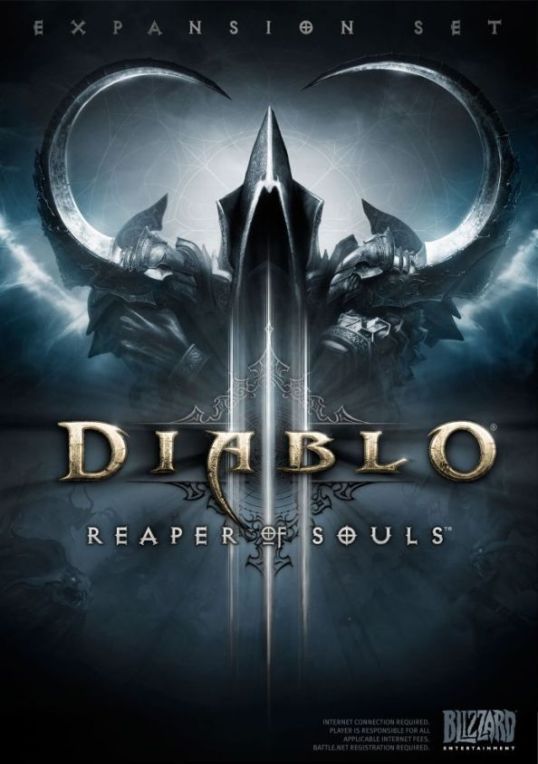
The Reaper of Souls


Diablo_3_reaper_of_souls_box_art_0

There’s no need to be afraid. Spoilers do follow (to the extent that a Diablo game can be spoiled). You have been warned.

So, in the relatively recent (surprisingly still recent!) past… Blizzard Entertainment released a hilariously long-delayed sequel, which is sort of their hallmark, in Diablo 3. Probably everyone who had some interest in the Diablo franchise played it. And, in several ways, it was sort of the ultimate evolution of the Diablo formula and format. Is the storyline silly? Yes. In fact, it borders on preposterous. But it also holds together in a ‘good enough’ way to propel the action through a variety of beautifully rendered locales killing everything in sight. Reaper of Souls does not alter this formula. Presumably none of us tuned into Diablo for storytelling, right? It’s not an RPG. It’s a game where you click on monsters and kill them. Your reward is better loot, which makes it easier to click on monsters and kill them. It is weirdly absorbing in its way, but it is not high art. This is a game about a visceral experience; it is purely about fun.

And Diablo 3 was fun. It improved heavily upon Diablo 2. Each class can now be either sex! Each class now has a half dozen abilities in play at a given time, rather than just ‘left click’ and ‘right’ click… and the procedural generation, while still present, is a little more structured… or, at least, it feels a little more structured. Some areas seem to vary little between different playthroughs. To be perfectly honest, while it is a very competently produced game, a tight experience, with lovely graphics… I didn’t feel like I had $60 worth of game when I acquired Diablo 3. I think I eventually got enough play hours out of it to where I can shrug and move on… but I didn’t expect to find myself shelling out another $40 for Reaper of Souls. I did it anyway, though.

The good news is, for what fence-sitters may remain… Reaper of Souls is pretty good! Let’s discuss several reasons why:

– Act V. Act V is a massive act, easily twice the size of any of Diablo 3’s four acts. It comes complete with an entirely new selection of monsters, three major bosses with complex battle mechanics and a variety of environments, all of which are pretty cool. It’s hard not to respond to Act V as the best overall Act available in the game now. Act V, for those who haven’t been paying attention, follows the Nephalem’s quest to save the entire world of Sanctuary from a renegade angel, Malthael, whose exact plan remains unknown.

– Crusader. Crusader is the new class, a melee attacker like the Barbarian or Monk. The Crusader uses a weapon and shield style, though the weapon can be two-handed with the use of a passive skill slot. In play, they feel strong defensively, with a good area of effect capability. I have yet any of their legendary items with my own eyes, but the class does represent a new way to experience the game. I certainly can’t claim to have 60’d a Crusader, let alone 70’d… but I have played the Crusader, and it is good.

– Loot 2.0. I know this actually launched at the start of March, but it was part of the build-up to Reaper of Souls. I get how a company seeking profit would clamp onto the idea of the real cash auction house. I get how the economic power of the World of WarCraft Aution House could invite the creation of a similar body in Diablo 3… but even the most hardcore players I know would suggest that the existence of both cash and gold AHs was a mistake in Diablo 3. At best, they did nothing to improve the experience. In the real world, they significantly harmed it.

Now that the Auction House is gone… we get Loot 2.0. A universal improvement over loot 1.0, randomly generated loot now tends to generate according to your needs. Stats are much more likely to roll for your class, legendaries will (almost) always be for your class. Sets? I haven’t seen much of, despite a good number of hours invested… but I assume they adhere to similar principles.

– Bosses 2.0.

One area where Reaper of Souls really shrines is in boss design. Did you like the act bosses in Diablo 3? Because loot 2.0 comes with boss 2.0, and even without the expansion, the purple encounters throughout the game have been tweaked, revisited, improved… and it goes double for Reaper of Souls itself. Uzrael, the first of three significant act bosses, was more complex than the act bosses in Diablo 3… more complex than Baal had been in Diablo 2… Blizzard applying lessons learned from years of creating raid encounters for increasingly sophisticated MMO players. But there are balances to be struck, and they differ between products. A single character has to be able to confront Malthael at the finale of Reaper of Souls, and ultimately that’s as much a part of the game as 10/25 man raids are for World of WarCraft. This is a process that easily could have been screwed up, but instead it’s been implemented beautifully. Malthael’s encounter is an epic affair, featuring no easily discernible pattern, with Malthael possessing at least a dozen different types of attacks, some of which are not easy to dodge. He will test both your skill and your gear, and it was awfully satisfying to finally see him fall.

– Difficulty 2.0

Reaper of Souls heralds a new dynamic difficulty system for Diablo.. one that is based, more or less, on your gear… rather than your level. In Diablo 2, and again at Diablo 3’s launch, difficulty consisted of Normal, Nightmare, Hell, etc. difficulties, each higher difficulty “unlocked” by completing the previous one. In order to proceed, you have no choice but to play through the entire storyline, consecutively. It made it harder to just “jump in” to games with your friends unless they were in the same difficulty of the game, and the difficulty jumps generally were quite drastic.

Difficulty 2.0 attempts to smooth all of this with a much more dynamic difficulty system. Now, the player has access to a several ‘standard’ difficulty levels, and then Torment levels which are designed for high-level (60+ minimum) play. The higher the difficulty you play on, the bigger the bonus is to the player’s experience points earned, gold and item find. Since this sliding scale also stacks with the inherent bonuses from having multiple players in the game, high level runs on Torment difficulties with your friends can produce quick dividends in terms of loot. Of course, there’s always better loot just around the corner…

These are the most substantive changes. They were needed, they are positive, and if anything could re-invigorate the Diablo 3 experience for you… this patch and expansion will probably do it. The game features many other improvements, like customising items (both a single property of a given item can be swapped out, and its appearance ‘transmogrified’, using a new artisan in town), an expanded stash, re-worked items and class features, and so on.

There are two big negatives, however. They are intertwined, and they are compelling.

– $39.95 U.S.. And that’s not me getting overcharged for physical media at Wal-Mart. That’s from Blizzard’s digital store, through my Battle.net account. For an expansion? Ouch. Now, obviously, they did a lot of work on this one. Act V is big, Malthael is a bad ass, and all of the other updates and improvements were welcome… but it’s still a stiff price tag to pay for a game add-on. I’m suspicious of the idea that a new character class is really that big of an addition to this type of game. But there it is. They’ve already got my money.

– It’s still Diablo. That means that its replayability mileage for you [i]may vary[/i]. Just keep that in mind, before you shell out your hard-earned money. Still, if Diablo has always been something you’ve enjoyed, you will find this the most pleasing offering so far.

Payday 2


Payday2_logo_white

A little while back, a little studio called Overkill put a game on Steam called Payday: The Heist. The release completely passed me by. In fact, I was totally ignorant even of the existence of the title until a group of my friends all bought it and decided to start robbing banks together. They were so taken with it that they demanded that I join them, and I couldn’t have been happier with the purchase. We passed many nights (and into the early mornings, sometimes!) trying to grind our way through harder difficulties, and try to learn more advanced ways to stealth through the various ‘heists’, which included stuff ranging from your standard-issue bank job through a Left 4 Dead inspired hospital mission called, fittingly, No Mercy, where a shadowy anonymous buy was willing to pay bank in exchange for a sample of infected blood.

The game was marked by a number of good ideas. It includes minor RPG elements in that your account ‘levels up’ as you play more heists, granting access to useful abilities. In the original game, most of these bonuses were tied directly to weapons and armor and your ability to last in combat against the inevitable waves of police and SWAT forces that would attempt to keep you from escaping with your ill-gotten gains. Being stealthy at the start of a heist by using silenced weapons and preventing any civilian hostages in the area from escaping to summon help could pay significant dividends as you waited for your large thermal drill to bore its way into this vault or that one. A variety of weapons and gadgets rounded out your heisting arsenal, modeled off of real-life weapons augmented by just a bit of fancy. The game included multiple difficulty levels for every heist which would affect the number and types of enemies that spawn, and add other random factors that could make heists substantially more challenging. Indeed, that random AI Director feature of the game also helped its replayability dramatically, as heists could play out very differently if things went right – or very much wrong.

Payday 2 improves noticeably upon almost all of this. The heists are now more elaborate, including multi-day criminal enterprises (such as a ‘Watchdog’ mission where you must first secure a shipment of cocaine against an FBI operation, then in ‘day 2’ load the coke onto a drug boat at the docks, all while under police assault), and a wider variety of possible objectives – your crew are no longer strictly robbers, but rather highly skilled specialists for higher, men of limited principles and significant hardware.

The skill trees (Mastermind, Enforcer, Technician and Ghost, respectively) now include a wider variety of abilities, many of which can be directly employed for greater speed or stealth in the missions. Now, being a high level player with access to the best gadgets can make the simpler heists significantly easier, allowing the players to focus on the greater challenges of high difficulty level multi-day jobs. I personally find it very rewarding to try and work through missions in a stealthy way. Not only can some rewards become greater when you don’t have to battle you way through police lines, but the heists can also (often) be done cleaner and more quickly with the application of stealth. Returning is the oft-failing thermal drill which is the centerpiece of a number of missions where you try to gain access to a safe or other place you shouldn’t be, but this can now be circumvented if your technician is skilled enough to deploy shaped charges to blow off hinges, or if your ghost has an ECM Jammer that can bypass electronic security. The Mastermind can talk down inquisitive guards on the other end of the phone, easily intimidate and control civilians, and provide a slew of buffs to the group, and the Enforcer can (among so many other things) bring a powerful rotary saw to slice open less-imposing lockboxes, ATM machines, and encroaching enemies who draw too close.

Also notable in Payday 2 is a more credible electronic opponent. In the original game, the challenge was typically increased by sending more powerful units earlier in the mission, legions of ‘special’ units, and an unending stream of SWAT goons and their guns. To an extent, this is still completely true. However, the enemy now employs lesser raw numbers in favour of better tactics, and more threatening enemy units. Of course, stealth your way through the missions, and you may never have to suffer their wrath…

Payday 2 is not by any means a perfect game, however. The mission select is now done through an interface called Crime.net, which is a black and white overhead map of a city on which missions appear as ‘pings’ (as if the job just became available, complete with a timer before the job eventually disappears). Because of this system, if your crew is in favour of running a particular heist, it quite literally might take as long as half an hour of ‘browsing’ Crime.net for it to appear (or perhaps even longer!). In the most recent update, Overkill added some very basic filters to the Crime.net interface, allowing you to opt out of missions below a certain difficulty level… but this seems woefully inadequate. Though the game contains 10 heists, they re-use a couple of maps between them, and some of them are completely basic – there’s almost nothing to them. These are offset by some very complex heists higher up in pay scale, but some of them start to feel less replayable after a couple of solid nights with the group. This happened in the first game too, of course, but it’s much more annoying now with the obstacle of Crime.net possibly throwing you copy after copy of an undesirable heist that you are totally burned out on… instead of something you’d really like to do. I frankly do not understand the creative choice behind not offering better filters for this system.

While it is true that the police do not attack in such great numbers as before, they do still leave a lot of artifacts around the map, with corpses, piles of ammo, and miscellaneous gear (such as riot shields) strewn about, and I have seen the game start to chug on systems that are powerful enough to run many other contemporary games without issue. By its nature, this is probably something that’s hard for this game to overcome, but it’s a frustrating problem to have when the key resource that you need to enjoy this game to its fullest is friends who can also play it with you.

Yes, Payday 2 has in-game voice chat, and yes, you can jump into public games with strangers anytime you want. Some people might really enjoy doing so, in fact, and I don’t really mind it…. but I would much rather gather a group of 3 friends to roll with and work in tandem to complete heists. The AI team-mate can be valuable in combat because of their accuracy (though sometimes the team AI seems bewildered in a way the police AI rarely is… failing to respond even in a dire emergency) but is also frustratingly useless as they cannot transport filthy lucre, or drugs, or whatever, cannot advance mission objectives, and will occasionally blunder into unwinnable firefights against a legion of police in the middle of the street… where they can’t even be reached for a quick revive. As a result, you really want a full party, regardless of how you have to get it.

One thing to admire entirely about Payday 2 is its price point. At $29.99 on Steam (it’s also available on Xbox 360 and Playstation 3, the physical media involved means your price point will be $39.99 instead), this game has real value, though I can’t necessarily recommend it if you don’t have at least one friend who would be willing to buy the game as well and commit to playing it with you. Your mileage may vary with teaming up with strangers (I’ve had a mixed bag of results, myself) but I wouldn’t have purchased the game without friends I knew for certain would play, so I certainly won’t tell you to do it!

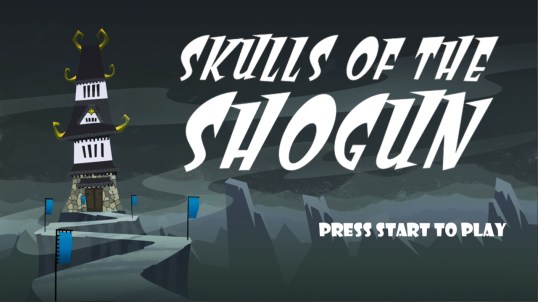
Arcade Review: Skulls of the Shogun


titlescreen

I went diving through the XBox Live Arcade’s new releases the other day. And you all know what that means! Yes, I’ve played Skulls of the Shogun, a new release by new developer 17-BIT (their only release to date, as far as I’ve determined), and available for 1200 Microsoft Points which (I think) is something like $15. The game draws inspiration from the classic GBA title “Advance Wars” in its game play, while its visual style reminds me of the classic XBox Live Arcade release “Castle Crashers”.

In its single player mode, the game follows the story of the tactically brilliant General Akamoto… after his death. He arrives in the afterlife prepared to claim all of the glory that his countless victories in life earned him, and is instead consigned to a bleak shore outside of the afterlife proper with only a few skeletons to keep him company. Obviously unsatisfied, Akamoto (you, the player!) begins gathering undead soldiers for an assault on the gates of the afterlife, to claim what is rightfully his. You soon learn the truth; Akamoto was stabbed in the back in life by his right hand man, Kurokawa, a noted coward. Immediately after stabbing you, Kurokawa fell on a spear, and was able to arrive in the afterlife first. There, he assumed your identity (and one of your daisho swords) and generally left everyone pretty torqued off in his wake.

Each mission (or multiplayer level) begins with each side commanding units drawn from a small pool. At first, you have access to only the slow-moving but defensively powerful Infantry and the faster but more vulnerable Cavalry. Soon after, you gain access to Archers, who are vulnerable in close combat, but very powerful at range. Archers are lethal to Infantry, whom they can outrun, but are outpaced by Cavalry and can’t fire when the enemy has closed in, while Cavalry can’t win a stand-up fight with Infantry, you see? Of course, your units can power-up in battle by consuming the skulls of the fallen. Each skull increases the maximum hitpoints of the unit, heals it somewhat, and if you eat three skulls you enter a Demon form, which gains a second action on each of your turns. The game also adds another twist in the form of Monks, spellcasting allies that you gain through capturing their shrines on the battlefield. Monks gain new spells from eating skulls, and can turn the course of a battle.

Your other main unit of concern is the General, a powerful unit (with an Infantry’s defense, the highest attack of all, and reasonable speed), however, the loss of the General means the loss of the mission. For this reason, it’s often wise to simply let the General hang around (in fact, each turn you go without ‘activating’ your General to give him orders, he heals a hitpoint and gains a maximum hitpoint, this is called ‘Meditating’, and is unique to the General) behind his men and direct the battle. Your units can also group together in tight formation to prevent the enemy from speeding past – an invaluable tactic that can help to protect your Archers, Monks, and General.

Although the unit list is limited and the game’s rules are not difficult to learn, there’s definitely some strategic depth to the game. In addition, the dialogue of the game is tight and fairly humourous, and the game itself is fun to play. You can’t ask for much more than that.

Faster Than Light


Entirely by accident, I discovered a game called Faster Than Light (FTL) while I was making my weekly perusal through the library over at Great Old Games. Because I like spaceships and bright shiny stars, I was instantly intrigued. Without really taking the time to learn a whole lot about the game, I went ahead and made the purchase. At $9, I didn’t feel like I had to get much return on my investment. After having sunk roughly a billion hours into FTL since that purchase, I’ve subsequently learned that FTL was funded by Kickstarter (another rousing success story! Go Kickstarter!), is actually new, despite having been on Great Old Games, and there was some buzz before it came out that I literally can’t believe that I didn’t hear even a single whisper about. I guess I haven’t been reading enough blogs after all.

My embarrassment over this game being news to me is a side issue, however. I have played Faster Than Light. Extensively. Allow me to tell you how it is, so you can decide whether that daunting $9 price point is worth it for you.

It’s great! Go buy it!

Well, alright. Let’s start with the premise. FTL is a Roguelike that stars you as the commander of a lone Federation starship with vital intelligence on the Rebel armada which you need to hustle across seemingly the entire galaxy to return to the last Federation fleet before they’re stomped by the aforementioned Rebels. Going against space type, we’re not rooting for the Rebels this time, as they are brutal, corrupt, jerks. On your journey, your ship will pick up space scrap which is used as currency. You need as much of this currency as possible in order to upgrade your single cruiser’s capabilities (the possibilities for this are extensive, including eight main ship systems, three subsystems, up to four weapon slots and three drone slots, three ‘augmentation’ slots for special systems, and your crew itself which starts small but can be expanded and include powerful alien species. So yeah.) You will need to upgrade your systems if you want to survive the long trek to the Federation fleet, and even more so if you intend to successfully defeat the final boss located there.

Your advance across the galaxy is star by star across multiple ‘sectors’ of space, with the Rebel armada in pursuit all the while, seeking to bring you down before you can bring your vital information to the Federation. Each star contains a random event, which can range from absolutely nothing, to running laser gun battles in asteroid fields, nebulae, or near stars that are experiencing solar flares. Suffice to say, given the random generation and the large range of customization options, no trek across the stars is ever exactly the same. Add in the fact that the game ultimately features about twenty unique ships each with its own unique interior layout and a unique starting loadout (some of which are much stronger than others) and you have a game that you can sink a great deal of time into.

The primary things that you, as a player, will need to do include managing your crew (crew members can be assigned to ‘man’ your ship systems. They can also be moved around to repair damaged systems, fight shipboard fires, repair hull breaches, board enemy craft, or repel boarders against your own), battling enemy ships with your craft’s weapons, drones, and boarding parties, and purchasing new upgrades and equipment to create a load-out that you feel like can go the distance. Finding combinations of weapons and special systems that work well for you is a big part of the game, and the only way that you will ultimately be able to experience any success against the final boss – an extremely difficult encounter, particularly if you are not prepared for it.

The downside for some players will be the difficulty. Faster Than Light is not an easy game. Not by a long shot. For those unfamiliar with Roguelikes, runs of horrific luck leading to catastrophe and death are incorporated by design. It is not a “problem” with the game that you might encounter a series of random events with no way out that lead to your ship exploding in the very first sector, or right before your confrontation with the boss. Death is deadly. There aren’t save points, folks, you’re back to the start if you go down in flames. This is, again, by design. It is not a “problem”, but it could be a reason why you would prefer not to play the game. So if the difficulty thing doesn’t appeal to you – and I didn’t even mention a learning curve that’s somewhat difficult to quantify – Faster Than Light may not be entirely to your liking. Of course, you may end up addicted anyway, and end up on a spiral of increasing frustration. I don’t personally recommend that path, but it’s your mouse to break, as they say.

The graphics “look like a flash game” as I’ve been told, which I suppose is true enough, but the game has spot-on sound effects and an excellent environmental music score that provides exactly the right touch of ambiance while you play. I found the graphics adequate, if nothing to rave about, and there’s something charming about the presentation, which is reminiscent of older video games and tugs at my nostalgia strings in a way that I find appealing. I definitely find myself recommending the game, even freely acknowledging that it may not be for everyone. After all, what game is?

For those who are interested, you can acquire FTL off of its official website or on Steam. You can also purchase the DRM-free version on GOG, but this version is only available for Windows platforms. Regardless, of where you get it, the game will be $9 until the sale price ends, after which it will price out at a whopping $10. So, act now, or whatever.

What I Played Today: Mass Effect 3: Leviathan!


Technically, I played it yesterday.

So, remember how everyone hated the ending to that highly anticipated, trilogy-culminating, pre-order bonanza of a FPS RPG called Mass Effect 3? I do. Later, when Bioware got around to releasing an expanded and updated ending, it seems like only about half of the original ME3 crowd came back to see it. Part of it might have just been exhaustion over the whole ME3 ending saga – it was mostly fatigue that kept me from running to my XBox to plunge into the depths of the new ending. I suspect others are sticking to their guns; they heard that the “new” ending isn’t really new at all, just an expansion on existing events and themes. So they’re not interested. The Indoctrination crowd didn’t find much to love in the new ending, so diehards of that theory or whatever… probably didn’t need to rush back to see things unfold.

Others I suspect are in a third camp. They want an excuse to play the game again, but they don’t really feel like doing Chronos Station and Earth. At least, not as a standalone. It’s not like those missions were some glowing paragon of what ME3 could be. All of the heavy stuff happens earlier, and Earth doesn’t have the fun factor that the final assault on the Collector Base did. It’s kind of a long slog, when you get right down to it. In fact, the whole game is pretty heavy, and I’m not sure it bears back-to-back play-throughs with as much grace as the previous installments did. I, at least, noted Mass Effect lover and apologist, have completed Mass Effect and Mass Effect 2 probably a dozen times each. I have completed Mass Effect 3 once. Just once. I continued to play the multiplayer occasionally, keep that readiness nice and blue, and waited patiently for a time when I would feel the urge to play the game once again.

It turns out that the urge returned when BioWare finally dropped their first single player content DLC: Leviathan.

Leviathan starts with the story of a man named Dr. Bryson, a scientist on the Citadel who is investigating celestial phenomenae. Specifically, he is rooting around through old monster legends and other such seeming nonsense for any kind of clues that might have survived from a previous cycle about the Reapers. In the course of this research he discovered something that is – potentially – even more interesting… an artifact that is linked to a space monster they’ve dubbed ‘Leviathan’. A creature so powerful that it was capable of downing a Reaper in single combat. Something that seems impossible. But, Bryson does have this weird glowy artifact, and he seems pretty sure… and, since we’re completely desperate for even the tiniest possible edges at this point in our seemingly unwinnable battle against extermination… I eventually acceded that it was probably worth tracking down Bryson’s assistant, who went to an asteroid mining facility in order to follow up on a possible second artifact. Needless to say, hilarity ensues, and Shepard embarks on several missions, broken up by return visits to the lab for analysis, before the climactic scene on an eerie ocean planet about which the less I say, the better.

In terms of DLC, Leviathan is no Lair of the Shadow Broker. While it does appreciably expand on some story elements of Mass Effect 3 (specifically, you gain some fun information about the Reapers. This DLC answered one of my most irritatingly nagging questions about the background of the Reapers. Fun!) and it provides a handful of fun missions – the ocean planet, it’s worth stating, is a gorgeous backdrop for the mission that takes place there – it lacks the character driven tension of Lair. I would put it more on par with the “Arrival” DLC for ME2. You don’t have much reason to get invested in the new characters you meet, and so they feel disposable in a way the core cast never would have. That having been said, I don’t know how many of you returned to ME2 to complete Arrival, but I felt it was a well-spent $10, and I feel the same way about Leviathan. It has a good atmosphere, a couple of cool weapons and new modifications for your gun toting pleasure, and a very impactful revelation at the end.

Incidentally, if you have any interest in ME3 single player DLC at all, there’s extra incentive to acquire Leviathan. Fan interest has seemed much less driven for ME3 DLC than in previous titles… presumably because the ending to the game is as final as it is. Shepard’s story can’t continue, it can only expand.