4 Shots From 4 Films: Special Vilmos Zsigmod Edition


4 Shots From 4 Films is just what it says it is, 4 shots from 4 of our favorite films. As opposed to the reviews and recaps that we usually post, 4 Shots From 4 Films lets the visuals do the talking!

Today, we pay tribute to the legendary cinematographer, Vilmos Zsigmond.  Born 90 years ago today in Hungary, Zsigmond got his start in the 60s with low-budget films like The Sadist but he went on to become one of the most in-demand cinematographers around.  In fact, of all the people who started their career working on a film that starred Arch Hall, Jr.,  it’s hard to think of any who went on to have the type of success that Zsigmond did.

Zsigmond won one Oscar, for his work on Close Encounters of Third Kind.  He was nominated for three more.  He also received a BAFTA award for his work on The Deer Hunter and was nominated for an Emmy for his work on Stalin.  He’s considered to be one of the most influential cinematographers of all time.

In honor of the legacy of Vilmos Zsigmond, here are….

4 Shots From 4 Films

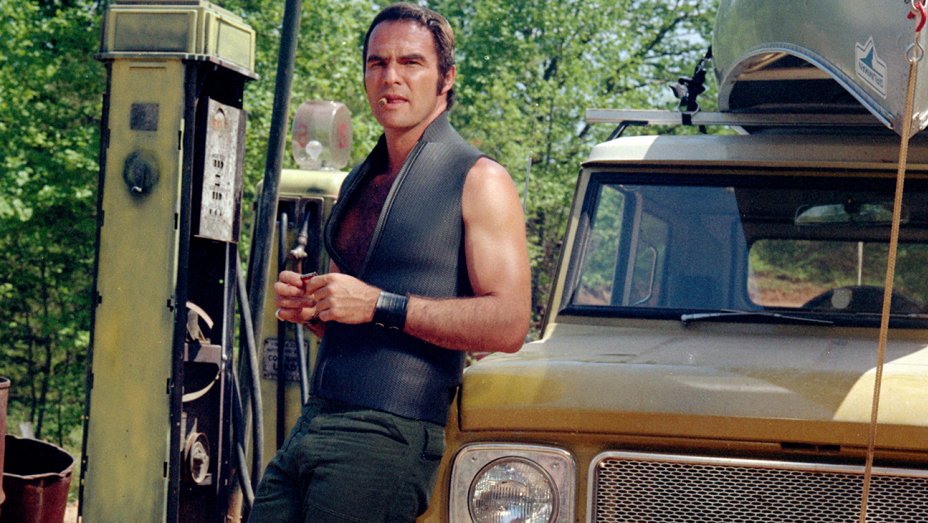
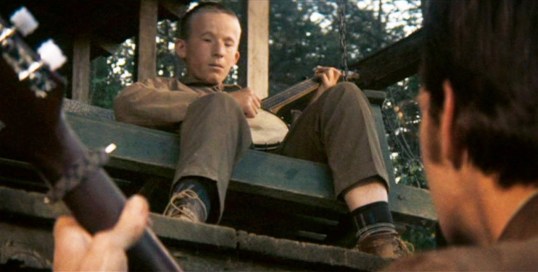
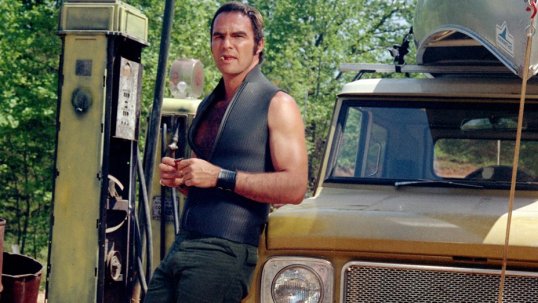
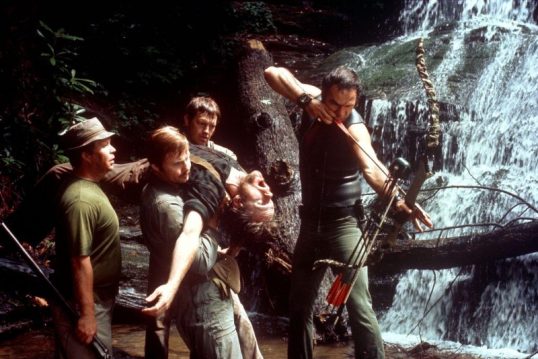
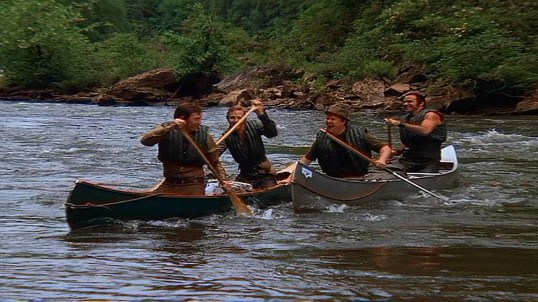
Deliverance (1972, directed by John Boorman, DP: Vilmos Zsigmond)

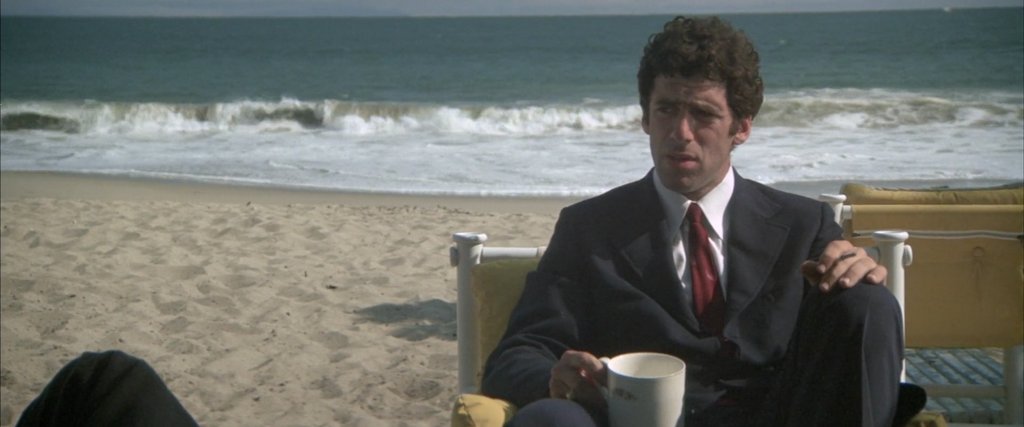
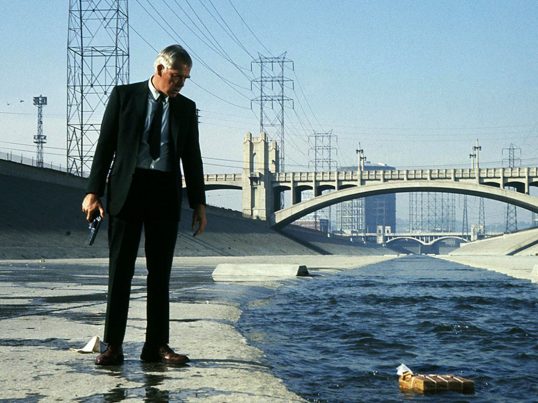
The Long Goodbye (1973, dir by Robert Altman, DP: Vilmos Zsigmond)

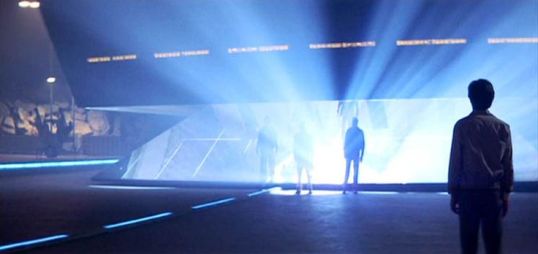
Close Encounters of the Third Kind (1977, dir by Steven Spielberg, DP: Vilmos Zsigmond)

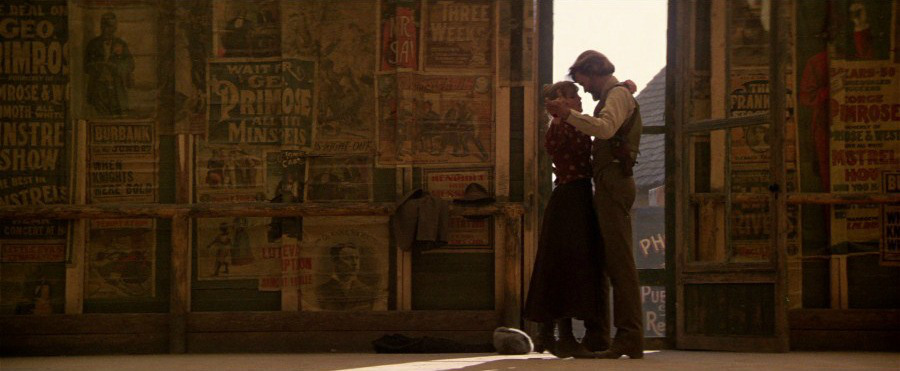
Heaven’s Gate (1980, directed by Michael Cimino, DP: Vilmos Zsigmond)

4 Shots From 4 Films: Special 1972 Edition


4 Shots From 4 Films is just what it says it is, 4 shots from 4 of our favorite films. As opposed to the reviews and recaps that we usually post, 4 Shots From 4 Films lets the visuals do the talking!

Since we already highlighted Cabaret today, here are a few the classic films that we released the same year.

4 Shots From 4 1972 Films

The Godfather (1972, dir by Francis Ford Coppola, DP: Gordon Willis)

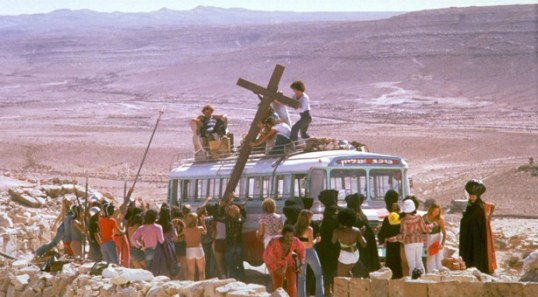
Jesus Christ Superstar (1973, dir by Norman Jewison, DP; Douglas Slocombe)

Deliverance (1972,dir by John Boorman, DP: Vilmos Zsigmond)

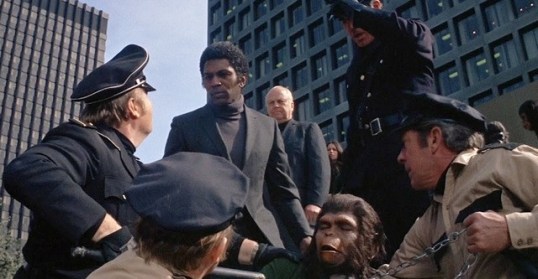
Conquest of the Planet of the Apes (1972, dir by J. Lee Thompson, DP: Bruce Surtees)

Scenes I Love: Burt Reynolds in Deliverance


Deliverance (1972, directed by John Boorman, DP: Vilmos Zsigmond)

“Machines are going to fail!” Lewis Medlock says in Deliverance, delivering a line that feels even more relevant today than it might have in 1972.  Lewis is the athlete and self-styled alpha male who drags his friends on a canoeing trip that involves some dangerous rapids.  When Lewis suffers a compound fraction, it’s a shocking moment because, up until that point, Lewis seemed invulnerable to harm.  Even when they return to civilization and Lewis learns he might lose his leg, he remains defiant.

Lewis was played by the late Burt Reynolds, who born 89 years ago today.  In this scene that I love, Lewis explains his philosophy to his best friend and eventual savior, Ed Gentry (Jon Voight).


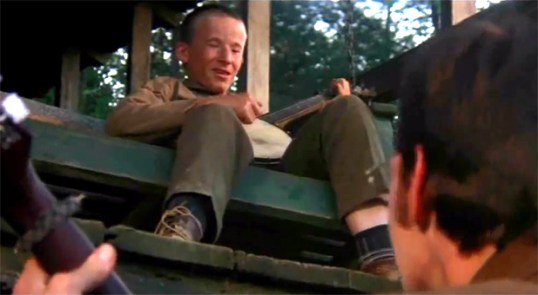
Scene That I Love: Dueling Banjos from John Boorman’s Deliverance


Diliverance (1972,dir by John Boorman, DP: Vilmos Zsigmond)

Today’s scene that I love comes from John Boorman’s 1972 film, Deliverance.  For the longest time, I thought that this scene was improvised and the kid with the banjo just happened to be hanging out around the set.  That makes for a nice story but I have recently read that this scene was actually scripted and the kid, while a local, was hired ahead-of-time to show up and play the banjo.

From Deliverance, here are the Dueling Banjos!

8 Shots From 8 Films: Special John Boorman Edition


4 (or more) Shots From 4 (or more) Films is just what it says it is, 4 (or more) shots from 4 (or more) of our favorite films. As opposed to the reviews and recaps that we usually post, 4 (or more) Shots From 4 (or more) Films lets the visuals do the talking.

Today, the Shattered Lens wishes a happy 92nd birthday to British director John Boorman.

Boorman is one of those great director who sometimes doesn’t seem to get as much credit as he deserves.  An undeniably idiosyncratic director, Boorman easily moved from genre to genre and who brought his own individual style to each of his films.  Sometimes, critics and audiences responded to that vision and sometimes, they didn’t.  And yet even Boorman’s so-called failures have come to be appreciated over the years.  Zardoz is a cult classic.  Even The Exorcist II: The Heretic is not quite the disaster that some insist.  If nothing else, it’s one of the strangest studio productions to ever be released.

At his best, Boorman is one of the most influential directors of all time.  How many neo-noirs have ripped off the look and the feel of Point Blank?  The ending of Deliverance has been imitated by a countless number of horror films and, indeed, every backwoods thriller owes a debt to Boorman’s film about four businessmen spending a weekend canoeing.  Excalibur is one of the most elegiac of all the Arthurian films while Hope and Glory retains its power to make audiences both laugh and cry with its portrayal of life on the British homefront during World War II.  Meanwhile, films like The General and The Emerald Forest gave underrated characters actors like Powers Boothe and Brendan Gleeson a chance to shine.

So today, in honor of the career and the legacy of John Boorman, here are….

8 Shots from 8 John Boorman Films

Point Blank (1967, directed by John Boorman, DP: Philip H. Lathrop)

Deliverance (1972, directed by John Boorman, DP: Vilmos Zsigmond)

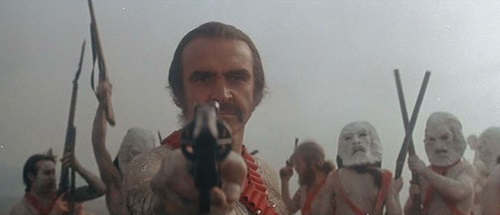
Zardoz (1974, directed by John Boorman, DP: Geoffrey Unsworth)

The Exorcist II: The Heretic (1977, dir by John Boorman, DP: William A. Fraker)

Excalibur (1981, dir by John Boorman, DP: Alex Thomson)

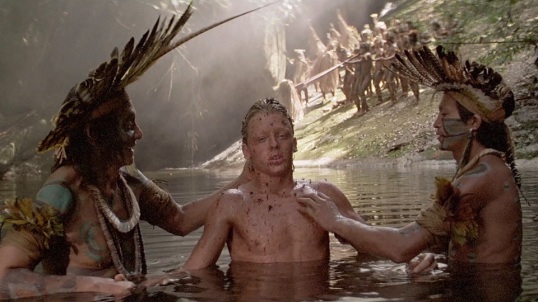
The Emerald Forest (1985, dir by John Boorman. DP: Philippe Rousselot)

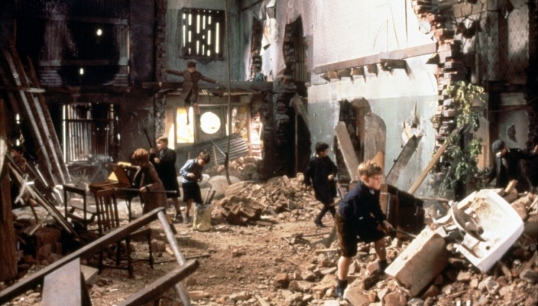
Hope and Glory (1987, dir by John Boorman, DP: Philippe Rousselot)

The General (1998, dir by John Boorman, DP: Seamus Deasy)

10 Oscar Snubs From the 1970s


Ah, the 70s. The decade started with the collapse of the studio system and the rise of the so-called movie brats. For the first half of the decade, Hollywood was producing the type of challenging films on which they would never again be willing to take the risk. The 70s were indeed a second cinematic golden age, full of anti-heroes and dark endings. Then, in 1977, Star Wars changed all of that and ushered in the era of the blockbuster. The 1970s gave the world disco, The Godfather, and some of the best Oscar winners ever.  It also gave us more than a few snubs.

1971: Dirty Harry Is Totally Ignored

Dirty Harry may be one of the most influential films ever made but the Academy totally snubbed it.  My guess is that, with The French Connection coming out that same year, the Academy only had room for one morally amibiguous cop film in its heart.  Still, Dirty Harry has certainly held up better than the nominated Nicholas and Alexandra.  Both Clint Eastwood and Andrew Robinson gave performances that were award-worthy as well.  Say what you will about Eastwood’s range, I defy anyone not to smile at the way Harry snarls when he discovers that the man he’s talking to teaches a constitutional law course at Berkley.

1971: Gimme Shelter Is Not Nominated For Best Documentary Feature

Considering that Woodstock won the Documentary Oscar the previous year, it only seems appropriate the Gimme Shelter should have won the following year.  In the end, the Academy decided to celebrate the best of the 60s while snubbing the worst of it.

1972: Burt Reynolds Is Not Nominated For Deliverance

If you’ve ever seen Deliverance, you know how important a character Lewis Medlock (played by Burt Reynolds) was.  Not only was he the one who persuaded everyone to spend the weekend risking their lives on a canoeing trip but he also set the standard for “manlinness” that the rest of his friends tried to live up to.  When Lewis ends up getting a compound fracture and is forced to spend the rest of the film deliriously lying in a canoe, it’s a reminder that nature and fate don’t care how confident or outspoken you are.  Reynolds was perfectly cast.  1972 was a strong year with a lot of worthwhile nominations and, to be honest, there’s really not a bad or an unworthy performance to be found among the acting nominees.  Still, it’s hard not to feel that the Academy should have found some room for Burt Reynolds.

1974: John Huston Is Not Nominated For Chinatown

In the role of Chinatown‘s Noah Cross, John Huston gave one of the great villainous performances.  Cross represented pure avarice and moral decay, a man who committed terrible crimes but who, the film suggested, was also responsible for creating not only modern Los Angeles but also providing a home for Hollywood.  Admittedly, there were a lot of good performances to choose from and I certainly can’t complain that the Academy awarded the Oscar for Best Supporting Actor to Robert De Niro, who deserved it.  Still, in retrospect, John Huston’s evil turn was at least as strong as Fred Astaire’s likable (and nominated) turn in The Towering Inferno.

1974 and 1975: John Cazale Is Not Nominated For Best Supporting Actor

John Cazale had a brief but legendary career.  A noted stage actor, Cazale made his film debut in 1972 with The Godfather.  He played Fredo, the Corleone son who couldn’t get any respect.  He final film, released after his early death from cancer, was 1978’s The Deer Hunter.  Cazale appeared in a total of five films, every one of which was nominated for Best Picture.  That this talented actor was never nominated for an Oscar just doesn’t seem right.  But for which film should he have been nominated?

Godfather Part II received three nominations for Best Supporting Actor: Robert De Niro, Lee Strasberg, and Michael V. Gazzo.  Personally, I would probably replace Gazzo with Cazale.  Cazale’s performance as Fredo was one of the strongest parts of Godfather Part II.  Who can forget Fredo’s legendary meltdown about always being overlooked?  I would also say that Cazale deserved a nomination for his performance in Dog Day Afternoon, in which he played Sal and provided the film with some of its saddest and funniest moments.  Neither Fredo nor Sal survive their films and, in both cases, it’s impossible not to feel that they deserved better than the world gave them.
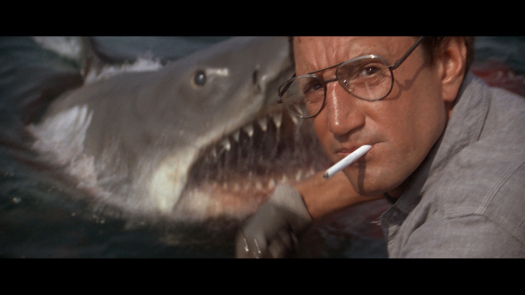
1975: Steven Spielberg Is Not Nominated For Jaws

Seriously, what the Heck?  Jaws totally reinvented the movies.  It received a deserved nomination for Best Picture but the true star of the film, Steven Spielberg, was somehow not nominated.

1976: Martin Scorsese is Not Nominates For Taxi Driver

Seriously, what the Heck?  Taxi Driver totally reinvented the movies.  It received a deserved nomination for Best Picture but the true star of the film, Martin Scorsese, was somehow not nominated.

1977: Harrison Ford Is Not Nominates For Star Wars

Harrison Ford, despite having had the type of career for which most actors would sacrifice their soul, has never had much success with the Oscars.  He’s been nominated exactly once, for Witness.  That he’s never won an Oscar just feels wrong.  The fact that he wasn’t even nominated for playing either Han Solo or Indiana Jones feels even more wrong.  In the role of Solo, Ford bring some much needed cynicism to Star Wars.  His decision to return and help the Rebels destroy the Death Star is one of the best moments in the film.

1978: National Lampoon’s Animal House Is Totally Ignored

This film deserved a nomination just for the scene in which John Belushi destroyed that annoying folk singer’s guitar.  Seriously, though, this is another film that, more or less, defined an era.  I’m not saying it deserved to win but it at least deserved a few nominations.

1979: Dawn of the Dead Is Not Nominated For Best Picture

Considering the Academy’s general resistance to honoring horror, it’s not really a shock that Dawn of the Dead was not nominated for Best Picture but still, it would have been nice if it had happened.

Agree?  Disagree?  Do you have an Oscar snub that you think is even worse than the 10 listed here?  Let us know in the comments!

Up next: The 80s arrive and the snubs continue!

Dawn of the Dead (1978, dir by George Romero)

8 Shots From 8 Films: Special John Boorman Edition


4 (or more) Shots From 4 (or more) Films is just what it says it is, 4 (or more) shots from 4 (or more) of our favorite films. As opposed to the reviews and recaps that we usually post, 4 (or more) Shots From 4 (or more) Films lets the visuals do the talking.

Today, the Shattered Lens wishes a happy 88th birthday to British director John Boorman.

Boorman is one of those great director who sometimes doesn’t seem to get as much credit as he deserves.  An undeniably idiosyncratic director, Boorman easily moved from genre to genre and who brought his own individual style to each of his films.  Sometimes, critics and audiences responded to that vision and sometimes, they didn’t.  And yet even Boorman’s so-called failures have come to be appreciated over the years.  Zardoz is a cult classic.  Even The Exorcist II: The Heretic is not quite the disaster that some insist.  If nothing else, it’s one of the strangest studio productions to ever be released.

At his best, Boorman is one of the most influential directors of all time.  How many neo-noirs have ripped off the look and the feel of Point Blank?  The ending of Deliverance has been imitated by a countless number of horror films and, indeed, every backwoods thriller owes a debt to Boorman’s film about four businessmen spending a weekend canoeing.  Excalibur is one of the most elegiac of all the Arthurian films while Hope and Glory retains its power to make audiences both laugh and cry with its portrayal of life on the British homefront during World War II.  Meanwhile, films like The General and The Emerald Forest gave underrated characters actors like Powers Boothe and Brendan Gleeson a chance to shine.

So today, in honor of the career and the legacy of John Boorman, here are….

8 Shots from 8 John Boorman Films

Point Blank (1967, dir by John Boorman, DP: Philip H. Lathrop)

Deliverance (1972,dir by John Boorman, DP: Vilmos Zsigmond)

Zardoz (1974, dir by John Boorman, DP: Geoffrey Unsworth)

The Exorcist II: The Heretic (1977, dir by John Boorman, DP: William A. Fraker)

Excalibur (1981, dir by John Boorman, DP: Alex Thomson)

The Emerald Forest (1985, dir by John Boorman. DP: Philippe Rousselot)

Hope and Glory (1987, dir by John Boorman, DP: Philippe Rousselot)

The General (1998, dir by John Boorman, DP: Seamus Deasy)


4 Shots From 4 Films: Special Burt Reynolds Edition


4 Shots From 4 Films is just what it says it is, 4 shots from 4 of our favorite films. As opposed to the reviews and recaps that we usually post, 4 Shots From 4 Films lets the visuals do the talking!

Today would have been Burt Reynolds’s 84th birthday.  In honor of a legendary career that is only now starting to really be appreciated, here are 4 shots from 4 of Burt’s best films.

4 Shots From 4 Films

Deliverance (1972, directed by John Boorman)

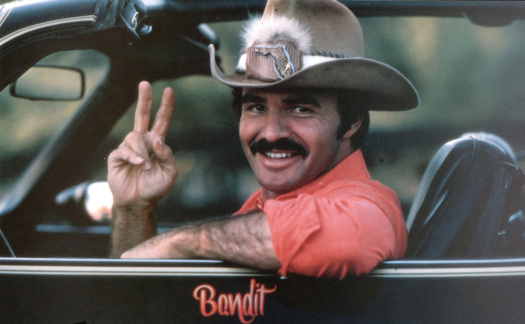
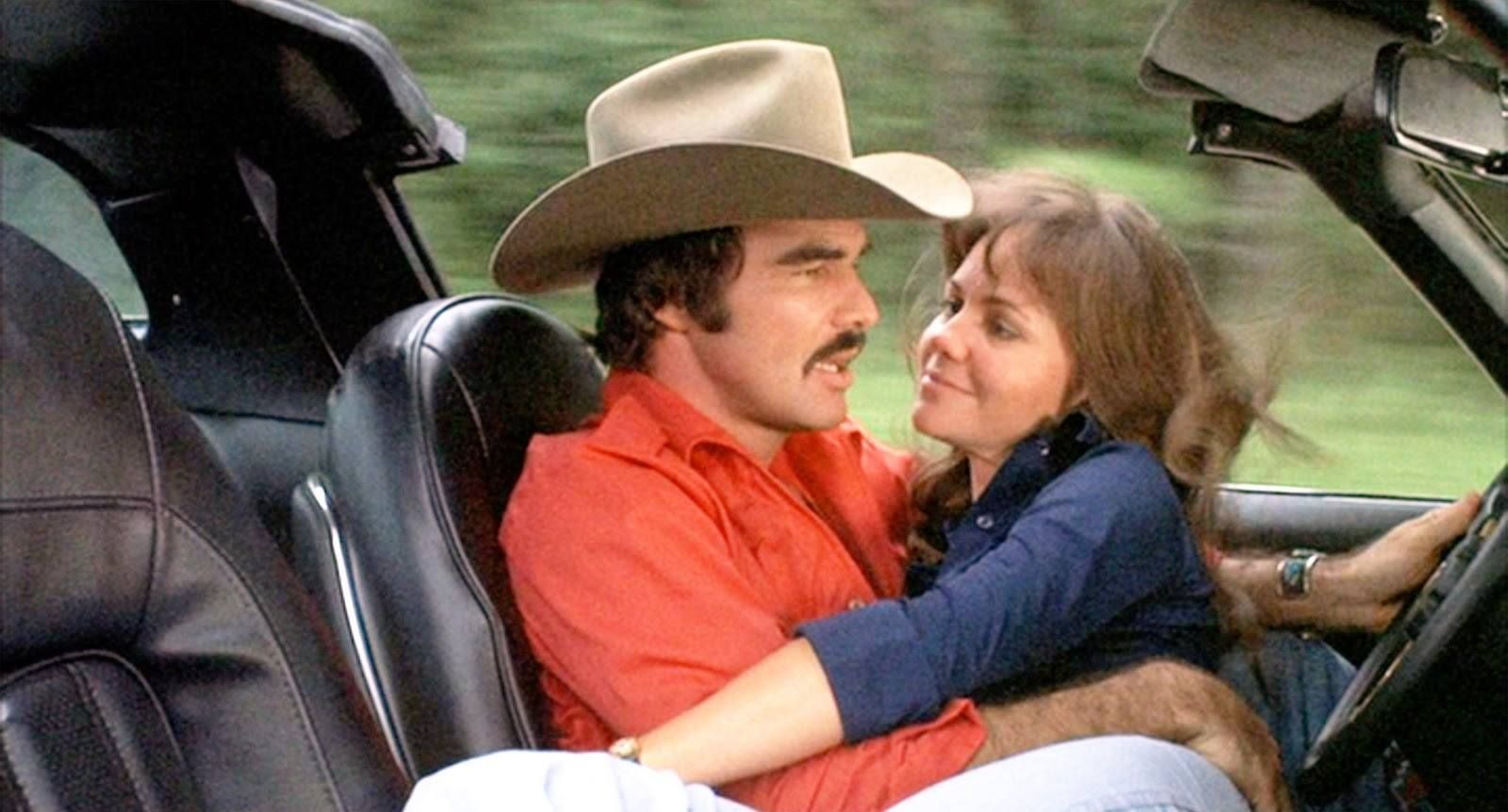
Smoky and the Bandit (1977, directed by Hal Needham)

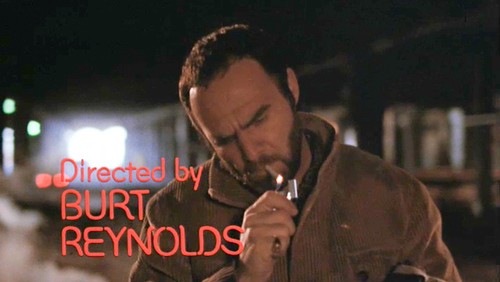
Sharky’s Machine (1981, directed by Burt Reynolds)

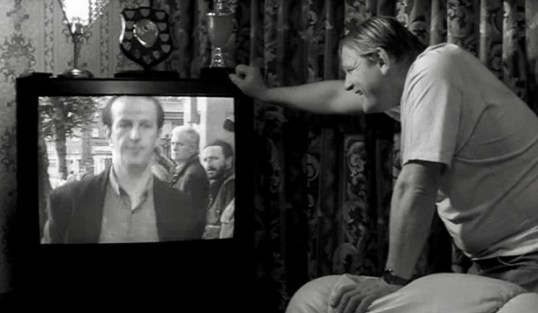
Boogie Nights (1997, directed by Paul Thomas Anderson)

Lisa Reviews An Oscar Nominee: Deliverance (dir by John Boorman)


1973’s The Exorcist is often cited as the first horror film to ever be nominated for best picture and technically, I guess that’s correct.  It was definitely the first best picture nominee to ever deal with a battle between humans and a malevolent supernatural force and no one can deny that The Exorcist has influenced a countless number of horror films.

That said, I think you could make the argument that Deliverance, which was nominated for best picture the year before The Exorcist, was in its own way, a horror film.  Certainly, every crazed hick slasher film that has come out since 1972 owes a debt to Deliverance.  Deliverance‘s ending has been imitated by so many other horror films that it’s become a bit of cliche.  Though there might not be any supernatural creatures in Deliverance, the film still features its own set of horrifying monsters.  The toothless redneck rapists (played by character actor Bill McKinney and rodeo performer Herbert “Cowboy” Coward) seem as if they’ve jumped straight out of a nightmare and into the movie.  Of course, they aren’t the only monsters in this film.  There’s also the (fictional) Cahulawassee River, which is due to be dammed up and seems to be determined to take out its anger on anyone foolish enough to try to navigate it.

Much as with The Texas Chainsaw Massacre (which came out just two years after Deliverance), the main theme here seem to be that you should be careful about going off the main road.  Just as the unfortunate hippies and college students in Texas Chainsaw Massacre proved to be no match for a clan of backwoods cannibal, the four middle-aged men at the center of Deliverance discover that they’re no match for either nature or its inhabitants.  At the start of the film, we watch as three of the men deal with the locals in a condescending and rather smirky manner.  Only one of them actually tries to be nice to the locals, engaging in a banjo duel with a young boy who clearly loves his banjo but who still refuses to smile or shake hands.  The boy knows what the men are getting themselves into them.  The boy knows what awaits them.

If you grew up in the South, as I did, you’ll recognize all four of the men.  It’s not just that they’re played by recognizable actors.  It’s that each one of them is a common archetype of the type of men you find down here.

For instance, there’s Lewis (Burt Reynolds), the self-styled alpha male with his leather vest and his bow-and-arrow and his constant talk about how society is eventually going to collapse and only the strong are going to survive.  You know that Lewis is full of it from the minute you see him but he’s so charismatic that you can also understand why the other three men have fallen under his control.

And then there’s Bobby (Ned Beatty).  Bobby is quick to laugh and quick to talk and quick to make a bad joke.  When he says that he’s a salesman, you’re not surprised.  From the start of the film, Lewis complains that Bobby isn’t strong enough or serious enough and, when the mountain men attack, Bobby is the one they target.  And yet, towards the end of the film, Bobby is the one who sells the hastily concocted story about what happened on the river.

Drew (Ronny Cox) is the nicest of the men.  With his glasses and his guitar and his rather touching belief that everything will be okay if everyone just tells the truth, Drew’s the prototype of the Southern liberal.  One can imagine him teaching in a community college and vainly trying to convince his relatives that segregation and nostalgia for the Confederacy is holding the South back.

And finally, there’s Ed (Jon Voight).  Ed smokes a pipe and it’s obvious that he’s someone who has a very secure life.  Ed is the one who is everyone’s friend.  He’s the one who sticks up for Bobby.  He’s the one who reminds Drew to wear his life jacket.  He’s the only one who can get away with (gently) mocking Lewis.  Ed seems like a nice guy but, at the start of the film, there’s a strange emptiness to Ed.  You get the feeling that the reason Ed is friends with everyone is because he doesn’t have any firm beliefs.  Instead, he just adapts to each situation and says whatever everyone wants to hear.  You can’t help but wonder what Ed believes.  By the end of the movie, of course, both Ed and the viewer have learned what Ed is capable of doing.

Cox, Voight, and especially poor Ned Beatty are all perfectly cast in their roles.  Burt Reynolds reportedly felt that this film was his best performance and he was probably right.  Director John Boorman captures both the beauty and the menace of nature, leaving you both in awe of the the river and fearful of what it can do those foolish enough to try to conquer it.  Interestingly enough, while Boorman was directing Deliverance, he was offered The Exorcist.  He turned it down, feeling that the script was too exploitive of the possessed child.  Boorman would, however, direct The Exorcist II: The Heretic (co-starring Deliverance‘s Ned Beatty).

(At the same time, Jon Voight was offered the role of Father Karras in The Exorcist but, like Boorman, turned the film down so he could work on Deliverance.)

While the film is best known for its sequences on the river, one should not overlook the haunting scenes of the survivors once they make their way back to civilization.  After having spent the previous 80 minutes or so presenting everyone in the backwoods as a threat, the final third of Deliverance actually emphasizes the decency of the townspeople.  When one of the men breaks down and starts to cry in the middle of dinner, everyone is quietly respectful of his emotions.  Towards the end of the film, as the survivors are driven out of town, they find themselves stuck behind the old country church, which is being moved upriver.  “Just got to wait for the church to get out of the way,” their driver says while the church’s bell mournfully rings for both the death of the town and the death of innocence.

(Of course, even with all the kind townspeople around, there’s still a somewhat menacing sheriff.  It’s just not a Southern film without a scary sheriff, is it?  “Don’t you boys ever do nothing like this again,” he says at one point.  The sheriff is played by James Dickey, the author of both the novel and the screenplay on which the film is based.)

Deliverance was nominated for three academy awards.  In the directing and the editing categories, it lost to Cabaret.  For best picture, it lost to The Godfather.  Deliverance, The Godfather, and Cabaret, all competing against each other?  1972 was a very good year.

Just A Good Ol’ Boy: RIP Burt Reynolds


gary loggins's avatarcracked rear viewer

I had just got back from a long afternoon walk on this gorgeous day when, after checking for incoming texts and calls, I checked my Facebook feed and discovered Burt Reynolds had passed away at age 82. Coincidentally, I have a post on Burt’s THE LONGEST YARD scheduled for Saturday, but rather than just move it up, I’ve decided to write this small tribute. Burt Reynolds has earned it. He was arguably the biggest box-office attraction of the 1970’s, number one from 1978-82, and his charismatic, wiseass persona made him a hit with audiences, if not with the critics. But what did they know… Burt Reynolds was The People’s Star.

Born in 1936, Burt’s family moved to Florida when he was ten, his father taking a job as Police Chief of Riviera Beach. Burt may not have been a straight-A student, but he excelled in sports, playing fullback for Palm…

View original post 756 more words