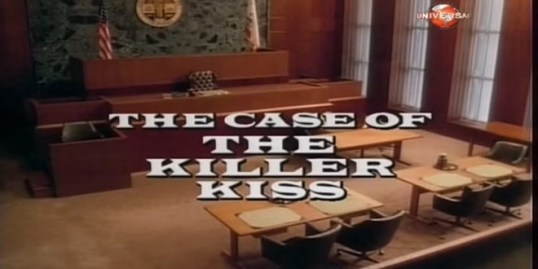
On the set of a popular soap opera, actor Mark Stanton (Sean Kanan) dies after he films a kiss with co-star Kris Buckner (Genie Francis). Kris is accused of intentionally poisoning Mark to get back at him for trying to force her off the show but Kris says she’s innocent. Fortunately, Kris is the goddaughter of Perry Mason (Raymond Burr).
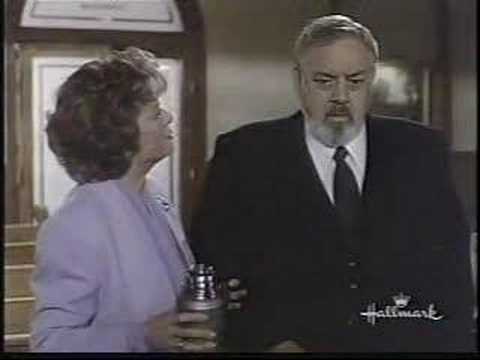
This movie was the last time that Raymond Burr played Perry Mason and it actually aired a few weeks after his death. There are scenes that are hard to watch because it is clear that Burr was not doing well during filming. He rarely stands and when he does, he still leans against the table for support. He’s still great when he’s asking questions and making objections but physically, it’s obvious that he was struggling. He still lights whenever he’s talking to Della, though. The best scenes in the movie are just Raymond Burr and Barbara Hale being Perry and Della. Their affection for each other shines through in every scene. The mystery is routine but the guest cast is full of daytime drama royalty like Stuart Damon, Linda Dano, and Genie Francis.
As I said when I started reviewing these movies at the start of the month, my Aunt Kate loved watching these movies. I know she watched them when they first aired and later, when they started re-airing them on Hallmark or MeTV, she loved rewatching them even though she already knew who the murderer was going to be. I would watch with her sometimes. We agreed that Perry and Della were in love and that Paul Drake, Jr. was Della’s son, even if he didn’t know it.
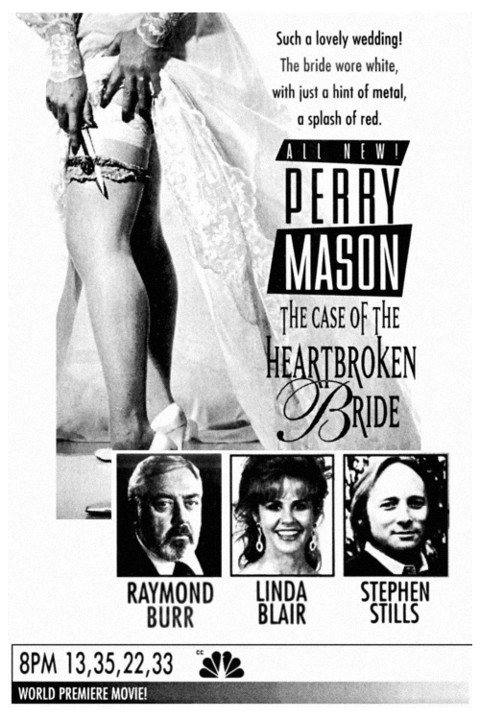
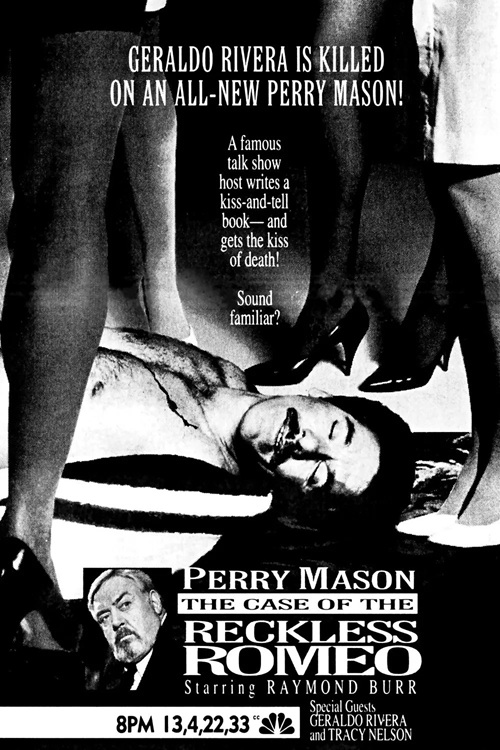
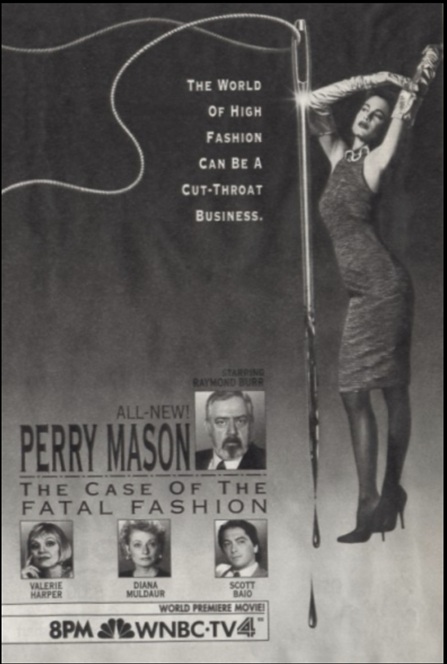
Rewatching all of the movies this month, what struck me is that most of them are still a lot of fun. Sure, there’s a few clunkers. But the majority of the 27 Perry Mason films are still entertaining to watch. Raymond Burr as Perry Mason and Barbara Hale as Della Street? Nobody did it better.
 Through the Shattered Lens