Artist Profile: Dave Johnson


Dave Johnson07

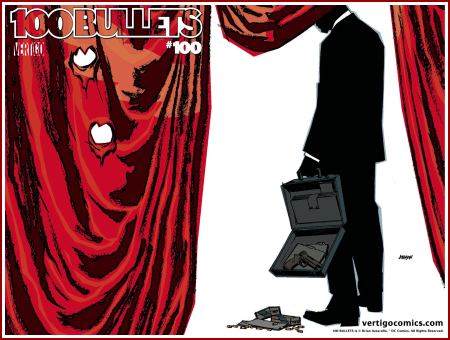
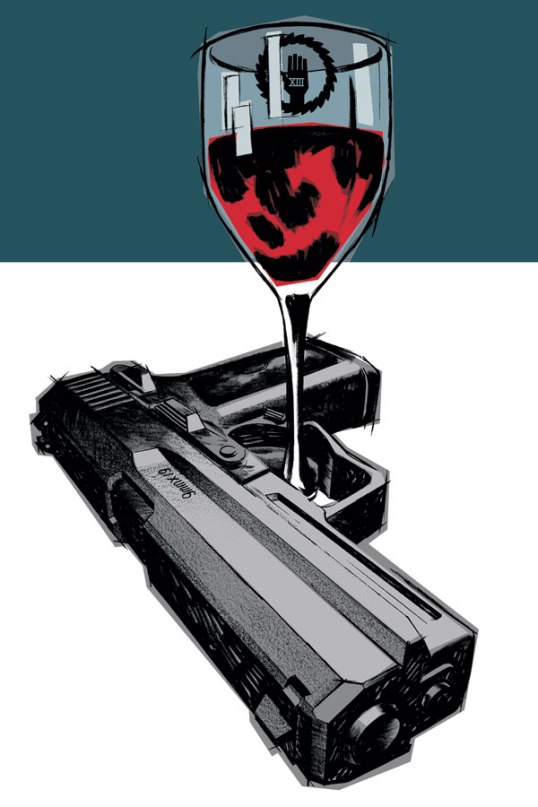
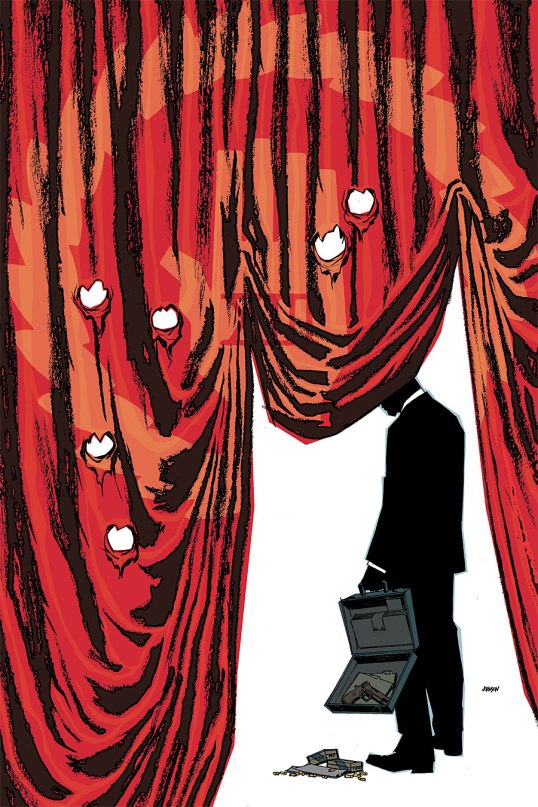
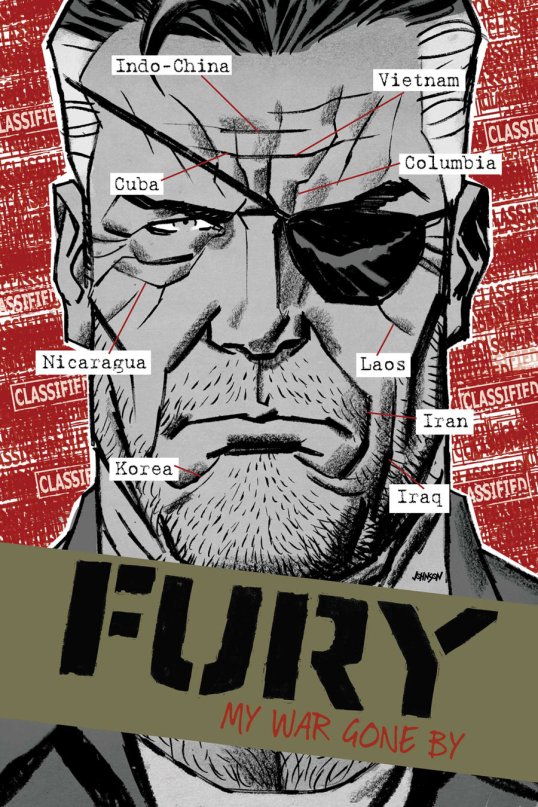
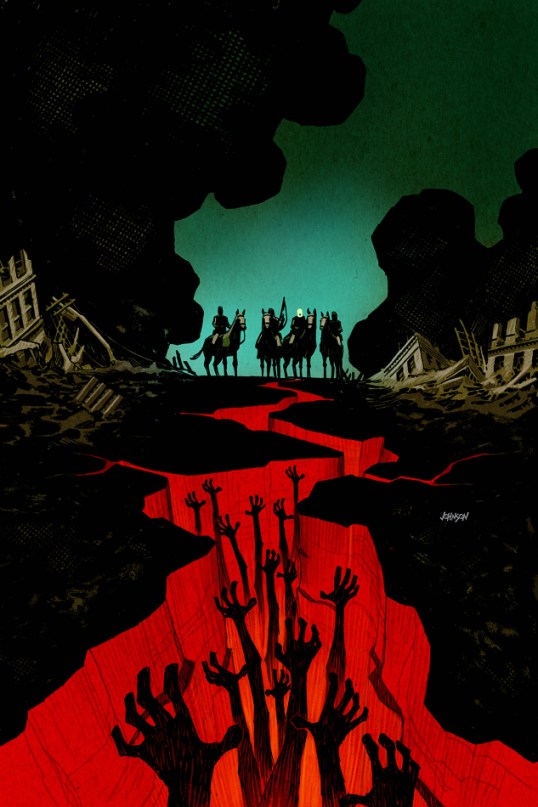
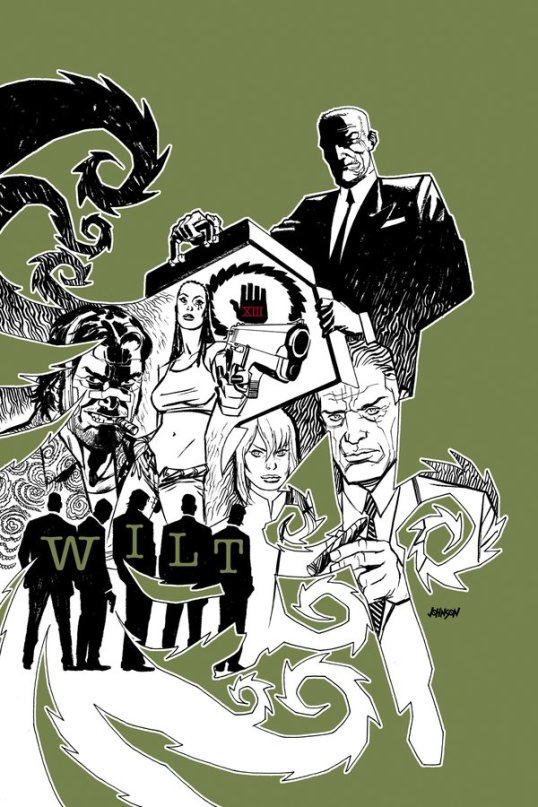
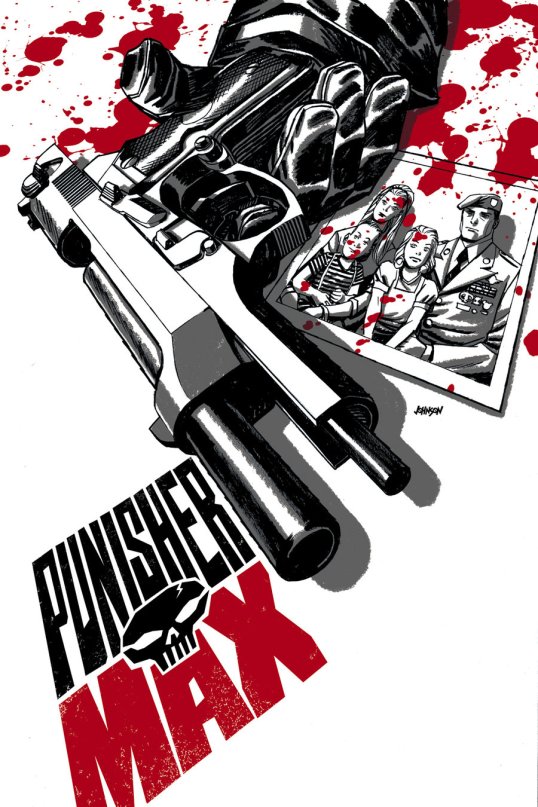
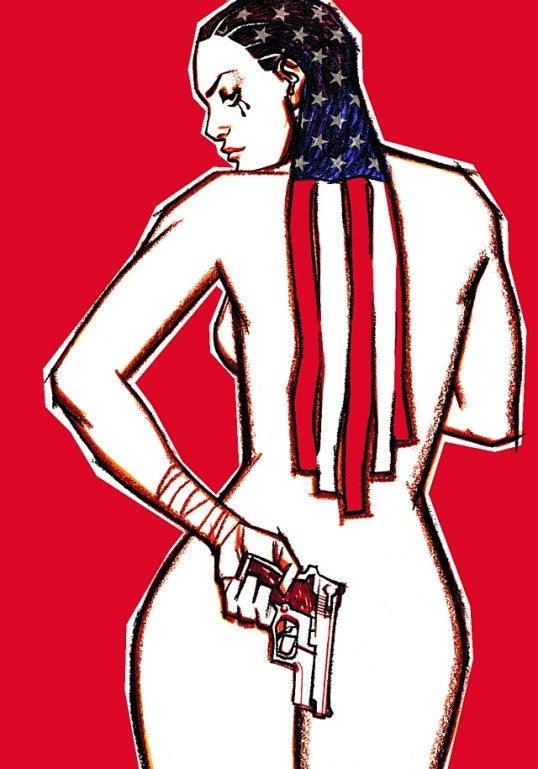
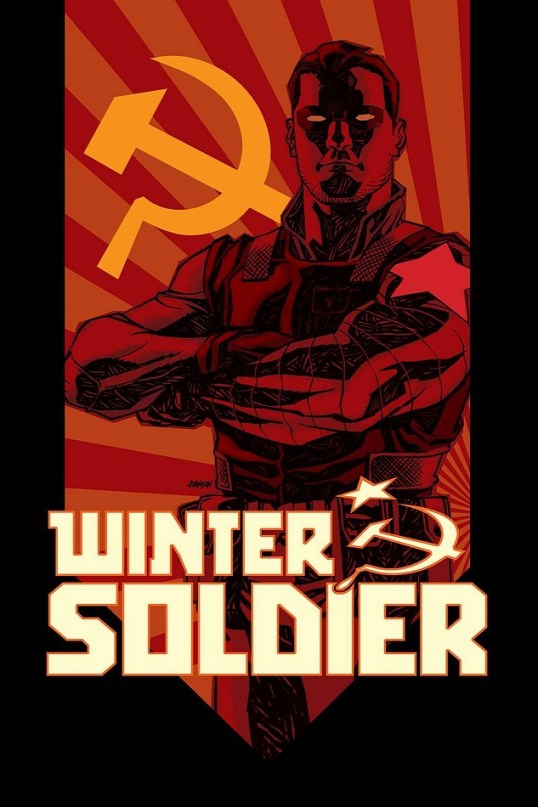
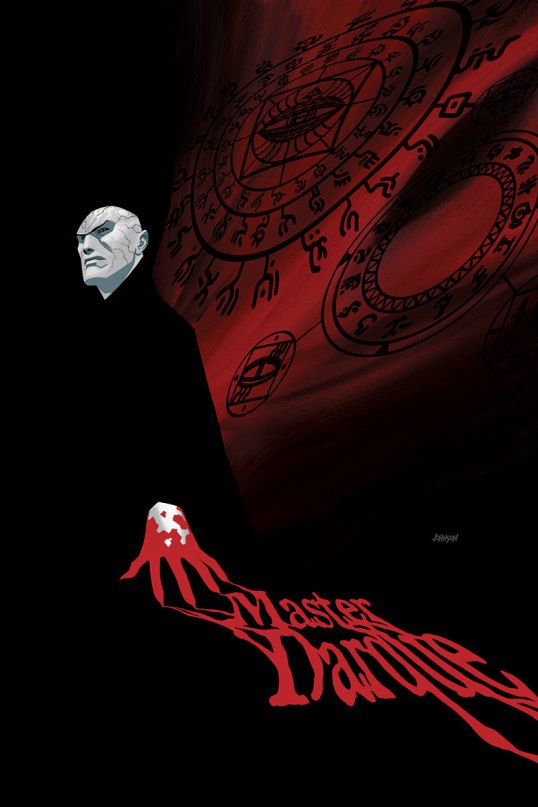
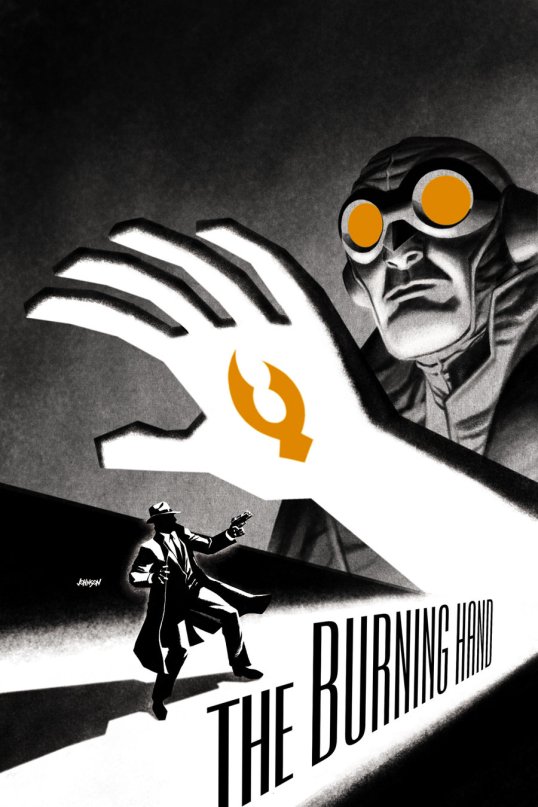
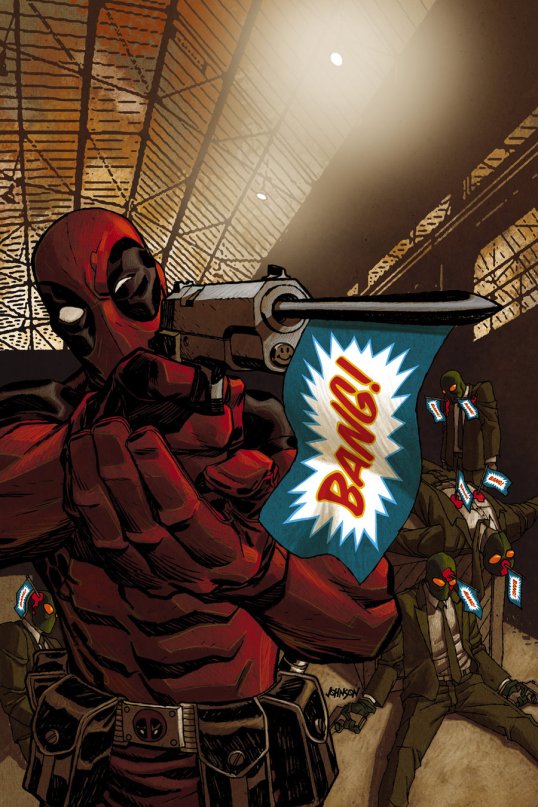
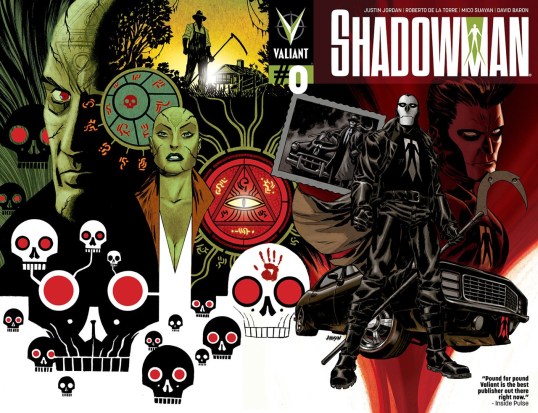
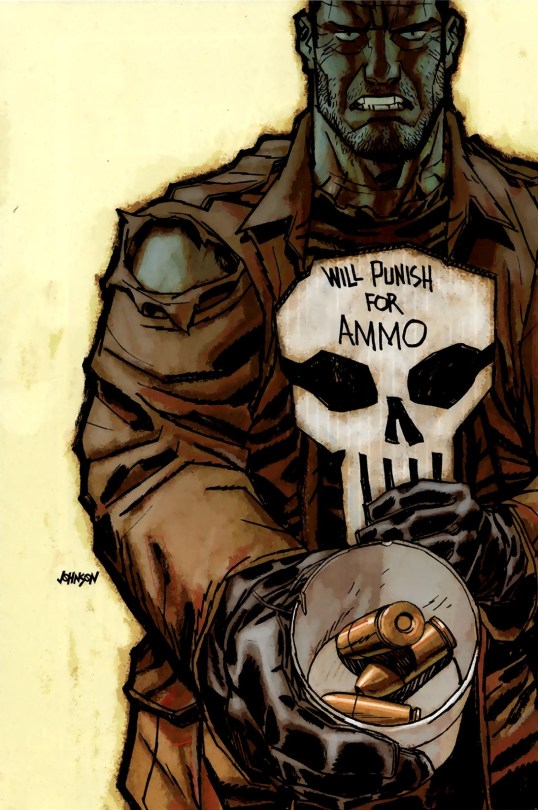
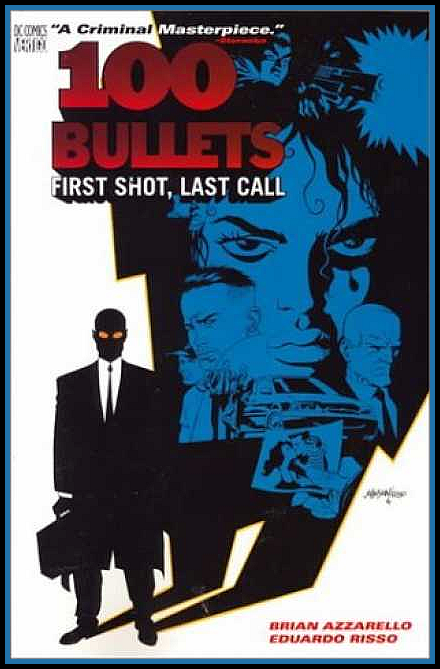
Dave Johnson has earned the reputation of being one of the comic industry’s preeminent cover illustrator. His work has graced the covers of such titles as Vertigo’s 100 Bullets (where he creates the covers to all one hundred issues and the 11 trade paperback collections) and Marvel Comics’ Punisher MAX series. Dave Johnson’s work as a cover illustrator has won him one of the top awards in the comics industry with his 2002 Eisner Award for “Best Cover Artist”.

Born on April 4, 1966, Dave Johnson continues to work as a cover artist for all the different publishers from DC, Marvel, Dark Horse and a slew of independent houses.

Dave Johnson01

Dave Johnson02

Dave Johnson03

Dave Johnson04

Dave Johnson05

Dave johnson06

Dave Johnson08

Dave Johnson09

Dave Johnson11

Dave Johnson12

Dave Johnson15

Dave Johnson16

Review: 100 Bullets Vol. 1 – First Shot, Last Call


I missed out on the initial release for 100 Bullets, but I’ve since rectified that problem.

Brian Azzarrello’s 100 Bullets continues the long line of excellent mature comic titles from DC Comic’s Vertigo line. Azzarrello’s hardboiled, crime-thriller noir series brings to mind classic detective-noir works by Hammett, Spillane and Chandler. It’s a more complex continuation of the hyper-noir series Frank Miller began with his Sin City series. I’ve heard people say that this series was better than Sin City and to some respect it was. The stories in each issue contained in this first volume (issues 1 through 5) were abit more complex in nature and execution than Miller’s more simple noir tales. The five stories in this collected volume also laid the basic groundwork for what’ll turn out to be one long-running series lasting exactly 100-issues. Where Sin City‘s simplicity in its storytelling and artwork lay its strength, it’s in the complexities in the tales and the detailed, but economical artwork that 100 Bullets shined through.

In First Shot, Last Call we’re introduced to the gamemaster of the tale: Agent Graves. Looking like an ever-present government agent who has seen all that life has thrown at him and ready for more, Agent Graves picks a recently paroled Latino lass by the name of Dizzy Cordova with a proposition. He offers Dizzy an attache case with a gun and 100 bullets that’re untraceable and definite proof that certain individuals caused her heartache and grief that has ruined her life. He only offers her the attache case, its content and the proof within. The choice is Dizzy’s to make on what she should do with what’s offered her. This set-up and premise is the beauty of 100 Bullets. The story’s basically a morality tale of choices offered to the characters. Will they use the offer to exact vengeance and get away with it scott-free, or will they refuse the offer and live on with their life. The choice of revenge really doesn’t bring back lost time and loved ones and only feeds the need for retribution. Agent Graves doesn’t really force Dizzy’s hand, but a supporting character knowledgable of the offer does — for his own agenda not yet known — prods, pushes and guides her to picking the more primal choice. Dizzy’s choice in the end was both understandable and in the end inevitable.

The second story arc deals with Lee Dolan who also has had his life turned upside-down by people unknown to him. His life and family taken away by the stink of a child pornography accusation in the past. Agent Graves makes him the same offer of the attache case and its untraceable 100 bullets. Dolan’s reaction to this offer is different from that of Dizzy’s, but in the end his ultimate choice doesn’t give him the same resolution and new life path that Dizzy made. It’s a tribute to Azzarrello’s great writing that the decision both Dizzy Cordova and Lee Dolan made were understandable when taken into context of their personalities and yearning to fix the problem that led them to their current state in their lives.

To complement Azzarrello’s words perfectly were Eduardo Risso’s artwork. It would be a misnomer to say that Risso’s art style was minimalist like those of Frank Miller’s woodcut-engraving style for Sin City or Mike Mignola’s chiasroscuro-style for his Hellboy series. There’s a sense of the cinematic in Risso’s work. The scenes were always drawn with a mind for action even when it’s just people standing around. Risso has quite the filmmaker’s eye in how he’s drawn 100 Bullets which just adds to its noirish feel. The characters and environment were drawn not to scale and real-world proportion, but just enough not to look cartoonish. I would agree that there’s an abundance for cleavage on the women drawn, but Risso doesn’t do it gratuitously. Instead he uses this detail to showcase the sexuality of the strong female characters. It paints the female characters like Dizzy Cordova and Megan Dietrich with a sense of both strength and sensuality without pandering to the teenage boy demographic. Plus, he gives these ladies their own personality and character with how he draws them. Dizzy truly has the Latina sensual curves while Megan has the icy-cold Aryan beauty that serves her well.

100 Bullets: First Shot, Last Call was a great discovery and a wonderful beginning to a very mature, intelligent and hardhitting comic series. Congratulations must got to its creator Brian Azzarrello for writing such great characters and memorable stories. I can’t forget the work of his artist and partner-in-crime, Eduardo Risso. Risso’s artwork has stamped themselves in my mind as the only way to see 100 Bullets in. Both Azzarrello and Risso complement each other well and their continued collaboration right up to the end of the series helped make this series one of the best of the past decade.

10 Favorite Comic Books of the Past Decade


The first decade of the new millenium found me in a weird place when it came to one of my big hobbies after high school. From 1989 all the way through the 90’s I was a major comic book reader and collector. I would say that I wouldn’t deny the charge that I might have helped the so-called “comic book speculator era” rise to the forefront of the hobby. Artists like Jim Lee, Whilce Portacio, Todd McFarlane were like rock stars in that era and their titles would fly off the shelves the moment they came out. I and others would buy multiple copies, carefully board and bagged them (but also read them) and wait for their price to go up.

Some titles did go up in price and were sold for a profit thus feeding the notion that I could make a lot of money off of these comic books. I was one of the early adopters of the independent titles which really fed the speculator market. First there was buying up all the early Evil Ernie issues before most of the public got wind of just how awesome (and limited their printing were) then doing the same for William Tucci’s Shi title which I must say really defined a speculator’s dream title. It had buzz to it due to the bad girl art, the story was not bad and had an exotic taste to it and, best of all, the printing on the title character’s first appearance was practically non-existent.

By the time the speculator’s market finally burst it’s bubble and dragged the comic book industry down with it I was pretty much burnt-out on comic books. I still read them and bought the titles whcih caught my eye, but the days of buying every issue of most every title from Marvel/DC/Image were done with. I even stopped buying and reading them in the beginning of the 2000’s. The industry was in a creative rut in the early years of the new decade. While superhero titles were floundering and publishers (small and medium ones) were declaring bankruptcy and selling off properties to the highest bidder a curious thing happened. I got back into comic books and it wasn’t the hero titles which drew me back in but the mature, independent titles from Vertigo, Dark Horse, Image and small-indie publishers.

This was a very good thing since I missed having the books in my hands. I wasn’t buying them now to collect but to read. I still handled them with kid gloves but I wasn’t worried about whether they would turn me a profit anymore. So, for most of the decade I was an indie-fool who pretty much avoided most the titles from Marvel/DC. While I still read some titles from the two main comic book houses it wasn’t on the same level pre-2000’s.

Below is the list of the 10 titles that were my favorite of the decade. Some were considered the best of the decade and some just my favorite because they spoke to me as a reader. This time they will be in order of importance unlike my previous Best/Fave lists.

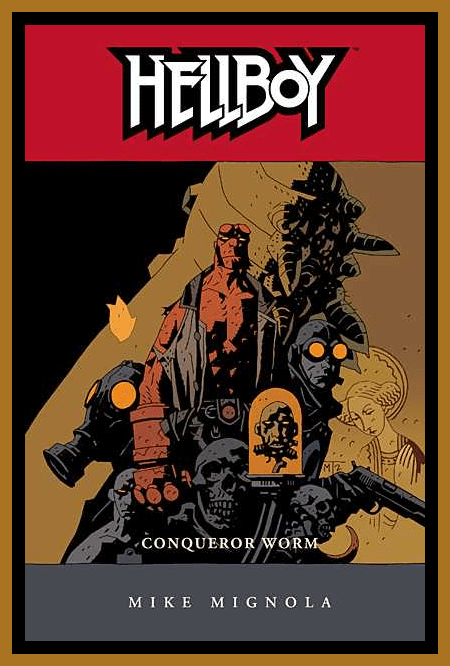
10. Hellboy by Mike Mignola (Dark Horse Comics)
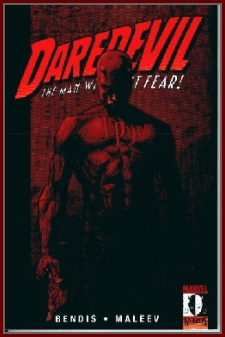
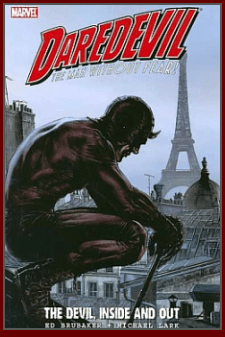
9. Daredevil by Brian Michael Bendis/Ed Brubaker (Marvel Comics)
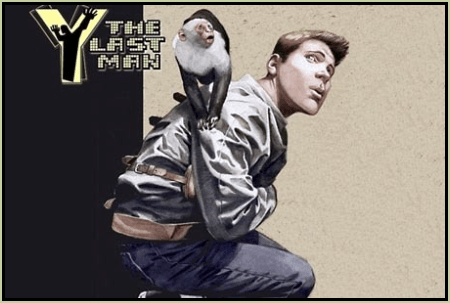
8. Y: The Last Man by Brian K. Vaughn (Vertigo)
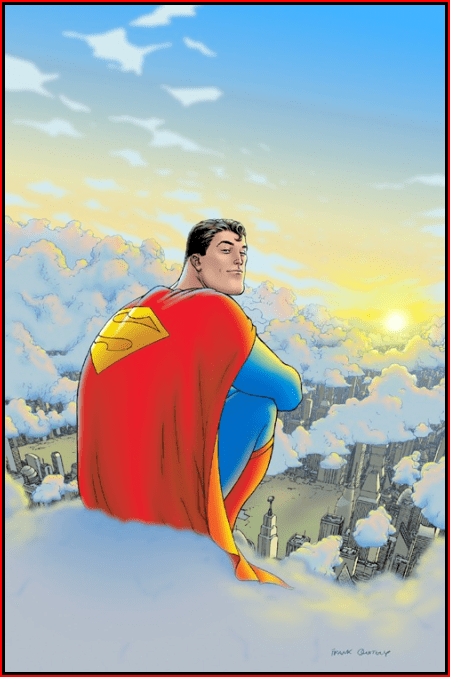
7. All-Star Superman by Grant Morrison (DC Comics)
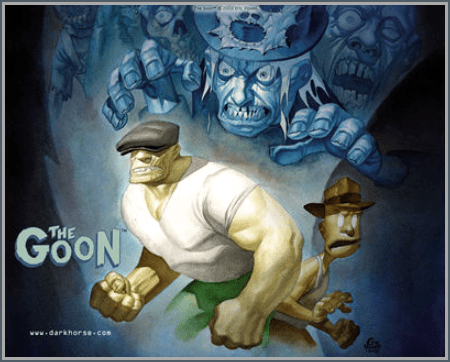
6. The Goon by Eric Powell (Dark Horse Comics)
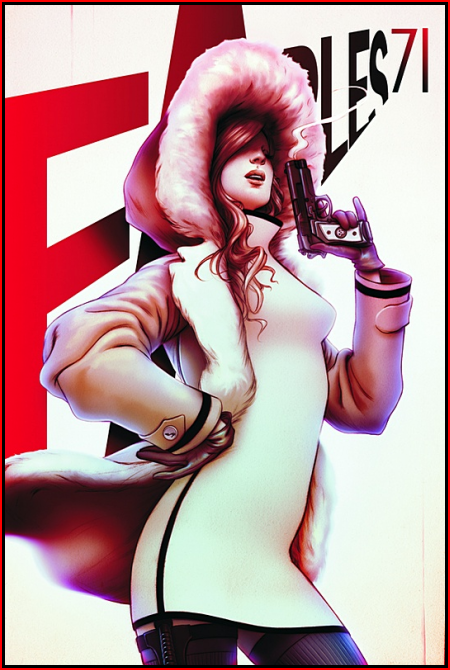
5. Fables by Bill Willingham (Vertigo)
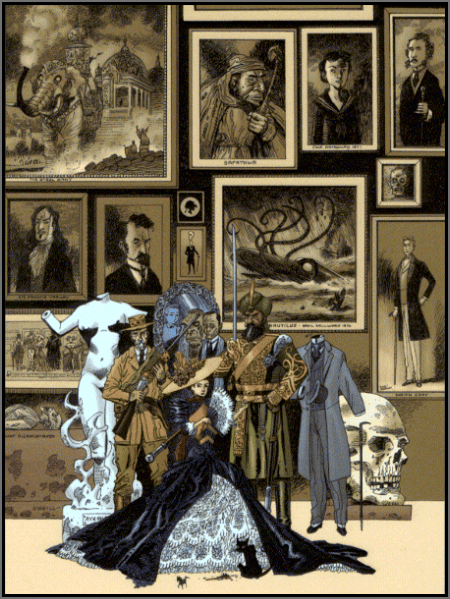
4. The League of Extraordinary Gentlemen by Alan Moore (America’s Best Comics)
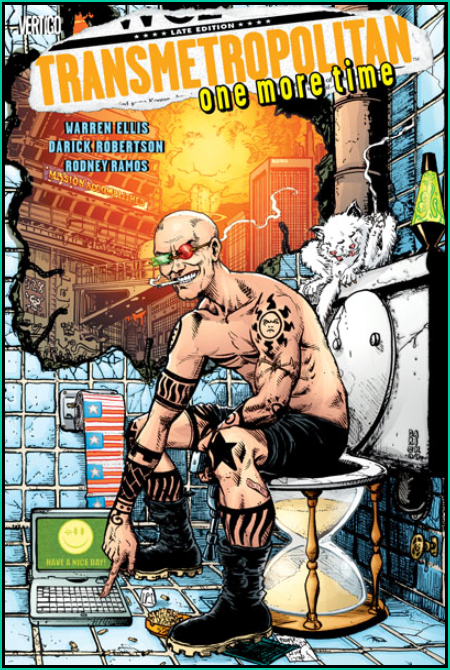
3. Transmetropolitan by Warren Ellis (Vertigo)
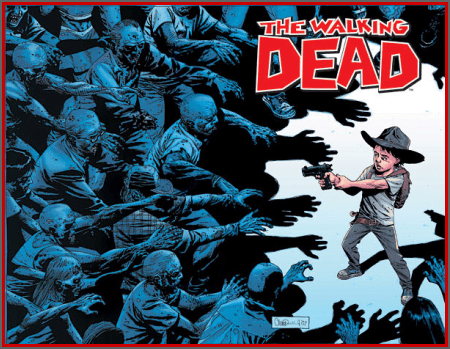
2. The Walking Dead by Robert Kirkman (Image Comics)
1. 100 Bullets by Brian Azzarello (Vertigo)