As some of our regular readers undoubtedly know, I am involved in hosting a few weekly live tweets on twitter and occasion ally Mastodon. I host #FridayNightFlix every Friday, I co-host #ScarySocial on Saturday, and I am one of the five hosts of Mastodon’s #MondayActionMovie! Every week, we get together. We watch a movie. We snark our way through it.
Tonight, for #MondayActionMovie, the film will be 1996’s Riot!
It should make for a night of fun viewing and I invite all of you to join in. If you want to join the live tweets, just hop onto Mastodon, pull up Riot on YouTube, start the movie at 8 pm et, and use the #MondayActionMovie hashtag!
Here are the wonderfully quirky 2025 nominations of the St. Lous Film Critics Association! Thank you, St. Louis, for thinking outside the box.
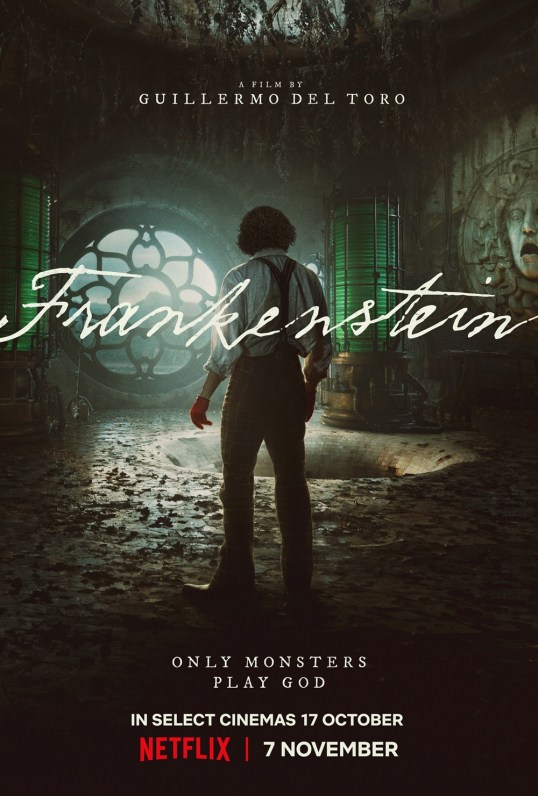
BEST FILM Frankenstein
Hamnet
It Was Just an Accident
Marty Supreme
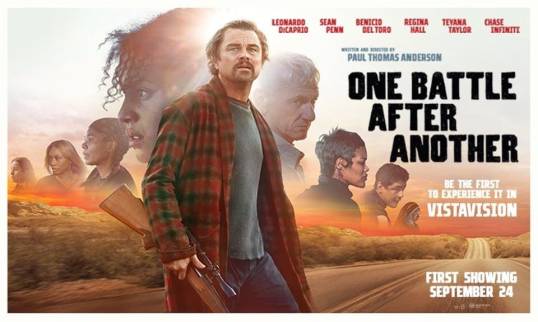
One Battle After Another
The Phoenician Scheme
The Secret Agent
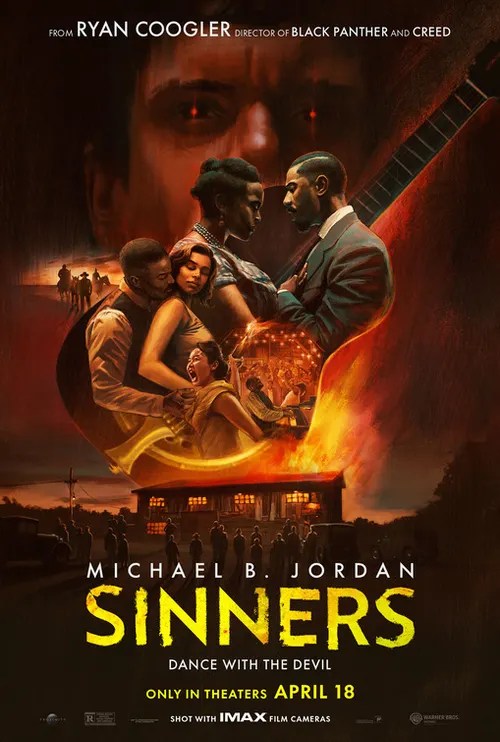
Sinners
Superman
Weapons
BEST DIRECTOR Paul Thomas Anderson – “One Battle After Another”
Ryan Coogler – “Sinners”
Jafar Panahi – “It Was Just an Accident”
Josh Safdie – “Marty Supreme”
Chloe Zhao – “Hamnet”
BEST ACTRESS Jessie Buckley – “Hamnet”
Rose Byrne – “If I Had Legs I’d Kick You”
Chase Infiniti – “One Battle After Another”
Amanda Seyfried – “The Testament of Ann Lee”
Emma Stone – “Bugonia”
BEST ACTOR Timothee Chalamet – “Marty Supreme”
Leonardo DiCaprio – “One Battle After Another”
Ethan Hawke – “Blue Moon”
Michael B. Jordan – “Sinners”
Wagner Moura – “The Secret Agent”
BEST SUPPORTING ACTRESS Glenn Close – “Wake Up Dead Man”
Elle Fanning – “Sentimental Value”
Inga Ibsdotter Lilleaas – “Sentimental Value”
Amy Madigan – “Weapons”
Teyana Taylor – “One Battle After Another”
BEST SUPPORTING ACTOR Benecio del Toro – “One Battle After Another”
Paul Mescal – “Hamnet”
Sean Penn – “One Battle After Another”
Andrew Scott – “Blue Moon”
Stellan Skarsgard – “Sentimental Value”
BEST ADAPTED SCREENPLAY Frankenstein
Hamnet
One Battle After Another
Train Dreams
Wake Up Dead Man
BEST ORIGINAL SCREENPLAY Blue Moon
It Was Just an Accident
Marty Supreme
Sinners
Sorry, Baby
Weapons
BEST CINEMATOGRAPHY Frankenstein
Hamnet
One Battle After Another
Sinners
Train Dreams
BEST COSTUME DESIGN
Frankenstein
Hamnet
Sinners
The Testament of Ann Lee
Wicked: For Good
BEST EDITING F1 A House of Dynamite
Marty Supreme
One Battle After Another
Sinners
BEST PRODUCTION DESIGN
Frankenstein
Hamnet
The Phoenician Scheme
Sinners
Wicked: For Good
BEST ORIGINAL SCORE Frankenstein
Hamnet
One Battle After Another
Sinners
The Testament of Ann Lee
BEST VISUAL EFFECTS Avatar: Fire and Ash
F1
Sinners
Superman
Tron: Ares
BEST SOUNDTRACK KPop Demon Hunters
Marty Supreme
Sinners
Springsteen: Deliver Me from Nowhere
Wicked: For Good
BEST VOCAL PERFORMANCE
Arden Cho – “KPop Demon Hunters”
Ginnifer Goodwin – “Zootopia 2”
Damian Lewis – “Orwell: 2+2=5”
Will Patton – “Train Dreams”
Scarlet Sher – “Weapons”
BEST ANIMATED FILM Arco
Elio
KPop Demon Hunters
Ne Zha II
Zootopia 2
BEST ENSEMBLE
Black Bag
Hamnet
A House of Dynamite
One Battle After Another
Sinners
BEST HORROR FILM 28 Years Later
Companion
Frankenstein
Sinners
Weapons
BEST STUNTS
Ballerina
F1
Mission: Impossible – The Final Reckoning
One Battle After Another
Warfare
BEST COMEDY FILM Eephus
Friendship
Good Fortune
The Naked Gun
The Phoenician Scheme
BEST ACTION FILM
F1
Mission: Impossible – The Final Reckoning
One Battle After Another
Superman
Warfare
BEST DOCUMENTARY FEATURE
2000 Meters to Andriivka
Afternoons of Solitude
Deaf President Now
Orwell: 2+2=5
The Perfect Neighbor
BEST INTERNATIONAL FEATURE FILM
It Was Just an Accident
No Other Choice
The Secret Agent
Sentimental Value
Sirāt
BEST FIRST FEATURE FILM
Emilie Blichfeldt – “The Ugly Stepsister”
Andrew DeYoung – “Friendship”
Drew Hancock – “Companion”
Carson Lund – “Eephus”
Eva Victor – “Sorry, Baby”
BEST SCENE
The Globe theatrical production in “Hamnet”
Finale in “It Was Just an Accident”
Music evolution “I Lied to You” in “Sinners”
Baktan Cross Car Chase Scene in “One Battle After Another”
The fate of Aunt Gladys in “Weapons”
The Washington DC Area Film Critics Association have announced their picks for the best of 2025! The winners are in bold!
Film
Hamnet
Marty Supreme
One Battle After Another
Sentimental Value Sinners
Director
Paul Thomas Anderson – One Battle After Another Ryan Coogler – Sinners
Jafar Panahi – It Was Just an Accident
Josh Safdie – Marty Supreme
Chloé Zhao – Hamnet
Actor
Timothée Chalamet – Marty Supreme
Leonardo DiCaprio – One Battle After Another
Joel Edgerton – Train Dreams
Ethan Hawke – Blue Moon Michael B. Jordan – Sinners
Actress Jessie Buckley – Hamnet
Rose Byrne – If I Had Legs I’d Kick You
Cynthia Erivo – Wicked: For Good
Chase Infiniti – One Battle After Another
Renate Reinsve – Sentimental Value
Supporting Actor Benicio del Toro – One Battle After Another
Jacob Elordi – Frankenstein
Delroy Lindo – Sinners
Sean Penn – One Battle After Another
Stellan Skarsgård – Sentimental Value
Supporting Actress
Ariana Grande – Wicked: For Good
Inga Ibsdotter Lilleaas – Sentimental Value
Amy Madigan – Weapons
Wunmi Mosaku – Sinners Teyana Taylor – One Battle After Another
Youth Performance Miles Caton – Sinners
Cary Christopher – Weapons
Shannon Mahina Gorman – Rental Family
Jacobi Jupe – Hamnet
Mason Thames – How to Train Your Dragon
Nina Ye – Left-Handed Girl
Voice Performance
Jason Bateman – Zootopia 2 Arden Cho – KPop Demon Hunters
Ginnifer Goodwin – Zootopia 2
Yonas Kibreab – Elio
Ke Huy Quan – Zootopia 2
Motion Capture Performance
Oona Chaplin – Avatar: Fire And Ash
Stephen Lang – Avatar: Fire And Ash Zoe Saldaña – Avatar: Fire And Ash
Sigourney Weaver – Avatar: Fire And Ash
Sam Worthington – Avatar: Fire And Ash
Ensemble
Hamnet
It Was Just an Accident
Marty Supreme
One Battle After Another
Sentimental Value Sinners
Wake Up Dead Man
Original Screenplay
It Was Just an Accident
Marty Supreme
Sentimental Value Sinners
Weapons
Adapted Screenplay
Bugonia
Frankenstein
Hamnet One Battle After Another
Train Dreams
Animated Film
Arco
Elio KPop Demon Hunters
Little Amélie Or The Character Of Rain
Zootopia 2
Production Design
The Fantastic Four: First Steps
Frankenstein
Hamnet Sinners
Wicked: For Good
Cinematography
Frankenstein
Marty Supreme
One Battle After Another Sinners
Train Dreams
Editing F1: The Movie
Hamnet
Marty Supreme
One Battle After Another Sinners
Score
Frankenstein
Hamnet
Marty Supreme
One Battle After Another Sinners
Joe Barber Award for Portrayal of Washington, DC
Anniversary
Captain America: Brave New World A House of Dynamite
Nuremberg
Thunderbolts
Stunts
F1: The Movie Mission: Impossible – The Final Reckoning
One Battle After Another
Sinners
Superman
Documentary
Come See Me in the Good Light
The Librarians
Orwell: 2+2=5 The Perfect Neighbor
Put Your Soul on Your Hand and Walk
Foreign Language Film
It Was Just an Accident
Left-Handed Girl
No Other Choice
The Secret Agent Sentimental Value
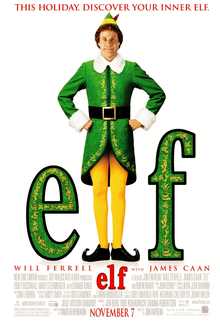
I’m an adult and I learned the truth about Santa Claus a long time ago but I still put up the tree the day after Thanksgiving, still hang stockings with the names of my sisters on them, and I still get excited when I see the Christmas lights going up across the neighborhood. I am unapologetically, deliriously in love with Christmas. And every single year, without fail, I curl up with the same worn-out blanket, the same bowl of freshly-popped popcorn, and I watch Elf. I don’t watch it because it’s cool or ironic. I watch it because it’s as unabashedly in love with Christmas as I am.
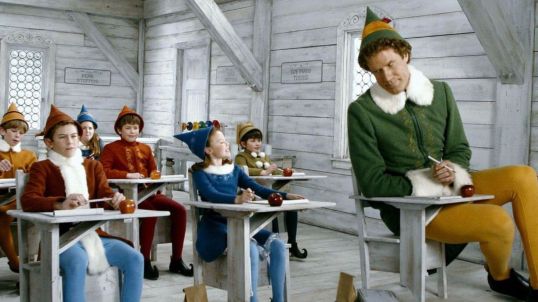
The older you get, the more cynical the world wants you to be about everything. Elf doesn’t have time for cynicism. Will Ferrell plays Buddy, a human who was raised by Santa’s elves and who goes to New York City to find his real father (James Caan) and who never loses his innocence and Christmas spirit, no matter what the world throws at him. Buddy isn’t dumb, not really. He’s someone who still believes in giving and celebration and love. When he tells the fake Santa that he sits on a throne of lies, he’s not trying to make trouble. Buddy knows the real Santa and he’s not going to let some fake in a beard steal the credit for his work. (Especially when he’s played by Artie Lange!) Buddy is ridiculous. He’s too tall, too loud, too earnest, too everything. He puts maple syrup on spaghetti and calls it gourmet. He spins in revolving doors until he’s dizzy with joy. Everyone should be as lucky as Buddy. Everyone should be as filled with joy and wonder as Buddy. Buddy doesn’t let the world get him down but, even more importantly, he never loses his belief. Just as Linus will always wait for the Great Pumpkin, Buddy will always believe that Santa is coming.
This is my favorite Will Ferrell performance. The way he throws himself into every moment makes me smile every time. But I like everyone in this film, from Bob Newhart as Buddy’s adopted father to James Caan as his real father to Ed Asner as Santa. When Zooey Deschanel starts singing Santa Claus Is Coming To Town, I feel it in my heart because I believe it. Elf believes it too, without apology. That’s what makes Elf a great movie.
I’m an adult. I’ve been an adult for a while. I still love Elf and I always will!
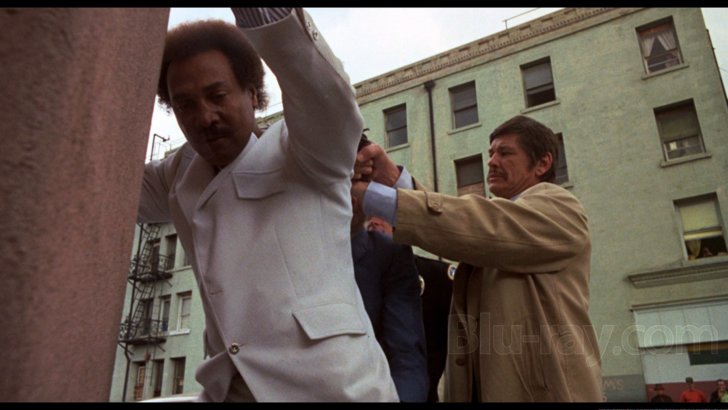
THE STONE KILLER opens in Spanish Harlem with detective Lou Torrey (Charles Bronson) following a young man, who had just shot a cop, into an abandoned building. When the young man refuses to turn himself in, and even tries to shoot Torrey, he gets blown away. In trouble with his superiors on the force, and being dragged in the press for the shooting, Torrey decides to change locations and continue his law enforcement career under his friend Les Daniels (Norman Fell) in Los Angeles. Soon after he arrives in Los Angeles, Torrey and his partner Mathews (Ralph Waite) are working a case against a drug dealer, when they arrest “Bootlace” Armitage (Eddie Firestone), a drug addict, but also a well-known hitman from New York. Torrey is delivering the “mechanic” back to New York for outstanding warrants when Armitage says that he is willing to give up some big information on “Wexton” in exchange for a reduced sentence. When Armitage is gunned down in what is obviously a professional hit, it’s clear that there is something going on that involves the name Wexton. We soon learn more as we meet mafia leader Al Vescari (Martin Balsam). As Vescari walks through a cemetery, he tells the leader of his operation, Lawrence (Stuart Margolin), of his plans to get revenge for a string of mafia killings that occurred 42 years earlier by using “stone killers,” in this case, former military men with no connection to the mob. As the film moves forward, Detective Lou Torrey and his fellow cops will eventually put the pieces together and find themselves taking on these “stone killers” and the mob!
I’ll just go ahead and say up front that I’m a big fan of THE STONE KILLER these days, but that’s because the movie has grown on me over the years with repeat viewings. When I first watched the film as a teenager in the 1980’s, I enjoyed it as a tough cop film, but it wasn’t one of my favorites. I think that part of the reason I didn’t appreciate it as much back then is the more convoluted plot of the film. Most Bronson films have simple and easy to follow plot lines, but THE STONE KILLER includes a somewhat complicated mafia assassination plan, and it also sends the cops on wild goose chases that have nothing to do with the actual story. Watching the film as an adult, I appreciate Director Michael Winner taking us with him on some of those 1970’s flavored tangents that include getting to hang out with some hippies at an ashram, as well as some unjustly accused black militants.
Even though the plot is more complicated than the average Charles Bronson film, director Michael Winner gives us some of the best action sequences of Charles Bronson’s career. There are two sequences in particular that stand out to me. After the impressive opening scenes where Torrey blows away the gun wielding young man in Spanish Harlem, it takes a while to get to the next extended action sequence, but it’s definitely worth the wait. The scene involves Detective Torrey in a car chase where he’s after one of the stone killers, Albert Langley (Paul Koslo), who’s on a motorcycle. In an era of great car chases, this is a doozy that features many amazing and dangerous stunts. The late 60’s and early 70’s are an embarrassment of riches for cinematic car chases and this one stands the test of time. The next great action sequence occurs later in the film when Detective Torrey and the cops bust the home and facility where the killers have trained for the planned massacre. Bronson is still in his physical prime in 1973, and his athletic prowess is clearly on display as he slides across floors, jumps on tables, and does anything else that is required to take down the bad guys. The film is not wall to wall action, but what’s here is as badass as it gets.
Detective Lou Torrey is a really good role for Charles Bronson. In his best roles, Bronson is tough, but you can also tell that he cares about other people. That’s definitely the case here as he consistently shows empathy for some of the people he’s after. For example, at the beginning of the film, he has to shoot the young man in Spanish Harlem in self-defense, but he later explains to his sister that he didn’t want to do it, even expressing some understanding of how the young man may have found himself in that situation. A little later while arresting a drug dealer with his partner Mathews, Torrey is clearly disgusted when his partner uses racial slurs during the arrest. Torrey then talks to the man with respect and gets the needed information to arrest the man buying the drugs. There are further examples later in the film as he deals with other drug addicts and militants. I say none of this to insinuate that Bronson’s character is weak in any way. Rather, he seems to want to do his job and arrest criminals in a professional manner. He’s also a complex character in some ways as he will bend the rules to get what he needs if he has to. He does end up punching the car thief, Jumper (Jack Colvin), a couple of times during an interview. While this is definitely not legal, in the context of this film, it’s required in order to get to the facts of the case. Bronson is actually quite great in the film.
Besides international superstar Charles Bronson, Michael Winner put together an amazing cast for THE STONE KILLER. Martin Balsam had won an Oscar a few years earlier, and he’s good here as the mafia boss with four decades worth of patience for revenge. Ralph Waite is also excellent as Bronson’s incompetent, racist partner Mathews. It’s hard to believe the guy would go on to play Papa Walton based on the ignorance he shows in both this film and in the Bronson/Winner collaboration CHATO’S LAND from the prior year. It’s fun watching both Norman Fell and John Ritter work together in this film, especially knowing that they would be making television history a few years later on the classic TV sitcom “Three’s Company.” The last two actors I want to mention are Stuart Margolin as the leader of the stone killers, Lawrence, and Paul Koslo as the bi-sexual badass musician Albert Langley. Both actors, especially Koslo, are good here and would have important roles with Bronson the next year as well. Margolin was an important character in DEATH WISH, and Koslo may have even outdone his work here the next year as a particularly slimy weasel in MR. MAJESTYK. Oh yeah, be sure to look for a short, uncredited cameo from B-movie queen Roberta Collins! I also want to shout out the musical score from Roy Budd, who also did the score for GET CARTER (1971). Thanks to Budd’s work, the opening credits are very cool and memorable.
THE STONE KILLER was marketed as Charles Bronson’s “Dirty Harry” and meant to be his breakout hit in America. Unfortunately, while the film was an international hit, the actual grosses in the United States were respectable but not as much as the filmmakers had hoped for. As such, we didn’t get any more entries in the case log of Detective Lou Torrey and Bronson would have to wait another year for his American box office breakout with DEATH WISH. But that’s okay because THE STONE KILLER has stood the test of time as an excellent 1970’s cop film, emerging in my personal rankings as a major feather in the cap of Charles Bronson’s career.
“What I do is not against the law. What I don’t do… is.” — Christian Wolff
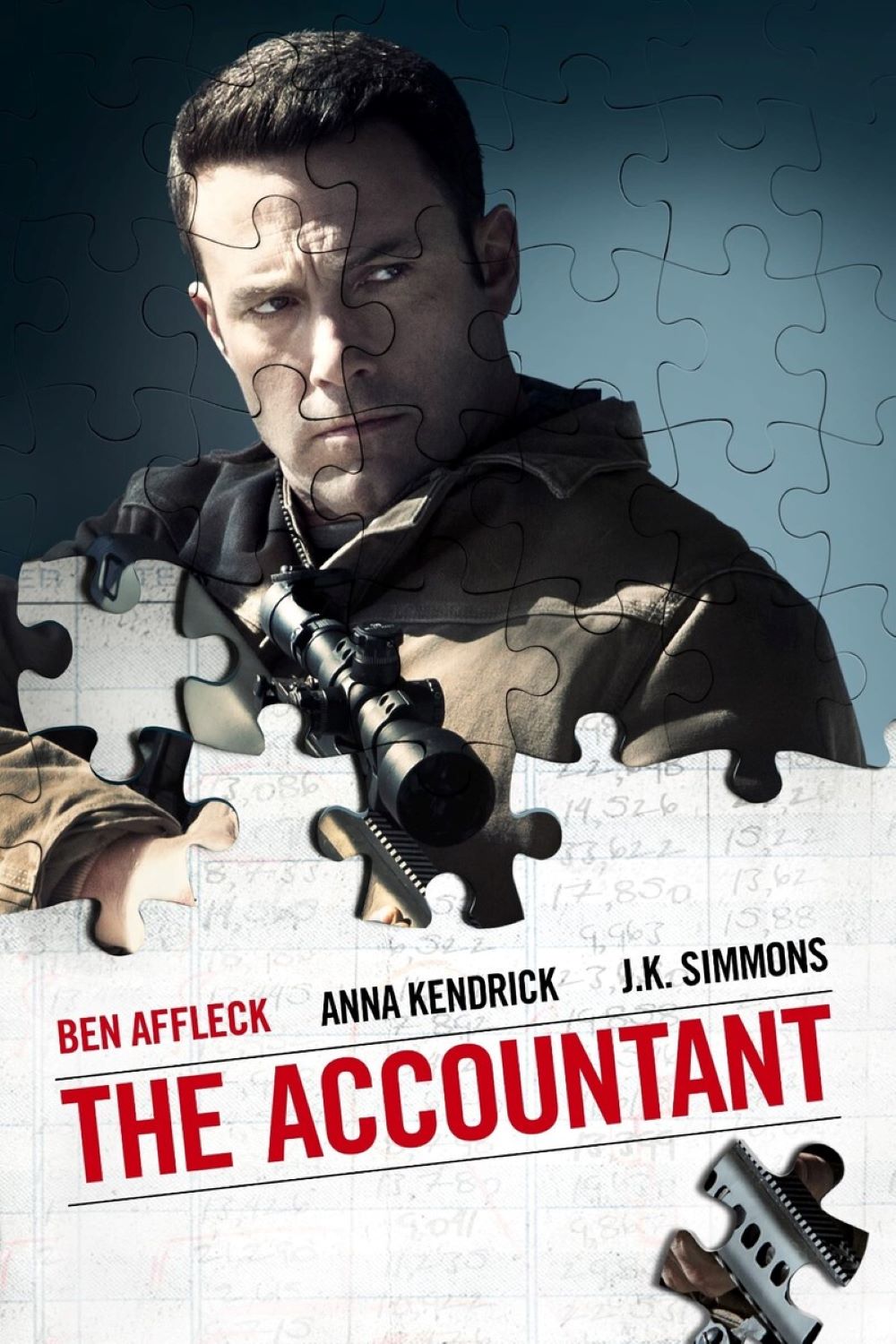
The Accountant is a 2016 action thriller that mixes elements of character drama, crime mystery, and family dynamics into a unique storyline. The movie follows Christian Wolff, a man with autism and exceptional math and accounting skills, who works as a freelance accountant for criminal organizations. Raised by a strict military father who pushed him to develop precision and discipline, Christian has a rigid moral code that guides his actions. As Christian unravels financial fraud within a robotics company, he finds himself hunted by a Treasury agent. The film blends intellectual mystery with high-stakes action, presenting a different take on the typical thriller formula.
Ben Affleck leads as Christian Wolff, bringing a quiet intensity that captures the character’s inner complexities and unique worldview. Anna Kendrick plays Dana Cummings, the robotics company accountant whose discovery of financial irregularities kicks off the central conflict, offering a relatable and warm counterpoint. J.K. Simmons portrays Raymond King, the sharp Treasury agent on Christian’s trail, adding layers of tension and moral ambiguity. Jon Bernthal embodies Braxton Wolff, Christian’s estranged brother and a rugged former military operative, whose presence heightens the family drama. The brothers’ strict and demanding father is portrayed by Rob Treveiler, who appears mainly in flashbacks that showcase the rigorous military-style training and discipline shaping Christian’s development. These performances ground the film’s ambitious mix of genres, making the characters feel lived-in and believable.
Christian Wolff stands out as a well-rounded character whose autism shapes his personality without becoming a mere plot device. The film shows his struggles alongside his strengths, like sensory sensitivities, social awkwardness, and laser focus on details. He relies on strict routines and coping tools to handle his surroundings, mirroring real experiences on the autism spectrum. Affleck’s portrayal draws from this backstory—those intense father-son training montages with Treveiler—to explain Christian’s discipline and guarded emotions, giving audiences a clear window into what drives him.
At the movie’s core sits Christian’s personal moral compass. He might balance the books for shady clients, but he draws a hard line at true ethical breaches, stepping in with his own form of justice. This anti-hero vibe keeps things gray and intriguing. His bond with Dana, played by Kendrick, offers rare moments of connection amid the chaos, though it stays somewhat surface-level and misses chances for deeper emotional pull.
The plot tracks Christian’s dive into massive fraud at the robotics firm, all while dodging Simmons’ relentless agent. The accounting scenes impress with their detail—Christian pores over ledgers, spotting irregularities that expose embezzlement on a grand scale. This cerebral side contrasts sharply with the brutal action, like the raw fights between Affleck’s Christian and Bernthal’s Braxton, which mix physical showdowns with buried family pain. Those brotherly clashes tie back to their shared traumatic past, ramping up the stakes beyond just numbers and guns.
The Accountant handles autism with real care, steering clear of clichés. It spotlights Christian’s sensitivities, routine needs, and social hurdles while celebrating his smarts and toughness. Affleck makes these traits feel authentic, turning what could be quirky into profoundly human. This approach avoids stereotypes, letting viewers connect with Christian on a deeper level and appreciate how his mind works in high-pressure situations.
The film has room for refinement in a few spots. It crams in crime plots, sibling secrets, and shadowy ops, which can jumble the pace as it bounces from fights to feels to financial deep dives. Relationships like Christian and Dana’s, or the Wolff brothers’, might hit harder with extra screen time to build that emotional core and make the risks feel more intimate.
Tonally, The Accountant strikes a balance—serious stakes lightened by Christian’s offbeat interactions and fresh outlook. Autism never turns into a joke; instead, it builds empathy. The ethical murk in his world—cooking books for crooks one day, punishing them the next—flips hero tropes on their head, keeping you guessing.
Overall, The Accountant shines by fusing brainpower and brawn in its lead and narrative, transcending standard shoot-’em-ups as a thoughtful character piece that honors its hero’s nuances. It probes unconventional strengths and ethics in a murky reality while illustrating thriving with distinct abilities and hurdles in a harsh landscape, all while clinging to personal principles—delivering thrills with substance on neurodiversity and payback. Fans of smart action will dig this blend of suspense, puzzles, and character depth, even if the threads tangle at times, making it a solid pick for thriller seekers wanting more than explosions.
The Toronto Film Critics Association has announced its picks for the best of 2025. (It’s so cute that Canada has an opinion.) Here they are:
Best Film Winner: One Battle After Another Runners-up: Sinners & Hamnet
Best Director Winner: Paul Thomas Anderson – One Battle After Another Runners-up: Ryan Coogler – Sinners & Oliver Laxe – Sirāt
Best Lead Performance Winners: Rose Byrne – If I Had Legs I’d Kick You & Ethan Hawke – Blue Moon Runners-up: Jessie Buckley – Hamnet, Leonardo DiCaprio – One Battle After Another, Michael B. Jordan – Sinners & Wagner Moura – The Secret Agent
Best Lead Performance In A Canadian Film Winner: Joan Chen – Montreal My Beautiful Runners-up: Deragh Campbell – Measures for a Funeral & Vincent Cassel – The Shrouds
Best Supporting Performance Winner: Benicio del Toro – One Battle After Another & Nina Hoss – Hedda Runners-up: Jacob Elordi – Frankenstein, Amy Madigan – Weapons, Sean Penn – One Battle After Another & Stellan Skarsgard – Sentimental Value
Best Supporting Performance In A Canadian Film Winner: Elle-Máijá Tailfeathers – Sweet Angel Baby Runners-up: Charlotte Aubin – Montreal My Beautiful & Troy Kotsur – In Cold Light
Best Breakthrough Performance Winner: Abou Sangaré – Souleymane’s Story Runners-up: Miles Caton – Sinners & Chase Infiniti – One Battle After Another
Best Original Screenplay Winner: Sinners Runners-up: Marty Supreme & Sentimental Value
Best Adapted Screenplay Winner: One Battle After Another Runners-up: Hamnet & No Other Choice
Best Foreign Language Film Winner: Sirāt Runners-up: It Was Just an Accident & The Secret Agent
Allan King Best Documentary Winner: Come See Me in the Good Light Runners-up: Orwell 2+2=5 & The Tale of Silyan
Best Animated Feature Winner: Endless Cookie Runners-up: KPop Demon Hunters & Space Cadet
Best First Feature Best First Feature: Blue Heron Runners-up: Eephus & Sorry Baby
The Los Angeles Film Critics Association announced their picks for the best of 2025 and it was another victory for One Battle After Another.
Best Film Winner: ONE BATTLE AFTER ANOTHER
Runner-Up: THE SECRET AGENT
Best Film Not In The English Language Winner: THE SECRET AGENT Runner-Up: IT WAS JUST AN ACCIDENT
Best Director Winner: Paul Thomas Anderson – ONE BATTLE AFTER ANOTHER Runner-Up: Ryan Coogler – SINNERS
Best Documentary Film Winner: MY UNDESIRABLE FRIENDS: PART I – LAST AIR IN MOSCOW Runner-Up: THE PERFECT NEIGHBOR
Best Screenplay Winner: Jafar Panahi – IT WAS JUST AN ACCIDENT Runner-Up: Eva Victor – SORRY, BABY
Best Leading Performance Winners: Rose Byrne – IF I HAD LEGS I’D KICK YOU & Ethan Hawke – BLUE MOON Runners-Up: Timothée Chalamet – MARTY SUPREME & Wagner Moura – THE SECRET AGENT
Best Supporting Performer Winners: Stellan Skarsgård – SENTIMENTAL VALUE & Teyana Taylor – ONE BATTLE AFTER ANOTHER Runners-Up:Inga Ibsdotter Lilleaas – SENTIMENTAL VALUE & Andrew Scott – BLUE MOON
Best Animated Film Winner: LITTLE AMÉLIE OR THE CHARACTER OF RAIN Runner-Up: KPOP DEMON HUNTERS
Best Editing Winner: Ronald Bronstein and Josh Safdie – MARTY SUPREME Runner-Up: Andy Jurgensen – ONE BATTLE AFTER ANOTHER
Best Production Design Winner: Hannah Beachler – SINNERS Runner-Up: Tamara Deverell – FRANKENSTEIN
Best Music/Score Winner: Kangding Ray – SIRĀT
Runner-Up: Ludwig Göransson – SINNERS
Today, we have another cute little Christmas film from the insanely prolific director, Fred Olen Ray.
In 2014’s Christmas In Palm Springs, Dina Meyer is a divorced workaholic who is due to give a presentation in Palm Springs. Patrick Muldoon is her ex-husband, who would like to get back together with her. Fortunately, their children want them to get back together as well and will do anything to make it happen….
It’s cute and Christmas-y and Ian Ziering and David Chokachi in small roles. (You may remember Chokachi as the speedo-wearing Baywatch lifeguard that my friend Evelyn nicknamed “The Bulge.”) And it’s also a Starship Troopers reunion. Personally, I just like it when Patrick Muldoon shows up in these movies!
When Holiday Inn went into production in 1941, this song and dance was not originally a part of the script. It was added after the attack on Pearl Harbor so that the film could have a patriotic dance number. Fred Astaire did 38 takes of this scene and later auctioned off his shoes to help raise money for the war effort.
 Through the Shattered Lens