In 1963, teenage Richie Gennaro (Ken Wahl) may not be much of a high school student but he’s the coolest kid on his block. He’s the leader of the Wanderers, an Italian-American street gang. Among his friends are the neurotic Joey (John Friedrich), Turkey (Alan Rosenberg), and Perry (Tony Ganios — yes, Meat from Porky’s), who has just moved to the Bronx but whose height and ability to fight makes him a key member of the Wanderers. Richie dating Despie (Toni Kalem), the daughter of the local mob boss (Dolph Sweet). However, when Richie meets Nina (Karen Allen), he wonders if there’s something more out there than just spending the rest of his days in the Bronx.
Based on a novel by Richard Price, The Wanderers has always been overshadowed by 1979’s other big gang movie, The Warriors. That’s too bad because they’re both great films. Walter Hill has always said that he envisioned The Warriors as being set in the near-future. The Wanderers, on the other hand, is very much a film about the past. An episodic movie that is more about capturing a time and a place as opposed to telling a traditional story, The Wanderers portrays 1963 with a mix of nostalgia and realism. The soundtrack is heavy with early rock and roll. There’s a scene where Richie sees a group of adults crying as they watch the coverage of John F. Kennedy’s assassination. Nina listens to Bob Dylan at a coffeehouse and the local mob boss is a fan of The Hustler. But for Richie and his friends, adulthood is something to be put off for as long as possible. Life is about wearing their jackets, giving each other a hard time, trying to get lucky, trying not get slapped upside their heads by their parents, and preparing for the big football game against a rival gang. When a Marine recruiter tricks the members of one gang into enlisting, it’s a big deal to Richie because he no longer has to worry about being harassed by them. Those of us watching, however, know that Vietnam is in thee future. Scenes of Richie and Joey joking around are combined with moments of sudden violence. For the most part, the Wanderers and their neighborhood rivals are amiable rivals but, take a wrong turn, and you might find yourself being chased by the viscous Ducky Boys. For Richie, his life revolves around being a Wanderer but nothing can last forever and the film ends with a celebration that feels like a last hurrah for a changing world. Some will escape The Bronx and find a new world with new possibilities and new freedoms. There’s a particularly interesting subtext to the friendship of Perry and Joey, with the film ending on a subtle note that suggests that there’s more to their relationship than just being members of the same gang.
The end result is one of the best coming-of-age stories out there. Ken Wahl, John Friedrich, Alan Rosenberg, and Tony Ganios all give excellent performances as the main Wanderers. Karen Allen and Toni Kalem are perfectly cast as the two women who represent Richie’s possible future. (The strip poker scene is a highlight.) Kalem’s Despie represents the Bronx while Allen’s Nina represents the world outside and the film treats both of them with respect. At first, Despite might seem like a stereotype but she soon proves herself to be more aware of what’s actually going on around her than anyone realized. Richie may like Nina but it’s hard to imagine him ever being truly happy away from his home.
The Wanderers deserves more attention than it has received over the years. It’s funny, touching, and sometimes scary. (The Ducky Boys, despite their name, will haunt you.) Wander over and watch it.
As a baseball fan, it feels like heresy to admit that it took me this long to watch The Natural. I had seen plenty of scenes from the film. I knew the music because there’s no way you can watch as much as baseball as I do without hearing it at least a few times every scene. I knew about Wonderboy and the big home run and how Roy Hobbs came out of nowhere to lead the perennially last-place New York Knights to the championship series but I had never actually watched the entire film from beginning to end.
Until this afternoon.
When the movie started, I was worried. Robert Redford plays Roy Hobbs, an outstanding hitter whose promising career appears to be over when a mysterious woman (Barbara Hersey) shoots him in the gut. At the start of the movie, Roy and his girlfriend Iris (Glenn Close) are supposed to be teenagers but Redford was nearly 50 and Glenn Close was close to 40. The whole point of the first part of the movie is that Roy and Iris are young and they have their whole future ahead of them but the actors were both clearly middle-aged. There was a scene where Roy strikes out the best batter in the league (Joe Don Baker) and the batter kept calling Roy a kid but Redford looked like he was older than Baker.
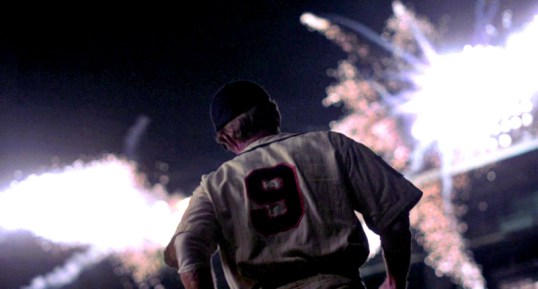
The good thing is that you only have to buy Redford as being a teenager for about 15 minutes. After he gets shot, Roy stops playing for several years. By the time Roy makes it to the major leagues, he’s supposed to be older than everyone else. No one gives Roy much of a chance when he’s first signed to the New York Knights. The other players (including Michael Madsen) don’t respect him and the manager (Wilford Brimley) refuses to play him. But when Roy Hobbs finally does get a chance to swing his home-made bat, he hits homer after homer. Roy is a natural, the next great player even if he is at an age when most players retire. A journalist (Robert Duvall) tries to uncover his background. A seductress (Kim Basinger) tries to lead him astray. A gambler (Darren McGavin) and the team’s owner (Robert Prosky) try to get him to throw the big game. Anyone who has watched a baseball game knows how it ends because we’ve all heard the music and seen that clip. But even if everyone knows how the story concludes, it’s impossible not to cheer when Roy gets a hit and to feel bad when he takes a strike. Redford may have been old for a baseball player but he looked good out there, swinging that bat and throwing that ball.
I loved The Natural. It’s extremely sentimental movie. Sometimes, it feels old-fashioned. That’s perfect for baseball, though. Baseball is a sentimental, old-fashioned game and the story of Roy Hobbs is what baseball is all about. The Knights are behind for most of the season. Roy hits a slump. But neither he nor the team ever give up because they know that baseball is a game of endurance. It’s not like football, where you just have to win 9 games to make it to the playoffs. Baseball is about never giving up, no matter what the score is. Even the movie’s supernatural aspects — the sudden storms, a lightning bolt hitting a tree and creating Wonderboy, and even Glenn Close looking like an angel in the stands — work because baseball is a mystical sport. It’s the closest thing we have to a spiritual sport.
You couldn’t make a movie like The Natural about football or basketball. Only the game of baseball could have given us The Natural.
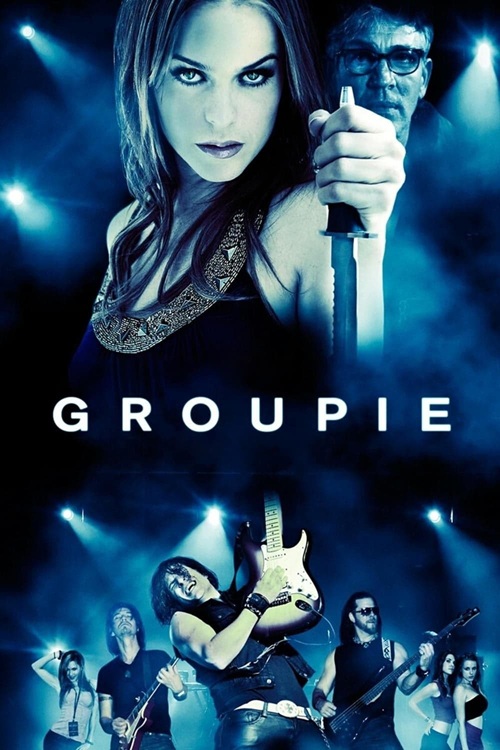
2010’a Groupie tells the story of the Dark Knights.
The Dark Knights are a legendary band with devoted fans. I’m not sure why because, from what we hear of their music, they really suck. I don’t mean that they suck in a funny deliberate way, like Spinal Tap. I mean, they literally suck. Maybe some of their popularity has to do with their habit of setting their lead singer on fire during their performances.
Unfortunately, during one performance, the fire gets out of control. There’s a panic in the club. A 16 year-old fan is stomped to death. A year later, The Dark Knights are ready to launch their comeback tour. And they’ve got a new groupie, Riley (Taryn Manning)! Riley likes to make death masks. Well, I guess everyone needs a hobby. Riley is also the sister of the fan who was stomped to death. She’s looking for revenge against the Dark Knights and their manager, Angus (Eric Roberts).
That this film appears to be based on a real-life tragedy (i.e. the Station Nightclub Fire) gives the whole film are rather icky sheen. Also adding to the film’s oddness is how straight-forward it is. Riley shows up. A mysterious killer strikes. Riley appears to be the killer and, hey — she is the killer! There’s no real attempt to create any sort of suspense or misdirection as to who the killer may be. That said, Taryn Manning is entertainingly unhinged and director Mark L. Lester keeps the action moving quickly.
As far as Eric Roberts is concerned, he plays a pretty sleazy character but he does so with good humor. Indeed, it’s hard not to have sympathy for Angus. While the band is busy setting things on fire, he’s the one who keeps the tour bus moving.
Previous Eric Roberts Films That We Have Reviewed:
In 2023’s If I Can’t Have You, Michelle (Bailey Kai) is the host of the hottest late night radio show in town but she’s been getting creepy phone calls from someone identifying himself as Curtis. Michelle and her producer (Gina Haraizumi) can’t get get any help from the cops (played by Jackee Harry and Tracy Nelson) so they decide to investigate on their own.
Who is Michelle’s stalker? Could it be the creepy guy (Michael Pare) who lives next door? Could it be their geeky engineer, Keith (Phillip McElroy)? Could it be Stan (Eric Roberts), the owner of the radio station who seems to be really determined to get them to change their time slot? Or could it be just some other random guy with too much time on his hands?
To give credit where credit is due, director David DeCoteau does manage to generate some suspense as to who the stalker actually is. I wouldn’t say I was exactly shocked when the stalker’s identity was revealed but DeCoteau still did a good job of giving us plenty of suspects to consider. That said, this is still a David DeCoteau film and the real pleasure of the film is spotting all of the standard DeCoteauisms. In this case, Joe’s Restaurant — previously seen in The Wrong Mr. Right — makes a return appearance.
In the end, this one isn’t as much fun as DeCoteau’s “Wrong” films. There’s no Vivica A. Fox saying, “Looks like you suspected the Wrong Stalker.” Still, it’s entertaining enough and Eric Roberts appears to have been in a good mood during filming.
Previous Eric Roberts Films That We Have Reviewed:
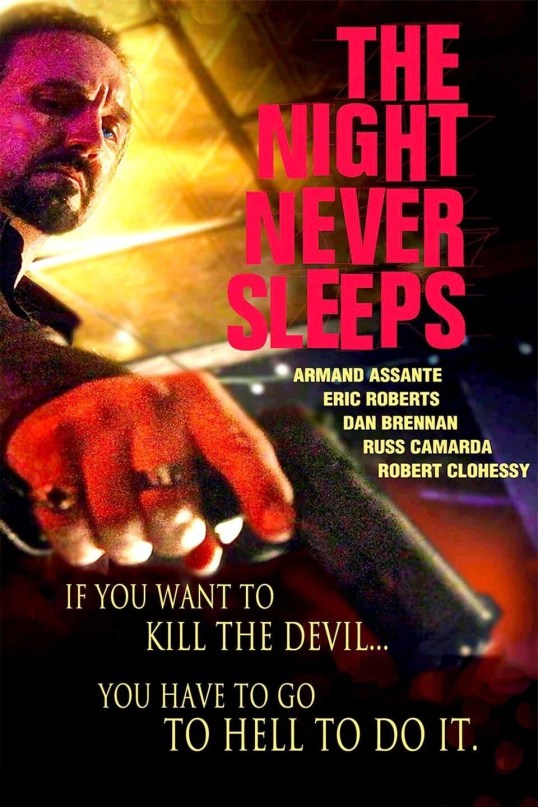
2012’s The Night Never Sleeps takes place over the course of one very long night in a New York city.
Sgt. Cavanaugh (Dan Brennan) is a tough and plain-spoken cop, the type who might not be great with pleasantries but who is a good enough policeman that he’s not going to let anyone stop him from avenging the deaths of the officers working under him. Each murder leads to Cavanaugh digging deeper and deeper into the city’s underworld. In between phone calls from his ex-wife (played by Eliza Roberts, wife of Eric) and meetings with the skeptical Inspector Romanelli (Armand Assante), Cavanaugh pursues a bloodthirsty hitman (Russ Camarda) and his boss.
The Night Never Sleeps is a low-budget police procedural, one that actually works far better than it has any right to. There’s hardly a cliche that isn’t present and there’s as few scenes where the nonstop “tough talk” verges on self-parody but the actors — especially Dan Brennan — all give good performances and the fact that the action was actually shot on location gives the film an appropriate gritty feel.
As for Eric Roberts, he plays a pimp whose cheerful manner hides a dangerous temperament. This is one of Roberts’s better cameo appearances. Not only does he seem to be invested in the performance but his character is also central to the plot. The film makes good use of Eric Robert’s off-center smile. On the one hand, he seems friendly, or at least as friendly as a pimp can be. On the other hand, there’s just enough fidgety nervousness beneath his amiable manner to indicate only as fool would turn their back on him.
The Night Never Sleeps is a flawed film but it still held my attention.
Previous Eric Roberts Films That We Have Reviewed:
“There comes a time when a man has to stand up and be counted.” — Zack Carey
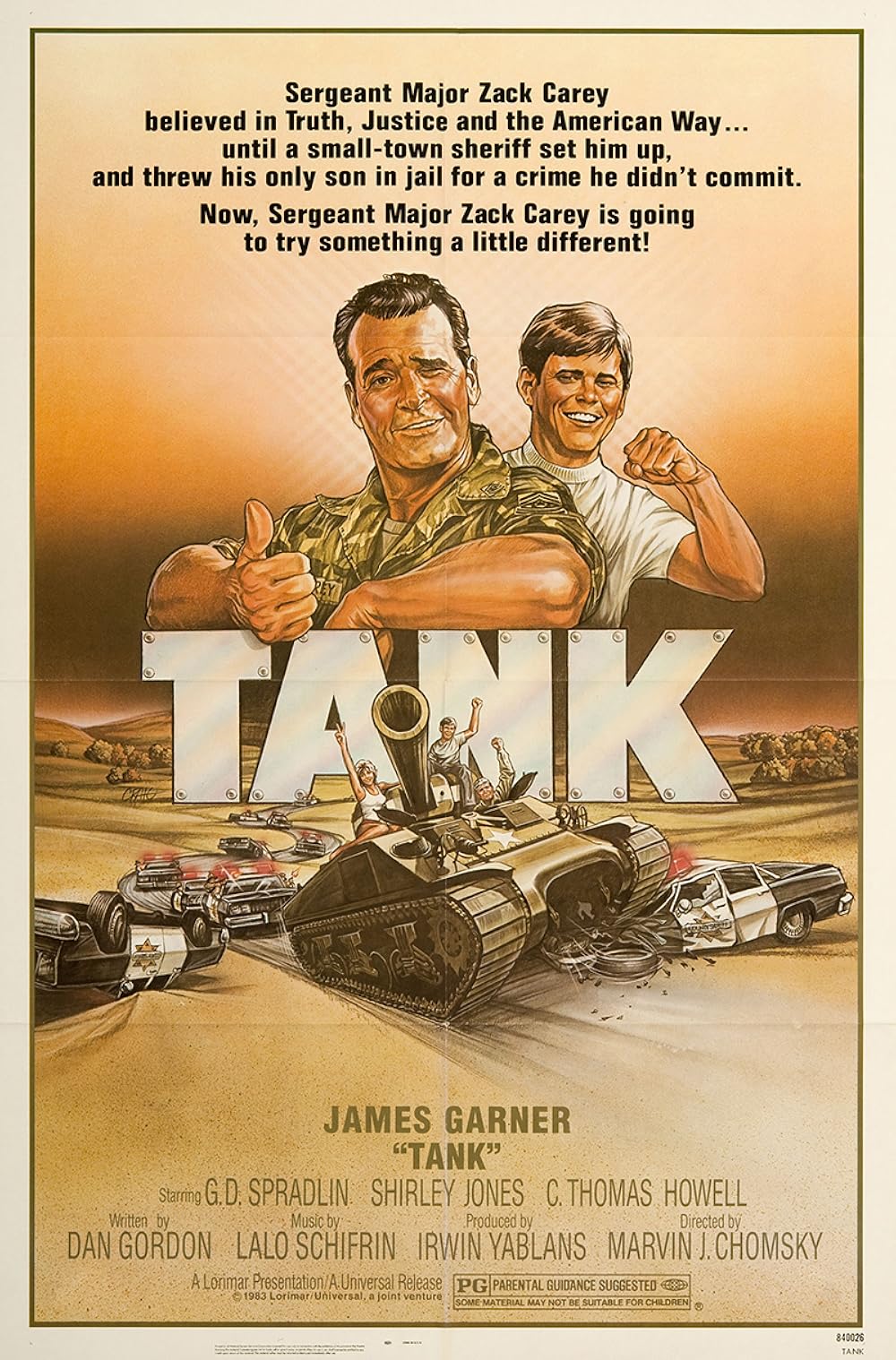
The 1984 action‑drama Tank is a small‑town parable dressed up as a military gimmick picture: an aging Army sergeant major, a battered old Sherman tank, and a corrupt sheriff. At its best, the film leans into James Garner’s quiet charisma and the absurdly specific “one man versus a whole county” premise; at its worst, it staggers under inconsistent tone and a plot that veers between heartfelt family‑drama and almost cartoonish vigilantism. Taken as a product of the early‑mid‑1980s, however, Tank holds up as a reasonably entertaining, if not especially deep, genre hybrid that works more through Gardner’s presence and a few solid set pieces than through psychological complexity or formal ambition.
James Garner plays Zack Carey, an Army sergeant major who moves his family to a small Georgia town near a training base, where he has acquired a battle‑worn M4A3 Sherman tank as a personal hobby and morale project. The setup is already a little out of the ordinary: an enlisted man whose side hustle is maintaining a World War II relic, while his wife LaDonna (played by Shirley Jones) quietly pushes back against the constraints of Army life and small‑town politics. The film’s opening stretches the believability of that scenario thin, but Garner’s easygoing authority and dry humor sell the idea that Zack is exactly the kind of practical, no‑nonsense soldier who would grow attached to a tank and treat it like a second family member. The script uses this setup to position the vehicle not just as hardware, but as a symbol of the character’s livelihood, dignity, and sense of duty.
The trigger for the conflict is an incident at a local bar, where Zack intervenes when a local deputy, who also moonlights as a pimp, roughs up a teenage prostitute named Sarah. The sheriff, Eugene Buelton (played with oily menace by C. Thomas Howell), is deeply corrupt and runs the town like a fiefdom, using his deputies to intimidate anyone who crosses him. When Zack’s teenage son, Billy, is later framed for a crime and thrown into a primitive prison camp, the fuse is lit. The film’s moral map is deliberately simple: Buelton is cartoonishly evil, Buelton’s deputies are unreliable tools of his will, and the Careys are painted as upright, essentially decent people caught in an unjust system. That simplicity works in Garner’s favor, because it lets the film focus on emotional stakes—father‑son loyalty, a wife’s fear for her family—rather than intricate political nuance.
What gives Tank much of its energy is the moment Zack decides to fight back with the only weapon he truly controls: his Sherman. The image of a lone, aging non‑commissioned officer rolling down country roads in a clanking World War II tank is inherently cinematic, and director Marvin J. Chomsky milks it for both action and symbolism. The scenes where Zack smashes through the sheriff’s office, disrupts the local jail, and later drives straight into the work farm to free Billy are played with a pulpy, almost comic‑strip bravado. The tank becomes a rolling moral absolutist: clumsy, loud, and impossible to ignore, cutting through the town’s layers of bureaucracy and intimidation in a way that mirrors Zack’s own frustration with a justice system that refuses to protect his son. The film’s action sequences are not particularly innovative by modern standards, but they benefit from the authenticity of the M4A3 and the straightforward choreography that lets the vehicle feel like a physical presence rather than a CGI abstraction.
Where Tank runs into trouble is in its fluctuating tone and some of its secondary choices. The subplot involving Sarah, the teenage prostitute, is handled with mixed success. On one hand, it adds a layer of social commentary about exploitation and small‑town complicity; on the other, it sometimes feels tacked on, introduced more as a narrative convenience than a fully developed character arc. The film wants to position her as a sympathetic victim who finds a kind of makeshift family inside the tank, but the material doesn’t dive deep into her background or inner life, leaving her more of a device than a rounded personality. This uneven handling reflects a broader issue: the movie vacillates between being a gritty crime drama, a family‑centric tearjerker, and a lighthearted action‑comedy. At times it feels like a made‑for‑television movie with a slightly bigger budget, hit by the same kind of tonal indecision that often plagued mid‑tier 1980s genre pictures.
Garner’s performance is the single element that keeps Tank consistently watchable. His Zack Carey is neither a cartoon hero nor a brooding anti‑hero; he’s a working‑class soldier approaching the end of his career, tired of compromise and willing to push back when pushed too far. Garner underplays the action‑hero theatrics, relying instead on quiet resolve, a dry sense of humor, and a lived‑in weariness that makes Zack feel like someone you might have actually met in an Army post or small town. Shirley Jones, as his wife, brings a grounded warmth to the domestic scenes, and the dynamic between Zack and his son Billy feels occasionally sentimental but never entirely false. The relationship between father and son anchors the film’s more outlandish elements, turning the tank chase into a visible metaphor for a father’s desperation to protect his child in a system that treats both as expendable.
Visually, Tank is workmanlike rather than stylish. The Georgia countryside is shot in broad daylight, with an emphasis on wide shots that showcase the tank moving through fields, back roads, and small towns. The tank itself is the film’s most vivid visual motif, a hulking, almost anachronistic machine that looks slightly out of place in a 1980s setting, yet somehow believable as the relic of a bygone era carried forward by a man who still believes in clear‑cut notions of right and wrong. The production favors practical effects and real locations over glossy stylization, which gives the material a modest, sometimes cheap‑looking quality but also lends it a concrete, lived‑in feel. The score, composed by Lalo Schifrin, adds a number of flavors—military marches, light jazz, and even a faintly disco‑tinged theme—further underscoring the film’s genre‑mixing instincts without always achieving cohesion.
Thematically, Tank leans heavily on the idea of individual resistance against corrupt authority. The sheriff’s abuse of power, the rigged legal process, and the near‑absence of any higher‑level oversight all feed into a classic American underdog narrative: one man, one tank, and a small band of allies taking on a system that has long since stopped pretending to be fair. The film stops short of overtly political commentary, but it clearly sympathizes with the notion that ordinary people sometimes have to go outside official channels when those channels are rigged against them. At the same time, the movie softens its edges with a crowd‑pleasing finale that reframes Zack and his allies as folk heroes, welcomed by a gathering of onlookers at the Tennessee border. This turn toward feel‑good spectacle undercuts some of the grittier implications of the earlier material, but it also fits the early‑1980s appetite for triumphant, crowd‑friendly resolutions.
As a time capsule of 1980s genre filmmaking, Tank is more interesting than it is groundbreaking. It is neither a forgotten masterpiece nor a laughably bad curio; it sits somewhere in the middle, powered by James Garner’s steady presence and the appealingly simple conceit of a World War II tank as a one‑man war machine. The film’s weaknesses—a schematic morality play, uneven tone, and underdeveloped secondary characters—are real, but they don’t completely erase its modest strengths. If viewed as a straightforward, mid‑tier action‑drama with a strong central performance and a memorable mechanical co‑star, Tank emerges as a fair, unpretentious, and occasionally rousing piece of 1980s entertainment.
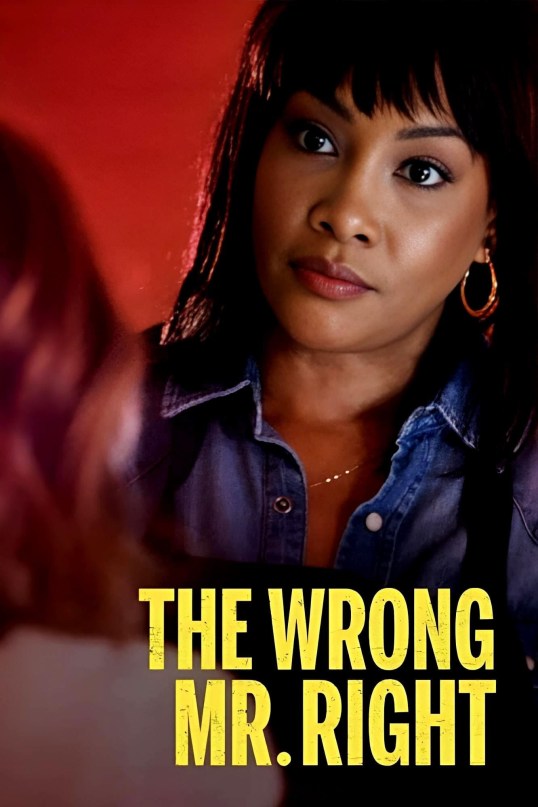
“Girl, you picked the wrong Mr, Right,” Sandra (Vivica A. Fox) says towards the end of 2021’s The Wrong Mr. Right and she’s absolutely correct.
Sandra’s best friend is Tracy (Krista Allen), whose new boyfriend Paul (Rob Hillis) has recently moved into her huge home. (The house should be familiar to anyone who has seen a David DeCoteau film.) Tracy’s daughter, Jessica (Anna Marie Dobbins), is suspicious of Paul and she has every right to be. Paul is not only a con artist and a murderer but he’s also so dumb that he leaves a box full of all the evidence of his wrong doings sitting in his office, where anyone could easily find it and go through it.
In general, I enjoy the “Wrong” films but I have to admit that even I couldn’t suspend my disbelief long enough to buy that Tracy would not only trust Paul but also continue to trust him even after it was revealed that his name was actually Michael O’Neill. I shared Jessica’s frustrations and, to her credit, Anna Marie Dobbins went through the film with a “What the heck!?” expression on her face that made Jessica very relatable.
The usual DeCoteau suspects all make appearances in this film. Dominique Swain, Meredith Thomas, Kirstine DeBell, and Michael Gaglio all have small roles. Best of all is Eric Roberts, who plays a jaunty private detective. He doesn’t get much screentime but this is still one of Roberts’s better cameo appearances. I’m going to guess that he must have been in a good mood on the day he shot his scenes. His character is definitely one of the highlights of the film.
In closing, I should mention that this film takes place in Texas. While I’m pretty sure that the house was located in Canada, there were at least a few scenes that were apparently shot in Austin. That was nice to see. The Wrong films are branching out!
Previous Eric Roberts Films That We Have Reviewed:
“You call it tradition. I call it rich people practicing murder.” — Grace
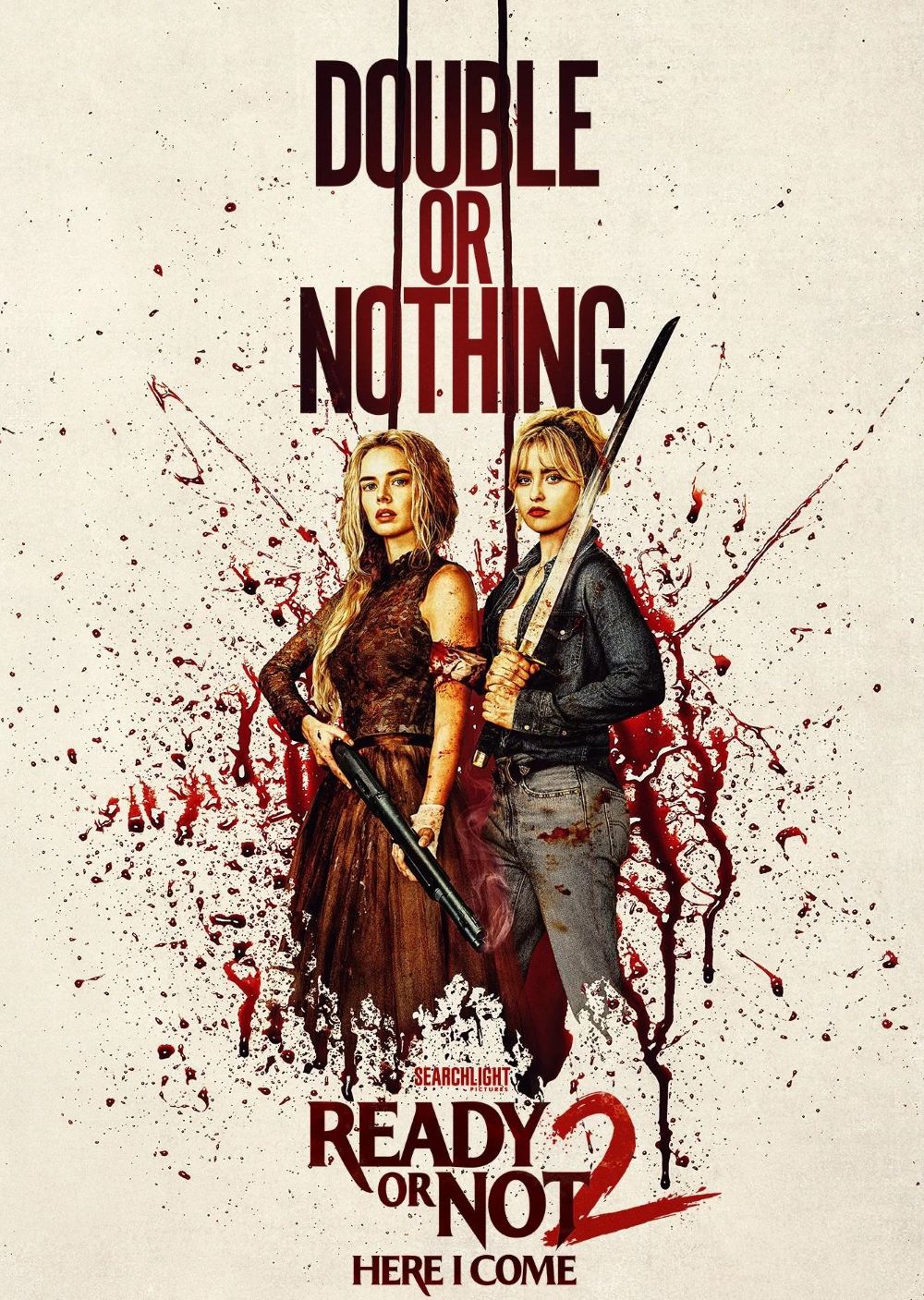
Ready or Not 2: Here I Come returns to the savage, high‑class dystopia of the Le Domas bloodline with a more manic, more crowded, and far bloodier version of the original’s “game‑night‑from‑hell” premise. Picking up years after the events of Ready or Not (2019), the film keeps Samara Weaving’s Grace at the center but expands the stakes beyond one family’s cursed estate into a loose oligarchy of ultra‑rich cultists, each with their own warped sense of tradition and entitlement. The result is a horror‑comedy that feels less like a slow‑burn ambush and more like a running, blood‑slicked marathon, where the line between satire and spectacle blurs but rarely collapses.
What distinguishes Ready or Not 2: Here I Come from many sequels is how deliberately it both leans into and pushes past the formula that made the first film such a cult hit. Rather than replay a single night of hide‑and‑seek in a shuttered mansion, this chapter sends Grace and her newly introduced estranged sister Faith (played by a suitably frazzled and sardonic Kathryn Newton) hurtling through multiple estates, country clubs, and private compounds, each governed by its own set of sadistic rules. The “game” is no longer a one‑family ritual but a broader network of wealthy families that have weaponized occult tradition as a way to justify their casual cruelty. This widening of the universe gives the film a more sprawling, almost procedural feel, as if the audience is being dragged through a gauntlet of different flavors of rich‑person depravity.
The script’s decision to pair Grace with another female lead is one of the film’s stronger creative choices. The strained sibling dynamic between Grace and Faith mirrors the original’s examination of family, but through a more grown‑up, emotionally messy lens. Their bickering and reluctant cooperation prevents Grace from simply repeating the same resilient‑final‑girl schtick; instead, she becomes a kind of worn‑out mentor forced to drag someone else into the nightmare she barely survived. The sisters’ chemistry—equal parts snark, vulnerability, and grudging solidarity—stops the film from devolving into pure nihilism and keeps the audience invested in their survival, even when the body count around them threatens to overwhelm the narrative.
Visually, Ready or Not 2 leans harder into its gore‑buff aesthetic than the first film did. The kills are more elaborate, more inventive, and frankly more grotesque, with set‑pieces involving everything from industrial kitchen equipment to ritualized animal sacrifice and spiked pits. Director Matt Bettinelli‑Olpin and Tyler Gillett, collectively known as Radio Silence, understand that the franchise’s appeal lies as much in its darkly comic carnage as in its social commentary, and they lean into that balance with gusto. The camera lingers on the absurdity of seeing millionaires in bespoke suits and designer gowns being dismantled in grotesque, almost slapstick fashion, which heightens the film’s “eat‑the‑rich” subtext without feeling like a lecture. The horror is still visceral, but it’s also frequently absurd, which fits the tone they’ve established since the original.
The escalation of violence, however, is also the film’s most obvious point of tension. Some of the more extreme set‑pieces verge on the gratuitous, and the pacing occasionally stumbles when the movie pauses between massacres to re‑establish lore or introduce new cult families. Not every supporting antagonist lands with the same impact as the original Le Domas clan; a few of the new patriarchs and matriarchs feel more like walking punchlines than genuinely threatening presences. The film compensates by front‑loading its energy with early, high‑impact kills and goofy one‑liners, but there are stretches where the plot feels like it is waiting for the next big set‑piece rather than organically building toward it.
One of the more interesting additions to the cast is Sarah Michelle Gellar, who pops up in a mid‑film role that taps into genre‑fan nostalgia while also deepening the film’s exploration of complicity and corruption. Gellar’s character is not the altruistic hero she personified in earlier horror‑adjacent roles; instead, she embodies a kind of jaded, self‑interested survivor who has learned to weaponize the same systems of privilege that the Le Domas exploited. Her presence calls attention to the cyclical nature of abuse and privilege in the film’s world: evil tendencies don’t disappear with one family’s downfall; they simply migrate to the next generation of the wealthy and powerful. This commentary on systemic rot is not subtle, but it also doesn’t feel out of place in a franchise that has always mixed political anger with slapstick brutality.
Where Ready or Not 2 arguably falters is in its structural confidence. The original film’s strength lay in its tight runtime and single‑location claustrophobia; the sequel’s sprawling geography and ensemble of killers make it feel looser and more episodic. The middle section in particular risks feeling like a series of vignettes tied together more by tone than by forward momentum. Some of the attempted twists and revelations toward the end rush past the audience before they can fully land, and there is at least one late‑stage development that feels less like a surprise and more like a contractual obligation to franchise‑building. The film clearly wants to set up a possible trilogy, but in doing so it occasionally sacrifices the emotional and narrative payoff that would make its closing sequences truly memorable.
Even with these flaws, the core appeal of Ready or Not 2: Here I Come remains intact. Samara Weaving continues to command the screen with a mix of physical toughness and wounded intelligence, and she’s paired here with a credible foil in Kathryn Newton who pushes her character into new emotional territory. The film also maintains the sharply satirical DNA of its predecessor, using its murderous rituals as a funhouse‑mirror reflection of real‑world conversations about wealth, inheritance, and generational trauma. The kills are over‑the‑top, the politics are broad, and the pacing is uneven, but the movie never loses sight of what it wants to be: a darkly comic splatterfest that lets audiences cheer for the underdog while watching the decadent one percent spectacularly implode.
There’s several reasons I love this scene but mostly it just comes down to the fact that it captures the explosive energy that comes from watching a live performance. Larry Marshall (who plays Simon Zealotes) has one of the most fascinating faces that I’ve ever seen in film and when he sings, he sings as if the fate of the entire world depends on it. That said, I’ve never been sold on Ted Neely’s performance as Jesus but Carl Anderson burns with charisma in the role of Judas.
Mostly, however, I just love the choreography and watching the dancers. I guess that’s not that surprising considering just how important dance was (and still is, even if I’m now just dancing for fun) in my life but, to be honest, I’m probably one of the most hyper critical people out there when it comes to dance in film, regarding both the the way that it’s often choreographed and usually filmed. But this scene is probably about as close to perfect in both regards as I’ve ever seen. It goes beyond the fact that the dancers obviously have a lot of energy and enthusiasm and that they all look good while dancing. The great thing about the choreography in this scene is that it all feels so spontaneous. There’s less emphasis on technical perfection and more emphasis on capturing emotion and thought through movement. What I love is that the number is choreographed to make it appear as if not all of the dancers in this scene are on the exact same beat. Some of them appear to come in a second or two late, which is something that would have made a lot of my former teachers and choreographers scream and curse because, far too often, people become so obsessed with technical perfection that they forget that passion is just as important as perfect technique. (I’m biased, of course, because I’ve always been more passionate than perfect.) The dancers in this scene have a lot of passion and it’s thrilling to watch.
“This is some Lord of the Rings bullshit!” — Grace
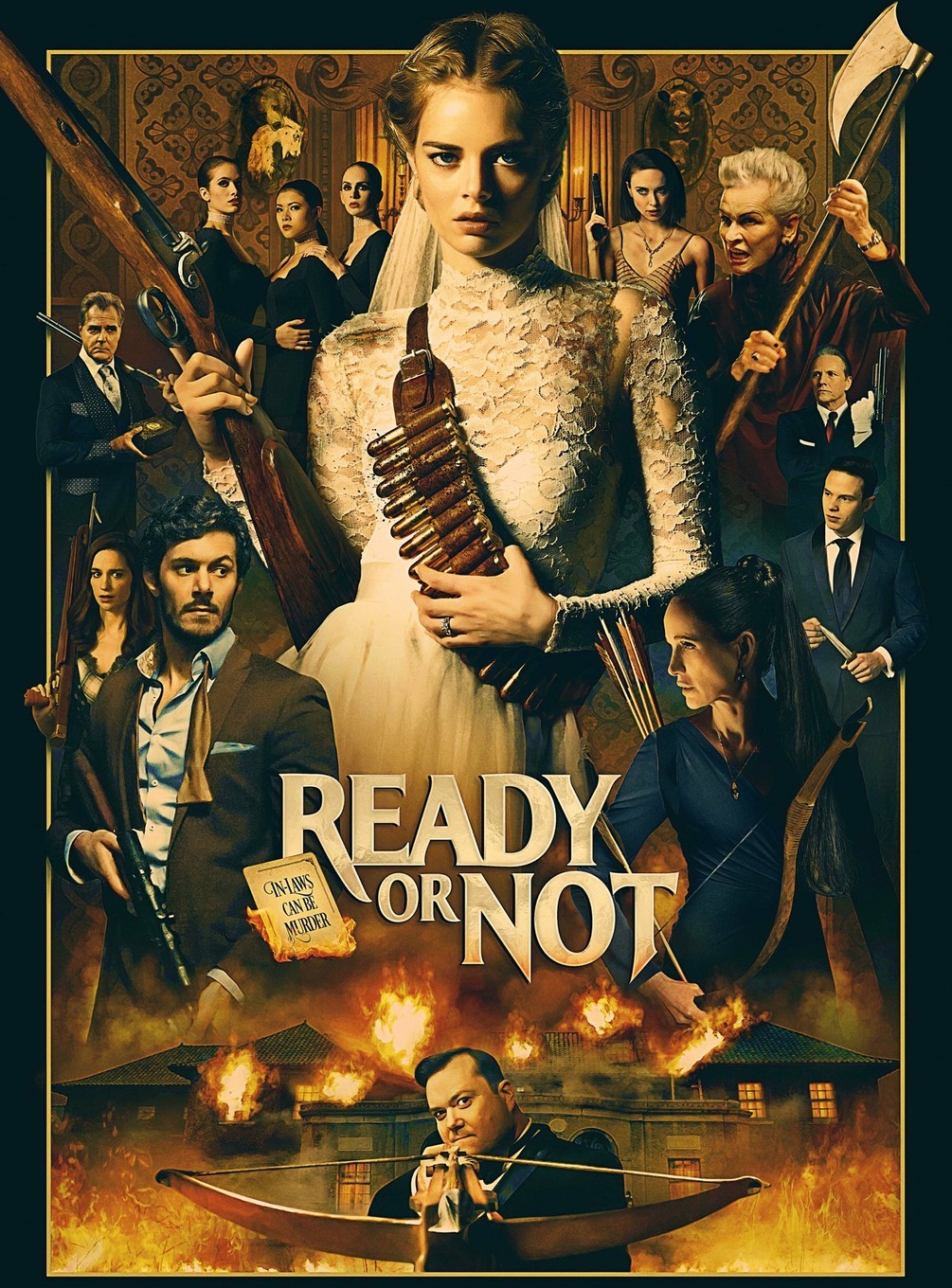
Ready or Not is a sharp, nasty, and often very funny horror-comedy that turns a nightmare wedding into a vicious class satire. It works best when it embraces its wild premise with full confidence, even if some of its deeper ideas are only lightly explored.
Directed by Tyler Gillett and Matt Bettinelli-Olpin, the film follows Grace, played by Samara Weaving, on what should be the happiest night of her life, only for her new in-laws to force her into a lethal game of hide-and-seek. That setup is simple, but it gives the movie a strong engine: one part survival thriller, one part dark comedy, and one part social commentary about money, power, and inherited privilege. The elegance of the concept is that it does not need much explanation to be effective, because the rules are clear, the stakes are immediate, and the movie wastes little time before letting the chaos begin.
The biggest strength of Ready or Not is Samara Weaving’s performance. Grace is written as someone who feels believable under pressure, which matters because the film asks her to go through absurd, increasingly brutal scenarios while still retaining her humanity. Weaving handles the tonal balancing act extremely well, moving between fear, frustration, disbelief, and darkly comic determination without losing the character’s core. She gives the film an emotional anchor, and without that, the movie would risk becoming just another splatter-heavy genre exercise.
The supporting cast also deserves credit because the Le Domas family is not just rich, but memorably awful in different ways. Adam Brody, Andie MacDowell, Henry Czerny, and the rest of the ensemble help create a household that feels polished on the surface and rotten underneath. Their performances are broadly heightened, but that fits the movie’s tone. The family’s panic, incompetence, and stubborn devotion to tradition become part of the joke, and the film gets a lot of mileage out of watching these people unravel while trying to appear dignified.
Tonally, the movie is strongest when it leans into the tension between horror and comedy. The violence is graphic, but the film rarely treats gore as the whole point; instead, it uses bloodshed as part of a larger joke about entitlement and ritual. That gives the movie a mischievous energy. It wants you to laugh at the absurdity of the situation while still feeling the danger, and for the most part it succeeds. The pacing is also a real asset, since the film avoids spending too long on setup and gets to the conflict quickly. Once the game begins, it keeps finding new ways to escalate the mayhem.
Thematically, Ready or Not is clearly aiming at class resentment and inherited wealth, and that angle gives the film bite. The Le Domas family represent old money, secrecy, and self-preserving tradition, and the movie uses their ridiculous customs to expose how fragile that world really is. There is a satirical edge to how the film portrays privilege as both absurd and dangerous, especially when the family’s traditions are treated with near-religious seriousness. At the same time, the movie is not especially subtle about this, and that can be either a strength or a limitation depending on what you want from it.
That lack of subtlety is one of the film’s few weaknesses. The “eat the rich” angle is easy to understand, but it is not always developed with much nuance, and some viewers may wish the script pushed its social ideas further. The mythology behind the family’s tradition is also deliberately loose, which helps the movie stay nimble but can make the lore feel less important than the film suggests it should be. In addition, the third act gets increasingly outrageous, and while that is part of the fun, not every twist lands with the same force. A few viewers may find the ending more satisfying than the logic that gets it there.
Even so, the film’s swagger largely carries it through those rough spots. Ready or Not understands that tone is everything in a movie like this, and it keeps its balance surprisingly well for something so gleefully chaotic. It is gory without becoming tedious, funny without undercutting the danger, and mean-spirited without losing sympathy for its lead. That is not an easy combination to pull off, and the filmmakers deserve credit for making the material feel brisk and controlled rather than sloppy or overextended.
What makes Ready or Not memorable is that it knows exactly what kind of movie it is. It is not trying to be profound in the heavy, prestige-drama sense, but it is smarter than a simple bloodbath and more disciplined than a pure shock machine. Its pleasures come from its energy, its attitude, and its willingness to let a ridiculous premise keep escalating without apology. The result is a horror-comedy with enough style, bite, and performance power to remain entertaining even when its thematic ambitions are a little broader than deep.
In the end, Ready or Not is a highly watchable genre piece with a terrific lead performance, a savage sense of humor, and a premise that stays potent from beginning to end. It is not perfect, and its satire can feel a little blunt, but it delivers exactly what it promises: a tense, bloody, darkly funny ride through a family dinner from hell.
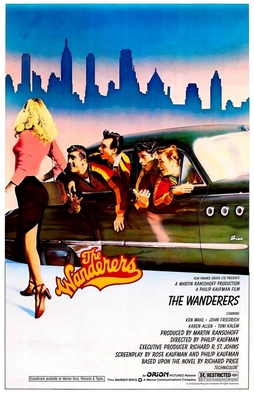 In 1963, teenage Richie Gennaro (Ken Wahl) may not be much of a high school student but he’s the coolest kid on his block. He’s the leader of the Wanderers, an Italian-American street gang. Among his friends are the neurotic Joey (John Friedrich), Turkey (Alan Rosenberg), and Perry (Tony Ganios — yes, Meat from Porky’s), who has just moved to the Bronx but whose height and ability to fight makes him a key member of the Wanderers. Richie dating Despie (Toni Kalem), the daughter of the local mob boss (Dolph Sweet). However, when Richie meets Nina (Karen Allen), he wonders if there’s something more out there than just spending the rest of his days in the Bronx.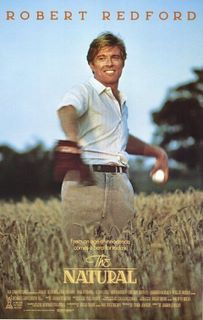

 Through the Shattered Lens