When the population of a small frontier town all sign a petition asking that the governor name their town the new county seat, the petition is stolen by outlaw Cherokee (George “Gabby” Hayes). Cherokee substitutes a different petition requesting a pardon for a member of his gang, The Nevada Kid (Bob Steele).
The Nevada Kid gets his pardon, is released from prison, and returns to the town. No one is happy to see him, even though he says that he has changed his ways. Even if the pardon was gotten through illicit means (which the Nevada Kid himself knew nothing about), the Kid still says that he’s going to take advantage of his second chance. When Chereokee and the gang start to demand that the Nevada Kid once again work with them, Nevada gets his chance to show whether or not he’s really left being an outlaw behind.
I never expect much from these Poverty Row westerns but The Nevada Buckaroo, despite having not a great title, is actually pretty good. A very young-looking Bob Steele gives a good performance as the Nevada Kid and George Hayes show that, before he became everyone’s favorite sidekick, he was capable of being a very intimidating actor. The movie actually has something to say about trust, community, and second chances.
I don’t know much about director John P. McCarthy and I think this is the first of his films that I’ve seen. He and cinematographer Faxon M. Dean put together a film that looks infinitely better than the average B-western. That was obvious with even the grainy print that I watched. The final shot, of the Nevada Kid riding into the sunset, is a perfect western image.
“But sometimes you just gotta suck it up. Push through, right? Even when you’re super scared.” — John Garrity
Greenland is one of those disaster movies that sneaks up on you a bit. It sells itself like another “stuff blows up while Gerard Butler scowls” kind of ride, but what’s actually on screen is a more grounded, road-trip survival story about a fractured family trying to stay together as the world quietly ends in the background. Originally slated for a wide theatrical release, the film dropped right as the COVID pandemic shutdown began in early 2020, forcing theaters to close and tanking its box office hopes before it even started. That quick pivot to video-on-demand and streaming services gave it a real second life though, letting it find an audience at home when everyone was hunkered down, doomscrolling real-world chaos that felt eerily similar to the on-screen panic. It’s not a genre reinvention, but it’s a solid entry that balances tense set pieces with surprisingly sincere family drama, even if it leans hard on contrivances and some uneven effects along the way.
The setup is simple: John Garrity (Gerard Butler), his estranged wife Allison (Morena Baccarin), and their young son Nathan are thrown into chaos when a supposedly “spectacle only” comet called Clarke turns out to be a civilization-ending event. The family receives a government alert selecting them for evacuation, which kicks off a desperate scramble through crowded bases, riots, and crumbling infrastructure as they try to get to a classified bunker system in Greenland before impact. The structure is very much “point A to point B with escalating obstacles,” and if you’ve seen any road-movie apocalypse story, you can probably predict the broad strokes: separation, dangerous strangers, moral compromises, last-minute reunions, and a hopeful-but-not-too-happy ending.
What makes Greenland stand out, at least compared to louder fare like Geostorm or the Emmerich filmography, is the way it shrinks the perspective down to the family level. The script keeps the camera glued to people on the ground instead of spending time with scientists in war rooms or presidents giving big speeches, so the apocalypse feels like a series of frightening news alerts and glimpses of distant fire instead of a nonstop CGI showreel. That choice works in the film’s favor; the tension comes less from “how big is the explosion?” and more from whether this specific kid gets his medication in time or whether this specific couple makes it through a checkpoint together.
Gerard Butler reins in his usual action-hero mode and plays John as a somewhat worn-down, very fallible guy who’s been messing up at home long before the comet showed up. He’s not the indestructible savior archetype; he panics, he makes mistakes, and he ends up in violent situations that feel ugly instead of triumphant, especially during a grim sequence on a truck full of evacuees where a man tries to take his wristband and everything spirals. Butler’s limited but believable emotional range works here, and you can see why some viewers singled this out as one of his better recent performances in a genre that usually just uses him as a gruff mascot.
Morena Baccarin gets a bit more to play than disaster-movie wives usually do, which is a pleasant surprise. Allison’s arc runs parallel to John’s for large chunks of the film as she navigates looters, manipulative would-be rescuers, and the absolute nightmare scenario of having her child kidnapped by a couple trying to pass him off as their own to gain access to evacuation flights. Baccarin sells the mix of desperation and competence; she’s constantly stuck in situations where the “right” moral call is murky, but the film never reduces her to someone who just waits around for John to fix things.
The emotional spine of the story rests on the family dynamic and the small, very human interactions they have with strangers along the way. You get scenes with compassionate people—like the FEMA workers who listen to Nathan when he insists he’s been kidnapped—that remind you the apocalypse doesn’t instantly turn everyone into a villain, even as the script also leans into the uglier side of survival instinct. That push and pull between kindness and cruelty keeps Greenland from feeling completely nihilistic, and it lines up with the recurring idea that the real threat is less the comet itself than what people are willing to do to outrun it.
On the disaster side of things, the film works with a mid-sized budget, and you can feel that restraint in both good and bad ways. When the CGI is kept at a distance—comet fragments streaking across the sky, distant impacts lighting the horizon, a sudden shockwave rolling through a neighborhood—it does a solid job of selling scope without drawing too much attention to its limitations. Up close, though, the seams show: some of the destruction shots and digital fireballs look cheap, which undercuts moments that are clearly meant to be awe-inspiring or terrifying, something multiple viewers have criticized as “not consistently convincing CGI effects.”
Pacing-wise, Greenland rarely slows down, which is both a strength and a drawback. The film opens with domestic tension and immediately starts ratcheting things up: news of impacts, sudden evacuation notices, airport chaos, violent confrontations, and constant travel. That forward momentum keeps the film from dragging, but it also leads to what some viewers see as “too many plot twists and always new obstacles to overcome,” a sense that the script keeps piling on one more crisis just to keep the adrenaline high.
Because the film tries to have it both ways—grounded survival and genre thrills—it occasionally betrays its own realism. The amount of coincidence needed to reunite characters after brutal separations, or to get the family to exactly the right airfield and exactly the right plane, feels contrived even by disaster-movie standards. By the time the story reaches its final act in Greenland, complete with last-minute sprinting toward bunkers while the worst of the comet hits, you can feel it edging closer to the “unfortunately genre-typical heroic towards the end” vibe that some reviewers pointed out.
Where Greenland does feel a bit different from many peers is in tone. It’s not quippy, it’s not self-aware, and it does not pause for big “cool” shots of landmarks getting obliterated just for spectacle. The destruction is mostly glimpsed from the vantage point of regular people, via news broadcasts or distant views, which makes the apocalypse feel weirdly more intimate and plausible, like something you’d doomscroll rather than watch unfold from a helicopter. That seriousness is refreshing if you’re tired of disaster movies that treat mass death as a theme park ride, but it also means the film can come off as dour if you were hoping for more escapist fun.
Reception-wise, Greenland landed in that “better than expected, still not amazing” territory with both critics and audiences. Some viewers praised it as “one of the best disaster movies” of recent years specifically because it prioritizes human drama over “weightless CG spectacle,” calling out how tense and emotionally engaging the smaller-scale approach feels. Others shrugged it off as “usual disaster film fare,” pointing to its predictable structure, familiar character beats, and lack of a truly clever story, saying it’s fine for passing time but not particularly memorable. Its streaming surge during lockdowns only amplified word-of-mouth, turning what could’ve been a forgotten theatrical casualty into a go-to comfort scare for pandemic viewers craving controlled chaos.
Ultimately, Greenland sits in a comfortable middle lane. It’s not trying to reinvent the genre, and it doesn’t fully escape its clichés, but it does care more about its characters than its body count, and that goes a long way. If you go in expecting a grounded, on-the-road family survival story with occasional bursts of large-scale chaos, the film mostly delivers, bolstered by committed performances from Butler and Baccarin and a tone that takes the end of the world just seriously enough. If you’re looking for jaw-dropping effects or a genuinely surprising narrative, it will probably feel like a solid, slightly grim, one-and-done watch that does its job and quietly exits before wearing out its welcome—especially resonant for those who caught it streaming while the real world felt a little too apocalyptic itself.
“Heaven and Hell are right here, behind every wall, every window, the world behind the world. And we’re smack in the middle.” — John Constantine
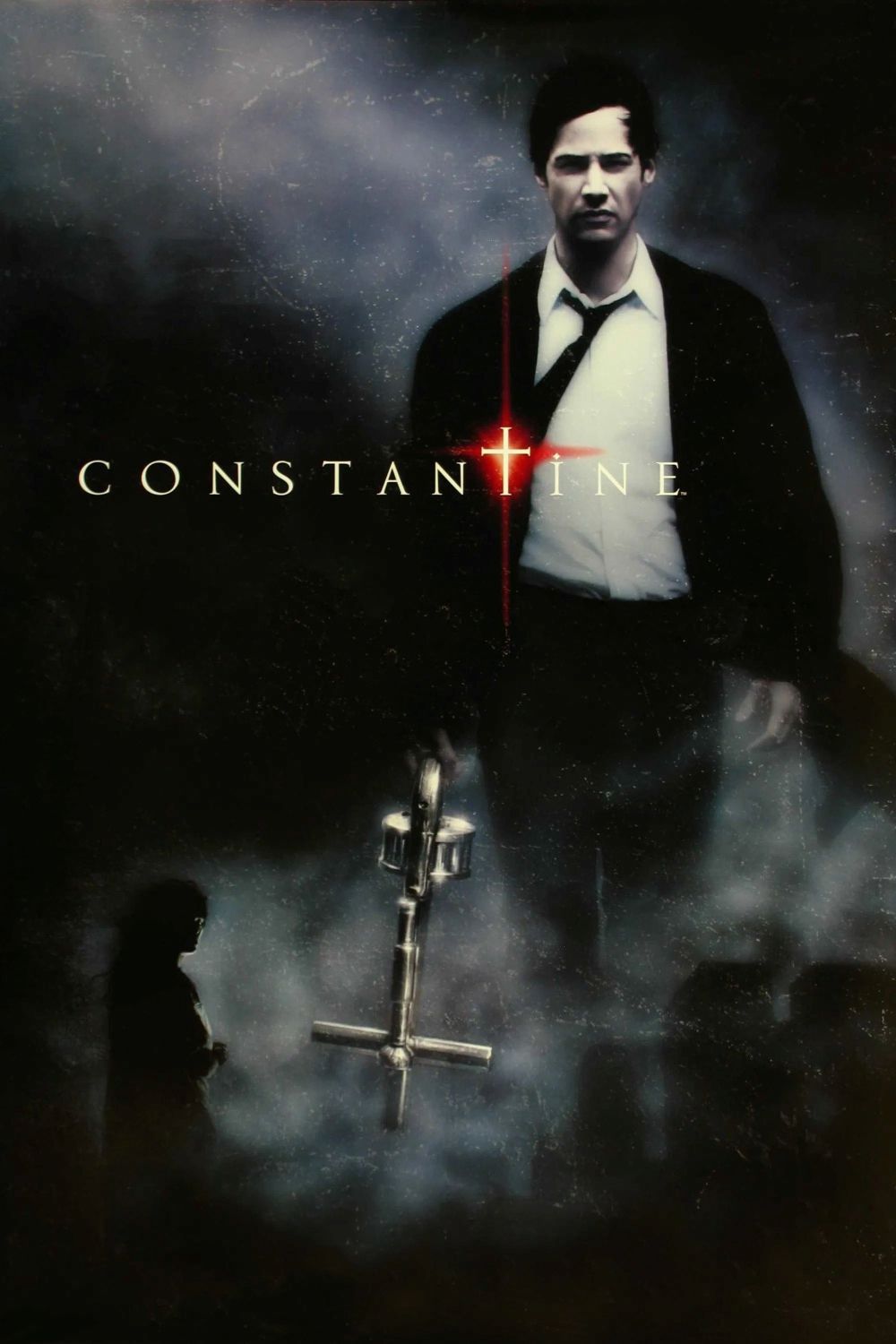
Constantine is one of those mid-2000s comic book adaptations that never quite hit mainstream classic status but has quietly built a loyal cult following, and it is pretty easy to see why once you revisit it. On the surface it is a supernatural action movie about a chain‑smoking exorcist stomping demons in Los Angeles; underneath, it is wrestling with guilt, faith, and whether redemption is even possible for someone who does not think they deserve it. The film is messy in spots but strangely compelling, and that tension between pulpy cool and spiritual angst is a big part of its charm.
Keanu Reeves plays John Constantine as a tired, bitter man who has seen way too much of both Hell and humanity to have patience for either. This version of Constantine is loosely adapted from DC’s Hellblazer comics, but the film leans into a distinctly Hollywood noir vibe: he is not a wisecracking British punk in a tan trench coat so much as a burnt‑out L.A. exorcist in a black suit who chain‑smokes like it is a survival mechanism. That shift understandably annoyed some comic fans, but taken on its own terms, this Constantine works. Reeves’s usual reserved style actually fits a guy who has emotionally checked out; he moves through scenes like someone who has accepted that his life is transactional and almost over, and there is something darkly funny about how little awe he shows when confronted with angels and demons. Even when the script gives him on‑the‑nose lines about damnation, he plays them with a kind of deadpan resignation that keeps the character from turning into a parody.
The basic setup is simple enough: Constantine can see “half‑breeds,” angelic and demonic entities who nudge humanity toward good or evil while technically obeying a truce between Heaven and Hell. As a child, he tried to kill himself because of these visions, and that suicide attempt has doomed his soul to Hell. Now he works as a freelance exorcist, trying to earn his way back into God’s good graces, not out of pure faith but out of sheer self‑preservation. That dynamic gives the movie a strong hook—this is a protagonist who is doing the “right” thing for profoundly self‑centered reasons. When he gets pulled into a mystery involving a police detective, Angela (Rachel Weisz), investigating her twin sister’s apparent suicide, the film folds in a noirish murder case, religious prophecy, and a scheme that could break the balance between Heaven and Hell. It is all a bit overstuffed, but there is a certain pleasure in how seriously the movie commits to its supernatural mythology.
Visually, Constantine is where the film really separates itself from a lot of its contemporaries. Director Francis Lawrence leans hard into a grungy, stylized urban Hellscape—Los Angeles feels damp, sickly, and spiritually polluted even before anyone literally steps into Hell. When Constantine does cross over, Hell is portrayed as a blasted version of our world, frozen in an eternal atomic blast, buildings shattered and howling winds full of ash and debris. It is not subtle, but it is memorable, and many of the images still hold up surprisingly well for a 2005 effects‑heavy movie. The demon designs are gnarly without becoming cartoonish, the exorcism sequences have a tactile, physical quality, and the movie uses practical effects and lighting cleverly to smooth over the limitations of its CG. Even small visual touches—like holy relics turned into weapons or tattoos used as mystical triggers—help sell the idea that this world is saturated with hidden religious warfare.
The cast around Reeves does a lot of heavy lifting. Rachel Weisz brings warmth and vulnerability to Angela, grounding the story whenever it threatens to float away in theological technobabble. Her dual role as both Angela and her deceased twin gives the plot some emotional weight beyond cosmic stakes. Tilda Swinton’s Gabriel is one of the film’s secret weapons: androgynous, cool, and quietly menacing, Gabriel feels alien in a way that fits an angel who has spent too long watching humans from a distance. Then there is Peter Stormare’s Satan, who shows up late in the game and somehow steals the entire third act with a performance that is gleefully gross and oddly charismatic; his version of Lucifer is barefoot, in a white suit stained with tar, amused and disgusted by Constantine in equal measure. These performances keep the movie watchable even when the script gets tangled in its own mythology.
Tonally, Constantine lives in an odd space between horror, action, and supernatural thriller. On one hand, it has jump scares, grotesque demons, and a very dark sense of humor. On the other, it features extended action beats where Constantine straps on a holy shotgun and goes demon hunting like a paranormal hitman. The film is at its best when it leans into slow‑burn dread and eerie atmosphere—scenes like the early exorcism or Angela’s first encounters with the supernatural feel genuinely unsettling. When it shifts into more conventional action territory, it is fun but less distinctive; some sequences play like obligatory “we need a set piece here” insertions rather than organic escalations of the story. The score and sound design help stitch it all together, layering in ominous drones, choral elements, and sharp sound cues that emphasize the hellish undertones without getting too bombastic.
One of the more interesting aspects of Constantine is how it treats belief and morality. The film’s theology is a mash‑up of Catholic imagery, comic‑book lore, and Hollywood invention, and if you are looking for doctrinal accuracy, you will probably walk away frustrated. But as metaphor, it works better than it has any right to. God and the devil are treated almost like distant power brokers using Earth as their battleground, the angels and demons as middle management enforcing a “rules of the game” structure that Constantine constantly pushes against. What saves it from feeling totally cynical is that the film does not ultimately let Constantine win by gaming the system; his big climactic play hinges on a genuinely selfless act. There is a sense, however stylized, that grace and sacrifice still matter, even in a world that treats salvation like paperwork. At the same time, the movie is very much a product of its edgy 2000s era, and at points it flirts with the idea that faith is mostly about loopholes and bargaining, which might put some viewers off.
That brings up another key point: Constantine is absolutely not a family‑friendly comic book movie. It is full of disturbing imagery, body horror, and bleak subject matter like suicide, damnation, and spiritual despair. The violence is often grotesque rather than purely action‑oriented, and the general mood is closer to a horror film than a superhero romp. The R rating is well earned. For some audiences, those elements will be exactly what makes the movie interesting—a comic book adaptation that is not afraid to be nasty and heavy. For others, the relentless grimness and graphic content will feel excessive, especially when paired with a mythology that is, frankly, all over the place.
Where Constantine stumbles most is in its storytelling clarity and pacing. The film loves its jargon: half‑breeds, the Spear of Destiny, balance between realms, rules of engagement, obscure relics tossed into dialogue with minimal explanation. If you are not already inclined to meet the movie halfway, it can feel like a pile of cool‑sounding concepts that never fully cohere into a clean narrative. The central mystery—what really happened to Angela’s sister and why—is engaging early on, but as the plot widens into apocalyptic stakes, some of the emotional throughline gets lost in exposition. The pacing can be uneven too, moving from slow, moody sequences to abrupt bursts of action, then back to dense dialogue. It is rarely boring, but it can feel disjointed.
Compared to the Hellblazer source material, the film definitely sandpapers off some of John Constantine’s rougher, more politically charged edges and transplants him into a more conventional action framework. Fans of the comics often point to the loss of his British identity, the absence of his punk roots, and the more simplified view of magic and the occult as major flaws. Those criticisms are fair if you are judging the adaptation on fidelity. As a stand‑alone movie, though, Constantine carves out a distinct identity: a moody, grimy, spiritually obsessed supernatural noir built around a protagonist who is more tired than heroic. It is less about clever schemes and more about a man who has done terrible things realizing that the only way out is to finally stop acting in his own interest.
In the years since its release, Constantine has aged better than a lot of early comic book movies. The visual style remains striking, the performances are still strong, and its willingness to be weird and bleak makes it stand out in a landscape that increasingly favors quip‑heavy, crowd‑pleasing superhero fare. The flip side is that its flaws—clunky exposition, a sometimes incoherent mythology, and a very specific grim tone—are just as apparent as they were in 2005. Whether it works for you will depend a lot on how much patience you have for religious horror dressed up as action cinema. Taken as a whole, Constantine is an imperfect but memorable ride: stylish, occasionally profound, frequently ridiculous, and ultimately more interesting than many cleaner, safer adaptations.
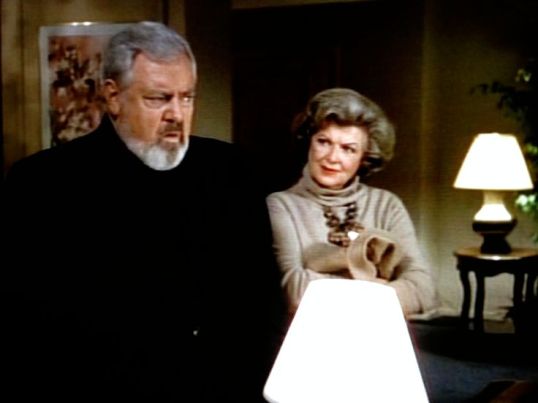
Terry Franken (Dwight Schultz), the arrogant director of a new musical that is playing out of town tryouts on the way to Broadway, is shot and killed at the theater. Recently fired stage manager Johnny Whitcomb (Jim Metzler) is arrested for the crime but Perry knows that Johnny is innocent. At the same time that Terry was getting murdered, Perry was in a hospital room recovering from knee surgery. He looked out the hospital window and saw Johnny across the street. Despite Perry providing an alibi, Johnny is still charged with murdering Terry. Broadway legend Amanda Cody (Debbie Reynolds) asks Perry to take Johnny’s case.
This Perry Mason movie featured Perry on the stand, testifying to having seen Johnny. The District Attorney (Valerie Mahaffey) tried to humiliate Perry by suggesting that he was on too many pain killers to be sure what he saw. Never try to humiliate Perry Mason! He’ll not only beat you in court but also make you look like a fool by getting the real murderer to confess while on the stand.
The key to proving Johnny’s innocence was finding the security guard (Rick Aiello) who worked at the theater the night that Terry was killed. Ken (William R. Moses) and his annoying girlfriend Amy (Alexandra Paul) handled that part of the case. Ken is still no Paul Drake, Jr. and his bickering with Amy is like nails on a chalkboard.
I actually remember watching this movie with my aunt when it came on Hallmark one weekend. My aunt enjoyed it. She liked Debbie Reynolds. This one was better than the previous movie. Along with Debbie Reynolds, the cast includes Jerry Orbach and Lori Petty. Dwight Schultz was great as the victim. I still miss William Katt and David Ogden Stiers, though. Perry doesn’t have the same connection to Ken that he had to Paul. David Ogden Stiers was great because, even though he always lost the case, he still seemed like he was a good enough lawyer that he could have won if things had gone differently. These new district attorneys never even have a chance against Perry.
Before I get started with my review of the film ASOKA, it’s only fair that I state up front that I know nothing about Indian history. Although I have made good grades in all my prior World History courses, about all I seem to remember is the fact that King Henry VIII of England started the Anglican Church (the Episcopal Church in America) so he could divorce his wife. That’s it! Apparently, the Emperor Asoka is considered one of the most important figures in Indian history. The reason I wanted to mention these things is to cover myself if I make any ignorant and / or boneheaded remarks through the course of this review. With that being said, on with the show.
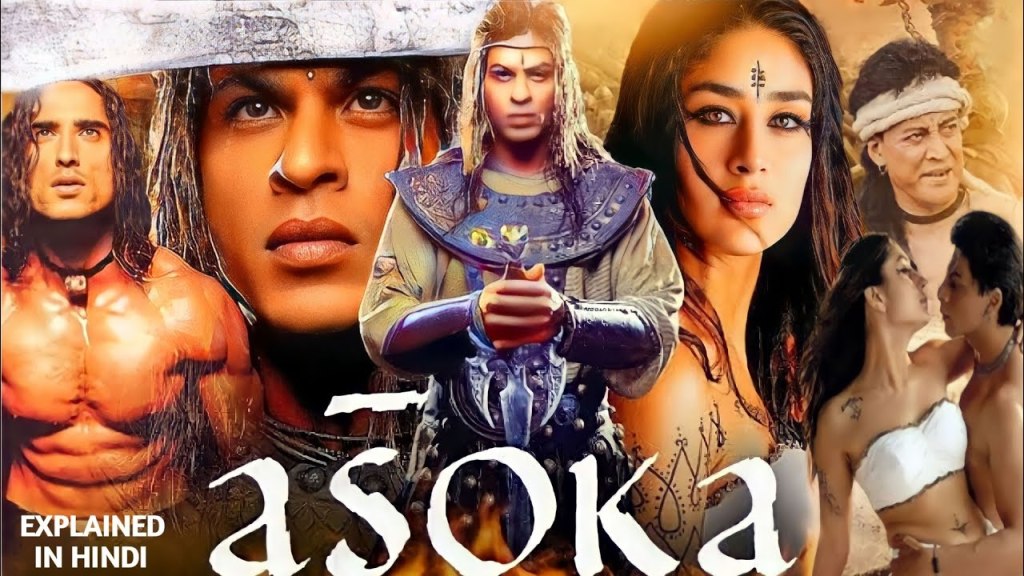
First, a summary of the plot: Young prince Asoka (Shah Rukh Khan) is pretty much an arrogant bada$$. Sensing that Asoka could realistically ascend to the throne, his brother Susima (Ajith Kumar) plots to have him killed. After easily, and quite stylishly I might add, fending off a couple of assassination attempts, Asoka is willing to fight whoever it takes to be king. Then, in concern for her son’s life, Asoka’s mom decides that she will never talk again unless he leaves town and resumes life in safety as a commoner (and I thought my mom knew how to put on a guilt trip!!!!).
While wandering the earth, and having taken on the name of his horse Pawan, he comes across a beautiful woman named Kaurwaki (Kareena Kapoor) who just happens to be singing and dancing provocatively in a beautiful stream. Thus begins a courtship between Kaurwaki (who is actually a princess in hiding after assassination attempts of her own) and Asoka / Pawan. Kaurwaki’s brother, the eight years old prince Arye, is also with them. Kaurwaki and Pawan fall in love and get married.
Just when you think life is too good, Pawan is called back home to check on his ailing mother. In a cruel twist of fate, Pawan is incorrectly told that Kaurwaki and Arye have been killed. This is where things get really rough… soon Asoka has a new wife, he’s extremely cruel towards others, and he even has some of his own family members killed. After thinking that he has lost his true love, it basically just boils down to him not giving a rip about anything. He mercilessly assumes the throne of his country, expands its territory, and kills whoever stands in his way. The movie culminates in a great battle in which Asoka tries to take over the territory of Kalinga, which happens to also be the territory that princess Kaurwaki and her brother are from. I’ll leave the rest for you to discover.
I really like ASOKA. The film is great to look at, and I’m not just talking about Kareena Kapoor’s dance sequences. I’m a fan of stylish films. That’s why directors who bring such visual style to their films, such as John Woo, Brian DePalma, and Sergio Leone are some of my favorites. Director / Cinematographer Santosh Sivan has made a very stylish film. Through his use of quick cuts, bizarre camera angles, slow motion editing, tightly choreographed action sequences, and epic battle scenes, Sivan has made a film that is extremely pleasing to the eye. This introduction to Sivan’s directorial work has stimulated my interest to explore his previous work as director and / or cinematographer. After watching this film, I noticed that he is also the cinematographer on DIL SE (1998), another beautiful movie.
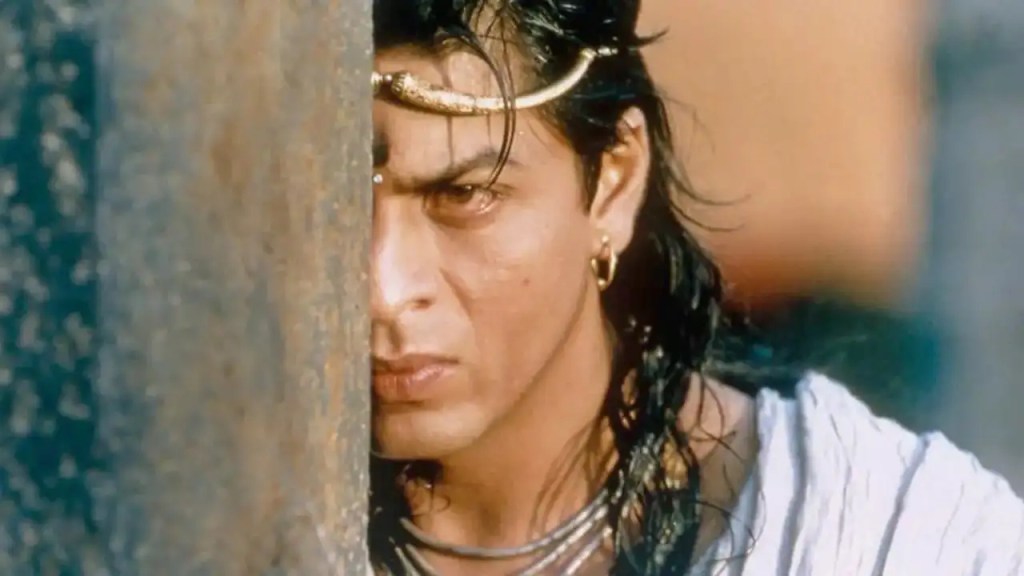
In the lead role, I found myself mesmerized by the screen presence of Shah Rukh Khan. His character goes from arrogant youth, to love-struck suitor, to cruel emperor, to heartbroken victor. Although these transitions sometimes seemed somewhat abrupt, Khan’s performance was quite believable. I can see why he has been the top box office star of India over the last several decades. In the same way that a person can immediately sense the star power of Hong Kong actors like Chow Yun-fat and Lau Ching-wan, Shah Rukh Khan sticks out like a sore thumb. As Kaurwaki, Kareena Kapoor is very attractive and gives a good performance. By the way, did I mention her dance sequences (3 times at last count)? The other performance that really stood out to me was that of Danny Denzongpa. He plays a guy who seems to have more brawn than brains, is initially somewhat of an annoyance to Asoka’s character, and who eventually becomes one of his most loyal allies and friends. Their initial interactions are quite funny, and their growing friendship adds another level of emotional depth to the film.
I have one minor complaint with this film. My understanding is that after witnessing the extreme brutality and horrors of war, Emperor Asoka became a man of peace, embracing Buddhism, and spreading his beliefs across his nation. I can’t believe I’m saying this about a film that lasted close to three hours, but I wish the filmmakers would have included more about this phase of Asoka’s reign. I think this would have left a better taste in my mouth at the conclusion of the film, compared to ending the film right after the brutal battle of Kalinga.
All in all, ASOKA is a good place to spend a few hours. In the tradition of historical epics such as BRAVEHEART (1995), the experience may leave you emotionally drained, but you will not have wasted your time.
(FYI: for those interested, the film is streaming on Netflix at the time this review is being published!)
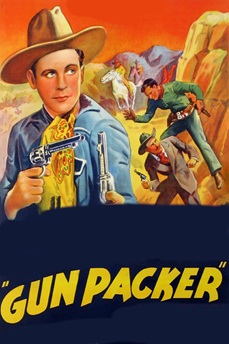
Someone is holding up stages and making off with a fortune of gold bullion. The government decides to send in a gun packer. Jack Denton (Jack Randall), the son of a legendary lawman, is sent to investigate, along with his sidekick Pinkie (Ray Turner) and Rusty the Wonder Horse. Jack goes undercover, telling an elderly ex-con (Barlowe Borland) that he’s a former partner of his, which leads Jack to the leader of the robbers, Chance Moore (Charles King).
There are a lot of familiar faces in this western. Not only does Charles King play yet another villain but Glenn Strange shows up in his customary role as the town sheriff. Lloyd Ingraham, Forrest Taylor, Victor Adamson, George Hazel, Dave O’Brien, and Tex Palmer all have roles. It’s interesting that the same actors showed up in these movies and almost always seemed to be playing the same roles. The only thing that changed was the hero. In this case, it’s Jack Randall, who may not have been a great actor but who was a believable western hero. His sidekick here is Ray Turner, a black actor who began his career during the silent era and who had a long career in the westerns. While Turner plays a subordinate character, the role still avoids a lot (though not all) of the demeaning racial stereotypes that were very common in most films from the 1930s. Jack treats Pinky with respect and they’re clearly friends outside of work. That may not sound like a lot but it was a big deal for a 1938 Poverty Row western.
The real hero here is Rusty the Wonder Horse. Rusty’s best scene? Jack, needing to climb a mountain, calls for Rusty to drop his lariat. Jack grabs the rope and Rusty pulls him up. Rusty truly earns the right to be called a wonder horse.
Perry Mason (Raymond Burr) has spent a semester teaching moot court at a law school. When one of his students, Frank Wellman Jr. (John Allen Nelson), is murdered, the accused is another student named Ken Malansky (William R. Moses). Despite being a close friend of the victim’s father (Brian Keith), Perry thinks that Ken is innocent and agrees to defend him. Ken’s ex-girlfriend, Amy Hastings (Alexandra Paul), pays Ken’s bail and helps him and Perry investigate the crime, even though Ken spends the whole movie talking about how “crazy” she is.
No William Katt. No David Ogden Stiers. Barbara Hale’s barely in it. The Case of the Lethal Lesson was the start of a new era in the Mason movies and I didn’t like it. Ken and Amy are Perry’s new assistants but I didn’t like either one of them. Amy was stalkerish but Ken still cried too much about her being the one who paid his bail. Did Ken just want to stay in jail? Ken just wasn’t very likable and it bothered me that the movie never explained why Paul wasn’t available to help. Both Paul and William Katt deserved better. Meanwhile, the new prosecutor (Marlene Warfield) didn’t have the same friendly rivalry that her predecessor did. The mystery element was okay until some cartoonish gangsters showed up. I didn’t buy any of it.
Give it up for my sister, though. A few minutes into the movie, Lisa said, “I bet that’s the murderer,” and she was right! If Perry Mason had her helping him instead of Ken and Amy, he could have solved this case a lot quicker.
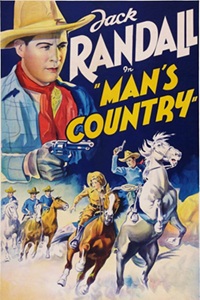
When his innocent son, Ted (David Sharpe), is accused of committing a murder, Lex Crane (Walter Long) turns him over to Texas Ranger Jack Haile (Jack Randall) because he knows that Jack will make sure that Ted gets a fair trial. Lex says that he and his men are accused of every crime that happens in the area, even though they’re always innocent. Jack understand and respects Lex as a man and a father. But when someone shoots and kills Ted, Lex and his men set out for revenge. The twist? Lex has a twin brother named Buck (also played by Walter Long) and the two brothers hate each other.
Most poverty row westerns blend into each other but Man’s Country stands out as an intelligent and well-acted western. Even though the twin twist is undoubtedly an overdone one, Man’s Country does a good job with it and Walter Long gives such a good performance that both Lex and Buck emerge as individual, identifiable characters. Jack Randall may not have been the greatest of the old western actors but he’s believable as the tough but fair Texas Ranger. There’s enough western action for fans of the genre but, for once, the plot is interesting enough that it might hold the attention of other watchers as well.
Of course, this is a Poverty Row western so Charles King does appear as one of the bad guys. He gets into a fist fight, like he almost always did. I wonder how many onscreen punches Charles King actually threw over the course of his career in the westerns. It had to have been a lot.
Happy 52nd Birthday to Bollywood actor Hrithik Roshan!
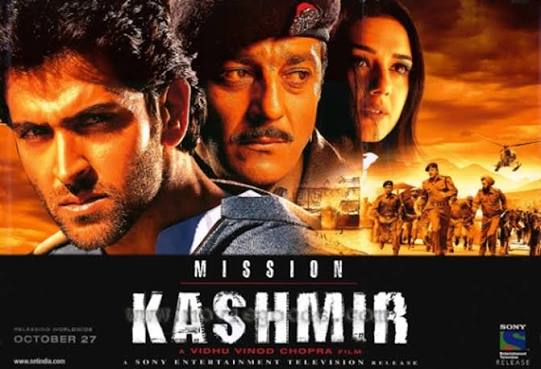
Around the turn of the century, I first became aware of the films being made in Bollywood, India’s Hindi-language film industry. It was then I noticed that the film MISSION KASHMIR was for sale at the Best Buy in Little Rock, AR. I figured that this must be a pretty good film to find itself manufactured, packaged, and being sold all the way over here in Central Arkansas. That was also around the time that I first signed up for Netflix. Not yet a streaming giant, Netflix was just a service for renting movies through the mail. I immediately put MISSION KASHMIR in my queue so I could check it out. This was only my third Bollywood experience, behind the very good films DIL SE (1998) and ASOKA (2001). I remember being fired up about the chance to see some new actors and discover a Hindi action film. Although not completely satisfying, I did find MISSION KASHMIR to be an enjoyable experience.
The plot finds Inspector Khan (Sanjay Dutt) living the good life. He has a beautiful wife (Sonali Kulkarni), a good son, lives in a beautiful house, and gets paid to periodically kick the posteriors of some bad Indians. Unfortunately, his success in his professional life has had some bad side effects. One particularly bad guy has put out the word that any doctor who treats Inspector Khan, or his family, will be killed, and as one scene proves, this guy is a man of his word. Next thing you know, Khan’s son falls and hits his head. Tragically, the boy dies because all of the doctors refuse to help him until it is already too late.
Seeking revenge, his face covered by a black ski mask, Khan tracks down the men responsible and viciously kills them all, including the innocent father, mother, and daughter of a family being held captive by the bad guys. The only survivor is the young son of the slaughtered family, Altaaf, who has terrifying dreams of the black-masked killer of his family. Inspector Khan, who feels extreme guilt over what he has done, allows his wife to talk him into bringing the boy to their house rather than allowing him to spend his childhood in an orphanage.
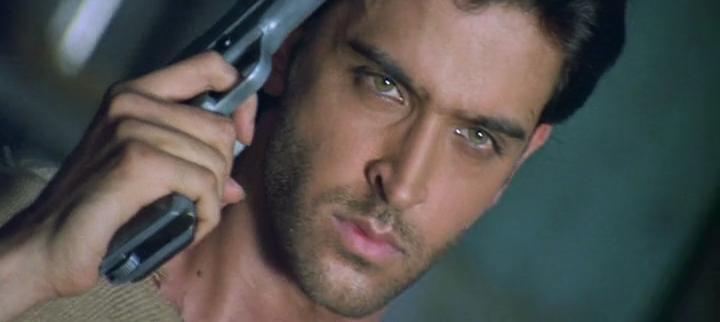
Life is just starting to get good again when Altaaf figures out that the killer of his family was actually his new father, Khan. After first pausing to try to kill Khan unsuccessfully, Altaaf takes off, not to be heard from again for 10 years. When Altaaf finally shows back up, he has turned into heartthrob Hrithik Roshan, is under the control of a psycho terrorist (played by Jackie Shroff) who has a plan to bomb the heck out of Kashmir, and has a new laundry list of goals in life:
Use childhood sweetheart for terror purposes even though I still love her – check!
Use kung fu training to good action effect – check!
DESTROY INSPECTOR KHAN AT ALL COSTS!!! – ??????
I’ll let you discover the results of goal number four.
Before I go into my thoughts on MISSION KASHMIR, I want to note that while the film is set against the backdrop of the Kashmir conflict, it mostly uses that setting for its story of personal melodrama and high-octane action. I am no expert on the region’s complex politics, so this review focuses only on what I think of the movie itself, with no added political commentary.
As a movie, MISSION KASHMIR has a lot of good things going for it. First and foremost, I am a fan of action films, and I was looking for some good action scenes. This film did not disappoint in that department. From the MATRIX-like introduction to Altaaf’s adult persona to the final attempts to thwart the master terrorist’s plot, the action is presented in a highly stylized manner. Wirework kung fu, slow-motion carnage, and a hero wielding a massive missile launcher aimed at bad guys make for a pleasant viewing experience in my book.
Secondly, the film features some good performances. Sanjay Dutt’s portrayal of Inspector Khan is commanding, and I found myself really pulling for his character. It is hard not to be sympathetic to a guy who endures as much as he does here. This was the first time I had seen Hrithik Roshan in a film. With his matinee idol good looks, Roshan was emerging as a major star of Hindi cinema, even challenging Shah Rukh Khan, the reigning megastar of Bollywood. Roshan gives a solid performance as the grown-up Altaaf and is especially strong in the action scenes. The other major performance comes from Preity Zinta, who plays the girl Altaaf loved as a child and still loves as a man. I had seen her before in DIL SE and really like the naturalistic, best-friend, girl-next-door vibe she brings to her roles, albeit a very beautiful girl next door. It is easy to see why Altaaf has always loved her. Finally, as with the other Bollywood films I have seen, this movie is just beautiful to look at. I think the greatest cinematography of landscapes in the world is being done in India.
I do have a couple of complaints with MISSION KASHMIR. First, clocking in at over two and a half hours, the movie is too long. The story could have been made into a very exciting ninety-minute film. As it is, the movie seems to drag in places, with the insertion of songs and sequences that do not add much to the proceedings. There were times I found myself thinking, “OK, I get it. He really loves her. Now let’s move on with it,” or “Not another song…” Secondly, I felt that some of the songs were simply not appropriate for what was happening on the screen. For example, there is one peppy little dance number that leads directly into a horrific tragedy. Granted, the scene is effective for the surprise element, but when the film should have been building action and suspense, it instead throws in this routine, which took me out of the movie for a bit. These are the only real complaints I had.
Overall, I did enjoy MISSION KASHMIR. The movie is filled with strong action sequences, along with good performances from a talented cast. Although it overstays its welcome in certain areas, I still recommend this film and give it a 7 out of 10.
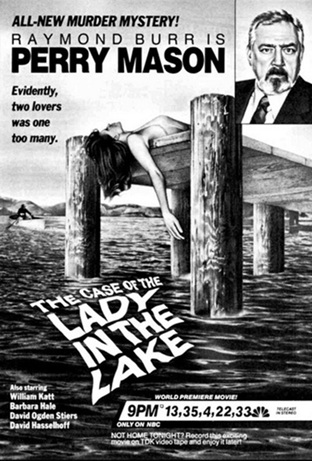
Fifteen years ago, the sister of Sara Wingate (Doran Clark) was murdered at a lake near the family home. Traumatized, Sara had a nervous breakdown. It was only when she married Billy Travis (David Hasselhoff), a former tennis player, that Sara started to get over her fear of the lake. When Sara disappears while walking along the lake, Billy is arrested and charged with murdering her. Because Perry’s is an old friend of Sara’s uncle (John Ireland), he takes the case. If you’re going to get arrested for murder, you better hope one of your relatives knows Perry Mason.
This movie wasn’t bad. It had a twist at the end, which I saw coming but which was still unique for the Perry Mason movies. The actual guilty party is pretty obvious but the mystery wasn’t as important as usual in this one. The supporting cast was pretty good, though David Hasselhoff seemed to be too calm for someone accused of murder. As Perry, Raymond Burr uses his cane again and leans against something whenever he has to stand up. Della jokes that Perry won’t be skiing anymore. Most of the action falls to Paul Drake, Jr. (William Katt), who gets beaten up even more than usual but who also gets to be the big hero in the end.
This was the last Perry Mason film for both William Katt and David Ogder Stiers, who played the district attorney. I’m going to miss both of them. William Katt’s hair was huge in this one and I was really looking forward to seeing how much bigger it could get.
 When the population of a small frontier town all sign a petition asking that the governor name their town the new county seat, the petition is stolen by outlaw Cherokee (George “Gabby” Hayes). Cherokee substitutes a different petition requesting a pardon for a member of his gang, The Nevada Kid (Bob Steele).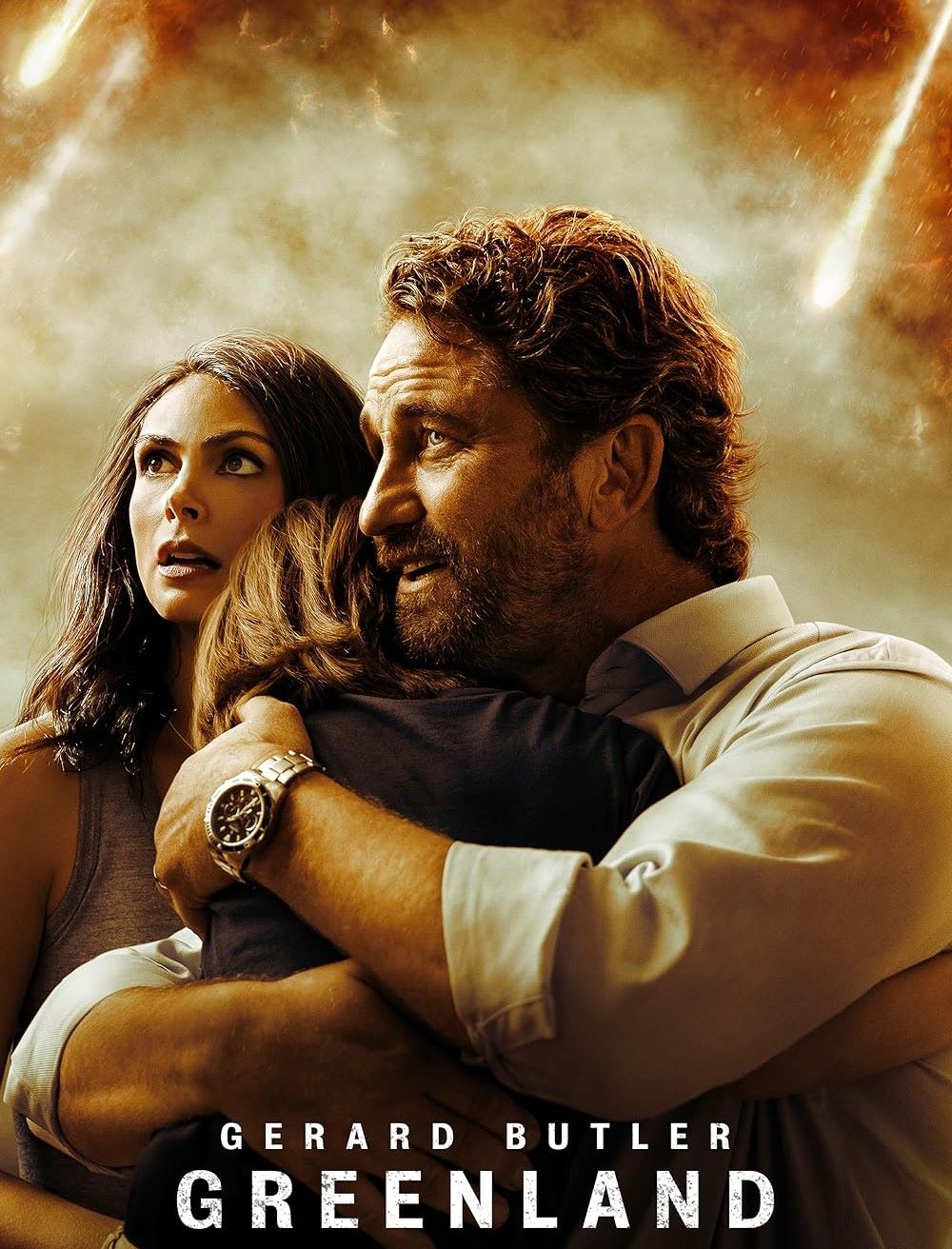

 Through the Shattered Lens