Happy Valentine’s Day from Doc and everyone at the Shattered Lens!
Happy Valentine’s Day from Doc and everyone at the Shattered Lens!
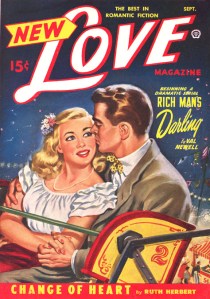
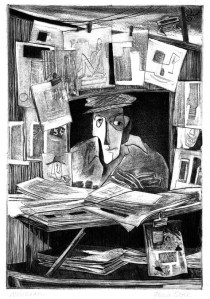
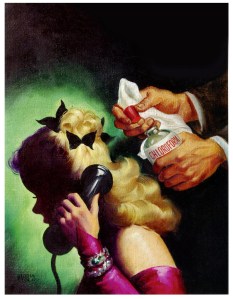
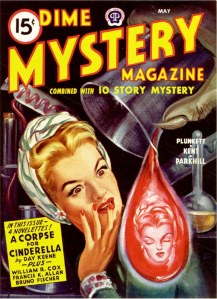
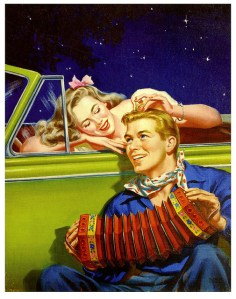
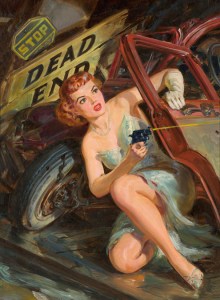
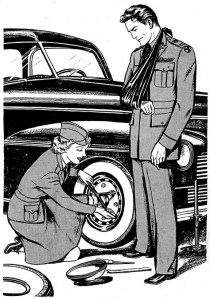 One day in 1941, 17 year-old Gloria Stoll threw away all of her student artwork. Her building’s janitor rescued her portfolio and showed it to one of her neighbors, a pulp artist named Rafael DeSoto. With DeSoto’s help, Stoll pursued a successful career as a commercial artist. From 1941 to 1948, she sold cover art to magazines like All-Story Love, Dime Mystery, and New Love. She retired from commercial art when she got married in 1948 but she continued to paint. Her work can be found in the permanent collection of Yale University and the Carnegie Museum of Art.
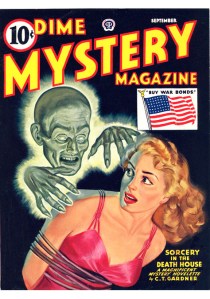
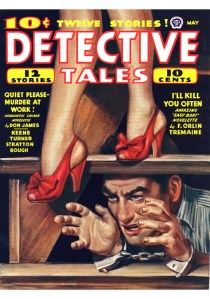
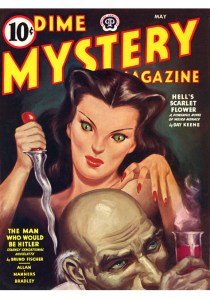
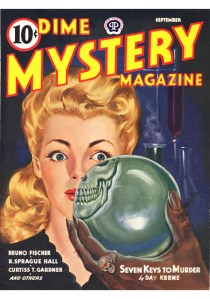
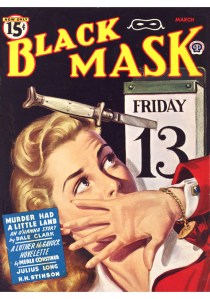
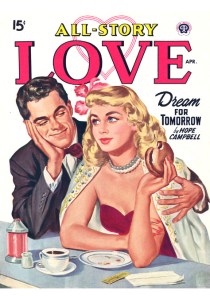
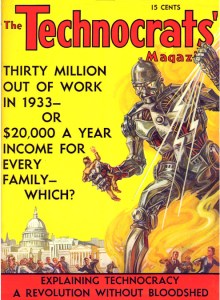
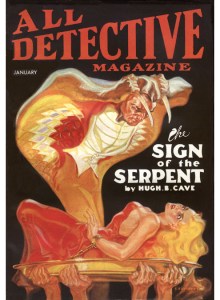
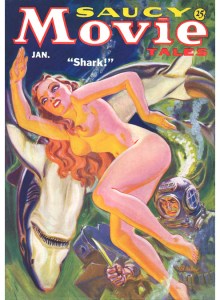
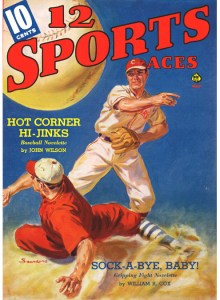
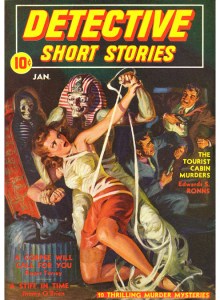
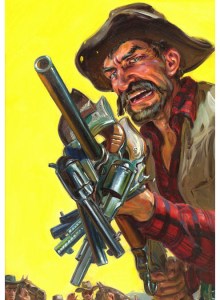
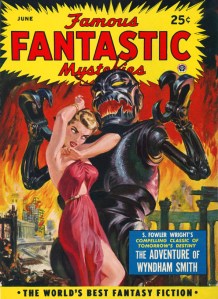
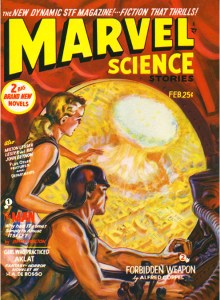
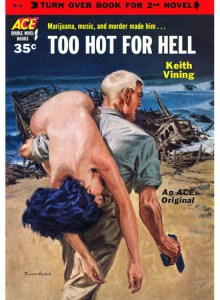
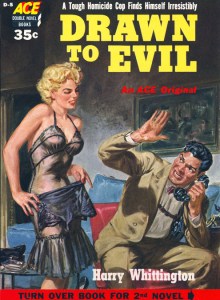
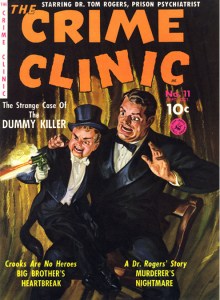
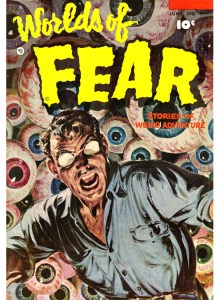
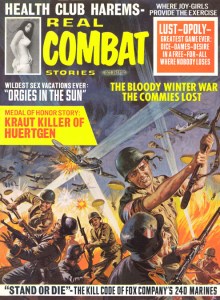
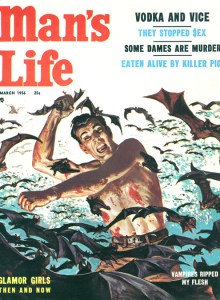
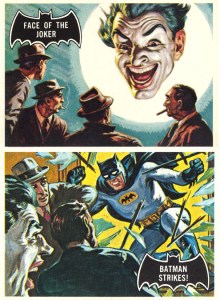
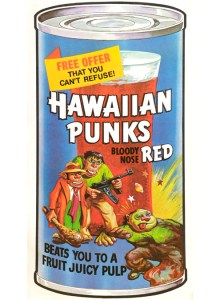
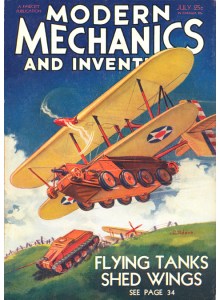 A native of Minnesota, Norman Saunders trained in art by correspondence courses with the Federal Schools, Inc. of Minneapolis. After receiving his diploma in 1927, Saunders received a scholarship to the Chicago Art Institute and worked as a staff artist for Fawcett Publications. After moving to New York in 1934, Saunders started his long and prolific career as an independent pulp artist. By the time he painted his last pulp cover in 1960, he had painted a record 867 pulp covers. After 1960, Saunders illustrated comic books, men’s adventures magazines, and trading cards.
A small sample of his work can be found below:

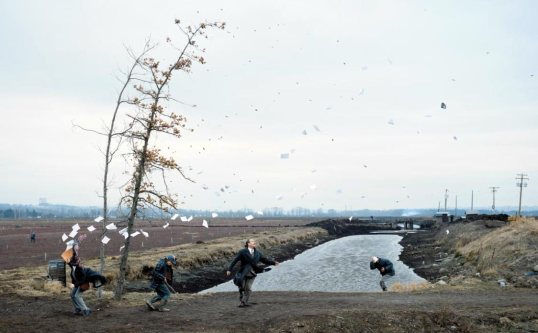
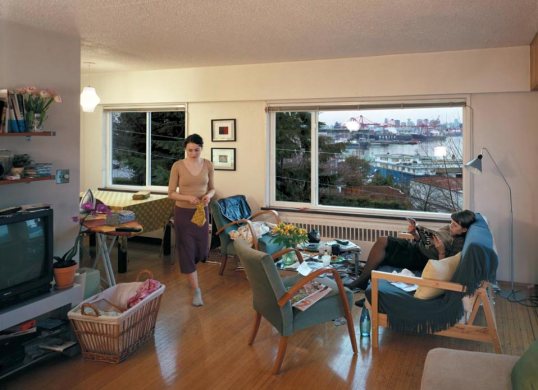
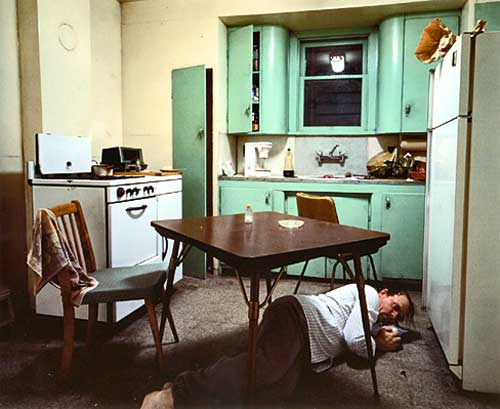
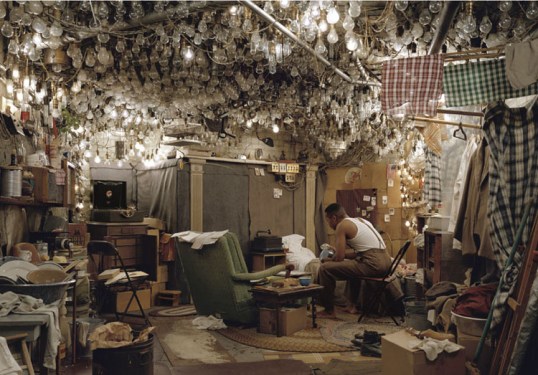
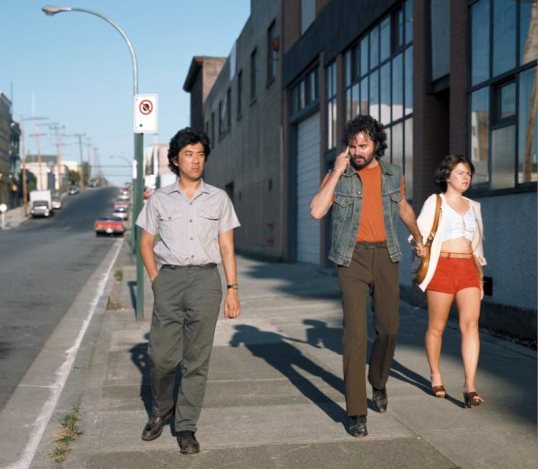
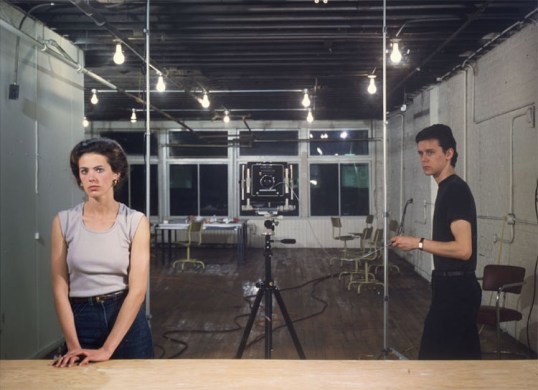
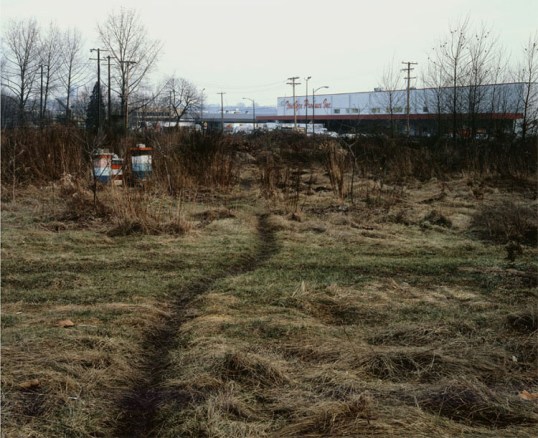
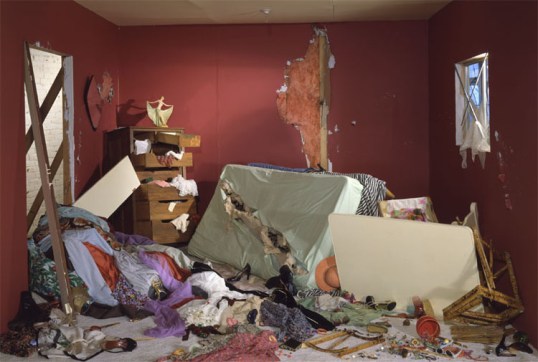
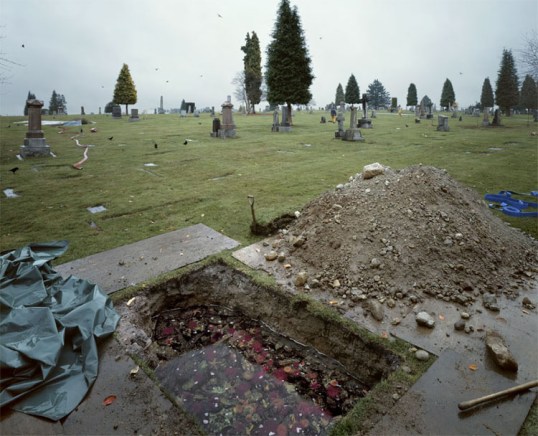
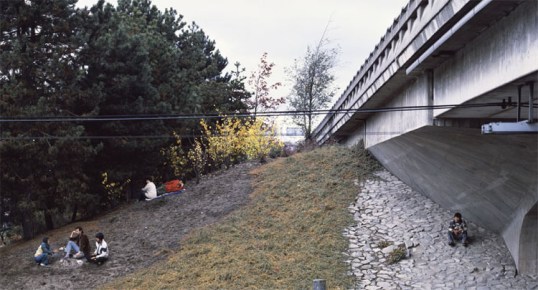
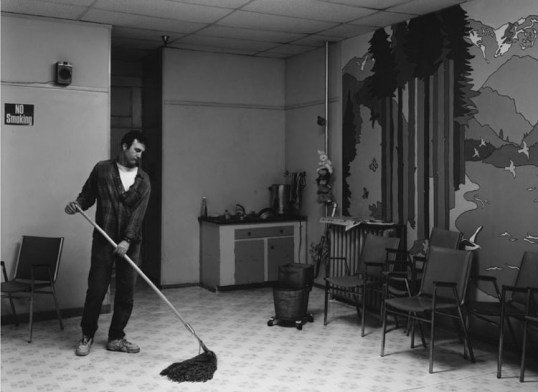
“It’s a pitfall to have a definition of photography.” — Jeff Wall
Born in Vancouver, Canada, Jeff Wall received his Masters of the Arts from the University of British Columbia in 1970 and gone on to become one of the most influential and important photographic artists of all time. Like Gregory Crewdson, Wall is best known for large, elaborately staged cinematographic pictures. Wall is often credited with being one of the first artists to prove that photography could be a true art form.

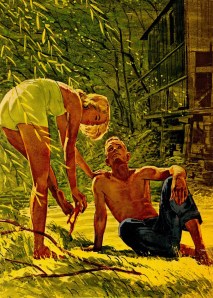
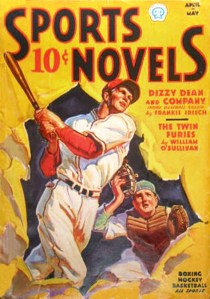 Charles DeFeo was born in New Castle, Delaware and studied at the Pennsylvania Academy of Art. He moved to New York in 1912 and worked at ad agency while taking night classes at the Art Students League. DeFeo’s first freelance assignments were providing interior illustrations for magazines and he eventually branched out to doing freelance pulp cover art. He also taught at the Grand Central School of Art in the 1930s. After retiring in 1960, DeFeo devoted himself to making ornate hand-tied flies for fishermen. DeFeo’s flies were widely praised for their artistry and are now highly prized by collectors.
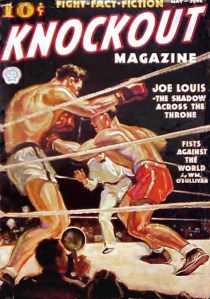
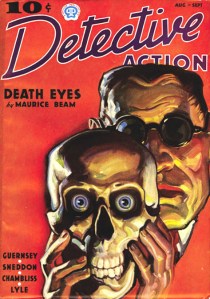
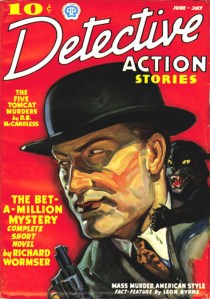


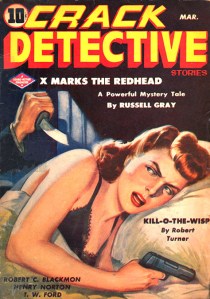
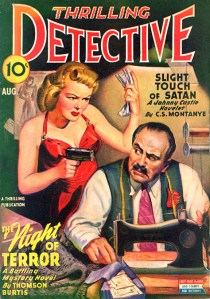
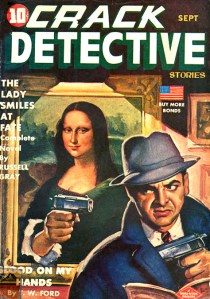
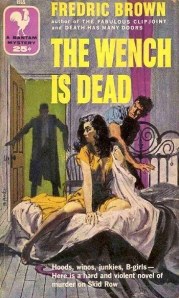
 Milton Luros was born in Brooklyn, New York. After graduating high school, he attended the Pratt Institute in Brooklyn where he studied commercial illustration. By 1937, he was freelance artist whose work appeared on the covers of magazines like Crack Detective, True Gangsters, and Western Aces. In the 1950s, Luros wrote and drew a nationally syndicated comic strip called Roger Lincoln, S-Man. Later in his career, Luros worked as both an agent and a publisher.

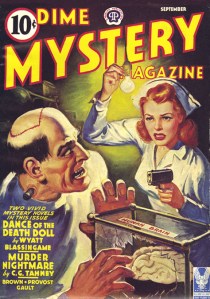
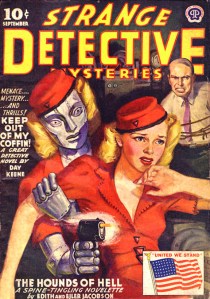

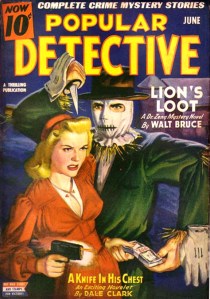

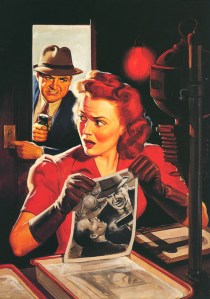
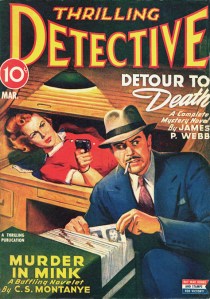

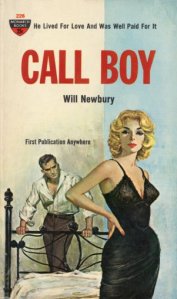
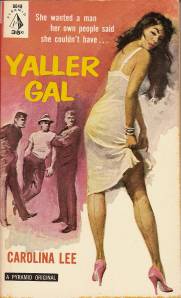
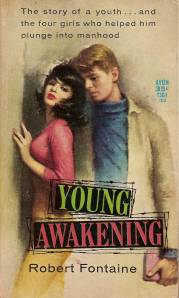
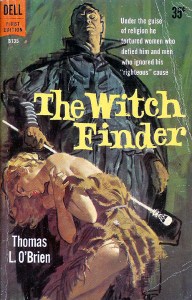
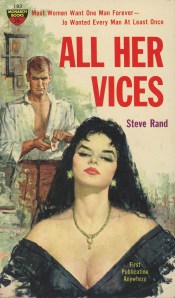 Louis Marchetti was born in Fondi, Italy and immigrated to the United States at an early age. He studied art for five years at the Art Students League of New York. As a freelance illustrator, he created numerous paperback book covers for Dell Books, Pocket Books, Lancer Books, Paperback Library, and Popular Library.
A selection of his work can be found below.
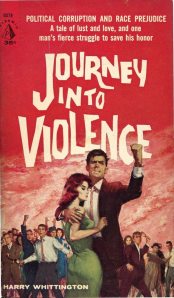
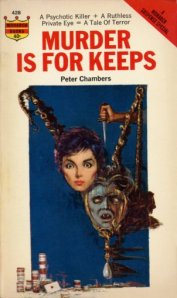
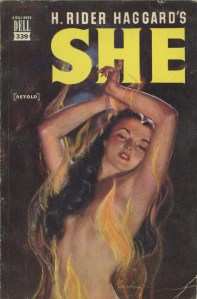
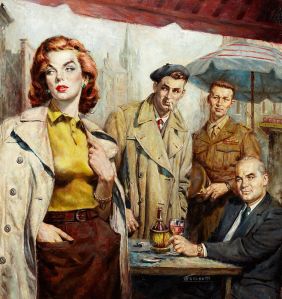
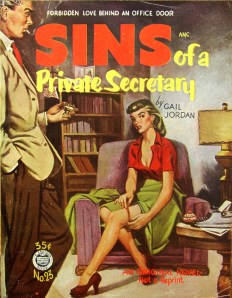
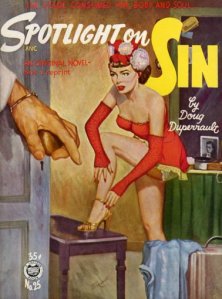
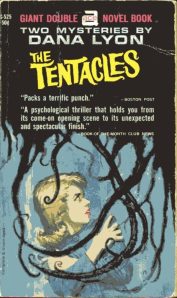
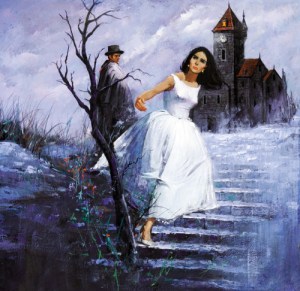
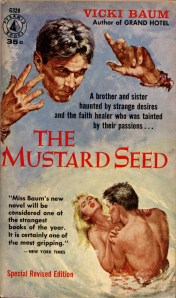
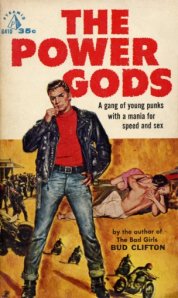
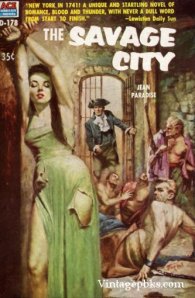
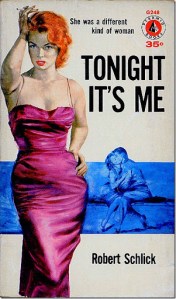
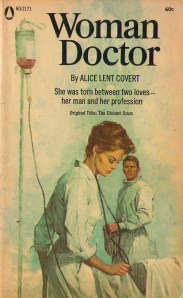
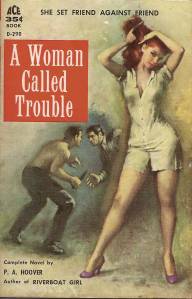 Jerzy Zielezinski was 25 years old when the Nazis invaded his native Poland. He was sent to first the Warsaw Ghetto and eventually to the Dachau Concentration Camp. Zielezinski escaped the horrors of his everyday life through his art. Paper and pencils were forbidden so Zielezinski sketched using scraps and pieces of charcoal. After the liberation of Dachau, Zielzinski turned his rough sketches into drawings. His first two books of drawings, Prisoner Album (1945) and 24 Sketches From The Concentration Camps in Germany (1946), are considered to be invaluable pieces of history. His artwork is displayed at Holocaust memorials across Europe.
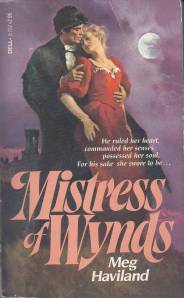
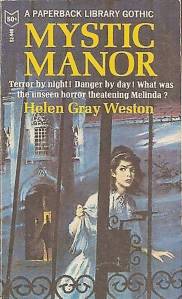
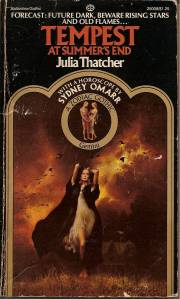
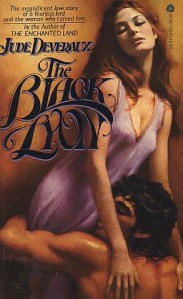
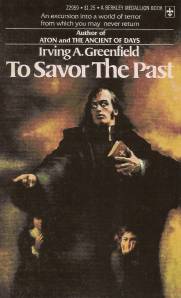
After World War II, Zielzinski moved to New York City and, using the name George Ziel, he started his prolific career as a commercial artist. Ziel painted a countless amount of paperback novel covers. He is best remembered for his Gothic Romance covers.
A selection of his work can be found below.
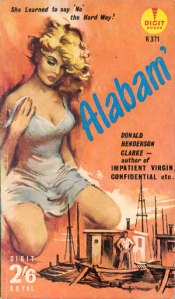
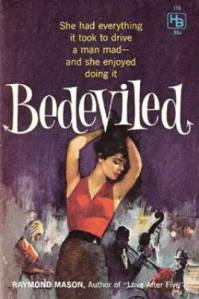
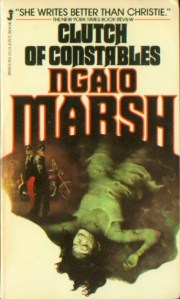

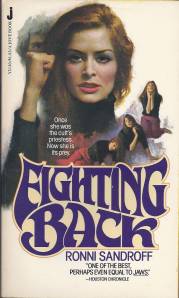
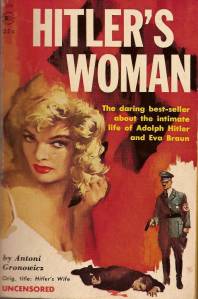
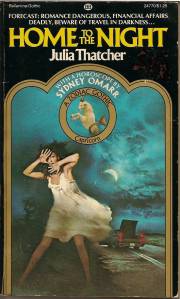
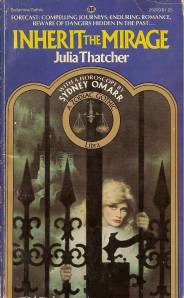
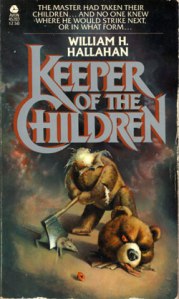
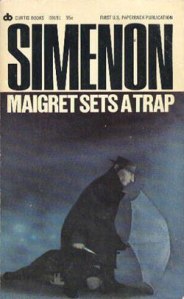
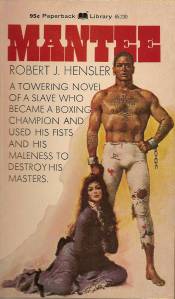
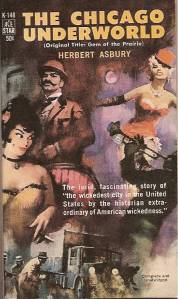
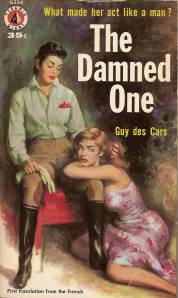
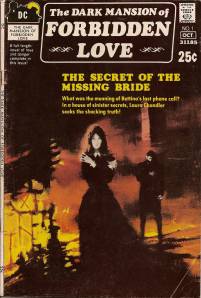
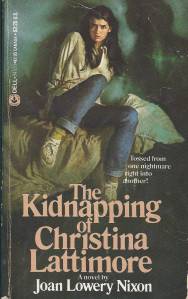
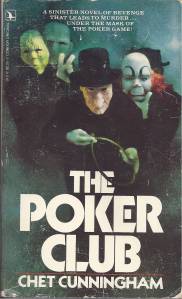
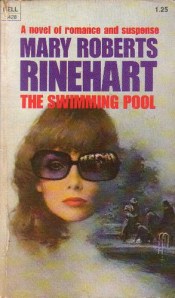
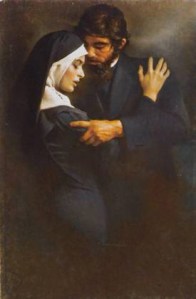
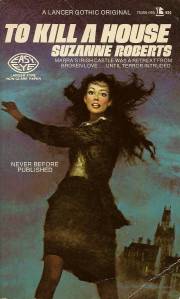
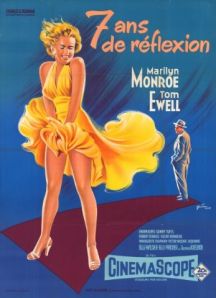
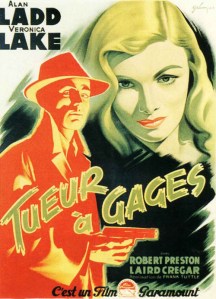
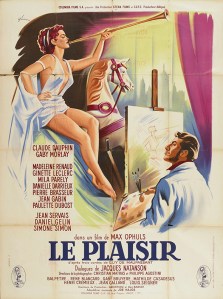
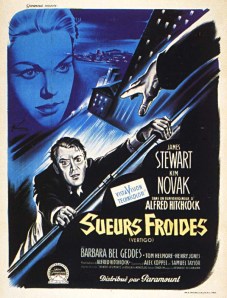
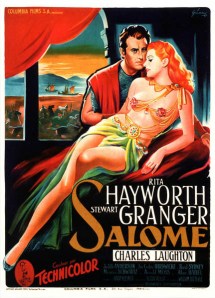
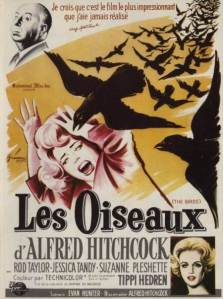
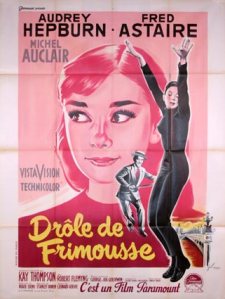
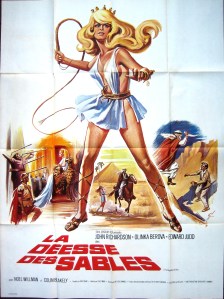
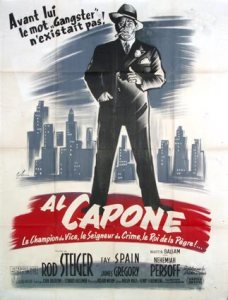
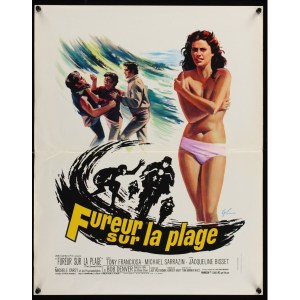
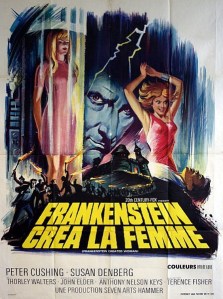
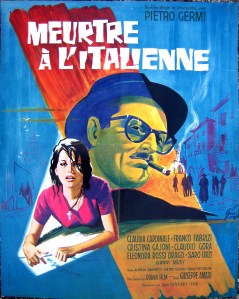
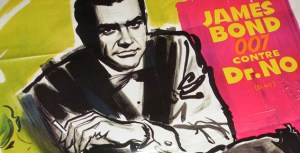 Boris Grinsson was born in Pskov, Russia. His family fled to Estonia after the Bolshevik Revolution and Grinsson studied art in Tartu. Grinsson began his career designing film posters in Berlin. After drawing an anti-Nazi political poster, he fled to Paris. Over the next few decades, Grinsson designed a countless number of French film posters.
A selection of his work can be found below.


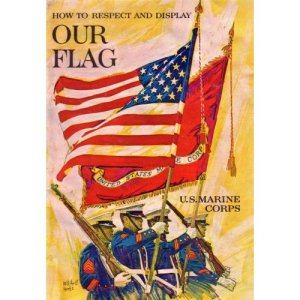
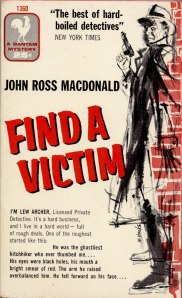
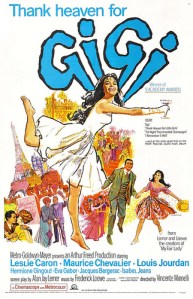
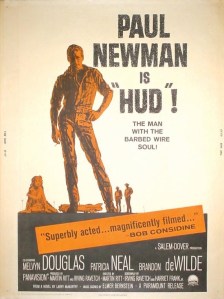
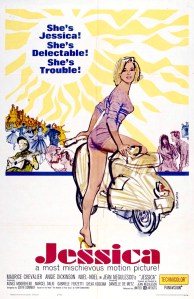
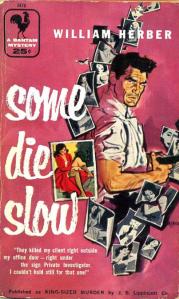
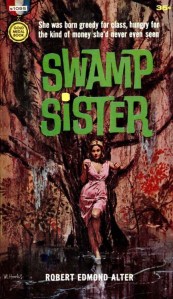
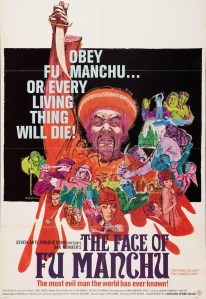
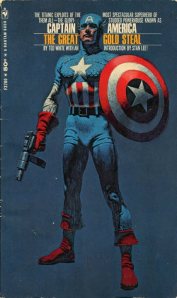
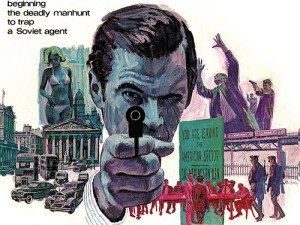
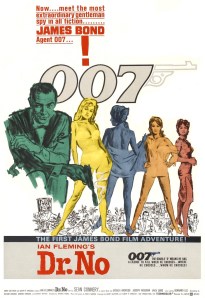 Mitchell Hooks was born in 1923 and studied graphic design at the CAS Technical High School in Detroit. After graduation, he briefly worked for GM and served in the U.S. Army. After he was discharged from the military, Hooks moved to New York City and worked as a freelance artist. Along with painting countless paperback covers, Hooks also designed several film posters. He is best known for designing the poster for the first James Bond film, Dr. No. Hooks also illustrated How To Respect and Display Our Flag for the Marine Corps.
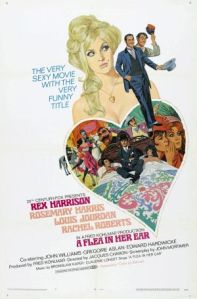
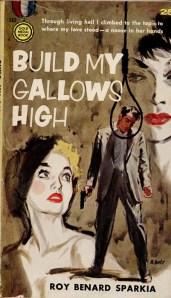
Below is a selection of Hooks’s work.
 Through the Shattered Lens