AMV of the Day: Royalty (Solo Leveling)


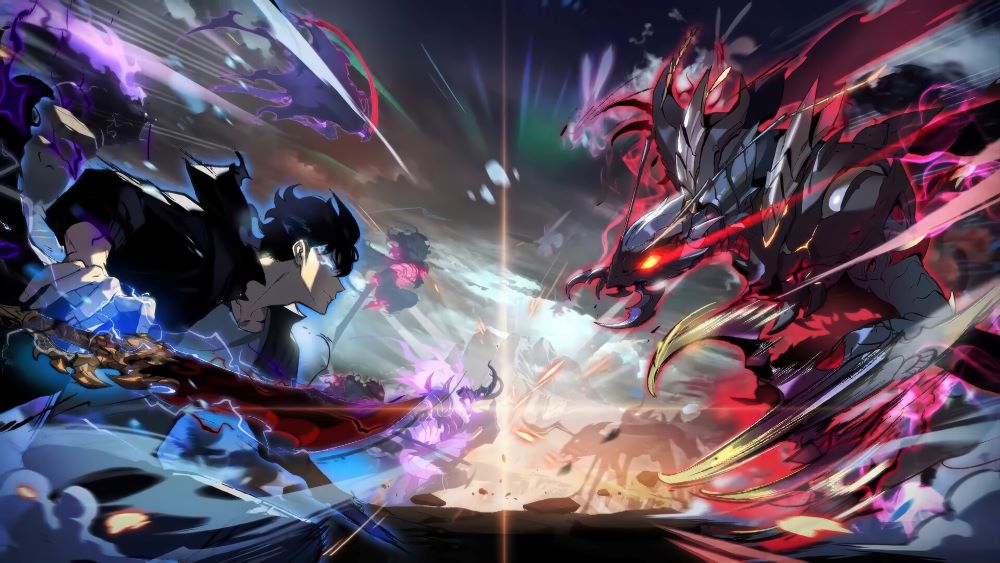
The latest AMV of the Day comes from the talented French creator DarinVisual, who has crafted an impressive anime music video featuring the main fight scene from the highly anticipated Season 2 of the hit series Solo Leveling. This intense battle showcases the protagonist, Sung Jinwoo, facing off against one of his toughest adversaries yet: the formidable Ant King Beru.

Set to the dynamic track “Royalty” by Egzod & Maestro Chives, the AMV captures the energy, suspense, and stunning animation that have helped Solo Leveling become a massive sensation over the past few years. Since the series was first announced and its inaugural season premiered, fans worldwide have been captivated by its compelling story, vivid fight sequences, and character development — all of which are brilliantly highlighted in this fan-made tribute.

DarinVisual’s skilled editing and careful synchronization of visuals with the music make this AMV a must-watch for both longtime fans and newcomers eager to experience why Solo Leveling continues to dominate the anime scene.

SongRoyalty by Egzod & Maestro Chives (feat. Neoni)

AnimeCorpse Party, Talentless Nana, Wandering Witch Elaina, Another, Mirai Nikki, Blood C, Tokyo Ghoul, Kara no kyoukai, Shin Sekai Yori, Ergo Proxy, Shiki, Ghost in a Shell, Owari No Seraph, Elfen Lied, Akame Ga Kill, Mahou shoujo site, Higurashi no naku koro ni

CreatorDarin

Past AMVs of the Day

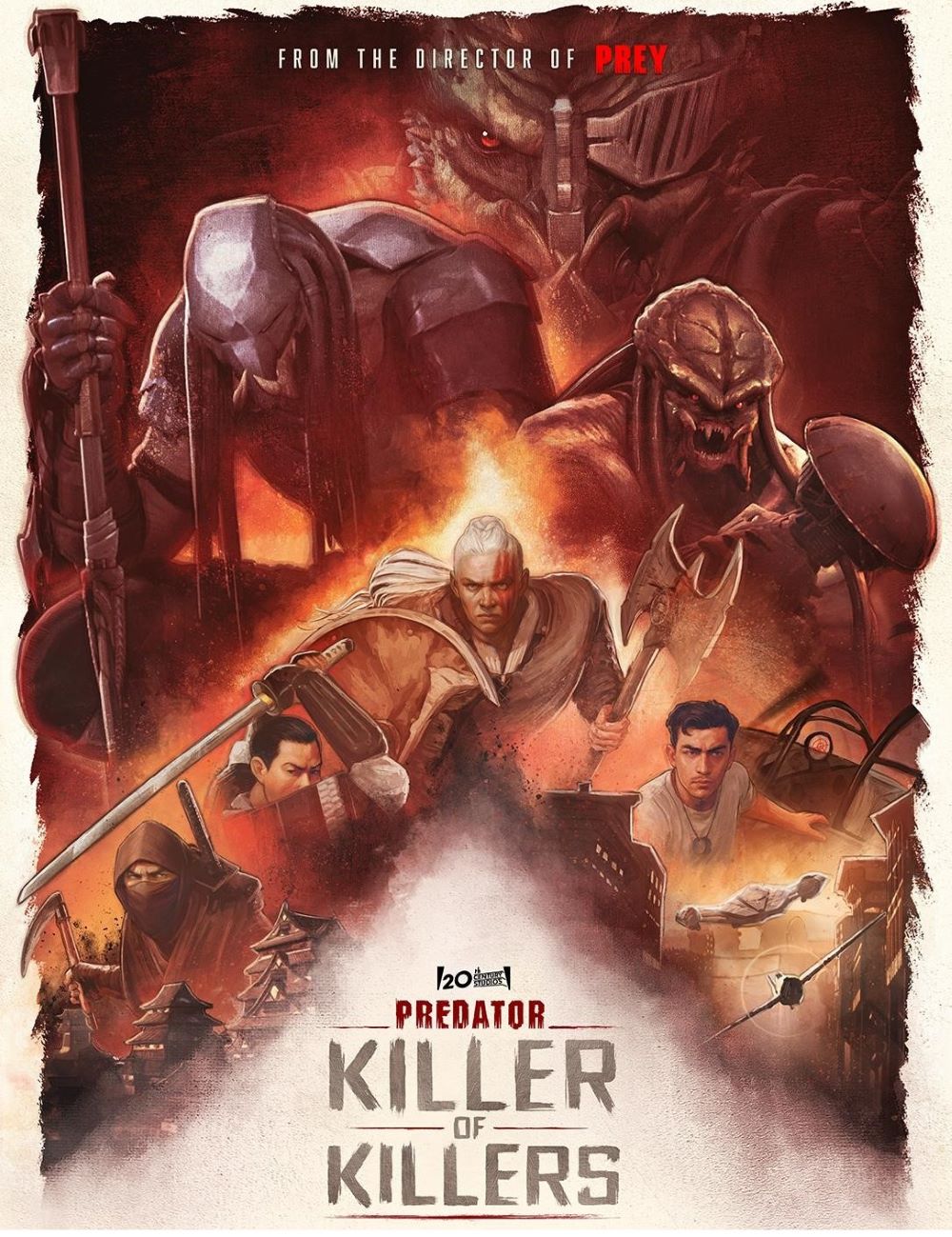
Review: Predator: Killer of Killers (dir. by Dan Trachtenberg)


“A fight to the death… only one will live… and the survivor… will face me!” — Grendel King

Hulu’s Predator: Killer of Killers signifies an ambitious and stylistically bold evolution of the Predator franchise, once again directed by Dan Trachtenberg following his excellent 2022 film Prey. Trachtenberg has clearly become the new creative caretaker of this series, bringing fresh vision and depth to the franchise. This animated anthology spans three distinct historical periods—Viking-era Scandinavia, feudal Japan, and World War II Europe—and tells the story of humanity’s ongoing, brutal clash with the alien hunters. By setting the predator mythos across such different cultures and eras, Trachtenberg presents a compelling exploration of survival, legacy, and adaptation.

The film unfolds in three chapters, each focusing on a different protagonist. The first segment introduces Ursa, a Viking mother consumed by grief and vengeance, who soon encounters a Predator in a primal battle that tests her strength and will to survive. The second segment is largely silent, centering on estranged brothers—a samurai and a ninja—in feudal Japan, who must unite against the alien menace. The final chapter shifts to World War II, following Torres, a Latino mechanic who seizes a chance to become a pilot amid chaotic battles against the Predators. Each story is steeped in its cultural milieu, aiming for depth and texture despite the limited runtime.

Visually, the film leverages a painterly animated style reminiscent of acclaimed adult animations like Arcane and Spider-Verse, yet it carries a darker, grittier tone suitable for the Predator universe. This style allows for intense, stylized violence—gore, blood, and brutal combat—which the anthology format showcases spectacularly. The distinct visual aesthetics of each era—from the somber shadows of Viking times, the flowing elegance of Japanese landscapes, to the metallic intensity of WWII dogfights—remarkably serve the film’s atmospheric ambitions. Notably, the Predators themselves are designed to reflect the atmosphere of each segment: the hulking, brute force Predator in the Viking-era matches the raw, physical brutality of that time; the lithe, agile Predator in feudal Japan suits the stealthy, precise combat of the samurai and ninja; and the grizzled, veteran pilot Predator in the WWII segment complements the aerial warfare and war-hardened theme. While some viewers may find the animation style unconventional compared to live-action, it delivers a fresh and inventive energy, allowing for spectacle and mood impossible in a traditional film.

Trachtenberg and screenwriter Micho Robert Rutare invest effort in creating emotionally grounded characters despite the anthology’s compressed storytelling. Ursa’s portrayal as a grieving mother brings weight to her arc, the Japanese chapter uses sibling rivalry and silence to evoke tension and tradition, while Torres embodies hope, determination, and cultural representation in a largely unexplored protagonist archetype for the series. The Predator itself remains a fearsome, vigilant hunter. Yet this film adds layers by examining how violence and survival shape human experience across eras, giving thematic weight beyond simple action thrills.

The film delivers relentless and varied action, ranging from poetic, skillful duels in Japan to brutal, visceral fights in the Viking and WWII chapters. Its anthology structure allows exploration of different combat styles and settings. However, this rapid pace sometimes sacrifices emotional depth and character development, making the stories feel like glimpses rather than fully realized narratives. Regarding the WWII segment, I found Torres’s character problematic; he often seems to succeed less through skill or ingenuity and more through luck or circumstance, embodying a “failing upwards” trope that weakens the audience’s emotional investment in his narrative. His frequent self-dialogue also disrupts the tone established by the near-silent Japanese chapter, creating a jarring shift that detracts from the overall cohesion.

Another notable aspect is the anthology format itself: while it enables a rich diversity of storytelling across periods and styles, the film’s roughly two-hour runtime limits how deeply each segment can develop. This leaves viewers craving more time to fully explore the characters and settings. In this respect, Predator: Killer of Killers might have been better served as a four-episode limited series rather than a single anthology film. Such a format would have allowed each segment to breathe, providing more room for nuanced storytelling and emotional engagement without making the runtime feel excessive. Stretching this anthology into a feature film already pushes its length near two hours, and adding more time to fully flesh out each story could have pushed it close to three hours, which might have been challenging for a theatrical or streaming movie. A limited series would have accommodated this expansiveness, letting each era’s story flourish while maintaining pacing and cohesion across episodes.

Though the film culminates in a grand finale combining the protagonists, the climax is somewhat chaotic and lacks coherence, which diminishes its impact. Notably, the movie ends on an unresolved note that doesn’t fully tie up the main storyline but instead clearly hints at a future sequel. While this open-ended conclusion may frustrate viewers seeking closure, it sets up anticipation for what lies ahead under Trachtenberg’s continued direction.

A fun piece of trivia is Michael Biehn’s inclusion as one of the voice actors in the film. With his role as Vandy in the WWII segment, Biehn has joined a very exclusive club: he is just the second actor to be part of all three iconic 1980s sci-fi franchises—AlienPredator, and Terminator. Known for his roles as Kyle Reese in The Terminator and Corporal Dwayne Hicks in Aliens, Biehn’s presence in Killer of Killers cements his unique legacy alongside fellow actors Lance Henriksen and the late Bill Paxton, who both previously held this sci-fi trifecta distinction. Director Dan Trachtenberg deliberately cast Biehn as a nod to this legacy, making his involvement a meaningful Easter egg for longtime fans.

While Predator: Killer of Killers marks a striking artistic and narrative effort within the franchise, it is not without flaws. The anthology format, while innovative, sometimes feels like a drawback—it limits how much the film can dig into each character or setting fully. The weakest link remains the WWII chapter and its protagonist Torres, whose arc doesn’t quite deliver the same resonance and often feels contrived. The finale’s lack of narrative closure may leave some feeling unsatisfied, though it promises more to come.

Despite these negatives, this film confirms Dan Trachtenberg’s role as a visionary leader for the Predator franchise, blending genre thrills with cultural specificity and psychological insight. For fans and newcomers alike, it offers a unique, stylized, and intense take on the alien hunters—the best the franchise has offered in many years. The film’s ambition and creativity outweigh its shortcomings, setting a foundation for a promising future for Predator under Trachtenberg’s direction.

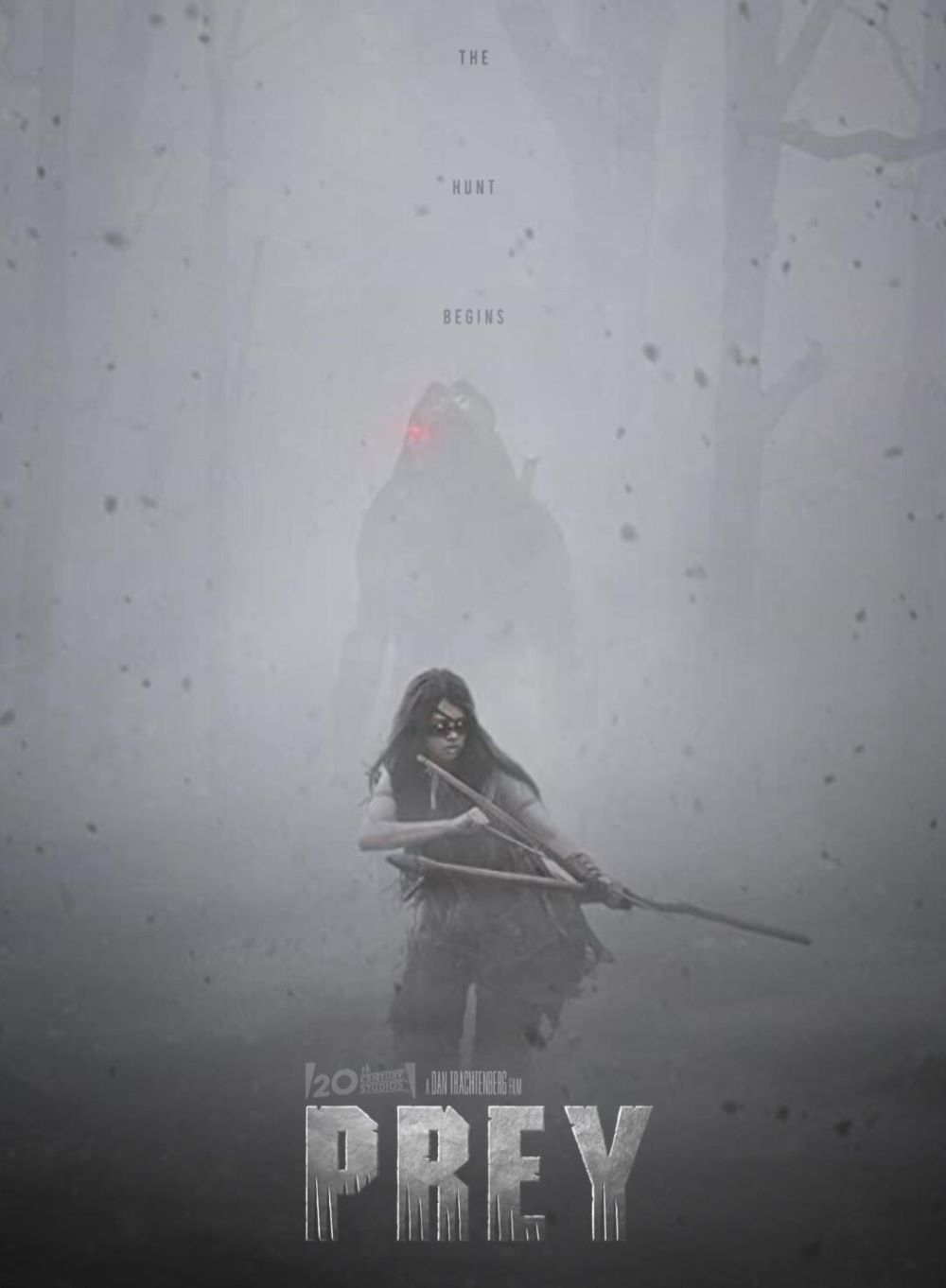
Review: Prey (dir. by Dan Trachtenberg)


“It knows how to hunt, but I know how to survive.” — Naru

Dan Trachtenberg’s Prey is honestly a breath of fresh air for the Predator series. It takes us way back to the early 18th century, deep in the Comanche Nation, ditching the usual sci-fi city jungle for actual wide-open plains and a history-rich vibe. The story follows Naru, a young Comanche woman who’s determined to prove she can hunt just as well as the men in her tribe. Amber Midthunder totally nails it as Naru, giving a performance that’s both vulnerable and tough without trying too hard. Her journey isn’t just about hunting the Predator; it’s also about breaking free from the limits her tribe has set for her as a woman, and that makes the story hit a lot deeper than your typical monster flick.

Speaking of the monster, Prey strips away the Predator’s fancy gadgets and drops it into a more primal, back-to-basics showdown. This Predator isn’t rocking all the high-tech gear we usually see—it’s raw and brutal, with stuff that fits the time period, which makes the whole hunter vs. hunter dynamic feel way more grounded and tense. The movie smartly uses survival skills and brains over flashy tech, and that makes the hunt way more interesting because it’s about anticipation and smarts, not lasers and gadgets.

One of the coolest behind-the-scenes moves with Prey was the filmmakers’ emphasis on cultural authenticity, especially with language. While most of the film is in English, they also made a full Comanche language dub, which is huge because Comanche is a nearly lost language with very few fluent speakers. The cast went back and recorded the whole movie in Comanche, making it the first feature to do so. Originally, they intended to shoot the whole film in Comanche, which would have been even more impressive, but having this dub option available on streaming platforms gives viewers an immersive way to connect with the culture in an authentic way. This shows a real commitment to uplifting Indigenous voices while still making the film accessible.

Trachtenberg did a great job balancing the suspense with action. The Predator’s scenes are super intense and keep you on edge without going overboard. One of the coolest parts is when the Predator takes down a bear—it’s done so cleverly that even though the creature is rarely fully seen, the splashes of its green blood make the moment feel really eerie and unforgettable. The film really puts you in Naru’s shoes, making you feel her fear and determination as she tries to outsmart this deadly creature.

Now, even though the Predator is the main beast to watch out for, the behavior of the French fur trappers is actually more disturbing in many ways. These guys aren’t just out there trying to survive—they’re slaughtering entire herds of bison en masse, skinning the animals and leaving huge carcasses to rot. It’s a brutal, wasteful approach to hunting that contrasts starkly with the Predator, who hunts singularly and with purpose, never wasting what it kills. The trappers’ wanton destruction of the environment and disregard for the land and its creatures makes them a reprehensible presence in the film. They’re essentially invaders who exploit the natural resources with no respect, creating a real commentary on colonial greed. So while the Predator is the alien menace, the human antagonists serve as a grim reminder of real historical violence and environmental exploitation faced by Indigenous peoples. It’s a powerful layer in the story that adds depth to the conflict.

Besides Naru, the rest of the characters feel real and fleshed out. Her brother Taabe adds a nice sibling angle—there’s a good mix of support and conflict that makes their relationship believable and keeps the story grounded. The French fur trappers act as another layer of conflict, showing that not all dangers come from the Predator. Their ruthless ways make you think about the real threats to the Comanche people, adding depth to the narrative beyond just monster vs. human.

Visually, the film is gorgeous. The cinematographer Jeff Cutter captures the sweeping plains and natural beauty in a way that really draws you in, and the natural lighting, weather, and shadows all add to the mood perfectly. The music supports this vibe, mixing suspense with subtle tribal influences that really tie the whole atmosphere together. This combo of visuals and sound creates an immersive world you just want to get lost in.

The themes in Prey are surprisingly meaty. It challenges old-school gender roles, shines a light on indigenous culture with respect, and subtly touches on colonialism through its human villains. Naru’s fight to prove herself becomes more than just physical—it’s a stance against tradition that resonates on a broader level. This isn’t your usual throw-everything-at-the-wall action flick; it’s thoughtful and makes you care about the characters.

Sure, the movie’s pacing slows down a bit toward the end, stretching out the finale more than necessary, and a few moments lean on familiar action tropes, but these are small grumbles in an otherwise tight and exciting film. Practical effects—especially in how the Predator moves and attacks—bring a rawness that CGI-heavy movies often miss, making the battles feel grounded and visceral.

All in all, Prey stands out as probably the best Predator movie since the original. It respects the classic elements fans love but brings fresh ideas and a ton of heart. Amber Midthunder steals the show with her performance, and Dan Trachtenberg’s direction keeps things suspenseful and sharp. The cultural respect and social layers make it more than just another monster movie—it’s a rare example of blockbuster cinema that gets representation right.

If you’re into smart, intense action movies with a meaningful story and some cultural depth, you really shouldn’t miss Prey. It strips things down to the essentials—survival, smarts, and heart—and the result is a movie that sticks with you long after the credits roll. It’s about more than just hunting a monster; it’s about standing your ground, breaking through barriers, and owning your strength. Definitely worth checking out if you haven’t already.

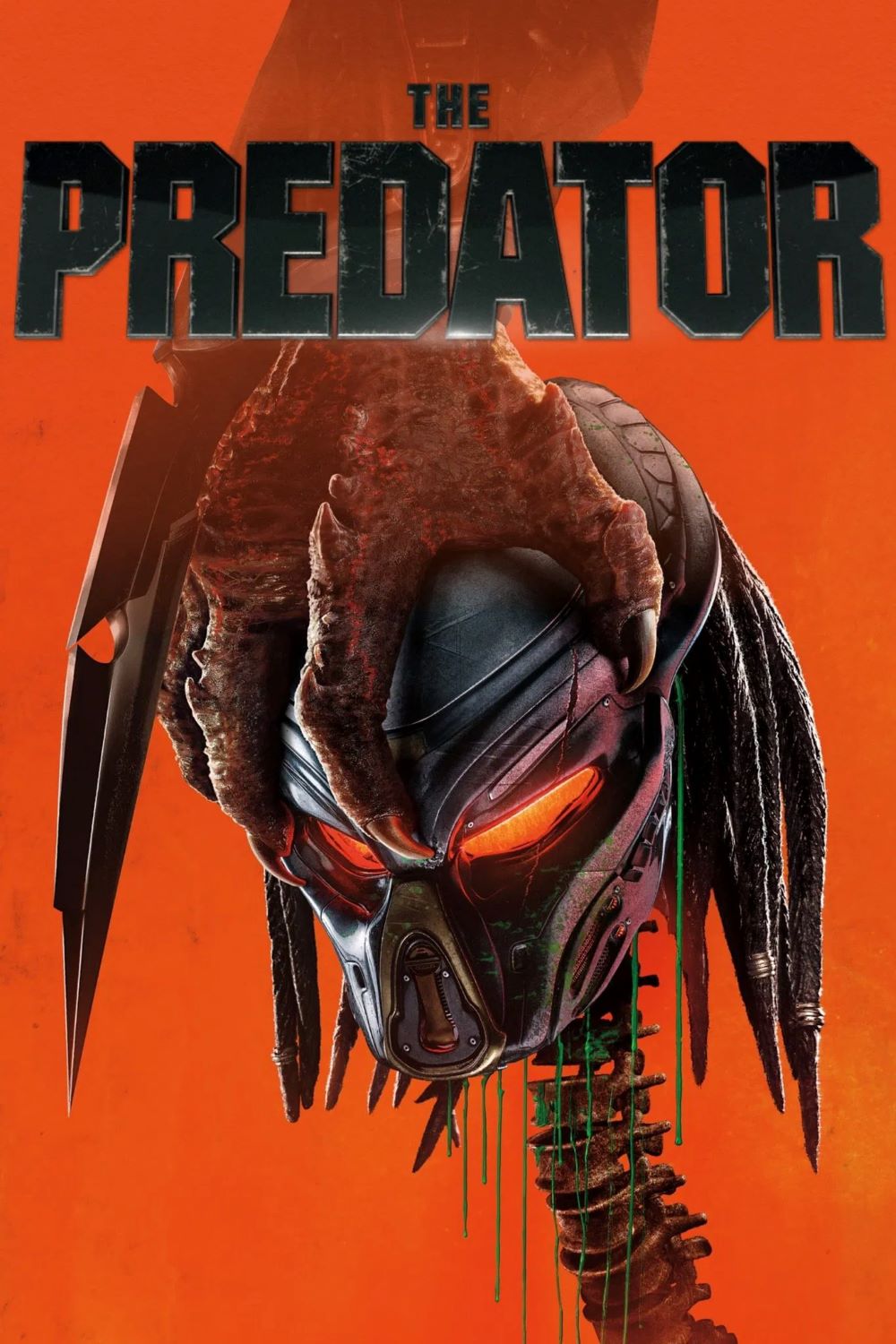
Review: The Predator (dir. by Shane Black)


“Gentlemen, remember… they’re large, they’re fast, and fucking you up is their idea of tourism.” — Traeger

Shane Black’s The Predator (2018) lands with a bang, offering a spectacle heavy on action, gore, and the signature snarky humor Black is known for. If you come looking for a suspenseful, tightly wound survival story in the tradition of the original 1987 film, you’re in for something very different—a gonzo mashup of nostalgia, R-rated slapstick carnage, and creature-feature excess that leans gleefully into genre absurdity.

The plot barrels forward with almost reckless energy. Boyd Holbrook stars as Quinn McKenna, a sniper whose mission goes haywire when a Predator spaceship crashes to Earth. Through a sequence of provocatively silly events, McKenna’s autistic son, Rory (Jacob Tremblay), ends up with the alien’s high-tech gear, unwittingly drawing attention from both the government and the technologically advanced Predators themselves. McKenna teams up with a ragtag bunch of soldiers, each with their own collection of quirks and psychological scars, plus Olivia Munn’s biologist Casey Bracket. This time, the hunt spills out of the jungle and into suburbia, with the chaos quickly escalating as a souped-up, genetically upgraded Predator enters the mix.

Where the 1987 original thrived on tension and jungle-stalking suspense, Black’s take is more about velocity, bloody spectacle, and loud, rapid-fire banter. The tone is set early, never letting up: The jokes fly thick and fast, the action is relentless, and there’s barely a lull for actual character development. The chemistry among “the Loonies,” McKenna’s loose-cannon squad, is the highlight—Keegan-Michael Key and Thomas Jane, in particular, deliver a mix of comic relief and bruised pathos that provides Black with fertile ground for his trademark dialogue. Sterling K. Brown chews the scenery as Traeger, the government antagonist, with a kind of joyous villainy that’s hard not to enjoy, even when the narrative slides into pure chaos. Olivia Munn starts strong as a scientist thrown into the deep end but is ultimately brushed aside by the film’s mayhem-heavy set pieces.

The film’s comedic pulse is strong, sometimes to its own detriment. Shane Black fills out every moment with his specific brand of irreverence, which works best in the banter between the Loonies but can undercut the menace of the Predators themselves. The violence is over-the-top, with practical splatter and digital effects combining for set pieces that are more monstrous brawls than hunting sequences. The movie rarely worries about internal logic—kids instantly deciphering alien technology and scientists surviving actions that would doom most is par for the course here. For fans of the previous films, there are enthusiastic callbacks and plenty of Easter eggs, though these are delivered more as punchlines than as foundations for new franchise mythology.

One of the film’s major issues is its kitchen-sink approach: it tries to be a throwback action movie, a gory sci-fi thriller, and a self-aware parody all at once. The result is a film constantly threatening to come apart at the seams—some viewers will find the tonal whiplash exhausting, with jokes about mental illness and disability that are more dated than daring. The narrative bounces between subplots and characters so quickly that plot armor and convenient twists abound, while the stakes themselves grow ever more implausible. If you’re looking for slow-burn tension or the primal fear that powered John McTiernan’s or even Stephen Hopkins’ installments, you’ll find yourself unmoored by the gleeful chaos and genre self-parody that Black serves up.

Still, for all its messiness, The Predator is never boring. It’s an action movie that refuses to slow down, boldly swapping iconic mud-soaked hunting for suburban street battles, and musclebound brawn for damaged, wise-cracking outcasts. It is, in its own profane, ADD-addled way, a love letter to the kind of big, dumb, fun genre movies that Black himself helped define in the late ’80s and ’90s.

Ultimately, The Predator isn’t a triumphant reinvention of the franchise nor a true return to the original’s nerve-shredding simplicity. Fans looking to see a return to the franchise’s glory days will be sorely disappointed. However, taken on its own merits and not dragged down by the expectations brought by the franchise, the film does entertain with its wild, unruly, blood-spattered romp that wears its flaws on its sleeve and dares the audience to laugh along with the carnage. If you’re in it for straight-up monster mayhem, creative kills, and a barrage of one-liners, you’ll have a blast. If you’re looking for restraint, genre evolution, or old-school suspense, you’ll probably end up shaking your head—grinning, maybe, but shaking it all the same.

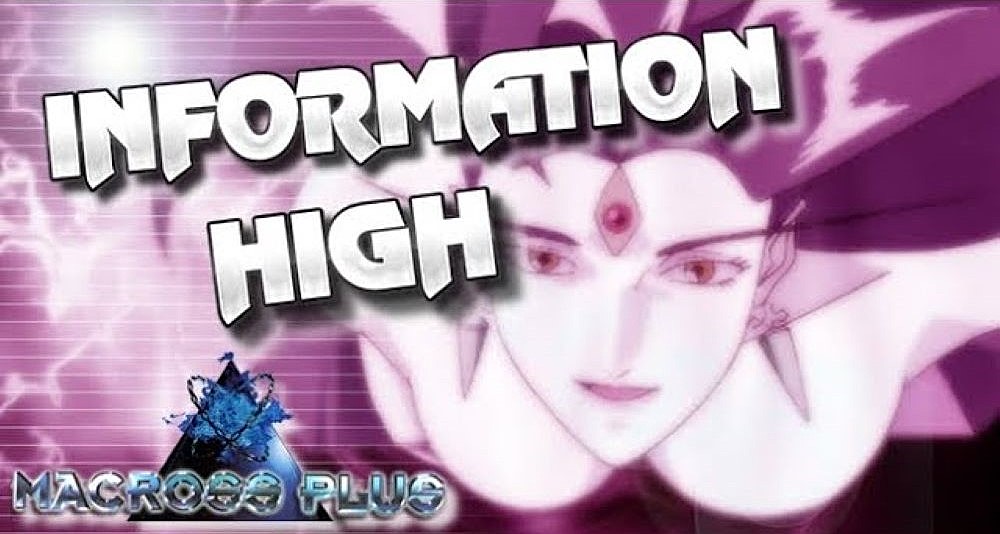
Song of the Day: Information High (by Yoko Kanno)


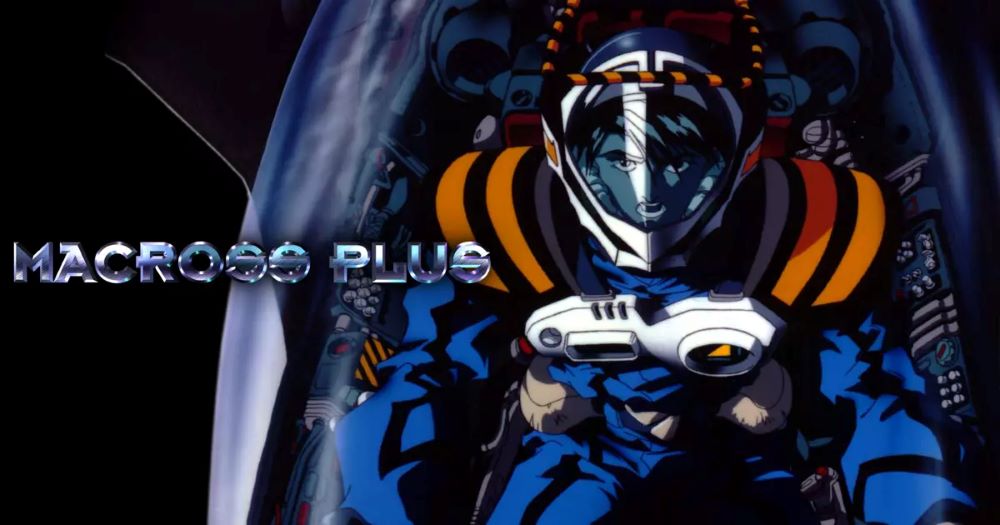
“Information High,” by Yoko Kanno for Macross Plus, is a track that’s as electrifying as it is fitting for the anime’s sleek, futuristic vibe. From the moment it kicks in, you get caught up in its propulsive beat and layered electronic sounds that perfectly capture the sense of speed and technological buzz that define the series. It doesn’t just sit in the background but actively drives the energy forward, mirroring the fast-paced aerial dogfights and the intense emotions swirling underneath the sci-fi setting. There’s a hypnotic quality to it — like the perfect soundtrack for a world where human experience and digital overload collide.

What really strikes about “Information High” is how it balances mechanical precision with a playful, almost funky undertone. It’s not simply cold or robotic; Kanno brings in just enough warmth and groove to humanize the electronic pulse, making the song feel alive and vibrant rather than sterile. This duality works beautifully with Macross Plus’s themes—characters caught between their human desires and the artificial worlds they navigate. The track feels like a bridge between those realities, capturing both the exhilaration and the subtle unease of living in an over-connected, data-saturated future.

Beyond its role as a background piece, “Information High” stands on its own as a distinctive expression of Kanno’s genius. It’s got that catchy, infectious energy that sticks with you, yet never feels repetitive or shallow. It’s clear that Kanno tailored this song to complement not just the visuals but the emotional currents of the show, subtly enhancing moments without overpowering them. For anyone familiar with Kanno’s work, this track is a perfect example of her skill in blending genres and moods into a cohesive whole that elevates the experience of the anime itself.

Information High

You know how to get eternal life
In the center of the lightning-speed waltz
Feel your soul cut by a rusty knife
As you head down for the self-destructive edge

Our satori is just floating in the core
Where we can spiritually go through the door
We’ll know how to get eternal life
While we catch the pulse from unknown satellites

If we get the transient facts
Then we’ll feel the info high
If we get the transient facts
Then we are really free
To fly high
In space

We know how to get eternal high
In the center of the lightning-speed waltz
See our soul struggling to survive
As we head down for the self-destructive edge

Sayonara to intrusive noise
No more childish play and no more toys
We know how to get eternal life
While we feel and sense mother nature’s strong might

If we get the transient facts
Then we’ll feel the info high
If we get the transient facts
Then we’ll feel the info high
If we get the transient facts
Then we’ll feel the info high
If we get the transient facts
Then we are really free
To fly high
In space

If we get the transient facts
Then we’ll feel the info high
If we get the transient facts
Then we’ll feel the info high
If we get the transient facts
Then we’ll feel the info high
If we get the transient facts
Then we’ll feel the info high
If we get the transient facts
Then we’ll feel the info high
If we get the transient facts
Then we’ll feel the info high
If we get the transient facts
Then we’ll feel the info high
If we get the transient facts
Then we are really free
To fly high
In space

Anime You Should Be Watching: Macross Plus


“Life without pain isn’t real life!” — Isamu Dyson

Macross Plus is a landmark anime OVA series from 1994 that continues to resonate with both newcomers and longtime fans of the genre. It stands out within the larger Macross franchise—one of the most influential in anime history—that includes various series beginning with the original Super Dimension Fortress Macross in the early 1980s. While Macross Plus is just one of several entries under this umbrella, it serves as a crucial bridge between the earlier incarnation of the series produced during the 1980s and the more modern take that the franchise would eventually develop in the late 1990s and into the 2000s. This OVA represents a stylistic and thematic evolution that helped transition the series from its original space opera roots into a more mature, complex narrative form that appeals to contemporary audiences.

Set decades after the destructive war between humanity and the alien Zentradi featured in the original series, Macross Plus takes place in the year 2040 where the UN Spacy conducts flight trials on a remote planet to select the next generation of Variable Fighters. The story revolves around Isamu Dyson, a cocky and passionate pilot; Guld Goa Bowman, his calm and talented rival who is revealed to be a Zentradi/human hybrid; and Myung Fang Lone, a woman emotionally entangled with both men and managing the artificially intelligent holographic idol Sharon Apple. The narrative explores themes of rivalry, friendship, human connection, and emotional tension with nuance and depth, distinguishing it within the franchise and offering a compelling experience for both newcomers and longtime fans.

Viewers can experience Macross Plus either as a four-episode OVA or through the re-edited movie version titled Macross Plus: Movie Edition. The movie version condenses the original four episodes into a much shorter runtime, around 115 minutes, with certain scenes expanded, some new scenes added, and others shortened or removed entirely. While the movie includes roughly 20 minutes of new or alternate footage, it retains much of the OVA’s original material. The film format emphasizes a more cinematic presentation and features a widescreen format, contrasting the original OVA’s 1.37 aspect ratio. However, while the movie streamlines some narrative aspects and adds a few striking sequences, some fans feel the OVA’s longer runtime allows for richer character development and storytelling depth. Both versions have their merits, with many recommending watching the OVA first to appreciate the fuller experience before exploring the movie edition.

One of Macross Plus’s standout features is its animation quality, especially remarkable for a mid-1990s production. The series blends traditional hand-drawn artistry with pioneering computer graphics, particularly in its spectacular aerial dogfight sequences featuring transforming fighter jets. These dynamic battle scenes convey a vivid sense of speed and intensity, demonstrating a level of technical sophistication that remains impressive today. Though some fans note minor differences in character design from Haruhiko Mikimoto’s original work, the visual impact overall is striking and immersive, providing a thrilling experience for newcomers and a nostalgic appreciation for veteran viewers.

Integral to the anime’s atmosphere is its unforgettable soundtrack, composed by the legendary Yoko Kanno. Her wide-ranging score—from haunting melodies to energetic action themes—perfectly complements the show’s tonal shifts. While “Voices,” performed by Akino Arai, is the song most fans distinctly remember and cherish for encapsulating the emotional core of the series, the rest of the soundtrack stands out as excellent in its own right. Notably, the tracks tied to the Sharon Apple AI subplot add an additional layer of mood and narrative depth. The song “Information High,” performed by Sharon Apple, is particularly praised for its ethereal, electronic style that perfectly captures the AI’s hypnotic and otherworldly presence in the story. This track complements the themes of technology, identity, and artificial emotion explored through Sharon Apple’s character, enhancing the viewer’s immersion in the high-tech world of Macross Plus.

Another rarity in the anime world that Macross Plus represents is its highly regarded English-language dub. Unlike many anime dubs that face criticism, the Macross Plus English dub is considered excellent by fans and critics alike. One notable factor is the casting of a younger Bryan Cranston (before his Breaking Bad fame) as the voice of Isamu Dyson. His performance brings genuine energy and nuance to the role, contributing to the dub’s reputation as a quality adaptation worthy of both newcomers who prefer English audio and longtime fans who appreciate a well-executed dub.

A core thematic insight in Macross Plus lies in its exploration of technology, especially artificial intelligence, highlighting how even advanced AI must learn from humans as templates, inevitably influencing its behavior. Sharon Apple, the AI pop star and central figure of the subplot, cannot authentically generate emotion on her own. Instead, she relies on the emotional input provided by Myung Fang Lone, her producer and the emotional source behind Sharon’s performances. This dependency underlines a profound implication: true sentience and emotional authenticity in AI require imitation and absorption of human feelings, experience, and behavior. Consequently, Sharon’s increasingly autonomous actions become shaped by the complex and sometimes conflicted emotional landscape of the humans around her, illustrating how AI, while synthetic, is ultimately tied to the human condition and its imperfections. The series presents this relationship critically, showing both the potential and danger of AI learning and evolving from human templates, culminating in Sharon’s struggle to assert an identity that is both alien and deeply rooted in human emotions.

Importantly, Macross Plus is recognized as the first official sequel to the original Macross series by its creator Shoji Kawamori. The earlier Macross II was later retconned by Kawamori as an alternate reality or parallel world separate from the main timeline. This status cements Macross Plus as the canonical continuation of the original saga, reinforcing its significance within the franchise and its role in guiding Macross’s future directions.

The narrative structure—whether experienced as the OVA’s four episodes or the condensed movie version—strikes a balance between introspective character moments and exhilarating mech combat, keeping viewers engaged while allowing emotional depth to unfold. Though some supporting characters receive limited development and the antagonist can seem somewhat one-dimensional, these elements do not detract significantly from the memorable storytelling, animation, and thematic richness.

For newcomers, Macross Plus serves as a powerful introduction to anime that blends sophisticated storytelling, technical artistry, and philosophical inquiry. For veterans, it offers a compelling revisit to a milestone work that elegantly bridges the franchise’s classic roots and modern evolution.

Macross Plus holds a revered place within the Macross franchise and the wider anime landscape for several reasons. It was pioneering in its integration of traditional cel animation with early computer-generated imagery (CGI), setting a precedent for the increasing use of digital effects in anime. This blend allowed for its visually stunning aerial combat sequences which remain influential in mecha animation.

The series also marked the start of a significant collaboration between director Shinichirō Watanabe and composer Yoko Kanno, whose work on Macross Plus would lead to iconic projects such as Cowboy Bebop. The soundtrack’s genre-spanning style influenced how music could serve as a narrative force in anime, intertwining with story and character development rather than merely accompanying visuals.

Narratively, Macross Plus helped reaffirm the franchise’s thematic core—the interplay of love, war, and music—while pushing it toward more mature and psychological storytelling, expanding the appeal beyond traditional mecha fans. Its exploration of AI and human emotion was ahead of its time, posing philosophical questions still relevant in today’s discussions about technology and identity.

The excellent English dub, featuring talents like Bryan Cranston, contributed to its international acclaim, helping it become a gateway series for many Western viewers into the Macross universe and anime more broadly.

Its legacy continues not only through ongoing Macross installments but also in manga adaptations and video game tie-ins, as well as in inspiring countless mecha and sci-fi creators. To this day, Macross Plus is frequently cited as a high watermark of 1990s anime, a timeless fusion of innovative animation, memorable music, and complex, emotionally resonant storytelling that helped shape the trajectory of anime as a global medium.

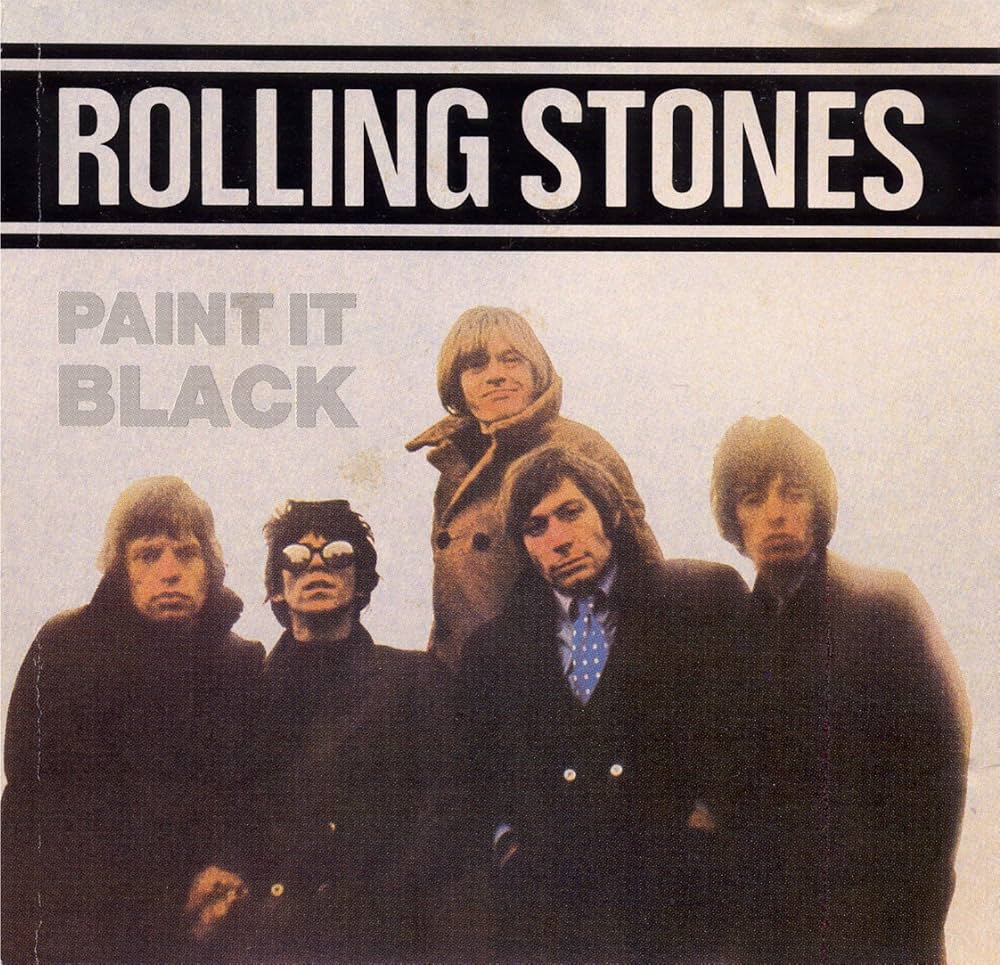
Song of the Day: Paint It Black (The Rolling Stones)


You ever notice how “Paint It Black” doesn’t really start so much as it unfolds—that strange sitar riff creeping in like a bad dream you can’t quite shake? The Stones captured something that feels less like heartbreak and more like a total emotional blackout. The sound is restless, paranoid even, like someone pacing around inside their own thoughts at 3 a.m. That’s what makes it such a sharp symbol of depression: it’s not just sadness, it’s this all-consuming fog where color, joy, and even meaning itself disappear.

The thing that always strikes me is how the song turns that private darkness into a worldview. The singer doesn’t only feel grief—he wants the whole world to match how he feels inside. That line between self and everything else completely breaks down. You can hear it in the drumming, that pounding rhythm chasing itself in circles, or the sitar’s looping melody that never resolves. It’s like he’s trapped in motion, unable to stop thinking or feeling, stuck in a spiral that makes sense only to him. It’s haunting because it sounds familiar to anyone who’s been that low.

And that’s why, even decades later, “Paint It Black” still feels so alive—so uncomfortably modern. Underneath the 60s cool, it taps into that quiet nihilism a lot of people still wrestle with today: the idea that maybe there’s nothing left worth looking at, so you might as well black it all out. But there’s something cathartic in that honesty. The song doesn’t try to fix anything or offer redemption; it just sits in the darkness. And sometimes, that’s what makes it hit harder than any happy ending could.

Paint It Black

I see a red door
And I want it painted black
No colors anymore
I want them to turn black

I see the girls walk by
Dressed in their summer clothes
I have to turn my head
Until my darkness goes

I see a line of cars
And they’re all painted black
With flowers and my love
Both never to come back

I’ve seen people turn their heads
And quickly look away
Like a newborn baby
It just happens everyday

I look inside myself
And see my heart is black
I see my red door
I must have it painted black

Maybe then, I’ll fade away
And not have to face the facts
It’s not easy facing up
When your whole world is black

No more will my green sea
Go turn a deeper blue
I could not foresee this thing
Happening to you

If I look hard enough
Into the setting sun
My love will laugh with me
Before the morning comes

I see a red door
And I want it painted black
No colors anymore
I want them to turn black

I see the girls walk by
Dressed in their summer clothes
I have to turn my head
Until my darkness goes

I wanna see it painted
Painted black
Black as night
Black as coal
I wanna see the sun
Blotted out from the sky
I wanna see it painted, painted, painted
Painted black, yeah

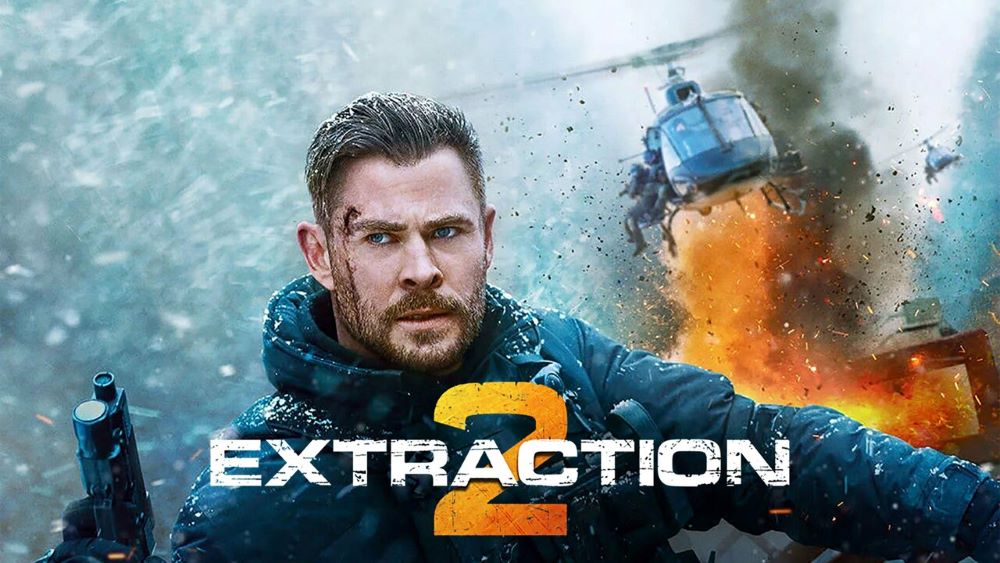
Review: Extraction 2 (dir. by Sam Hargrave)


“I will not stop.” — Tyler Rake

Extraction 2 drops you right into the thick of things, cranking the intensity way past the first film. To quickly recap, the original Extraction introduced Tyler Rake, a gritty mercenary with a troubled past played with undeniable grit by Chris Harmsworth. The story was simple but effective—a high-stakes rescue of a kidnapped boy in Dhaka, Bangladesh, filled with edge-of-your-seat action and those now-iconic, almost balletic long-take fight sequences. It was raw, realistic, and emotionally grounded. Harmsworth’s portrayal anchored the chaos in human vulnerability, helping the film stand out from the typical action fare.

Now, the sequel’s aim is clear—it wants to go bigger, bloodier, and more relentless, and it pulls that off in many ways. The standout here is definitely the action choreography. Sam Hargrave, the director, really flexes his muscle with several jaw-dropping sequences, especially a breathtaking 21-minute continuous take that makes you feel like you’re running alongside Rake, dodging bullets and throwing punches in real time. It’s an impressive technical feat but, more importantly, it’s incredibly immersive. The fights have that gritty realism where each blow counts, and the camera work lets you see every tense moment clearly instead of hiding behind shaky cuts.

Chris Hemsworth, once again, owns the role. This time around, you can see a bit more of the toll the mercenary life has taken on Rake. Hemsworth brings a subtle layer of weariness mixed with fierce determination. His physicality is on full display—he’s convincing in those brutal hand-to-hand combats without ever feeling like a stuntman stand-in. He does it all, and it’s clear he’s not just punching air; this is a man fighting for something beyond just survival. The emotional beats land a bit more naturally this time around, helped by Hemsworth’s grounded performance, which balances the nonstop action with moments of quiet reflection.

Visually, the film is a significant step up. The settings shift from humid, congested streets to icy, oppressive Georgia, and the cinematography makes the most of this change. The chilly, bleak palette fits perfectly with the film’s mood—harsh, unforgiving, and tense. The camera work is bold yet measured; it takes its time to show us the fights fully, letting the choreography breathe without rushing or confusing the viewer. This clarity turns the action scenes into mini-masterpieces, where every movement, every shot, and every punch feels deliberate and impactful.

That said, not everything clicks perfectly. The plot plays it safe with familiar revenge and rescue-mission beats, and the supporting characters don’t get much development beyond their utility to the story. Golshifteh Farahani steals a few scenes as Nik, adding fresh energy and complexity as a tough and capable ally, but others around her mainly exist to get the body count up. There’s a formulaic feel to the storyline—with plenty of high-stakes tension but little in the way of surprise. If you go in looking for deep storytelling or rich character arcs, you might be left wanting.

The film truly embraces the “bigger is better” mantra, and in many ways, it pays off spectacularly with larger, more intricate action sequences and expanded scale. This escalation brings a fuller, more thrilling spectacle that keeps you hooked from start to finish. However, this increase in scope leads to a trade-off: the narrative feels more convoluted and sometimes weighed down by its own ambition. The plot introduces multiple new characters and intersecting agendas, which lengthens the storyline unnecessarily and complicates what could have been a more straightforward mission. This convolution makes the story not only more formulaic but also harder to follow, detracting from the lean storytelling charm that made the first movie so effective.

Tone-wise, the movie trades some of the first film’s grounded grit for a flashier, more stylized look and feel. Some sequences stretch believability—Rake’s near-indestructibility and certain stunt setups can pull you out of the moment. Still, if you’re willing to accept that and enjoy the ride, the movie delivers on adrenaline and spectacle in full force.

One of the most refreshing things about Extraction 2 is how well it balances raw, physical combat with moments of emotional depth. Between the intense fight scenes, there are small windows into who Tyler Rake is and what drives him. These touches give the film a heartbeat beneath all the explosions and punches. Rake is no cookie-cutter action hero; he’s a broken man clawing his way toward redemption, and that gives the film a surprising amount of emotional weight for a movie mainly about violence and chaos.

Ultimately, Extraction 2 isn’t reinventing the wheel, but it doesn’t need to. It knows its audience and delivers exactly what it promises: high-octane, impeccably executed action sequences tied together by a thread of humanity. Hemsworth’s portrayal elevates it beyond just a flashy romp, lending it a gritty soul. The villains feel suitably menacing, and the stakes are convincingly high, which keeps the tension ticking throughout.

If you loved the first Extraction for its mix of brutal realism and emotional punch, the sequel will feel familiar but amplified—more intense, more expansive, and a bit louder. If you’re new to the series, Extraction 2 still stands solid on its own as a showcase of what well-choreographed action cinema looks like today—raw, precise, and emotionally resonant with just enough story to keep you invested without dragging you down.

In short, Extraction 2 is a wild, thrilling ride with a surprisingly human heart beating beneath all the chaos. It’s a film that knows how to entertain, showcasing Chris Harmsworth at his physical and emotional best and proving that action movies can still push creative boundaries while keeping viewers hooked. The movie brings bigger and bolder set pieces that truly live up to the “bigger is better” slogan, but this comes at the cost of making the plot more convoluted and overly complicated than it needed to be. While the intricate story layers may strain some viewers, the explosive action and solid performances make it a must-watch for any fan of visceral, edge-of-your-seat thrillers. If you want a no-nonsense blockbuster with a pulse, Extraction 2 delivers in spades.

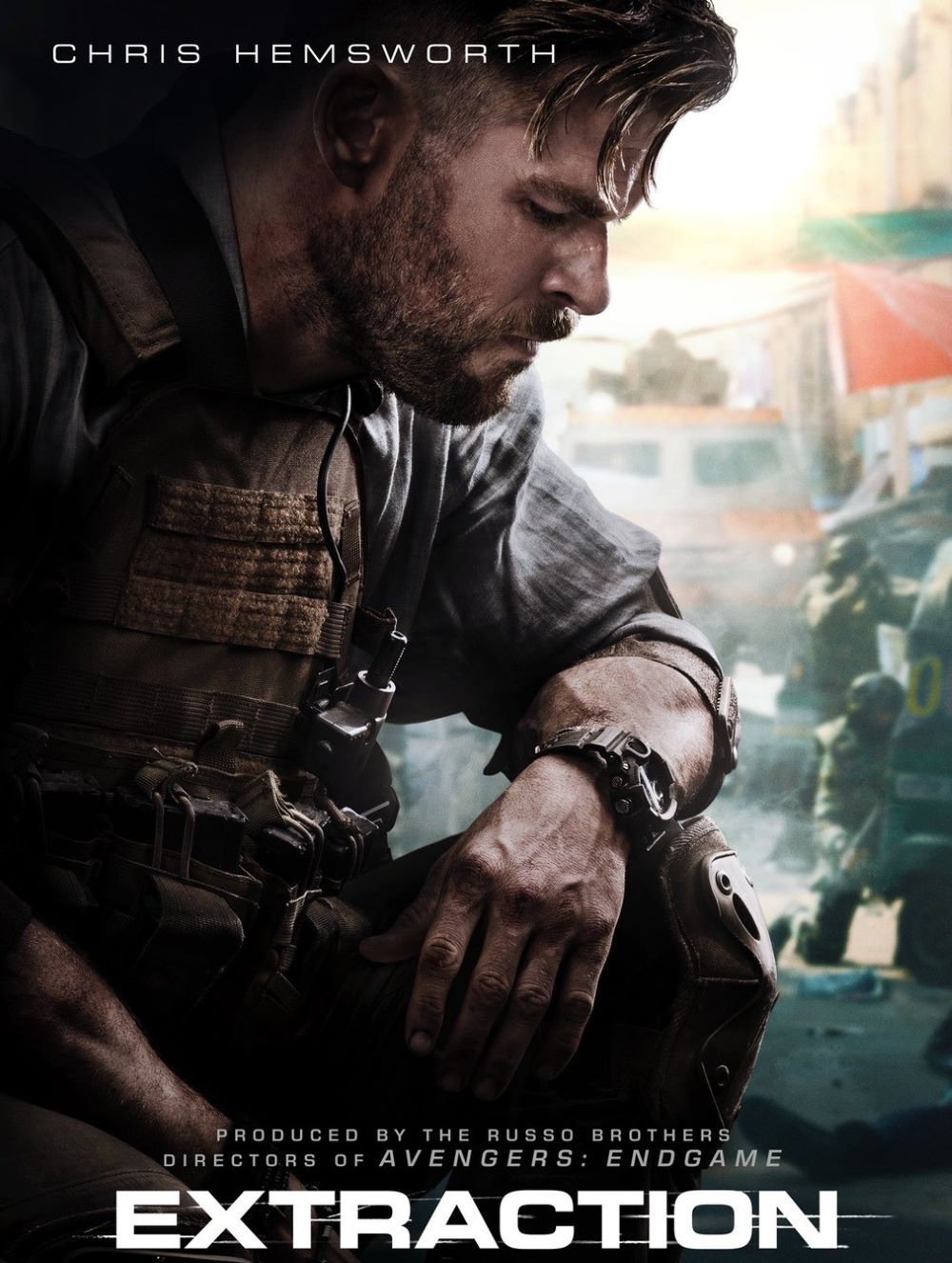
Review: Extraction (dir. by Sam Hargrave)


“Move fast. Stay low.” — Tyler Rake

Extraction (2020) is an action film directed by Sam Hargrave and written by Joe Russo, centering on a high-stakes rescue mission led by Chris Hemsworth’s character, Tyler Rake. The story comes from the graphic novel Ciudad, following Rake, a hardened mercenary tasked with rescuing Ovi Mahajan—the kidnapped teenage son of a Mumbai drug lord—from a rival gang in Dhaka, Bangladesh.

The biggest highlight of the film is undoubtedly the action. Sam Hargrave’s background as a stuntman and stunt coordinator heavily shapes the film’s visceral, grounded fight scenes and chase sequences. Before directing Extraction, Hargrave worked extensively in Hollywood, doubling for Chris Evans as Captain America in several Marvel movies like Winter Soldier and Endgame, and choreographing stunts for The AvengersPirates of the Caribbean, and The Hunger Games. This experience shows in the film’s impressive physicality and well-structured action set pieces.

One of the film’s standout moments is a roughly 15-minute continuous shot that follows Rake through escalating fights, car chases, and shoots without cuts, putting the audience right in the middle of the chaos. Cinematographer Newton Thomas Sigel maintains great clarity during this complex sequence, making it easy to follow the action without losing tension or momentum.

Chris Hemsworth’s Tyler Rake is a mix of toughness and quiet emotion. While Rake is the typical stoic, skilled mercenary with a haunting past, Hemsworth brings enough charisma and subtlety to keep him interesting. Rudhraksh Jaiswal’s Ovi balances vulnerability and resilience, and their relationship adds some emotional depth to an otherwise action-heavy film.

The setting of Dhaka plays a significant role in creating tension. The crowded streets and claustrophobic urban spaces add a feeling of danger and urgency. The production design and score contribute to this gritty atmosphere, making the world feel lived-in and tense.

Violence in Extraction is brutal and unflinching, not shying away from the grim realities of its story. The R rating is earned through graphic fights, gun battles, and some harsh moments involving bystanders, including children. This unrelenting approach to violence adds a raw edge to the film but can also feel overwhelming at times.

However, the movie’s major drawback comes from its story and character development, which are fairly thin and formulaic. The plot is straightforward: a mercenary protecting a kidnapped kid while fighting off enemies. Most of the supporting characters are underdeveloped, with the villain Amir portrayed as a one-dimensional bad guy without much backstory or nuance. Although Randeep Hooda’s character Saju adds some tension and complexity, other roles feel functional rather than memorable.

The film attempts to add emotional weight through Rake and Ovi’s bond, but the effort sometimes falls flat. Key moments meant to build character feels like typical exposition, and some plot points are rushed or underexplored. A subplot involving David Harbour’s character feels tacked on and doesn’t quite fit into the narrative flow.

Pacing also hinders the film, especially in the middle act, where the story slows down and struggles to balance action with character moments. This section can feel tedious compared to the rest of the film’s adrenaline-fueled sequences.

The ending, while action-packed and satisfying in terms of spectacle, also features a somewhat questionable twist and a final shot that feels like a cheat, leaving some ambiguity that may frustrate viewers seeking clear resolution.

In summary, Extraction delivers on what fans of intense, well-executed action expect. It’s a showcase for Hargrave’s stunt expertise and Hemsworth’s physical performance but falls short when it comes to storytelling and character depth. The film is a gripping, high-energy ride with brutal, creative fight and chase scenes—but if you’re looking for a nuanced plot or fully fleshed-out characters, it’s lacking. Fans of pure action films like John Wick or The Raid will find much to enjoy here, but others may find the story too simplistic and the constant violence numbing over time.

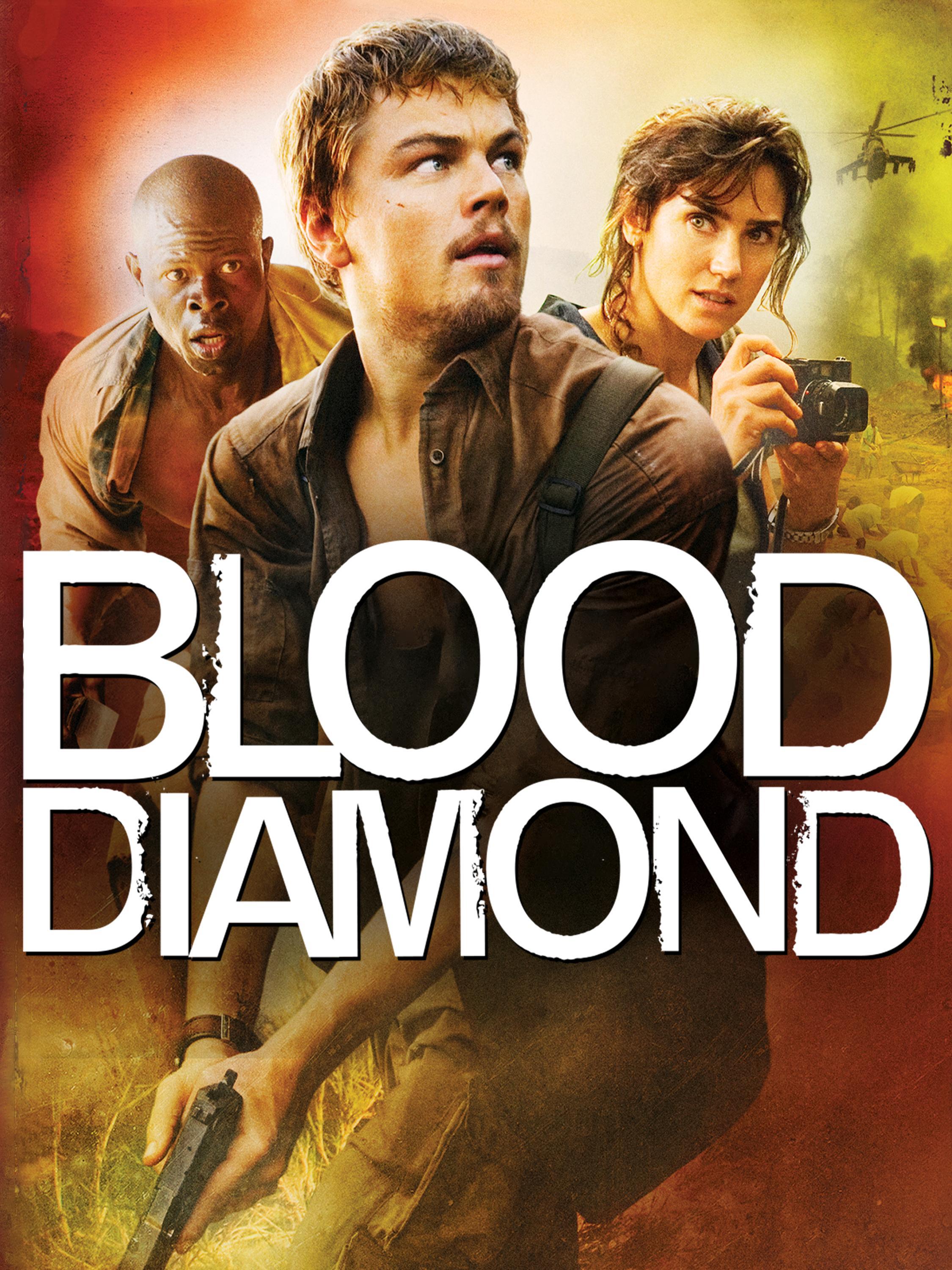
Review: Blood Diamond (dir. by Ed Zwick)


“Sometimes I wonder… will God ever forgive us for what we’ve done to each other? Then I look around and I realize, God left this place a long time ago.” — Danny Archer

Edward Zwick’s 2006 film Blood Diamond is one of those big Hollywood productions that tries to be both a gritty, globe-trotting thriller and a politically conscious indictment of the diamond trade’s role in African civil wars. Set in Sierra Leone during the 1990s, it stars Leonardo DiCaprio as Danny Archer, a Rhodesian mercenary and diamond smuggler, and Djimon Hounsou as Solomon Vandy, a fisherman torn from his family by rebels and forced into brutal diamond mining. Rounding out the leads is Jennifer Connelly as Maddy Bowen, a tenacious reporter determined to expose the atrocities fueling the global supply of conflict diamonds. The film is ambitious, harrowing, and, at times, as slickly entertaining as it is bluntly didactic. But like many socially minded blockbusters, it walks a tightrope between genuine drama and Hollywood sensationalism.

The story kicks off with a bang—literally—as Solomon’s village is raided by Revolutionary United Front militants, a moment that quickly plunges the viewer into Sierra Leone’s chaotic civil war. Solomon’s family is fragmented: he ends up a slave at a rebel-run mining camp, his son is eventually brainwashed into a child soldier, and his wife flees for safety. Meanwhile, DiCaprio’s Archer lands in jail after a failed smuggling run—which sets the two men on a collision course. Archer learns of Solomon’s discovery of an enormous, rare pink diamond—a stone that could mean escape or redemption for both men but is a magnet for greed, violence, and compromise. Their uneasy partnership with Maddy Bowen, who’s chasing a story, adds layers as their individual motives collide and evolve.

The movie doesn’t shy away from illustrating the devastating effects of the diamond trade—child soldiers, forced labor, mass displacement, and political corruption. While most of the on-screen violence is handled to maximize emotional punch, it never lets the viewer forget the real-world stakes of the Blood Diamond narrative. The film ultimately points viewers toward the establishment of the Kimberley Process—a set of international regulations designed to combat the illicit diamond trade.

A lot of the film’s emotional weight lands on DiCaprio and Hounsou, and for good reason. Leonardo DiCaprio nabs the complex role of Danny Archer with a layered performance and goes the extra mile by working hard on the Zimbabwean (Rhodesian) accent. While accents in film can be divisive, DiCaprio immersed himself deeply, working with dialect coaches and spending time with people from the region to best capture the regional nuances. Although some viewers and critics felt the accent was uneven or shifted at points, many others praised him for nailing this challenging and rare dialect. For an American actor to convincingly embody a mercenary with roots in that part of the world is no small feat. DiCaprio’s commitment brings credibility to Archer’s character, who is morally ambiguous but immensely human.

Djimon Hounsou, playing Solomon Vandy, serves as the emotional core and grounding presence of the film. His portrayal of a man torn apart by civil war, who fights desperately to reclaim his family, is heartbreaking and physically compelling. Their scenes together create genuine tension, as trust is both scarce and necessary for survival. Jennifer Connelly’s Maddy Bowen, while less fleshed out, brings determination and serves as the moral compass driving the film’s exposé of conflict diamonds.

Director Edward Zwick has a way of blending spectacle with raw storytelling. The action sequences, especially the firefights and escapes, feel intense and immersive. The cinematography captures the lush, dangerous landscape of Sierra Leone vividly, contrasting beauty with brutality. Some technical aspects do show their age—like certain digital effects that can feel artificial—but these don’t significantly dampen the overall experience. The soundtrack by James Newton Howard underscores the drama without veering into heavy-handed territory.

Blood Diamond scores high on several fronts. The performances by DiCaprio and Hounsou are standout elements, their evolving relationship carrying the film’s emotional heft. The pulse-pounding action sequences inject thrills while highlighting the chaos of civil war. Perhaps most importantly, the movie exposes the grim realities behind the glittering allure of diamonds, educating audiences about child soldiers, forced labor, and the complicity of international markets in perpetuating violence. Though it sometimes leans into melodrama and moralizing dialogue, the film’s commitment to its message is fairly unambiguous and impactful.

That said, the film sometimes succumbs to the trappings of big-budget Hollywood storytelling. The plot can feel overly convenient, with coincidences and resolutions that stretch credibility. Supporting characters, aside from the leads, are underdeveloped, mainly functioning as plot devices. Dialogue can at times be heavy-handed, particularly in the final act where scenes verge on preachy. Some narrative contrivances—like the recovery and passing of the pink diamond—can feel forced even in a tense, action-driven context. On the technical side, a few CGI moments fail to hold up under scrutiny, but these are minor irritants in an otherwise immersive film.

An important and unavoidable observation about Blood Diamond is how, like many of Edward Zwick’s previous action-dramas, it leans heavily into the “white savior” trope, if not outright embodying it. This trope centers a white protagonist—in this case, Danny Archer—who becomes the crucial figure in the salvation or redemption of non-white characters and communities. While the film sheds light on the horrors and complexity of Sierra Leone’s civil war and the conflict diamond trade, the narrative perspective and moral center overwhelmingly revolve around Archer’s personal journey from cynical mercenary to reluctant hero. The African characters, though vital and powerful especially through Hounsou’s Solomon, are often cast in more reactive roles, with Archer positioned as the key agent for change. The film also features a white journalist, Maddy Bowen, reinforcing this pattern.

Zwick’s leanings toward this trope are not new or isolated. His earlier films Glory (1989) and The Last Samurai (2003) also engage with the white savior narrative. Glory, a Civil War epic about the 54th Massachusetts Infantry Regiment, tells a historically significant story but largely centers on Colonel Robert Gould Shaw, a white officer played by Matthew Broderick, as the story’s main emotional and narrative anchor. The film has been noted for respectfully addressing racism and heroism but still revolves around Shaw’s perspective and sacrifice as a key redemptive figure for the African American soldiers. The Last Samurai similarly places Tom Cruise’s character, an American military advisor, at the heart of a narrative about Japanese samurai culture and resistance, blending cultural appreciation with the problematic trope of the white outsider who becomes indispensable to a non-white community’s fate.

This approach, familiar in Hollywood, walks the line between broad audience engagement and ethical storytelling. Zwick’s films often balance studio and audience expectations with a desire to tell compelling stories about marginalized communities. Yet inevitably, this framing simplifies complex histories and contributes to critiques that such films center whiteness and diminish the agency of non-white characters.

Casually speaking, Blood Diamond is not subtle, but that directness is part of its appeal. For viewers looking for a gripping action drama with strong performances and an ethical core, it delivers. It entertains while providing a sobering look at the high cost of luxury goods. DiCaprio’s portrayal of Danny Archer, complete with an authentically worked-on accent from the region, puts to rest doubts about his action lead capabilities. Hounsou’s performance lingers emotionally, especially in scenes grappling with the trauma of child soldiering. The violence depicted is raw and unvarnished, contributing to a visceral sense of the film’s urgent themes.

Running for about two hours and 23 minutes, the film has plenty of time to develop its complex story and deliver tense action sequences without feeling rushed or padded. Ultimately, Blood Diamond is an effective historical thriller that balances high stakes and moral urgency. While it’s not nuanced in every aspect and occasionally tips into cliché and convenience, it makes a strong case for itself beyond mere entertainment. Whether you’re interested in history, action, or the human stories behind the diamond trade, this film offers a thought-provoking, emotionally resonant experience. Leonardo DiCaprio’s dedication to portraying a Rhodesian mercenary authentically, especially through his accent work, is a highlight that complements the film’s broader narrative ambitions.