Project Natal: Evolution and Revolution


This past summer of 2009, during a company press conference the day before the start of E3 2009, an announcement which might have brought a paradigm shift in how consumers interact with their consumer electronics. The announcement I speak of is their 3D, full-body motion-cap sensor control scheme dubbed Project Natal. Tweets, texts and status updates across the ether that’s the web was a consensus jaw-dropping with a mixture of excitement and skepticism. The initial reaction was that this was Microsoft’s answer to the new 800 lb. gorilla in the gaming industry: Nintendo’s Wii.

It’s a logical reaction and one that was duplicated in a smaller part from Sony’s introduction of it’s own motion-based controller system. But Project Natal seems to be the one that has the world of not just gaming buzzing with excitement and possibilities, but the whole tech industry. Microsoft’s gamble and evolution of existing technology has the making of revolutionizing not just gaming but how people interact and use their PC and everyday home gadgets and technology.

First and foremost, Project Natal will be focusing on expanding the base of Xbox 360 owners and players to include not just the kids (both young and old) who play games ranging from kid-friendly to mature-oriented, but the rest of the family who want to be able to join in without having the master and pick up a controller. Yes, Project Natal will allow gaming to move forward with the option of actually not having to use a physical controller in one’s hands to play a game. Does it mean it will replace the handheld controller core gamers have gotten used to and by years of use become an almost intuitive part of their bodies? I don’t think it will, but instead become an option.

I will be the first to say that I will never ever get rid of my console gaming controllers. There’s an ease and familiarity of it in my hands when playing games. But the prospect of having the option of trying out all my games using my body as the controller itself is both exciting and intriguing. Project Natal is science quickly catching up to science fiction.

I say Project Natal both excites and intrigues me as a gamer for several reasons. It’s exciting to see how far gaming has evolved from the early days of the Atari VC (2600 for those who don’t recognize). While I have never been truly sold on the complete immersion Nintendo has touted the Wii and it’s Wiimote was to be for gamers, I will admit that it’s success has spurred it’s rivals to innovate and come up with the next step. If Natal is not bringing excitement back to an industry that is stagnating (even with the Wii’s innovation it has slowed down in terms of innovation) then why complain about the industry’s lack of innovation and imagination. Natal, whether one truly believes in it or believes it to be vaporware, has opened up a new door in how gaming will move forward in the forseeable future.

Another reason why Natal has me excited as a gamer is how it could breathe new life to old gaming experiences. I have never been a very adept fighting game players as combo systems and how to make them work on a controller pad has always eluded me. But with Natal I can see a future where even the most novice fighting game player could chain combos and attacks by simulating the moves themselves in a basic fashion. Playing Madden using the QB POV would actually become interesting and give a player a very close approximation as to what a real QB may see when standing in the pocket. The possibilities are endless.

Project Natal intrigue me as a gamer for the games dedicated to it that developers could come up with. Why have controller peripherals playing Rock Band when Natal could possibly make air guitar and air drumming a true reality. Console RTS would finally have a control scheme that could match the precision of keyboard and mouse system of their PC cousins. There will be hits and misses, but the fact that such a dynamic option on how games could be played should intrigue gamers looking to have a future in developing in the industry they love.

This coming evolution in gaming may be too ahead of its time. Some will say that Microsoft just took the existing technology already available with the Wiimote and EyeToy and just packaged both together into one package. That may be true but it doesn’t mean it won’t work. The industry has always been taking the latest innovation by one company and evolving and tweaking new ideas from it. While Nintendo and Sony may have arrived first in their respective tech they never thought of actually combining the two and adding new features to remove the controller outright.

Revolution that Natal brings will not be limited to gaming, but should also impact everything which relies on the synergy of software and hardware people’s everyday lives. Project Natal should be made to work with PCs, HDTVs, home electronic systems and everything in between.

It seemed such a coincidence that the one film depicting a near-future using a Natal-like technology would have its creator tout the new Microsoft technology. Project Natal does seem to be making the tech of Steven Spielberg’s Minority Report move from the realm of science fiction and into the realm of science reality. Natal has the possibility of allowing people to forgo the use of keyboards and mouse when using their computers. Pretty much the whole armor development sequence in Iron Man where Stark manipulates, designs and finally complete a new suit design without ever typing anything on a keyboard I could see Natal turning it into a real-world application for mechanical and electrical engineers. Not to mention research scientists in other fields.

While it is still too early to consider Project Natal as a success. It is still in a beta form with no announced released date other than sometime around 2010. It should be seen with eyes looking at the exciting and intriguing possibilities it opens up for gamers and the world of technology instead looking at it with cynical eyes already deciding to view it with skepticism. It doesn’t matter whether one likes Microsoft as a company or not. What they announced and showed on June 1, 2009 in the Galen Center in Los Angeles may just usher an evolution and revolution in gaming and tech that everyone will benefit from.

As we have seen with the pre-release and post-release reaction regarding James Cameron’s Avatar sometimes the product does live up to the promise and hype. When they do the general public will embrace it even if it does have some initial flaws and weaknesses. I think like Cameron, Microsoft’s Consumer Electronics and Gaming Division decided to gamble and leapfrog what others have started and move it in a direction no one had been expecting or even comtemplate as a remote possibility.
The Thing Prequel Starts Shooting in March – ShockTillYouDrop.com


John Carpenter’s The Thing is one of my favorite films ever made and I consider it one of the best sci-fi horror ever put on celluloid. There’s been talk for years of making a sequel to the 1982 film. While nothing ever came of it outside of some very well-done and well-written Dark Horse Comics were issued and set after the events of the first film. SciFi Channel even had a tentative plan to film a 4-hour miniseries sequel, but after many delays and obstacles to getting the pre-production beyond the concept stage the plan was dropped.

In the beginning of the new millenium Ron D. Moore of Star Trek and Battlestar Galactica (reboot) fame wrote a script which would take place prior to the evtns of the first film. This prequel would tell the story of how the “the Thing” was first discovered by the Norwegian team on Antarctica and the subsequent incidents which would lead into and tie with Carpenter’s film.

I am quite excited that the prequel is going to finally start filming this March and into June. The same studio which financed and released two excellent horror films in the past 10 years (James Gunn’s Slither and Zack Snyder’s Dawn of the Dead remake), Strike Entertainment, will also be the one responsible for this prequel. Matthijs van Heijninjen will be directing the film from Ron D. Moore’s scriptment with rewrite work from Eric Heisserer.

The question, I am sure fans will have, is will the filmmakers go full on digital, traditional practical effects or a combination of both. If they even go with option 2 or 3 they definitely need to bring in Rob Bottin and Stan Winston’s Effects House to either consult or handle the FX work. Bottin should just be made part of the crew just because he’s Rob Bottin and The Thing was as much his film as Carpenter’s.

Here’s to hoping Heijningen and Heisserer don’t fuck this prequel up.

The Thing Prequel Starts Shooting in March – ShockTillYouDrop.com

Posted using ShareThis

The Pacific (HBO Mini-Series)


HBO’s 10-part mini-series in 2001 adapting historian Stephen Ambrose’s best-selling book, Band of Brothers, was a hit and success with both critics and the general audiences. The book and the series detailed the life of members of Easy Company of the 2nd Battalion, 506th Regiment of the 101st Airborne Division during it’s campaign. A campaign which first began during training in Toccoa, Georgia then moving on to the Allied training in the UK before participating in some of the bloodiest battles of the Allied Western Front Campaign: Normandy, Operation Market Garden, Battle of Bastogne and finally the taking of Berchtesgarden and Hitler’s Eagle’s Nest.

The mini-series was known for it’s historical accuracy and attention to battlefield detail. Band of Brothers owes much of its visual and film-style to Stephen Spielberg’s (he was one of it’s exec. producers with Tom Hanks being another) WWII epic, Saving Private Ryan. The heavily washed-out color stock gave the series an almost black-and-white quality with just the sudden splashes of color like red and orange to highlight blood and fire. When it came to the battles the series set the bar quite high with Ridley Scott’s Black Hawk Down and Spielberg’s Saving Private Ryan being the only two to match it in technical mastery.

The series has become a yearly staple comes Memorial and Veteran’s Day in the US. I could always wake-up on those two holidays, turn on The History Channel and see a Band of Brothers marathon. Easter has it’s DeMille The Ten Commandments and these two holidays celebrating the sacrifices of soldiers, living and dead, have their BoB.

It’s now 2010, HBO Steven Spielberg and Tom Hanks go for round two with another 10-part WW2 mini-series simply titled, The Pacific. This second series will move from the European Theater of Operations over to the Pacific. Like the first mini-series, The Pacific will tell the story of the war from the eyes of a couple men on the ground. This time the men are Marines of the 1st Marine Division and through the eyes of some of these men we see WW2 fought in the Pacific and despite being fought in the same war it distinguishes itself for it’s sheer brutality. Audiences will learn such hallowed names such as Guadalcanal, Peleliu and Okinawa.

So, March 2010 people who enjoyed Band of Brothers should definitely tune in to HBO and watch it’s bookend series: The Pacific.

The Pacific Trailer

The Pacific Trailer 2

The Pacific On-Set Featurette

20 Favorite TV Shows of the Past Decade


The beginning of the new millenium brought to tv something which was relegated to MTV for most of the 1990’s. I speak of the so-called “reality tv” shows like The Real World and Road Rules. They were a nice enough diversion from the usualy network and cable fare. They drew great ratings for a cable show and with each successive season for both series becoming more and more like car-wrecks with their beautiful and quite fake cast members the other networks began to take notice. In comes from nowhere Mark Burnett and his pitch to the CBS network of a survival show where ordinary citizens picked to play were to try and survive the season until only one is left to win the million dollar cash prize. Thus was born the reality-tv show, Survivor.

Soon other networks began to greenlight their own reality-tv shows (which were as real as some of the boobs on the cast of later Real World cast members). Fox gave us American Idol. NBC would introduce The Biggest Loser and Donald Trump’s The Apprentice. ABC got into the act with Who Wants to be A Millionaire then with The Bachelor (and to show they were not sexist, The Bachelorette). Even cable channels like The Food Network, Bravo and AMC got into the reality-tv show. Hell, even The Discovery Channel started their own which actually delivered on the label of “reality-tv” with their very popular series, Deadliest Catch.

While the decade from 2000-thru-2009 seemed to be dominated by these cheap to produce “reality shows” the decade had their bonafide hits of every kind. Every type of show were ably represented from comedies, dramas, police procedurals to pop-level shows. The Writer’s Strike of 2007-2008 ended some very good shows just when they were about to breakout. While of some these shows were able to get a second-chance either with a follow-up full season (many series had seasons cut short due to the strike) others got picked up by cable networks like USA or TNT.

Below is the list of the 20 of my favorite tv shows of the past decade. I decided against doing a “Best of…” list since some shows that many would say should be on the list won’t be since I never really watched them or got into them. So, as a list of favorites I’m able to decide on picking shows I’ve actually spent time watching at least halfway into the first season, if not all of the episodes shown.

  1. The Wire (HBO)
  2. Rome (HBO)
  3. Deadwood (HBO)
  4. Dexter (Showtime)
  5. The Shield (FX)
  6. Sons of Anarchy (FX)
  7. Battlestar Galactica (SciFi)
  8. Supernatural (CW)
  9. South Park (Comedy Central)
  10. The Chappelle Show (Comedy Central)
  11. 24 (Fox)
  12. Terminator: The Sarah Connor Chronicles (fuck you Fox!)
  13. Deadliest Catch (Discovery Channel)
  14. MadMen (AMC)
  15. Burn Notice (USA)
  16. Jericho (CBS)
  17. Chuck (NBC)
  18. NCIS (CBS)
  19. The Universe (The History Channel)
  20. Diners, Drive-Ins and Dives (The Food Network)

Review: The Zombie Survival Guide (written by Max Brooks)


I am what one would call an aficionado of all things zombie. The subject has been an interest of mine since I saw my very first true zombie film: Night of the Living Dead. Romero’s seminal work made such an impact in my young mind that, despite the primal sensation of fear I felt while watching it, my curiosity and imagination won out. I was stilled scared shitless for the next couple weeks once night arrived, but it didn’t stop me from thinking about it then letting my young mind start thinking of what I would do if put in a similar situation. It’s almost two decades since that moment and I still think about such things whenever the topic turns to things zombies.

I first came across Max Brooks’ book when I was browsing the web and decided to check out a site a fellow zombie-fan had recommended I visit: HomePageoftheDead.com. It was my first time visiting the site and right from the beginning I saw a link that had Brooks’ book title on it. I clicked it to see what it was all about. Lo and behold it was a for real survival guide on what to do if and when a zombie outbreak ever occurred. I knew it was one of those satire, gag books taking a ludicrous, albeit funny situation and writing a faux-serious work of instructions and guidelines around it. It didn’t take me long to check if Amazon had the book for sale and it did to my surprise. The moment I received the book I sat down and read it from beginning to end in a day’s time.

Max Brooks’ experience as a comic staff writer for Saturday Night Live and being Mel Brooks’ son probably helped in keeping the book from being too campy and also overly serious. Brooks’ hit the right balance of seriousness and yet giving every procedural instructions on how to survive and the optimal way of surviving a darkly black comedic tone to it all. Part of me was thoroughly amused and even laughed out loud a few times as I read through the guide, but part of me also felt a bit of dread in how real his descriptions were and how much common sense his survival guide had for the reader to take note of. I thought the final chapter describing documented reports of zombie outbreaks throughout man’s history was especially well-done. It sure made some of the darker moments in man’s history take on a much more horrifying note.

Max Brooks’ Zombie Survival Guide has been a great addition to my collection of dvds, comics and novels about the zombie subgenre. It also helped continue my on-going interest in the what-if scenarios of such an event from ever happening. His writing balances both satire and horror and the book is much better than it should be because of it. Being a zombie aficionado I would highly recommend this to like-minded readers and would gradually introduce it to those who have no notion of such a topic. One never knows when the fantastic suddenly becomes horrifyingly real. When and if it ever does happen, I know this book will have served me and mine well.

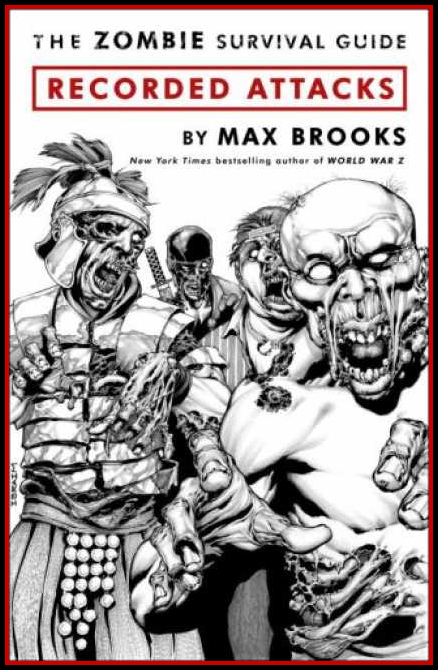
I would also like to point out that in addition to this book is a companion volume released by the comic book publisher, Avatar Press which takes those so-called historical accounts of zombie outbreak incidents and creates a graphic novel out of it. Again, Max Brooks has a hand in writing this book. He took some of the longer entries in the survival guide’s last chapter and rewrites them to better fit the comic book format.

The artwork by Ibraim Roberson for The Zombie Survival Guide: Recorded Attacks are some of the finest black & white inks I’ve seen and definitely one of the best zombie artwork. Roberson really captures the grotesque and hungry nature of the undead as Brooks’ describes them. Even though there’s no color involved in all the visuals it still doesn’t diminish the scenes of gore. I think it actually makes the scenes even more effective as the reader imagines the colors being there while reading them. There was no need to add to the shock value when it was already shocking.

While I wish they could’ve included every historical entry from The Zombie Survival Guide in this graphic novel I understand that to do so would mean a book at least over a hundred pages or more in size. Maybe there’ll be a plan to make a second volume if this first one sells well. Fans of Max Brooks’ guide can only hope that this indeed is what he and Avatar Press have in mind. Despite not having everything I expected it to the graphic novel was still a find companion piece to Brooks’ Zombie Survival Guide with some of the best looking zombie artwork outside of The Walking Deads Tony Moore and Charlie Adlard.

The Zombie Survival Guide

The Zombie Survival Guide: Recorded Attacks


The Expendables: Official Trailer


It looks like Sly Stallone has figured out what he’s best at now that he’s entering the lat eyear’s of his career. He’s really not the blockbuster draw as he once was during the 80’s and at times the early 90’s. His acting career from the mid 90’s right up to the early 2000’s was one flop after another. At times his films didn’t even get a major theatrical release and went to video instead. It would seem that Stallone’s time as a relevant force in Hollywood was coming to an end.

When news broke that Stallone was going back into the Rocky franchise one more time many were groaning at another installment in a franchise many thought already dead after the fifth film. The film was to be titled simply as Rocky Balboa. When it finally came out to most everyone’s surprise it actually reviewed well and did very good box-office. It wasn’t on the same level as Stallone’s films in his hey-day but for a man whose had been relegated to direct-to-video status this was like a second-chance at being good again.

Stallone decided that if it ain’t broke then why fix a good system and decided to follow-up his successful Rocky Balboa with a fourth installment in his other popular franchise: Rambo. While this one didn’t do as well critically and in the box-office it still did well enough that now Stallone seems to have found his niche in Hollywood. He’s almost become the go-to guy for throwback 80’s type action films. Already he’s announced two more Rambo films. His next project was to be an homage to the very 80’s action films that made him famous in the 80’s: The Expendables.

This film’s casting news became almost cult-like in how film fans followed it. Some were for real while others were rumors and just fan wishing. While not every fan’s wish to who should be cast in this action-flick was met the final casting roll-call made The Expendables the most testosterone and machismo-laden film in history (IMO). Here’s the list and tell me I’m wrong…

  • Sylvester Stallone
  • Jason Statham
  • Jet Li
  • Mickey Rourke
  • Terry Crews
  • Dolph Lundgren
  • Eric Roberts
  • Randy Couture
  • Steve Austin
  • Bruce Willis
  • Arnold Schwarzenneger
  • Danny Trejo
  • Antonio Rodrigo and Antonio Rogerio Nogueira

The first official trailer was cut and pieced together by Stallone himself. While the trailer really doesn’t explain much what the film is all about it does highlight much gunplay, explosions, 80’s-style action-flick one-liners and even more explosions. Watching it after reading about the film and who was to be in it and how violent it will be made me realize that as bad as some of those 80’s action-flicks were they were fun to watch. Here’s to hoping Sly remembers that he’s making this flick to be fun and not some message and theme-laden exercise in some sort of psychology deconstruction of violence in film.

I just want him to blow shit up and do it a lot and in cool ways.

Anime Inducing Epileptic Bliss or Just Plain Epileptic Fit


While I started off in loving anime on the level I do now, I have to admit that it’s a form of entertainment that pretty much fights to dominate my time in addition to film, gaming and music. I’ve started on the path to try and attend as many anime conventions as humanly and, most importantly, financially possible. While attending Anime Boston 2008 I was introduced to a certain growing trend with anime fans and that’s the art of AMVs aka Anime Music Videos. It’s pretty much some enterprising and very talented individual taking a favorite song and then taking the appropriate scenes from their favorite anime and creating a music video out of it.

While a majority are quite amateurish and very awful there remains a small number of such profound awesomeness and bodacity that they rise to the top for all to marvel at. I saw one such example of awesome bodacity at Anime Boston 2008 and I believe it should’ve won “Best in Show” and not just “Best Editing.” For some anime fans who love these kind of stuff they’ve seen and continue to see this particular AMV, but I think it deserves to be seen by….in the words of Norman Stansfield….E-VERY-ONE!

ATTACK OF THE OTAKU

Review: District 9 (directed by Neill Blomkamp)


It is a rare feat that an unknown filmmaker is first introduced to the public to take control of the reins to major motion picture with legions of fans. Fans who have both high expectations and also equally high trepidation about hwo their favorite intellectual property will be handled and adapted to the big-screen. The year was 2007 and Peter Jackson (who had been given producing duties by Microsoft, Fox and Universal Pictures) announced to the world that he had selected a young South African filmmaker by the name of Neill Blomkamp to direct the film adaptation of Microsoft’s hugely popular sci-fi action shooter, Halo. The reaction to this news was bewilderment, grumblings and major headscratching from fans and studio executives alike.

Who was Neill Blomkamp and what has he done of note to be given the reins to one of the largest and most popular video game franchises?

Peter Jackson definitely saw something in this young South African. While fans of the Halo game wanted Jackson himself to direct the film he decided to let this unknown take the job. To give a glimpse of what he was capable of and to prove to both fans and executives that he was the right man for the job, Blomkamp filmed three short films depicting live-action scenes of Halo to be released as part of the Halo 3 media ad-campaign blitz for its 2007 release. All three short films were dynamic and had a grittiness to it which definitely showed the young man had talent, but in the end it wasn’t enough to save the Halo film from being declared postponed then cancelled. Studio executives from both Fox and Universal (both had licensed the rights to release the Halo film for domestic and international release. They were also to help put up the $150million stated budget) wanted a higher percentage of gross profits from the film. Microsoft who was putting up a large share of the budget refused and studio politicking literally ended the film while pre-production by Blomkamp, Jackson and his WETA team were five months in.

What had become a major blow to the beginning of Blomkamp’s filmmaking career might be the very thing which puts him on the map as one of the brightest and most inventive filmmakers of his generation. With $30million dollars of his own money, Peter Jackson gave Blomkamp a second chance to make another sci-fi actioner, but this time do so independently and away from the control and interference of major studios from Hollywood. The film Neill Blomkamp ended up making after the cancellation of his Halo might just turn out to be the best film of the summer of 2009 and one of the best of the year. The film is District 9.

Born and raised in South Africa, Blomkamp’s experience growing up in the final throes of apartheid and the societal chaos which succeeded the end of minority white rule could be seen in the basic foundations of District 9‘s story (screenplay co-written by Neill Blomkamp and Terri Tatchell). It is a story detailing an alternate historical event in world history when in the late 1980’s a massive alien spacecraft suddenly appears over Johannesburg, South Africa. This momentous event in human history soon turns into a worldwide “humanitarian” undertaking people soon discovered that the aliens who inhabited this spacecraft (numbering over a million) were not the all-conquering or benevolent beings as shown by Hollywood, but malnourish, sickly and aimless beings who appeared to be bipedal, barely humanoid looking crustaceans. Derogatively called “prawns” by the inhabitants of Johannesburg, these aliens spend the next 20 years of their existence on Earth housed in a heavily-policed and walled shanty tow and slum area in the city named District 9.

It is in this District 9 where most of the action of the film takes place as a plan by the government and it’s hired private corporation of Multi-National United to relocate these aliens to a more remote camp of District 10. A camp 200 kilometers away from the population center of the nation’s capital to the relief and delight of the population. In charge of this relocation program is one Wikus van der Merwe. A middling middle-manager within MNU who may have gotten this particular job for no reason other than being the husband to the daughter of MNU’s chief executive. Wikus van der Merwe appears in the early going of the film like a cross between Lumbergh of Office Space and Michael Scott of The Office. Wikus seems to relish and delight in his new-found authority leading MNU bureaucrats and their company private security teams in forcibly removing the aliens from their shanties. Wikus’ racist attitude towards the aliens is quite evident as he uses the derogatory name for the aliens (prawns) every chance he gets. It is during the inspection of a secret lab in one of the shanties where the film deftly switches from the first third of the film as a scifi allegorical study of South Africa’s (and most likely the world as a whole) racist apartheid past and into a Fugitive-like chase film which make’s up the middle third.

To say that what Wikus finds in the alien makeshift laboratory makes a profound impact on him is quite an understatement. Blomkamp shows not just Jackson’s influence as a director of horror, but also has quite a handle on the Cronenbergian aspects of the storyline. Blomkamp shows rather than tell through long-winded expositions what is happening to Wikus that suddenly made him the most wanted man in South Africa, if not the whole entirety of the planet. Wikus’ starts the final third of the film literally transforming from the nebbish and weasly character from the beginning into something of a reluctant hero, albeit for his own self-interest.

It is the final 20-30 minutes of the film where those audiences still on the fence about District 9 will probably end up finally getting hooked with the rest of the audience. Blomkamp has shown in the first two third of the film that he knows how to handle social commentary in a scifi story without being too heavy-handed and preachy. He’s also shown a knack for keeping a constant pace and adding to the tension which finally explodes in the last half hour of the film. It’s the pay off that action-flick fans had been waiting for and they won’t go away disappointed. Alien weaponry are finally put into play and we see just how effective they can be when used on humans. Bodies are literally blasted apart whether by lighting blasts or from high-powered rapid-fire guns.

Not lost from all the social and allegorical commentaries within the story and the rolelrcoaster ride of a finale is the fact that Neill Blomkamp has deft eye for creating a believable alternate reality for this film to inhabit. With the help of his cinematographer Trent Opaloch and a battery of Red One digital cameras, Blomkamp settles for a gritty and grainy look for the film. This gives the production a very documentary-like feel. They’ve also used to great effect the so-called “shaky-cam” technique to simulate a cinema verite look for the more chaotic scenes in the film. It is not a new way to film as films like Blair Witch Project, Cloverfield plus the Bourne Trilogy. What this film was able to do which those films failed to some extent was to allow the shaky-cam effect not to distract too much. This is shaky-cam as if being handled by a professional combat filmmaker taking in a battlezone as it happens. While the first half of the film relies mostly on patched together scenes from news reports, official MNU company videos and video interviews of select individuals, the second half moves away from this mockumentary-style and into a more traditional narrative technique. It is easy to nitpick this change in techniques after the fact but Blomkamp’s chief editor in Julian Clarke makes it possible for a near-seamless transition from one film-style to the next without skipping a beat.

The peformances from a literal cast of unknowns (at least to Hollywood and those outside of South Africa) could easily have been the main weakpoint in District 9 but it turns out to not be the cast. Headed by first time lead actor, Sharlto Copley as Wikus, the film’s cast does a very good job of lending an air of realism and credibility to a fantastical story. Their performanaces are mostly understated except for the role of MNU security-team leader Koobus Venter as played by David James. While James played the role in its early stages as the usual no-nonsense military veteran the character soon turns into a major villain to hound Wikus in his flight. While this transformation wouldn’t be such a bad thing the overreaching and over-the-top performance by James turned Koobus into a caricature of a villain. One almost expected the man to cackle (at times he almost did) and bellow out the classic evil laugh. In the end, Copley’s performance as Wikus was the highlight of the film’s cast performance. In the beginning it is quite easy to detest this bookish and sycophantic functionary, but as we follow him throughout the film we see his transformation into something of a coward who must turn into a reluctant hero to serve his needs. Finally, we see him make a sacrifice which redeems him in the eyes of the audience.

It is not often that a film comes along which makes a major impact on a genre, especially from a filmmaker making his debut feature film. While not a huge blockbuster in terms of budget District 9 manages to outdo the usual tentpole event films from the major studios this summer. Budget constraints doesn’t keep the film from becoming a sweeping epic not seen since another low-to-midbudget R-rated scifi actioner that went by the title of Robocop. Like that film from the late 80’s, Blomkamp’s film manages to find a balance between saying something about his home country’s past racial and societal problems, but also give the scifi genre a frenetic, action-packed, kick-ass of an action film that doesn’t turn out to be silly, contrived or stale. Not everyone will enjoy this film as the best ever or even as the best of recent years, but it is hard to argue or dismiss the fact that District 9 is film which refuses to be pigeonholed into a particular type of film. It’s a message film and a scifi film. It’s also a film of body horror and a study of the human condition both its darker and better natures.

District 9 is a film that lived up to the hype surrounding it and surpassed expectations. This film also makes a star out of first-time director Neill Blomkamp. He will certainly be flooded by offers from the very major studios who doubted him during his aborted attempt to turn a major pop culture franchise into a film. It also validates the notion that a summer blockbuster doesn’t have to be dumbed down or stripped of its thrills to have both. Or that it has to have a budget in the hundreds of millions to make it look like one. A near-perfect film and one that should be the driving influence for the scifi genre for years to come.

20 Best Horror Films of the Past Decade


The Aught’s, as some people have come to call this decade about to end, was actually a pretty good decade in terms of the amount of quality horror that showed up on the big-screen. We had some channeling the nastiness of the 70’s exploitation era while a couple ushered in this decade’s era of the so-called “torture porn.” There were more than just a few remakes of past horror films. Most of these remakes were quite awful compared to the original, but more than a few managed to end being good and held their own against the original.

Some of the titles I will list will eschew gore and the shock scares for a more subtle and atmospheric approach. More than a few straddled not just horror but other genres like comedy, drama and sci-fi. If there was one major observation I was able to make, when collating what I thought was the 20 best horror films of the decade, it was that the Foreign studios really came into the decade with a vengeance.

While I consider these horror films on this list as “the best of…” it is still my opinion and I am sure there will be people who will disagree, but even if people do not agree with all my choices it would be hard to dispute any of them as not being good to great in their own way. Like my similar Sci-Fi list this one will be numbered but only for organizational sake and doesn’t determine which film is better than rest. They’re all equal in my eyes.

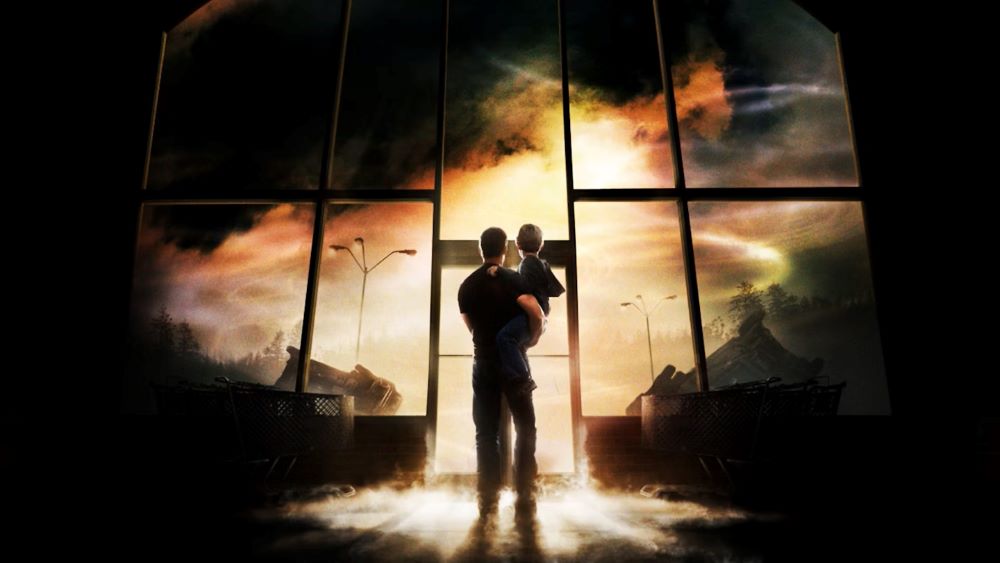
  1. The Mist (dir. Frank Darabont)
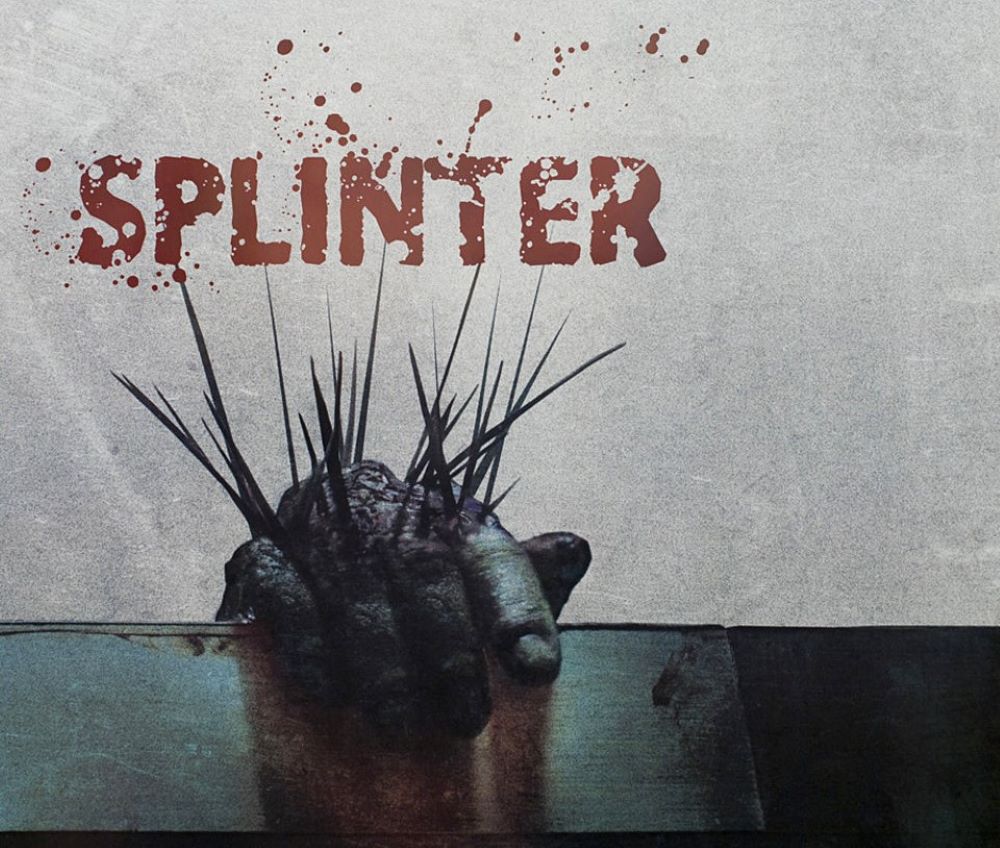
  2. Splinter (dir. Toby Wilkins)
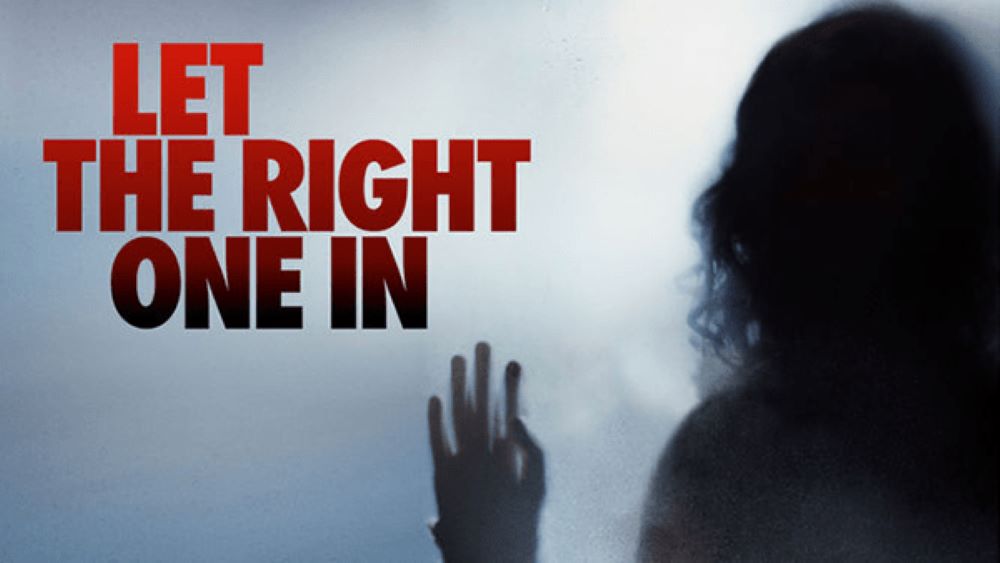
  3. Let the Right One In (dir. Tomas Alfredson)
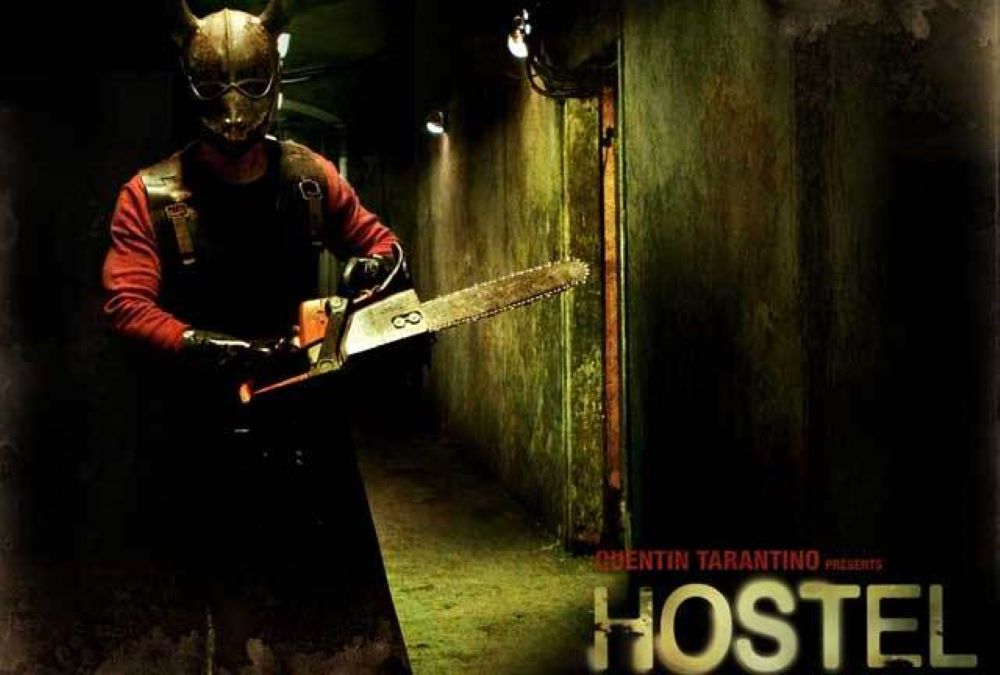
  4. Hostel (dir. Eli Roth)
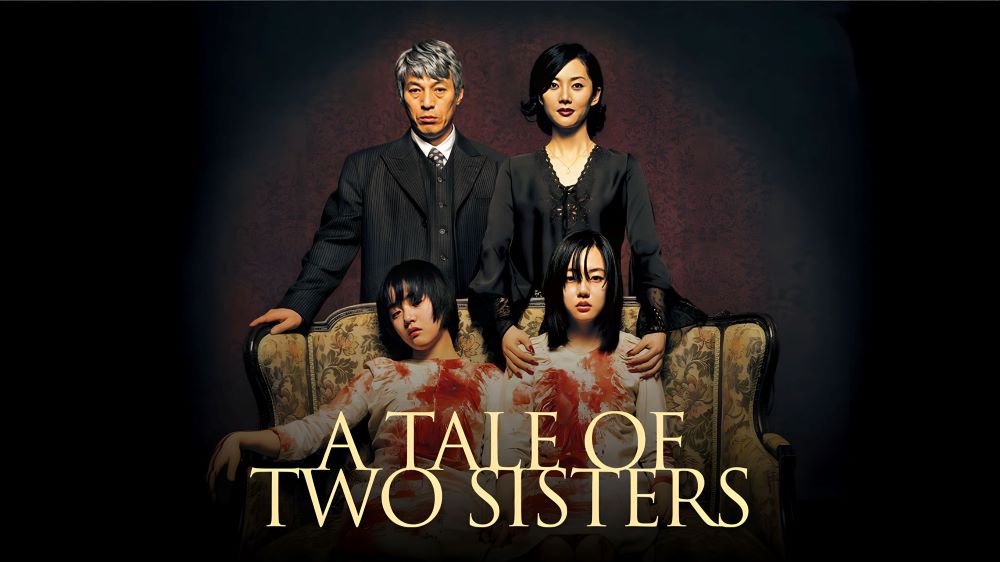
  5. A Tale of Two Sisters (Kim Ji-woon)
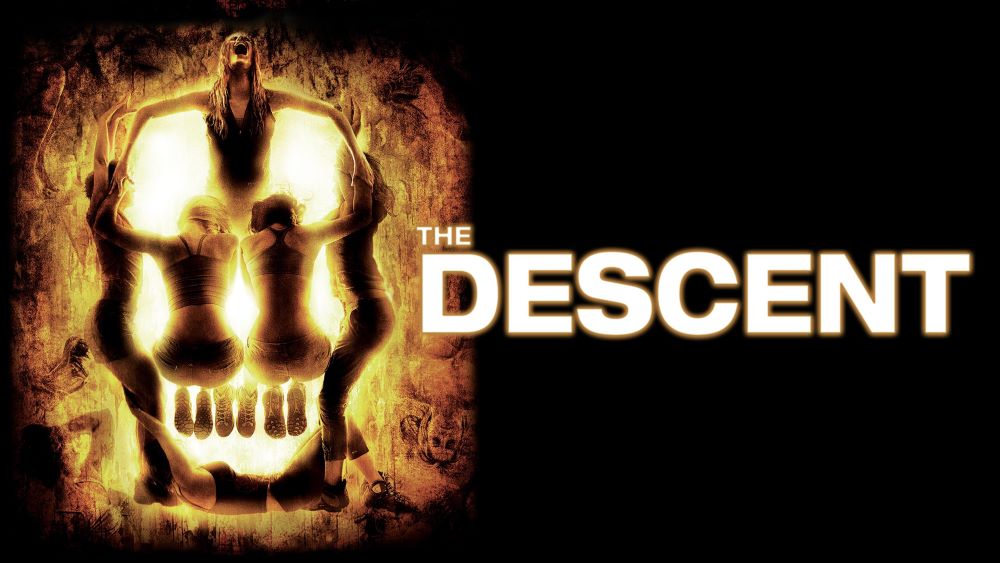
  6. The Descent (dir. Neil Marshall)
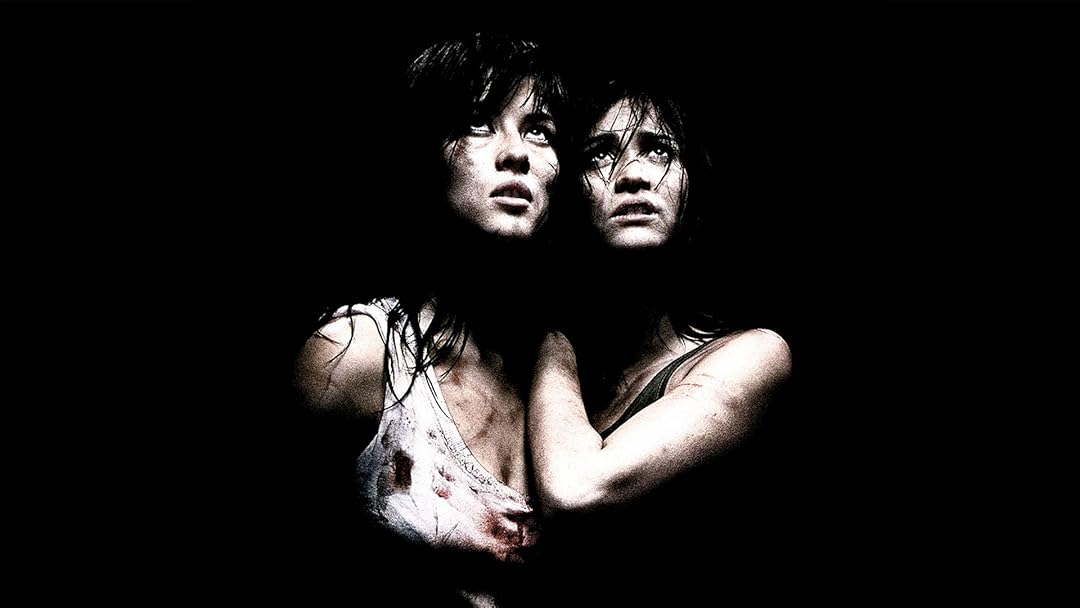
  7. Martyrs (dir. Pascal Laugier)
  8. 28 Days Later… (dir. Danny Boyle)
  9. Bubba Ho-Tep (dir. Don Coscarelli)
  10. Dawn of the Dead (dir. Zack Snyder)
  11. The Devil’s Backbone (Guillermo del Toro)
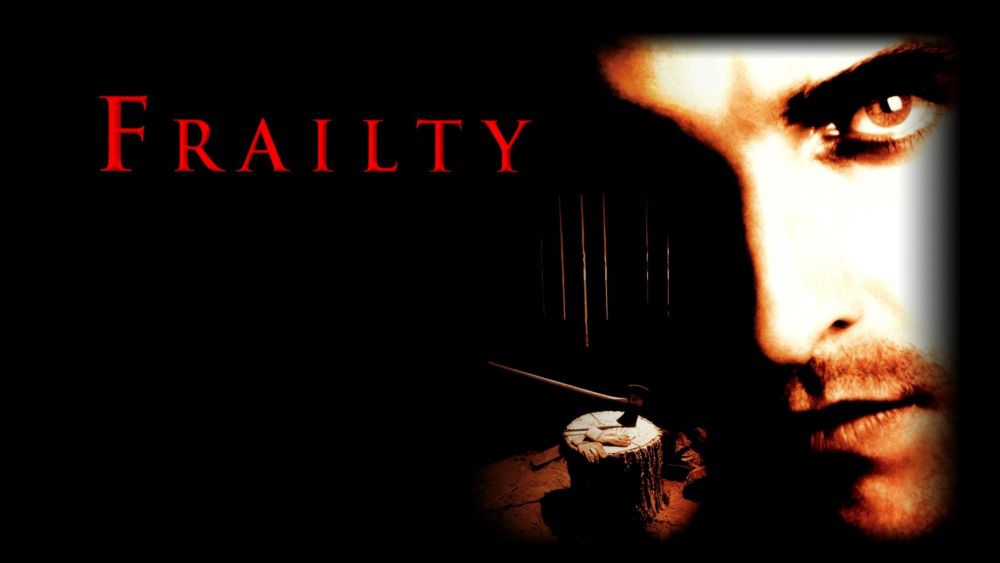
  12. Frailty (dir. Bill Paxton)
  13. Kairo (dir. Kiyoshi Kurosawa)
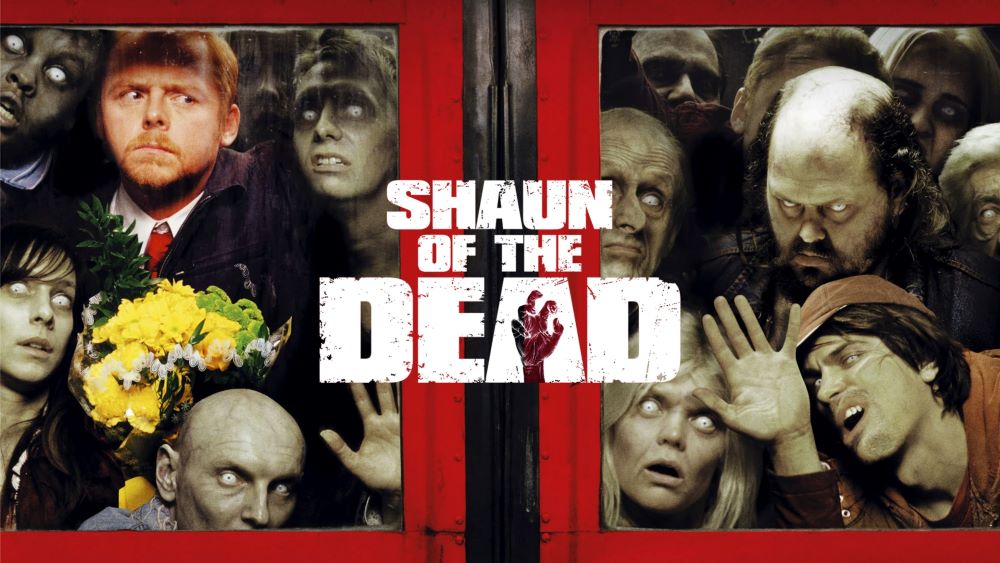
  14. Shaun of the Dead (dir. Edgar Wright)
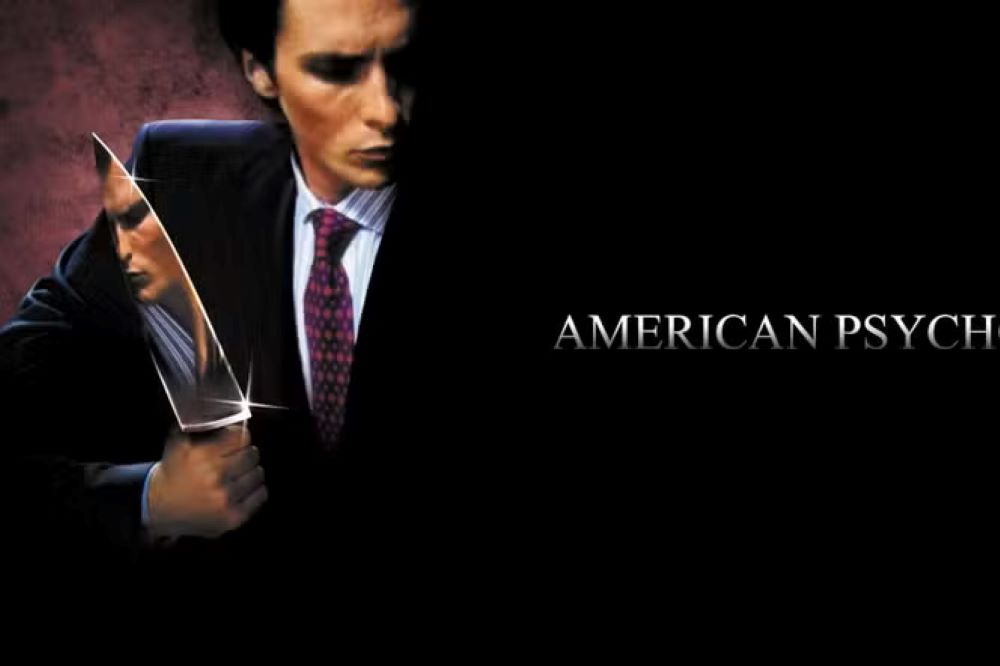
  15. American Psycho (dir. Mary Harron)
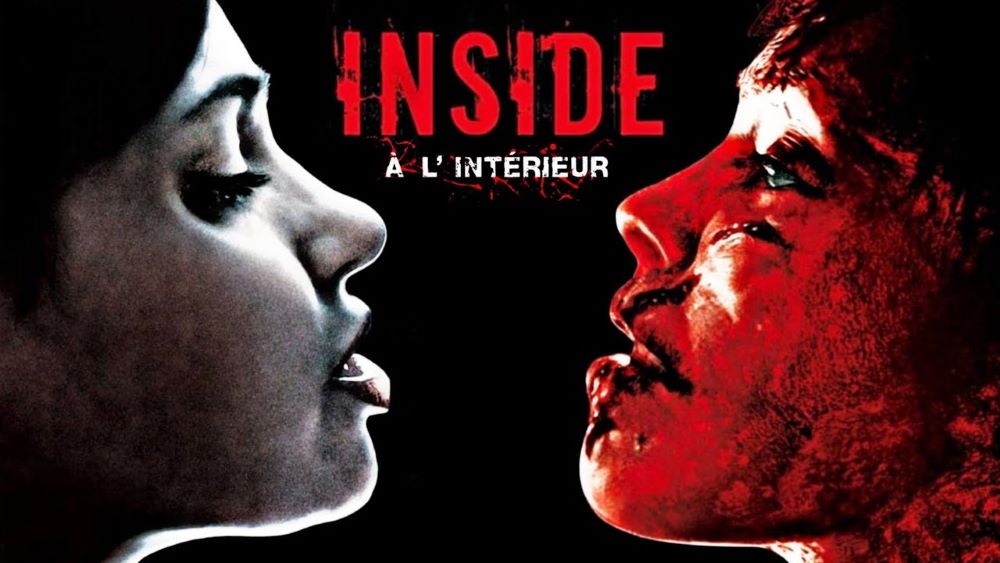
  16. Inside (dir. Alexandre Bustillo & Julien Mary)
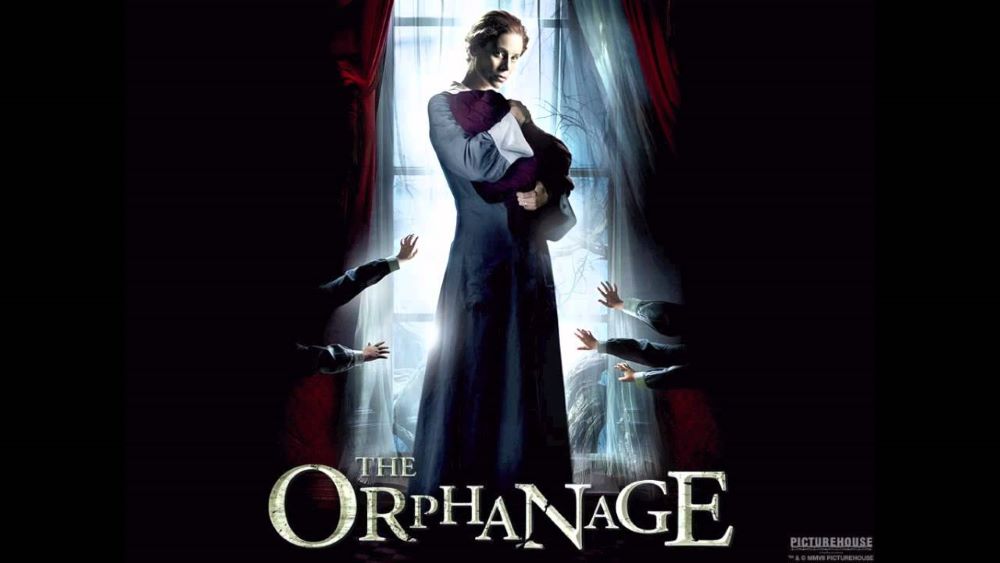
  17. The Orphanage (dir. Juan Antonio Bayona)
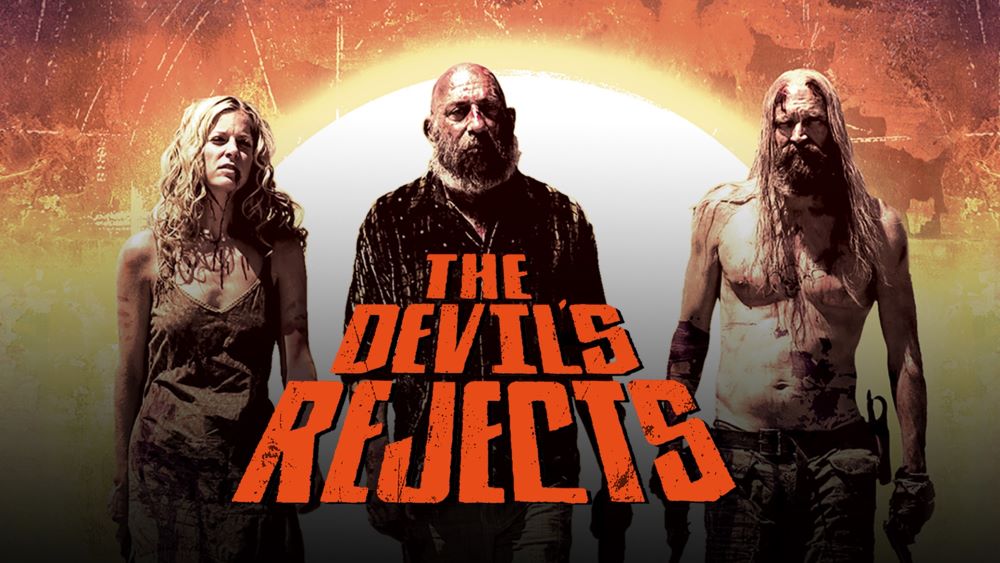
  18. The Devil’s Rejects (dir. Rob Zombie)
  19. Slither (dir. James Gunn)
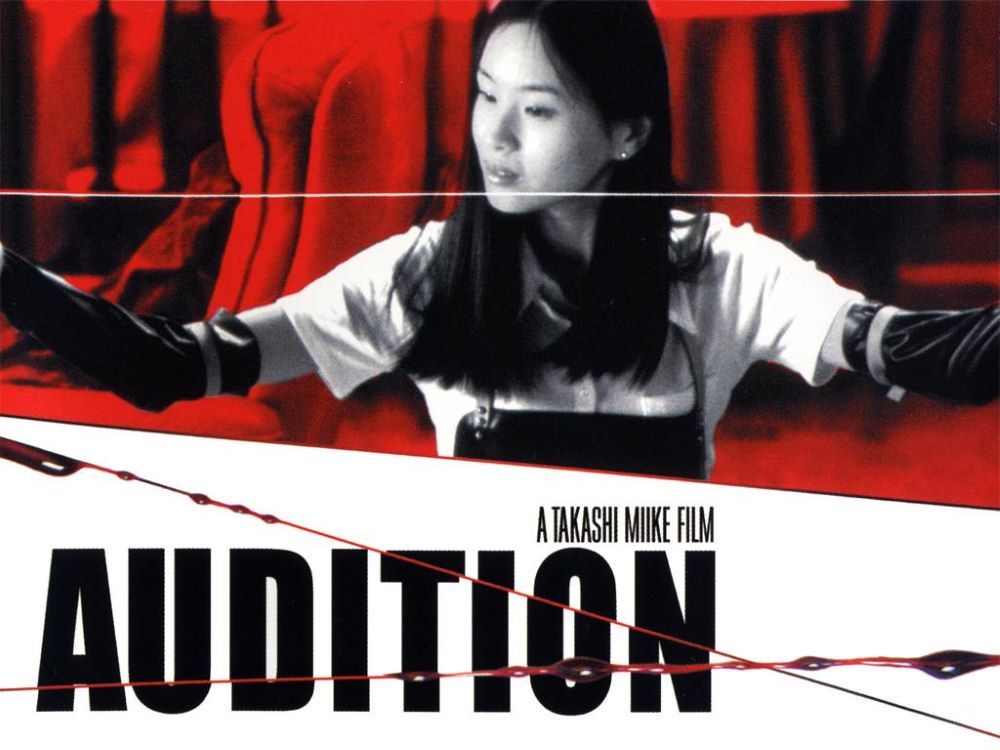
  20. Audition (dir. Takashi Miike)

Honorable Mentions: Saw, Haute Tension, Drag Me To Hell, Trick ‘r Treat, Dog Soldiers, Ju-On, May, Midnight Meat Train, The Ruins, Jeepers Creepers, Ginger Snaps, Funny Games (remake), Shutter, Frontier(s), Behind the Mask: The Rise of Leslie Vernon…just to name a few.

Vocaloid Nenderoid Petit aka J-Crack!


One of my newest obsessions. Newest in that I’ve only started collecting them in the last year or so. My newest obsession feeds the growing otaku growing inside me. This awesome and criminally cute little things are the “nendoroid” line of anime-based figures from Good Smile Company of Japan. This particular group is of the smaller nendoroid petit line and using the Vocaloid characters. Vocaloid is a singing synthesizer application software which has become the rage in Japan and especially those who are very into the anime/manga scene.

These have become the replacement to those damnable Pokemon’s everyone were trying to catch a decade ago. I do believe I’d rather have these than those weird looking critters. So, finally receiving this set in the mail today has made my inner otaku quite happy indeed. >.<