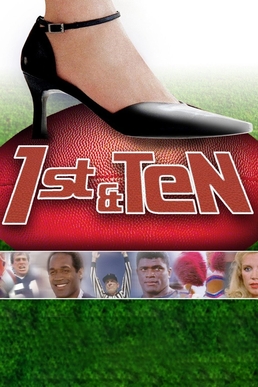
Welcome to Late Night Retro Television Reviews, a feature where we review some of our favorite and least favorite shows of the past! On Wednesdays, I will be reviewing 1st and Ten, which aired in syndication from 1984 to 1991. The entire series is streaming on Tubi.
This week, a player’s reputation is on the line. Can he clear his name, even though all the evidence is stacked up against him?
Episode 2.4 “Quarterbacks Tell No Tales”
(Dir by Bruce Seth Green, originally aired on September 15th, 1986)
T.D. Parker (played by O.J. Simpson) is pissed off! The normally affable former player is angry that someone is dealing cocaine to the Bulls. The press and the commissioner both assume that the dealer is rookie quartebrack Tim Yinessa. (That guy that Yinessa caught searching his room last week? He was a reporter.) T.D. isn’t so sure. He thinks that start quarterback Johnny Valentine (Sam Jones) is responsible for the team’s cocaine problem. T.D. eventually confronts Johnny and tells him to stop with the drugs.
“25% of this league retires injured,” Johnny says, “You’re proof of that.”
T.D. gets so angry that he proceeds to stab Johnny to death punch Johnny in the chest. “Welcome to the 25%,” he says.
No, T.D. Johnny said “retired” players. Johnny’s not retiring yet. Anyway, Johnny was so coked up that he probably didn’t even feel the punch.
As for Yinessa, he nearly gets kicked off the team when the real dealer plants some cocaine in his locker. Luckily, his roommate — Jamie Waldren (Jeff Kaake) — steps forward and confesses that he was the owner of the cocaine that the reporter found in the room. Diana orders Jamie to go to rehab. “Sure, I guess,” Jamie replies.
While that’s going on, Dr. Death and Mad Dog Smears continued to harass the rookies by ordering one of them to fake a suicide attempt as a part of a practical joke. At the bar where they hang out, they also sang a song against urine testing. I’m not really sure why anyone would want to hang out at the bar, as it seems like the whole place only exists so that Dr. Death and Mad Dog can put on painfully unfunny stage shows. Dr. Death and Mad Dog also told Yinessa that they would kill him if he agreed to random urine testing in order to prove his innocence. Personally, I think Dr. Death and Mad Dog should focus on their jobs. Maybe if they did a better job protecting the other players, T.D. wouldn’t have had to retire. I mean, you can tell it’s really cutting T.D. apart that he can’t play anymore.
So, Jamie is off to rehap, Yinessa is still on the team, and T.D. didn’t have to kill anyone. All in all, it was a productive week. To be honest, it’s difficult to judge this show based on traditional standards of good and bad. Technically, every episode is bad. This week, however, was slightly less bad than usual.
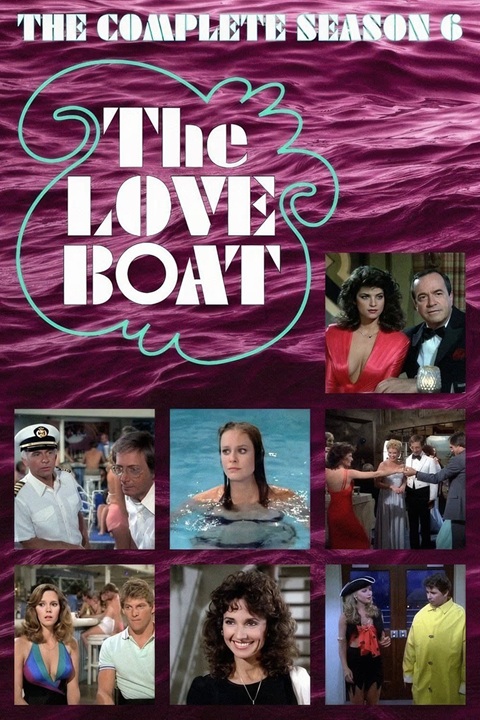
Welcome to Retro Television Reviews, a feature where we review some of our favorite and least favorite shows of the past! On Wednesdays, I will be reviewing the original Love Boat, which aired on ABC from 1977 to 1986! The series can be streamed on Paramount Plus!
Come abroad, we’re expecting you….
Uhmm, maybe not this week, Love Boat.
Episode 6.25 “The Dog Show: Putting on the Dog/Going to the Dogs/Women’s Best Friend/Whose Dog Is It Anyway?”
(Dir by Bob Sweeney, originally aired on March 26th, 1983)
This week’s episode stressed me out.
The cruise line is co-sponsoring a dog show that is going to be held in Mexico. The dog that wins will not only receive $10,000 but will also become the new “face” of Honeycutt Dogfood. All the contestants bring their dogs onboard the ship and take the cruise to Mexico.
Seriously, imagine the scene. Hundreds of dogs on cruise ship, floating in the pool and running through the passageways — YIKES! I will admit that the majority of the dogs were cute. There was a white Samoyed dog named Tundra who was just adorable and who could do all sorts of tricks. But still, I spent the whole episode wondering what would happen if a dog accidentally jumped (or fell — oh my God!) overboard. What if one of the dogs had fleas and now, everyone on the boat had them too? Who was cleaning up after the dogs? And what about a passenger — like me, for instance — who wasn’t really a dog person and who bought a ticket without the knowledge that the ship itself would be home to hundreds of canines?
The storylines also made me anxious, just because none of them made much sense. (It was obvious that the main concern for this episode was getting as much cute dog footage as possible.) So, we had Isaac and Gopher buying Tundra from $8 but not realizing that she was a brilliant dog who could do hundreds of tricks. Isaac and Gopher sold the dog to the Captain and Vicki, just to then realize that Tundra was a sure winner in the dog show. Isaac and Gopher tried to convince the Captain to sell the dog back but it turned out the Captain already knew Tundra was a winner. Of course, as employees of the cruise line, neither Gopher nor Isaac nor Vicky should have been allowed to enter a dog in the show in the first place.
And then we had Isaac’s aunt Tanya (Isabel Sanford) running around with a Chihuahua while her husband (Mel Stewart) got jealous. And we had Pamela (Catherine Bach) realizing that Gary (Dirk Benedict) was the new owner of a dog that she had lost two years before. And then there was boozy Mrs. Honeycutt (Jo Anne Worley) boarding the ship and searching for her husband, not realizing that he wouldn’t be arriving until the ship reached Mexico. For his part, Mr. Honeycutt (Gordon Jump) spent most of this episode in Las Vegas with his secretary.
Finally, Harold Pack (Ray Buktencia), who worked in Honeycutt’s mailroom, boarded the boat with some forms from Mr. Honeycutt and was immediately mistaken for his boss. Pretending to be Mr. Honeycutt, Harold romanced a dog owner named Wendy (Heather Thomas). Imagine Wendy’s surprise when she learned Mrs. Honeycutt was on the boat and looking for her husband….
Oh God, I’m getting stressed just writing about all this.
Things worked out in the end. Mr. Honeycutt, having returned from Vegas, announced that there was a tie and all the dogs were winners! Harold protected Honeycutt’s secret and got promoted to Vice President. Pamela and Gary decided to own the dog together. Vicki got Tundra! Yay! I was happy about that. Tundra was adorable!
This episode was exhausting. Too many dogs, too many half-baked stories, too much overacting on the part of Isabel Sanford, it was just too much.
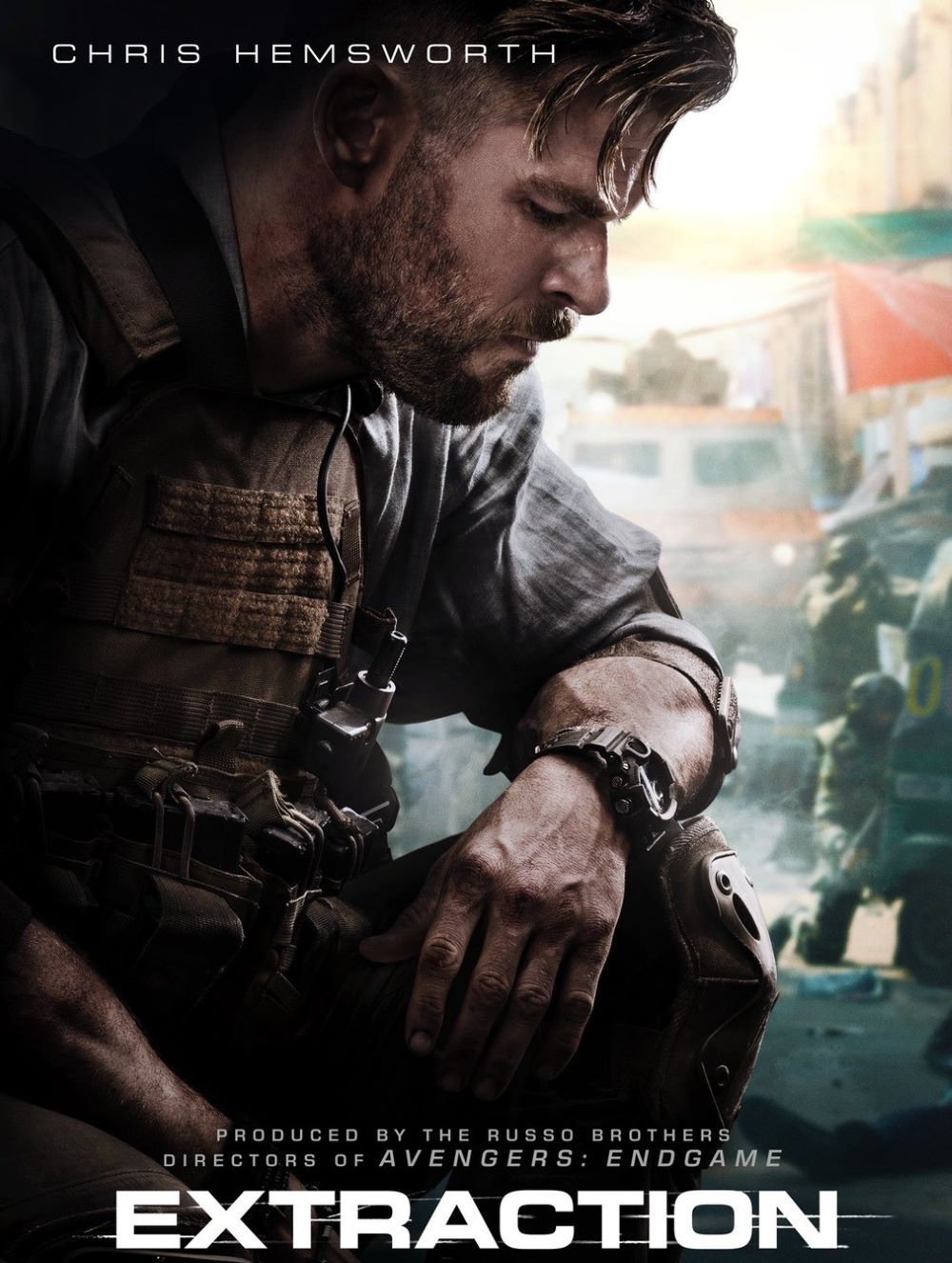
Extraction (2020) is an action film directed by Sam Hargrave and written by Joe Russo, centering on a high-stakes rescue mission led by Chris Hemsworth’s character, Tyler Rake. The story comes from the graphic novel Ciudad, following Rake, a hardened mercenary tasked with rescuing Ovi Mahajan—the kidnapped teenage son of a Mumbai drug lord—from a rival gang in Dhaka, Bangladesh.
The biggest highlight of the film is undoubtedly the action. Sam Hargrave’s background as a stuntman and stunt coordinator heavily shapes the film’s visceral, grounded fight scenes and chase sequences. Before directing Extraction, Hargrave worked extensively in Hollywood, doubling for Chris Evans as Captain America in several Marvel movies like Winter Soldier and Endgame, and choreographing stunts for The Avengers, Pirates of the Caribbean, and The Hunger Games. This experience shows in the film’s impressive physicality and well-structured action set pieces.
One of the film’s standout moments is a roughly 15-minute continuous shot that follows Rake through escalating fights, car chases, and shoots without cuts, putting the audience right in the middle of the chaos. Cinematographer Newton Thomas Sigel maintains great clarity during this complex sequence, making it easy to follow the action without losing tension or momentum.
Chris Hemsworth’s Tyler Rake is a mix of toughness and quiet emotion. While Rake is the typical stoic, skilled mercenary with a haunting past, Hemsworth brings enough charisma and subtlety to keep him interesting. Rudhraksh Jaiswal’s Ovi balances vulnerability and resilience, and their relationship adds some emotional depth to an otherwise action-heavy film.
The setting of Dhaka plays a significant role in creating tension. The crowded streets and claustrophobic urban spaces add a feeling of danger and urgency. The production design and score contribute to this gritty atmosphere, making the world feel lived-in and tense.
Violence in Extraction is brutal and unflinching, not shying away from the grim realities of its story. The R rating is earned through graphic fights, gun battles, and some harsh moments involving bystanders, including children. This unrelenting approach to violence adds a raw edge to the film but can also feel overwhelming at times.
However, the movie’s major drawback comes from its story and character development, which are fairly thin and formulaic. The plot is straightforward: a mercenary protecting a kidnapped kid while fighting off enemies. Most of the supporting characters are underdeveloped, with the villain Amir portrayed as a one-dimensional bad guy without much backstory or nuance. Although Randeep Hooda’s character Saju adds some tension and complexity, other roles feel functional rather than memorable.
The film attempts to add emotional weight through Rake and Ovi’s bond, but the effort sometimes falls flat. Key moments meant to build character feels like typical exposition, and some plot points are rushed or underexplored. A subplot involving David Harbour’s character feels tacked on and doesn’t quite fit into the narrative flow.
Pacing also hinders the film, especially in the middle act, where the story slows down and struggles to balance action with character moments. This section can feel tedious compared to the rest of the film’s adrenaline-fueled sequences.
The ending, while action-packed and satisfying in terms of spectacle, also features a somewhat questionable twist and a final shot that feels like a cheat, leaving some ambiguity that may frustrate viewers seeking clear resolution.
In summary, Extraction delivers on what fans of intense, well-executed action expect. It’s a showcase for Hargrave’s stunt expertise and Hemsworth’s physical performance but falls short when it comes to storytelling and character depth. The film is a gripping, high-energy ride with brutal, creative fight and chase scenes—but if you’re looking for a nuanced plot or fully fleshed-out characters, it’s lacking. Fans of pure action films like John Wick or The Raid will find much to enjoy here, but others may find the story too simplistic and the constant violence numbing over time.
“Sometimes I wonder… will God ever forgive us for what we’ve done to each other? Then I look around and I realize, God left this place a long time ago.” — Danny Archer
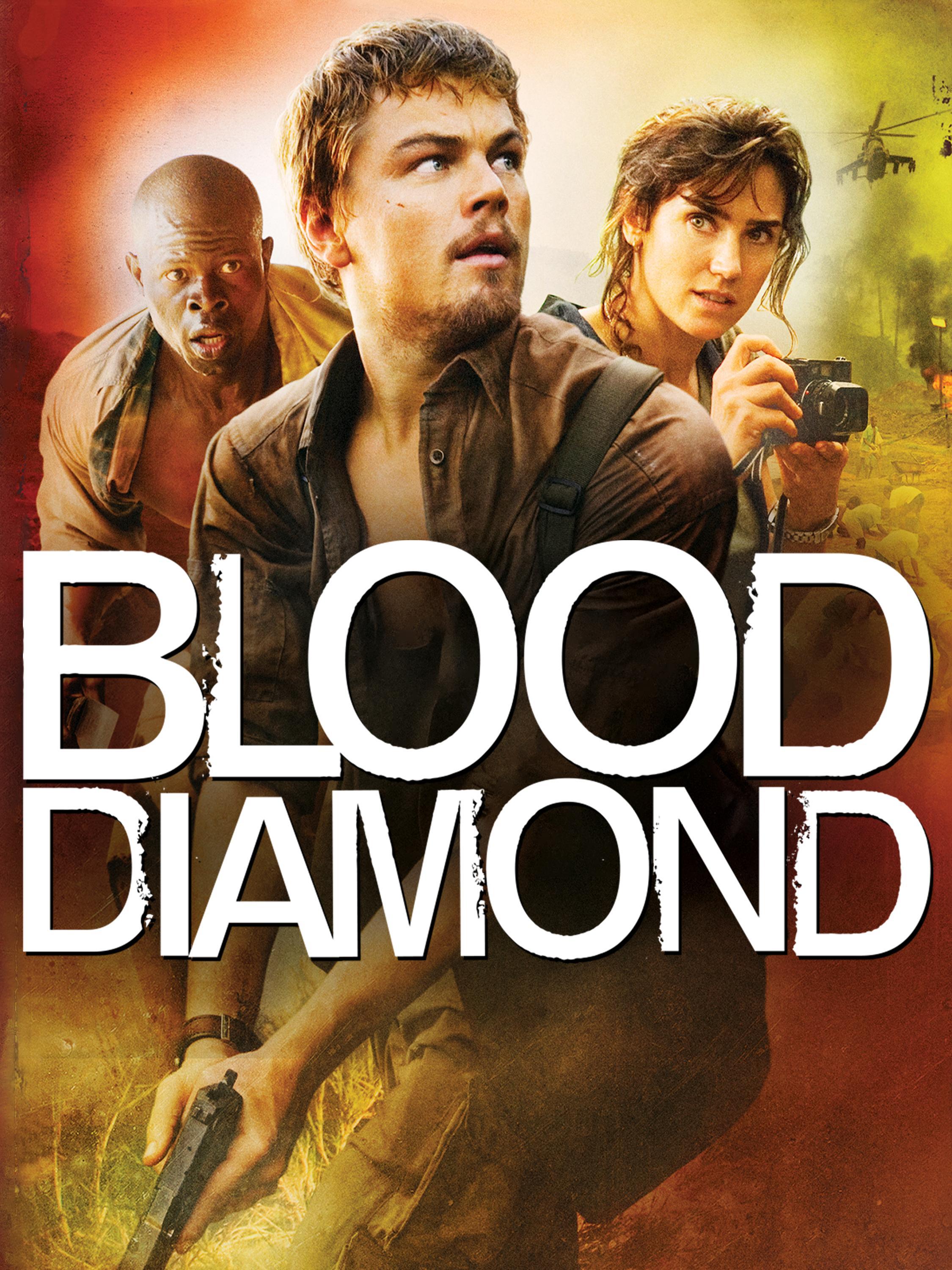
Edward Zwick’s 2006 film Blood Diamond is one of those big Hollywood productions that tries to be both a gritty, globe-trotting thriller and a politically conscious indictment of the diamond trade’s role in African civil wars. Set in Sierra Leone during the 1990s, it stars Leonardo DiCaprio as Danny Archer, a Rhodesian mercenary and diamond smuggler, and Djimon Hounsou as Solomon Vandy, a fisherman torn from his family by rebels and forced into brutal diamond mining. Rounding out the leads is Jennifer Connelly as Maddy Bowen, a tenacious reporter determined to expose the atrocities fueling the global supply of conflict diamonds. The film is ambitious, harrowing, and, at times, as slickly entertaining as it is bluntly didactic. But like many socially minded blockbusters, it walks a tightrope between genuine drama and Hollywood sensationalism.
The story kicks off with a bang—literally—as Solomon’s village is raided by Revolutionary United Front militants, a moment that quickly plunges the viewer into Sierra Leone’s chaotic civil war. Solomon’s family is fragmented: he ends up a slave at a rebel-run mining camp, his son is eventually brainwashed into a child soldier, and his wife flees for safety. Meanwhile, DiCaprio’s Archer lands in jail after a failed smuggling run—which sets the two men on a collision course. Archer learns of Solomon’s discovery of an enormous, rare pink diamond—a stone that could mean escape or redemption for both men but is a magnet for greed, violence, and compromise. Their uneasy partnership with Maddy Bowen, who’s chasing a story, adds layers as their individual motives collide and evolve.
The movie doesn’t shy away from illustrating the devastating effects of the diamond trade—child soldiers, forced labor, mass displacement, and political corruption. While most of the on-screen violence is handled to maximize emotional punch, it never lets the viewer forget the real-world stakes of the Blood Diamond narrative. The film ultimately points viewers toward the establishment of the Kimberley Process—a set of international regulations designed to combat the illicit diamond trade.
A lot of the film’s emotional weight lands on DiCaprio and Hounsou, and for good reason. Leonardo DiCaprio nabs the complex role of Danny Archer with a layered performance and goes the extra mile by working hard on the Zimbabwean (Rhodesian) accent. While accents in film can be divisive, DiCaprio immersed himself deeply, working with dialect coaches and spending time with people from the region to best capture the regional nuances. Although some viewers and critics felt the accent was uneven or shifted at points, many others praised him for nailing this challenging and rare dialect. For an American actor to convincingly embody a mercenary with roots in that part of the world is no small feat. DiCaprio’s commitment brings credibility to Archer’s character, who is morally ambiguous but immensely human.
Djimon Hounsou, playing Solomon Vandy, serves as the emotional core and grounding presence of the film. His portrayal of a man torn apart by civil war, who fights desperately to reclaim his family, is heartbreaking and physically compelling. Their scenes together create genuine tension, as trust is both scarce and necessary for survival. Jennifer Connelly’s Maddy Bowen, while less fleshed out, brings determination and serves as the moral compass driving the film’s exposé of conflict diamonds.
Director Edward Zwick has a way of blending spectacle with raw storytelling. The action sequences, especially the firefights and escapes, feel intense and immersive. The cinematography captures the lush, dangerous landscape of Sierra Leone vividly, contrasting beauty with brutality. Some technical aspects do show their age—like certain digital effects that can feel artificial—but these don’t significantly dampen the overall experience. The soundtrack by James Newton Howard underscores the drama without veering into heavy-handed territory.
Blood Diamond scores high on several fronts. The performances by DiCaprio and Hounsou are standout elements, their evolving relationship carrying the film’s emotional heft. The pulse-pounding action sequences inject thrills while highlighting the chaos of civil war. Perhaps most importantly, the movie exposes the grim realities behind the glittering allure of diamonds, educating audiences about child soldiers, forced labor, and the complicity of international markets in perpetuating violence. Though it sometimes leans into melodrama and moralizing dialogue, the film’s commitment to its message is fairly unambiguous and impactful.
That said, the film sometimes succumbs to the trappings of big-budget Hollywood storytelling. The plot can feel overly convenient, with coincidences and resolutions that stretch credibility. Supporting characters, aside from the leads, are underdeveloped, mainly functioning as plot devices. Dialogue can at times be heavy-handed, particularly in the final act where scenes verge on preachy. Some narrative contrivances—like the recovery and passing of the pink diamond—can feel forced even in a tense, action-driven context. On the technical side, a few CGI moments fail to hold up under scrutiny, but these are minor irritants in an otherwise immersive film.
An important and unavoidable observation about Blood Diamond is how, like many of Edward Zwick’s previous action-dramas, it leans heavily into the “white savior” trope, if not outright embodying it. This trope centers a white protagonist—in this case, Danny Archer—who becomes the crucial figure in the salvation or redemption of non-white characters and communities. While the film sheds light on the horrors and complexity of Sierra Leone’s civil war and the conflict diamond trade, the narrative perspective and moral center overwhelmingly revolve around Archer’s personal journey from cynical mercenary to reluctant hero. The African characters, though vital and powerful especially through Hounsou’s Solomon, are often cast in more reactive roles, with Archer positioned as the key agent for change. The film also features a white journalist, Maddy Bowen, reinforcing this pattern.
Zwick’s leanings toward this trope are not new or isolated. His earlier films Glory (1989) and The Last Samurai (2003) also engage with the white savior narrative. Glory, a Civil War epic about the 54th Massachusetts Infantry Regiment, tells a historically significant story but largely centers on Colonel Robert Gould Shaw, a white officer played by Matthew Broderick, as the story’s main emotional and narrative anchor. The film has been noted for respectfully addressing racism and heroism but still revolves around Shaw’s perspective and sacrifice as a key redemptive figure for the African American soldiers. The Last Samurai similarly places Tom Cruise’s character, an American military advisor, at the heart of a narrative about Japanese samurai culture and resistance, blending cultural appreciation with the problematic trope of the white outsider who becomes indispensable to a non-white community’s fate.
This approach, familiar in Hollywood, walks the line between broad audience engagement and ethical storytelling. Zwick’s films often balance studio and audience expectations with a desire to tell compelling stories about marginalized communities. Yet inevitably, this framing simplifies complex histories and contributes to critiques that such films center whiteness and diminish the agency of non-white characters.
Casually speaking, Blood Diamond is not subtle, but that directness is part of its appeal. For viewers looking for a gripping action drama with strong performances and an ethical core, it delivers. It entertains while providing a sobering look at the high cost of luxury goods. DiCaprio’s portrayal of Danny Archer, complete with an authentically worked-on accent from the region, puts to rest doubts about his action lead capabilities. Hounsou’s performance lingers emotionally, especially in scenes grappling with the trauma of child soldiering. The violence depicted is raw and unvarnished, contributing to a visceral sense of the film’s urgent themes.
Running for about two hours and 23 minutes, the film has plenty of time to develop its complex story and deliver tense action sequences without feeling rushed or padded. Ultimately, Blood Diamond is an effective historical thriller that balances high stakes and moral urgency. While it’s not nuanced in every aspect and occasionally tips into cliché and convenience, it makes a strong case for itself beyond mere entertainment. Whether you’re interested in history, action, or the human stories behind the diamond trade, this film offers a thought-provoking, emotionally resonant experience. Leonardo DiCaprio’s dedication to portraying a Rhodesian mercenary authentically, especially through his accent work, is a highlight that complements the film’s broader narrative ambitions.
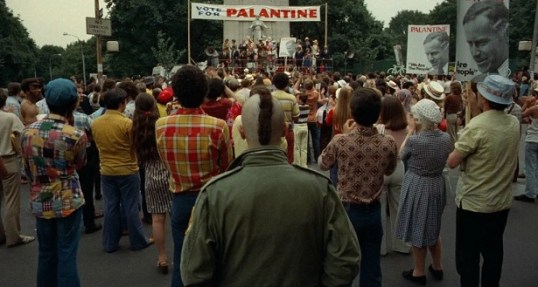
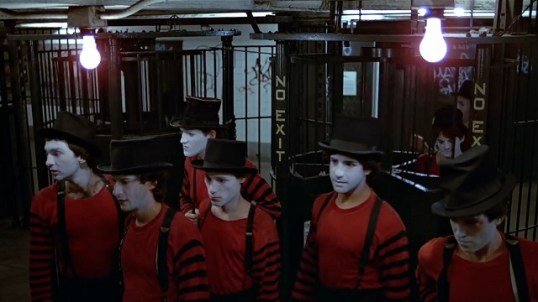
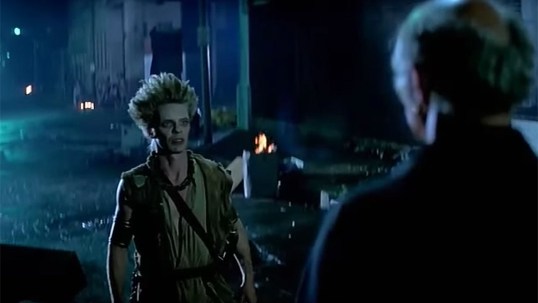
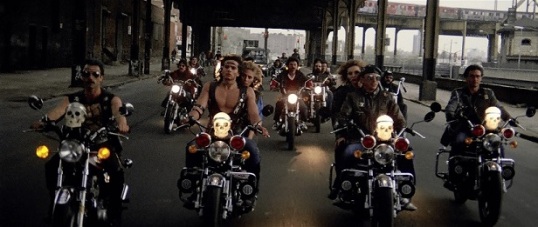
4 Shots From 4 Films is just what it says it is, 4 shots from 4 of our favorite films. As opposed to the reviews and recaps that we usually post, 4 Shots From 4 Films lets the visuals do the talking!
Today, the Shattered Lens takes a look at New York. It’s time for….
4 Shots From 4 New York Films
Taxi Driver (1976, dir by Martin Scorsese, DP: Michael Chapman)
The Warriors (1979, dir by Walter Hill, DP: Andrew Laszlo)
Escape From New York (1981, dir by John Carpenter, DP: Dean Cundey)
1990: Bronx Warriors (1982, dir by Enzo G. Castellari, DP: Sergio Salvati)
There’s always been something very annoying about the cult surrounding Che Guevara. Because his face looked good on a poster and his execution was probably carried out by the CIA, a lot of people have deified a shallow-minded rich kid whose main accomplishment was executing several of his fellow countrymen and then totally failing in his attempts to overthrow the government of Bolivia.
Thankfully, there’s a song that tells the truth. From Ola Fresca, here is El Chacal.
I was feeling a bit under-the-weather last night. Some of it was anxiety over the direction of the country. Some of it was just the standard blues that I always feel after Halloween. Horrorthon is such a big project that it always takes me a while to get back to normal once it ends.
Luckily, I’ve got movies to cheer me up. Last night, I watchedHappy Gilmore and I was going to share a scene from it today but it occurred to me that I’ve already shared both the fight with Bob Barker and Happy shouting, “You’re going to die, clown!” multiple times. So, instead, I’m going to share another scene from a comedy that always makes me laugh. This film was also a favorite of my father’s.
In 1978’s Animal House, Dean Wormer and the Student Court try to railroad the Delta House. Needless, the Deltas aren’t going to stand for that. When Hoover’s earnest defense fails to sway the Dean, the Deltas don’t hold back. I love this movie and I love this scene.

 Through the Shattered Lens