No Chip Off The Old Block : “8 Million Ways To Die”


Ryan C. (fourcolorapocalypse)'s avatarTrash Film Guru

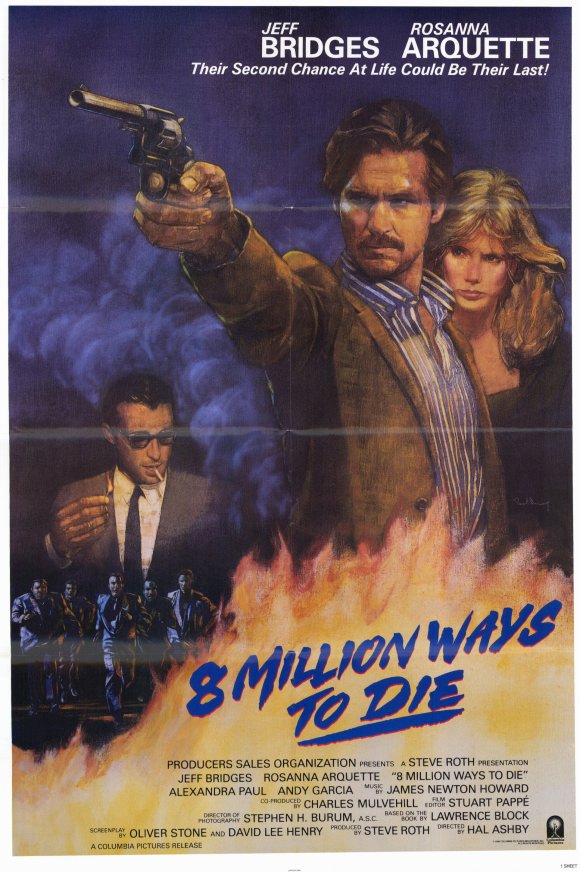
After finding myself considerably more than pleased with writer/director Scott Frank’s 2014 adaptation of modern noir master Lawrence Block’s gritty PI drama A Walk Among The Tombstones, I decided, in spite (or maybe because?) of its 0% Rotten Tomatoes score, to track down the only other cinematic take on Block’s work (and, more specifically, on his legendary protagonist, former-cop-turned-unlicensed-gumshoe Matt Scudder), 1986’s 8 Million Ways To Die. As things turned out, I had to go the Blu-ray route with this one since it’s not available for streaming anywhere so far as I can tell, but hey, things could have been worse — the Kino Lorber Blu (and,I presume, DVD, although I didn’t actually check to see if it’s available in that format) is actually a semi-recent release, dating back to October of 2017, and if I’d been determined to track this flick down before that, I may have…

View original post 795 more words

Book Review: THE LAST STAND by Mickey Spillane (Hard Case Crime 2018)


gary loggins's avatarcracked rear viewer

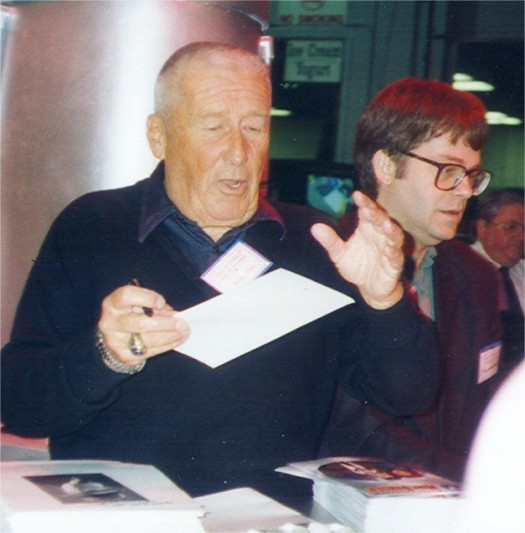
2018 is the centennial anniversary of Mickey Spillane’s birth! Spillane got his start in comic books, then caused a sensation with his 1947 novel I, THE JURY, introducing the world to that hardest of hardboiled PI’s, Mike Hammer. Hard Case Crime, an imprint every pulp fiction fan should know about, celebrates Spillane’s birth by releasing THE LAST STAND, The Mick’s last completed novel, with a bonus unpublished novella from the early 1950’s.

Spillane with friend/literary executor Max Allan Collins

Mickey’s literary executor and friend Max Allan Collins writes the introduction. Collins is no stranger to the hardboiled genre himself, having been Chester Gould’s replacement on the long-running comic strip Dick Tracy from 1977-92, author of the graphic novel ROAD TO PERDITION, and the Quarry series of books (made into a Showtime series in 2016). Since Spillane’s death in 2006, Collins has been editing and completing the writer’s (“I’m not an…

View original post 553 more words

Wasted Youth? Max Clotfelter’s “The Warlok Story”


Ryan C. (fourcolorapocalypse)'s avatarRyan C.'s Four Color Apocalypse

There’s one in every school — the kid with the depraved imagination. The kid with no reservations about tapping into the deepest recesses of his or her id and displaying the contents for all to see. The kid who’s something more than just a garden-variety oddball. The kid who hears, at least once every day, “dude, you’re sick” — and, fortunately for us all, for whatever unfathomable cosmic reason, those kids can usually draw.

They may not be especially good at it, mind you, but it’s more about ideas than execution. It’s about using paper and pencil as their instruments for self-exorcism, as interpretive devices for channeling what’s within to the outside world. About cooking up the sickest, most extreme shit imaginable not just because they can, but because they must.

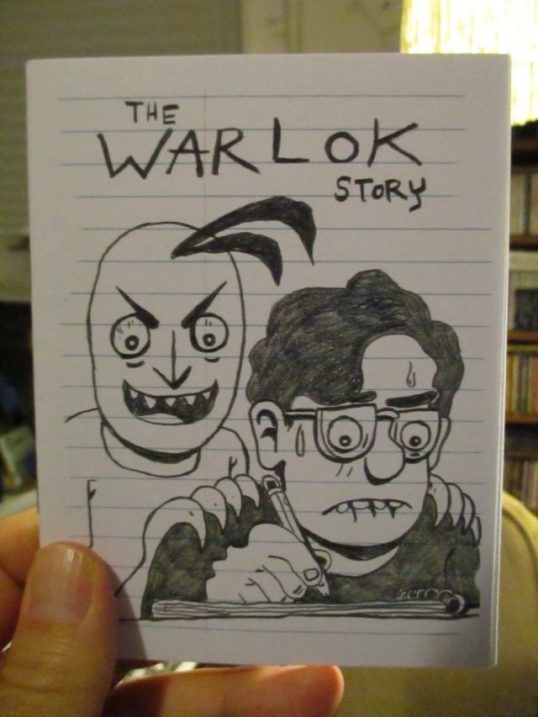
Max Clotfelter was one such kid, and in his 2016 self-published mini, The Warlok Story

View original post 830 more words

Music Video of the Day: You Can Call Me Al by Paul Simon (1986, directed by Gary Weis)


How did Chevy Chase come to star in a music video?

It all started with a case of mistaken identity.  Paul Simon and his then-wife were at a party where they met French composer, Pierre Boulez.  Boulez was not sure who Simon was and repeatedly called him “Al.”  At the same time, Simon was suffering from a mid-life crisis that would not be resolved until Simon visited South Africa.   Simon brought the two incident together when he wrote You Can Call Me Al, the lead single off of his 1986 album, Graceland.

As for the video, it was the brainchild of Lorne Michaels.  Michaels, of course, is best known for producing Saturday Night Live and it was his idea to combine the tall and extroverted Chevy Chase with Paul Simon, who was neither of those things.

Lorne Michaels and Chevy Chase have had a long history together.  Michaels originally hired Chase for SNL and was instrumental in Chase’s early success.  Chase reacted to his sudden success by leaving SNL after its first season and subsequently trashing the show in interviews.  When Chase first returned to host SNL, he got into a fist fight with his successor, Bill Murray.  Chase’s subsequent appearances on the show have become legendary for Chase’s obnoxious and absuive behind-the-scenes behavior.  (In 1986, for example, Chase suggested a sketch in which openly gay cast member Terry Sweeney would announce that he had AIDS and then be regularly weighed throughout episode.)  Eventually, Chase managed to become the first former cast member to be banned from appearing on the show.

Paul Simon, though, is still welcome anywhere he goes.