
Happy National Fried Chicken Day!
When you’re a cat living in the South, there is no better day!
Happy National Fried Chicken Day!
When you’re a cat living in the South, there is no better day!
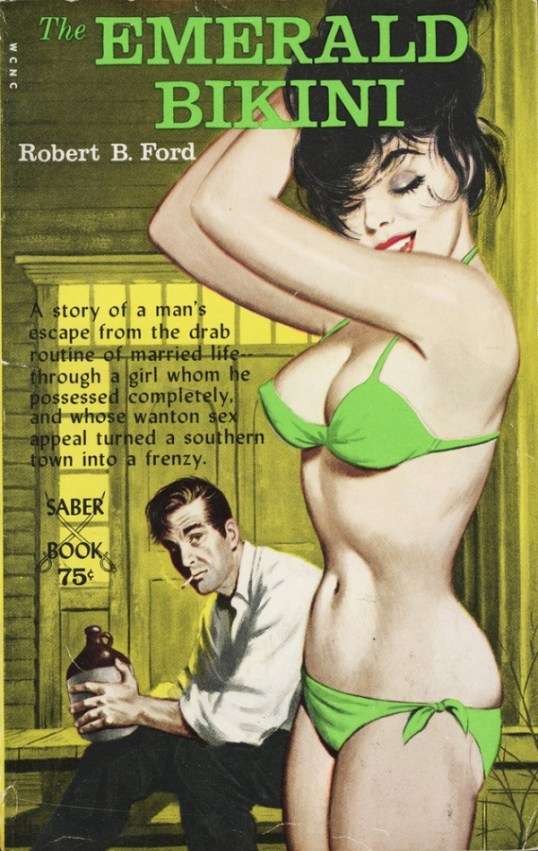
by Bill Edwards
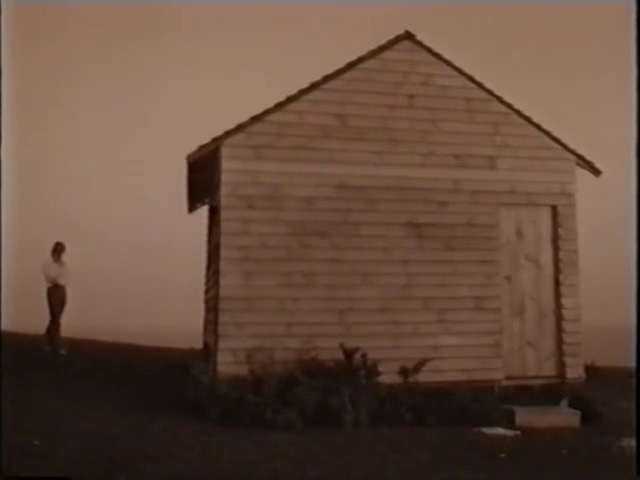
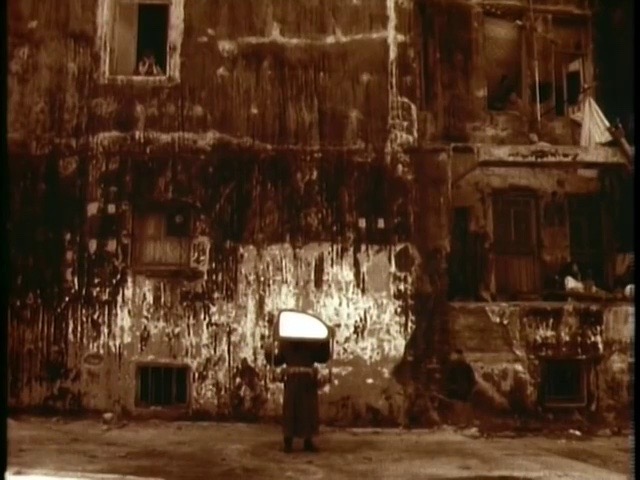
I wish there was more I could share with you about this music video. I needed something surreal, and I felt like doing the less common of the two David Sylvian videos that Anton Corbijn directed first.
Despite not finding anything out there on the video, there are still a few things I can point out. If you’re familiar with Corbijn videos, then you’ll recognize elements that he would reuse later on.
He seems to have a thing for birds.
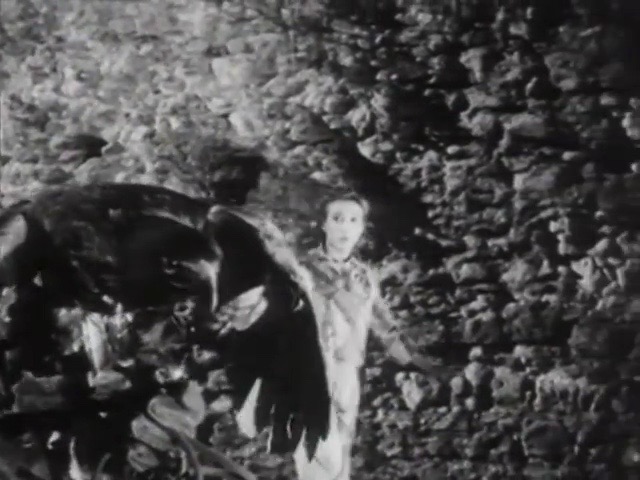
Dr. Mabuse by Propaganda (1984)

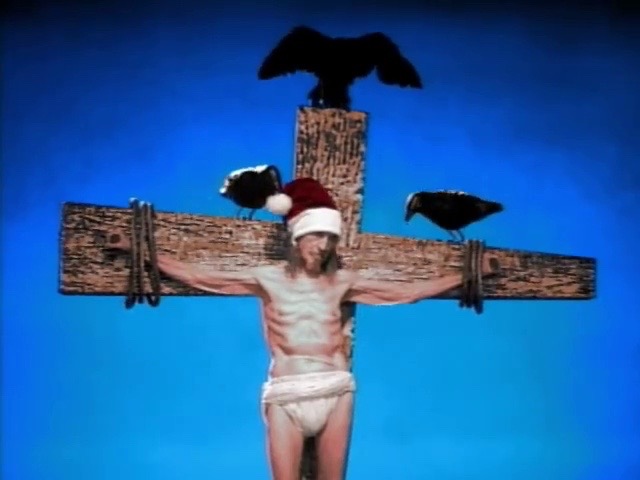
Heart-Shaped Box by Nirvana (1993)
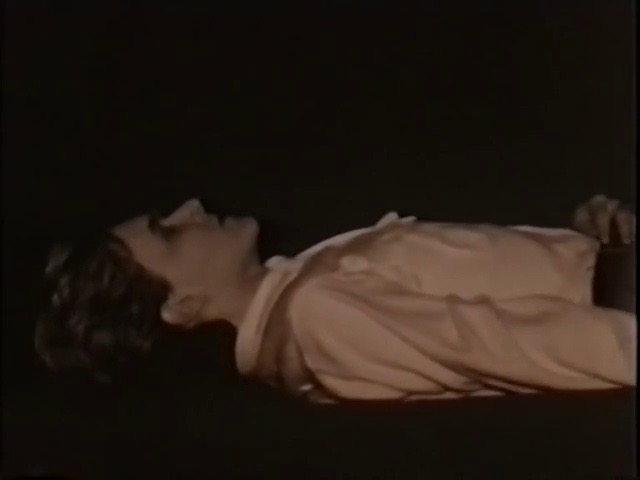

Heart-Shaped Box by Nirvana (1993)
Do I Have To Say The Words? by Bryan Adams (1992)
Enjoy!
30 Days Of Surrealism:
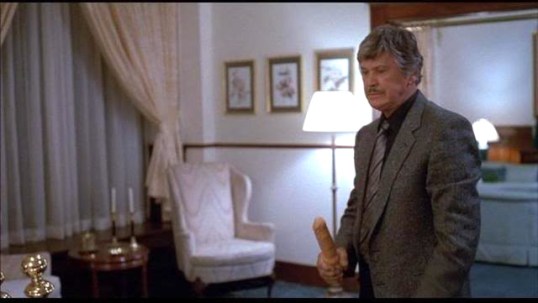
This is the one where Charles Bronson sodomizes a guy with a dildo.
Don’t worry, though. Bronson does it off-screen and the guy was abusing Nicole Eggert so he had it coming.
In Kinjite, Bronson plays Lt. Crowe, a tough LAPD vice cop who hates two groups of people: pedophiles (which is cool, who doesn’t hate them?) and the Japanese (which is not cool). Not only does Crowe sodomize a pervert but he also forces a pimp to eat a gold watch and later, with the help of his partner, he holds another man over the edge of a balcony, just to have that man accidentally slip out of his shoes and plunge to his death. Finally, Crowe tosses a convict into a prison cell, where another prisoner (played by Danny Trejo, in what may have been his film debut) announces that he’s “got something big and long for you.” Crowe chuckles, “That’s justice” and then walks away.
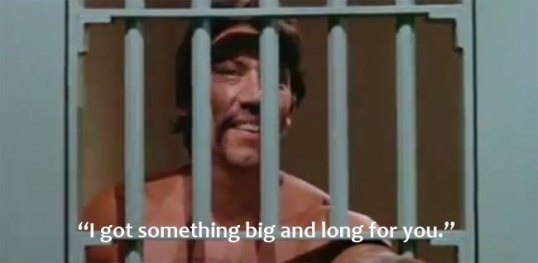
Danny Trejo in Kinjite
Of the many strange films that Bronson made for Cannon Films, Kinjite may be the strangest. The main plot involves Crowe searching for and rescuing the kidnapped daughter of a Japanese businessman (James Pax). Before his daughter was kidnapped, the businessman groped Crowe’s fifteen year-old daughter on a city bus. The entire movie seems to be building up to the moment that Crowe, who is portrayed as being overprotective of his daughter, discovers what the businessman did but that moment never comes. There are numerous scenes of the businessman in Japan but they do not have anything to do with the rest of the plot. Strangely, neither Crowe’s daughter nor his wife (played by Peggy Lipton) are ever menaced by the bad guys. What type of Charles Bronson movie is this?
In Bronson’s defense, he was 71 year-old when he made this movie and, off screen, his wife Jill Ireland was battling the cancer that would eventually take her life. Bronson can be excused for not appearing to be overly invested in Kinjite: Forbidden Subjects. (Since Kinjite means Forbidden Subjects in Japanese, the actual title of this movie is Forbidden Subjects: Forbidden Subjects.) No one appears to have made much of an effort on Kinjite, though Bronson’s stunt double gets a good work out. Kinjite is full of scenes where Bronson throws a punch in close-up but his first in never actually shown connecting with anyone. Most of the action scenes are clumsily filmed so that Crowe keeps his back to the camera. All Kinjite needs is a supporting turn from Troy McClure and a cameo from McGarnagle and it would be perfect viewing for The Simpsons.
Kinjite would be the final film that Bronson made for Cannon Films. It would also be the last Bronson film to be directed by J. Lee Thompson. After Kinjite, Bronson appeared in two more feature films: Sean Penn’s The Indian Runner (which, if not for Penn’s pretentious direction, could have launched Bronson on a second career as a first-rate character actor) and a final Death Wish film. Bronson returned to television, appearing in three made-for-TV movies before retiring in 1999. Bronson died in 2003 but, as long as there are people who enjoy a good action movie, he will never be forgotten.

This scene is not from Kinjite but it’s still pretty fucking cool.

If COVER GIRL made Rita Hayworth a star, then GILDA propelled her into the stratosphere. This 1946 film noir cast Rita at her smoking hot best as the femme fatale to end ’em all. Surrounded by a Grade A cast and sumptuous sets, GILDA gives us the dark side of CASABLANCA , moved to Buenos Aires and featuring star-crossed lovers who are at lot less noble than Rick and Ilsa ever were.
“Every man I knew went to bed with Gilda… and woke up with me”, Hayworth is famously quoted as saying. Who could blame them, as Rita is absolutely stunning in this film. From our first glimpse of her, popping into view with that iconic hair flip…

…to her sultry faux striptease singing “Put the Blame on Mame”, Rita burns up the screen with her smoldering sexuality. Lines like “If I’d been a ranch, they’d’ve named me the Bar Nothing” leave no doubt…
View original post 565 more words

Unknown Artist
A few weeks ago when I did the music video for Twilight Zone by Golden Earring, I mentioned this video and how insane it is. With that in mind, let’s enumerate over the things in this video.
A concentration camp.

Bloodfist.
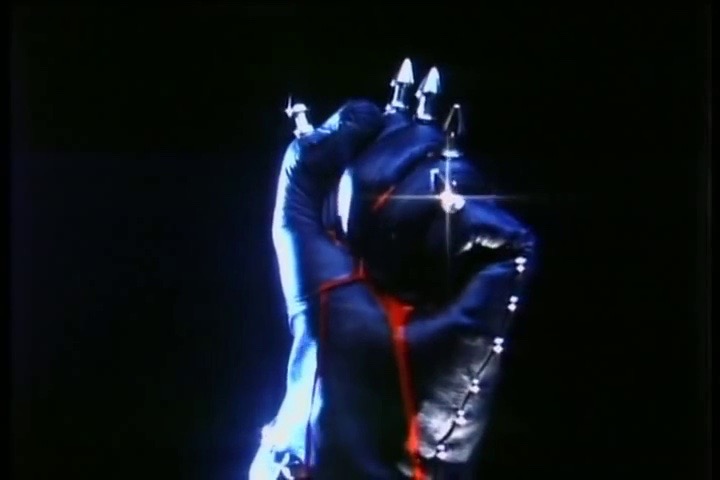
Our main victim of torture.
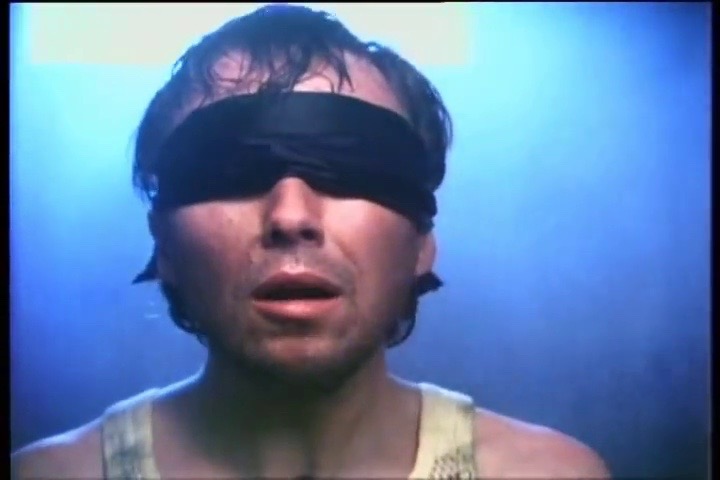
Visible camera crew.

A whole bunch of people who have been hung.
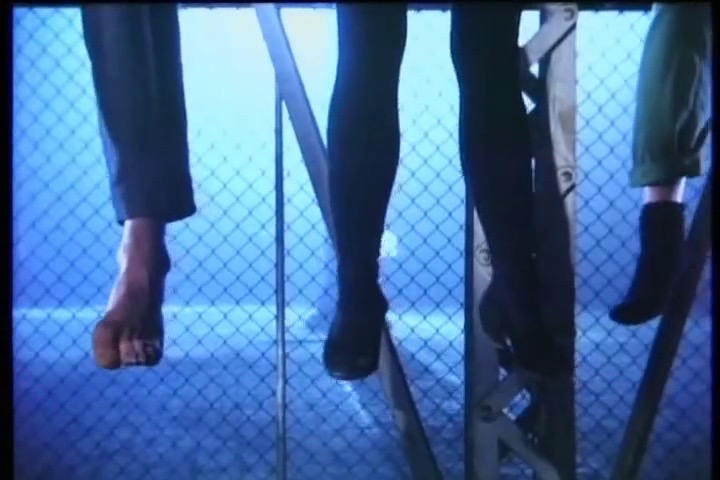
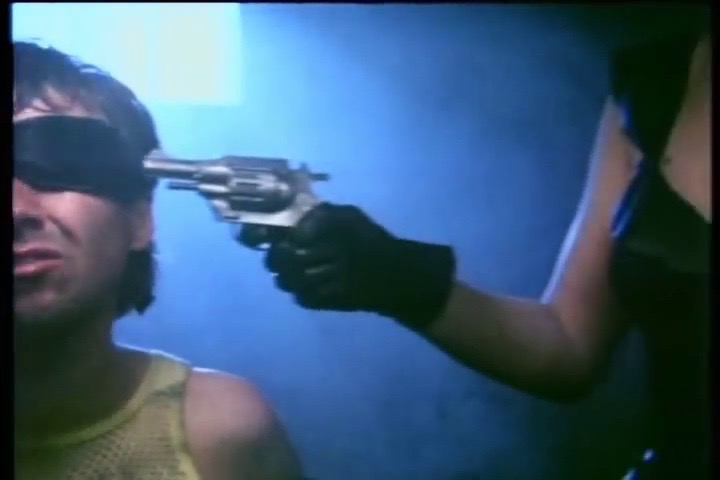
A gun to the head.
A child who is most likely going to be killed.

Comedic interruption of someone waiting to die.
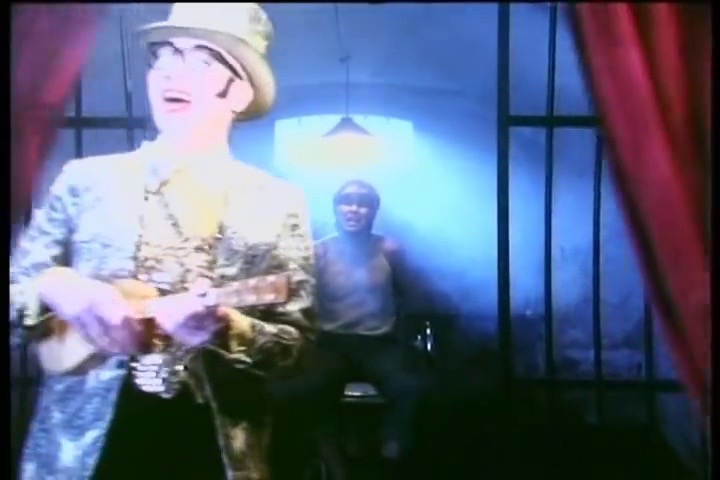
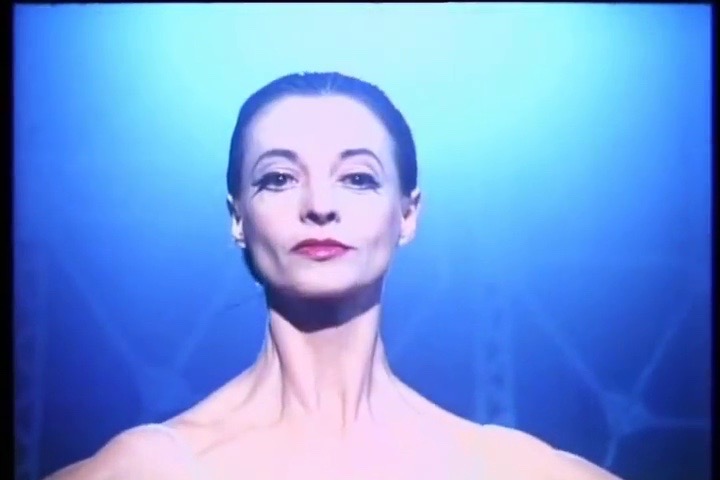
Angels.
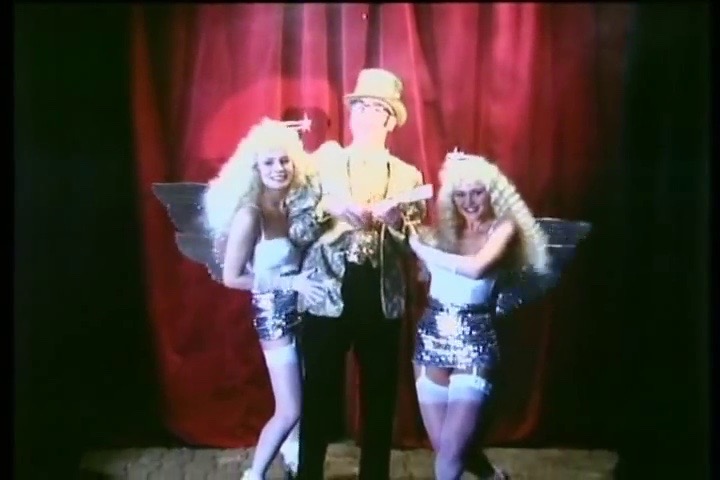
Fire-breathing as a metaphor for death-from-above.
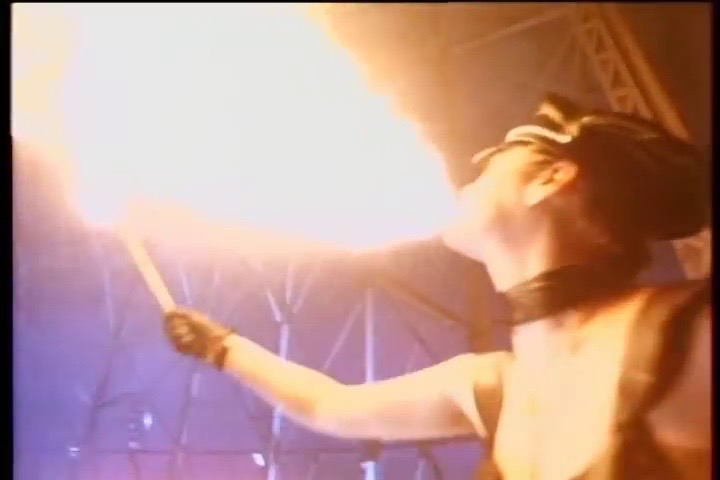
Soldiers playing American Gladiators.
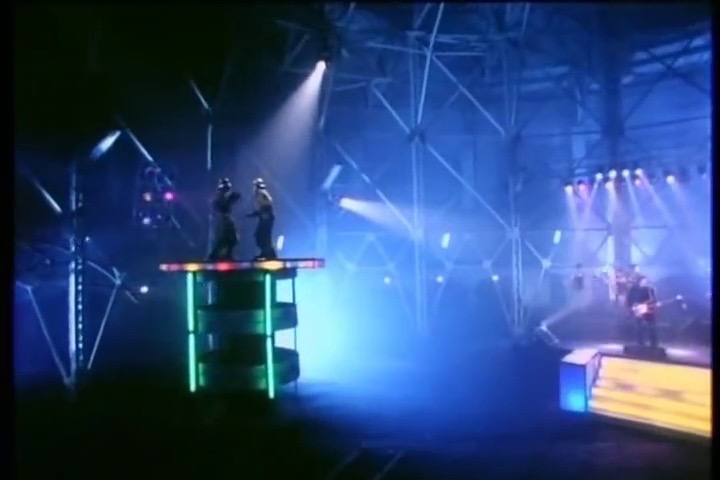
Belinda Carlisle reference hanging above the group–Heaven Is A Place On Earth.
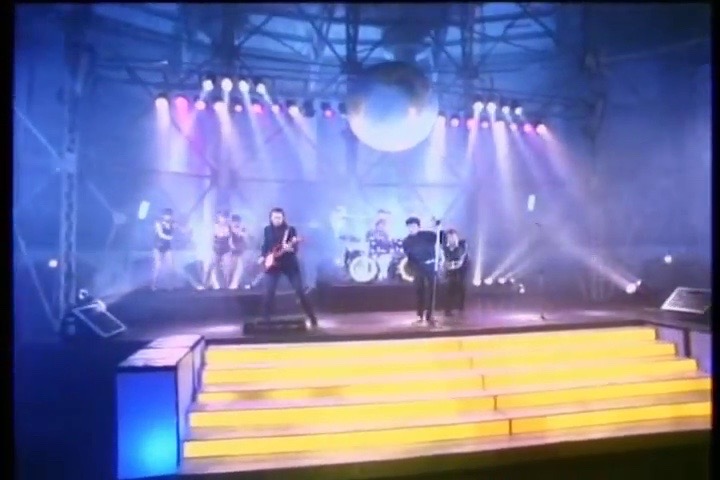
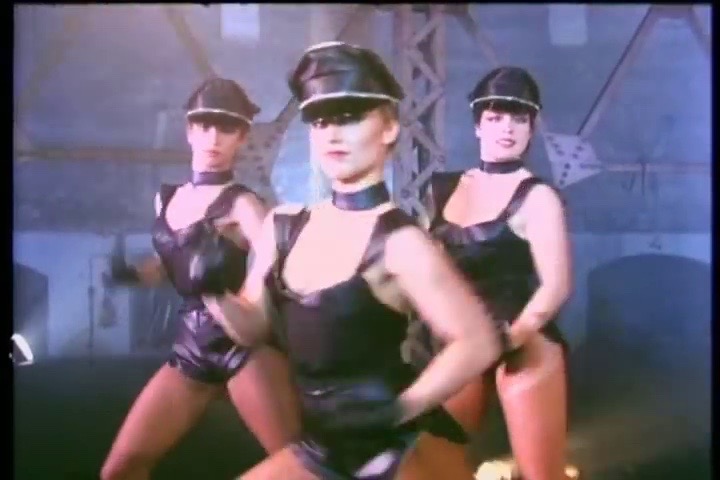
The Nazi dancers from Twilight Zone.
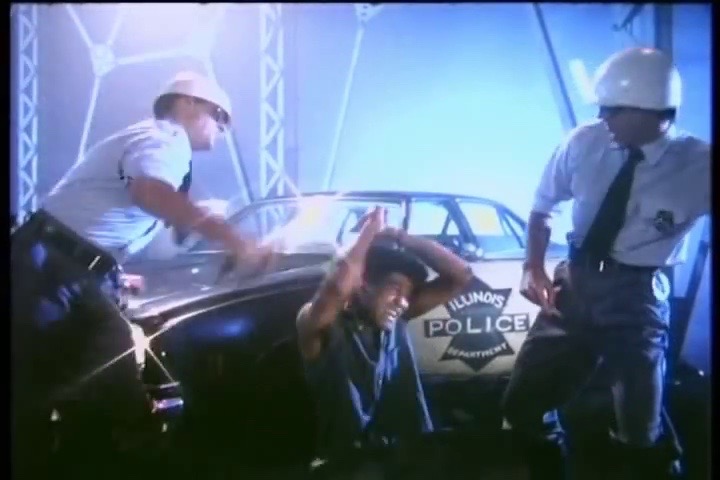
A black man being beaten by Illinois police officers.
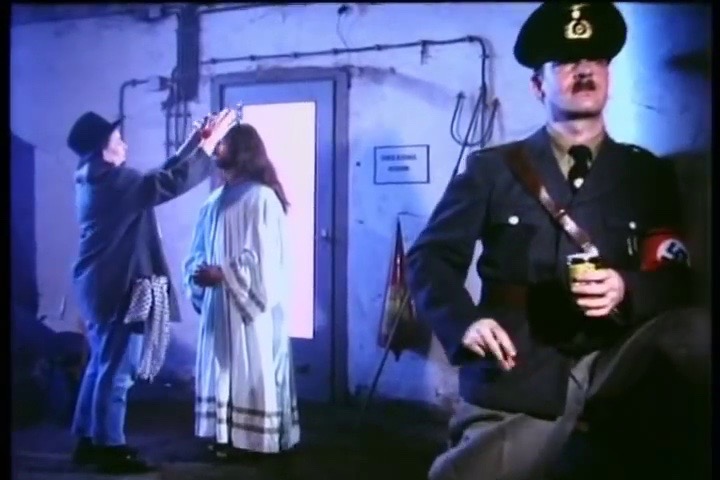
Hitler snapping his fingers along to the music while Jesus receives his crown of thorns in the background.
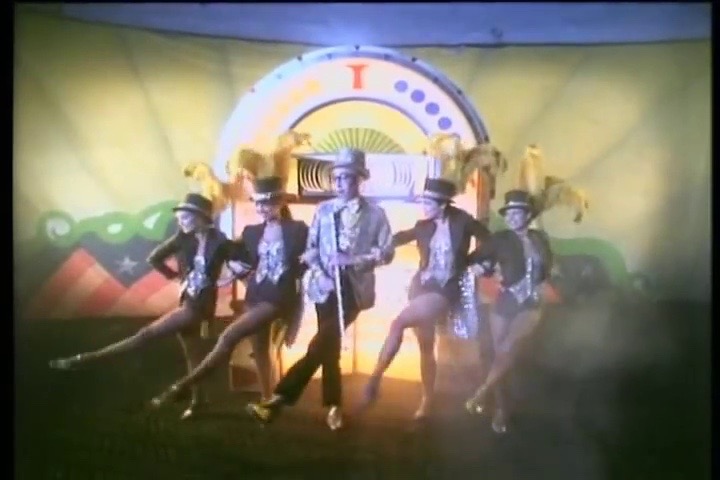
The comic relief coming out of a jukebox.
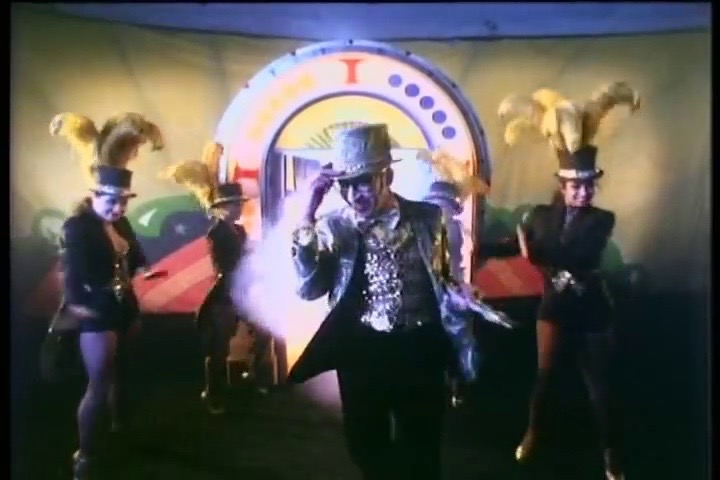
Paying a visit to our guy waiting to die.
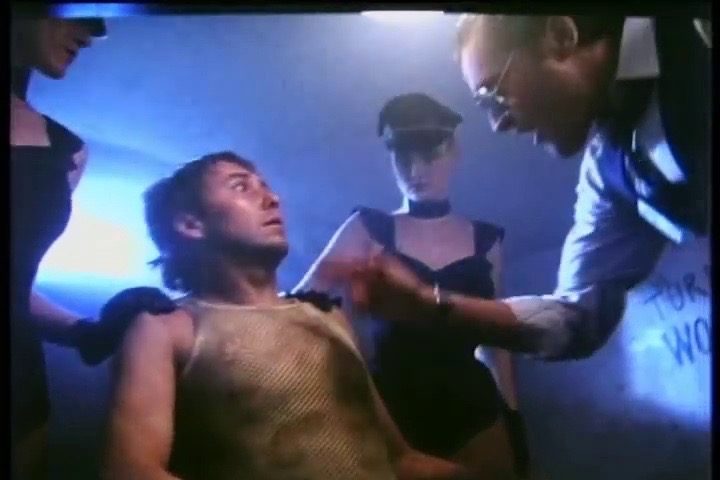
Making sure we didn’t miss the nuclear weapons reference earlier.

Hitler and Napoleon dancing to the song. It connects someone who annexed the Netherlands from his younger brother–who was the leader of the Kingdom of Holland–with someone who took the Netherlands by force. My memory of Dutch history is too weak to go into any connections between the two as it pertained to Jews in the Kingdom of Holland. I’m sure the whole thing with the invasion of the Netherlands by Hitler and the Maas river wasn’t lost on the director.
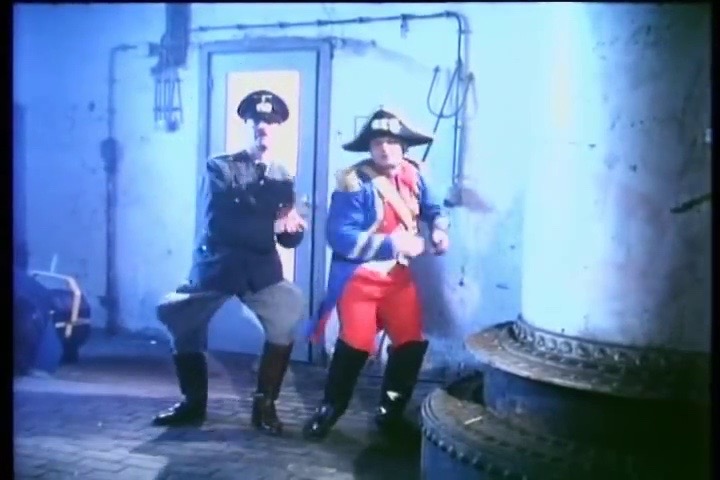
Lead-singer Barry Hay looking confused as to what he is supposed to be doing here.

May foreshadowing the appearance of the devil.
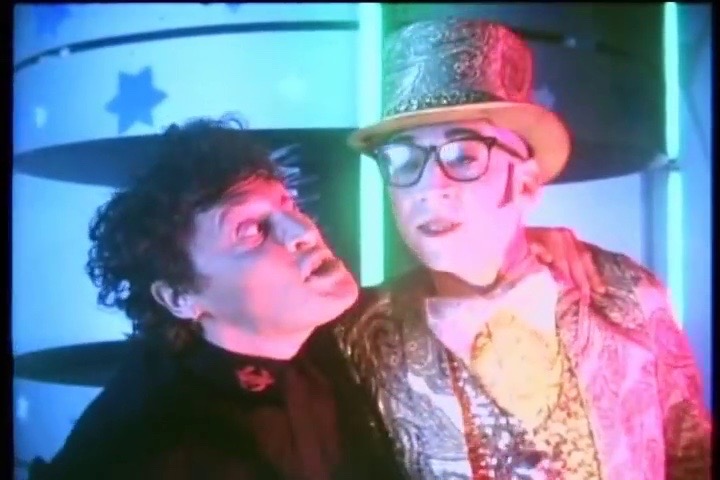
I have no idea why they are punching their fists threw glass.

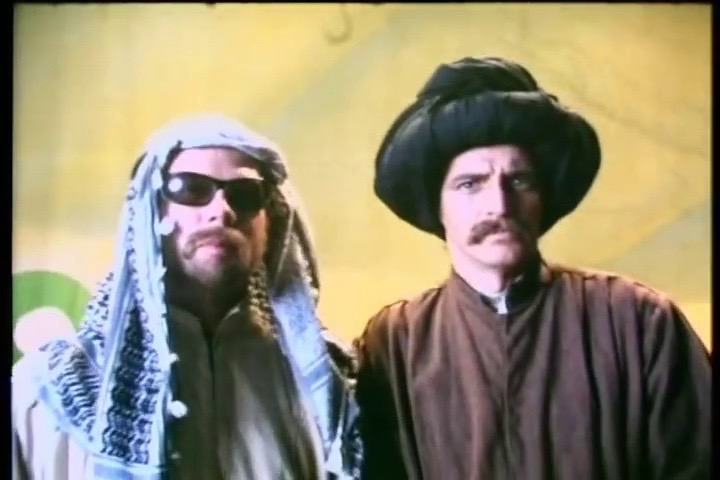
Two guys I’m sure I should recognize, but I don’t want to guess.
Remember, it’s a musical! And there’s an American flag in the background.
The little girl survives, but will always carry the memory–another Golden Earring video that appears to be referencing both the film The Assault (1986) and the book De Aanslag by Harry Mulisch that the film is based on.

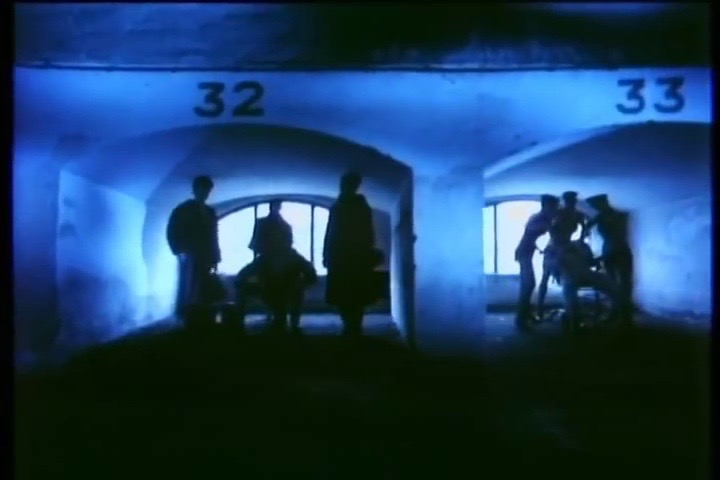
We see that there are many numbered rooms where people are being tortured.
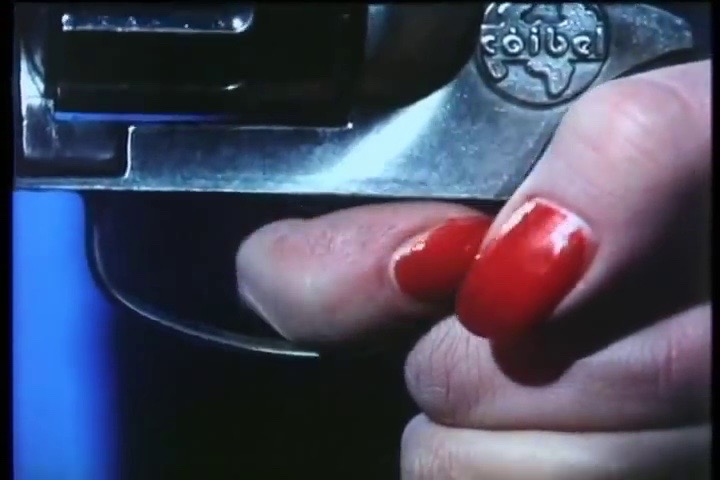
Someone executed at the barrel of a toy gun by a Spanish company that made James Bond guns.
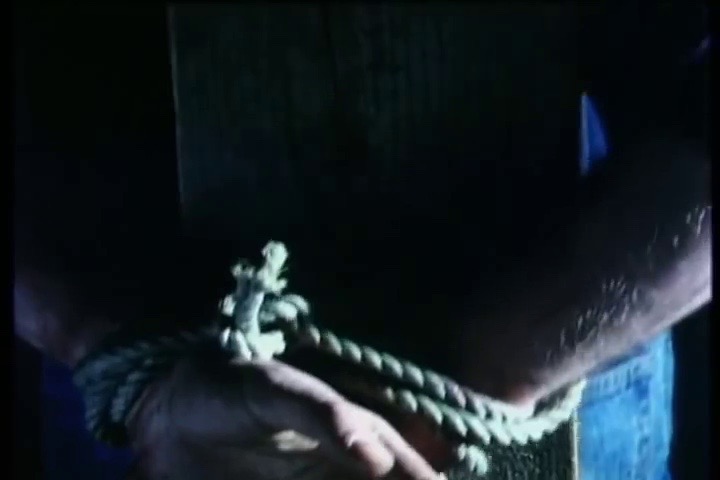
Aftermath of a crime scene.
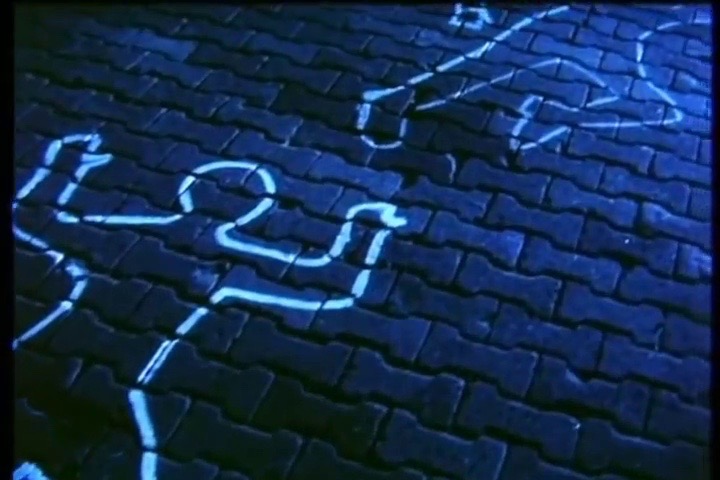
The colors of the Flag of Overijssel, which represents the province of Holland. The center river shaped stripe stands for the river IJssel.

The river was a natural line of defense that had to be crossed by Allied troops to liberate the Netherlands at the end of WWII. I’m sure it’s no coincidence that a river that has to be controlled–like so much water in the Netherlands–in order for the country to exist is in this video.
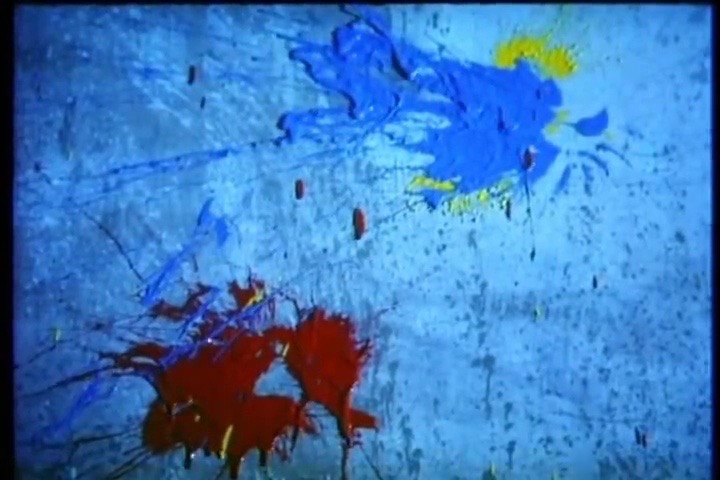
The last temptation of Christ.
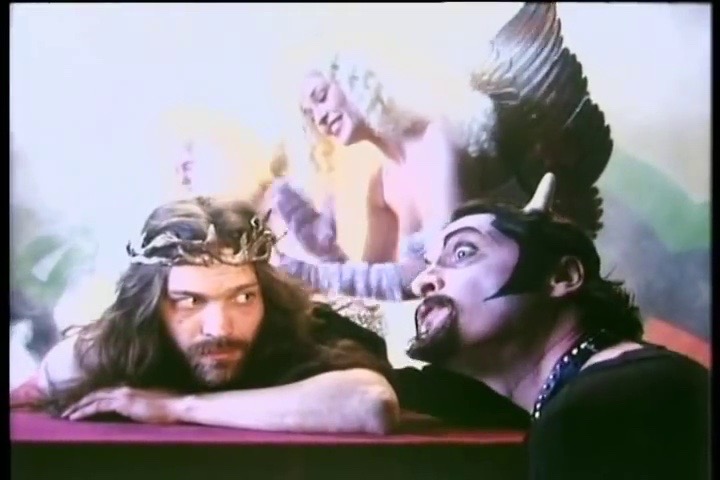
A reminder that things like the Bombing of Rotterdam, Dresden, Hiroshima, and Nagasaki have happened.

Changing the channel from the news to a sitcom.

Hay, Castro, guy I should know, and Napoleon popping his head in to say hi.
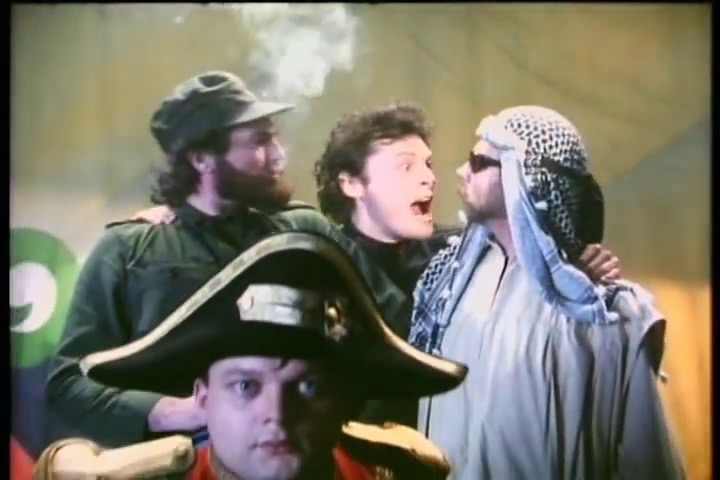
Gunshot.

Did you know they did, or maybe still do sell Mussolini cologne? I had an Italian Studies teacher in college who brought it up, so I of course went to her office hours, and she showed me where online they sold it. The site got Neo-Nazi very fast, so we didn’t stay long.

Castro on the drums.

Hitler breakdancing.
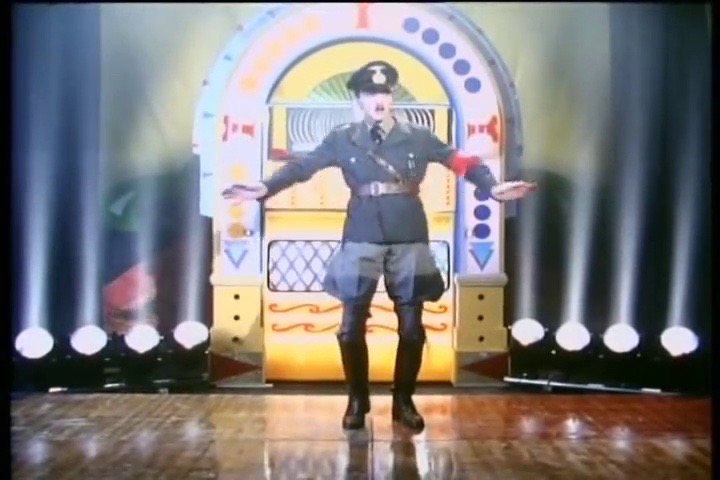
Let them know it’s genocide out there.
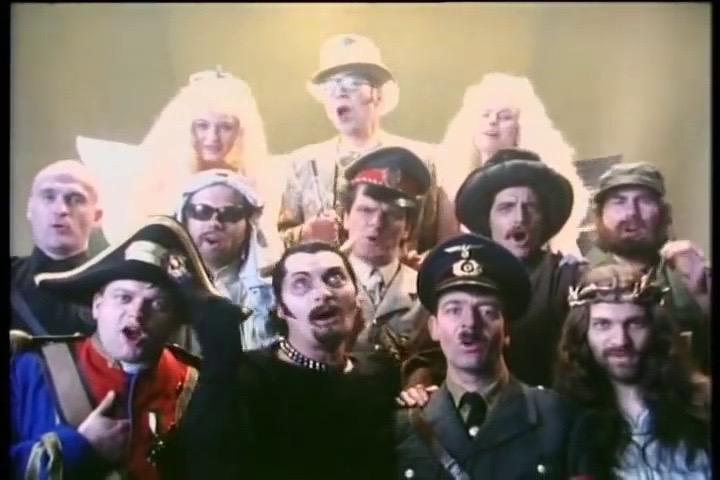
I think May might be trying to remind us of the video for When The Lady Smiles.
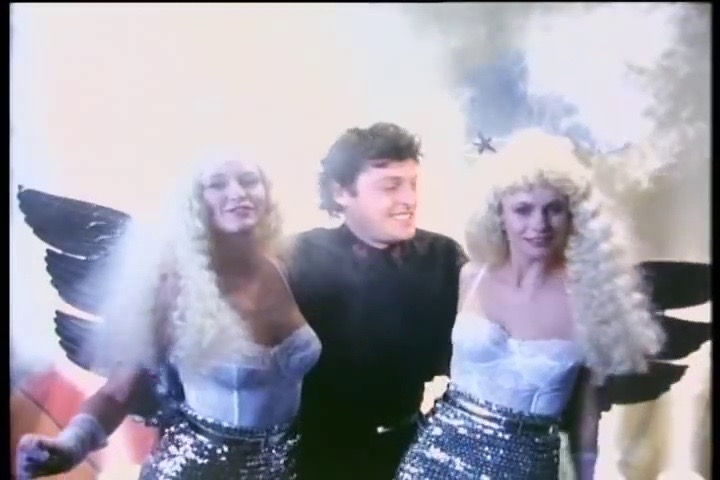
Exit the jukebox and fade to black.
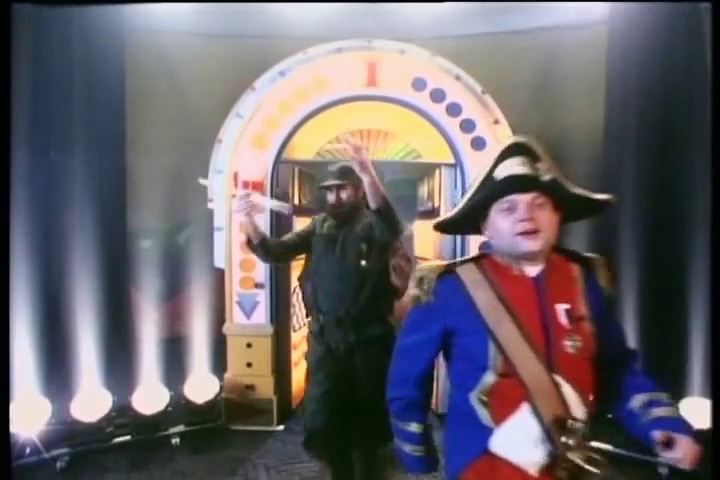
Dick Maas went on to do feature films such as the Flodder movies, Amsterdamned (1986), and the more recent, and apparently controversial film Saint (2010). It’s a killer Santa Claus movie–more specifically, a St. Nicholas killer movie. Bear in mind, this was several years before Kirk Cameron would also include a violent St. Nicholas in Kirk Cameron’s Saving Christmas (2014). It was still a touchy subject for people who hadn’t seen Christmas Evil (1980); Silent Night, Deadly Night (1984); and Santa’s Slay (2005). Or it was a publicity stunt as IMDb would suggest:
“Upon release the movie poster proved to be very controversial. Various organizations of concerned parents tried to boycott the poster, which features an image of a ‘zombie St. Nicolas’ as opposed to the friendly St. Nicolas the people in The Netherlands are used to. Dutch director Johan Nijenhuis became the spokesperson for the movement that tried to boycott the poster and he even went to court, claiming the poster would damage the festive season and cause trauma with young children.”
“In hindsight, the complaints by Johan Nijenhuis about the movie being inappropriate for young children seem to have been part of a publicity campaign.”
Enjoy!
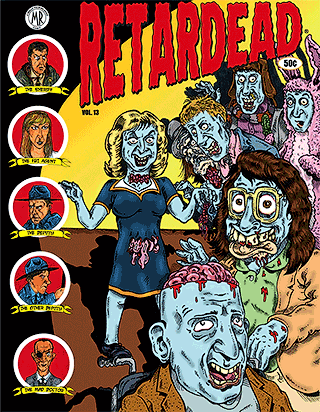
Between 2003 and 2008, Rick Popko and Dan West of Bay Area “comedy-horror” production house 4321 films got busy : not only did they make sure that they’d have a lot more money to work with (a cool $500,000 if IMDB is to be believed) when they got behind (and in front of) the cameras for Retardead, the sequel/follow-up to their earlier Monsturd, but they also honed their craft and conspicuously updated their equipment. The end result? Something that looks a whole hell of a lot more professional than their debut effort, yet somehow manages to hang onto all the low-grade “charm” of its predecessor despite the obvious quantum(-ish) leap in production values. In my book, that’s a fairly impressive achievement in and of itself right there even if this film were to somehow manage not to get anything else right.
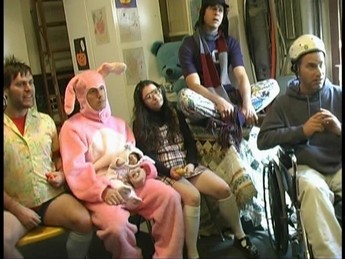
I’m happy to report that such is…
View original post 612 more words
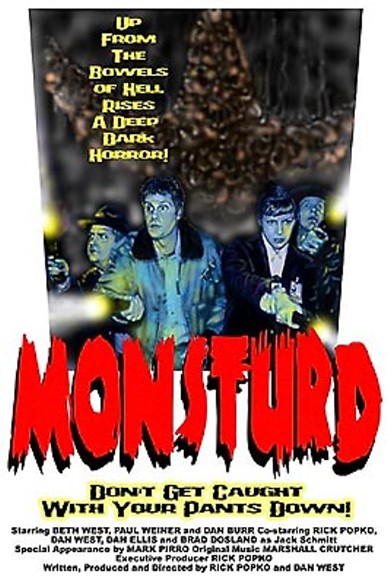
When you’re a low- (or no-) budget film production outfit, you’ve gotta live by three simple words : never say die.
Seriously, even if you mange to hustle up enough funding to get your flick “in the can” (not the greatest choice of words given the movie we’re about to discuss, but —), often times the real work is only just beginning — you’ve gotta promote your work both relentlessly and endlessly. Case in point : 4321 films, the brainchild of northern California-based writers/director/producers/actors Rick Popko and Dan West, is still hard at work getting the word out about their two feature-length films, Monsturd and Retarded, even though the former came out way back in 2003 and the latter in 2008. I know this because, in modern parlance, they “reached out” to me via twitter only a couple of weeks ago offering a couple of “screeners” of their…
View original post 764 more words
 What is Murphy’s Law?
Let’s ask LAPD Detective Jack Murphy.
“Don’t fuck with Jack Murphy.”
Normally, having a law named after you would be pretty cool but it appears that this is just a law that Jack came up with himself. Having to come up with your own law is kind of like having to come up with your own nickname. Dude, it’s just lame. Since Jack Murphy is played Charles Bronson, we can cut him some slack.
Murphy’s Law was one of the many film that, towards the end of his career, Bronson made for Cannon Films. He played a detective in almost all of them. Jack Murphy is Dirty Harry without the fashion sense. He is also an alcoholic who cannot get over his ex-wife (Angel Tompkins) and her decision to become a stripper. Not only has Murphy managed to piss off his superiors with his bad attitude but the mob is out to get him. Everyone has forgotten Murphy’s Law. Everyone is fucking with Jack Murphy.
Jack’s main problem, though, is Joan Freeman (Carrie Snodgress). Years ago, Murphy sent Joan to prison for murder but, because it’s California and Jerry Brown appointed all of the judges, Joan gets out after just a few years. Joan starts to systematically murder everyone that Murphy knows, framing Murphy for the murders. Murphy’s arrested by his fellow cops, all of whom need a refresher on Murphy’s Law. Though handcuffed to a young thief (Kathleen Wilhoite), Murphy escapes from jail and set off to remind everyone why you don’t fuck with Jack Murphy.
Murphy’s Law is a typical Cannon Bronson film: low-budget, ludicrously violent, borderline incoherent, so reactionary than it makes the Dirty Harry films look liberal, and, if you’re a fan of Charles Bronson, wildly entertaining. Bronson was 65 years old when he played Jack Murphy so he cannot be blamed for letting his stunt double do most of the work in this movie. What’s interesting is that, for once, Bronson is not the one doing most of the killing. Instead, it is Carrie Snodgress, in the role of Joan Freeman, who gets to murder nearly the entire cast. There is nothing subtle about Snodgress’s demonic performance, which makes it perfect for a Cannon-era Bronson film. In fact, Carrie Snodgress gives one of the best villainous performances in the entire Bronson filmography. There is never any doubt that Snodgress is capable of killing even the mighty Charles Bronson, which makes Murphy’s Law a little more suspenseful than most of the movies that Bronson made in the 80s.
Whatever else can be said about Murphy’s Law, it does feature one of Bronson’s best one liners. When Joan threatens to send him to Hell, Murphy replies, without missing a beat, “Ladies first.” Only Bronson could make a line like that sound cool. That’s Bronson’s Law.


 Through the Shattered Lens