“To know the future is to be trapped by it.” — Leto II Atreides
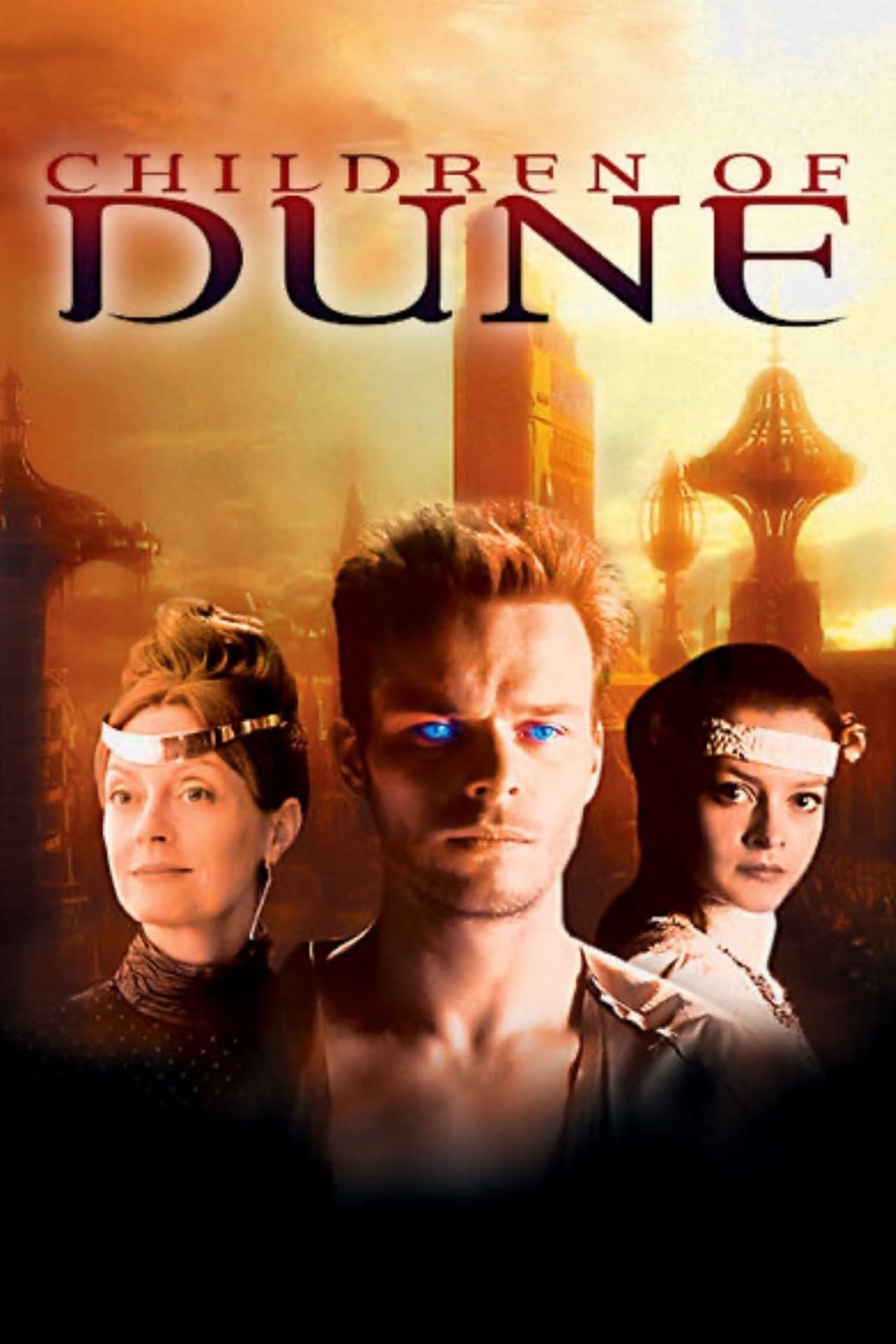
Children of Dune is one of those sci-fi miniseries that feels a little rough around the edges, but still manages to hit with real ambition, atmosphere, and a lot more emotional weight than its modest TV budget might suggest. It is based on Frank Herbert’s Dune Messiah and Children of Dune, aired on the Sci Fi Channel in 2003 as a three-part miniseries, and it serves as a continuation of the 2000 Frank Herbert’s Dune adaptation.
What makes this version stand out is that it doesn’t just try to retell a story about desert politics and giant worms. It digs into legacy, prophecy, religious fanaticism, and the terrifying cost of being treated like a messiah. That sounds heavy, and it is, but the miniseries keeps moving with enough drama, betrayals, and strange mythic energy that it rarely feels static.
The opening section works especially well because it immediately reminds you that Paul Atreides’ victory was never a clean one. By the time the story gets going, his empire is already rotting from the inside, and the series makes a strong case that power on Arrakis is always poisoned by something, whether it is politics, faith, or the sand itself. The shift from Paul’s once-legendary rise to the unraveling of the world around his children gives the story a tragic tone that fits Herbert’s universe perfectly.
A big reason the miniseries works is that it understands Dune is not really about flashy action, even though it has some. It is about ideas, and this adaptation is willing to spend time on them. The show’s best material comes from the way it frames religion as both weapon and trap, especially once the myth of Muad’Dib starts consuming the people who worshiped him. That theme gives the whole thing a haunted feeling, like everyone is living inside a prophecy they do not fully understand.
The cast does a lot of heavy lifting, too. Alec Newman brings a wounded, exhausted quality to Paul that fits the role well, and his scenes carry real sadness because he feels like a man who has seen too far and cannot unsee it. Jessica Brooks, James McAvoy, and Julie Cox all help ground the family drama, while Susan Sarandon brings a cold intensity that gives the political side of the story some bite. Even when the dialogue gets stiff, the actors usually sell the material better than the script itself does.
One of the most interesting choices in Children of Dune is how it treats the twins, Leto II and Ghanima, as more than just plot devices. Their importance is obvious from the beginning, but the series gradually builds them into the real center of gravity. That works because the story is partly about inheritance, and these kids are inheriting not just a throne, but a nightmare of destiny, expectation, and manipulation. The series knows that the most dangerous thing in this universe is not a blade or a bomb, but a future someone insists is already written.
The production design is another area where the miniseries earns a lot of goodwill. It has that early-2000s TV look, sure, and some effects are clearly limited by the era, but the sets, costumes, and overall visual imagination give it a strong sense of place. Arrakis feels harsh and ceremonial at the same time, which is exactly what it should feel like. The costumes also help sell the political divide between factions, making the whole thing look more like a living empire than a generic sci-fi stage.
There are moments where the miniseries feels very theatrical, almost to a fault. Characters occasionally deliver lines with so much seriousness that the show risks sounding like it is declaring its themes instead of dramatizing them. That said, this is also part of the charm. Children of Dune is not embarrassed by its own scale or its own weirdness, and that confidence helps it pull off material that could easily have collapsed under a more self-conscious approach.
The pacing is mostly solid across the three parts, though it does have the usual miniseries issue of compressing a very large story into a limited runtime. Because it covers most of Dune Messiah in the first installment and then adapts Children of Dune in the later parts, some transitions feel abrupt and some developments move faster than they probably should. Still, the adaptation largely keeps its focus, and it is impressive how much story it packs in without turning into total chaos.
If there is a weakness here, it is that the miniseries can sometimes feel like it is working harder to explain the mythology than to make you feel it. Herbert’s world is notoriously dense, and this version does not always smooth that out for viewers who are not already familiar with the books. A newcomer could easily feel like they have been dropped into the middle of a dynastic collapse with very little hand-holding. But for a follow-up to Frank Herbert’s Dune, that density is more of a feature than a bug.
The best compliment I can give Children of Dune is that it respects the seriousness of its material without becoming completely lifeless. It has the courage to be grand, strange, and a little mournful all at once. Even when the execution is uneven, the miniseries understands that the heart of this saga is not a simple battle for power. It is the burden of seeing the future and realizing it may be worse than the present.
As a sequel, it improves on the sense of scale and emotional consequence from the earlier adaptation. It feels less like an introduction to a universe and more like the tragic fallout of one. That makes it a more satisfying watch for viewers who want Dune to feel like an epic family tragedy instead of just a sand-covered political thriller. The fact that it does this on TV, with all the limitations that implies, makes the achievement even more impressive.
In the end, Children of Dune is a flawed but memorable miniseries that succeeds because it commits to its own strange seriousness. It may not be sleek, and it may not always be easy to follow, but it has ideas, mood, and a genuine sense of doom that suits Herbert’s universe. For fans of the books, it is one of the more interesting screen adaptations because it is willing to lean into the philosophical and tragic side of the saga rather than sanding it down into something safer. For everyone else, it is still a fascinating piece of early-2000s sci-fi television that swings bigger than most shows of its era.
“Mercy is a word I no longer understand.” — Paul Atreides
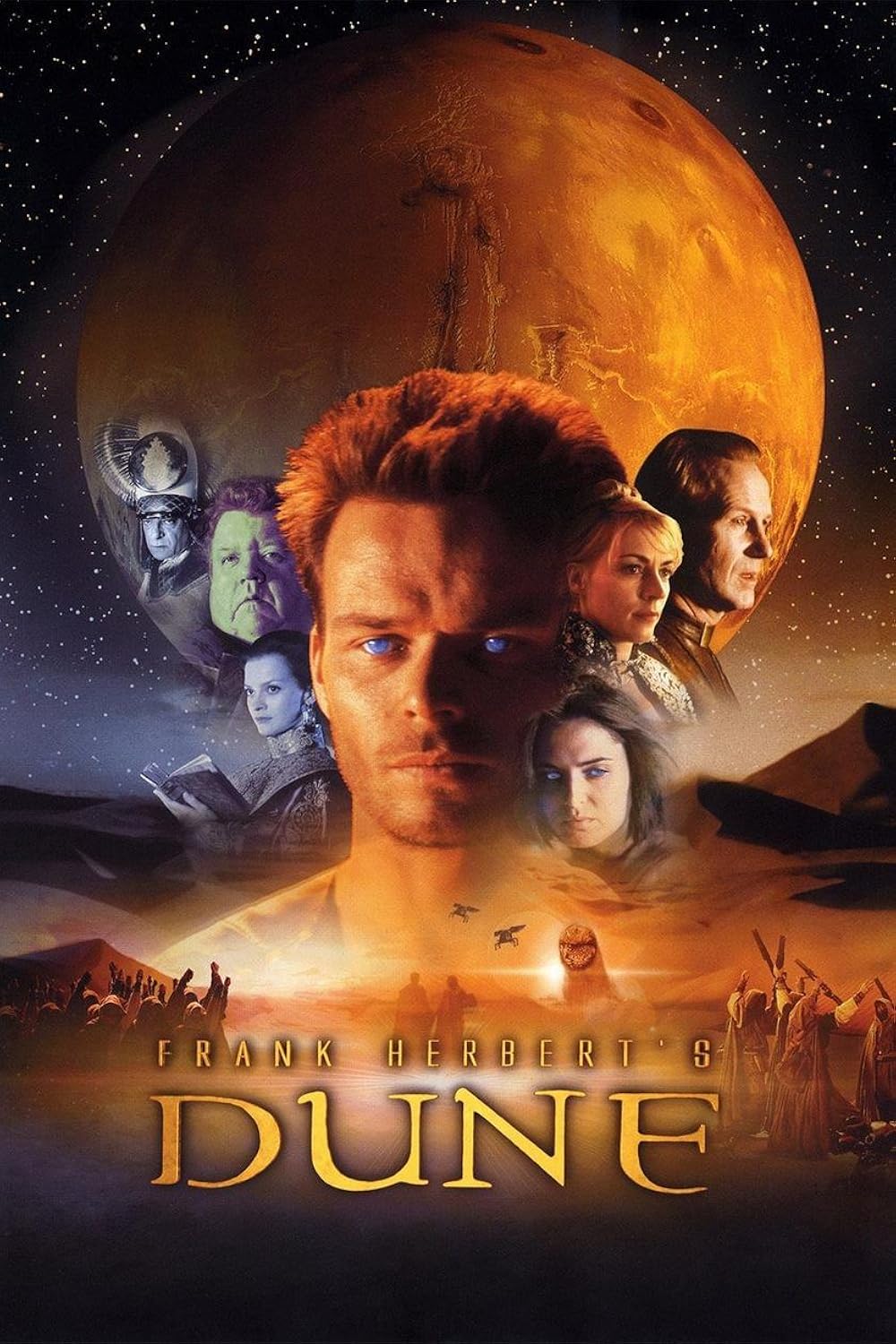
Frank Herbert’s Dune, the 2000 Syfy Channel miniseries, stands as a scrappy yet heartfelt attempt to tame the untamable beast that is Frank Herbert’s sprawling sci-fi epic Dune. Clocking in at nearly four hours across three parts, it doesn’t pretend to be the cinematic knockout punch of Denis Villeneuve’s Dune: Part One and Dune: Part Two, nor does it dive headfirst into the psychedelic rabbit hole of David Lynch’s notoriously bonkers 1984 film. Instead, it carves out its own lane as the faithful workhorse adaptation—the one that prioritizes stuffing in every major plot thread, faction rivalry, and philosophical nugget from the novel without apology. That dogged completeness earns it major points from book purists, even if the early-2000s TV production values leave it looking like a glorious mess next to today’s blockbuster standards. It’s the version you revisit when you want Dune’s full political chessboard laid bare, rough edges and all.
Right from the opening narration, you sense this miniseries is playing a different game. While Villeneuve hooks you with those thunderous sandworm roars and vast desert expanses that make Arrakis feel like a character unto itself, and Lynch blasts you with industrial-gothic sets and nose-plug close-ups that scream “weird,” the Syfy take eases in with expository voiceover and sweeping shots of Caladan’s misty nobility. The budget screams made-for-TV: thopters wobble like cheap models on strings, sandworms shimmer with dated CGI that wouldn’t pass muster even in 2000, and interstellar travel feels more like a quick fade than a hyperspace spectacle. Yet there’s charm in the earnestness—the ornate costumes drip with imperial excess, from House Atreides’ regal blues to the Harkonnens’ sickly pallor, capturing Herbert’s baroque universe better than Lynch’s fever-dream excess or Villeneuve’s minimalist severity. It’s alien and opulent without trying to reinvent the wheel visually, letting the story’s inherent strangeness do the heavy lifting.
What truly sets this adaptation apart is its unhurried commitment to Dune’s core as a tale of interstellar realpolitik, not just laser swords and monster chases. The miniseries luxuriates in the scheming: extended scenes of Bene Gesserit whispering manipulations across generations, Emperor Shaddam IV plotting from his golden throne, and the Spacing Guild’s monopoly stranglehold get room to breathe. Lynch crammed this into a frantic 137 minutes, resorting to on-screen crawls and “the spice must flow” explainers that border on parody, while Villeneuve elegantly implies much of it through mood and subtext, trimming for pace. Here, the trap closes deliberately—Duke Leto’s honorable doom unfolds with all its tragic inevitability, Paul’s Fremen transformation simmers with ecological and messianic tension, and the Baron’s depravity feels like a rotting empire’s symptom. It’s talkier, sure, but that density mirrors the novel’s heady mix of ecology, religion, and colonialism, making the good-vs-evil surface hide a much murkier power grab.
Faithfulness is the miniseries’ superpower, and stacking it against the films drives that home. Lynch’s Dune is a directorial fever dream—brilliant in bursts (those Guild Navigators floating in spice tanks are iconic), but it mangles the timeline, invents “weirding modules” and pain boxes that Herbert never dreamed of, and caps with a cheesy resurrection and empire-toppling finale that feels like fanfic. Villeneuve’s duology is a masterclass in restraint and awe: Part One builds unbearable dread through silence and scale, Part Two unleashes Paul’s holy war turn with chilling clarity, but both demand sequels and sacrifice chunks like Thufir Hawat’s full betrayal arc or the ecological long-view for runtime efficiency. The Syfy version? It hits about 90% of the book’s beats in one self-contained package—Paul drinks the Water of Life, rides the first worm, unites the tribes, all while fleshing out Yueh’s guilt, Gurney’s survival, and Irulan’s expanded role as a scheming narrator who spies on the action. Smart tweaks like inner-monologue voiceovers clarify the mental gymnastics without Lynch’s exposition overload.
The ensemble punches above the production’s weight, delivering performances that ground the sprawl. Alec Newman’s Paul Atreides evolves from callow youth to burdened Kwisatz Haderach with a steely intensity—more seasoned than Kyle MacLachlan’s wide-eyed innocent in Lynch’s film or Timothée Chalamet’s introspective minimalist in Villeneuve’s, but convincingly haunted by prescient visions. William Hurt’s Duke Leto radiates quiet nobility, a paternal rock that Oscar Isaac matches with fiercer charisma but less screen time. Saskia Reeves’ Lady Jessica is a coiled operative, mastering the Voice while Rebecca Ferguson brings feral maternal fire and Francesca Annis floats as an ethereal priestess. Ian McNeice’s Baron Harkonnen oozes grotesque glee, echoing Kenneth McMillan’s scenery-chewing blimp but with slyer malice; Stellan Skarsgård’s version chills as a tactical monster sans the floating fat-suit camp. Chani fares best as Barbora Kodetová’s fierce Fremen equal, outshining Lynch’s rushed Sean Young and edging Zendaya’s mythic close-ups with raw tribe loyalty. Even bit players like Robert Wisdom’s Idaho shine brighter than their film counterparts.
Directorial choices by John Harrison emphasize theatricality over cinema flair, turning court scenes into operatic standoffs that suit Dune’s ritualistic pomp. Princess Irulan’s upgrade—from bookend quotes to active imperial intriguer—adds a vital scheming perspective Lynch ignored and Villeneuve teases for later. The gom jabbar test throbs with intimate terror, Fremen sietches pulse with cultural depth, and the final duel crackles despite modest effects. Pacing lags in spots—the Atreides downfall stretches, subplots like Feyd-Rautha’s gladiatorial intro feel obligatory—but that thoroughness lets overlooked gems like the dinner-table tensions and spice-blow ecology lectures land fully. Brian Tyler’s score swells bombastically, aping Zimmer’s primal dread without the subtlety, yet it propels the saga forward.
Flaws glare under modern scrutiny: effects age like milk (those ornithopters!), editing chops unevenly between threads, and some line deliveries veer stagey next to Villeneuve’s hushed precision or Lynch’s unhinged energy. It lacks the 1984 film’s quotable weirdness (“The sleeper must awaken!”) or the recent epics’ IMAX transcendence, feeling more like a filmed audiobook than immersive event cinema. Still, that scrappiness fits Dune’s prickly soul—ornate yet precarious, cerebral yet visceral. Herbert crafted a warning about heroes and empires; this miniseries trusts you to unpack it, preserving the unsettling texture the smoother films sometimes polish away.
Revisiting after the others clarifies its niche perfectly. Lynch’s Dune is the cult oddity—fractured, visionary, endlessly memeable despite narrative chaos. Villeneuve’s saga is prestige sci-fi at its peak: disciplined, subversive, a slow-burn symphony begging Part Three. The Syfy miniseries? Your completist’s deep cut—comprehensive, unpretentious, ideal for dissecting the guilds, houses, and prophecies on a rainy weekend. Constraints hobble the spectacle, but the ambition to honor Herbert’s labyrinthine blueprint shines through.
Ultimately, Frank Herbert’s Dune miniseries claims no crowns as the ultimate adaptation—that debate rages between Lynch’s deranged heart, Villeneuve’s cool mastery, or the book itself. At around 1150 words, it’s a worthy underdog: earnest, exhaustive, and true to the novel’s tangled genius. Fire it up if you crave Dune’s unfiltered intrigue over heart-pounding visuals. It respects the spice’s full flow, worms and all.
“A man dies when he is forgotten… as long as someone remembers you, you never truly die,” — Dr. Hiriluk
Netflix’s One Piece live-action sails into its second season with a lot more swagger, a lot more snow, and just enough rough edges to keep the debate interesting instead of purely celebratory. Season 2, subtitled Into the Grand Line, takes the Straw Hats from Loguetown through Reverse Mountain, Whisky Peak, Little Garden, and finally Drum Island, and you can feel the creative team leaning into the idea that season 1’s success wasn’t a fluke. It’s bigger, louder, more emotionally direct, and also a bit more overstuffed, but the core mix of sincerity, goofiness, and found-family melodrama still mostly works in live action.
The early stretch, especially episode 1, comes out swinging like the writers have a checklist of “stuff we have to set up before the Grand Line” and they’re determined to cram it all into a single opening salvo. Loguetown gets positioned as both a victory lap for the season 1 crew and a promise that the stakes are rising; you’ve got the looming execution platform, the legacy of Gol D. Roger, and the Marines closing in from multiple angles. Smoker and Tashigi are introduced as new Marine threats, and while they’re not as absurdly overpowered as their manga counterparts, their presence immediately shifts the atmosphere from “wacky pirate road trip” to “you’re on borrowed time, kids.” The result is an opener that’s busy to the point of clutter, but rarely boring, and it reassures you that the show still understands the scrappy, earnest energy that made season 1 feel like a minor miracle.
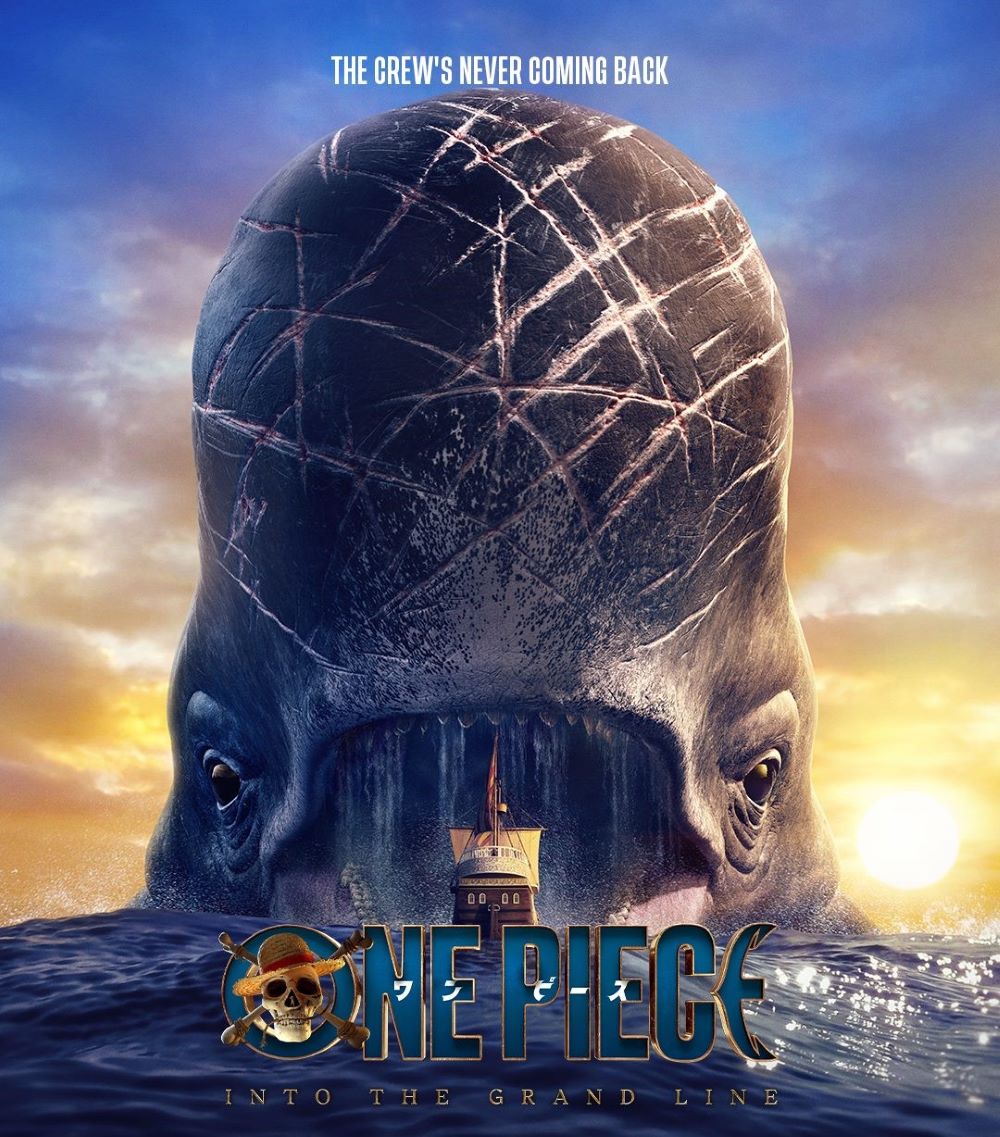
Once the Going Merry officially commits to the Grand Line, the season loosens up and starts having fun with its new sandbox. Reverse Mountain and Laboon give you that classic One Piece blend of absurdity and heartache: a giant whale with abandonment issues, a sea route that wants to kill you on the way in, and a protagonist who treats impossible odds like minor inconveniences. The adaptation trims and rearranges details from the manga, but the emotional throughline—Luffy refusing to dismiss someone else’s pain as a joke—still lands. Visually, the show takes advantage of wild weather and vertical ship movement to signal that Netflix has clearly opened the purse strings a bit.
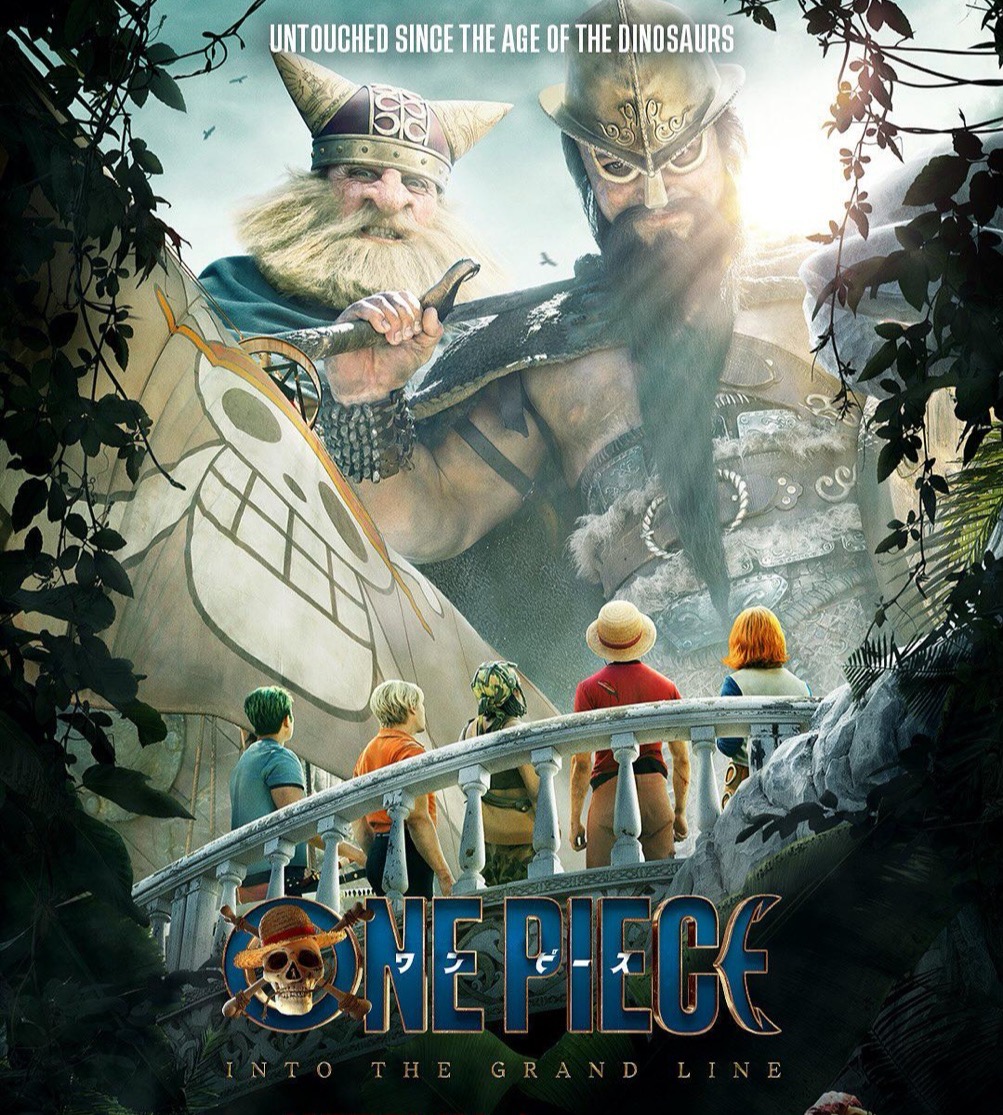
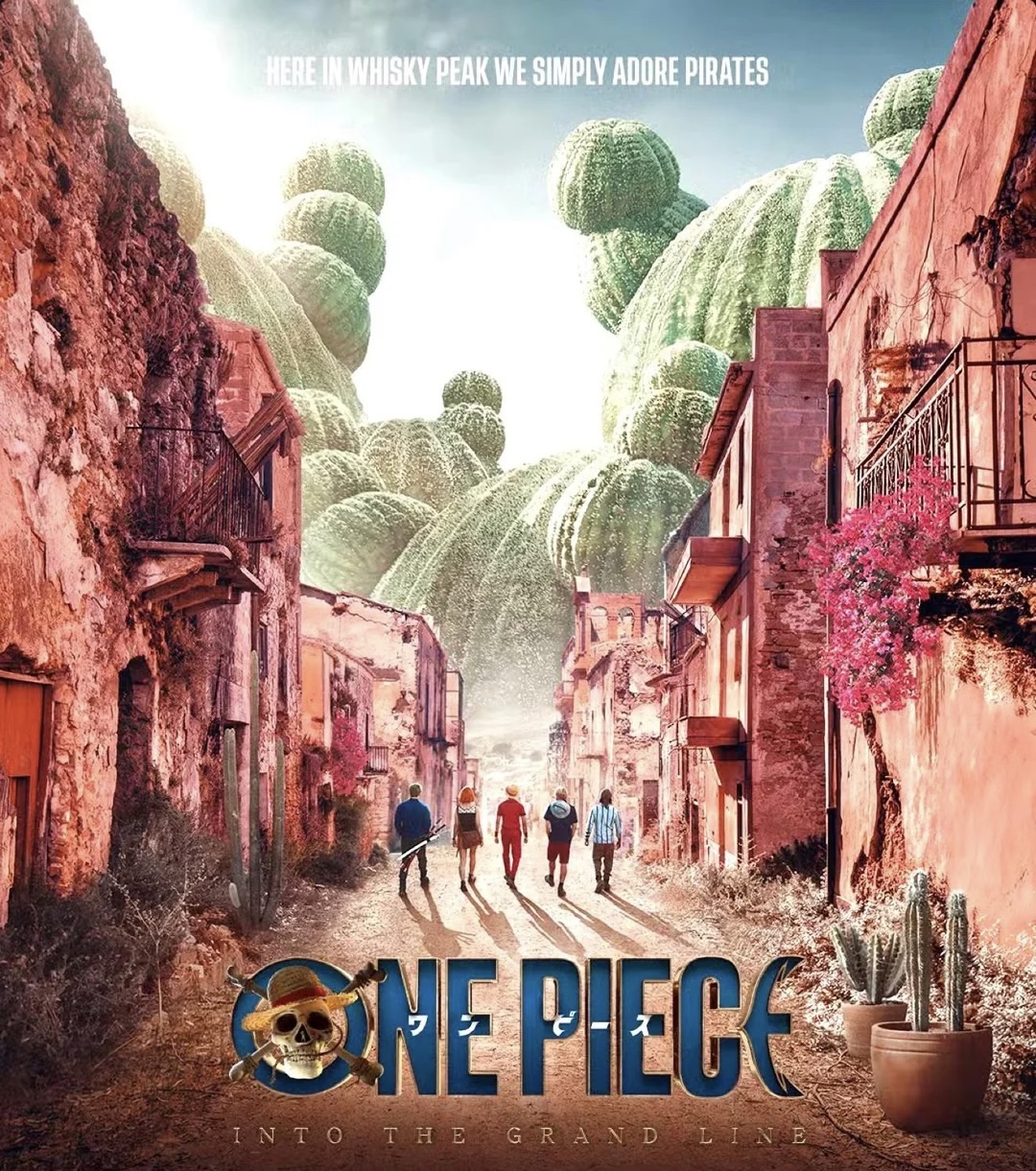
The midseason arcs on Whisky Peak and Little Garden are where the season’s strengths and weaknesses sit side by side. On the plus side, the show feels far more confident staging ensemble scenes now; the Baroque Works intrigue in Whisky Peak gives everyone a small moment to shine, from Zoro’s stoic overkill to Usopp’s anxious resourcefulness. At the same time, you can tell the writers are racing a clock. Baroque Works as a threat sometimes plays like “sassy assassins of the week” rather than a deeply rooted conspiracy, and certain reveals hit faster than they probably should just to keep the plot on schedule. There’s a similar push-pull in the Little Garden episodes: the prehistoric island, giant warriors, and dinosaur mayhem are inherently goofy in a way that fits the franchise, but the story occasionally feels like it’s checking off “cool arc landmarks” rather than letting the weirdness breathe.
What keeps that middle section from sagging is how much better the show has gotten at tying action beats to character beats. Sanji and Zoro’s rivalry plays as casual, lived-in banter rather than forced comic relief, and Nami’s role as the crew’s unofficial grown-up becomes more prominent now that they’re in genuinely lethal territory. Usopp’s arc quietly levels up too; by the time we reach the Drum arc, he’s shifted from pure punchline to someone whose lies and bravado hide a growing sense of responsibility to the crew. The series still loves its shonen clichés, but it’s more careful now about using them as punctuation for character moments instead of the entire sentence.
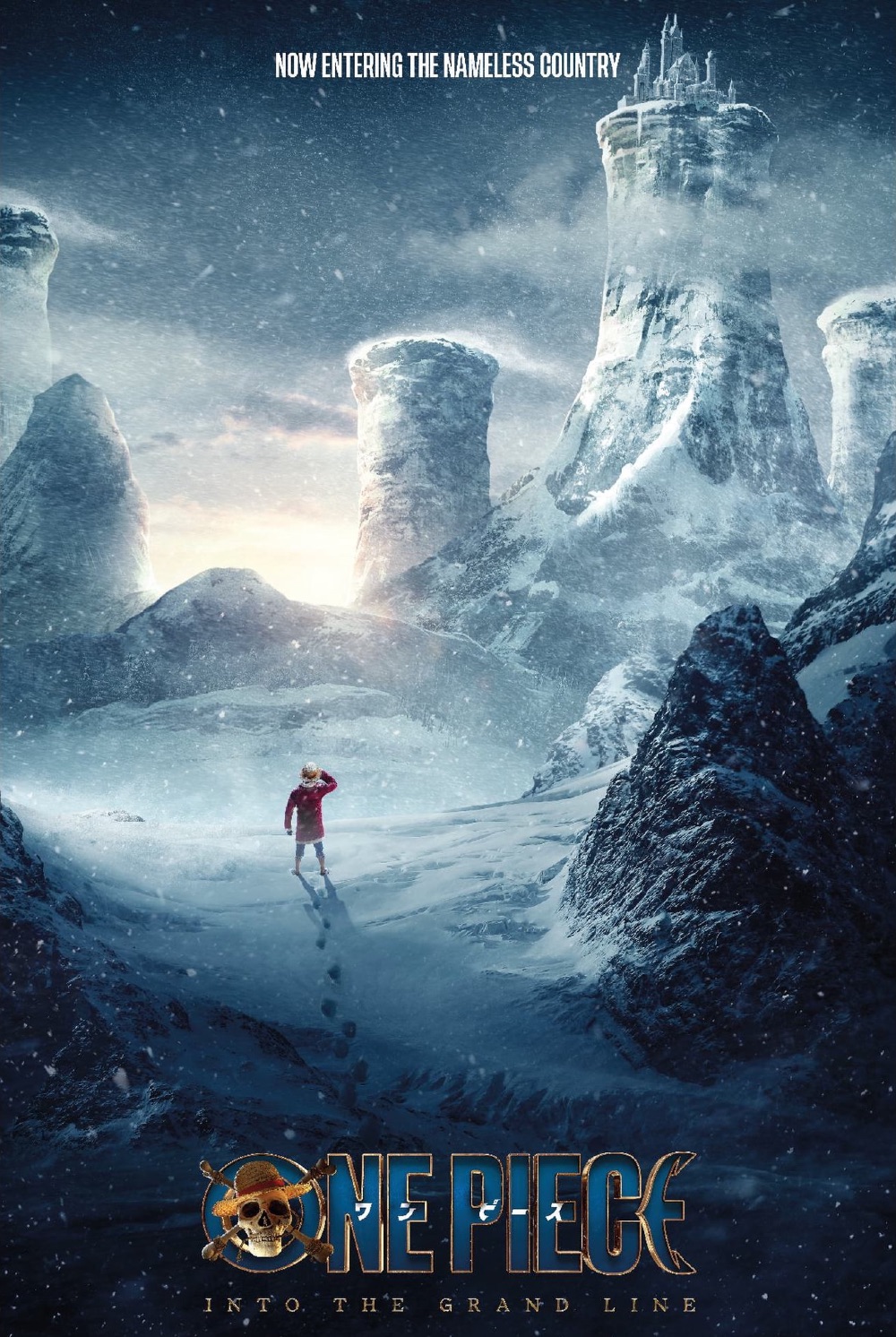
The season really finds its footing once Nami falls ill and the plot veers into Drum Island. Episode 6 uses a simple hook—crew member in medical danger—to justify a full tonal pivot into survival mode, and it pays off. Nami’s fever forces Luffy and Sanji into a desperate climb toward a supposedly witch-haunted castle, and suddenly the story is about how far these idiots will go for each other, framed against a harsh, snowy landscape that looks genuinely inhospitable rather than just “TV cold.” The direction leans into long, wind-whipped shots of the mountainside and the rickety pathways up to Drum Castle so the physical effort feels real, even while we’re still dealing with rubber limbs and talking reindeer.
Visually, Drum Island is where the production team flexes the hardest. Drum Castle plays like a kind of “Winterfell of the Grand Line”: a looming, half-mythic fortress on a cliff that feels grounded enough to stand alongside the more heightened CG work. The snowstorms, the avalanche sequence, the torchlit interiors of Kureha’s domain—all of it sells the idea that the crew has wandered into a different kind of danger than the sunny East Blue of season 1. The score shifts accordingly, mixing sweeping orchestral swells with more intimate piano lines during the quieter medical scenes, and it does a lot of work underscoring the “we might actually lose someone this time” tension.
Episodes 7 and 8 are easily among the strongest hours the live-action has produced. The first of the two slows the pace to focus almost entirely on Tony Tony Chopper’s backstory, and it does that classic One Piece thing of luring you in with a silly premise—a talking reindeer in a tiny hat—and then punching you in the throat with abandonment, discrimination, and grief. The flashbacks to Chopper’s exile from his herd and rescue by Dr. Hiriluk are played surprisingly straight; Hiriluk becomes a ridiculous, heartbreaking figure whose speeches about miracles and cherry blossoms somehow dodge corniness through sheer conviction. Chopper’s performance has a gruff vulnerability that makes his early defensiveness around humans feel earned instead of cute schtick, and the combination of prosthetics, motion capture, and restrained CG works well enough that he reads as a real presence in the room, not a cartoon pasted in after the fact.
That said, the Chopper flashback episode isn’t flawless. Some of the emotional beats linger a bit too long, clearly honoring manga moments that don’t fully translate to live-action pacing, and a few of his transformation gags resort to quick cuts that blunt the imaginative body-horror silliness you get in animation. Still, the emotional spine is strong: Hiruluk’s doomed confrontation with Wapol, punctuated by illusory sakura petals and a speech about when a person truly dies, is staged with an almost theatrical sincerity that the cast actually pulls off. In the present, the B-plot with Zoro and Usopp anxiously waiting in the village for word about Nami is simple but effective, reinforcing how helpless it feels when your role in the crew doesn’t let you directly fix what’s wrong.
In the finale, the action splits cleanly between the village and the castle on the mountaintop, and that structure helps the chaos feel coherent instead of just noisy. Zoro and Usopp are down in Drum Village, hacking their way through the grotesque monster-soldier constructs that Wapol literally spits out as disposable shock troops, giving the ground battle a messy, creature-feature energy. Meanwhile, Sanji and Chopper are up in Drum Castle on top of Drum Mountain, clashing with Wapol’s advisors in tighter, more personal skirmishes that double as a test of Chopper’s resolve to stand with the Straw Hats. Wapol himself returns juiced up on his Baku Baku no Mi powers, and the episode leans hard into the grotesque humor of a villain who eats anything—including his own men—to spit out living weapons and fleshy blob minions.
The blend of practical creature work and CG in that finale isn’t flawless, especially in a few slow-motion shots where the animation looks more rubbery than Luffy, but it’s inventive enough that the absurdity never completely breaks immersion. The action is staged with a nice sense of geography: the snowy streets and rooftops of Drum Village, the cramped interior corridors of the castle, and the exposed battlements all feel distinct, so you always know where you are in the fight. The editing gives each Straw Hat a clear lane—Zoro as the unstoppable blade, Usopp as the desperate tactician, Sanji as the stylish brawler, Chopper as the rookie trying to prove he belongs—without turning the climax into a series of disconnected hero shots.
What really elevates the finale is how it uses the big battle to crystallize character arcs. Vivi, who’s been threaded into the season as a wavering princess-turned-co-conspirator, finally gets a proper leadership moment confronting Wapol and calling out his idea of kingship, and it feels earned instead of “we needed a speech here.” Dalton’s evolution from dutiful soldier to rebel champion hits a satisfying crescendo when he throws himself into the fight in a way that echoes his beastly manga counterpart, giving the non-Straw Hat side of the conflict some emotional heft. Luffy’s most telling moment isn’t about defending his own crew’s banner, but about protecting Dr. Hiriluk and Chopper’s sakura-painted Jolly Roger flag, making it clear that, to him, it isn’t just the Straw Hat symbol he respects but the very idea of a pirate flag as someone’s dream, no matter whose it is.
Chopper’s actual recruitment is peak One Piece cheese in the best way. After an episode and a half of backstory and reluctance, Luffy’s straightforward “You’re our doctor now” carries the weight of everything we’ve seen without turning into a speech, and Usopp’s outsider-to-outsider encouragement seals the emotional deal. The sleigh escape from Drum Castle, complete with impossible cherry blossoms blooming in a blizzard as Kureha salutes them with artillery, should be ridiculous, and it is—but it’s also exactly the kind of heightened, tear-jerking nonsense this series lives on. The show even sneaks in a small but potent Sanji beat, linking his obsession with feeding people to a sickly mother in his past, which adds a layer of vulnerability to his usual horny-cook routine without hijacking Chopper’s spotlight.
To keep things fair, the season does have some recurring issues. The pacing is uneven; cramming five arcs into eight episodes means some side characters and worldbuilding details flash by as cameos rather than lived-in pieces of a larger world. Wapol, while fun, sometimes leans too far into hammy buffoonery, undercutting his menace just when the show wants you to take Drum’s past trauma seriously. A few CG shots—particularly around Wapol’s more exaggerated transformations and some of the blob soldiers—don’t quite match the otherwise solid stunt work and practical sets, which can be jarring when the show is trying to sell you on grounded emotion. Nami spends a big chunk of the Drum arc sidelined by illness, and even though the narrative logic is sound, fans of her more active role in season 1 may feel shortchanged.
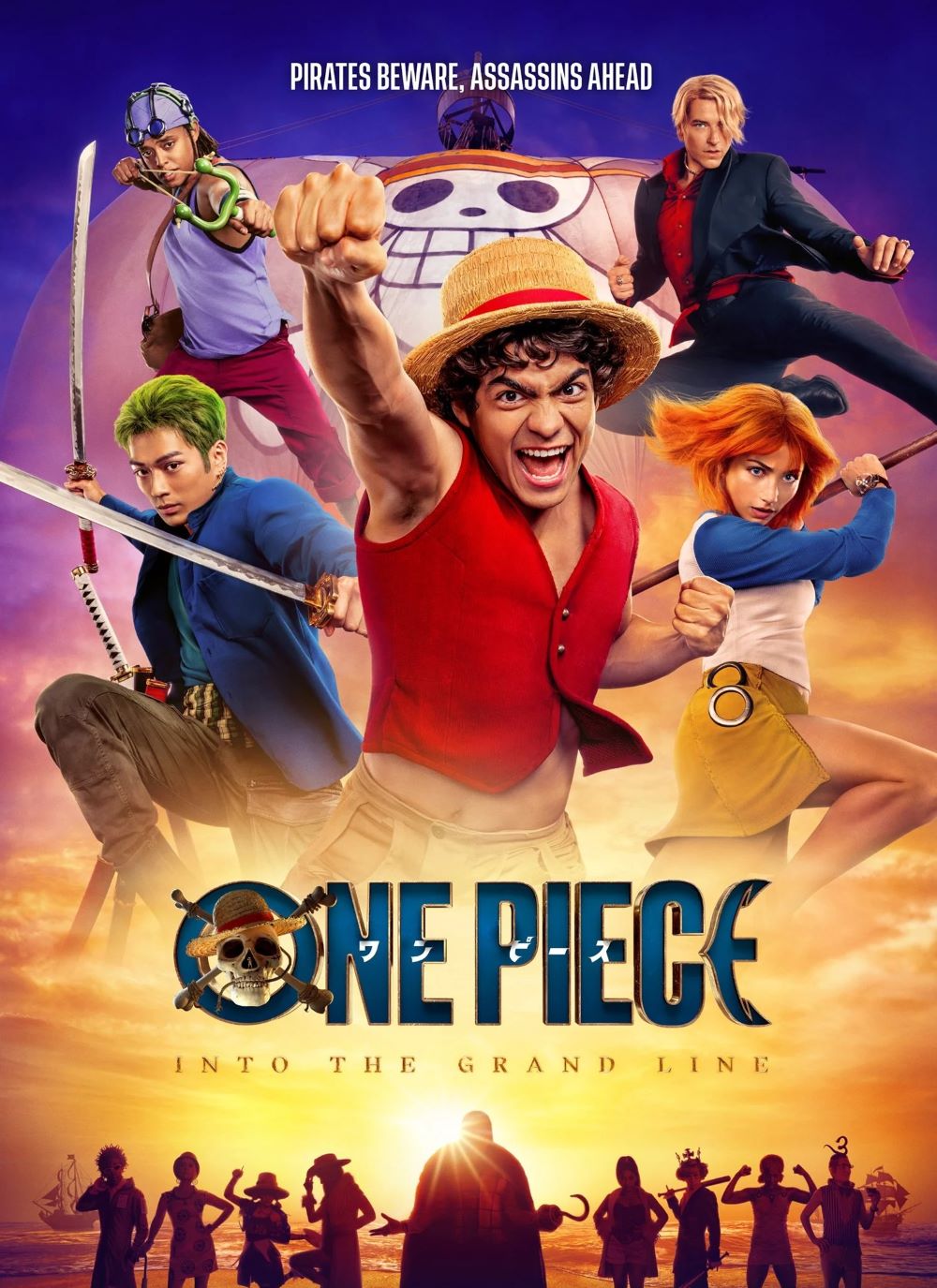
On the flip side, the main cast continues to carry the whole enterprise. Iñaki Godoy’s Luffy still walks that fine line between live-action goofball and shonen hero, radiating a kind of unfiltered optimism that makes his big declarations—about friendship, dreams, pirate kings—feel less like memes and more like core character. Mackenyu’s Zoro leans even further into deadpan exasperation, Taz Skylar’s Sanji gets both action hero and quietly wounded pretty boy notes, and Emily Rudd’s Nami remains the emotional anchor even when she’s stuck in a sickbed. Jacob Romero, meanwhile, gets a massive upgrade this season, with Usopp’s arc quietly becoming one of the highlights; he evolves from a running gag and anxious sniper into the Straw Hat who undergoes the most visible growth, fumbling his way toward that dream of being a “brave warrior of the sea” in a way that feels messy, vulnerable, and genuinely human. Add in strong turns from the Drum Island newcomers—Hiriluk’s big-hearted foolishness, Chopper’s skittish warmth, Kureha’s boozy tough love, Dalton’s stoic decency—and you end up with a season that feels richer in performance even when the story is sprinting.
Taken as a whole, One Piece: Into the Grand Line isn’t a flawless second voyage, but it is a confident one. It respects Eiichiro Oda’s world without trying to copy the manga panel-for-panel, it isn’t afraid to tweak pacing and emphasis for live action, and it continues to bet hard on earnest emotion over ironic distance. The rushed arcs, occasional CG wobble, and tonal whiplash won’t work for everyone, especially if you wanted a slower, more atmospheric take on the Grand Line. But if you were on board with season 1’s big-hearted cosplay-epic vibe, season 2 doubles down on that spirit, nails the Drum Island climax, and ends with the crew stronger, weirder, and more ready than ever to take on Alabasta.
One Piece season 2 finale, episode 8 Deer and Loathing in Drum Kingdom, lands like a perfectly timed Gum-Gum Pistol, wrapping the Drum Island arc with a whirlwind of action, heart, and that signature pirate whimsy that keeps the live-action series sailing strong on Netflix. This episode doesn’t just close out the season—it elevates it, turning a snowy island showdown into a full-throated celebration of friendship, defiance, and chasing dreams no matter how absurd. The Straw Hats face off against a ridiculous tyrant, welcome a new crewmate, and set sail with momentum that has you itching for season 3, all while staying faithful to Eiichiro Oda’s sprawling world without feeling like a carbon copy of the manga or anime.
Right from the jump, the episode dives into chaos as King Wapol makes his grand, grotesque return to Drum Island. He’s not the sniveling coward who fled years ago; now he’s juiced up on his Baku Baku no Mi Devil Fruit, which lets him eat literally anything—metal, stone, people—and regurgitate it as twisted weapons or minions. Picture him chomping down on rifles to spit out a cannon, or devouring his own soldiers to birth these lumpy, regenerating blob creatures that swarm the village like a bad acid trip. The practical effects shine here, blending squishy prosthetics with just enough CGI to make the absurdity pop without breaking immersion. Wapol drags Dalton, the noble rebel leader, in chains as a power move, taunting the villagers about his “superior” rule. Dalton’s no pushover, though—he hulks out later in a nod to his manga transformation, charging Wapol with raw fury born from years of oppression. It’s a classic One Piece villain dynamic: Wapol’s petty ego clashes perfectly with the heroes’ unbreakable will, making every clash feel personal.
The Straw Hats scatter into the fray with their usual dysfunctional brilliance. Luffy, fresh off his Nami-saving beatdown from last episode, shrugs off injuries like they’re mosquito bites and leaps into the thick of it, all grins and stretchy punches. His priority? Protecting the Jolly Roger flag that Wapol’s goons are shredding—because in Luffy’s world, that skull-and-crossbones is more than fabric; it’s the crew’s soul. Zoro’s in his element, swords flashing through the snow as he dices up those blob soldiers, their bodies reforming only to get sliced again. It’s a showcase for his cool-under-pressure vibe, with Mackenyu delivering those precise, deadly stares that make you believe he’s the world’s greatest swordsman. Usopp, evolving from comic relief to clutch player, MacGyvers traps with his slingshot and gadgets, picking off threats from afar and proving why the crew needs his sharpshooting heart. Sanji kicks through the horde with flaming legs, flirting with Vivi mid-battle while dodging Wapol’s shoe cannon—pure cook energy, equal parts suave and savage.
Vivi’s arc gets a massive payoff, transforming her from hesitant princess to frontline leader. She’s directing the rebels through secret tunnels, rallying Zoro and Usopp while grappling with her own baggage from Alabasta. When Wapol mocks her, ripping the Straw Hats’ flag and declaring himself untouchable, Vivi steps up with a speech that echoes her father Cobra’s lessons: a true king protects his people, not abandons them. It’s fiery, it’s vulnerable, and it lands because the season built her up slowly—no rushed hero turn, just earned resolve. Her chemistry with the crew shines, especially when Sanji teases her “adopted sister” status, lightening the tension without undercutting the stakes. By episode’s end, she recommits to the Straw Hats’ wild detour, eyes set on Baroque Works, but with that lingering “we’ll part ways eventually” promise that teases her canon fate.
Then there’s Chopper, the pint-sized reindeer doctor who steals the show and the crew’s hearts. Building on his tragic backstory—abandoned by his herd, taken in by Dr. Hiriluk, shaped by the tough but caring Dr. Kureha—Chopper’s torn between his cozy life on Drum and the call of adventure. Kureha, that chain-smoking witch of a doc, puts him through tough-love wringers, smashing his medical sake and growling about him dying out there. But it’s all facade; her grief over Hiriluk mirrors Chopper’s pain, making their bond achingly real. Luffy’s blunt invitation—”You’re our doctor now”—pierces right through, and Usopp’s outsider-to-outsider pep talk seals the deal. The sleigh ride off the mountain is magical nonsense: Chopper in full reindeer mode, cherry blossoms blooming impossibly in the blizzard (a gorgeous manga callback), Kureha saluting with a cannon shot and Hiriluk’s flag waving proud. It’s the kind of corny, triumphant moment One Piece does best, hammering home themes of found family and believing in your own worth.
Sanji, for his part, gets a quieter but meaningful bit of shading while Nami recovers. In a brief conversation, he opens up about growing up with a sickly mother and the weight that put on his shoulders, framing his obsession with feeding people as something more than just a gag. It’s not a long monologue, but it’s enough to suggest that seeing someone he cared about waste away left a mark, and that his insistence on never letting anyone go hungry comes from a very real place. The show doesn’t linger on it—this is still Chopper’s spotlight—but the detail adds a touch of vulnerability to the smooth-talking cook that fits nicely with the ensemble’s evolving emotional texture.
Production values crank to eleven. Drum Island’s fortress under siege looks massive, snow whipping through cannon fire and sword clashes in wide, dynamic shots. The score mixes epic orchestral swells with punky guitar riffs for battles, then soft piano for goodbyes—spot-on emotional whiplash. Fights are a highlight: Luffy tanking Wapol’s T-Rex cannon form (yes, he eats a whole dinosaur statue), Zoro’s three-sword barrage, Dalton’s beastly charge. Pacing juggles a ton—Wapol’s invasion, crew skirmishes, Chopper’s farewell, Vivi’s resolve—but mostly sticks the landing, building to a cathartic flag-raise where the villagers cheer as the Straw Hats unite.
That said, it’s not perfect, keeping things balanced. Wapol’s hamminess tips into over-the-top at times; his static-haired minion and shoe gags are funny but dilute menace when the drums war flashbacks try for gravitas. Some CGI on the blobs and Wapol’s transformations glitches in slow-mo, not quite matching the seamless human fights. Nami’s sidelined in recovery, and while her brief talk with Sanji deepens his character, it can feel slightly wedged in amid the frenzy. Miss All Sunday’s cryptic phone call and shadowy exit primes Baroque Works intrigue but cuts short, more teaser than substance. The runtime squeezes big arcs, occasionally rushing quieter beats like Kureha’s full Hiriluk eulogy.
Casting carries it all. Iñaki Godoy’s Luffy is chaotic sunshine incarnate, Taz Skylar’s Sanji oozes charm, Emily Rudd’s Nami grounds the heart. Newcomer Ty Keogh nails Dalton’s quiet heroism, and the Chopper suit—expressive eyes, cloven hooves—brings the manga cutie to life without uncanny valley. Adaptations tweak smartly: expanded rebel fights for live-action spectacle, Vivi’s speech streamlined for punch, Chopper’s forms hinted at for future growth.
As a season finale, Deer and Loathing in Drum Kingdom nails the handoff from Loguetown’s tease to Grand Line proper. Drum Island swaps setup for liberation, forging the crew tighter with Chopper aboard and Vivi locked in. It whoops with unhinged action, weeps with goodbyes, and inspires with Luffy’s “I’m gonna be Pirate King!” roar over the horizon. Flaws like hammy villainy and CGI wobbles don’t sink it—this is One Piece live-action firing on all cylinders, proving Netflix can wrangle Oda’s beast. Season 1 fans get their fix; newbies get hooked on the heart. Trust: stream it, sail on.
One Piece season 2 episode 7, “Reindeer Shames,” plunges straight into the emotional heart of the Drum Island arc, serving up one of the live-action series’ most moving character deep dives to date. Nami’s worsening illness has stranded the Straw Hats on this unforgiving frozen island, renowned for its scarce medical expertise, prompting the crew to split up amid the perilous climb. Luffy and Sanji wind up at the foreboding castle of the formidable Dr. Kureha, crossing paths with the standoffish talking reindeer Chopper who’s equal parts fascinating and fragile. The early scenes buzz with mismatched energy—Luffy’s irrepressible cheer slamming against Chopper’s guarded suspicion and Sanji’s bemused swagger—crafting an instant hook that peels back layers of mystery. Following the relentless action of previous episodes, this one’s a welcome slowdown, prioritizing raw backstory over brawls while dangling threads of island tyranny just out of reach. The production’s live-action magic pops here, fusing practical prosthetics, motion capture, and restrained CGI to render Chopper’s realm tactile and heartbreakingly real.
A crushing flashback opens the floodgates to Chopper’s past: born a runt with a blue nose, he’s booted from his herd and hunted mercilessly by villagers who see only a beast. Collapsing from a gunshot wound, he’s rescued by Dr. Hiruluk, played with masterful pathos by Mark Harelik in one of the episode’s great standout performances. Harelik brings this quack doctor to vivid life—a bombastic outcast with a ridiculous wig and a quixotic dream to revive Drum Island’s hope—infusing every bumbling experiment and heartfelt rant with aching authenticity. His impassioned speeches on miracles, self-belief, and cherry blossoms pierce Chopper’s despair like sunlight through ice, turning what could be cartoonish into profoundly human. Mikaela Hoover’s voice acting as Tony Tony Chopper is equally phenomenal, layering gruff vulnerability and wide-eyed wonder into every bleat and growl, making the reindeer’s pain palpably raw. Their backstory interplay is hands-down the best character dynamic of the season so far, and arguably the series as a whole—a masterclass in quiet intimacy amid chaos. In a show packed with zany antics and shonen action beats, this duo showcases One Piece‘s secret weapon: deep emotional gravitas that elevates backstories from fun fodder to soul-stirring cornerstones, proving the adaptation can wield heart as fiercely as fists.
Hiruluk’s confrontation in King Wapol’s throne room reaches a tragic crescendo, framed stunningly by a cascade of illusory sakura petals that bloom as an emblem of rebellion and fleeting beauty—Harelik sells every beat with sheer gravitas, especially his unforgettable line, “A man dies when he is forgotten.” Captain Dalton, ever the dutiful soldier, sees it unfold and begins his slow unraveling from blind loyalty, hinting at broader uprisings to come. Cutting to the present, Luffy’s offhand gesture of raising Hiruluk’s Jolly Roger flag over the castle is quintessential Straw Hat defiance—blunt, buoyant, and the perfect icebreaker for Chopper’s thawing heart, amplified by Hoover’s nuanced delivery. Sanji chips in with spot-on levity, his playboy poise crumbling hilariously under Kureha’s booze-fueled scrutiny, while the doctor asserts herself as a whirlwind of wisdom and whiskey, her tough exterior veiling deep-seated sorrow. Their interplay injects grounded realism into the whimsy, dodging fairy-tale traps and enriching motifs of mentorship and mending.
The subplot with Usopp and Zoro heightens the tension beautifully, as they wait back in the town at the base of one of the mountains, anxiously holding out for news on whether Luffy and Sanji secured medical help for Nami at the peak—it underscores the crew’s unbreakable bonds and adds palpable stakes to the separation, turning quiet anticipation into a gripping thread of worry and resolve. Not everything lands perfectly, though. The flashback sequence, while faithful and powered by Harelik and Hoover’s chemistry, meanders in spots, stretching manga moments that suit print better than the screen’s demand for snap. The visuals dazzle with authentic snowy vistas and crystalline peaks, and most transformations flow with inventive choreography synced to Hoover’s voice, but select shifts hide behind rapid edits, muting the anime’s exuberant morphing mayhem. The episode closes on a visceral cliffhanger as Dalton absorbs a hail of arrows in Wapol’s shadow, escalating stakes smartly yet craving prior buildup for fuller fright.
Those nitpicks pale next to the episode’s emotional knockout power, largely thanks to Harelik and Hoover anchoring it all, with the Usopp-Zoro wait amplifying the crew’s human vulnerability. Chopper’s vulnerable admission of being “one of a kind”—delivered with Hoover’s heartbreaking quiver—collides with Luffy’s nonchalant “I’m a monster too—ain’t that awesome?” in an exchange that bottles One Piece‘s creed: belonging bulldozes bigotry. The orchestral swell amplifies the pathos, cementing Chopper as crew catnip from minute one. Manga veterans relish the nod to endurance and “inherited will,” but fresh faces grab a punchy, plot-light powerhouse that stands alone. It affirms the adaptation’s chops for subtle soul-searching amid spectacle, fortifying season 2’s stride.
By fade-out, anticipation surges for Chopper’s fate and Wapol’s wrath. “Reindeer Shames” alchemizes personal humiliation into unbreakable resolve—a gem of an episode, warts and wonders intact, that reminds us why One Piece captivates across mediums, with performances that linger long after the snow melts.
“A king is but a man, and a crown is just a hat. It is the kingdom that endures.” – Nefertari Cobra
Netflix’s One Piece live-action series keeps delivering with season 2, and episode 6, “Nami Deerest,” hits that sweet spot of high stakes, heartfelt moments, and classic pirate shenanigans. When Nami comes down with a nasty fever from some prehistoric bug bite on Little Garden, the Straw Hats make a desperate pit stop at Drum Island, a snowy wasteland once famous for its doctors but now a shell of its former self. Luffy and Sanji haul her up a brutal mountain to find the last doc standing, Dr. Kureha, while the rest of the crew chills in town with the locals who aren’t exactly rolling out the welcome mat.
Right off the bat, the episode nails the tension around Nami’s illness. Emily Rudd sells her vulnerability without overplaying it—she’s tough as nails usually, but here you see the fear creeping in, making her bond with the crew feel even tighter. Iñaki Godoy’s Luffy is pure determination, strapping Nami to his back and climbing through blizzards and avalanches like it’s just another Tuesday. Taz Skylar’s Sanji gets some solid hero moments too, taking hits to protect everyone, though his flirt game takes a backseat to the urgency. It’s casual crew dynamics at their best: Zoro sharpening his swords, Usopp cracking wise with Vivi, all while the clock ticks on Nami’s condition. Directed by Lukas Ettlin, the cinematography makes Drum Island look unforgiving—those icy peaks and howling winds amp up the peril without feeling gimmicky.
Then we get the big intros: Dr. Kureha and Tony Tony Chopper. Katel Sagal does a great job portraying Dr. Kureha, nailing the grizzled, no-nonsense witch-doctor type living in a rundown castle, boozing it up and barking orders, but patching everyone up with real skill. Her dynamic with the pint-sized reindeer Chopper is gold—he’s skittish, hiding behind pillars, but his big blue nose and hat give him instant charm, and Chopper’s CGI stands up to scrutiny with Mikaela Hoover’s voice performance fitting the live-action well. The reveal that Chopper talks? Luffy’s jaw-drop reaction is comedy perfection, capturing that childlike wonder the manga’s famous for. Without spoiling deeper lore, the episode teases Chopper’s heartbreaking backstory through quick, effective flashbacks, blending humor with pathos in a way that doesn’t drag. Fans of the source material will appreciate how they adapt the Drum Island beats faithfully but tweak pacing for live-action flow—no giant bunnies yet, but the avalanche sequence delivers the thrills.
On the flip side, the Smoker and Tashigi subplot feels a tad obligatory. They’re poking around a Marine outpost massacre, clashing with some Baroque Works goons like Ms. Thursday and Mr. 11, which ties into larger conspiracies but doesn’t advance the main plot much. Smoker’s gravelly pursuit of the Straw Hats is always fun—his logia powers make him a persistent thorn—but this detour mostly serves to remind us the Marines are closing in. It’s balanced by some sharp banter between him and Tashigi, highlighting their odd-couple vibe, yet it pulls focus from Drum’s emotional core. Wapol’s cameo as a gluttonous ex-king scheming his comeback adds menace—he’s cartoonishly vile, scarfing down feasts and plotting revenge—but his full threat looms for later episodes.
What shines brightest is the found-family vibe. The Straw Hats rally without hesitation, showing how far they’ve come since season 1’s ragtag assembly. Vivi’s hidden royal ties to Drum’s messy politics add layers, with flashbacks to her kid self dodging Wapol’s cruelty underscoring the world’s corruption. It’s not all smooth—some transitions between subplots feel rushed, like jumping from the climb to castle recovery. Pacing-wise, it’s a slower burn than action-packed eps, leaning on character beats over fights, which works for setup but might test viewers craving constant devil fruit blasts.
Overall, “Nami Deerest” excels at building investment in the crew’s heart, especially as recruitment teases heat up. The illness plot humanizes these super-powered goofballs, reminding us why Luffy’s dream resonates—it’s about unbreakable bonds in a brutal sea. Production values hold strong: practical snow effects mix well with VFX, and the score swells just right for those quiet, hopeful recoveries. Casual viewers get thrills and laughs; diehards spot nods to Eiichiro Oda’s originals, like Kureha’s gruff mentorship echoing manga mentors. Not flawless—the Baroque sidequest dilutes momentum slightly, and Chopper’s full emotional punch saves for future eps—but it’s a solid bridge episode that deepens the world without stalling.
Clocking in at around emotional highs and setup payoffs, this one’s a win for One Piece‘s live-action run. It keeps the series’ spirit alive: adventure with soul, pirates who fight for friends first. Can’t wait to see Chopper rumble in what’s next—Drum’s just whetting appetites for the chaos ahead. If season 2 keeps this balance of heart-pounding climbs and character warmth, it’ll sail right into must-watch territory.
“True bravery is not the absence of fear, but going into the battle in spite of it.” — Brogy
One Piece season 2 episode 5, “Wax On, Wax Off,” picks up the action on Little Garden with the Straw Hats facing their creepiest foes yet. Right from the start, it’s clear this one’s all about tension building to some clever payoffs, blending the show’s signature humor with real stakes. The episode dives straight into the aftermath of the cliffhanger, where Nami, Zoro, and Miss Wednesday are trapped in Mr. 3’s bizarre wax creations, slowly turning into part of his twisted art project. It’s a smart way to ramp up the dread, making you feel the crew’s vulnerability without overdoing the gore.
Usopp steals the spotlight here, and man, does he earn it. He’s not the fighter Luffy or Zoro are, but watching him scramble to save everyone—eavesdropping on Mr. 3 and Miss Goldenweek’s creepy cake scheme, dodging attacks, and piecing together a plan—feels authentic to his character. That moment where he links up with a battered Sanji and rallies despite the odds? Pure gold. Usopp’s resourcefulness shines, turning what could be a filler beat into a standout arc about stepping up when the heavy hitters can’t. It’s casual heroism at its best, reminding us why he’s the heart of the crew in tight spots.
The villains really elevate this episode too. Mr. 3, played with slimy charisma by David Dastmalchian, treats his wax powers like some avant-garde masterpiece, crafting elaborate traps that look both ridiculous and menacing. Dastmalchian does a fantastic job making Mr. 3 feel even creepier than he ever did in the manga or the anime, leaning into the character’s obsessive precision and theatrical ego in a way that only really lands in live action. Pair him with Miss Goldenweek’s emotion-painting gimmick—think hypnotic colors that turn Luffy into a zoned-out mess—and you’ve got antagonists who unsettle in a fresh way. They’re not just bomb-throwers like Mr. 5 and Miss Valentine from before; these two feel like deranged artists, which adds a psychological edge to the chaos. Dastmalchian’s take on Mr. 3 especially nails that unhinged vibe, making you chuckle at his ego while dreading his next move.
Fight scenes deliver solid thrills without feeling rushed overall. Luffy’s pursuit of Mr. 3 across the island is a highlight, all rubbery stretches and wax-dodging antics that nod to the anime’s energy but fit the live-action scale. Usopp’s duel with Miss Valentine is cleverly staged—he picks her on purpose, using her weight-shifting powers against the wax structure to free the captives. Sanji’s comedic clash with the animal agents adds levity, his kicks landing with flair amid the jungle mess. Even Zoro’s frustration, swords useless against the hardening wax, builds sympathy. It’s balanced action: not every punch is a knockout, but the creativity keeps it engaging.
Where it stumbles a bit is pacing in the back half. The setup from episode 4 pays off nicely, wrapping Little Garden’s arc, but Luffy’s showdown with Mr. 3 wraps quicker than you’d like. A tad more back-and-forth could heighten the intensity—show him really struggling with the wax’s tricks before whatever punchline they land on. It’s not a dealbreaker, though; the episode clocks in tight, prioritizing character beats over endless brawls. Miss Goldenweek’s weirdness lingers too, hinting at Baroque Works’ deeper layers without info-dumping.
Friendship themes hit home casually, as always in One Piece. Vivi’s growing bond with the crew peeks through her despair, whispering about how nice it feels to have backup—subtle foreshadowing she’s sticking around. The giants’ subplot ties in nicely too, with echoes of hope amid the prehistoric wilds. It’s not preachy; just woven into the survival scramble, making the wins feel earned. Nami’s quick thinking and Zoro’s stoic vibe ground the panic, while Luffy’s unbreakable spirit snaps things back to form.
Visually, Little Garden pops—lush dinosaurs, wax sculptures gleaming under dappled light, all shot to feel alive and dangerous. The practical effects on the wax hold up great, gooey yet solid, blending seamlessly with CGI stretches. Sound design amps the unease: Goldenweek’s paints come with eerie whispers, Mr. 3’s laughs echo like a mad sculptor. The score swells just right for triumphs, keeping that adventurous pulse without overpowering dialogue.
On the flip side, some side beats feel trimmed. Sanji’s jungle trek is fun but brief, and Brogy’s injured cameo adds heart without dragging. The episode comes off as a rebound from the prior setup heaviness, delivering unnerving villains and catharsis. Fans will likely buzz about Usopp’s glow-up and Mr. 3’s theatrical menace, even if some gripe that the fights lack anime-length epics. It’s a fair complaint—live-action demands condensation—but it mostly nails the spirit.
Overall, “Wax On, Wax Off” is a strong mid-season pivot, landing as one of season 2’s most character-driven hours. Usopp’s arc anchors it, the villains chill it, and the action pops without overshadowing the bonds that define the crew. It wraps Little Garden satisfyingly while teasing Grand Line perils ahead. Not flawless—the main boss rush could breathe a bit more—but it’s damn entertaining. If you’re digging the crew’s growth amid escalating threats, this episode delivers: solid 8/10 energy, pushing One Piece forward with heart and hustle.
“Your Log Pose has set to an island called Little Garden. The dangers there will likely be your demise.” — Miss All Sunday
One Piece season 2 episode 4, “Big Trouble in Little Garden,” drops the Straw Hats onto a wild, prehistoric island that’s equal parts thrilling and chaotic, blending massive scale with some sneaky character moments. Right off the bat, the episode picks up from the Whisky Peak escape, with Miss All Sunday—Nico Robin in disguise—taunting the crew on the Going Merry before handing over an Eternal Pose and vanishing with her cryptic offer to join them later. It’s a smart transition that keeps the Grand Line’s mystery humming, as the crew sails into Little Garden, a lush spot frozen in time, complete with roaring dinosaurs and towering giants that make every step feel like a Jurassic Park fever dream.
The island’s vibe hits hard from the jump—think overgrown jungles, massive bugs, and those two legendary giants, Brogy and Dorry, locked in a century-long duel they can’t even fully remember why they’re fighting. Luffy, ever the food magnet, chomps on a giant’s meal, sparking a hilarious standoff that flips into hospitality when Brogy invites Nami and Usopp to chow down in his cave. Brogy’s tales of Elbaph and warrior honor give the episode a heartfelt core amid the spectacle, showing how the show grounds its fantasy in camaraderie. Usopp’s wide-eyed awe here shines, as he bonds with the giant over dreams of bravery, even if his lies start slipping under real pressure.
But let’s talk action, because Little Garden delivers on the chaos. The daily volcano eruption triggers Brogy and Dorry’s axe-clashing showdown, a brutal ballet of strength that’s visually stunning with practical effects blending into CGI for those colossal swings. Mr. 5 sabotages Brogy’s ale mug with an explosive bomb, tilting the fight unfairly and leading to what looks like a tragic end—Dorry lands the “killing” blow, only for Luffy to sniff out the foul play. It’s tense stuff, ramping up stakes as Baroque Works agents like Mr. 3 (played by David Dastmalchian), Miss Valentine, and the creepy kid Miss Goldenweek slink in with wax traps and personality-altering paints. That paint trick on Zoro (pink pants and all, turning him bubbly) and Nami (green-eyed loopiness) adds a trippy layer, messing with loyalties in fun, unpredictable ways.
Usopp steals the spotlight in the back half, though. After Brogy “dies,” he confronts a heartbroken Dorry alone, piecing together the sabotage without any backup. It’s a raw moment for the sniper who’s all talk—his “I can’t do this alone” plea turns into gritty resolve as he vows to save Nami from Miss Valentine’s capture. The episode nails his arc without overplaying it, showing growth through quiet desperation rather than big speeches. Meanwhile, Luffy’s chase after the bombers leads to a blue-paint funk courtesy of Miss Goldenweek, humanizing him with uncharacteristic moping. Vivi gets solid screen time too, balancing her Alabasta mission with crew loyalty, like when she hesitates to drag them into deeper danger.
Villain intros are a highlight—David Dastmalchian’s performance as Mr. 3 oozes sly charisma and offbeat menace, perfectly capturing the scheming wax-user’s awkward villainy with deadpan delivery and subtle physicality that hints at his weirdo charm from past roles like Polka-Dot Man. His take brings the candle coffin trap to gross, ingenious life, freezing Dorry while flashing those gross nails and a vibe that’s equal parts pompous and unhinged, promising slick, creative fights ahead. Miss Goldenweek’s paint hypnosis feels fresh, a non-combat threat that toys with emotions over brute force, fitting One Piece‘s eclectic Devil Fruit roster. Sanji and Zoro’s banter keeps the levity, with Sanji’s ladies-man schtick clashing against Zoro’s deadpan in ways that spark real chemistry, even if it’s sibling-rivalry adjacent. Dinosaurs rampage through it all, from roars that shake the screen to a chase that has Luffy grinning like a kid in a candy store—pure adventure fuel.
Pacing-wise, this one’s a mixed bag. The setup drags a tad compared to Whisky Peak’s tight punch-up, feeling like a bridge to bigger Little Garden payoffs in episode 5. More CGI for giants and dinos trades some tactile grit from prior fights for epic scope, which works but lacks the sweaty intimacy of hand-to-hand brawls. Still, the direction keeps energy high with dynamic jungle tracking shots and those giant-scale duels that dwarf the humans just right. Sound design pops too—the volcano’s rumble, axe clashes, and dino bellows build immersion without overwhelming dialogue.
Character dynamics evolve nicely with Vivi aboard, heightening tension as her secrets simmer. Luffy’s optimism clashes with her caution, while Nami’s weather smarts get sidelined by paint shenanigans, hinting at future utility. Zoro naps through half the threats, true to form, but his altered personality bit lands laughs without undermining his edge. The episode smartly foreshadows Baroque Works’ layered hierarchy, with Mr. 3 strong-arming Mr. 5 and Valentine into his giant-killing plot—sets up juicy inter-agent drama.
Fair’s fair, it’s not flawless. Some plot threads, like the paint’s full effects or Robin’s lingering offer, dangle without payoff here, making it setup-heavy. Usopp’s heroism feels earned but rushed in spots, and the giants’ honor code borders on repetitive exposition. CGI holds up under scrutiny less than practical stunts, with a few uncanny giant faces in close-ups. Yet these niggles don’t sink the fun—One Piece thrives on escalating absurdity, and Little Garden embodies that with heart-pounding scale and emotional beats.
Overall, “Big Trouble in Little Garden” clocks in as solid mid-arc fare, leaning on spectacle and Usopp’s growth to offset slower burns. It captures the manga’s spirit—wild locales, quirky powers, unbreakable bonds—while adapting smartly for live-action flair. Fans craving giant brawls and scheming foes get plenty, and newbies stay hooked on the crew’s charm. Can’t wait for the wax to melt and heroes to rise next time.
“I still have a long way to go to get to his level. That’s what the journey’s all about.” — Roronoa Zoro
One Piece season 2 is building serious steam, and episode 3, Whiskey Business, delivers a thrilling payoff after the previous episode’s quieter, more tragic tone centered on fan-favorite Laboon’s bittersweet backstory. While that installment leaned into emotional depth with less chaos, this one explodes into the Grand Line’s wild unpredictability as the Straw Hats wash up on Cactus Island, stepping into the deceptive oasis of Whiskey Peak amid the region’s bizarre “cyclone of seasons”—sweltering heat one moment, flurries the next. Luffy’s unshakeable optimism shines as he greets quirky newcomers like Mr. 9 and Miss Wednesday, setting up the intrigue that defines this arc. It’s a smart move to blend character beats with rising tension early on, reminding viewers why this crew clicks so effortlessly.
The episode wastes no time establishing Whiskey Peak as a deceptive paradise, a cactus-riddled town on Cactus Island that lures in pirates with open arms and flowing booze. The locals throw an over-the-top welcome party for the Straw Hats, complete with cheers and toasts that feel genuine at first glance. Luffy, ever the glutton for fun, dives right in, scarfing down food while bonding with the quirky newcomers—Miss Wednesday’s poised charm and Mr. 9’s bumbling bravado add fresh dynamics to the mix. Usopp and Sanji get their moments to shine too, with Usopp spinning tall tales that endear him to the crowd and Sanji whipping up dishes that steal the show. These lighter scenes ground the episode, highlighting the crew’s camaraderie before the rug-pull hits.
Then comes the turn, and it’s handled with precision. Zoro, still haunted by his loss to Mihawk, picks up on the off vibes during a tavern scuffle, sniffing out the trap laid by Baroque Works agents masquerading as friendly townsfolk. What follows is the episode’s crown jewel: a brutal, multi-tiered brawl where Zoro faces off against a hundred foes in a stunning set piece. The stunt work is top-tier, choreographed to feel relentless yet stylish, with Zoro’s three-sword style cutting through waves of attackers like a whirlwind. It’s not just mindless action; flashes of his internal struggle—Mihawk visions fueling his drive—add emotional weight, making his dominance feel earned rather than flashy for flashy’s sake. The production design elevates it all, turning Whiskey Peak‘s ramshackle buildings into a vertical battlefield that pops on screen.
Nami’s sharp instincts pair perfectly with Zoro’s blade work, as she uncovers the agents’ hidden weapons and signals the crew to snap out of their stupor. Sanji and Usopp jump into the fray too, their fights more scrappy but no less entertaining—Sanji’s kicks land with precision, while Usopp’s slingshot tricks show his resourcefulness under pressure. Luffy, true to form, stays mostly out of the melee, prioritizing his gut feeling about Miss Wednesday and Mr. 9, which plants seeds for future alliances. This balanced distribution of heroics keeps the episode from relying solely on one star, though Zoro undeniably carries the combat load.
Baroque Works emerges as a credible threat here, their numbers and coordination hinting at a larger syndicate without overwhelming the runtime. Mr. 9’s failed leadership and Miss Wednesday’s hidden agenda tease deeper lore, while the mayor Igaram’s reveal as Mr. 8 adds a layer of betrayal that stings. The episode smartly foreshadows bigger players like Miss Valentine and the enigmatic Mr. 0, building tension for the season without spoiling the payoff. It’s a fair adaptation choice, condensing the Whiskey Peak arc to heighten pacing while preserving Eiichiro Oda’s themes of deception and loyalty.
Emotionally, Whiskey Business punches above its weight. The crew’s kindness amid the carnage—sparing lives where possible—reinforces their pirate ethos, contrasting Baroque Works’ ruthless efficiency. A poignant beat with Vivi (Miss Wednesday’s true identity subtly emerging) tugs at heartstrings, her conflict over duty and friendship feeling authentic in the actors’ hands. Iñaki Godoy’s Luffy remains a beacon of joy, his infectious laugh cutting through the violence, while Mackenyu’s Zoro conveys quiet intensity that hints at growth ahead. The supporting cast nails their roles too; the Baroque agents’ over-the-top designs and quirks make them memorable cannon fodder rather than bland goons.
Visually, the episode impresses across the board. Cactus Island’s stark landscapes, from sun-baked dunes to the town’s mechanical underbelly, blend CGI with on-location shots seamlessly. The Grand Line’s “cyclone of seasons”—sweltering heat flipping to blizzards—amps up the peril right after arrival, selling the world’s dangers. Fights incorporate practical stunts where possible, with wire work enhancing the spectacle without veering into uncanny valley territory. Sound design deserves a nod too; clashing steel and Zoro’s grunts mix with a swelling score that echoes the anime’s adventurous spirit.
That said, it’s not flawless. Pacing dips slightly in the party scenes, stretching what could be tighter to build suspicion—some viewers might fidget before the action erupts. A few Baroque agents blend together, diluting their individuality despite fun powers like Miss Valentine’s weight-shifting (briefly teased). Luffy’s hands-off approach, while canon-faithful, sidelines him a tad in this early season outing, though it smartly spotlights the crew’s expanding talents. For manga veterans, the arc’s brevity skips minor gags, but show-only fans won’t miss much, as the core thrills land intact.
As a key early episode in season 2, Whiskey Business delivers on escalation. Season 1 nailed East Blue’s small-scale wonders; this ramps up to Grand Line stakes with bigger fights, richer world-building, and hints of political intrigue via Baroque Works’ shadow over Arabasta. It balances fan service—like Zoro’s Onigiri stance—with accessibility, ensuring newcomers stay hooked. The emotional core, blending laughs, bonds, and brutality, cements One Piece‘s live-action staying power. By episode’s end, as the Going Merry sails off with new questions about Vivi’s quest, you’re left buzzing for more—not revolutionary TV, but damn fun pirate escapism that honors its roots while carving its path.
“That whale’s been waiting over 50 years for pirates who ain’t coming back.” — Crocus
One Piece’s second season doesn’t ease you back in so much as fire you out of a cannon straight into the Grand Line, and Good Whale Hunting is where it really clicks that this show still knows exactly what kind of emotional rollercoaster it wants to be. Coming right after a premiere that’s busy setting up new Marines, new wanted levels, and the general sense that the East Blue training wheels are off, episode 2 narrows its focus to a single iconic manga arc and treats it with a surprising amount of patience and sincerity.
The season 2 opener (“The Beginning of the End”) is basically the big hand‑off episode: a Loguetown victory lap, a check‑in with Smoker and Tashigi as the new Marine threats, and a reminder that the Straw Hats are now sailing with real eyes on them. It’s longer, busier, and a bit more sprawling, juggling the execution platform legacy of the Pirate King with Luffy’s usual chaotic optimism and a few early‑teased antagonists the anime took its time introducing. As a premiere, it gets the job done—stakes are sketched in, the world opens up—but it can feel like it’s compressing two finales and a soft reboot into one hour‑plus block. The upside is that when episode 2 hits, the show finally breathes.
Good Whale Hunting is the first time this season where you can feel the adaptation relax into a single, weird, very One Piece idea: Reverse Mountain as a death trap, and a lovesick kaiju whale with abandonment issues. The sequence of the Going Merry grinding and climbing up the Grand Line’s infamous entry ramp is shot like a disaster movie: broken steering, a ship that’s very clearly outmatched by the environment, and a bunch of pirates who suddenly remember they’re not exactly seaworthy professionals. It’s a smart way to underline that, for all their wins in season 1, this crew is still held together with duct tape, vibes, and a rubber captain willing to literally turn himself into a human steering system just to survive the climb.
Once they crest Reverse Mountain and slam straight into Laboon, the episode goes full fairy tale without losing the slightly grounded texture the live‑action has worked hard to build. Splitting the cast—most of the crew trapped inside the whale while Luffy ends up outside on Twin Capes with Crocus—is a clever structural move because it lets the show alternate tones: goofy bickering and bafflement inside, melancholy exposition and quiet character beats outside. Clive Russell as Crocus brings that ornery performance the character deserves, playing him like the Grand Line’s grumpy lighthouse keeper therapist, always one snark away from sending these kids back down the mountain but clearly invested in both Laboon and their survival.
Laboon’s tragedy could have easily tipped into pure melodrama, especially in live action, but the episode mostly earns its feelings. The idea of a whale repeatedly smashing itself against a continent because it refuses to accept a broken promise is inherently big, almost mythic, and the show doesn’t overcomplicate it: Crocus explains the Rumbar Pirates’ disappearance, the Straw Hats process it in their own ways, and Luffy responds not with a speechifying monologue but with a mix of stubbornness and childlike logic. You can feel the writers leaning into what makes Luffy special as a live‑action protagonist—he doesn’t intellectualize the pain, he reframes it through action and a promise that’s simultaneously ridiculous and deeply sincere.
The Jolly Roger moment, where Luffy paints the Straw Hat symbol on Laboon’s head to give the whale a new “contract,” is the kind of scene that tests whether this adaptation can handle the manga’s emotional core. On paper, it’s almost absurd: the solution to suicidal grief is “don’t smash your head anymore or you’ll scuff my cool skull flag, and also, we’re totally coming back to have more adventures.” In practice, the actors sell the hell out of it—Luffy playing the clown and the knight in the same beat, Laboon responding like a giant, wounded kid, and the rest of the crew hovering between “this is insane” and “this is exactly why we follow this guy.”
As a follow‑up to the premiere, Good Whale Hunting also works as a mission statement for how season 2 plans to adapt the early Grand Line arcs. The pace is still accelerated compared to the anime, but not to the point where big emotional tentpoles get flattened into drive‑by cameos; Laboon and Crocus feel like a self‑contained short story inside a larger journey, not just obligatory canon boxes being ticked. The episode also builds up the Baroque Works roster by introducing Miss Wednesday and Mr. 9, which moves that plot point forward without derailing the Laboon storyline. The addition of these Baroque Works characters is done seamlessly, folded into the chaos of the Grand Line in a way that feels organic rather than forced.
Visually, the episode continues the show’s streak of making inherently cartoonish imagery feel tactile without draining it of personality. Reverse Mountain’s chaotic water physics, the internal “whale interior” sets, and Laboon himself all sit in that slightly heightened zone where you never fully forget you’re watching a fantasy, but you also buy the weight and texture of what’s on screen. Season 2’s budget seems to be focused in the right places too: the Grand Line feels bigger and more dangerous, and the effects work on Laboon gives him enough expressiveness that you’re not just staring at a big grey blob while the humans emote around him.
Performance‑wise, the core cast continues to feel more settled in their roles than they sometimes did back in the earliest episodes of season 1. Iñaki Godoy’s Luffy benefits a lot from material like this; you can see how much more comfortable he is playing the captain as both earnest idiot and moral center when the script gives him contained, character‑driven scenarios instead of just bouncing from fight to fight. The supporting Straw Hats get smaller individual spotlight moments here—this isn’t a huge Zoro or Nami showcase hour—but their reactions to Crocus, Laboon, Miss Wednesday, Mr. 9, and the sheer insanity of the Grand Line add warmth and humor that keep the episode from sinking under its own sadness.
The main fair criticism of both the premiere and Good Whale Hunting is that, because the season has to blaze through multiple arcs in eight episodes, some of the build‑up can feel like it’s happening off to the side. Loguetown’s significance as a turning point in pirate history, Smoker’s introduction as a real force of nature, and the mounting Marine pressure on the Straw Hats are all present but slightly undercooked compared to how much emotional space the anime gave them. For viewers who live and breathe the source material, that compression will always sting a bit, even when individual episodes like this one land emotionally.
Still, as a package—season 2’s two‑episode opening stretch capped by Good Whale Hunting—this is a strong re‑entry into the world of One Piece. The premiere lays the geopolitical and Marine groundwork, while episode 2 reminds you that this series survives or dies on whether you care about a whale with a broken heart and a captain who thinks the answer is a paint job and a promise. If you were worried the jump to the Grand Line would sand down the series’ weirder, more sentimental edges, this episode is a pretty clear sign the live‑action is still willing to get strange, sincere, and just a little bit corny in exactly the right ways.

 Through the Shattered Lens