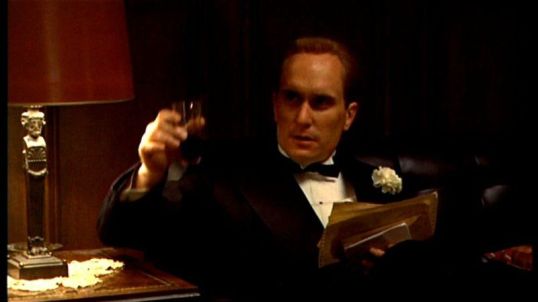
Salud, you glorious actor.
I knew this day was going to come because he was only 5 years away from 100 but still, it breaks my heart.
Rest in peace, Robert Duvall.
In my opinion, Robert Duvall was the best of American actors to come to prominence during the 60s and 70s, someone who was consistently great, who could move you to tears or make you laugh, someone who was just as good at being a villain as he was at being a hero. It’s hard not to think of a single movie that was not improved by the presence of Robert Duvall.
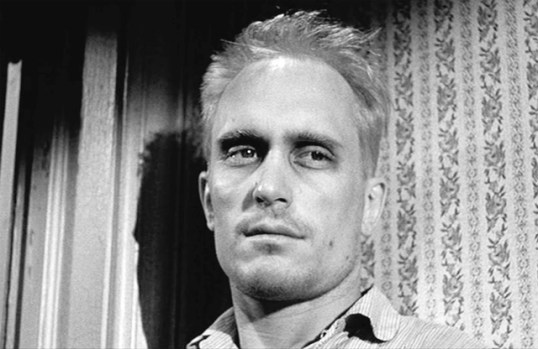
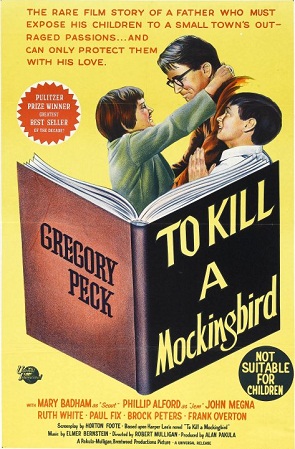
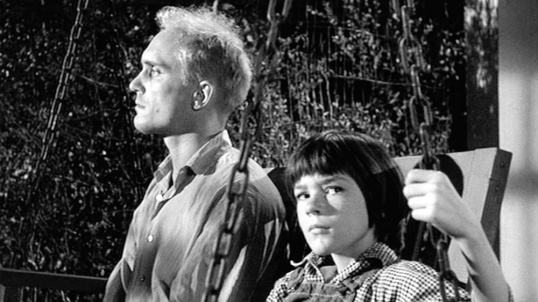
He was the original Boo Radley and, though he was only in To Kill A Mockingbird for a few minutes, his performance was unforgettable. He captured both the shyness and the compassion of an outcast with a good heart.

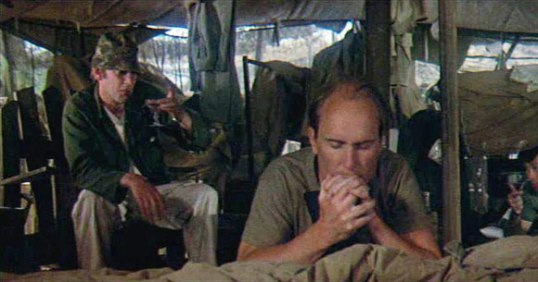
In M*A*S*H, he was Major Frank Burns, the dangerously incompetent doctor who drove Bud Cort to tears, got punched out be Elliott Gould, and eventually tried to kill Donald Sutherland. Burns was the perfect villain and Duvall wisely didn’t play the role for laughs.
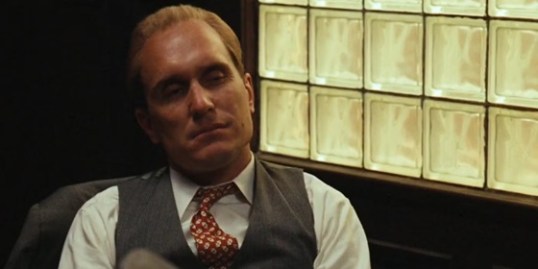
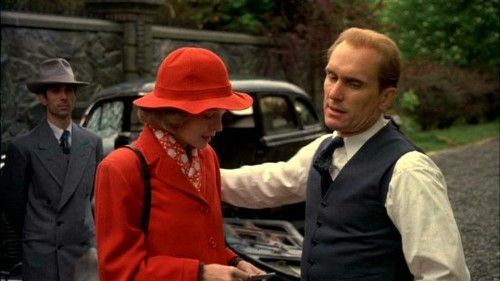
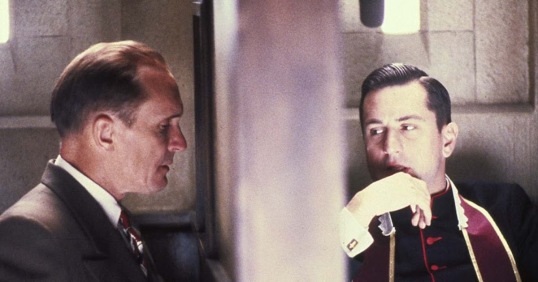
In the original Godfather novel, Tom Hagen was described as being bland and colorless. In the films, Duvall transformed him into one of the most vibrant characters in the entire saga. During the first film, when he asks Michael “why am I out?,” he breaks your heart. When Michael snaps at him in the sequel, you realize that Michael is losing the one person who still cares about him. His absence in Godfather Part III is so deeply felt that it makes you realize that Robert Duvall was just as important to the saga as Pacino, Caan, Brando, and the rest.
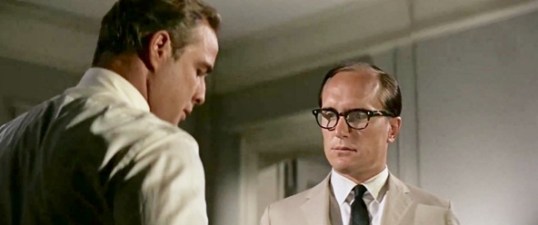
(Robert Duvall had previously worked with Brando in The Chase and, on the set of The Godfather, he was one of the few actors who could call Marlon out. Once, when Marlon was holding up filming with a hundred nit-picky questions, Duvall said, “Don’t worry, Marlon, we don’t have anywhere to be either.” Marlon laughed and shot the scene.)

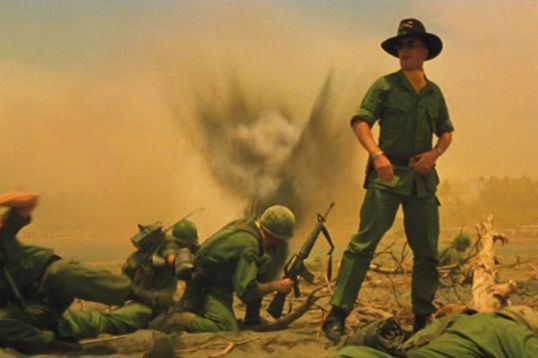
In Apocalypse Now, Duvall delivery of one line — “I love the smell of napalm in the morning,” — summed up everything that the film had to say about war.
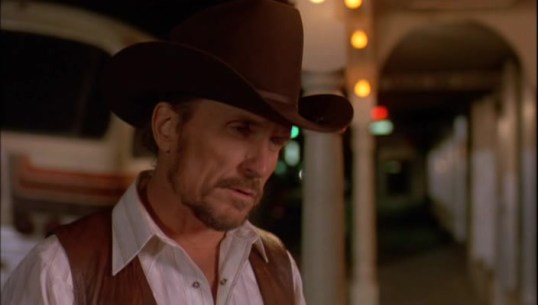 In Tender Mercies, he gave one of the most honest performances that I’ve ever seen and he won a deserved Oscar. Tender Mercies is one of the great Texas films and that’s largely due to Robert Duvall.
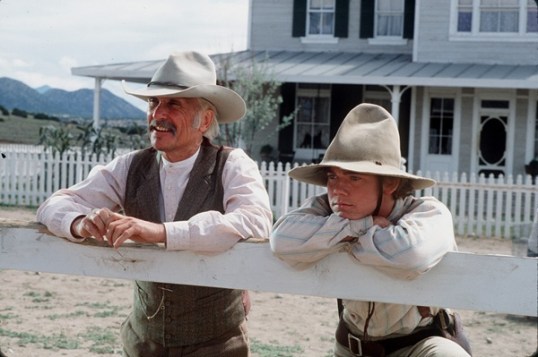
In the miniseries Lonesome Dove, he made you laugh, he made you cry, he made you believe that he had stepped out of the Old West, and he made it all look easy.
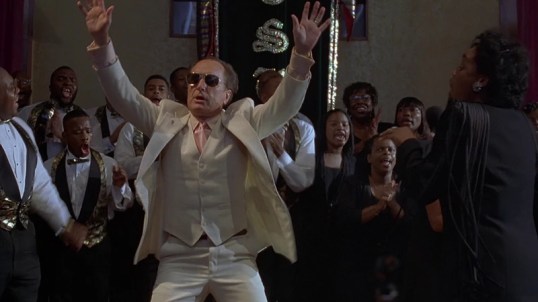
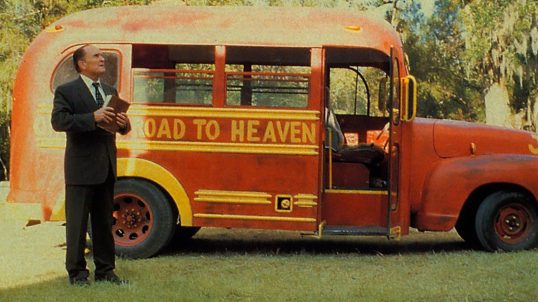
With The Apostle, he proved himself to be as strong a director as an actor. He crafted one of the best American films about religion to come out in the 90s and he gave a fearless performance that should have won him a second Oscar.

Even in a seriously flawed film like The Judge, he could hold your attention like few other actors.
Robert Duvall was born in California, raised in Maryland, and began his career in New York and yet somehow, he was one of the most authentic Southerners that I’ve ever seen on screen. Down in my part of the world, we considered him to be something of an honorary Texan. By most reports, he had the fiercely independent but generous spirit that defines the best of the Southwest. When he was a struggling actor, his roommates were Gene Hackman and Dustin Hoffman. His best friend was James Caan. He knew and worked with the best actors and directors of the past 60 years.
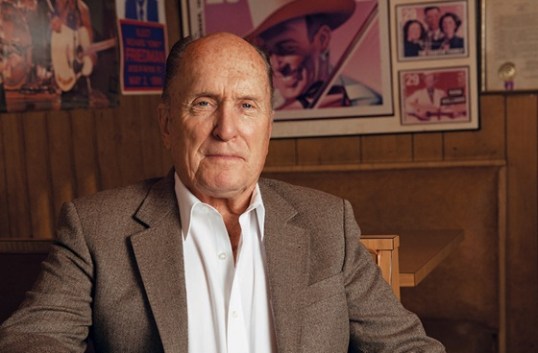
He was a truly one of the greats. He may be gone but his performances will live forever.


 Through the Shattered Lens