Guilty Pleasure No. 89: Highschool of the Dead (dir. by Tetsurō Araki)


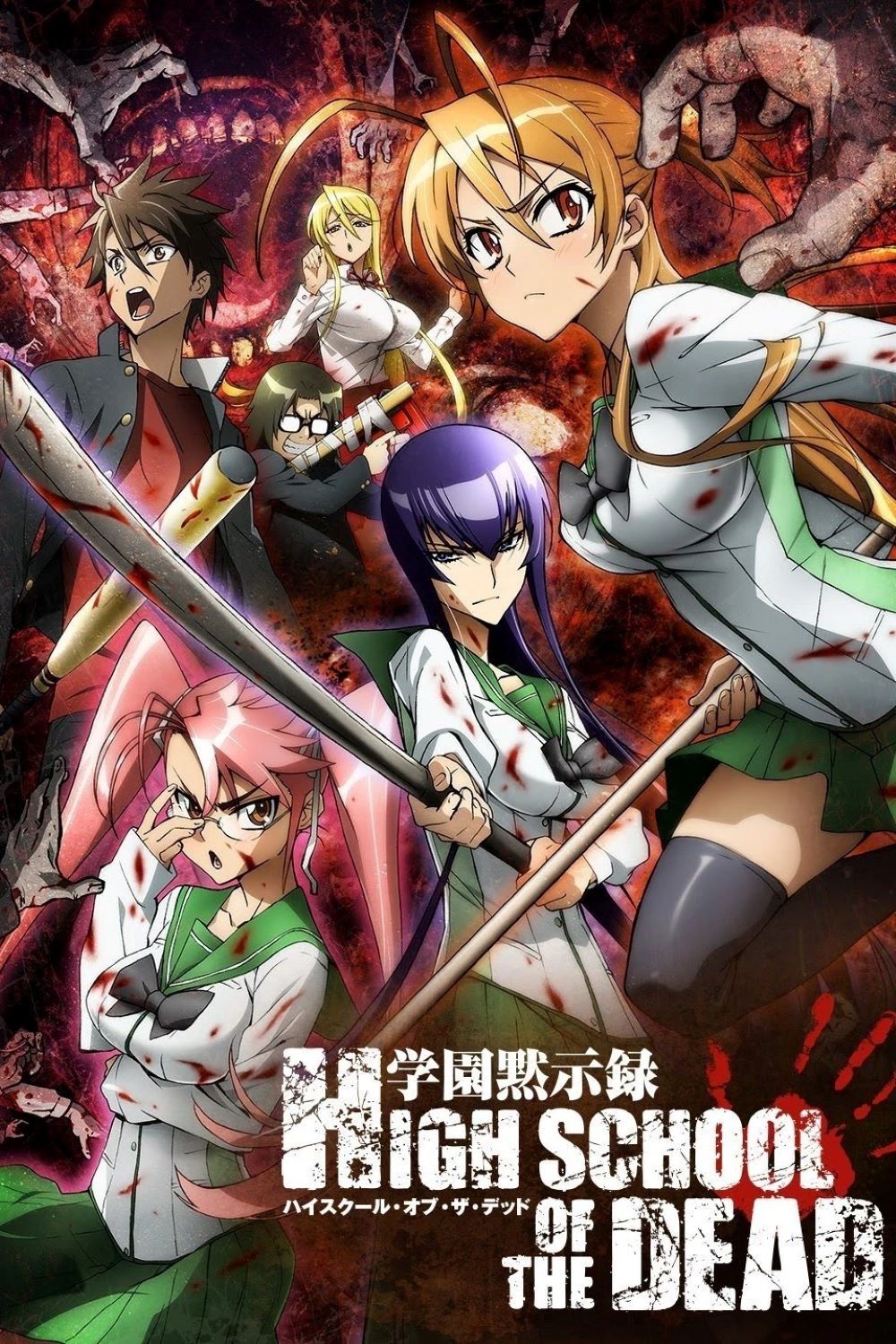
Highschool of the Dead is that wild, over-the-top anime that combines your typical zombie apocalypse survival story with a heavy dose of ecchi fanservice and ridiculous fun. The 12-episode series bursts onto the scene with a gang of Japanese high school students trying to stay alive during a sudden zombie outbreak. The show doesn’t waste time explaining how the zombies came to be — it just tosses you straight into the chaos, and honestly, that’s part of the charm.

The main crew is pretty memorable: Takashi Komuro, the guy reluctantly trying to keep everyone alive while having a crush on Rei Miyamoto; Saeko Busujima, the super cool and mysteriously dark girl who quickly became a fan favorite (and cosplay icon); Saya Takagi, the sharp-witted brainiac; Kohta Hirano, a gun-loving otaku; Shizuka Marikawa, the very adult yet hilariously ditzy school nurse; and little Arisu Marikawa with her adorable, zombie-alert puppy Zeke. This group quickly becomes your ragtag team of survivalists… and eye candy.

Now, let’s get to the heart of Highschool of the Dead — the fanservice. This show is basically a non-stop fanservice marathon, from cheeky panty shots to impossibly large breasts bouncing with wild abandon. If you’re looking for subtlety, sorry, this isn’t the show for you. But if you want ridiculous, unapologetic ecchi mixed with zombie carnage, this anime has got you covered. That infamous “Matrix Boobs” scene? Pure hypnotic, absurd fun and the perfect example of what this anime loves to deliver. These moments are so exaggerated, it’s like the anime knows exactly how nuts it is and just leans into it with a big grin.

Beyond the boobs and butt shots, Highschool of the Dead actually throws in some interesting commentary on human nature in disaster. Sure, zombies are the monsters outside, but the real danger might be the surviving humans themselves, who reveal all kinds of ugly, selfish, and sometimes heroic traits. The teenagers actually fare better than most adults who either panic or take advantage of the chaos — except for the right-wing extremist who surprisingly keeps order with a strict but effective approach. It’s crazy but adds a layer of unexpected depth beneath all the fanservice.

The characters aren’t just there for eye candy either. Komuro isn’t your overly confident anime hero but comes across as a likable, grounded guy. Saeko’s combination of calm, deadly skill and mysterious backstory makes her stand out. Kohta’s military geek side provides a lot of the show’s practical survival know-how, and the occasional comic relief too. The mix of serious struggle and ridiculous fanservice moments makes for a weirdly balanced rollercoaster of tone that keeps you hooked.

Visually, the anime shines with clean, high-quality animation by Madhouse that does a great job blending traditional and CGI elements. You get detailed zombie action and clear, pretty character designs that maximize those fanservice shots. It’s not just about the fanservice — the blood, gore, and zombie fights have their own gritty appeal that balances the show’s lighter, sexier moments. The animation style definitely knows what it’s doing: keep things stylish and eye-catching whether it’s a brutal attack or a cheeky panty shot.

The series also leans into some grindhouse and exploitation vibes, with episode titles like Spring of the Dead and All Deads Attack feeling like throwbacks to 1970s B-movie horror flicks. It’s this blend of horror, action, and exploitation that gives the show its unique flavor. And even though it’s mostly fanservice pandering, it manages to keep a pretty good pace and doesn’t get boring, zipping through the story with lots of action and humor. That “Matrix Boob Physics” meme that went viral years back

While the manga that inspired the series goes deeper and cuts back on fanservice in later chapters, the anime stays firmly in the realm of ridiculous fun with its mix of horror and ecchi. It’s not high art or groundbreaking storytelling, and it would never be mistaken for such. Instead, Highschool of the Dead proudly wears its “guilty pleasure” badge, knowing full well it’s an unapologetically silly, over-the-top romp that doesn’t shy away from the fact that it’s made to entertain and tease rather than inspire or provoke deep thought.

For those who enjoy a wild ride packed with boobs, bullets, and brain-munching zombies, Highschool of the Dead is a perfect guilty pleasure that embraces its identity. It’s a weird mashup that knows it’s silly and really loves having a good time with its audience.

Highschool of the Dead is a wild, ecchi-fueled zombie apocalypse romp that’s totally ridiculous in all the best ways. The show rides the line between horror and parody, serving up enough fanservice moments to satisfy anyone who loves their anime with a side of absurdity and cleavage. Not for everyone, but if you like your zombie stories with a lot of bounce and a wink, this one’s definitely worth a look.

Previous Guilty Pleasures

  1. Half-Baked
  2. Save The Last Dance
  3. Every Rose Has Its Thorns
  4. The Jeremy Kyle Show
  5. Invasion USA
  6. The Golden Child
  7. Final Destination 2
  8. Paparazzi
  9. The Principal
  10. The Substitute
  11. Terror In The Family
  12. Pandorum
  13. Lambada
  14. Fear
  15. Cocktail
  16. Keep Off The Grass
  17. Girls, Girls, Girls
  18. Class
  19. Tart
  20. King Kong vs. Godzilla
  21. Hawk the Slayer
  22. Battle Beyond the Stars
  23. Meridian
  24. Walk of Shame
  25. From Justin To Kelly
  26. Project Greenlight
  27. Sex Decoy: Love Stings
  28. Swimfan
  29. On the Line
  30. Wolfen
  31. Hail Caesar!
  32. It’s So Cold In The D
  33. In the Mix
  34. Healed By Grace
  35. Valley of the Dolls
  36. The Legend of Billie Jean
  37. Death Wish
  38. Shipping Wars
  39. Ghost Whisperer
  40. Parking Wars
  41. The Dead Are After Me
  42. Harper’s Island
  43. The Resurrection of Gavin Stone
  44. Paranormal State
  45. Utopia
  46. Bar Rescue
  47. The Powers of Matthew Star
  48. Spiker
  49. Heavenly Bodies
  50. Maid in Manhattan
  51. Rage and Honor
  52. Saved By The Bell 3. 21 “No Hope With Dope”
  53. Happy Gilmore
  54. Solarbabies
  55. The Dawn of Correction
  56. Once You Understand
  57. The Voyeurs 
  58. Robot Jox
  59. Teen Wolf
  60. The Running Man
  61. Double Dragon
  62. Backtrack
  63. Julie and Jack
  64. Karate Warrior
  65. Invaders From Mars
  66. Cloverfield
  67. Aerobicide 
  68. Blood Harvest
  69. Shocking Dark
  70. Face The Truth
  71. Submerged
  72. The Canyons
  73. Days of Thunder
  74. Van Helsing
  75. The Night Comes for Us
  76. Code of Silence
  77. Captain Ron
  78. Armageddon
  79. Kate’s Secret
  80. Point Break
  81. The Replacements
  82. The Shadow
  83. Meteor
  84. Last Action Hero
  85. Attack of the Killer Tomatoes
  86. The Horror at 37,000 Feet
  87. The ‘Burbs
  88. Lifeforce

Anime You Should Be Watching: Ninja Scroll (Jūbē Ninpūchō)


“If you so want the company of devils, you’d better hurry back to hell, Gemma.” — Jubei

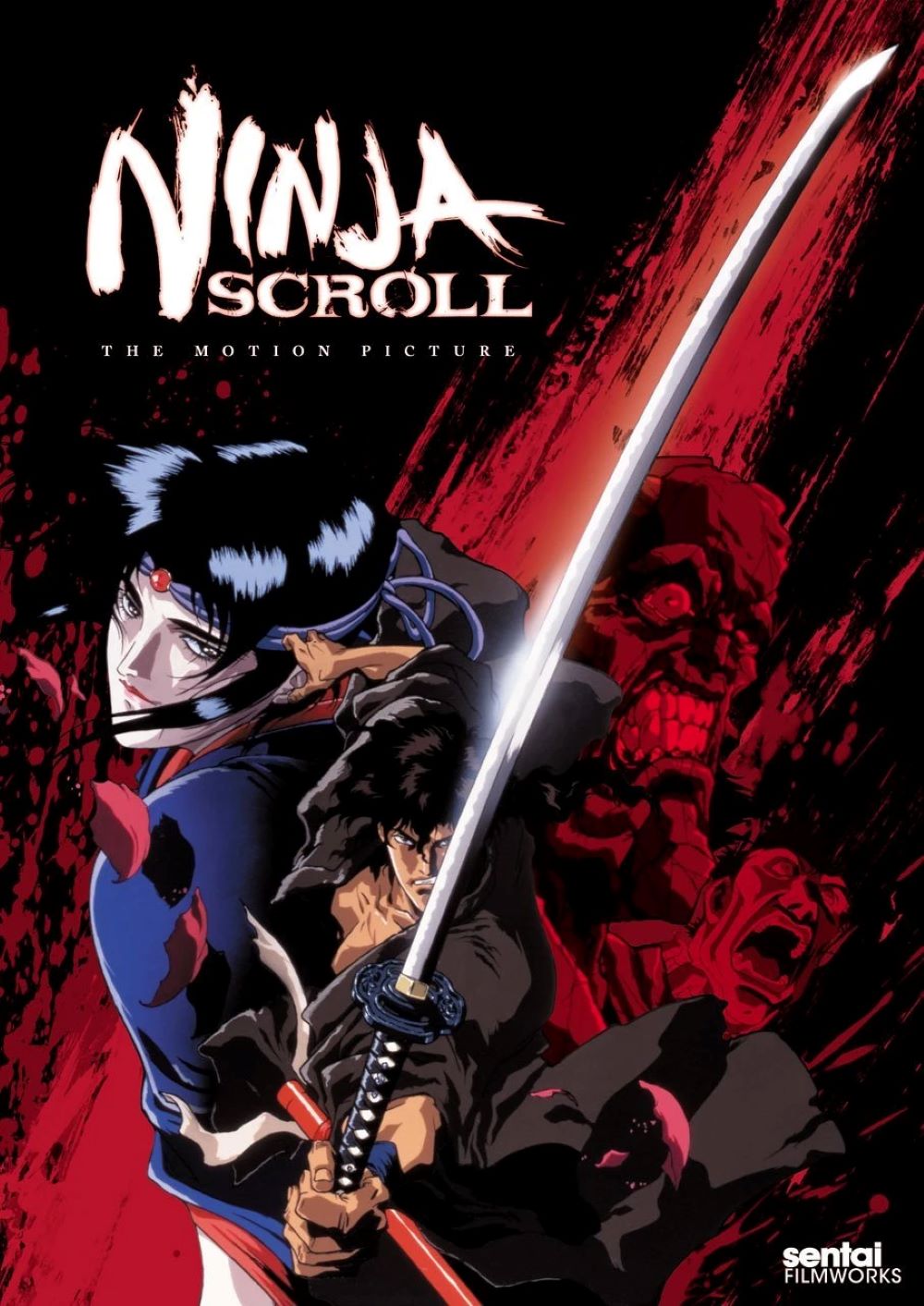
Ninja Scroll, the 1993 anime film directed by Yoshiaki Kawajiri, stands as a landmark in anime history for its groundbreaking animation, intense action, mature themes, and unique blending of historical fantasy with the supernatural. Its fluid, detailed hand-drawn animation vividly brings to life brutal sword fights and supernatural battles, while the richly textured 17th-century Japan setting immerses viewers in a dark, menacing world. This artistic achievement set a high benchmark, elevating anime’s global reputation as a cinematic art form beyond works like Akira.

The story follows Kibagami Jubei, a wandering mercenary ninja drawn into a plot involving the immortal villain Genma and the feared Eight Devils of Kimon. Though the plot remains straightforward—largely focused on Jubei’s confrontation with powerful enemies—it gains depth through morally ambiguous characters and mature themes of sacrifice, honor, and survival. A key emotional element is the relationship between Jubei and Kagero, a female poison ninja cursed to kill anyone who touches her, which sidesteps typical romance tropes and develops themes of vulnerability and resilience.

The voice acting, particularly in the English dub, is a significant highlight, delivering performances that imbue characters with seriousness and emotional nuance, broadening the film’s international appeal and cementing it as a gateway for adult animation in the West. While Ninja Scroll excels in action and atmosphere, it also courts controversy for its graphic violence and explicit sexual content. There is a notably disturbing sexual assault scene involving Kagero, which has long sparked discomfort and debate. However, it is important to clarify that while the film uses explicit sexual content to enhance its darker tone, it does not cross into hentai territory; the sexual content serves a narrative purpose rather than mere eroticism. This mature material intensifies the film’s psychological tension and power struggles, positioning it firmly within adult-oriented anime.

Sexual violence directed mostly at female characters has been a persistent source of controversy surrounding Ninja Scroll. While the sexual content is relatively tame compared to many contemporary non-hentai anime, its depiction of sexual assault and coercion has never lost its provocative edge. The character Kagero, despite being a formidable and dangerous figure, is victimized through sexual violence that many viewers and critics find disturbing. Scenes such as her being captured and violated by monstrous enemies contribute to an uneasy juxtaposition of empowerment and victimhood, with Kagero often used as a plot device to motivate male protagonists rather than as a fully autonomous character. This imbalance and the graphic nature of these depictions have led to censorship in some countries and sparked ongoing debates around the ethics of such content in adult media. Critics often argue that these portrayals risk glamorizing or exploiting sexual violence, while defenders contend that the shocking nature heightens the dark tone of the film’s world, reflecting its brutal and morally fraught universe. Nonetheless, these themes remain divisive, challenging viewers to grapple with how mature animation handles issues of gendered violence and trauma.

One of Ninja Scroll’s defining strengths lies in its animation style. The kinetic action sequences are not only meticulously choreographed but also executed with an extraordinary fluidity and dynamism that were revolutionary for the early 1990s. The hand-drawn fight scenes feature sweeping, graceful movements punctuated by sharply detailed strikes and counterattacks, bringing a visceral sense of speed and impact seldom achieved in other works of the period. This fluidity is complemented by innovative techniques like the use of deleter dot screens for shading and shadow effects, which add texture and depth without sacrificing motion smoothness.

The animation’s prowess extends beyond just the fight choreography. The film’s use of lighting and atmospheric effects creates a hauntingly dreamlike world that feels simultaneously realistic and mythical. Backgrounds are richly painted with a softness that evokes Impressionistic influences, enveloping characters in an environment that accentuates the eerie and supernatural tone. The balance between detailed character animation and these painterly settings builds a distinct visual identity that has aged gracefully over decades.

This combination of fluid, kinetic action and richly atmospheric artistry contributed significantly to Ninja Scroll being considered one of the modern classics of anime. It elevated expectations for what animated films could achieve in terms of dynamic movement and aesthetic sophistication. The influence of its animation style can be traced through numerous subsequent anime productions, as well as Western media inspired by anime’s visual storytelling techniques.

Ninja Scroll’s legacy is extensive and multifaceted. Its DNA can be seen clearly in later samurai-themed anime such as Samurai Champloo and Afro SamuraiSamurai Champloo echoes Ninja Scroll’s stylistic blending of Edo-period Japan with anachronistic influences—infusing hip-hop culture with samurai narratives—while maintaining intense, fluid sword fights and a mix of humor and gravitas. Afro Samurai shares its dark tone, violent action, and lone-protagonist vengeance quest, carrying forward the mood and narrative style originally forged by Ninja Scroll. Director Kawajiri’s subsequent works, including his segments in The Animatrix, further pursue this blend of hyper-realistic violence, dark fantasy, and mature storytelling. His visual style and thematic preoccupations continue to set standards for adult anime storytelling.

Beyond anime, Ninja Scroll substantially impacted Western filmmakers. Its dynamic animation and mature tone influenced the Wachowskis’ Matrix trilogy, particularly in its kinetic martial arts choreography and philosophical depth. This cross-cultural influence helped establish anime as a vital creative wellspring for global media, encouraging Hollywood to adopt similar stylistic and narrative innovations. The film’s success helped popularize ninja and samurai mythologies worldwide, inspiring Hollywood action films and series exploring similar themes.

In conclusion, Ninja Scroll is a seminal work blending technical brilliance, compelling voice performances, stark mature themes, and memorable characters. Its relatively simple yet focused plot allows intense action and emotional depth to shine. While its graphic sexual content remains controversial, especially due to its depiction of sexual violence toward women, this aspect underscores the dark world the film portrays rather than serving gratuitous ends. Its influence spans subsequent anime like Samurai Champloo and Afro Samurai and extends into Western filmmaking, confirming Ninja Scroll’s importance as a groundbreaking and enduring classic that shaped adult animation globally.

Anime You Should Be Watching: Farming Life In Another World (Isekai Nonbiri Nouka)


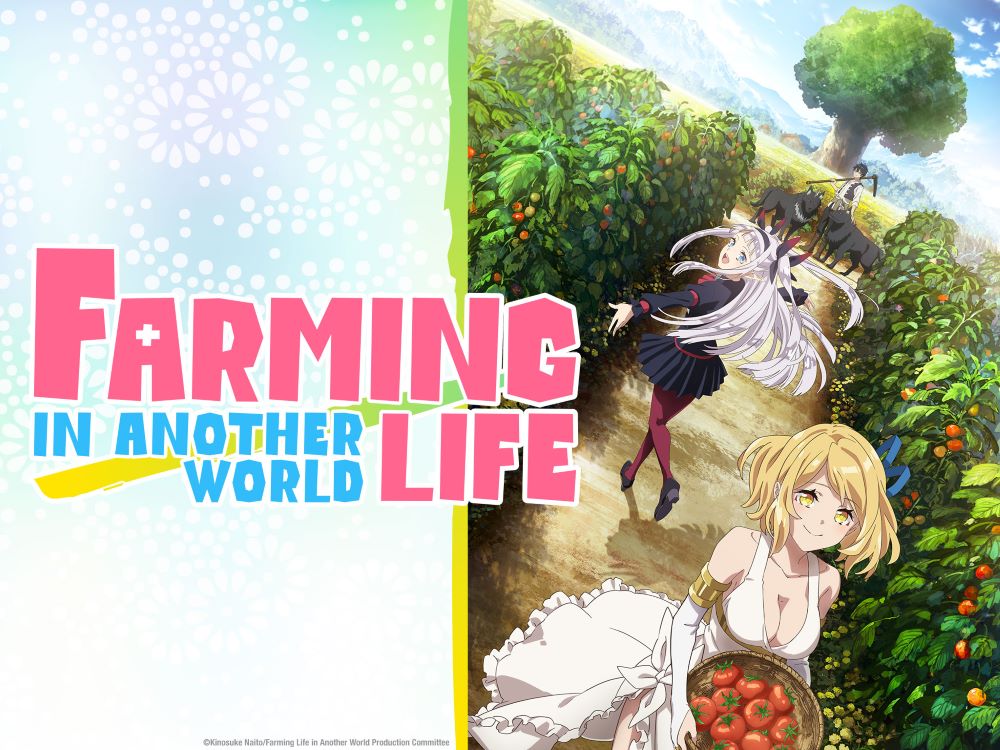
The last anime I recommended was the mature and very dark MONSTER. It’s time to lighten and chill things down a bit with my next recommendation. This series is one of my recent favorites that I’ve re-watched several times since the 12-episode season came out January 2024. The series I am talking about is Farming Life In Another World (Isekai Nonbiri Nouka).

The series is quite light-hearted and almost a fantasy version of farming life sims like Stardew Valley. Like many isekai (trans. another world), Farming Life In Another World is about a random person (usually from Japan) who has been transported to another world either through the mistake of some multiversal god/goddess or through the machinations of a certain truck-kun.

What or who is a truck-kun? Well, I’m glad you asked. Truck-kun is literally a truck that has become the go-to implement in sending a poor person from our would and into another by running them over while they are not looking. If there was ever a perfect example of why we should always look both ways before crossing the street it is that truck-kun is always out there lurking, waiting for the right time to pounce and claim another victim. Except, truck-kun wasn’t the culprit this time around but health problems from literally being overworked to death that sends out protagonist reincarnating to another world.

So, back to Farming Life In Another World, our protagonist has been accidentally taken to another world by God and apologizes to our main character for the unfortunate turn his life had taken by sending him to this new world. God’s generosity he asks Hikaru for one wish to make his life easier on this new world and Hikaru, in his past-life as an overworked, middle-aged office worker from Japan, asks for long-life and a chance to live a quiet and arboreal life this second time around. With his new found abilities and the Omnipotent Farming Tool to help fulfill Hikaru’s wish, God sends him off to this new world, dropping him off in the Forest of Death where Farming Life In Another World begins in earnest.

This anime is definitely one of the lighthearted ones with a bit of the fan-service thrown in to add to the comedic aspect of the story being told. Farming Life In Another World was adapted from the light novel of the same name by author Kinosuke Naito. The source material made more use of Hiraku’s endless stamina courtesy of God by having him literally sleep with every female that joins the village he ends up building in the middle of the Forest of Death. The anime lightens up on this aspect of the light novel and turns it into a running joke in that he gets nervous and tries to forget the fact that every female (from vampires, killer angels to all types of elves) want to have sex with him. The anime adaptation is the PG-version of what was a very raunchy light novel.

Yet, despite the apparent change in tone with the anime adaptation compared to the light novel source material, Farming Life In Another World does actually work as a slice-of-life comedy isekai. Fans of the light novel may cry that the changes from the sex comedy that was the light novel was too much of a change for fans who have never read the light novel will not miss anything. What they will get instead is a lighthearted series that eases new fans to anime into a new genre of the medium that has dominated the industry for the past decade or so.

Just like any adaptation of a written source material there will always be those who complain that the adaptation should be slavishly faithful to the original material. Yet, I always say that even if the adaptation has made drastic changes to the source material it doesn’t change the fact that the original still exists to be enjoyed. Sure, the ecchi and heavy fanservice of the light novel has been changed to be more PG-rated but it doesn’t detract from the fun and chill vibes of the anime version.

Farming Life In Another World works, in my opinion, because it does minimize the more raunchier side of the story to concentrate on the day-to-day and slice-of-life tone of the source material. The anime focuses on the world building and comedy side of Hiraku’s journey with his companions as they build what amounts to as an advanced and powerful village in the middle of what his new world considers the most dangerous area in the world. He does this with the help from Rurushi Ru (vampire mage) and Tia (angel aka the Annihilation Angel) who start off as frenemies but turn into close friends and friendly rivals (the show hinted at Hiraku marrying both which is a compromise the show makes to the source material).

Isekai is a genre in anime that has been very prevalent each new season for the past decade or so. Some would say that this genre has been the bane of the anime industry since we see knock-offs after knock-offs every year with most being bad (though some I would consider bad but enjoyable enough to be guilty pleasures). Yet, the genre has produced some of the best series in that same time frame. They’re not the majority, but they’re there enough in number to wash the taste of the awful ones.

Does Farming Life In Another World count as one of the best in genre? I say no, but it doesn’t have to be one of the best. It just had to be the best in what it had to be and that’s a slice-of-life comedy with some clever world building that would make any one who is a fan of sims games giddy. While we don’t get the raunchy and fanservice heavy anime adaptation of the light novel (if one wanted to know what such a version would look like I suggest they watch 1980’s sex comedies like Porky’s or Revenge of the Nerds).

Plus, the anime has a banger of an opening song.

“Flower Ring” by Shino Shimoji and Aya Suzaki

Faming Life In Another World Series Trailer

Scenes I Love: Clannad After Story


After people see this scene they will think I’m either crazy or a glutton for heartache for loving this scene. It’s hard to disagree with that statement. There’s a reason why I love this scene from the anime series Clannad After Story and it has less to do with the tone of the scene, but a major reason why anime is not just for kids or about boobs, tentacle rape and all the other things adults in the Western media dismiss the art form for.

This scene from Clannad After Story happens between the series’ main lead in Tomoya who has now come to the realization that he must now make amends to the daughter he left behind to be cared for by his wife’s family. It’s a powerful scene that has brought many to tears from young teen girls to grown-ass men who probably bawled more than the former. One doesn’t even have to have seen the previous season to this anime or any episodes leading up to this scene. The moment itself has enough of a backstory that one cannot help but get caught up in the moment. It’s also a scene that does a great job of emphasizing that bond between parent and child even when the former hasn’t lived up to their responsibilities.

I think if more people watched anime like Clannad After Story their opinions of anime would change for the better and see it in a new and positive light.

Highschool of the Dead: Episode 11 – First Impressions


We are down to the last final episodes of this first season of Madhouse’s anime series adaptation of the zombie and ecchi manga series, Highschool of the Dead. The last episode was the start of the calm before what I hope to be the major storm that will take this series into a second season.

Episode 11 didn’t linger on too much on the fanservice side of the series with the exception of an all-too-brief look inside the school bus of Shido-san and his sex cultists. We get a glimpse at how Shido deals with the students who don’t conform to his twisted (albeit must be quite fun) outlook on the new world order as it stands now. The manga had shown that particular sequence of why that one student was thrown off the bus to be taken by the zombies. In this episode we didn’t see what caused his expulsion, but got a sense that the student didn’t want to join in on the bus orgy going on between the students with Shido-san acting as a sort of Aleister Crowley-like figurehead.

While inside the Takagi compound it looks like the episode skipped some more of the manga and didn’t show how Takagi’s father was finally swayed to allow Kohta to keep the groups weapons. I can understand the Madhouse writers trying to cram as much of the manga into a 13-episode season, but the way they’re going about things they could catch up to the manga by episode 13 which would definitely might be a sign that a second season won’t be in the offing. Here’s to hoping that the writers were just trying to move things along to the crisis which sends the group out of the compound and back into the dangers of the city-proper.

While the fanservice was limited the harem aspect of the story continued to grow as Rei literally threw herself at the mercy of Komuro but to no avail. Does Rei know that Saeko and Saya may be competing with her for Komuro’s attention? If that’s the case then Komuro definitely has shown quite a bit of restraint when it comes to Rei’s increasingly aggressive advances. There’s also the fact that Komuro and Saeko may have already sealed their partnership a few episodes past though we never really saw it but definitely implied.

The arrival of Shido-san into the compound definitely explains why Rei was so adamant to leave the safety of the bus early in the season. The fact that Rei dismissed Shido-san as less than worthy of her attention was a nice touch even though this could become a major problem for the group down the line. Even in the manga the fate of Shido-san and his group of students were not truly explained though not all of them could’ve survived their subsequent exile.

With two episodes left and with the major superpowers throwing nukes at each other, I hope that this calm has finally ended and the storm that’s been brewing since the group arrived at the Takagi compound can finally smash into the city. If there’s to be no second season then these last two episodes need to put the previous 11 in terms of action, horror and fanservice to shame. It’s the only way for the series to go out with a huge bang.

Highschool of the Dead: Episode 10 – First Impressions


We’re now heading towards the end of this first season of Madhouse’s anime adaptation of the zombie manga Highschool of the Dead. It is still up in the air whether this 13-episode initially produced will be the first season or just the first half of what will end up being the only season. If the latter is the case then the series just took a relaxing calm before the storm of what will be episode 11 thru to 13.

Episode 10 brings everyone in the group back together as Takashi Komuro and Busujima Saeko finally makes it back to the relative safety of the Takagi fortress-compound in the previous episode. This episode was actually pretty devoid of much of the fanservice which were prevalent in the last 5 previous episodes. The only nod to it’s ecchi side of the series was in the beginning where one might think Rei and Komuro might just end up going all the way (something that suspiciously might have already happened between Komuro and Saeko in the last episode), but alas it was not meant to be. It was just a medical intervention to help Rei heal up from being sorely bruised from the action of episode 8.

While within the Takagi compound we get to know more about the life of Saya and her relationship with her parents. To say that she has lived quite the privileged life would be an understatement. But while in other media the privileged children of rich and powerful parents end up being useless beyond being spoiled and entitled, Saya seems to have grown past being just a spoiled brat and into a child who has tried to live up to the perfection that are her parents. I mean her father is the lord of the manor in more ways than one as the Takagi-clan looks to have been the same clan in centuries past which ruled over the city during the Feudal-era of Japan. Takagi Souichiro and his wife Yuriko are quite formidable parents and we see where Saya gets both her beauty and coldly, logical brain.

This episode to me also shows us just how far Hirano Kohta has come from the geeky and shy introduction from the first couple episodes. We’ve seen him become quite the badass to help bookend Saeko in terms of pure zombie killing power. He’s been the most useful of the group not just in how expertly he handles the guns the group comes across, but in teaching others how to operate them. This new zombie apocalypse world has made Kohta useful in his eyes. So, when the demand by the “adults” at the Takagi compound for him to hand over the weapons he and his group brought with them his reaction was both understandable and quite saddening.

To survive the last couple days as a highschool student while adults around them died and became “Them” it’s jarring to Kohta and the rest of the group to suddenly be treated as children once more. While his tear-filled reaction to not wanting to go back to being a helpless otaku seemed overly dramatic it’s easy to sympathize with him. Thus, it was great to see not just for the group to have his back and support his decision to hold on to the weapons, but to see Saya do the same. The fact that she uses Kohta’s help in securing her safety a way to show her contempt for her parents for not trying to find a way to save her shows the rift between daughter and parents.

While this respite from the doom and gloom action of the previous 3-4 episodes was quite good, this partcular calm before the storm looks to be ending quite quickly as the sneak preview for the next episode show the return of Shido-san and his bus of cult followers. Plus, just when I thought Madhouse was going to cut the bus orgy scene from the manga it looks like they just kept it for the end of episode 10. Now all is right with the world.

Highschool of the Dead: Episode 9 – First Impressions


yandere: A Japanese anime/manga character archetype, a character that is loving, sweet & gentle that can suddenly switch to brutal psychotic or deranged behavior

Why the quick brief lesson in Japanese anime/manga terms?

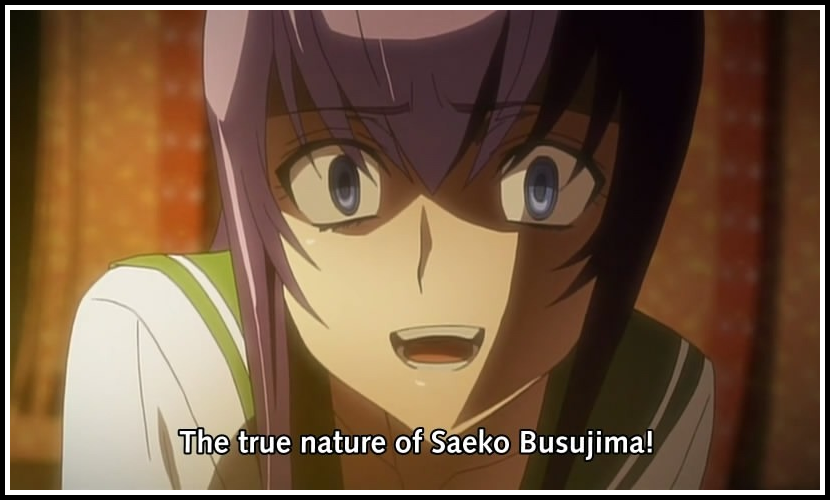
This brief lesson is due to the nature of episode 9 for Madhouse’s anime tv series adaptation of the horror manga title, Highschool of the Dead. This latest episode finally unleashed the dark secret one of the coolest characters in the series has been keeping to herself. For those who have been reading the manga on a regular basis already know of this secret, but for those whose experience of this title is only the anime this episode will open up Busujima Saeko.

The bokken wielding senior-class in the group has been one of the most level-headed in the group surviving since episode 1. Saeko never seems to panic and has shown to be expertly skilled in dispatching the unending stream of zombies with her wooden sword. Outside of the gun otaku himself, Kohta Hirano, she seems to be the one character in the group who has adapted well to the sudden and apocalyptic change in the world around them.

This episode puts her and Takashi Komuro (who is starting to gather quite the harem of hotties) on the run to find a way to the safety of Takagi Saya’s parents’ fortress compound. During their time running from the zombies to find a safe passage Saeko and Komuro get into all sorts of troubles with Saeko getting wet in more ways than one during their run. It’s during this time away from the rest of the group that we learn of Saeko’s penchant for just a bit of sadism.

A past encounter in her early highschool years convinced Saeko that she enjoys inflicting pain on those weaker than herself. This revelation becomes a huge 180 degrees from her earlier behavior. Out of the outside facade of being the cool-headed, elder student who never panics lies the heart of a sadistic yandere who has enjoyed killing “Them” with impunity. The changes in the world has allowed Saeko to indulge in her sadistic tendencies and maybe she’s in the right as it has helped her and her group survive the apocalypse, so far. Even Komuro has accepted this side of Saeko and sees it as a necessary evil in the days ahead.

The episode also hints at what could become a major love triangle (or is it quadrangle) as the relationship between Saeko and Komuro may have turned a particular intimate turn (before the scene faded to black). This episode has deftly laid the groundwork in what could become this series’ version of School Days and Higurashi no Naku Kuru ni. This new development in the series should quiet some of the nitpickers and naysayers (who still continue to watch despite their constant bitching about the series’ heavy fanservice) who wish for more character development and storytelling minus the constant oppai and pantsu shots.

One thing for sure, the anime has begun to take some liberties with details from the manga. This episode has changed the order of certain events and even changed the circumstances of how certain things occur. With four more episodes left in the season the question now is whether the series first season will end caught up to the manga (currently on chapter 26 or 27) or will it end on a cliffhanger that combines chapters 14-16 of the manga. Here’s to hoping that it’s the latter that way we get a follow-up season.

Highschool of the Dead: Episode 8 – First Impressions


Madhouse’s anime series adaptation of the very popular manga, Highschool of the Dead (In Japan known as Gakuen Mokushiroku) is now 2/3’s into it’s first 13-episode season run. The reaction to the series has been pretty positive, but there’s definitely been some mixed to negative reactions to how the series’ animators from Madhouse has wholly embraced the ecchi nature of the manga. Some have even called it fanservice overload. I’m guessing they said the same about the manga when they first read it and thought the anime would tone things down.

My reaction to such criticism is “live with it”. There’s a reason why the manga has been so popular despite some long-delays from the manga’s writer and artist. For good or worse the manga and the series will succeed and fail because of it’s very ecchi nature. To expect the anime to actually tone down that particular aspect of the original manga source would be self-censorship and takes away half the fun of the manga. To continue complaining about the series because of its fanservice even this deep into the anime and still continue to watch it just speaks nitpicking and “grumpy old man syndrome”.

Now this eight episode does cut back on the fanservice after the some very heavy doses of it from the last couple episodes. There’s still enough of it that its not all about the zombies, but blatant fanservice sequences was very absent from this last episode. There are some very hilarious and awesome use of “bullet time” effects during the latter half of the  episode when the group gets trapped by an oncoming horde of zombies. We also get to see more great kick-ass action from the senior-class member of the group, Saeko Busujima, as she bokken smashes her way through the wall of zombies to try and distract them away from the main group. Takashi helps her out and it’s with his shooting and Saeko-chan’s acrobatic fighting that the bullet-time effects get put to good use.

This particular episode actually combines at least chapter 8 and 9 of the manga and it looks like the anime writers may be looking to start condensing the latter chapters of the manga into one episode. This maybe Madhouse’s way of hedging their bets in case ratings for the series doesn’t get a second season greenlit. I’m hoping that doesn’t happen and we get a second season to see the anime through right through the end. The manga is still going and with the anime series’ release it looks to gain more readers.

So, even with the naysayers dumping on the series because of the fanservice (even though they still continue to watch) I do believe the series has done well in adapting the manga. Some of the characterizations may seem a bit off as the series’ writers try to balance action, fanservice and quiet character moments, but with most shonen anime series sometimes characterizations take a backseat to what its audience want: the visual stuff whether they’re action and/or fanservice.

Highschool of the Dead: Episode 7 – First Impressions


We’ve now reached the midway point of MadHouse’s anime adaptation of the popular horror and ecchi manga series, Highschool of the Dead. Has the series lived up to the original manga source it’s based on?

Having seen every episode since I will have to give that question with a resounding yes as my answer.

Episode 7 starts off continuing with the very ecchi nature of the series as we see the women in the group in some way of undress and provocatively posed while doing so. Again, I will repeat that anyone still watching this series up to this point and still complaining about the heavy fan-service are just nitpicking. If these complainers don’t like the heavy fan-service then they should’ve dropped off the series around episode 2 and, most likely, after the previous episode. By this time of the series I think anyone still watching it either enjoys the heavy fan-service or has adapted and accepted it in some way. I’m definitely of the former.

This episode is notable for it’s introduction of the very last two characters which will join our interpid group of survivors. One is the little puppy Zeke and the other a little girl named Alice. The scene with Alice and her father looking desperately for a place of refuge from the mass of undead waling the streets is one of the most heartbreaking moments in this series. Say what one will about the series’ heavy reliance on it’s ecchi half, but when it wants to start plucking on the audience’s  heartstrings it does it well. While Alice’s survival once the zombies start converging on her is not a mystery (I don’t think killing a second child in the series will happen two episodes in a row) it does show our group in hero-mode.

Takashi and Hirano are stand-outs in this episode. The former for showing some humanity and putting his life in danger to try and save Alice. The latter for contuining to be my favorite character in the series as he swings from his awkward “nosebleed” self whenever he sees the ladies in skimpy attire to the ice-cold sharpshooter when it’s time to kill zombies. I have a feeling that Hirano will be a character from this series who will be cosplayed heavily in the coming slate of 2011 anime conventions.

The rest of the episode goes by-the-numbers as the group loads up the Hummer parked in the garage with all the supplies, weapons and ammo it could carry and they head on out into the zombie-filled world looking to get across the bridges to find their families. Missing from this episode (the last couple in fact) is the villain of the series, so far. We haven’t seen the sleazy Shido-san and his bus full of followers. Does this mean that the infamous “bus orgy” scene from the manga has been skipped over or will it appear in the next couple episodes. For fans of the manga the answer better be yes or that may be the first disappointment they will have with this series.

Yes, if that’s the only disappointment fans will have with this series then it just shows how good it is that the storyline itself hasn’t been the focus of any complaint. Now, onto the second half of the season.

Highschool of the Dead: Episode 6 – First Impressions


Madhouse’s anime adaptation of the the horror and ecchi manga, Highschool of the Dead, has almost reached it’s halfway point with episode 6 and this time we get an unusual balance of both those traits. The episode almost does a schizo break in and out of it’s running time. For a 3-4 minutes we get scenes of pure ecchi (softcore fanservice) that definitely panders to the puerile minds of its target audience (teenage boys and young men) which is not a bad thing, mind you. But then it’s followed up with 3-4 minutes sequences of chaotic horror.

What’s interesting was that the scenes with the student (and one ditzy nurse) survivors were all ecchi, especially the opening scene with the females in the group deciding to bathe together. Yeah, much female bathing together shenanigans ensue. This scene was lifted directly from the manga source and expands on it to the benefit of its target audience and longtime readers.

The scenes where we see the zombie apocalypse unfolding and how the horror has put both civilians and authorities on the path of breaking doesn’t involve out intrepid survivors at all. It’s almost as if this episode was the group’s reprieve before the next storm hits them which should be arriving very soon (I’d say the start of the next episode). There’s a particular scene on one of the bridges where a police barricade has been set-up that really points out the horror of the series. It involves a young mother and her young daughter (one who has been bitten). To say that this scene is not just horrific and tragic would be an understatement. I’ve always said that in stories of an apocalyptic nature one of the first thing to go was sentimentality and this sequence in episode 6 hammers on this point.

Overall, the episode was very good as usual. For fans of the manga it should be a delight to watch. For those whose experience with Highschool of the Dead has been this anime adaptation this episode may seem a tad odd in that it tries to balance both the sex and horror aspect of the series. It might be difficult for these newcomers to buy into the episode that one minute has an almost softcore, all-girl porn scene going then followed-up with apocalyptic horror then back again to softcore. Again, I will say that the series will continue to weave these two traits together and if one is still sticking with the series waiting to see if things change then they will be sorely disappointed.