Review: The Descent (dir. by Neil Marshall)


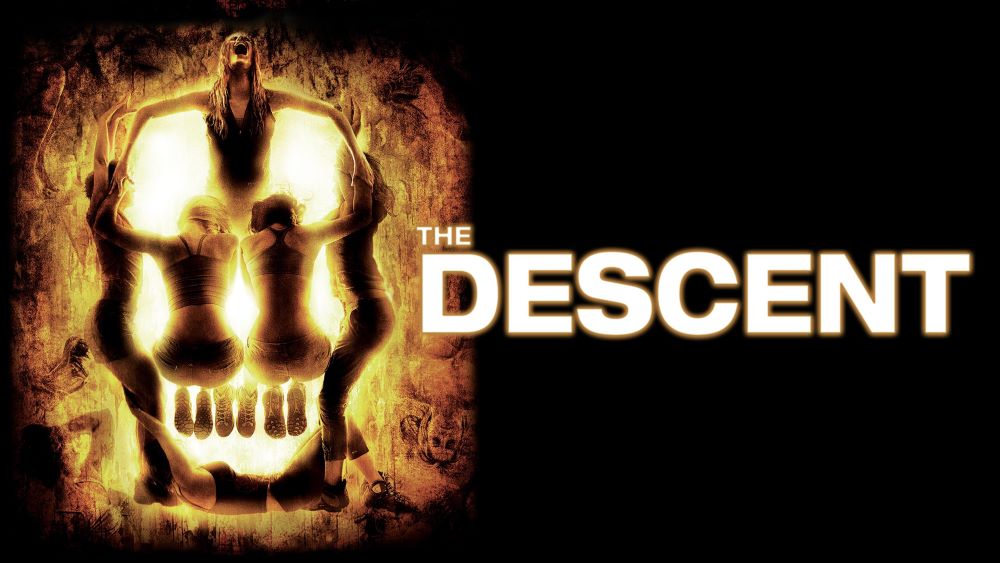
Neil Marshall’s follow-up to his cult-favorite werewolf film Dog Soldiers does not disappoint. Marshall’s filmmaking has improved dramatically since his debut—the film not only cements his skill as a director but also signals the horror genre’s return to a darker, meaner, and more exploitative spirit, reminiscent of a time when filmmakers weren’t afraid to push limits.

The Descent begins with tragedy: Sarah (Shauna MacDonald) suffers devastating losses that form the emotional and psychological foundation of the film. Her grief gives the story a weight that elevates it beyond a typical survival-horror narrative, grounding it in raw emotion and human fragility. Surrounding Sarah are her close friends—Beth (Alex Reid), who travels with her to the U.S. at the invitation of their American friend Juno (Natalie Mendoza)—and newcomers to the group: Holly (Nora Jane-Noone), Sam (MyAnna Buring), and Becca (Saskia Mulder). What begins as a healing adventure for six women soon transforms into a descent not only into the depths of a cave system but into the recesses of fear, betrayal, and survival.

Led by Juno, the group embarks on a spelunking expedition in the Appalachian Mountains—Marshall’s deliberate nod to Deliverance. Though the forest scenes were filmed in Scotland, their authenticity never falters. Yet Marshall doesn’t linger long in the open air; safety and sunlight give way to shadow and claustrophobia as the women push deeper underground. The descent itself is drawn out just enough to build tension until the film snaps into full horror mode. When the inevitable cave-in comes, the sequence is nerve-shredding—an expertly shot, suffocating nightmare that will have claustrophobic viewers flinching and gasping for space.

After the collapse, the women find themselves trapped, nerves fraying and panic growing. Juno, initially portrayed as the group’s confident alpha, begins to reveal a brash, reckless streak masking her deeper insecurities. What started as a confident façade becomes a fragile disguise for fear and guilt, and Marshall uses this shift to explore how leadership and trust erode under extreme pressure.

From this point forward, The Descent becomes a masterclass in oppressive atmosphere. Gone is any trace of daylight—the cave becomes an abyss of darkness, amplifying a universal fear of entrapment and the unknown. Marshall layers internal conflict onto external terror, exposing lies, betrayals, and fragilities within the group. The result is as psychological as it is visceral; survival becomes both a physical and moral test. This is no Steel Magnolias—it’s a blood-soaked exploration of human endurance under primal duress.

Marshall, alongside cinematographer Sam McCurdy, crafts a sensory experience that manipulates both light and sound to devastating effect. The pitch-black sequences—where nothing is visible, yet everything is heard—are among the film’s most frightening moments. Every drop of water, every panting breath, every unseen shuffle echoes with menace. The sound design alone makes viewers feel trapped within the cave alongside the characters, scanning the darkness for unseen horrors.

The titular descent takes on a new layer once the film’s monsters, the Crawlers, make their appearance halfway through. Marshall wisely delays their reveal, letting claustrophobia and suggestion torment the audience first. When these pale, feral creatures finally emerge, their raw physicality and relentless hunger confirm every imagined dread. Their attacks are fast, brutal, and chaotic—filmed with a balance of restraint and brutality that gives the violence a strangely poetic rhythm. Fans of gore will be thrilled, but even skeptics of splatter cinema will find the violence purposeful, anchored by the audience’s genuine investment in the characters’ fates.

The Descent succeeds as a terrifying, pulse-pounding revival of hard-R horror. It straddles the line between primal terror and visceral gore without losing its emotional core. Marshall doesn’t reinvent the genre—the DNA of Alien and Predator is evident—but he honors it with craft and vision. The interplay of light and shadow even recalls Argento’s dreamlike intensity, while the cave setting feels nightmarishly tactile.

In an era where horror films trend toward PG-13 softness, The Descent proudly reclaims the genre’s raw, adult intensity. This is horror meant to unsettle, to overwhelm, and to make you feel the walls closing in. Neil Marshall, once known only for Dog Soldiers, proves here that he’s no fluke. The Descent solidifies him as one of the most promising horror filmmakers of his generation—a director unafraid to go deep into the dark.
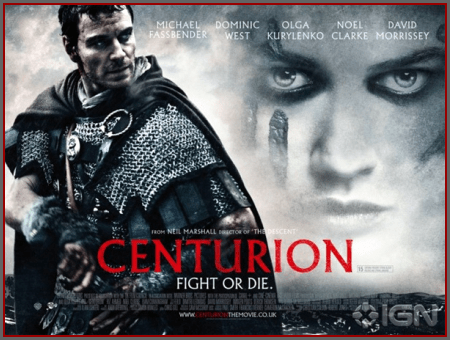
Neil Marshall’s Centurion Official Trailer


I have been a huge fan of Neil Marshall. The British filmmaker burst into the genre scene with his cult-classic werewolf-siege flick, Dog Soldiers. He then follows that up with the excellent all-female cast monster mash, The Descent. His third outing was a bit mixed for some, but I definitely had a great time with Doomsday. Marshall really knows the genre he works in and also enjoys staying in it.

His fourth film is a historical thriller set during the Roman occupation of Britain during the 2nd Century A.D. The film was originally called The Ninth Legion during the production, but has since been officially changed to Centurion. The basic premise of the film is Marshall’s telling of the legend of the 9th Legion and their disappearance north of Hadrian’s Wall. He’s made it known that the film will not be historically accurate and wasn’t meant to be. The film will be his way to re-tell the legend of the legion’s disappearance, it’s cause and wrap an action-thriller around it.

Starring in the film are Dominic West, Michael Fassbender (last seen as the British operative Hickox in Inglourious Basterds) and Olga Kurylenko. The film is tentatively dated to be released in the U.K. on April 23, 2010. No set date has been announced for a NA release, but I’m sure it will get one. It better.

Source: Centurion Official Trailer @IGN

Review: Dog Soldiers (dir. by Neil Marshall)


Werewolf films have always felt like they’ve been given the short end of the stick when it comes to quality and artistry. In horror cinema, vampires tend to be the ones treated with glamour—getting richly developed lore, elegant aesthetics, and narratives that weave romance with menace. Werewolves, by contrast, are too often relegated to playing second fiddle, treated more as brutish monsters than complex characters. This isn’t to say there haven’t been standout entries in the genre—classics such as An American Werewolf in LondonThe Howling, and Wolfen proved that werewolf tales could be inventive, atmospheric, and even poignant. Unfortunately, many modern werewolf films still feel stuck emulating the aesthetics and narrative beats of the 1940s Universal Wolf Man formula, unwilling to evolve past its roots.

That’s why Dog Soldiers, Neil Marshall’s 2002 action-horror film, came as a breath of fresh air. Marshall, then an up-and-coming director from the UK, took the basic premise of a werewolf story and infused it with the pacing, intensity, and tone of military survival thrillers. In doing so, he leaned into genre hybridity, crafting something closer to Aliens meets Zulu, peppered with elements from siege films like Assault on Precinct 13 and even hints of Night of the Living Dead. This fusion not only differentiates Dog Soldiers from typical werewolf fare, it also helps the film sidestep some of the genre’s usual narrative pitfalls.

The plot is refreshingly straightforward and tightly executed. A squad of British soldiers is dispatched to the Scottish Highlands on what appears to be a routine training exercise. However, the mission is actually part of a covert operation led by Captain Ryan (Liam Cunningham) from British special operations. The higher-ups believe there is an unidentified creature prowling the remote wilderness—something worth capturing and experimenting on. Naturally, plans unravel almost immediately when the soldiers stumble upon the very real threat: a pack of predatory werewolves. In quick order, both the military squad and Ryan’s covert team suffer heavy casualties, forcing the handful of remaining survivors to retreat to the relative safety of an isolated country cottage.

At this point, Dog Soldiers shifts from a creature-hunt narrative to a tense siege story. The soldiers, along with Megan (Emma Cleasby), a young anthropologist who happens upon them while driving along a desolate road, barricade themselves inside the cottage. It’s a familiar setup to horror fans—a small, heavily outnumbered group defending themselves against a monstrous threat—but Marshall handles it with sharp pacing and escalating stakes. The werewolves never attack in full force right away; instead, they probe the survivors’ defenses, testing weaknesses, thinning numbers, and forcing improvisation. The incremental nature of these assaults keeps the tension high and recalls the strategic pacing of Aliens and Zulu. By the final act, the film’s momentum surges into a frenetic, revelation-laden climax, where buried secrets between the survivors come to light, confirming that the encounter in the Highlands was anything but accidental.

The performances are one of the film’s strongest assets. Kevin McKidd anchors the story as Private Cooper, a grounded, quick-thinking soldier with a contentious past involving Captain Ryan. McKidd brings a combination of sharp competence and understated emotional weight, keeping the film from tipping into camp even when the gore and action turn exuberant. Liam Cunningham’s Ryan complements this dynamic by embodying the archetype of the cold, mission-focused officer—aloof, calculating, and ultimately morally questionable.

Sean Pertwee’s Sergeant Wells deserves special mention for his portrayal of a gruff but paternal squad leader. Despite being wounded early on, Wells remains a symbol of resilience, offering the squad guidance and resolve amid desperate circumstances. Emma Cleasby’s Megan strikes a balance between being a narrative catalyst and a functional participant in the group’s survival. As the siege wears on, she lets slip fragments of information about the nature of their attackers, deepening the mystery and tension without leaning on clumsy exposition.

Then there’s Darren Morfitt as Private “Spoon.” His performance injects the film with a lively combat bravado that stands out from the rest of the ensemble. Spoon isn’t just a trigger-happy soldier—he revels in the absurdity and extremity of their plight, seeing it as an ultimate test of British military skill against impossible odds. His confidence and gallows humor recall Bill Paxton’s Hudson in Aliens, but with less overt panic and more disciplined enthusiasm. Spoon references historic battles like Rorke’s Drift—famously depicted in Zulu—as touchstones of courage, further cementing Marshall’s homage to siege war films.

For a production with limited resources, the effects work is impressively convincing. With a budget far below that of major Hollywood horror films, Marshall and his crew leaned into practical effects and selective creature reveals. Some critics have accused the werewolf suits of looking like men in costumes, but in execution the designs work well within the film’s framework. The creatures are tall, lean, and menacing without relying on heavy CGI. Importantly, Marshall applies a “less is more” philosophy reminiscent of Spielberg’s handling of the shark in Jaws. Full, lingering views of the werewolves are reserved for the final act, allowing the audience’s imagination to do much of the work until the climax. This restraint helps sustain suspense while ensuring that, when the creatures finally take center stage, viewers are already fully invested in the world of the film.

When the action does explode, Marshall doesn’t shy away from gore. Dog Soldiers takes a hard-R approach, delivering violent set pieces that are as visceral as they are functional to the narrative. Bodies are torn apart, entrails spill onto floors, and dismembered remains are devoured on-screen—a rare choice for werewolf films, which often cut away from feeding scenes. Yet the gore never overshadows the horror elements; rather, it complements them, reinforcing the brutality of the attackers and the hopelessness of the situation.

At its core, what makes Dog Soldiers so memorable and effective is its clever blend of genre DNA, drawing inspiration and structure from both Aliens and Zulu. Much like James Cameron’s Aliens, Marshall’s ensemble of soldiers must depend on each other to survive, facing off against an external threat in an environment where resources and options dwindle by the hour. The tension is ramped up through a progressive siege, with monsters probing at the group’s defenses, forcing rapid adaptation—an approach that maintains the audience’s suspense and empathy. The way the squad’s camaraderie is tested amid escalating shock and violence feels akin to the Colonial Marines in Aliens, with Spoon and Wells providing flashes of humor and heroism reminiscent of Paxton’s Hudson and Biehn’s Hicks.

Meanwhile, the homage to Zulu manifests in the setting and the sense of a last stand. The cottage becomes not just a shelter, but a makeshift fortress, echoing Rorke’s Drift in Zulu, where British defenders held out against overwhelming odds. Spoon’s direct references to the historic battle, coupled with strategic use of terrain and improvisational defense, strengthen the film’s identity as a genre junction—a supernatural thriller rooted in military siege drama. The sense of camaraderie, tactical ingenuity, and resilience facing certain death is palpable throughout, elevating the intensity far above ordinary monster fare.

By fusing these influences, Dog Soldiers revitalizes the werewolf genre and offers a reminder that horror doesn’t have to retreat into soft scares or ironic pastiche. Its hybrid approach creates a kinetic, emotionally resonant narrative, where supernatural terror and military heroism collide. The suspense not only builds from the threat outside, but also from the evolving relationships and secrets inside, giving the film depth and dimension.

In summary, Dog Soldiers succeeds not only as a visceral werewolf film but also as a smart genre blend, marrying elements of action-horror and siege war drama to make something memorable and genuinely thrilling. For fans of both horror and action cinema—especially those that crave suspense, teamwork, and practical effects—it’s an exemplary demonstration of how fresh vision can rejuvenate even the most familiar legends. Neil Marshall proves with his debut that he understands exactly what makes horror gripping, and with Dog Soldiers, he gives audiences a wild, unrelenting ride they won’t soon forget.

20 Best Horror Films of the Past Decade


The Aught’s, as some people have come to call this decade about to end, was actually a pretty good decade in terms of the amount of quality horror that showed up on the big-screen. We had some channeling the nastiness of the 70’s exploitation era while a couple ushered in this decade’s era of the so-called “torture porn.” There were more than just a few remakes of past horror films. Most of these remakes were quite awful compared to the original, but more than a few managed to end being good and held their own against the original.

Some of the titles I will list will eschew gore and the shock scares for a more subtle and atmospheric approach. More than a few straddled not just horror but other genres like comedy, drama and sci-fi. If there was one major observation I was able to make, when collating what I thought was the 20 best horror films of the decade, it was that the Foreign studios really came into the decade with a vengeance.

While I consider these horror films on this list as “the best of…” it is still my opinion and I am sure there will be people who will disagree, but even if people do not agree with all my choices it would be hard to dispute any of them as not being good to great in their own way. Like my similar Sci-Fi list this one will be numbered but only for organizational sake and doesn’t determine which film is better than rest. They’re all equal in my eyes.

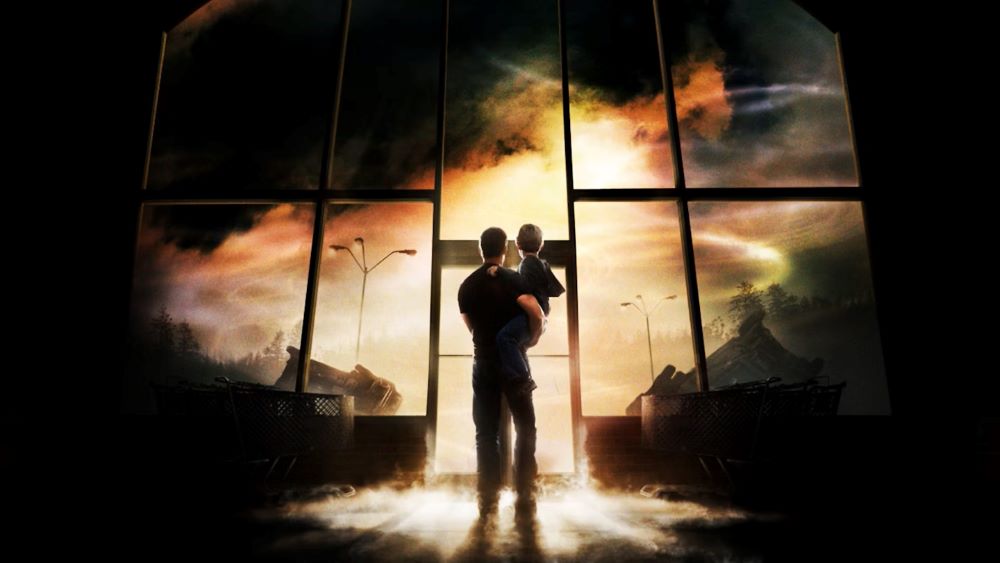
  1. The Mist (dir. Frank Darabont)
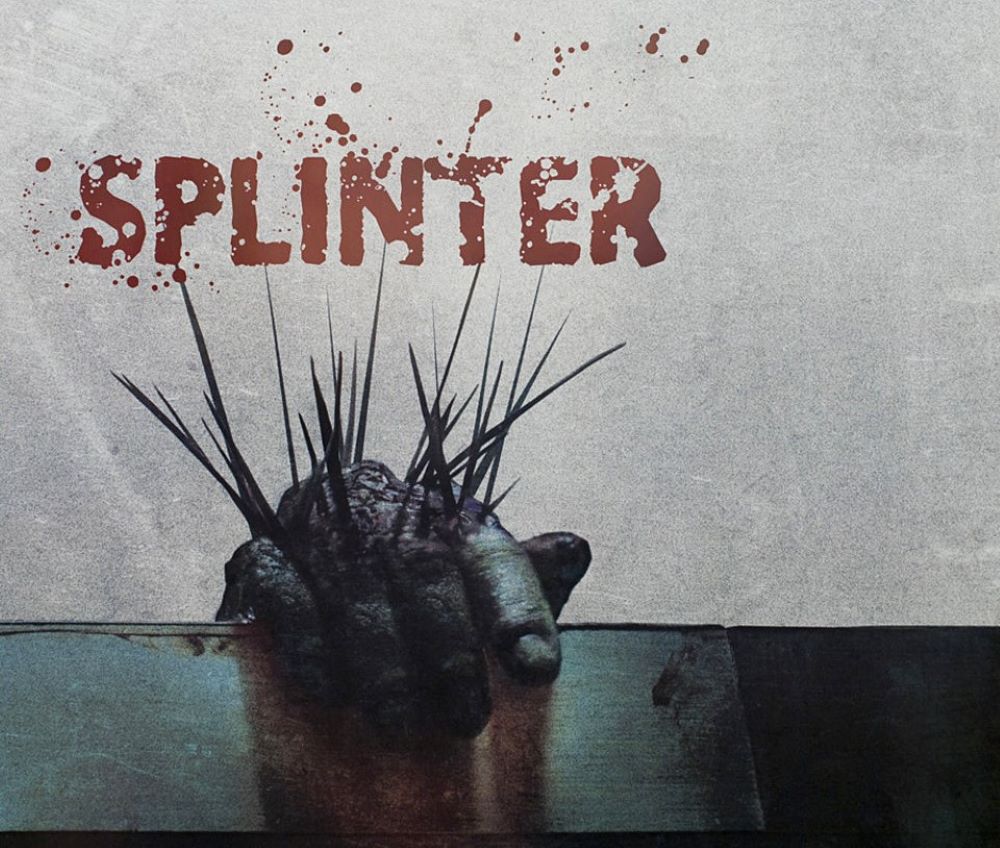
  2. Splinter (dir. Toby Wilkins)
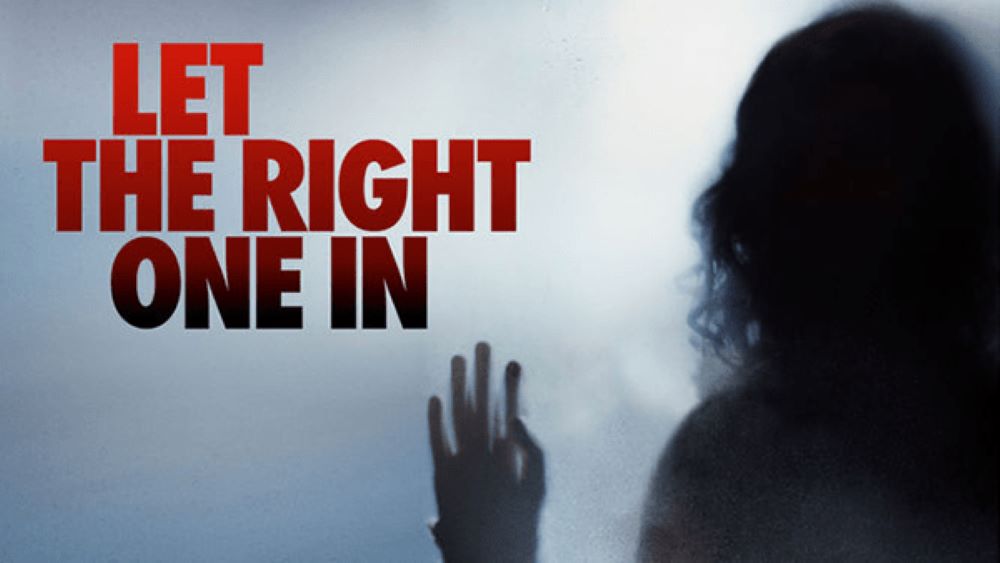
  3. Let the Right One In (dir. Tomas Alfredson)
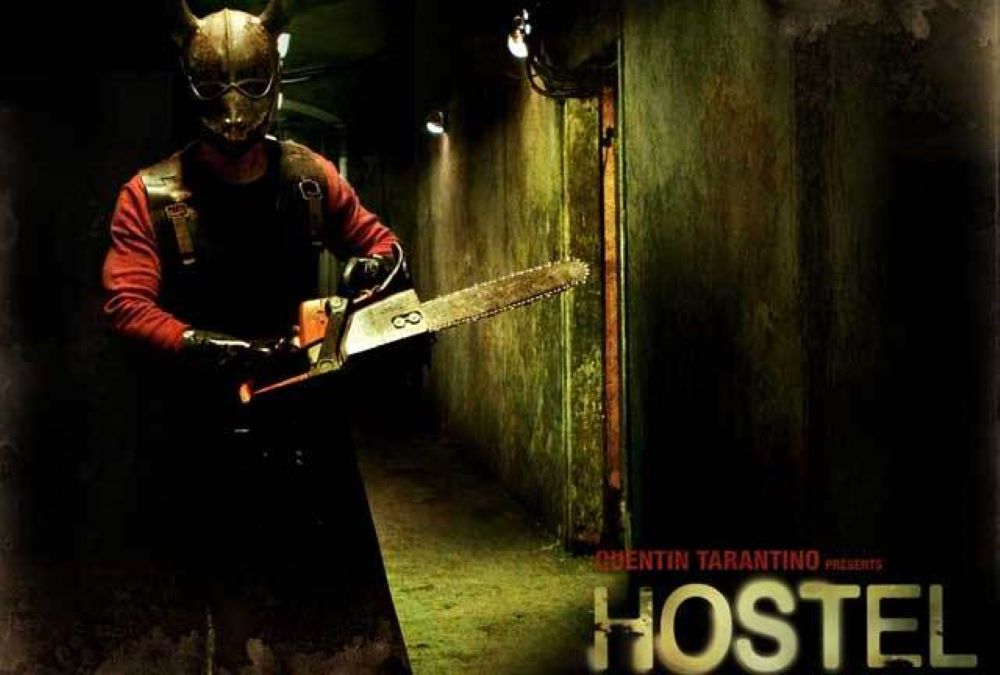
  4. Hostel (dir. Eli Roth)
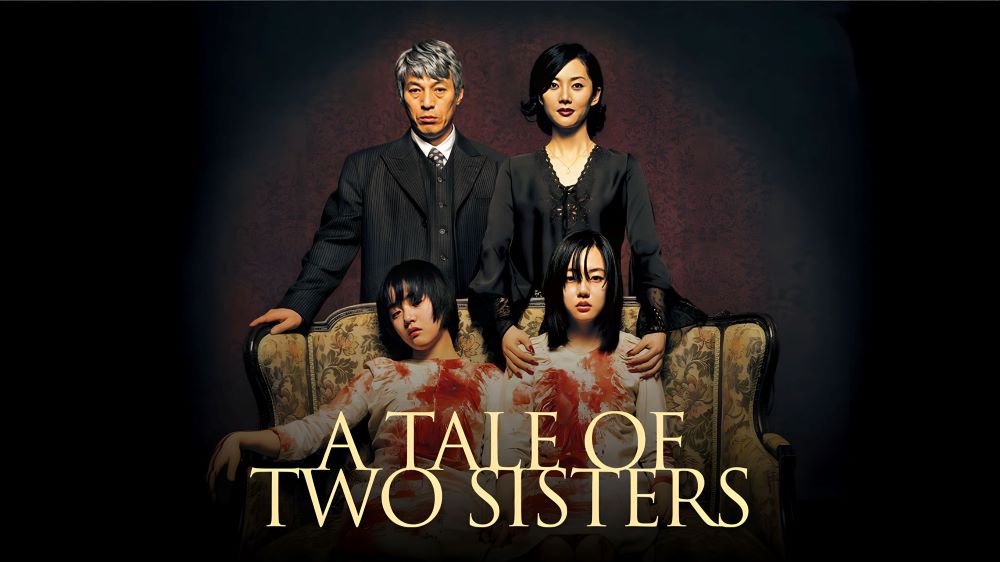
  5. A Tale of Two Sisters (Kim Ji-woon)
  6. The Descent (dir. Neil Marshall)
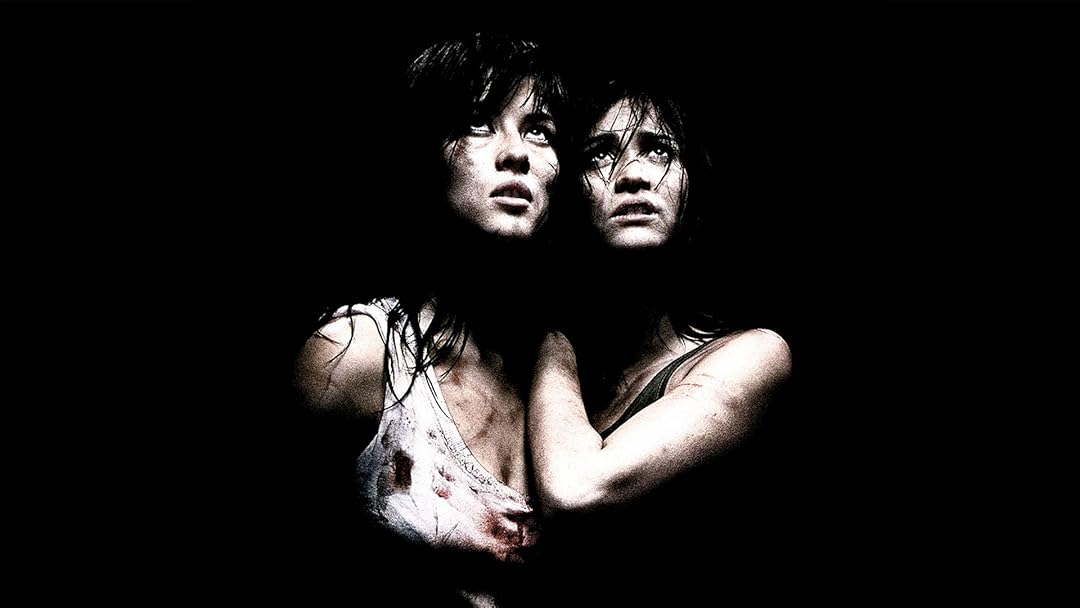
  7. Martyrs (dir. Pascal Laugier)
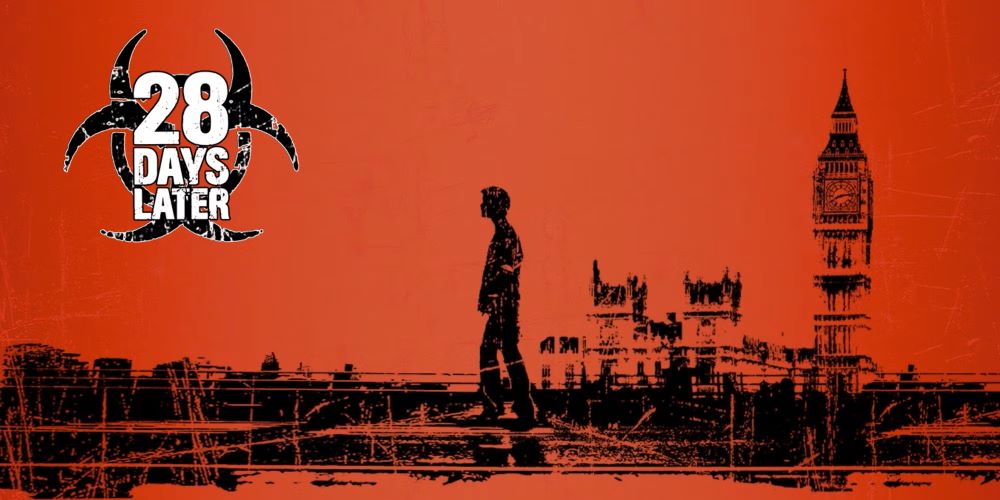
  8. 28 Days Later… (dir. Danny Boyle)
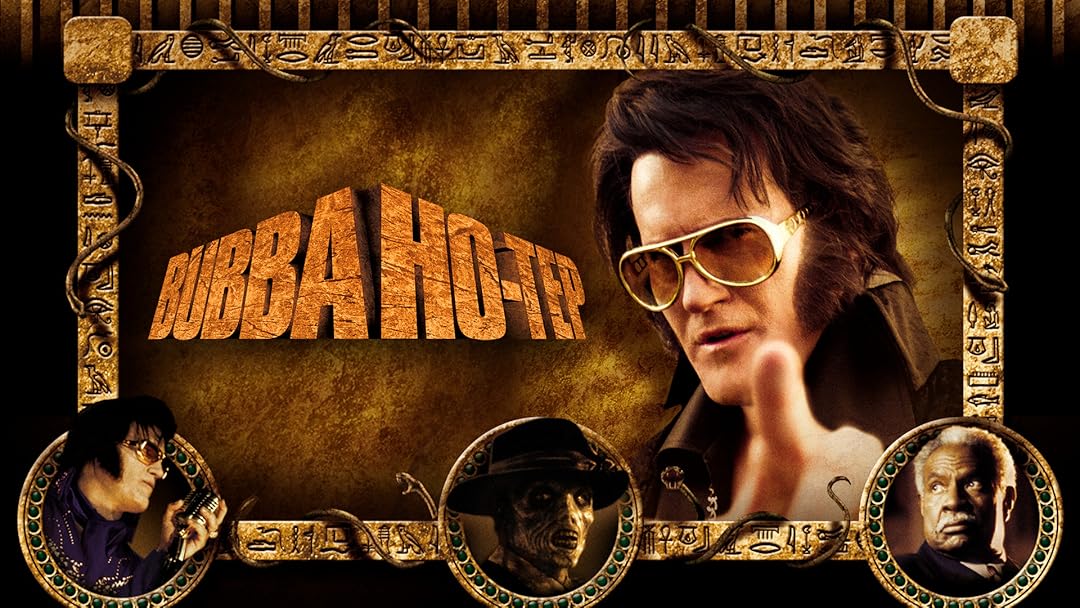
  9. Bubba Ho-Tep (dir. Don Coscarelli)
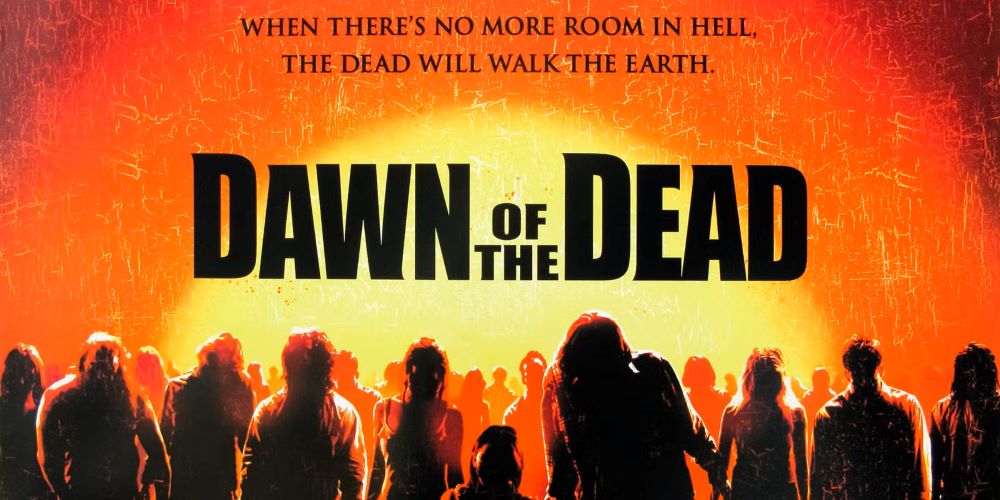
  10. Dawn of the Dead (dir. Zack Snyder)
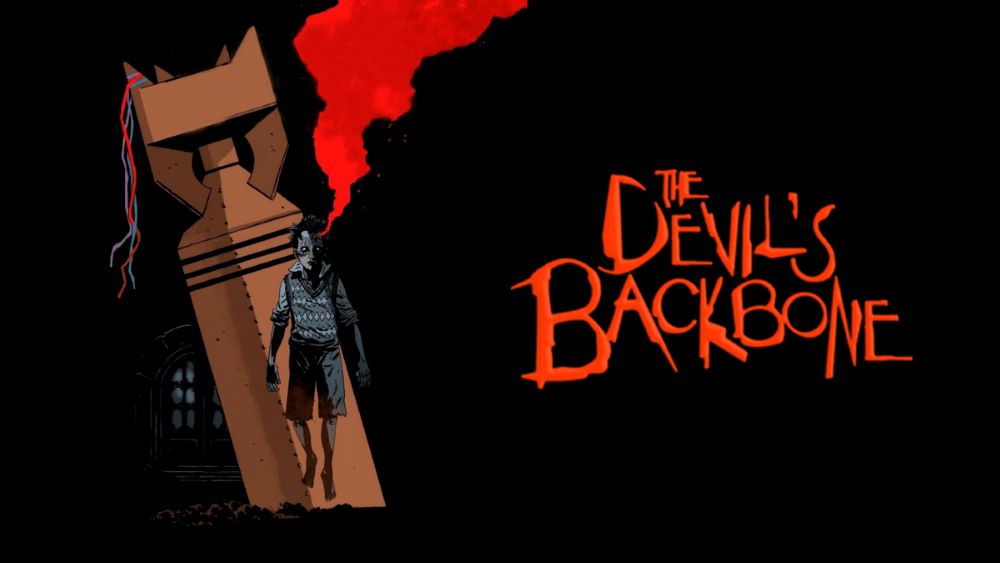
  11. The Devil’s Backbone (Guillermo del Toro)
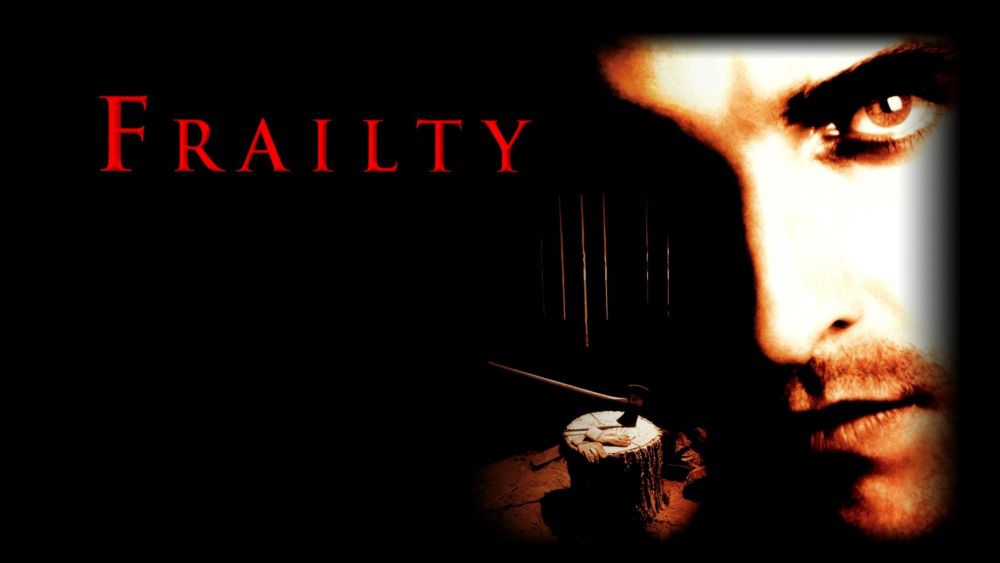
  12. Frailty (dir. Bill Paxton)
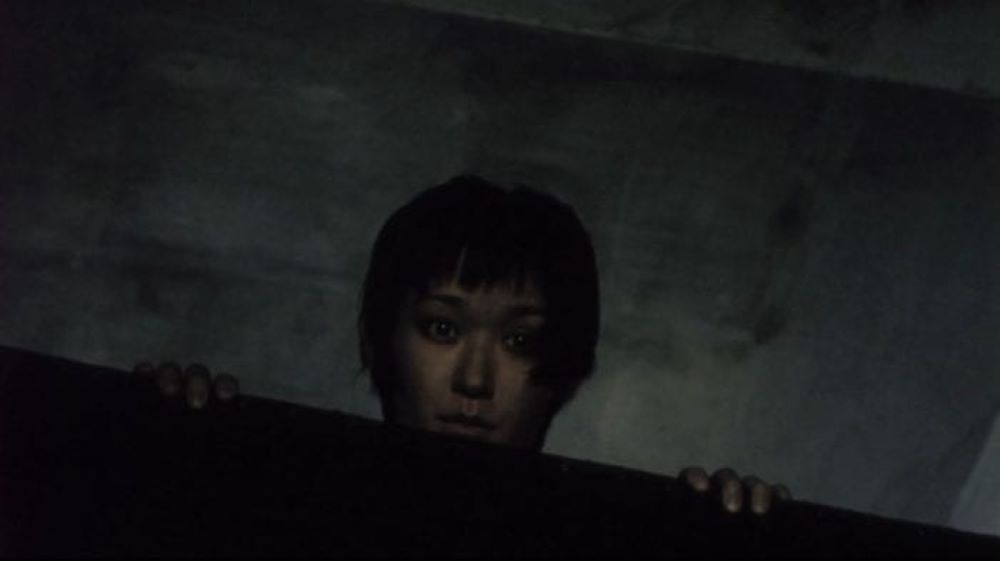
  13. Kairo (dir. Kiyoshi Kurosawa)
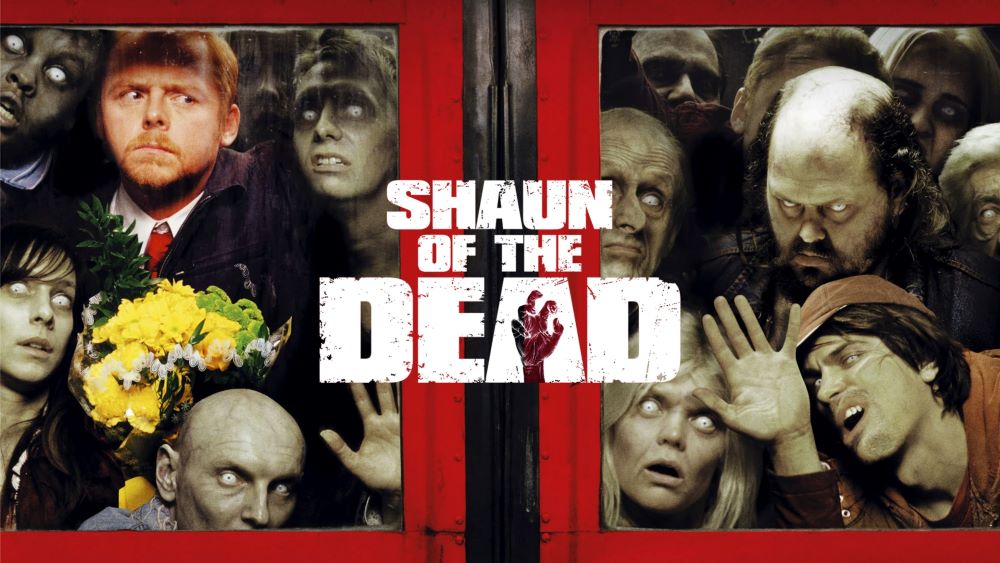
  14. Shaun of the Dead (dir. Edgar Wright)
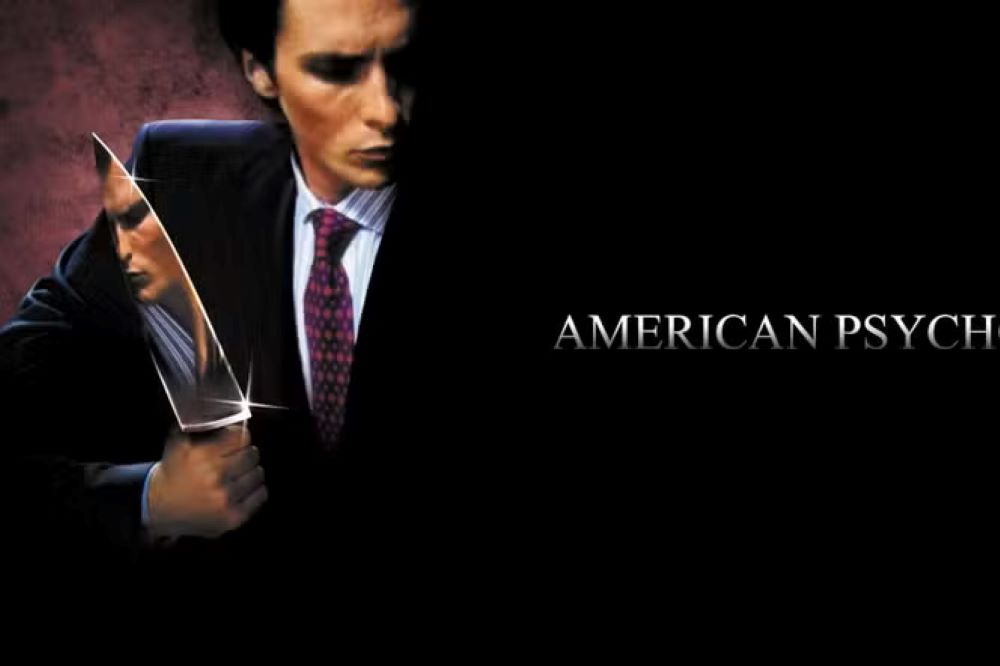
  15. American Psycho (dir. Mary Harron)
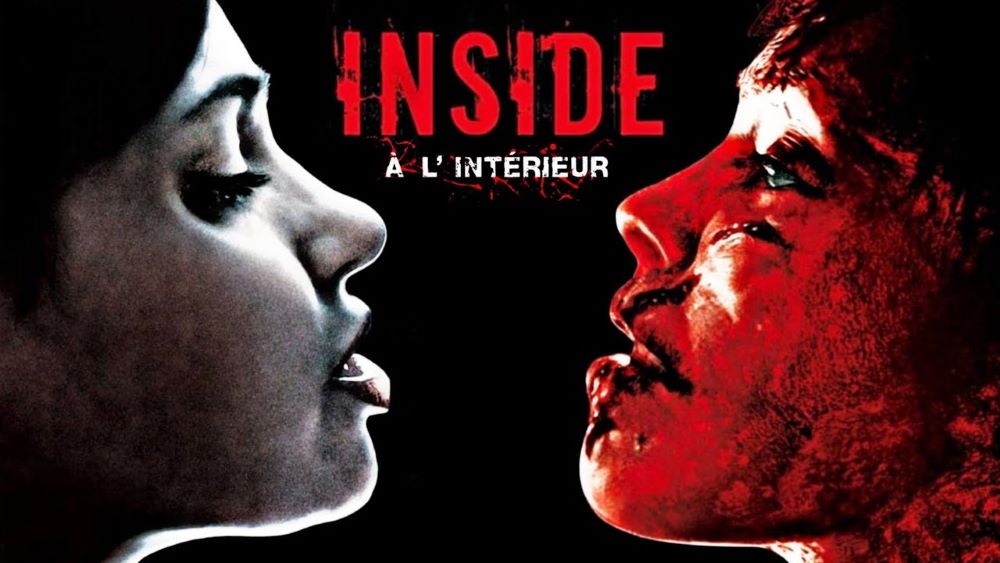
  16. Inside (dir. Alexandre Bustillo & Julien Mary)
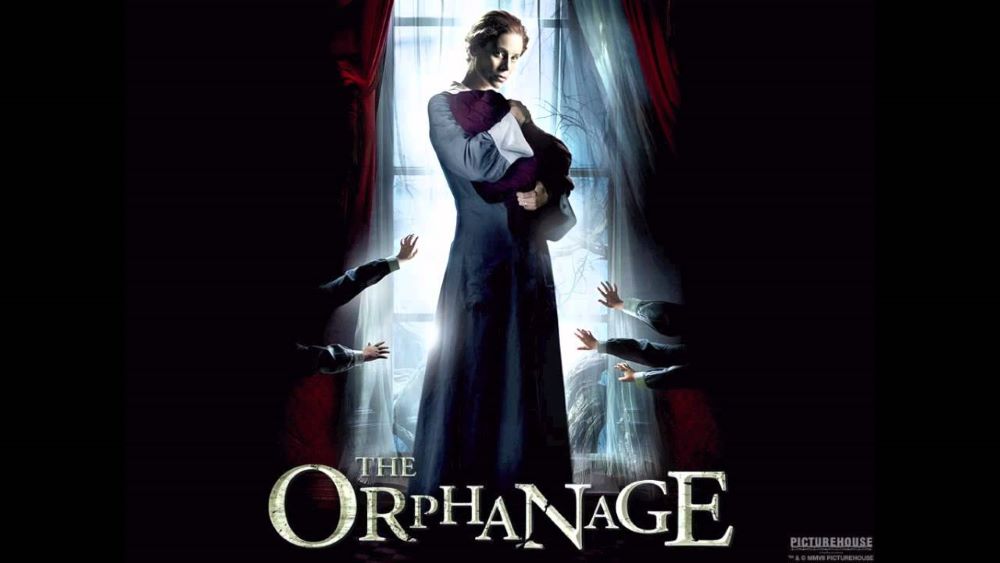
  17. The Orphanage (dir. Juan Antonio Bayona)
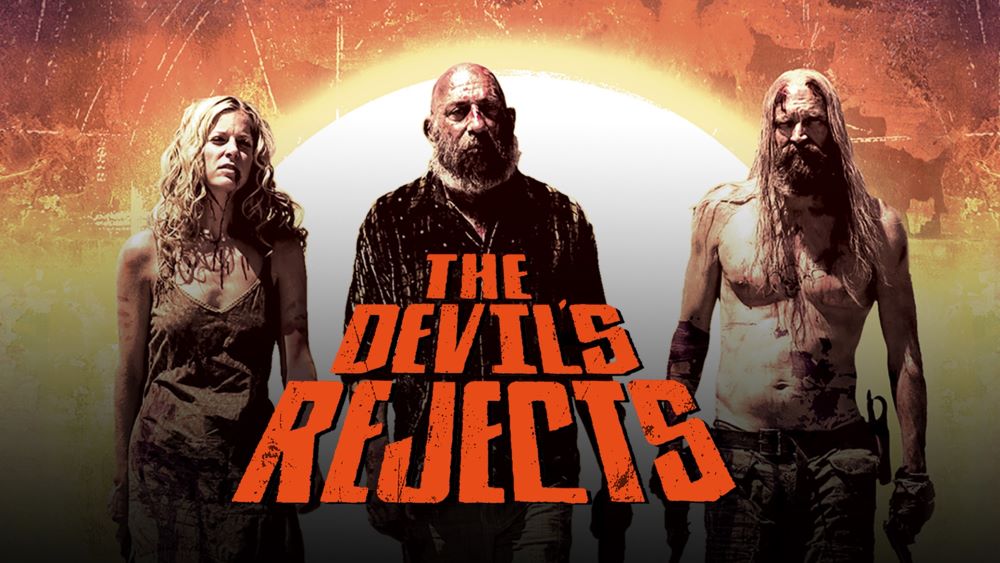
  18. The Devil’s Rejects (dir. Rob Zombie)
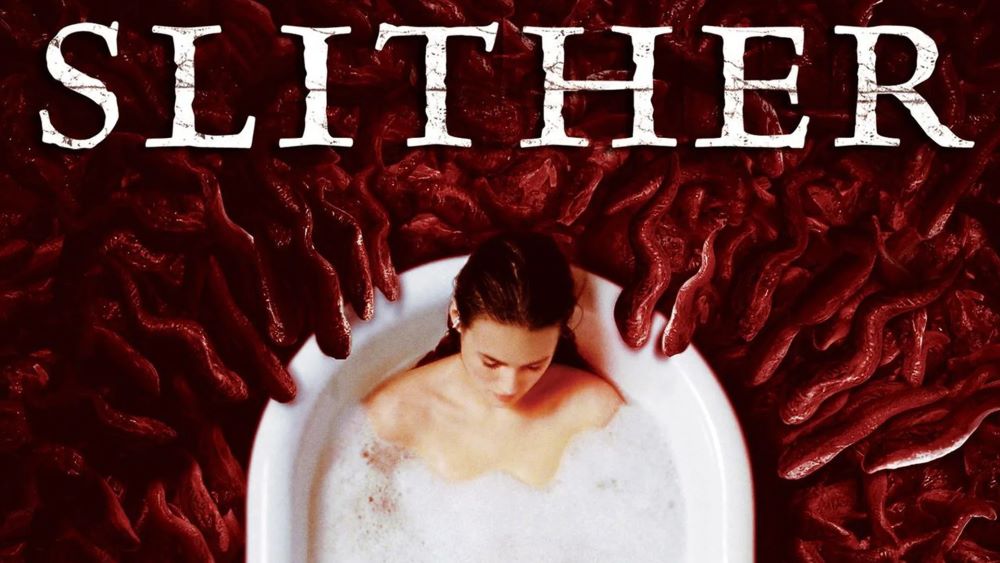
  19. Slither (dir. James Gunn)
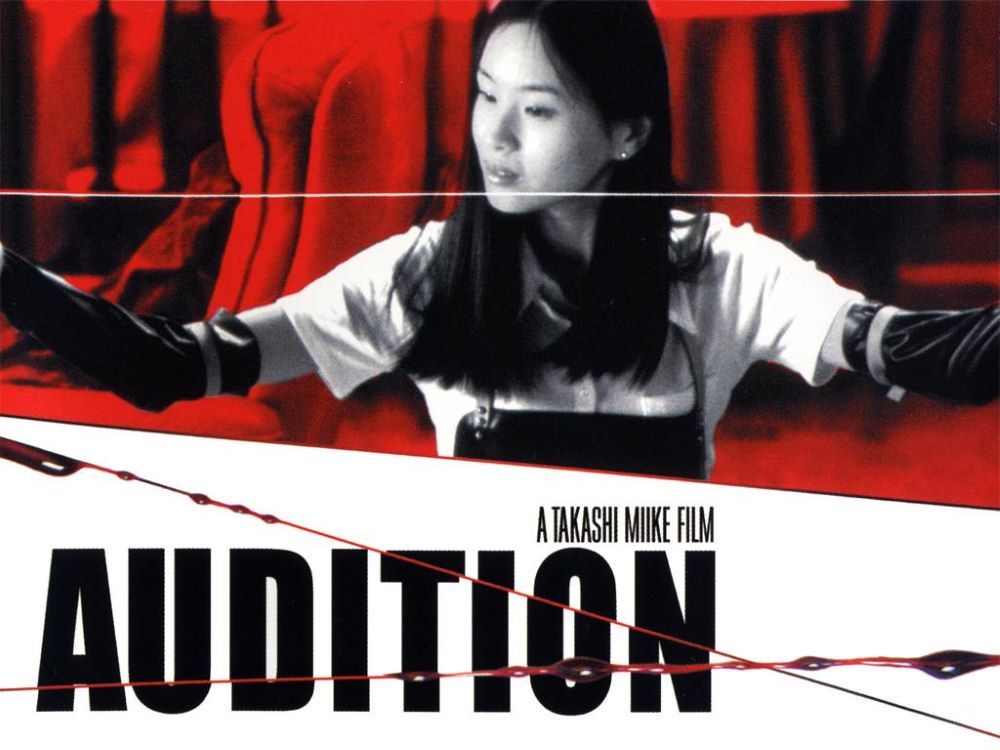
  20. Audition (dir. Takashi Miike)

Honorable Mentions: Saw, Haute Tension, Drag Me To Hell, Trick ‘r Treat, Dog Soldiers, Ju-On, May, Midnight Meat Train, The Ruins, Jeepers Creepers, Ginger Snaps, Funny Games (remake), Shutter, Frontier(s), Behind the Mask: The Rise of Leslie Vernon…just to name a few.