Horror on the Lens: Nosferatu (dir by F.W. Murnau)


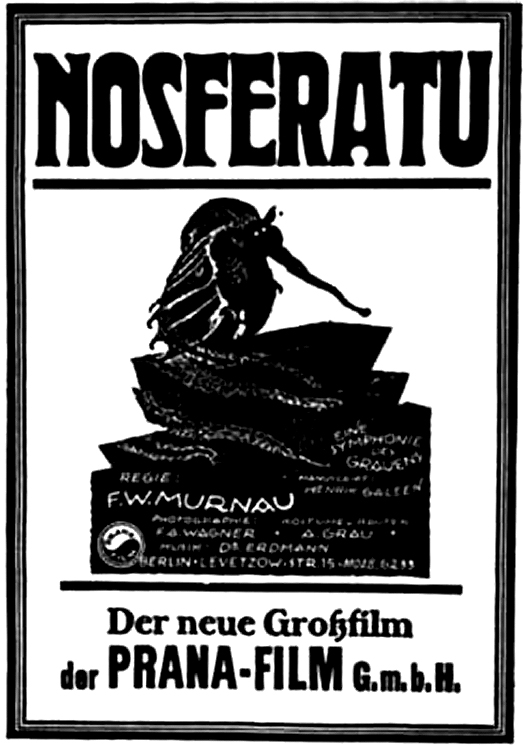
Today’s Horror on the Lens is a classic film that really needs no introduction!  Released in 1922, the German silent film Nosferatu remains one of the greatest vampire films ever made.  It’s a film that we share every October and I’m happy to do so again this year!

Enjoy!

Horror on the Lens: Nosferatu (dir by F.W. Murnau)


Today’s Horror on the Lens is a classic film that really needs no introduction!  Released in 1922, the German silent film Nosferatu remains one of the greatest vampire films ever made.  It’s a film that we share every October and I’m happy to do so again this year!

Enjoy!

4 Shots From 4 Silent Horror Films


4 (or more) Shots From 4 (or more) Films is just what it says it is, 4 (or more) shots from 4 (or more) of our favorite films. As opposed to the reviews and recaps that we usually post, 4 (or more) Shots From 4 (or more) Films lets the visuals do the talking.

The horror genre has been around ever since people struggled to explain their fears and horror films were a feature of cinema from the time of the earliest movies.  Today, we pay tribute to some of the early entries in the horror genre with….

4 Shots From 4 Horror Films

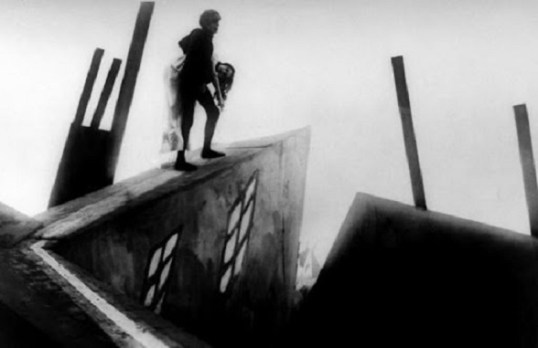
The Cabinet of Dr. Caligari (1920, dir by Robert Wiene, DP: Willy Hameister)

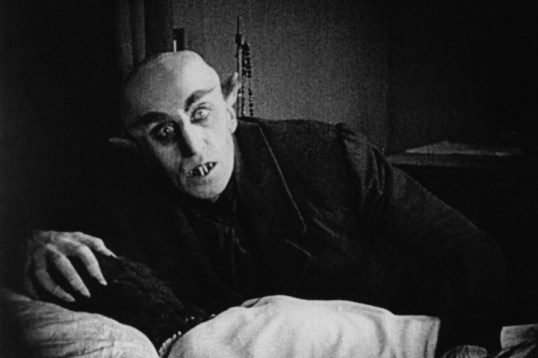
Nosferatu (1922, dir by F.W. Murnau, DP: Fritz Arno Wagner and Günther Krampf)

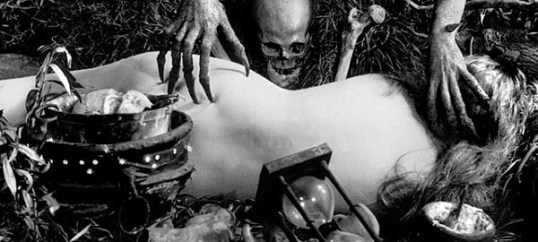
Haxan (1922, dir by Benjamin Christesen, DP: Johan Ankerstjerne)

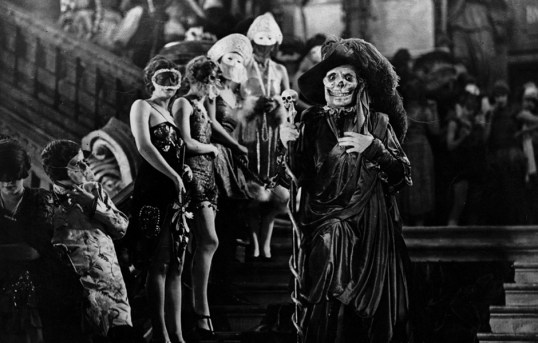
The Phantom of the Oepra (1925, dir by Rupert Julian, DP: Milton Bridenbecker, Virgil Miller, Charles Van Enger)

Horror on the Lens: Faust (dir by F.W. Murnau)


Today’s Horror on the Lens is a silent German film from 1926. Based on the legend of the alchemist who sold his soul to the Devil, Faust was dismissed by European critics when it was intially released but it has since been recognized as one of the great cineamtic examples of German Expressionism.

It was after directing this film that Murnau traveled to Hollywood and directed his masterpice, Sunrise: A Story of Two Humans. (Murnau was also responsible, many years earlier, for directing Nosferatu.) The role of Fasut was played by Swedish actor Gosta Ekman, who tragicaly developed an addiction to cocaine while making the film and who would die as a result in 1938. Playing the role of Mephisto is German actor Emil Jannings, who would later go to win the very first Academy Award for Best Actor. Unfortunately, with the advent of sound, Jannings — who had no interest in learning English — returned to Germany and, after making some classic films with Marlene Dietrich, spent the rest of his career appearing in Nazi propaganda films. Whether or not Jannings was a committed Nazi or just an opportunist remains a point of cotention but it’s still undoubtedly not the career path that one would hope for one of the very first Oscar winners.

Here, for the first time on the Shattered Lens, is Faust:

4 Shots From 4 Films: Special F.W. Murnau Edition


4 Shots From 4 Films is just what it says it is, 4 shots from 4 of our favorite films. As opposed to the reviews and recaps that we usually post, 4 Shots From 4 Films lets the visuals do the talking.

Today was celebrate the visionary director, F.W. Murnau!  Murnau was born 132 years ago today, in Germany.  He went on to become a leading expressionist and one of the most influential filmmakers of all time.  Needless to say, it’s time for….

4 Shots From 4 Films

The Hunchback and the Dancer (1920, dir by F.W. Murnau)

Nosferatu (1922, dir by F.W. Murnau)

Faust (1926, dir by F.W. Murnau)

Sunrise: The Story of Two Humans (1927, dir by F.W. Murnau)

Horror on the Lens: Nosferatu (dir by F.W. Murnau)


Today’s Horror on the Lens is a classic film that really needs no introduction!  Released in 1922, the German silent film Nosferatu remains one of the greatest vampire films ever made.  It’s a film that we share every October and I’m happy to do so again this year!

Enjoy!

Horror Scenes That I Love: Nosferatu on the Death Ship


Since I seem to be in a bit of a vampiric mood tonight, how about a scene from the 1922 classic, Nosferatu, for today’s scene that I love?

This scene features the titular vampire taking over a boat and it proves that movies didn’t need to be scary.

Enjoy!

(As a reminder, if you like this scene, you can watch the whole movie by clicking here!)

Horror on the Lens: Nosferatu (dir by F.W. Murnau)


Today’s Horror on the Lens is a classic film that really needs no introduction!  Released in 1922, the German silent film Nosferatu remains one of the greatest vampire films ever made.  It’s a film that we share every October and I’m happy to do so again this year!

Enjoy!

4 Shots From 4 Inaugural Oscar Winners: Wings, Sunrise, The Last Command, Seventh Heaven


4 Shots From 4 Films is just what it says it is, 4 shots from 4 of our favorite films. As opposed to the reviews and recaps that we usually post, 4 Shots From 4 Films lets the visuals do the talking.

Today is the 90th anniversary of the very first Academy Awards ceremony!

On May 16th, 1929, a private dinner was held at the Hollywood Roosevelt Hotel in Los Angeles, California.  The dinner was largely meant to celebrate the establishment of the Academy of Motion Picture Arts and Sciences.  The brainchild of Louis B. Mayer, the AMPAS was founded to help mediate labor disputes between the studios and the unions.  As almost an afterthought, it was decided that AMPAS would also give out annual awards to honor the best films of the year.

12 awards were handed out on May 16th, before an audience of 270 people.  The entire awards ceremony took 15 minutes.  That’s quite a contrast to what the Academy eventually became.

In honor of that 15-minute ceremony, here’s….

4 Shots From 4 Films Honored At The Very First Oscar Ceremony

Wings (1927, dir by William Wellman) Won The Outstanding Production Awards

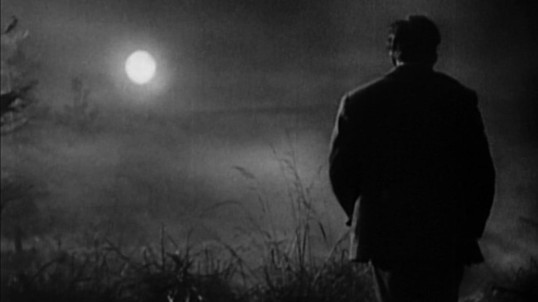
Sunrise (1927, dir by F.W. Murnau) Won Best Unique and Artistic Picture

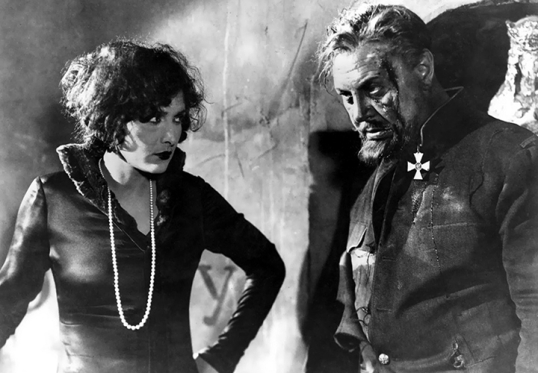
The Last Command (1928, dir by Josef von Sternberg) Won Best Actor — Emil Jannings

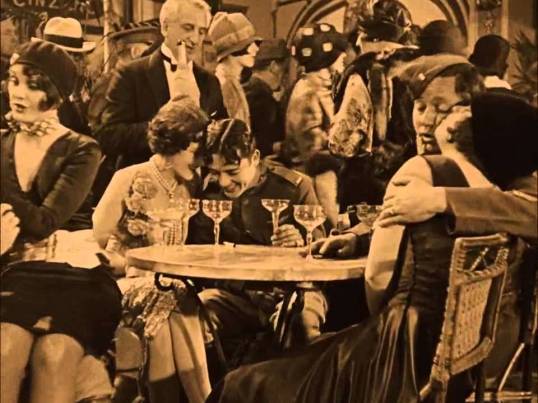
Seventh Heaven (1927, dir by Frank Borzage) Winner Best Actress — Janet Gaynor

Along with her performance in Seventh Heaven, Janet Gaynor was also honored for her work in Street Angel and Sunrise.  Emil Jannings was honored for his work in both The Last Command and The Way of all Flesh,

Here’s what else won at the inaugural Oscar ceremony:

Best Direction, Comedy Picture — Lewis Milestone for Two Arabian Knights

Best Direction, Drama Picture — Frank Borzage for Seventh Heaven

Best Original Story — Ben Hecht for Underworld

Best Adaptation — Benjamin Glazer for Seventh Heaven, based on the play by Austin Strong

Best Art Direction — William Cameron Menzies for The Dove and Tempest

Best Cinematography — Charles Rosher and Karl Struss for Sunrise

Best Engineering Effects — Roy Pomeroy for Wings

Best Title Writing — Joseph Farnham for Fair Co-Ed; Laugh, Clown, Laugh; and Telling the World.

Horror on the Lens: Nosferatu (dir by F.W. Murnau)


Today’s Horror on the Lens is a classic film that really needs no introduction!  Released in 1922, the German silent film Nosferatu remains one of the greatest vampire films ever made.  It’s a film that we share every October and I’m happy to do so again this year!

Enjoy!