As some of our regular readers undoubtedly know, I am involved in a few weekly watch parties. On Twitter, I host #FridayNightFlix every Friday and I co-host #ScarySocial on Saturday. On Mastodon, I am one of the five hosts of #MondayActionMovie! Every week, we get together. We watch a movie. We tweet our way through it.
Tonight, at 10 pm et, I will be hosting #FridayNightFlix and celebrating the event’s 5th birthday with an encore presentation! The movie? Monty Python and the Holy Grail!
If you want to join us this Friday, just hop onto twitter, find Legend on Prime, start the movie at 10 pm et, and use the #FridayNightFlix hashtag! I’ll be there happily tweeting. It’s a friendly group and welcoming of newcomers so don’t be shy.
“You don’t find redemption in warmth. You fight for it in the cold.” — Ani
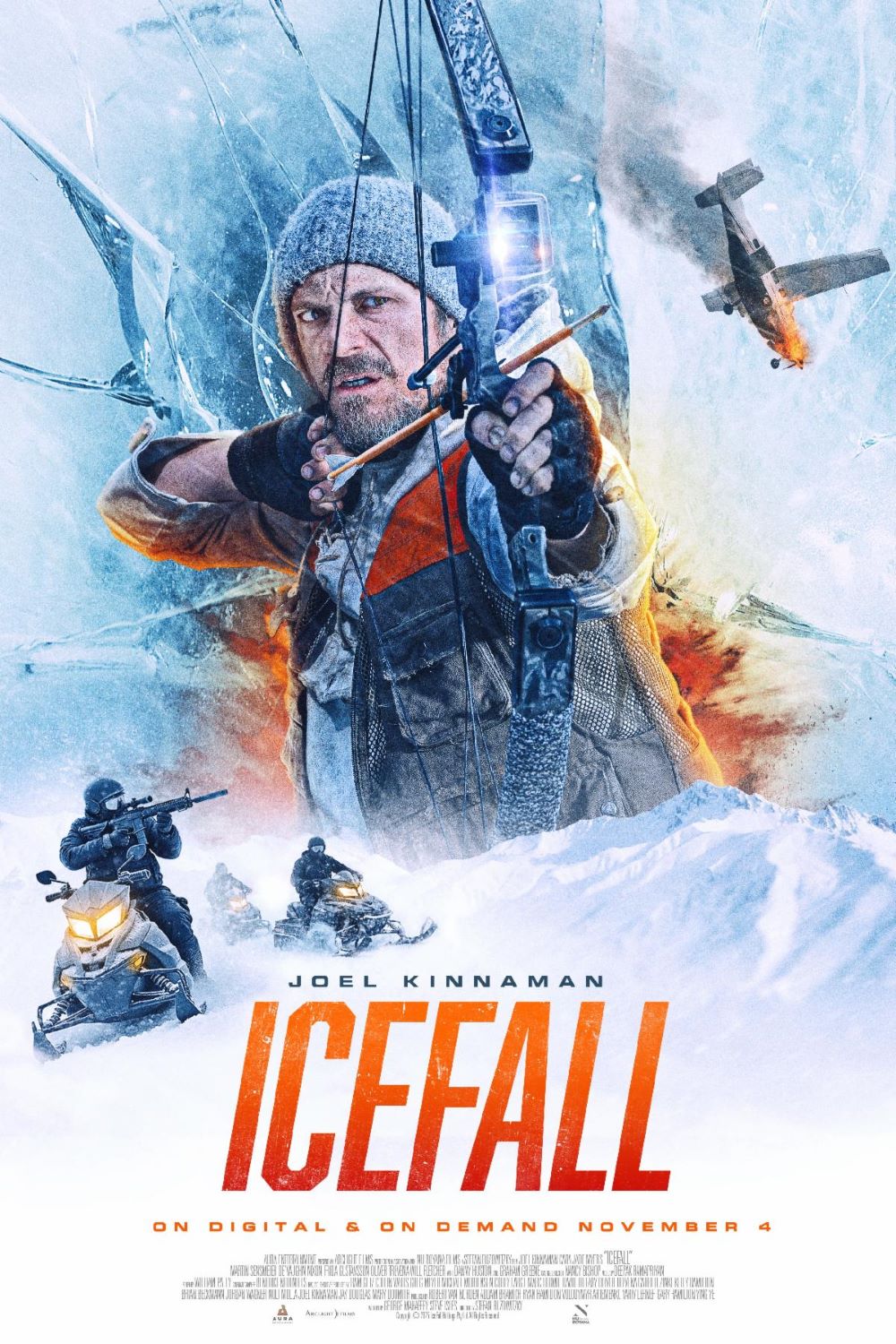
Icefall (2025) is a survival thriller set deep in a frozen wilderness where Ani, a determined Indigenous game warden, and Harlan, a grizzled poacher, find themselves forced together to evade criminals hunting down a crashed plane’s cash stash. Their uneasy alliance forms the heart of the movie, supported by the biting cold, shifting ice, and relentless danger that keeps the tension alive throughout.
The film benefits significantly from its leads’ performances, especially Joel Kinnaman’s portrayal of Harlan. Kinnaman has become something of a seasoned veteran in this kind of gritty thriller and action role, having built a career playing characters who balance toughness with a hint of vulnerability. His familiarity with this genre brings a dependable authenticity to Harlan, who feels weathered but not worn out, someone who understands survival instinctively. Alongside Cara Jade Myers’ portrayal of Ani, their on-screen chemistry roots the film in more than just action beats, making their relationship genuinely engaging amid the harsh landscape.
Speaking of the environment, Icefall uses its setting as more than just a backdrop. The fragile ice and near-empty wilderness create natural obstacles that heighten the sense of peril, reinforcing the story’s theme that nature itself is an adversary. The melting ice becomes a constant threat, lending the narrative a slow-burning pressure that’s as effective as any chase or gunfight. This atmospheric tension is one area where the film really earns its keep, immersing viewers in the dangerous beauty of its frozen world.
However, Icefall stumbles when it comes to story originality and pacing. The film’s premise feels familiar—dangling on the edge of a formula that fans might recognize as similar to the 1993 Sylvester Stallone thriller Cliffhanger. While Cliffhanger had that film’s villain as a magnetic and complex antagonist, Icefall misses that mark. Its criminals lack charisma and depth, removing a vital layer of excitement and tension from the story. Without a compelling foil for Harlan and Ani, many confrontations fall flat, and the thriller’s pulse falters.
The plot is further weakened by a somewhat cluttered narrative, introducing a secret government biohazard subplot that feels shoehorned in and detracts from the simpler core survival story. Characters occasionally make choices that seem more dictated by the demands of the script rather than believable motivations. These factors lead to inconsistent pacing, which can frustrate viewers looking for a tight, focused thriller.
Visually, the film offers moments of stark beauty but is uneven technically. Some sequences perfectly capture the isolating chill and danger of the icy wild, while others suffer from abrupt editing and less convincing digital embellishments that distract from the intended immersion. The cinematography shifts between grand vistas and awkward close-ups, occasionally disrupting the flow of tension.
Characterization is uneven as well. Ani shines intermittently but sometimes veers into typical thriller protagonist territory, exhibiting moments of indecision or cliché. Kinnaman’s Harlan remains the more grounded and believable figure, benefiting from his extensive experience playing similar roles. Meanwhile, the villains fail to rise above stereotype, lacking the nuance or menace that could have made the story pulse with higher stakes.
Still, when the film settles into the rhythm of survival—the crunch of snow underfoot, the slow erosion of trust, the ever-present threat of dissolving ice—Icefall delivers a tense, atmospheric experience. It’s not a revelatory thriller, but it does offer enough grit and moodiness for a single viewing, especially for fans of cold-climate survival dramas.
Icefall is a mixed bag: it has strong performances, especially from Joel Kinnaman, who clearly knows the ropes of this genre and plays an experienced, weathered survivor with ease. The film’s use of environment is a big plus, giving it an edge that many thrillers lack. Yet it suffers from an unoriginal plot that recalls better films like Cliffhanger but without their charismatic antagonists, plus narrative distractions and technical inconsistencies. It’s an okay watch for those in the mood for a frosty thriller with solid leads but never quite rises to leave a lasting impression.
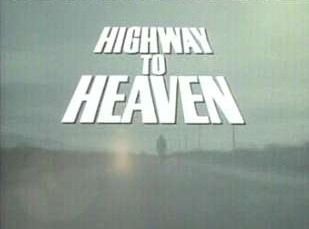
Welcome to Late Night Retro Television Reviews, a feature where we review some of our favorite and least favorite shows of the past! On Thursdays, I will be reviewing Highway to Heaven, which aired on NBC from 1984 to 1989. The entire show is currently streaming on Tubi and several other services!
This week, Lee dies.
Episode 4.22 “A Dolphin Song For Lee Part 2”
(Dir by Michael Landon, originally aired on March 23rd, 1988)
Remember how, last week, Lee (Bess Meyer) was told that her cancer had gone into remission and she was going to live? Well, this week, the cancer comes back and Lee dies after a month.
What a depressing episode!
Lee gets to do a lot in that month. She goes out on a boat and saves a group of dolphins from some hunters. She testified before Congress and, through emotional blackmail, gets them to pass a bill protecting the dolphins. She swims with a dolphin! And then she dies and its suggested that she’s been reborn as a dolphin.
Normally, I would complain about how shamelessly manipulative this all is but you know what? I like dolphins. I’ll forgive a lot when it comes to dolphins.
And, also, I am going to give some credit where is credit is due. Not every story has a happy ending. Sometimes, people die. It’s not fair but it happens. Highway to Heaven admitted that in this episode and I was in tears by the end of it.
I don’t know how many of you enjoy listening to podcasts, but I joined a Facebook group back in 2021 focused on the actor Charles Bronson. The group is called the “This Week in Charles Bronson: Podcast.” We focus on Bronson, but the page is really just a springboard for all kinds of pop culture discussions. Well, one of the things we do is periodically produce podcasts focused on Bronson’s movies, the actors who are in them, the directors, the stunt people… you name it, we discuss it. I’ve been lucky enough to meet actors and actresses who’ve worked with Bronson, authors who write about Bronson, and most importantly, people just like me all over the world who love Charles Bronson. It’s been such a fun experience in my life.
Today, I’m sharing just a snippet from one of our podcasts where we discuss the excellent opening sequence of Bronson’s 1972 action classic, THE MECHANIC! If you like what you hear, listen to the full episode and our back catalogue of episodes on YouTube, Spotify, Apple Podcasts, etc. Heck, we’d love you to join our Facebook page and get involved. That’s all I did! Before you know it, you could be part of the show! Enjoy my friends!
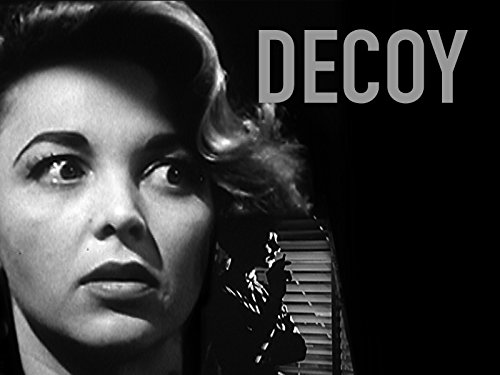
Welcome to Retro Television Reviews, a feature where we review some of our favorite and least favorite shows of the past! On Thursdays, I will be reviewing Decoy, which aired in Syndication in 1957 and 1958. The show can be viewed on Tubi!
Casey goes undercover at nightclub.
Episode 1.12 “Queen of Diamonds”
(Dir by Teddy Sills, originally aired on December 30th, 1957)
Casey is working undercover, pretending to be a photographer named Judy. She’s been working at a run-down nightclub for two months, trying to find evidence that the club’s owner, Frank (James Mitchell), was responsible for a payroll theft. Frank has an alibi but Casey is able to get her man when she convinces Frank’s second-in-command, Chi Chi (Al Lewis), to turn on him. Chi Chi is in love with Frank’s girlfriend, Georgia (Kay Medford).
This was not a bad episode. Casey got to wear a pretty dress and Beverly Garland got to show off her acting skills as she flirted with Frank and worked to turn Chi Chi against him. Interestingly enough, this episode ended on something of a melancholy note. Casey managed to send Frank to jail and Chi Chi and Georgia left for France together but the night club closed and blind pianist Alex (Richard Ward), the only truly decent person in this episode, ended up out of a job. In the end, Casey looked almost as if she was about to cry. It’s not easy, working undercover.
“I’m not afraid of dying. I’m afraid of not knowing the truth.” — Yoon Ji-woo
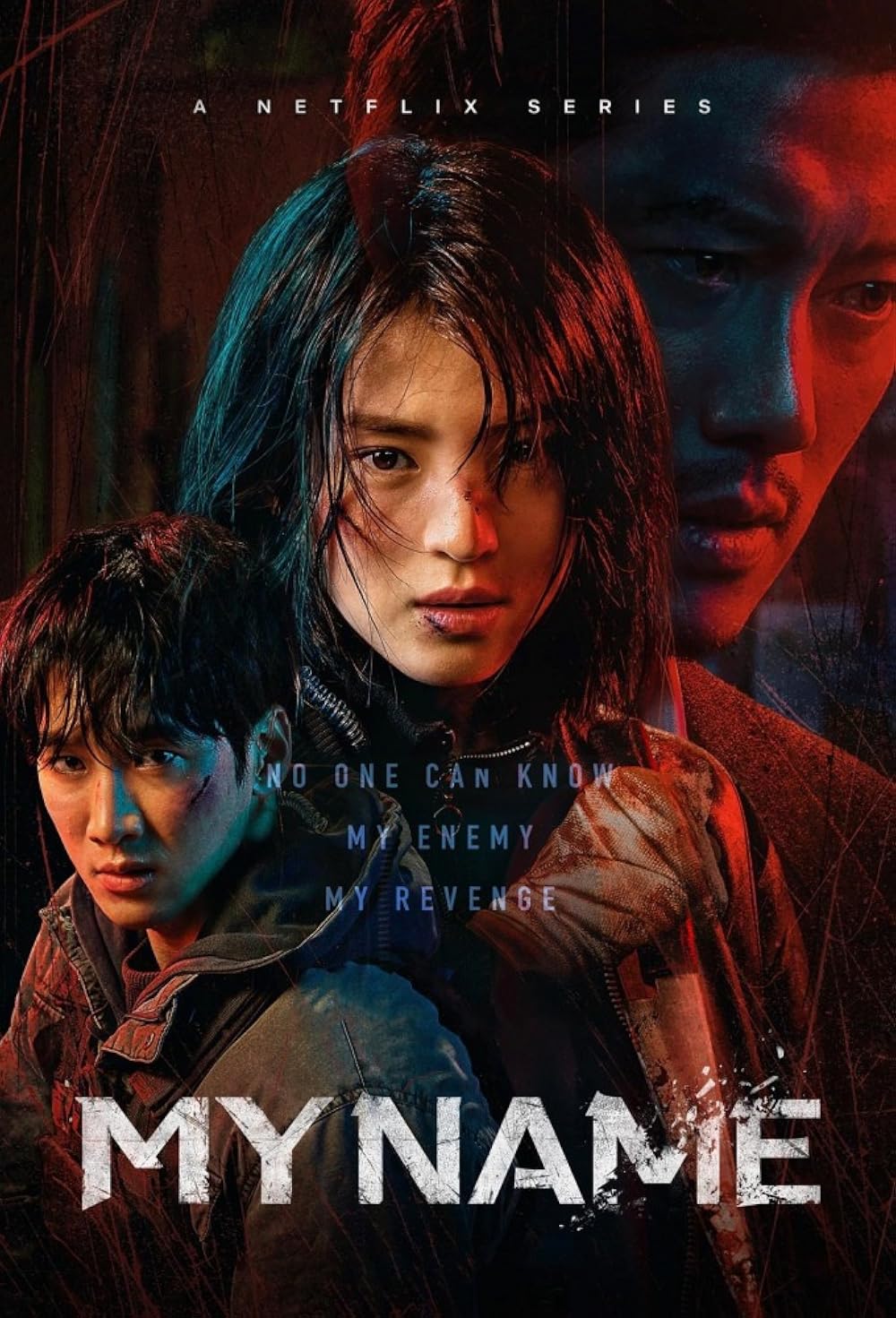
My Name is one of those K-dramas that grabs your attention from the start and maintains a relentless pace throughout. It is a gritty, action-packed series set in a dark, unforgiving underworld marked by crime, betrayal, and a driving quest for revenge. The story follows Yoon Ji-woo, a young woman whose life is shattered when her father, a figure tied to the mob, is brutally murdered. What unfolds is her transformation from a grieving daughter into a formidable and determined fighter intent on uncovering the truth behind her father’s death and exacting vengeance.
The series does not shy away from depicting violence in an unflinching manner. For those who appreciate intense and well-choreographed fight scenes, My Name provides a visually and emotionally striking experience. The physicality Han So-hee brings to her role is notable, lending authenticity to every punch, fall, and desperate struggle. However, the violence serves a narrative purpose beyond mere spectacle; it illuminates the bleak world Ji-woo inhabits and the extreme sacrifices demanded of her.
A particularly compelling aspect of My Name lies in its combination of emotional depth and action. Ji-woo is not portrayed as a simple avenger consumed by rage, but rather as a complex individual wrestling with grief, guilt, and profound loneliness. Han So-hee’s nuanced performance effectively balances raw toughness with moments of vulnerability, inviting viewers to engage with Ji-woo on a deeply human level despite her morally ambiguous actions.
The narrative unfolds briskly across eight episodes, avoiding the typical padding seen in many K-dramas. This lean structure maintains a consistently high level of tension as Ji-woo infiltrates the police force undercover on behalf of the criminal organization responsible for her father’s death. The tension arising from this double life—living between two opposing worlds—heightens the drama, creating an ever-present question of trust and betrayal.
This theme of undercover infiltration shares notable similarities with renowned thrillers such as Infernal Affairs and its American remake The Departed. Like those films, My Name explores the psychological strain of agents embedded within enemy organizations, examining shifting loyalties and blurred moral boundaries. Yet, My Name distinguishes itself by focusing intimately on Ji-woo’s personal journey of vengeance and identity. While Infernal Affairs and The Departed emphasize the intricate duality and game of cat and mouse between multiple undercover agents, My Name offers a singular, emotionally charged narrative driven by Ji-woo’s transformation both physically and mentally through relentless trials.
Supporting characters enrich the story further. Detective Pil-do serves as a humanizing counterpoint to the harshness of Ji-woo’s world. His relationship with Ji-woo adds emotional complexity to the story, gently probing themes of trust and moral conflict. The enigmatic crime boss Mu-jin, who mentors Ji-woo, embodies a pragmatic and often manipulative figure, complicating the traditional distinctions between good and evil with a nuanced portrayal.
Visually, My Name excels in creating a brooding and atmospheric setting, with evocative use of shadow, rain, and urban neon lighting that reinforces the noir tone. The haunting soundtrack complements the tension and emotional undertones, underscoring both frenetic action and quieter character moments with equal effectiveness.
That said, the drama’s heavy focus on violence and its dark tone may not appeal to all viewers. The unrelenting grimness and lack of lighter moments could prove challenging to those who prefer more varied emotional rhythms. Furthermore, some secondary characters are not as fully developed as they might be, which occasionally makes subplots feel less integral. Still, the tight focus on Ji-woo’s narrative keeps the drama paced and impactful without unnecessary distractions.
A central thematic strength of My Name is its exploration of identity. Ji-woo’s undercover infiltration prompts profound questions about the self: how much of her original identity can she retain while adopting false personas dictated by survival and revenge? This internal struggle adds a psychological depth that elevates the series beyond a straightforward revenge thriller, inviting reflection on trauma, loyalty, and selfhood.
The pacing is expertly managed, neither rushed nor weighed down by extraneous elements, culminating in a satisfying and emotionally resonant conclusion. The series even incorporates moments of romance late in the narrative, adding subtle layers of hope and human connection to balance the dominant themes of loss and revenge.
In sum, My Name distinguishes itself through Han So-hee’s powerful performance, its raw and realistic action sequences, and its willingness to grapple with complex emotional and moral questions. It is a compelling option for viewers drawn to intense, character-driven thrillers that refuse easy answers while delivering visceral storytelling.
If you are seeking a drama that explores the cost of revenge with both physical intensity and psychological nuance, My Name offers a gripping experience from beginning to end. It acknowledges its influences—such as Infernal Affairs and The Departed—but forges a unique path grounded in Korean drama sensibilities and the deeply personal story of its lead character. Its unyielding tone and evocative storytelling make it a memorable entry in contemporary Korean thrillers.
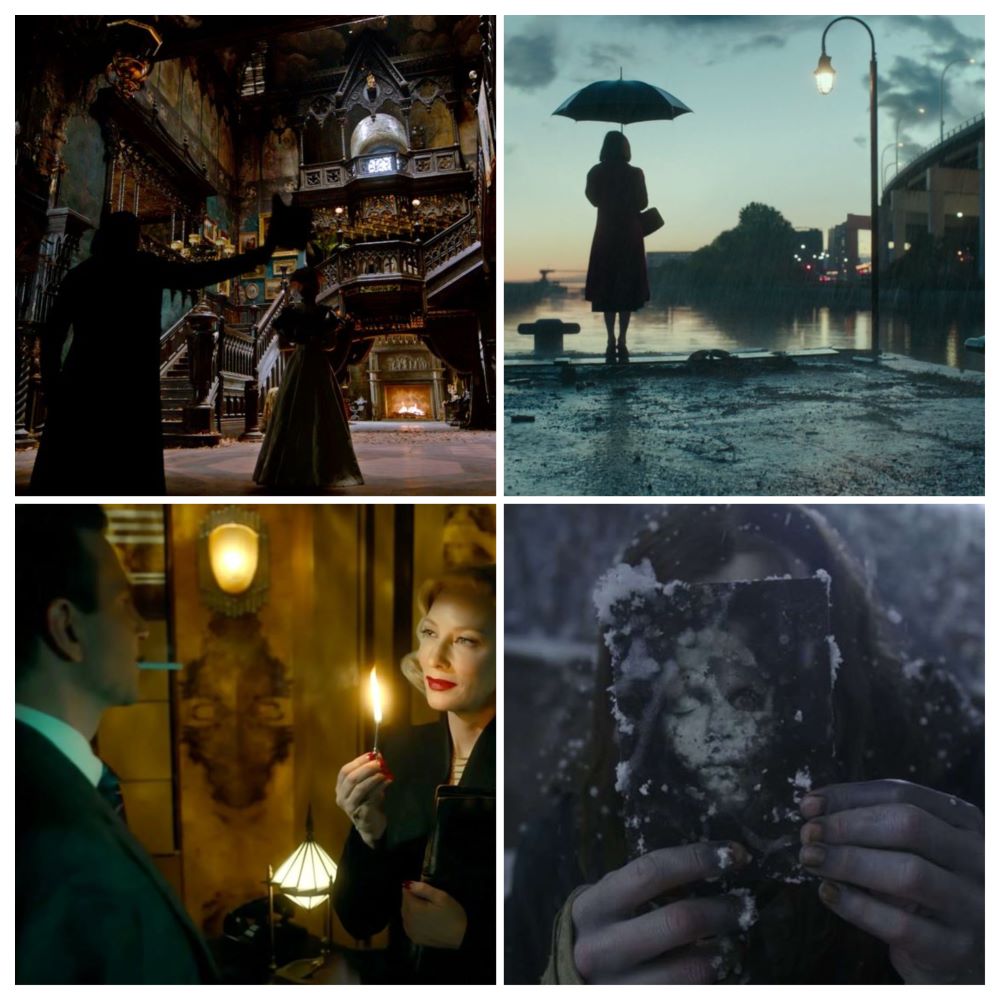
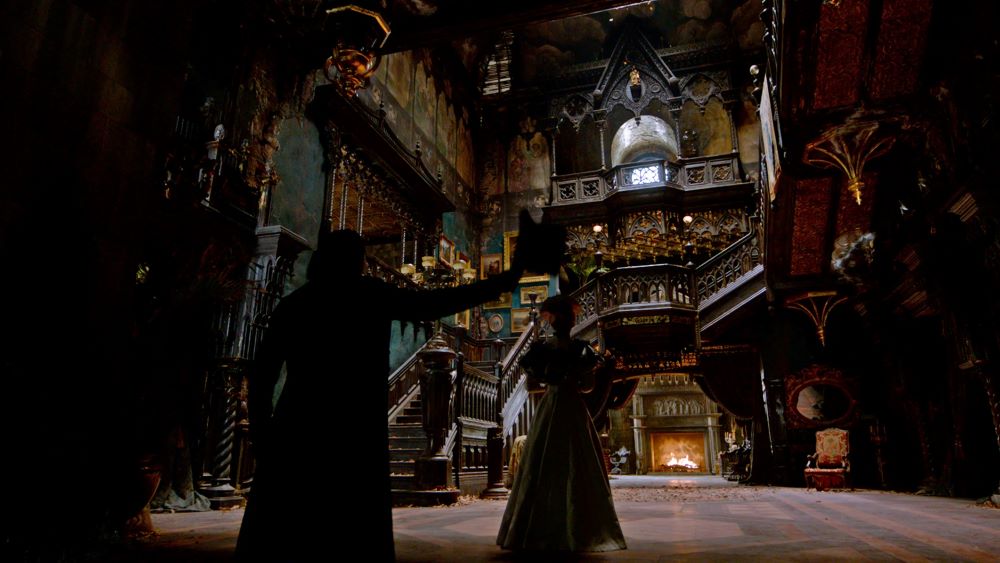
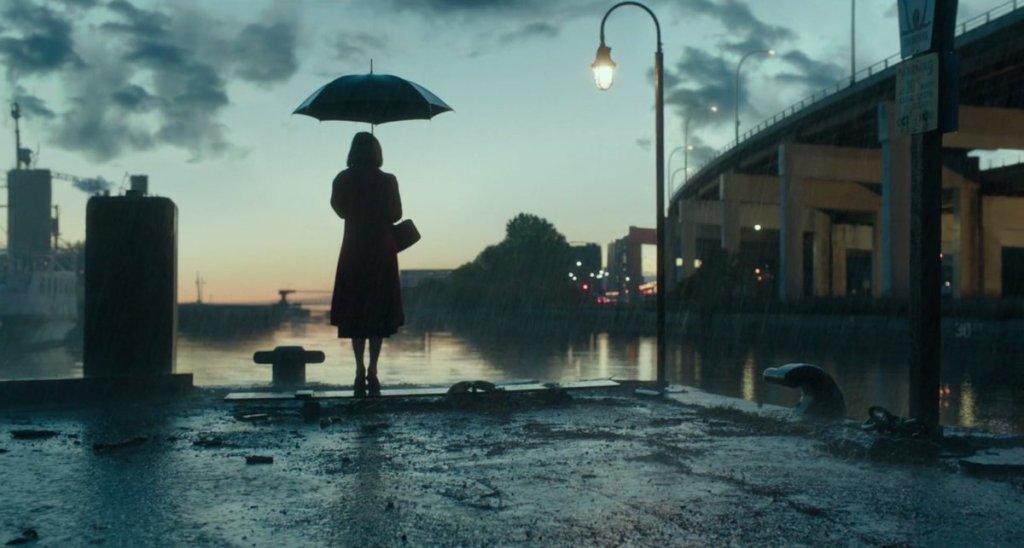
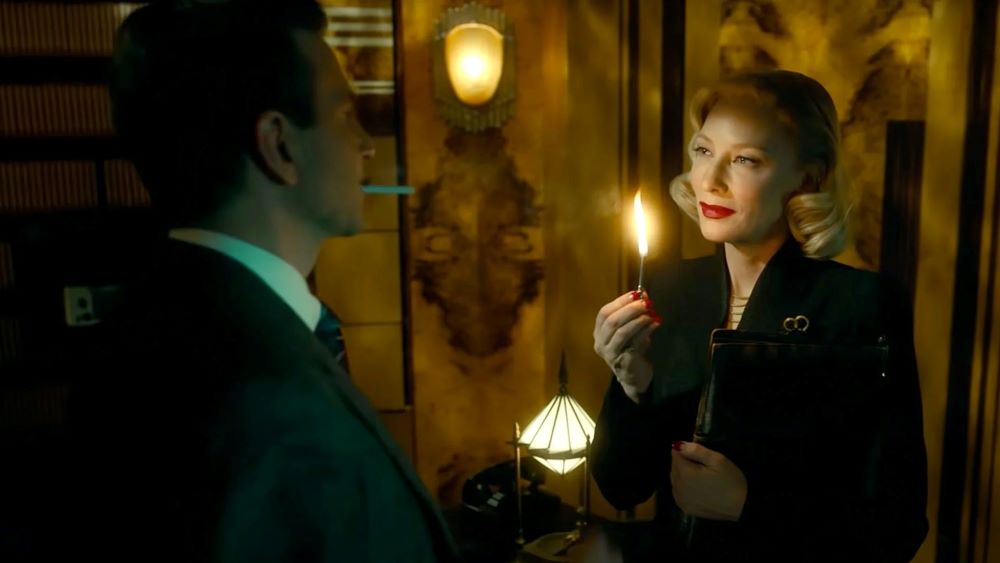
4 Shots From 4 Films is just what it says it is, 4 shots from 4 of our favorite films. As opposed to the reviews and recaps that we usually post, 4 Shots From 4 Films is all about letting the visuals do the talking.
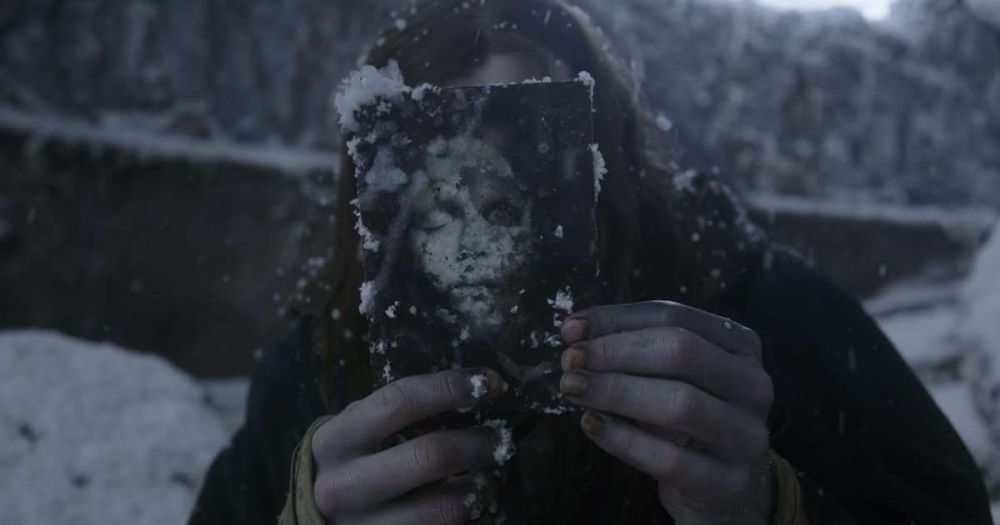
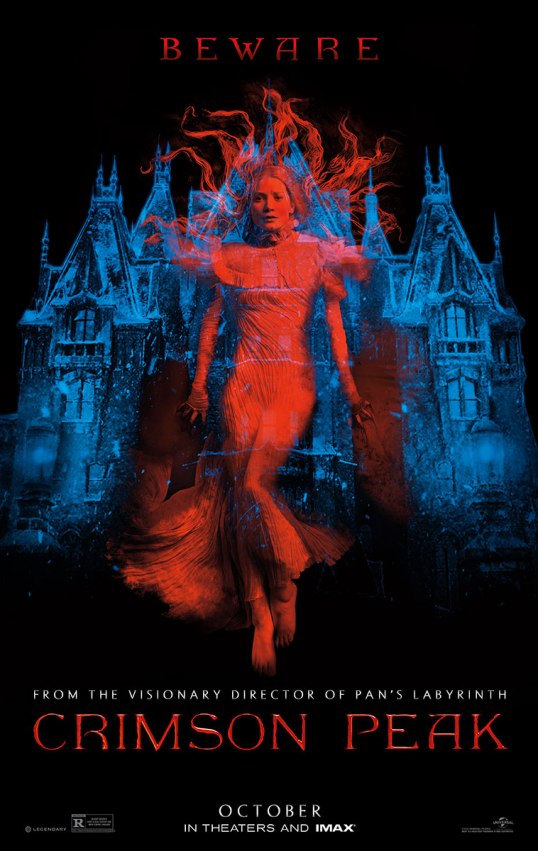
Crimson Peak (2015, dir. by Guillermo Del Toro, DP: Dan Laustsen)The Shape of Water (2017, dir. by Guillermo Del Toro, DP: Dan Laustsen)Nightmare Alley (2021, dir. by Guillermo Del Toro, DP: Dan Laustsen)Frankenstein (2025, dir. by Guillermo Del Toro, DP: Dan Laustsen)
Welcome to Late Night Retro Television Reviews, a feature where we review some of our favorite and least favorite shows of the past! On Wednesdays, I will be reviewing 1st and Ten, which aired in syndication from 1984 to 1991. The entire series is streaming on Tubi.
Victory’s yours …. for that taking….
Ugh, let’s do this.
Episode 2.5 “California Freeze Out”
(Dir by Bruce Seth Green, originally aired on September 22nd, 1986)
Training camp continues!
Oh, Good Lord, does it continue.
And look, I get it. This was a low-budget show that relied on stock footage for the majority of its game footage. There was probably only so much footage available. Not every episode could feature a game. And training camp is an important part of football and I’m sure that, back in 1986, HBO was proud of that set they built for the ugly bar where all the players hang out. It’s not a bad set. You look at it and you can literally smell the rancid combination of sweat and urine that seems to follow most male athletes.
But seriously …. I’M TIRED OF TRAINING CAMP! Its time to move on!
As for this episode …. hey, Waldren is already back from rehab and he’s clean! That was quick. However, shady quarterback Johnny Valentine continues to hang out with drug dealers and Waldren gives into temptation. He ends up at a raucous drug party that’s busted by the cops. Waldren jumps out of a window. His date is accidentally shot. You might think that Johnny Valentine would be in trouble considering how anti-drug the league has become but it turns out that Johnny is a star and busting him would effect ad revenue. So, Johnny gets off scot-free.
Meanwhile, O.J. Simpson — whoops, sorry, I meant to say T.D. Parker, don’t hurt me, Vengeful Spirit of O.J. — recruits a young player named Rick Lambert (Marcus Allen) to be the team’s new running back. Marcus Allen gave such a stiff performance that I immediately realized that he had to have been an actual player and it turns out that I was right. You can always tell the actual players because they’re the ones who can never summon up any emotion when they stumble through their lines. O.J. was the epitome of a player who became a bad actor but he came across as being …. well, not quite Olivier but maybe David Niven, while acting opposite Marcus Allen. Maybe that’s why Allen was added to the cast, to make O.J. look good.
Anyway, here’s hoping that O.J. and the rest of the Bulls slash their way out of training camp soon!


 Through the Shattered Lens