4 Or More Shots From 4 Or More Films is just what it says it is, 4 shots from 4 of our favorite films. As opposed to the reviews and recaps that we usually post, 4 Shots From 4 Films lets the visuals do the talking!
Today, we honor the birth and the legacy of the great Italian director, Sergio Corbucci! It’s time for….
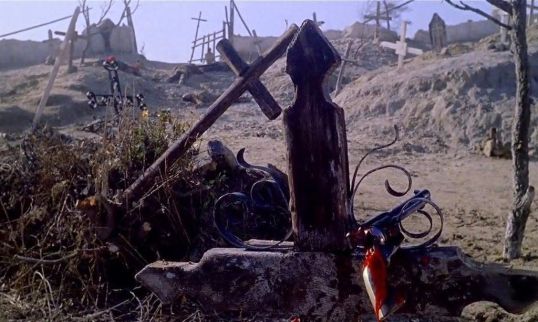
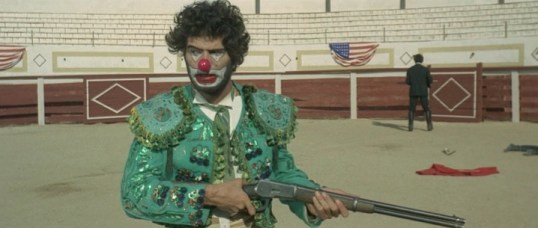
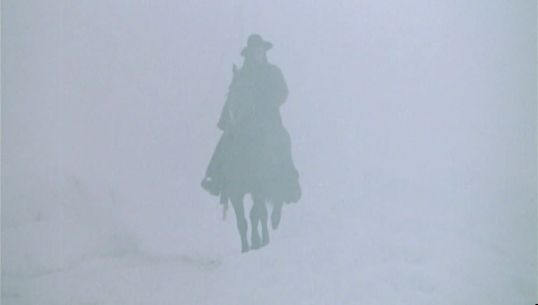
4 Shots From 4 Sergio Corbucci Films
Django (1966, dir by Sergio Corbucci, DP: Enzo Barboni)
The Hellbenders (1967, dir by Sergio Corbucci, DP: Enzo Barboni)
The Mercenary (1968, dir by Sergio Corbucci, DP: Alejandro Ulloa)
The Great Silence (1968, dir by Sergio Corbucci, DP: Silvano Ippoliti)
As some of our regular readers undoubtedly know, I am involved in a few weekly live tweets on twitter. I host #FridayNightFlix every Friday, I co-host #ScarySocial on Saturday, and I am one of the five hosts of #MondayActionMovie! Every week, we get together. We watch a movie. We tweet our way through it.
Tonight, at 9 pm et, Deanna Dawn will be hosting #ScarySocial! The movie? 2001’s Joyride!
If you want to join us this Saturday, just hop onto twitter, start the movie at 9 pm et, and use the #ScarySocial hashtag! It’s a friendly group and welcoming of newcomers so don’t be shy.
Since yesterday’s music video of the day came to us from Katharine McPhee, it only seems appropriate that today’s music video of the day should feature Taylor Hicks.
Welcome to Late Night Retro Television Reviews, a feature where we review some of our favorite and least favorite shows of the past! On Fridays, I will be reviewing Freddy’s Nightmares, a horror anthology show which ran in syndication from 1988 to 1990. The entire series can be found on Tubi!
This week’s episode is actually decent.
Episode 1.18 “The Art of Death”
(Dir by Ken Wiederhorn, originally aired on March 12th, 1989)
Jack (Carey Scott) is a talented artist and college student who has a crush on Joan (Laura Schaefer). When Joan’s jock boyfriend humiliates Jack, Jack suddenly finds himself approached by The Phantom (Judd Omen), a masked figure who claims that he can kill Jack’s enemies if Jack draws a picture of him doing it. After the jock is killed in a treadmill accident, Joan sees the picture that Jack drew and decides she doesn’t want anything to do with Jack. The Phantom suggests drawing a picture of him surprising Joan in the shower. Jack refuses, just to discover that the picture has already been drawn and the Phantom is now holding Joan prisoner in a boiler room. Jack draws a picture of the Phantom being sucked down a hole. The Phantom vanishes but …. oh no, now Jack’s wearing the mask! Jack was the Phantom all along!
As for the second story, Joan struggles to recover from the trauma. In typical Freddy’s Nightmares fashion, she has a series of hallucinations that lead to her killing her psychiatrist.
This episode actually worked! The first story was genuinely creepy. The second story was predictable but it featured a good performance from Laura Schaefer and the action moved at a decent pace. I’m going to give the majority of the credit to director Ken Wiederhorn, who previously directed one of my favorite zombie films, 1977’s Shock Waves.
This is my final Freddy’s Nightmares review for 2025. Retro Television Review is taking a break for the holidays, so I can focus on Awards Season and Christmas movies! Freddy’s Nightmares will return on January 9th.
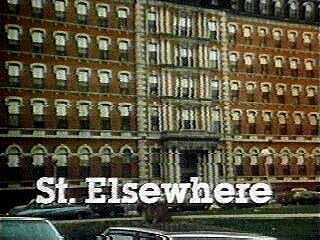
Welcome to Retro Television Reviews, a feature where we review some of our favorite and least favorite shows of the past! On Fridays, I will be reviewing St. Elsewhere, a medical show which ran on NBC from 1982 to 1988. The show can be found on Daily Motion.
This week, the nurses go on strike. Fire all of them!, I say.
Episode 3.3 “Two Balls and a Strike”
(Dir by David Anspaugh, originally aired on October 3rd, 1984)
It’s another depressing few days at St. Eligius.
When negotiations break down, all of the nurses — except for Shirley Daniels — go on strike. Led by Nurse Rosenthal, they march out of the hospital and join a picket line in the rain. Triumphant music plays on the soundtrack Rosenthal gets on her bullhorn and announces that anyone making deliveries to the hospital will be crossing the picket line and not showing solidarity with the union. Honestly, though? Screw the union. It’s a hospital! It needs supplies. There are people dying inside of that building and they’re not even going to have the dignity of clean linen because of Nurse Rosenthal and her stupid union. And another thing …. Rosenthal is the head of union at St. Eligius. So, why isn’t she marching in the rain and carrying a sign? Why does she get to stand in the doorway and shout at people? Get out there and suffer for your union, you British commie!
Obviously, the show wanted me to be inspired by Rosenthal and the union. Whenever it switched over to the picket line, triumphant music started playing. I’m with Nurse Daniels on this one, though. Daniels didn’t vote the union so why should she have to suffer in the rain? She stays on the job. “Good luck,” Rosenthal tells her, “you’ll need it.” And all I can say to that is that at least Shirley Daniels isn’t deserting the hospital’s patients.
While the nurses are on strike, Dr. Canavero is attacked by a hulking man wearing a ski mask. Canavero is able to fight him off. Westphall and everyone else at the hospital immediately assumes that the man was Peter White but Peter has an alibi. He was in radiology when Canavero was attacked. So, is there a new ski mask rapist haunting the hospital? The first ski mask rapist storyline was pretty disturbing, especially since Peter got away with it. I’m not sure I want to go through a second one.
Dr. Craig and Ellen went to couples therapy. As usual, Dr. Craig got annoyed with the whole thing. There’s really nothing more fun than watching Dr. Craig get annoyed. No one gets annoyed better than William Daniels. Still, it seemed to do Dr. Craig and Ellen some good, with Ellen making plans to go to Hawaii and Dr. Craig acknowledging that he’s not always the easiest person to deal with.
As for Dr. Westphall …. he spent most of this episode depressed. Westphall is always depressed.
This is my final St. Elsewhere review for 2025. Retro Television Review is taking a break for the holidays, so I can focus on Awards Season and Christmas movies! St. Elsewhere will return on January 9th.
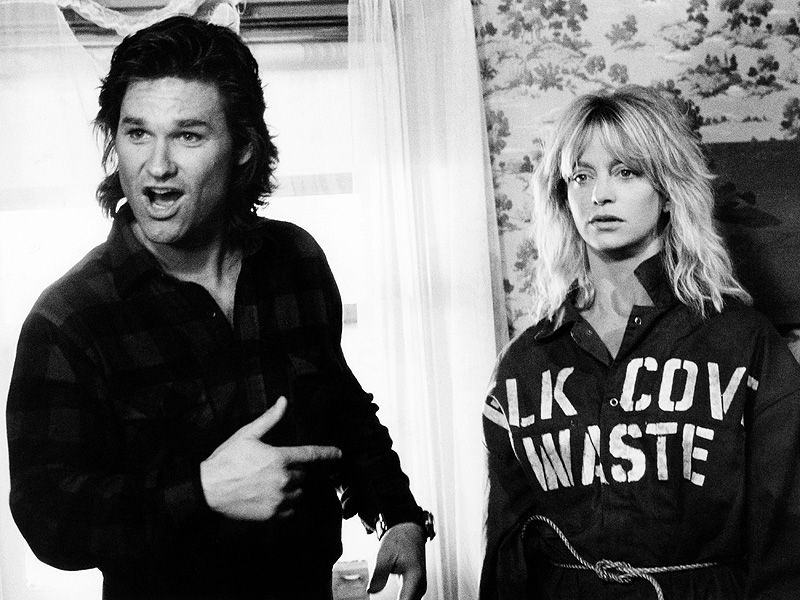
Spoiled heiress Joanna Stayton (Goldie Hawn) hires carpenter Dean Proffitt (Kurt Russell) to remodel a closet on her yacht. Unsatisfied with his work and completely unreasonable about everything, she refuses to pay him and when he presses her for the $600, she pushes him and all of his tools overboard. Needless to say, the lady’s a “bitch” (Dean’s word) and nobody can stand her, including her husband, Grant Stayton III (Edward Herrman), and their butler Andrew (Roddy McDowell). And then something interesting happens a few days later… Joanna accidentally falls off her yacht, and when she’s fished out of the ocean, she’s still difficult to deal with, but she doesn’t have a clue who she is. Unable to identity her, the hospital puts the “amnesia lady” on the news hoping someone will recognize her. Sensing a chance to get rid of the anchor around his neck, Grant Stayton III pretends he doesn’t know her and heads out of town. This is where Dean hatches up his own plot to get revenge. He heads to the hospital and through a series of happenstances and coincidences, he’s able to convince everyone, including Joanna, now dubbed as “Annie,” that she’s his wife. He takes her home with him and makes her take care of his four wild boys, cook their food, and clean his house. Dean figures she owes it to him. But wouldn’t you know it, even though “Annie” hates it at first, over time she begins to soften towards her new life, bonds with the boys, and some sparks of love start flying between her and Dean. When she unexpectedly gets her memory back, she has to decide whether to return to her life as a spoiled heiress or stay with the man and boys she’s grown to love.
I have a soft spot in my heart for OVERBOARD, because this is a movie that my mom and I both loved, and we watched it together many times in the late 80’s and early 90’s. My mom and I didn’t often have the same taste in movies, so this was kind of “our movie.” There are a couple of other notable favorites for both me and mom, and those movies are RUTHLESS PEOPLE (1986) and LETHAL WEAPON (1987). I guarantee if I called my mom right now, interrupted her Hallmark Christmas movies, and told her I was coming over with OVERBOARD, she’d say “Come on! I’ll get something together for you to eat!” That actually sounds like a pretty good idea!
Another reason I love OVERBOARD is the fact that it stars Kurt Russell. I became a big fan of Kurt Russell during my teenage years, as I was 14 when this movie came out. A couple of years earlier, Russell starred in the films THE BEST OF TIMES (1986) and BIG TROUBLE IN LITTLE CHINA (1986), and a couple of years later he would make movies like TEQUILA SUNRISE (1988), TANGO & CASH (1989), and BACKDRAFT (1991). I wanted to watch every movie that Russell was in, and all of these films are staples of my VHS years and nostalgic favorites. In OVERBOARD, Russell starts off as a gruff, grudge-holder, but as he begins to fall for “Annie,” his natural charm and likability emerge, but so does a newfound guilt for lying to her and possibly even kidnapping her. One question for the lawyers out there, is it kidnapping when her husband had a chance to claim her and chose to abandon her instead? I’m not sure if it’s a felony or not, but I’m guessing there has to be something on the law books that doesn’t jive with what happens here. Anyway, I’ll just say that it’s best not to think of these types of pesky realities when judging this fairy tale and just go along for the ride.
Along with the Russell’s fun performance, Goldie Hawn is so perfect as the horrifically spoiled snob of an heiress who transforms into a caring substitute mother and the woman of Dean’s dreams. I know she’s great in the movie, because I can’t stand her at the beginning, but I find myself falling for her too as the movie progresses. I would not really call myself a fan of Goldie Hawn, because I haven’t spent much of my life revisiting her films, but I love her here. A couple in real life, the natural chemistry between Russell and Hawn sparkles as they fall in love on screen and only the most cold-hearted cynic isn’t pulling for them to live happily ever after as the movie closes in on its ending. As far as the supporting cast, Edward Herrmann, Katherine Helmond, Mike Hagerty, and Roddy McDowall all have good moments sprinkled throughout the film.
I do have one complaint about OVERBOARD, and that’s the “Wonders of the World Miniature Golf Course,” which is the dream business of Dean and his best friend Bad Billy Pratt (Mike Hagerty). As someone who grew up in the 70’s and 80’s playing miniature golf on the courses in Branson, MO, I would never want to play their course. Its design appears over-the-top and cheesy to me, the type of course where the scores on the holes would be determined as much by luck as by skill, which is something I find offensive. However, just like the potential kidnapping storyline, I’ve had to let my disdain for the quality of the course design go as well so I could enjoy that section of the film. I will admit this one is harder for me personally, and I still struggle with it.
Overall, OVERBOARD is not high art, and its premise is about as silly as it gets, but through a magical combination of personal 1980’s nostalgia, an appreciation for the chemistry of its stars, and a complete willingness to suspend my disbelief as we head towards an irresistibly happy ending, I still love this film. I watch it just about every year, especially if I need a pick me up as I hammer away at tax returns!
“Truth is whatever I say it is. You can scream innocence all you want, but in my world, your words are just noise.” — An Yo-han
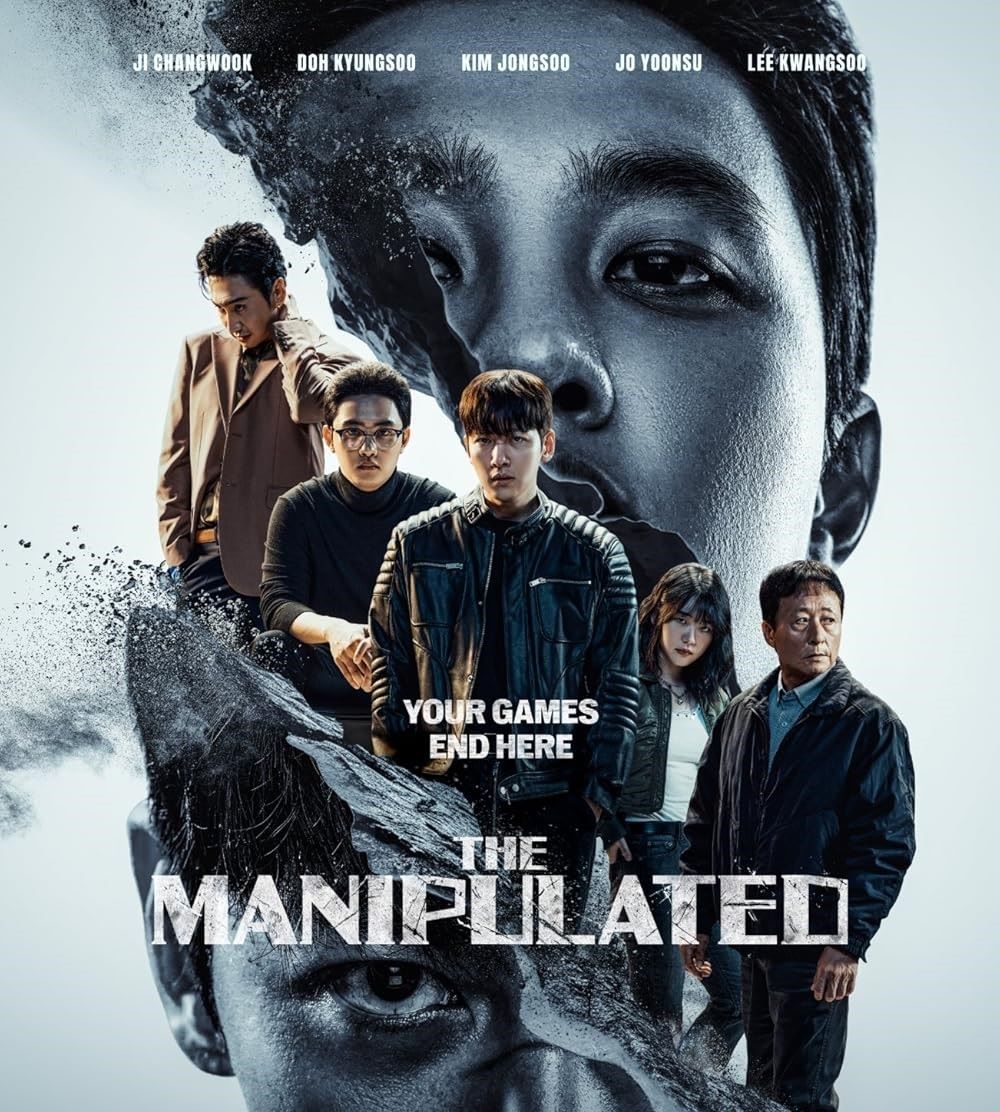
The Manipulated is a Korean revenge thriller that successfully combines familiar genre elements with a fresh sense of intensity and emotional depth, making it a standout in the crowded field of dark legal dramas. The series centers on Park Tae-jung (played by Ji Chang-wook), a seemingly ordinary delivery driver whose life is shattered when he is wrongfully accused and framed for a horrific crime. Overnight, he transitions from a hardworking, everyday man to a desperate prisoner, and eventually, to a determined figure plotting revenge against those who manipulated his fate—most notably, the cold, calculating antagonist An Yo-han (Do Kyung-soo). The show delivers a layered narrative that explores not just personal vengeance but the broader ramifications of power, control, and corruption within societal institutions.
The heart of the story revolves around the idea of manipulation itself—who pulls the strings, who is controlled, and what lengths are necessary to reclaim agency when everything has been taken away. Tae-jung is depicted as a relatable character: a caring older brother, a man running a humble flower café, and someone leading an ordinary life with steady relationships. The show effectively uses this normalcy to heighten the emotional impact when his world falls apart. The transformation from this everyday existence to being cast into the brutal prison environment is stark and compelling. It’s not subtle, but this unrelenting descent works well to justify the fierce anger and resolve that Tae-jung ultimately channels toward his quest for justice. For viewers who appreciate stories where an underdog is pushed to their limits and beyond, this setup resonates and provides an accessible entry point.
The series’ portrayal of prison life is integral to its gripping atmosphere. Tae-jung’s time behind bars is fraught with constant threats, both physical and psychological. The squalid environment where gang hierarchies dominate adds a layer of tension and realism. The prison gang leader, Deok-su, represents the harsh realities of this closed world, embodying a constant source of danger and oppression for Tae-jung. This portrayal forces the protagonist to quickly learn the unspoken rules of survival. Alongside the violence, the show introduces layered secondary characters such as Kim Sang-rak, Tae-jung’s public defender, and volunteer No Yong-sik, which deepens the emotional dimension of the story. These figures help flesh out the narrative, showing the human cost behind the legal system’s failures and the recurring motif of false accusations beyond just the main plotline.
What sets The Manipulated apart is the growing psychological duel between Tae-jung and the enigmatic antagonist An Yo-han. The series takes its time introducing Yo-han—creating an anticipation that pays off as the character’s cold, detached cruelty reveals itself. Do Kyung-soo brings a chilling, almost theatrical presence to the role, portraying Yo-han as masterful in manipulation and strategic cruelty. His actions throughout the series reflect a bored yet brutal puppeteer’s mindset, someone who views others’ lives as mere pawns in a twisted game. This stark contrast with Tae-jung’s raw, increasingly calculated rage adds a heavy psychological layer to the narrative, enriching what might otherwise have been a more straightforward revenge story.
The Manipulated manages pacing impressively well. The tension is maintained through effective plot twists and steadily unfolding backstory without excessive filler or drawn-out sequences. While some plot elements do follow recognizable thriller tropes—such as coincidental rescues or dramatic last-minute revelations—the show executes them with enough style and emotional weight to prevent these from feeling clichéd. Instead, the narrative leans into moral ambiguity rather than offering a simplistic “hero gets revenge” conclusion. This adds complexity and invites viewers to question the true cost of revenge and justice in a corrupt system.
Visually and technically, the series is polished and cohesive. The direction uses tight framing and muted colors to underscore the claustrophobia and hopelessness Tae-jung experiences, both inside prison walls and within the wider society controlled by manipulative elites. Cinematography favors shadows and long corridor shots, mirroring the themes of entrapment and surveillance woven through the plot. The editing is sharp and intelligent, with effective use of flashbacks and visual clues to assist storytelling without losing narrative momentum. Complementing this is a subtle but atmospheric sound design, featuring a restrained score that amplifies suspense without overstepping into melodrama. Additionally, the quiet moments stripped of music—such as tense interrogations or confrontations—allow the powerful performances to carry emotional weight.
As the series progresses, it becomes clear that The Manipulated attempts to comment on deeper societal issues. It highlights the fragility of truth and the ways in which legal and political institutions can be systematically weaponized to protect the powerful while crushing the vulnerable. The manipulation extends beyond a single framed protagonist to suggest a broader pattern of societal decay and complicity. However, compared to a show like Squid Game, which powerfully and provocatively portrayed the rich and powerful as architecting deadly games to maintain control and stay above the law, The Manipulated’s treatment of these issues feels less nuanced and less impactful. Squid Game uses vivid symbolism, sharp social critique, and a global cultural resonance to expose how elites manipulate systems to preserve their power, whereas The Manipulated deals with similar themes in a more subdued and conventional manner, making its social commentary less striking and memorable.
However, the show is not without its flaws. Despite solid performances and sharp writing for the lead characters, some secondary roles feel underdeveloped. The wider cast representing institutional forces and corrupt entities often serve more as plot devices than fully realized individuals. A deeper exploration of these characters’ motivations would have enriched the story’s critique of systemic injustice and added emotional heft. Additionally, certain plot coincidences and rapid character shifts—while not uncommon in the genre—sometimes strain credibility, potentially pulling viewers out of the experience. These issues are minor but noticeable, especially in a series that otherwise invests heavily in creating a believable psychological and social landscape.
The completed season also confirms the show’s willingness to embrace a darker tone, with unflinching depictions of violence, mental torment, and systemic abuse. This brutal realism distinguishes The Manipulated from softer or more melodramatic legal dramas, catering to viewers who appreciate gritty and hard-edged storytelling. At the same time, this can be emotionally demanding, with some sequences feeling excessively harsh, particularly when multiple intense scenes are stacked together without relief. This makes the series less accessible for viewers sensitive to graphic content or those preferring more hopeful narratives.
The performances of Ji Chang-wook and Do Kyung-soo are central to the show’s success. Ji brings charisma and intense emotional range to Tae-jung, portraying his shift from vulnerable victim to ruthlessly driven avenger with nuance and depth. His portrayal steers clear of caricature, allowing audiences to empathize with Tae-jung’s pain and determination. Do Kyung-soo’s portrayal of Yo-han is equally compelling, embodying the detached menace and intricate mind games of a master manipulator. Their dynamic elevates the series, creating a tense, compelling interplay that holds viewers’ attention even through moments anchored in procedural details or legal maneuvering.
The Manipulated is a strong addition to the landscape of Korean crime thrillers, marked by solid performances, sharp production, and a thematically rich narrative. It successfully balances the emotional core of its protagonist’s journey with a wider critique of institutional corruption and manipulation, providing more than just surface thrills. While it plays safely within the revenge thriller template and occasionally leans on genre conventions, it executes these elements with enough skill and emotional intelligence to maintain engagement across its full season. However, while it raises potent societal questions, its critique of how the rich and powerful manipulate the world around them to stay above the law is less impactful and vivid than the powerful, globally resonant portrayal found in Squid Game. Fans of dark, intense psychological dramas with complex characters will find much to appreciate here. Be prepared for a brutal, sometimes exhausting ride into the gritty realities of power and vengeance—but one that delivers a satisfying and thought-provoking experience in return. This series is highly recommended for those who enjoy charged atmospheres, moral ambiguity, and slow-burning tension wrapped in polished storytelling.
Here are the 2025 nominations of the Seattle Film Critics Society!
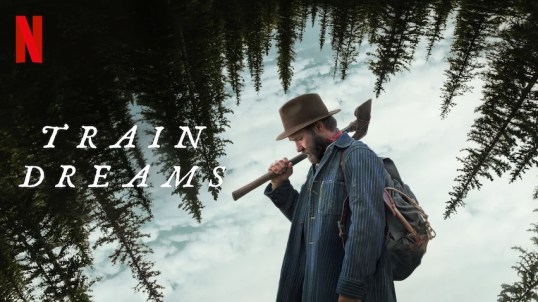
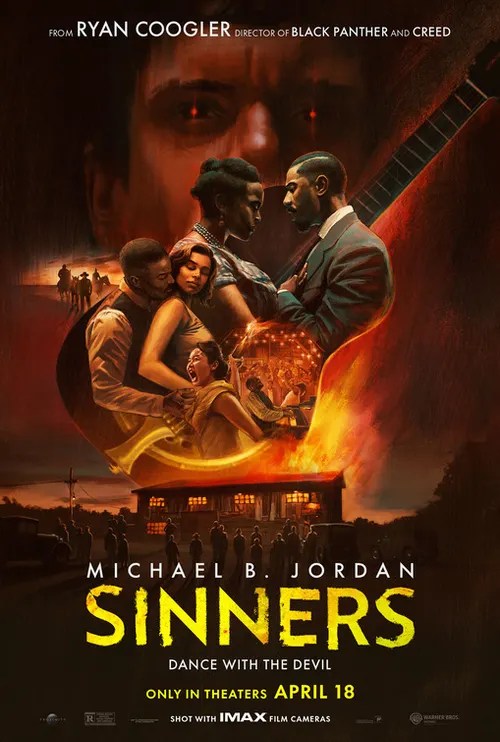
BEST PICTURE Bugonia – Yorgos Lanthimos Hamnet – Chloé Zhao It Was Just an Accident – Jafar Panahi Marty Supreme – Josh Safdie One Battle After Another – Paul Thomas Anderson Sentimental Value – Joachim Trier Sinners – Ryan Coogler Sorry, Baby – Eva Victor Train Dreams – Clint Bentley Weapons – Zach Cregger
BEST DIRECTOR Hamnet – Chloé Zhao Marty Supreme – Josh Safdie One Battle After Another – Paul Thomas Anderson Sinners – Ryan Coogler Train Dreams – Clint Bentley
BEST ACTOR IN A LEADING ROLE Timothée Chalamet – Marty Supreme Leonardo DiCaprio – One Battle After Another Joel Edgerton – Train Dreams Ethan Hawke – Blue Moon Michael B. Jordan – Sinners
BEST ACTRESS IN A LEADING ROLE Jessie Buckley – Hamnet Rose Byrne – If I Had Legs I’d Kick You Amanda Seyfried – The Testament of Ann Lee Emma Stone – Bugonia Eva Victor – Sorry, Baby
BEST ACTOR IN A SUPPORTING ROLE Benicio del Toro – One Battle After Another Jacob Elordi – Frankenstein David Jonsson – The Long Walk William H. Macy – Train Dreams Sean Penn – One Battle After Another
BEST ACTRESS IN A SUPPORTING ROLE Ariana Grande – Wicked: For Good Inga Ibsdotter Lilleaas – Sentimental Value Amy Madigan – Weapons Wunmi Mosaku – Sinners Teyana Taylor – One Battle After Another
BEST ENSEMBLE CAST Eephus – Carson Lund Marty Supreme – Jennifer Venditti One Battle After Another – Cassandra Kulukundis Sinners – Francine Maisler Wake Up Dead Man: A Knives Out Story – Bret Howe, Mary Vernieu
BEST YOUTH PERFORMANCE Cary Christopher – Weapons Shannon Gorman – Rental Family Jacobi Jupe – Hamnet Jasper Thompson – The Mastermind Alfie Williams – 28 Years Later
BEST SCREENPLAY Marty Supreme – Ronald Bronstein, Josh Safdie One Battle After Another – Paul Thomas Anderson Sinners – Ryan Coogler Sorry, Baby – Eva Victor Train Dreams – Clint Bentley, Greg Kwedar
BEST ANIMATED FILM Arco – Ugo Bienvenu The Colors Within – Naoko Yamada KPop Demon Hunters – Maggie Kang, Chris Appelhans Little Amélie or the Character of Rain – Maïlys Vallade, Liane-Cho Han Zootopia 2 – Jared Bush, Byron Howard
BEST DOCUMENTARY FILM The Alabama Solution – Andrew Jarecki, Charlotte Kaufman Come See Me in the Good Light – Ryan White Pavements – Alex Ross Perry The Perfect Neighbor – Geeta Gandbhir WTO/99 – Ian Bell
BEST INTERNATIONAL FILM It Was Just an Accident – Jafar Panahi No Other Choice – Park Chan-wook The Secret Agent – Kleber Mendonça Filho Sentimental Value – Joachim Trier The Ugly Stepsister – Emilie Blichfeldt
BEST PACIFIC NORTHWEST FEATURE FILM Not One Drop of Blood – Jackson Devereux, Lachlan Hinton To Kill a Wolf – Kelsey Taylor Train Dreams – Clint Bentley Twinless – James Sweeney Wolf Land (Director’s Cut) – Sarah Hoffman WTO/99 – Ian Bell
BEST PACIFIC NORTHWEST SHORT FILM Charlotte, 1994 – Brian Pittala A Fateful Weekend – Tony Doupe Shelly’s Leg – Wes Hurley Songs of Black Folk – Justin Emeka, Haley Watson Style: A Seattle Basketball Story – Bryan Tucker
BEST CINEMATOGRAPHY Frankenstein – Dan Laustsen Hamnet – Łukasz Żal One Battle After Another – Michael Bauman Sinners – Autumn Durald Arkapaw Train Dreams – Adolpho Veloso
BEST COSTUME DESIGN Frankenstein – Kate Hawley The Phoenician Scheme – Milena Canonero Sinners – Ruth E. Carter Train Dreams – Malgosia Turzanska Wicked: For Good – Paul Tazewell
BEST FILM EDITING F1 The Movie – Stephen Mirrione, Patrick J. Smith Marty Supreme – Ronald Bronstein, Josh Safdie One Battle After Another – Andy Jurgensen Reflection in a Dead Diamond – Bernard Beets Sinners – Michael P. Shawver
BEST ORIGINAL SCORE F1 The Movie – Hans Zimmer Frankenstein – Alexandre Desplat One Battle After Another – Jonny Greenwood Sinners – Ludwig Göransson Tron: Ares – Nine Inch Nails
BEST PRODUCTION DESIGN Fantastic Four: First Steps – Kasra Farahani (Production Design); Jille Azis (Set Decoration) Frankenstein – Tamara Deverell (Production Design); Shane Vieau (Set Decoration) The Phoenician Scheme – Adam Stockhausen (Production Design); Anna Pinnock (Set Decoration) Resurrection – Liu Qiang, Tu Nan Sinners – Hannah Beachler (Production Design); Monique Champagne (Set Decoration)
BEST ACTION CHOREOGRAPHY Avatar: Fire and Ash – Garrett Warren, Steve Brown, Stuart Thorp From the World of John Wick: Ballerina – Stephen Dunlevy, Jackson Spindell Mission: Impossible – The Final Reckoning – Wade Eastwood Predator: Badlands – Jacob Tomuri Sinners – Andy Gill
BEST VISUAL EFFECTS Avatar: Fire and Ash – Joe Letteri, Richard Baneham, Eric Saindon, Daniel Barrett F1 The Movie – Ryan Tudhope, Nicolas Chevallier, Robert Harrington Frankenstein – Dennis Berardi, Ayo Burgess, Ivan Busquets, José Granell Predator: Badlands – Olivier Dumont, Alec Gillis, Sheldon Stopsack, Karl Rapley Sinners – Michael Ralla, Espen Nordahl, Guido Wolter, Donnie Dean
VILLAIN OF THE YEAR Aunt Gladys – Weapons (as portrayed by Amy Madigan) Col. Steven J. Lockjaw – One Battle After Another (as portrayed by Sean Penn) Laura – Bring Her Back (as portrayed by Sally Hawkins) Lex Luthor – Superman (as portrayed by Nicholas Hoult) Remmick – Sinners (as portrayed by Jack O’Connell)
The 2025 nominations of the Michigan Movie Critics Guild were announced on Friday. And here they are:
Best Picture Frankenstein Hamnet Marty Supreme One Battle After Another Sinners
Best Director Paul Thomas Anderson – One Battle After Another Ryan Coogler – Sinners Guillermo del Toro – Frankenstein Josh Safdie – Marty Supreme Chloé Zhao – Hamnet
Best Actor Timothée Chalamet – Marty Supreme Joel Edgerton – Train Dreams Leonardo DiCaprio – One Battle After Another Brendan Fraser – Rental Family Michael B. Jordan – Sinners
Best Actress Rose Byrne – If I Had Legs I’d Kick You Chase Infiniti – One Battle After Another Cynthia Erivo – Wicked: For Good Jessie Buckley – Hamnet Emma Stone – Bugonia
Best Supporting Actor Miles Caton – Sinners Jacob Elordi – Frankenstein Benicio del Toro – One Battle After Another Paul Mescal – Hamnet Sean Penn – One Battle After Another
Best Supporting Actress Ariana Grande – Wicked: For Good Inga Ibsdotter Lilleaas – Sentimental Value Wunmi Mosaku – Sinners Hailee Steinfeld – Sinners Teyana Taylor – One Battle After Another
Best Animated Film Arco Dog Man K-Pop Demon Hunters Little Amélie or the Character of Rain Zootopia 2
Best Documentary Orwell: 2+2=5 Pee-Wee as Himself Put Your Soul on Your Hand and Walk The Perfect Neighbor The Tale of Silyan
Best Ensemble Avatar: Fire And Ash Marty Supreme One Battle After Another Sinners Wake Up Dead Man Wicked: For Good
Best Screenplay Hamnet
Marty Supreme One Battle After Another Sorry, Baby Sinners
Best Cinematography Avatar: Fire And Ash Frankenstein One Battle After Another Sinners Train Dreams
Breakthrough Miles Caton – (Actor) Sinners Chase Infiniti – (Actress) One Battle After Another Jacob Elordi – (Actor) Frankenstein Jacobi Jupe – (Actor) Hamnet Eva Victor – (Writer, Director, Actor) Sorry, Baby
Best Stunts Avatar: Fire And Ash Ballerina Mission: Impossible – The Final Reckoning Nobody 2 One Battle After Another
The MMCG Award for Film Excellence Paul Feig – (Director) The Housemaid / Another Simple Favor Judy Greer – (Actress) The Long Walk Paul Walter Hauser – (Actor) The Naked Gun / Fantastic Four: First Steps Tim Robinson – (Actor/Writer) Friendship J.K. Simmons – (Actor) The Accountant 2


 Through the Shattered Lens