From 1954’s On The Waterfront, here’s the scene that won Marlon Brando his first Oscar.
Today’s scene that I love comes from a 1968 episode of the iconic cop show, Dragnet. A group of hippies want to leave the United States and start their own country. Joe Friday (Jack Webb) and Bill Gannon (Harry Morgan) set them straight!
It’s always kind of easy to laugh a little at these episodes of Dragnet because it’s obvious that Webb had never actually met or dealt with any real hippies. But I don’t know. This episode, entitled The Big Departure, and this speech still feels relevant, even if I doubt it actually changed the mind of anyone planning on starting their own nation.
In today’s scene that I love, two icons of cinematic cool meet in 1968’s Hell In The Pacific.
In this scene, Lee Marvin comes across Toshiro Mifune on the island on which they have both crashed. There’s not much dialogue in this scene but, when you’ve got two actors like Marvin and Mifune, there doesn’t need to be much dialogue.

If a person has co-starred in a movie with Charles Bronson or Chow Yun-fat, I’m a fan of theirs for life. Back in 2003, the lovely Victoria Smurfit played a villain in Chow’s BULLETPROOF MONK. To celebrate her birthday, I’m sharing this fight scene from the film, also featuring Jaime King. Enjoy!
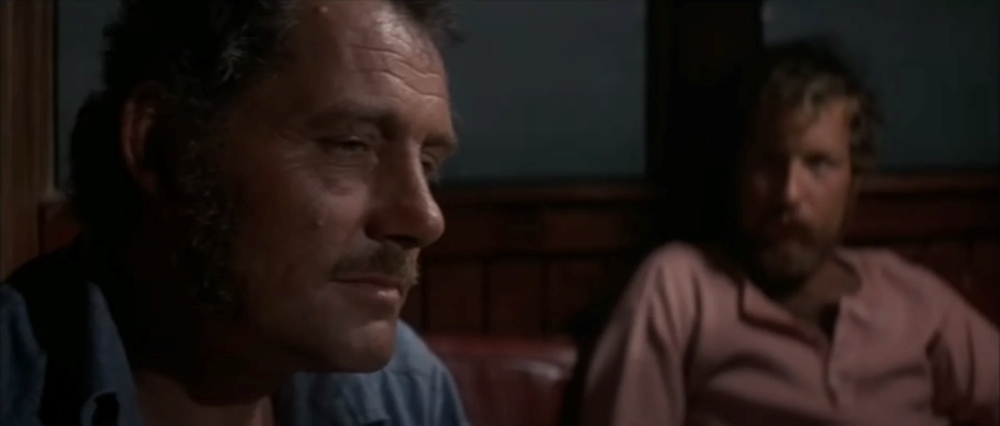
“You know the thing about a shark, he’s got…lifeless eyes, black eyes, like a doll’s eye. When he comes at ya, doesn’t seem to be livin’. Until he bites ya and those black eyes roll over white.” — Quint
People have blamed Spielberg and his breakout film, Jaws, as the cause of the blockbuster mentality that studios have had since this film came out. Studios and producers wanted to recreate the ultra-successful box-office numbers of Jaws. Despite the fact that this film was modestly budgeted, people nowadays who think they’re film experts point to it as the culprit. They’ve called it the film that begun the dumbing down of Hollywood when creativity was sacrificed for profit.
Why did I pick a scene from this film as a favorite? I picked this particular scene because it’s one reason why the film succeeded and made people come back again and again. It’s a scene that perfectly captures one reason why we love to see films in a communal setting. We want to share the same experience and emotions this scene brought up from the pit of each audience’s psyche.
Jaws didn’t ruin the creativity in filmmaking. I like to think that this one film was a filmmaker at his most creativie (shark wouldn’t work properly so Spielberg kept it off-screen which just added to the terror and tension in the film). This very scene goes down as one of the greatest film monologues. It sets up the danger the trio faces with some anecdotal evidence from the very person who survived the experience, but who might have become unhinged because of it. I love the look of frozen terror on the face of Richard Dryefuss’ character as he listens to Robert Shaw tell the story of the ill-fated journey of the U.S.S. Indianapolis.
This latest “Scenes I Love” is why I consider Spielberg one of the best filmmaker of his generation and probably beyond that.
Today, we wish a happy birthday to actor, director, and producer Warren Beatty!
This wonderfully-acted scene that I love comes from Beatty’s 1978 film, Heaven Can Wait. In this scene Warren Beatty plays a character who attempts to convince his friend (Jack Warden) that he has come back from the dead and is inhabiting the body of an old millionaire. (Watch the film, it makes sense.) James Mason plays the erudite angel that only Beatty can see.
When I was a kid, I loved the “Trinity” movies starring Terence Hill and Bud Spencer. They were as funny as it got as far as a junior high Bradley was concerned. I’m 51 now and I still love the Trinity movies. I’m going to celebrate Hill’s 86th birthday by watching my DVD of THEY CALL ME TRINITY (1970) again tonight! Happy Birthday, Terence!
Today, the Shattered Lens wishes a happy birthday to Italian film star, Terence Hill!
This scene that I love comes from 1973’s My Name Is Nobody. It features Terence teaching a cocky gunslinger a thing or two about how to win a slap fight.
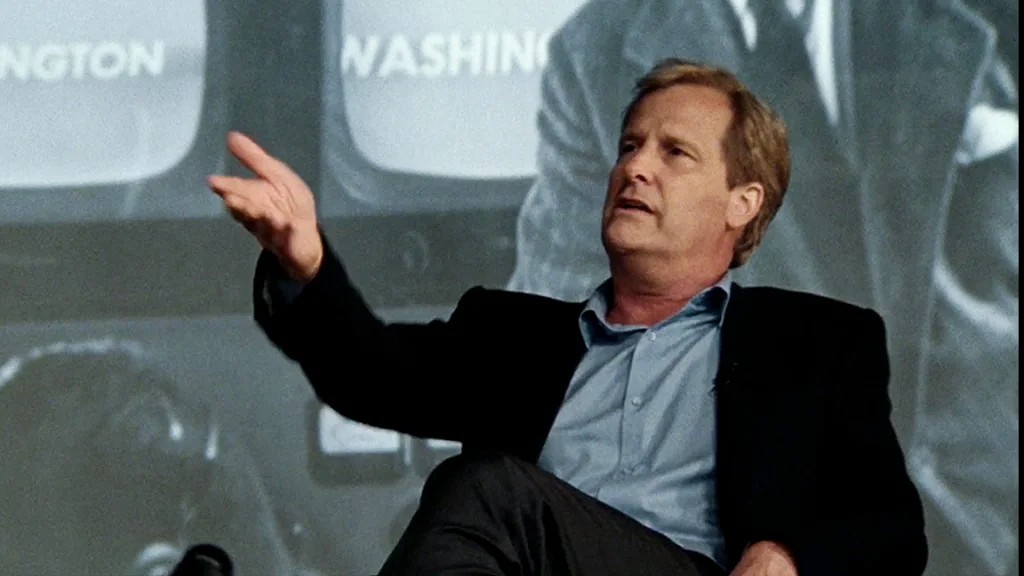
No matter what side of the ideological aisle one stands on this speech should be watched, debated and studied not just for the powerhouse acting throughout the monologue but as to its content.
There’s opinions and discussion to be had about differing takes on the first half of the speech, but it’s the latter half when Will McAvoy (played with an equal amount of life-earned cynicism and hope by Jeff Daniels) explains why we as a country has lost its way and how we’ll never get back on track until we realize there is a problem and a problem to be solved not through hate and fear but through understanding and hope.
“We sure used to be. We stood up for what was right! We fought for moral reasons, we passed and struck down laws for moral reasons. We waged wars on poverty, not poor people. We sacrificed, we cared about our neighbors, we put our money where our mouths were, and we never beat our chest. We built great big things, made ungodly technological advances, explored the universe, cured diseases, and cultivated the world’s greatest artists and the world’s greatest economy. We reached for the stars, and we acted like men. We aspired to intelligence; we didn’t belittle it; it didn’t make us feel inferior. We didn’t identify ourselves by who we voted for in the last election, and we didn’t scare so easy.
And we were able to be all these things and do all these things because we were informed. By great men, men who were revered. The first step in solving any problem is recognizing there is one—America is not the greatest country in the world anymore.”
I’m sure there’ll be those who will disagree vehemently about the scene’s message and content. Yet, no one seem to be able to find a strong argument as to why they disagree or debunk what was said in the monologue.
The decade since Newsroom aired it’s final episode we see more and more the truth in Will McAvoy’s words and it may take a decade or decades to right the ship.
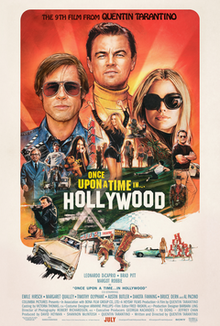
With today being Quentin Tarantino’s birthday, I almost feel like I have no choice but to pick this scene from the explosive finale of Once Upon A Time In Hollywood as my scene that I love for the day.
When this film, there was a lot of controversy by Rick Dalton (Leonardo DiCaprio) using a flame thrower to set a hippie on fire in his swimming pool. Never mind that the hippie in question (played by future Oscar-winner Mikey Madison) was specifically in Rick’s bungalow to try to kill him. On twitter, there were cries about how this scene proved that Tarantino misogynist. On TV Tropes, someone actually wrote, “You have to feel a little sorry for the hippie at the end….”
No, actually, you don’t have to feel sorry for her in the least. In this scene, Madison is playing Susan Atkins, a.k.a. Sadie Mae Glutz. In real life, Susan Atkins was the most enthusiastic of Charles Manson’s band of hippie killers. She was the one who personally stabbed Sharon Tate to death while Sharon, 8 and a half months pregnant at the time, begged for the life of her baby. I won’t quote what Atkins said to Sharon while killing her but you can find it in any of the books written about the case. How do we know what Atkins said? Because she bragged about it in prison. She didn’t show a shred of remorse until after she realized she was going to spend the rest of her life in prison, which is when she suddenly decided she was born again and started claiming she was brainwashed. In real life, Sharon Tate, only 26 years old, died in 1969. Susan Atkins lived to be 61, saved just because the Supreme Court temporarily suspended the death penalty in the 70s.
So, as far as I’m concerned, turn those flames up, Rick. In Tarantino’s world, Sharon lived and had her baby. If the choice is between Tarantino’s alternate reality or the world in which Atkins spent 40 years having her food and housing paid for by the same California taxpayers that she wanted to kill, I know which one I’m going with.
 Through the Shattered Lens