Today, the Shattered Lens wishes a happy birthday to the greatest of all DJs, Tiesto!
Enjoy!
Today, the Shattered Lens wishes a happy birthday to the greatest of all DJs, Tiesto!
Enjoy!
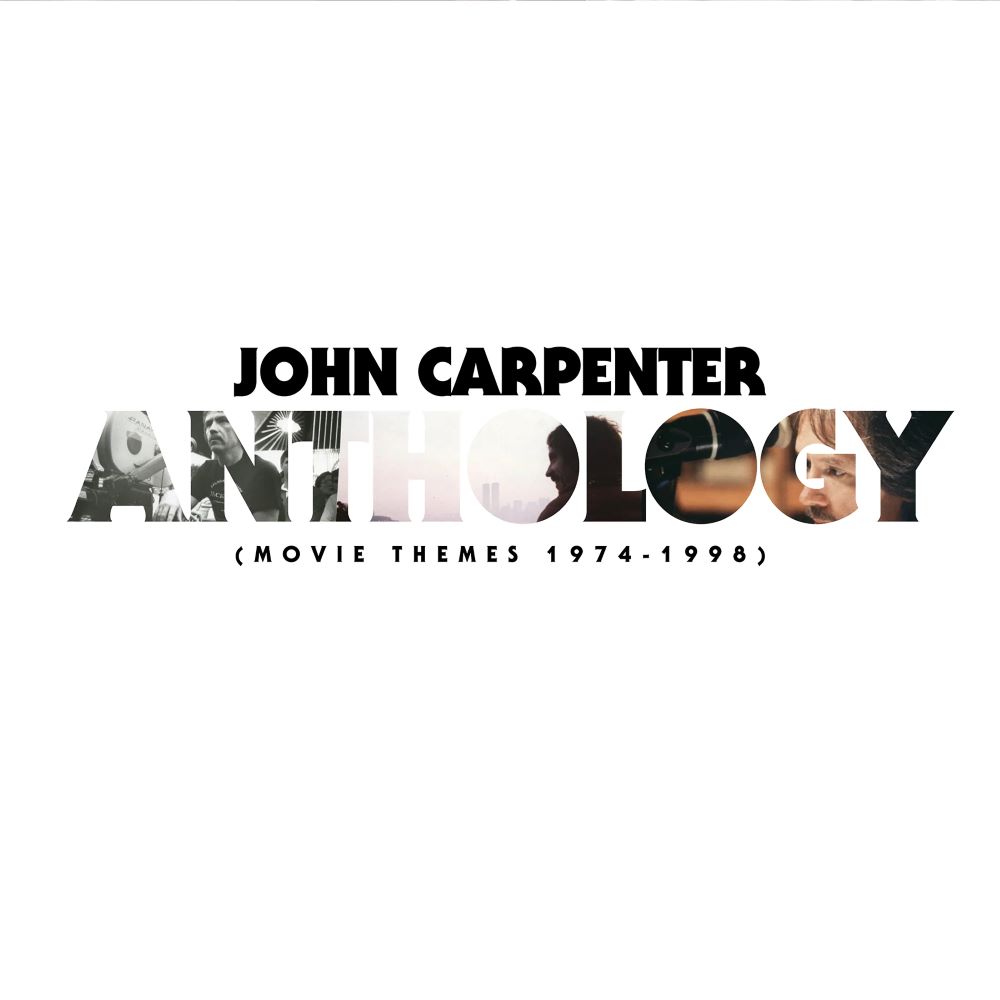
John Carpenter’s Anthology: Movie Themes 1974-1998 is an absolute gem of a compilation, breathing new life into 13 of his most unforgettable film themes with a killer mix of synth menace and live-band muscle that feels both nostalgic and freshly electrifying. Released in 2017 on the indie powerhouse Sacred Bones Records, this project pulls straight from Carpenter’s golden era of directing, spanning the lo-fi space oddities of Dark Star in 1974 all the way to the blood-soaked Western vibes of Vampires in 1998. Here, the master himself teams up with his son Cody Carpenter handling keyboards and his godson Daniel Davies ripping on guitar, delivering rerecorded versions that aren’t just facsimiles of the originals but revitalized beasts with modern production muscle. Clocking in at a tight 42 minutes, the album strikes that sweet spot between crystalline clarity and the warm, gritty analog fuzz of vintage synths, making it an essential spin for horror fans, synthwave enthusiasts, or anyone craving pure cinematic chills without firing up the projector. It’s the kind of record that turns your living room into a foggy, neon-lit nightmare factory, proving Carpenter’s scores were never mere background noise—they’re standalone monsters.
Right out of the gate, the album spotlights three absolute titans as its major standouts: the themes from The Thing, Halloween, and Escape from New York. These aren’t just tracks; they’re the sonic DNA of horror and sci-fi tension, retooled here to hit even harder with the benefit of hindsight and better gear. Take the Halloween theme—it’s the undisputed king of the collection, that iconic, haunting piano riff slicing through stabbing synth accents and a relentless, mechanical beat that creates this perfect off-kilter unease. It mirrors Michael Myers’ unstoppable, shambling lurch so viscerally that you can practically hear the Shape breathing down your neck; the simplicity is its genius—repetitive enough to burrow into your skull like a parasite, yet layered just right with those eerie high-end whistles and a pulse that never lets up. In this rerecord, the piano feels more intimate and ominous, the synths sharper, turning what was already a cultural earworm into something that demands volume cranked to 11.
Then there’s Escape from New York, which cranks everything up to gritty, dystopian overdrive with its crunchy guitar riff chewing through swelling synth waves and pounding, no-nonsense drums. It evokes Snake Plissken’s lone-wolf crawl through a prison-island Manhattan like a bluesy battle cry—mid-tempo swagger that’s tailor-made for high-stakes heists, shadowy escapes, and that pure ’80s anti-hero cool. Fans often mix it up with his Big Trouble in Little China groove because of the shared tough-guy energy, but here the rerecord leans harder into the guitar’s snarl and the synths’ ominous undercurrent, making it feel tougher, meaner, and ready for a modern apocalypse playlist. And don’t sleep on The Thing—it grabs Ennio Morricone’s frosty original cue and mutates it into peak Carpenter dread: deep, throbbing synth pulses underpin eerie, isolated stabs and desolate windswept effects that build a suffocating frozen isolation. This one’s all about the paranoia of shape-shifting aliens in an Antarctic hellscape—slow-burn horror that creeps under your skin, rewarding patient listeners with layers of tension that unfold over multiple spins. Critics might tuck it behind the flashier hits, but its subtlety makes it a powerhouse, especially in this version where the low-end rumble feels like cracking ice underfoot.
While those three rightfully dominate every conversation about the album (and they should, as they’re the heart-pounding peaks that define Carpenter’s sound), two deeply underrated gems absolutely deserve way more shine: the Christine theme and “Santiago (Vampires).” Christine sneaks up on you, opening with these foggy, ambient synth washes that evoke a quiet garage at midnight before exploding into full-on rock fury—fuzzy guitars screech, driving rhythms kick in, and it all nails the possessed Plymouth Fury’s vengeful, supernatural roar. It’s often overlooked amid the bigger icons, but this rerecord injects fresh menace, highlighting its dynamic arc from subtle creep to all-out chaos; imagine the car’s headlights flickering to life as the music revs up—pure possessed-machine terror that lingers like burnt rubber. “Santiago (Vampires)” is the other hidden firecracker, completely ditching the synth-heavy storm for sparse acoustic strums and reverb-drenched electric guitar in a sun-baked, dusty groove that screams Southwestern vampire hunt. It’s a total mood shifter—breezy yet tense, like a standoff in a ghost town at high noon—and criminally underappreciated next to the heavier hitters; the modal twang and open spaces give it a unique flavor that breaks up the album’s darker pulse beautifully, begging for more road-trip spins.
The rest of the tracklist does a stellar job setting up and framing these peaks without ever overshadowing them. “Assault on Precinct 13” barrels in early with its oppressive synth riff and militaristic pounding, hammering home that raw siege-mentality dread—still a total banger, but it takes a slight backseat to The Thing‘s more nuanced chill. “In the Mouth of Madness” dives from aggressive guitar riffs into vast ambient drifts, perfectly suiting the film’s reality-warping madness. “The Fog” floats delicate piano over misty, reverb-soaked swells that build a supernatural haze, like fog horns calling from the deep. “Prince of Darkness” broods heavy with slow, echoing riffs and a sense of gathering evil, feeding right into the album’s cohesive horror heartbeat. “Porkchop Express (Big Trouble in Little China)” grooves with that infectious trucker-rock energy, echoing Escape‘s swagger but with brighter, adventure-ready lifts for Kurt Russell’s wild ride. “They Live” layers in bluesy harmonica and slide guitar for a laconic, consumerist snarl, while “Starman” blooms into warm, romantic synth-orchestral bliss—think soaring melodies and rolling timpani for heartfelt ’80s alien love. The ultra-brief “Dark Star” blasts a proto-synth drone in under 90 seconds, more historical sketch than full banger, but it nods to Carpenter’s early experiments. All these solid supporting players keep the energy flowing, ensuring the majors land with maximum impact.
What ties it all together is Carpenter’s effortlessly cool style: deep, pulsating synth bass locks in with fuzzy, overdriven guitars and tight, hypnotic drumming to create grooves that build tension like a jump scare coiled to spring. The production is a standout—crisp and punchy, with Cody owning the rumbling low end while Davies carves sharp midrange bite, sidestepping the muffled haze of some vintage OST pressings. These themes thrive completely standalone now, untethered from their films but still evoking every shadowy corner. Yeah, there’s a touch of repetition in the fuzzy guitar tones and mid-tempo plods that can make straight-through listens feel a bit samey—it’s more killer playlist than wildly eclectic LP—but that’s a tiny nitpick when the big guns (The Thing, Halloween, Escape from New York, plus the slept-on Christine and Vampires) deliver one haymaker after another.
This collection doesn’t just compile; it cements Carpenter’s legacy as a shoestring-budget genius who scored generational nightmares with a handful of synths, guitars, and sheer instinct, directly inspiring synthwave legions like Perturbator, Carpenter Brut, and beyond. Don’t sleep on it; these tracks don’t just play—they haunt, they pump, and they endure for life, turning everyday moments into edge-of-your-seat thrills.
John Carpenter is not only a great director but he’s also a brilliant composer. Today, in honor of Carpenter’s birthday, our song of the day is his haunting Theme From The Fog.
Happy birthday to the master of American horror, John Carpenter!
Enjoy!
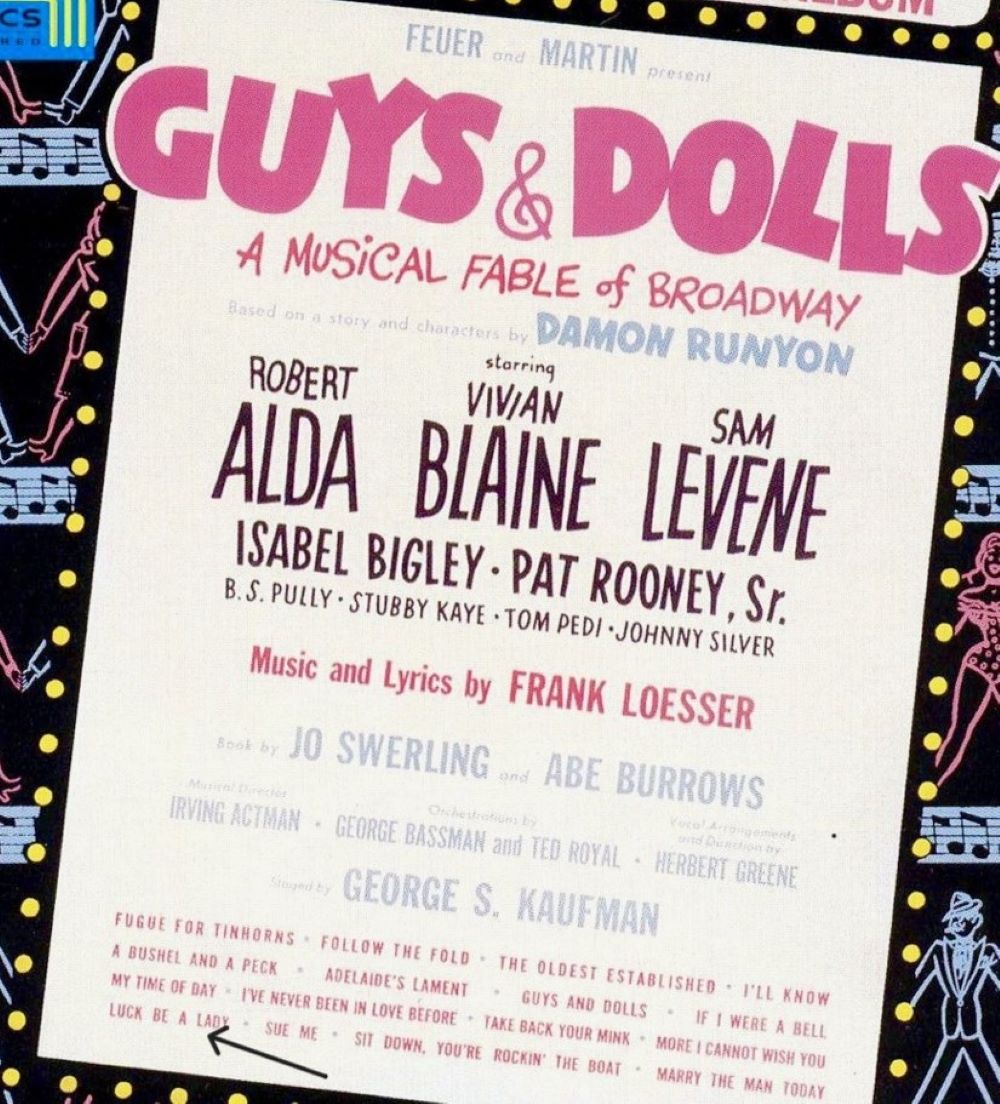
In The Wrangler, using Robert Alda’s original version of “Luck Be a Lady” from Guys and Dolls hits differently than the more famous Sinatra take. Alda’s rendition, coming from the Broadway stage, is less smooth and more desperate—it’s a man bargaining with luck, not charming her. That’s a crucial difference in Fallout’s world. When Alda’s voice drifts through the smoky ruin of The Wrangler, it feels like an echo from a long-dead civilization—one where people still believed that fortune was something you could negotiate with. It grounds the scene in Fallout’s favorite tension: the clash between old optimism and new despair.
Thematically, the original version suits Fallout’s tone better. Sinatra’s version oozes control and self-assurance, while Alda sings with the anxious rhythm of someone clinging to hope. In the episode, that anxiety fits the stakes perfectly—characters gambling with their lives, exchanging trust for survival, and hoping the “lady” of luck doesn’t turn her back at the wrong moment. The Broadway earnestness becomes a tragic counterpoint to the brutality around it, emphasizing how fragile that old-world faith in luck or charm truly is.
By choosing Alda over Sinatra, the show subtly reframes what “luck” means in this universe. It’s not style or swagger—it’s survival by the skin of one’s teeth. The song’s theatrical flair feels almost haunting in a world where the audience is gone and the casino’s collapsed. Yet that’s what gives the moment its punch: Fallout has always used nostalgia as both soundtrack and satire, and with Alda’s pleading vocals hanging in the air, The Wrangler reminds us that sometimes, luck isn’t a lady at all—it’s just what’s left when everything else runs out.
Luck Be a Lady
They call you Lady Luck
But there is room for doubt
At times, you’ve had a very unlady-like way of running out
You’re on this date with me
The pickin’s have been lush
And yet before this evening is over
You might give me the brush
You might forget your manners
You might refuse to stay
And so the best that I can do is pray
Luck be a lady tonight
Luck be a lady tonight
Luck if you’ve ever been a lady to begin with, luck be a lady tonight
Luck let a gentleman see
How nice a dame you can be
I know the way you’ve treated other guys you’ve been with
Luck, be a lady with me
A lady doesn’t leave her escort
It isn’t fair, it isn’t nice
A lady doesn’t wander all over the room
And blow on some other guy’s dice
Let’s keep this party polite
Never get out of my sight
Stick me with me baby, I’m the fella you came in with
Luck, be a lady tonight
Luck, let a gentleman see
Just how nice, how nice a dame you can be
I know the way you’ve treated other guys you’ve been with
Luck be a lady with me
A lady doesn’t leave her escort
It isn’t fair, and it’s not nice
A lady doesn’t wander all over the room
And blow on some other guy’s dice
So let’s keep the party polite
Never get out of my sight
Stick with me baby, I’m the guy that you came in with
Luck be a lady
Luck be a lady
Luck be a lady, tonight
Today’s music video is that latest from Kim Gordon. Whenever I see anything new from Kim Gordon, I’m happy she got away from Thurston Moore.
Enjoy!
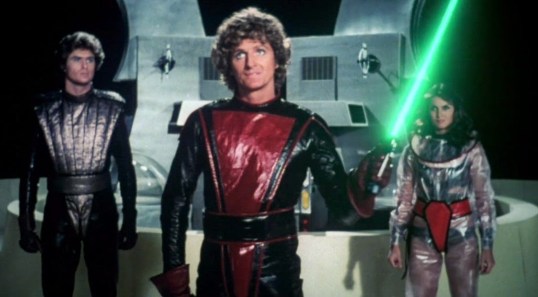
It’s Marjoe Gortner’s birthday!
Marjoe Gortner is a former child evangelist who had a long career as an actor in films, usually playing sinister characters. His most-seen film was probably Earthquake. My favorite Marjoe film is Starcrash. That said, Marjoe’s best performance was probably as himself in the candid documentary, Marjoe. The Oscar-winning film featured a look behind the scenes of the religious revival industry, with Marjoe as an amoral tour guide who discussed how he didn’t believe what he was preaching and who had basically been forced into the business by his parents. Marjoe described how every word he preached was calculated to inspire people to donate more money to his ministry. Marjoe described himself as being “bad but not evil.”
In 1972, Marjoe recorded an album called, after his famous documentary quote, Bad But Not Evil. Today’s song of the day is Marjoe Gortner covering Bob Dylan’s Lo and Behold on that album.
Today is LL Cool J’s birthday.
Going Back to Cali was a song that originally appeared on the Less Than Zero soundtrack. Supposedly, the song is as much about producer Rick Rubin’s ambivalence towards Los Angeles as it is about LL Cool J’s feelings towards the city.
The video was directed by Ric Menello, who best-known for his work with the Beastie Brothers and for his later collaborations with director James Gray. One of the dancers is MTV VJ Martha Quinn, who was dating the video’s cinematographer at the time.
Enjoy!
I’ve always liked Amy Winehouse’s version of this classic song.
Today, the Shattered Lens wishes a happy birthday to the Flaming Lips’s Wayne Coyne! Our music video of the day is for The Golden Path, his classic collaboration with The Chemical Brothers.
That is Fran Kranz, who acted in The Cabin In The Woods and who directed the brilliant Mass, playing the lead character.
Enjoy!
 Through the Shattered Lens