Typically, site anime expert pantsukudasai56 would be the one to recommend anything and everything anime. Anime in its series form, OVA (original video animation) and/or straight up film. I like to think my knowledge of anime is second only to his.
While I’ve had an off and on love affair with anime throughout the years I have seen my fair share of anime film. From pantsukudasai56’s viewpoint, only those anime that were produced from beginning to end with the intent of having a film release qualifies as anime film. OVA productions he sees as a sort of straight-to-video releases and shouldn’t qualify. his own initial 4 Shots From 4 Films entry were all anime films.
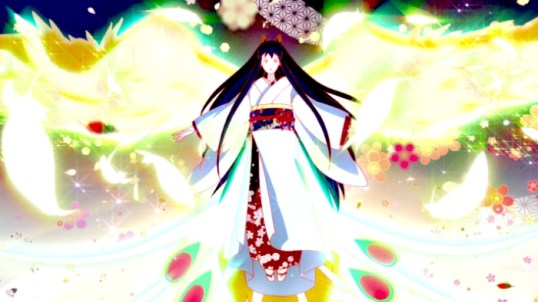
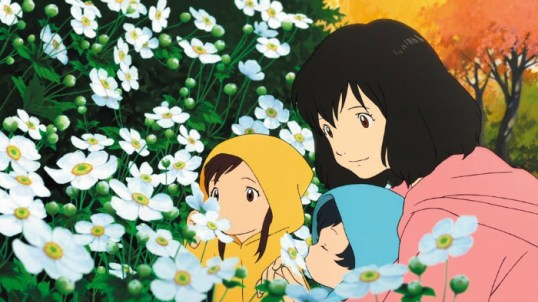
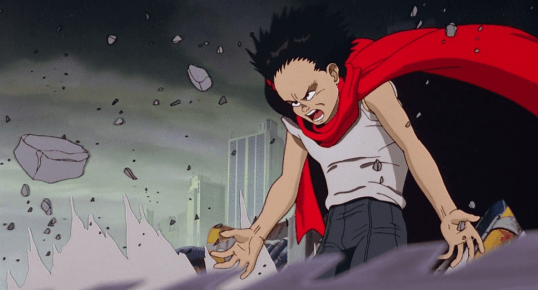
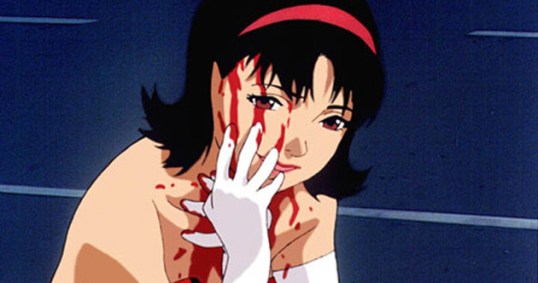
With his example as a guide I have chosen four anime films that veteran and burgeoning fans of the art form should check out. Two come from the heir apparent to the great Satoshi Kon. Another is a hyperkinetic (even for an anime) traditional hand-drawn anime which has had a major influence on the more recent Fast and Furious films. The fourth is a film from the late 80’s which rekindled my love for anime during my high school years.
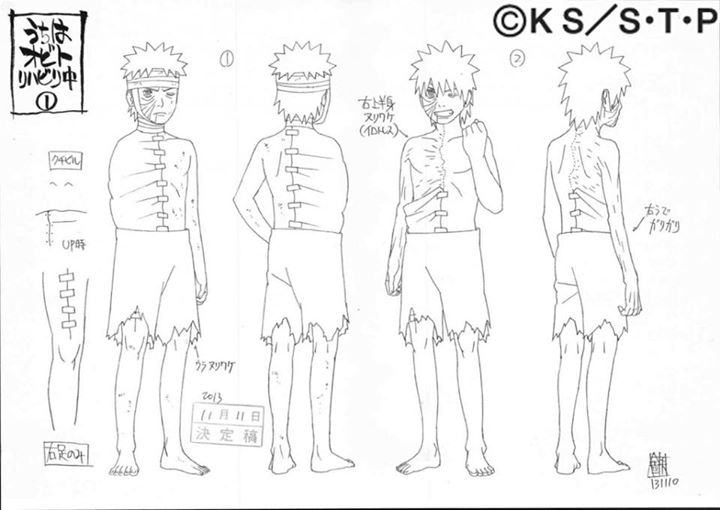
I don’t know about you but I would never expect to see body modification, body horror, or genetic experimentation in a ninja themed manga. It’s all in Masahi Kishimoto’s Naruto.
Disclaimer: THE CONTENT BELOW IS FILLED WITH SPOILERS! PROCEED AT YOUR OWN PERIL!
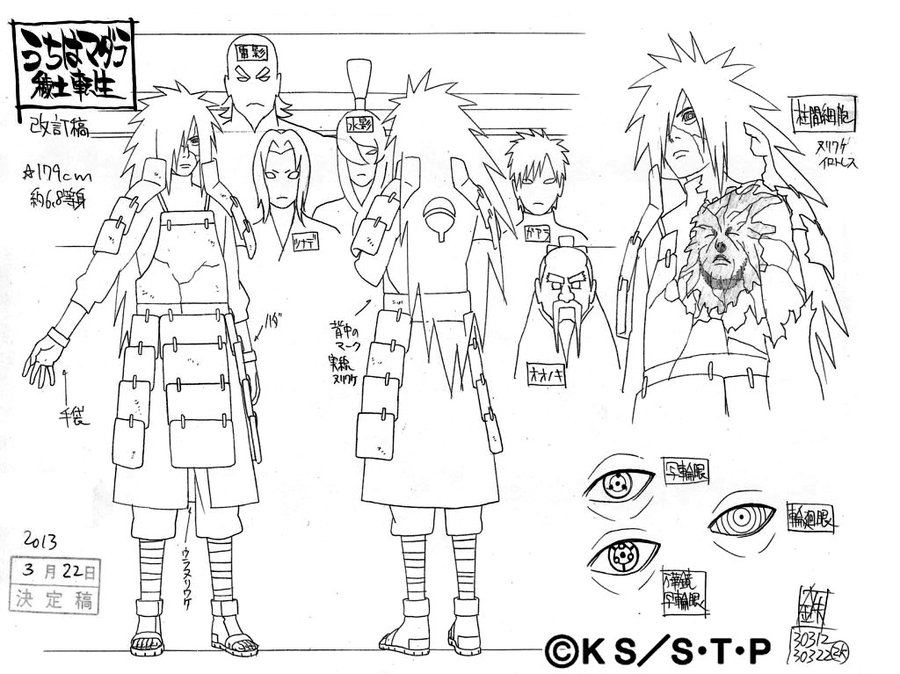
Madara Uchiha implanted his rival, Hashirama Senju’s DNA into his body and gained his botanical manipulation ninjutsu. A strange growth that resembled Hashirama appeared on his chest as a result.
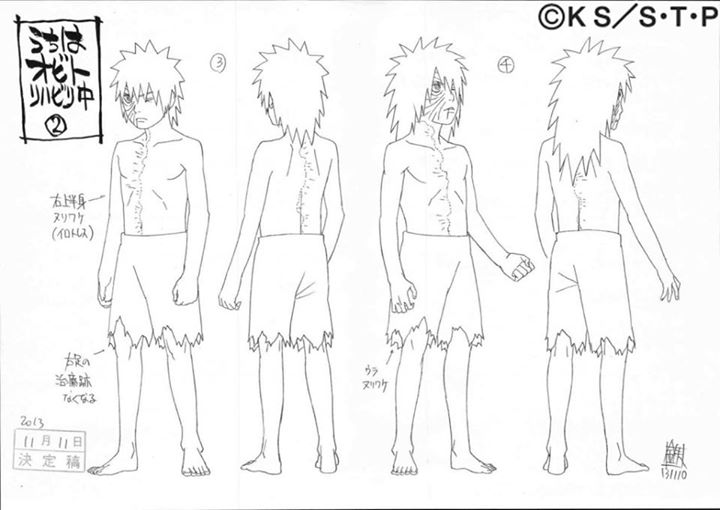
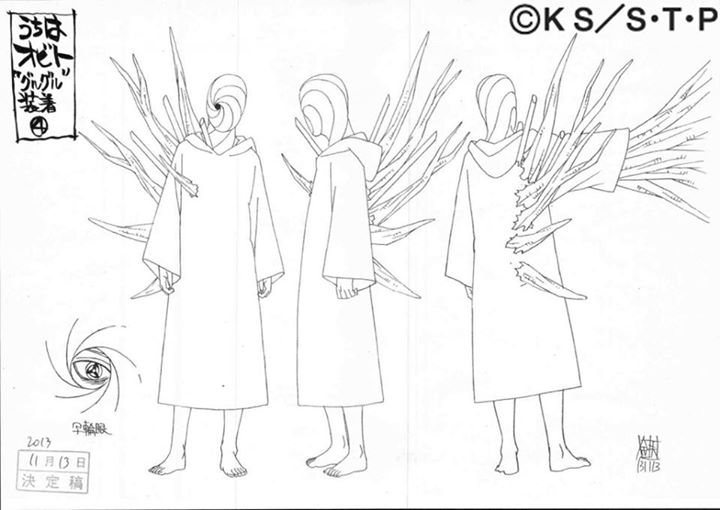
Obito, descendant of the legendary Uchiha clan, was grievously injured in combat and would have perished without Madara’s intervention. Madara replaced damaged limbs with White Zetsu parts (a White Zetsu is essentially an artificial plant being derived from Hashirama Senju and possessing botanical manipulation and shape shifting abilities). Obito could sprout thorns and grow trees from his Zetsu parts.
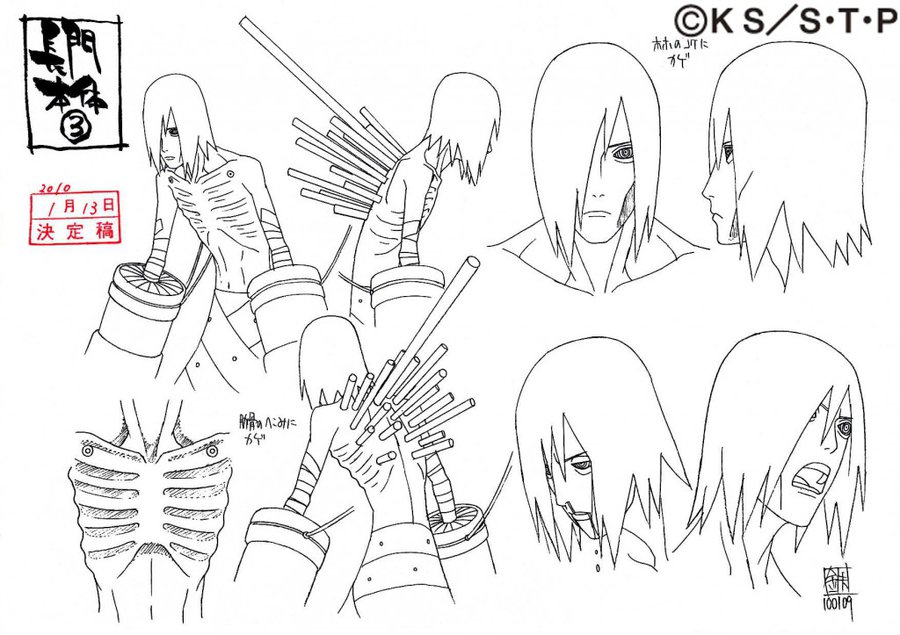
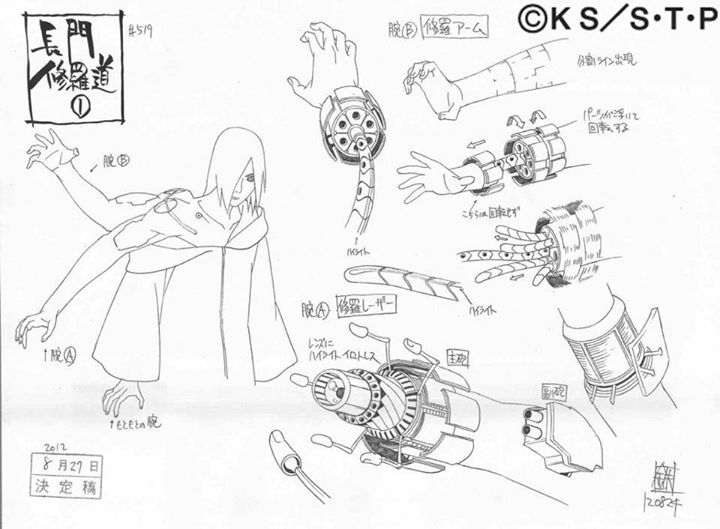
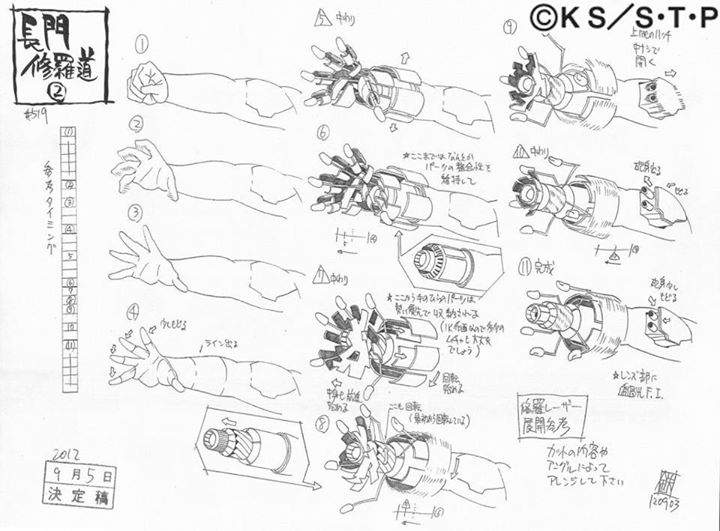
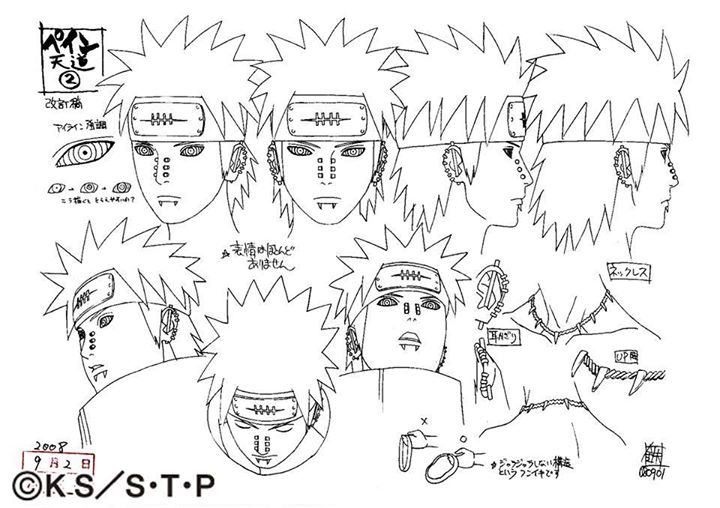
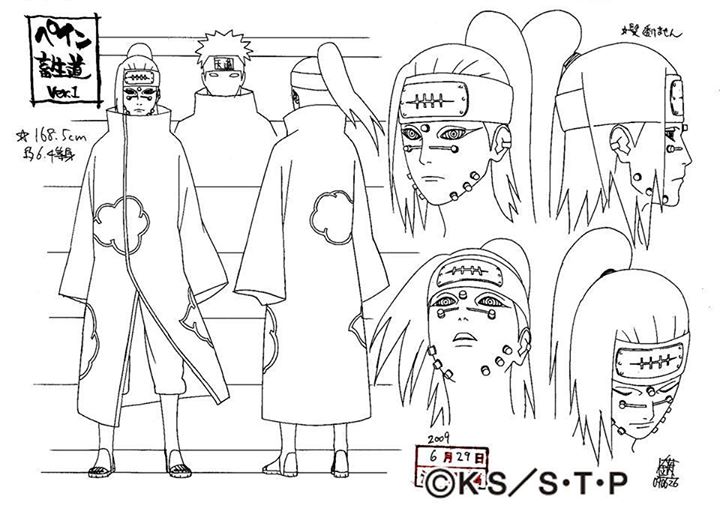
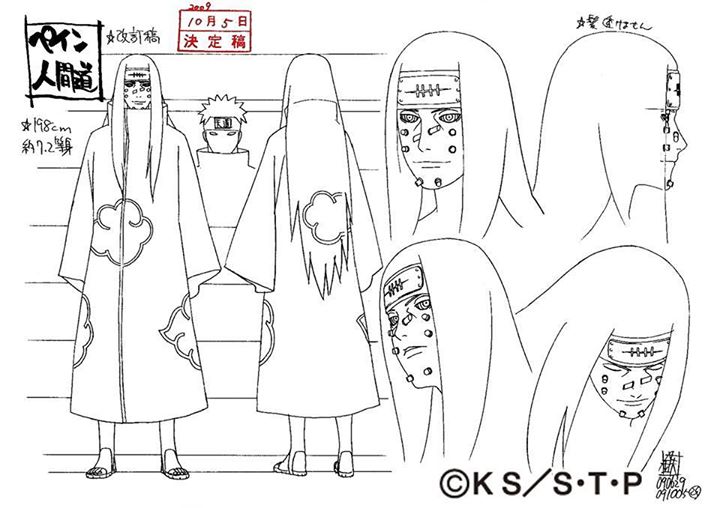
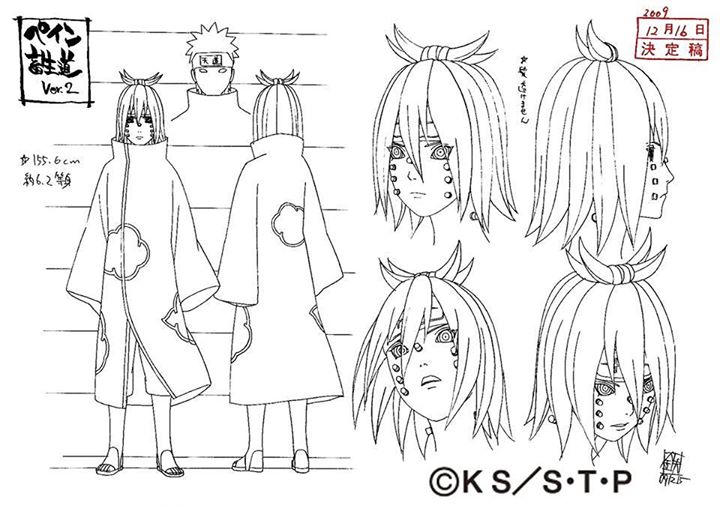
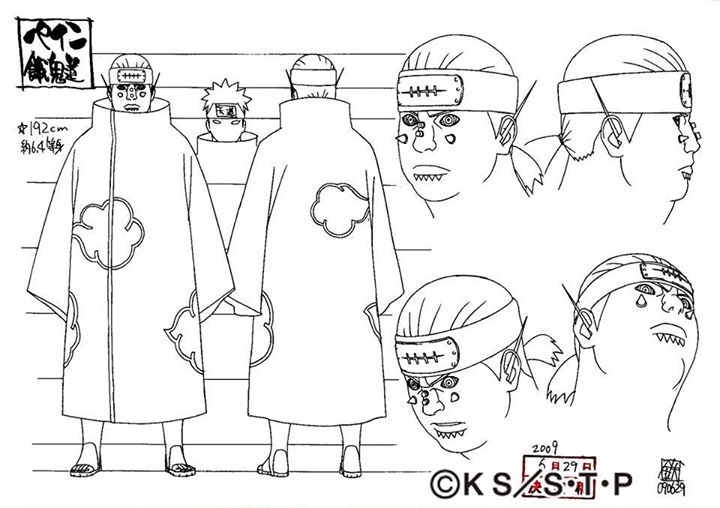
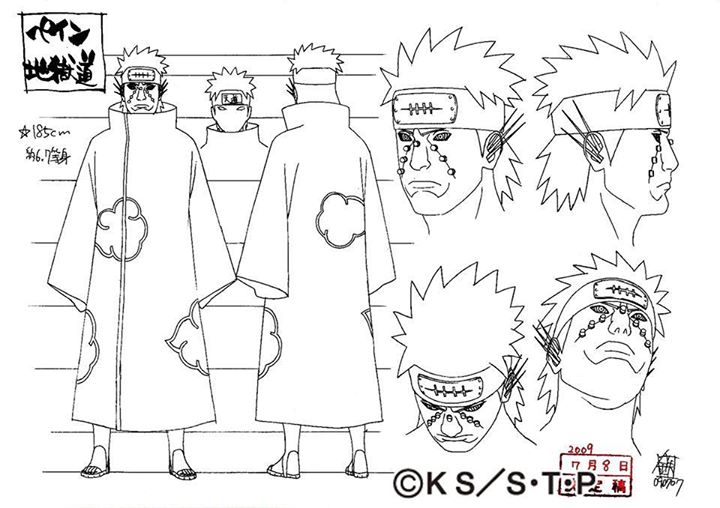
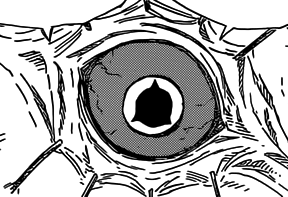
Nagato, a descendant of the Uzumaki clan and recipient of Madara’s Rinnegans (a Rinnegan is an ocular mutation possessed by the creator of ninjutsu, the Sage of the Six Path). He was able to manifest black rods on his back which enabled him to animate cadavers, replicate the Rinnegan within them, and utilize the Sage ninjutsu through them. He is able to “operate” 6 proxies remotely, see through their eyes, and coordinate attacks.
Nagato:
Nagato’s Proxies:
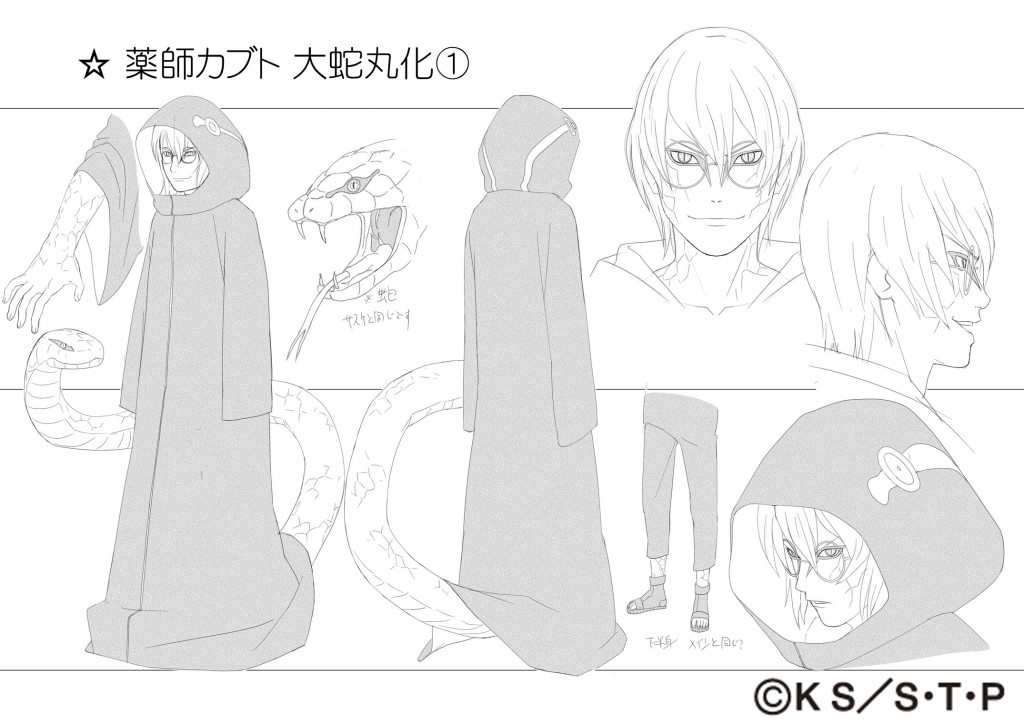
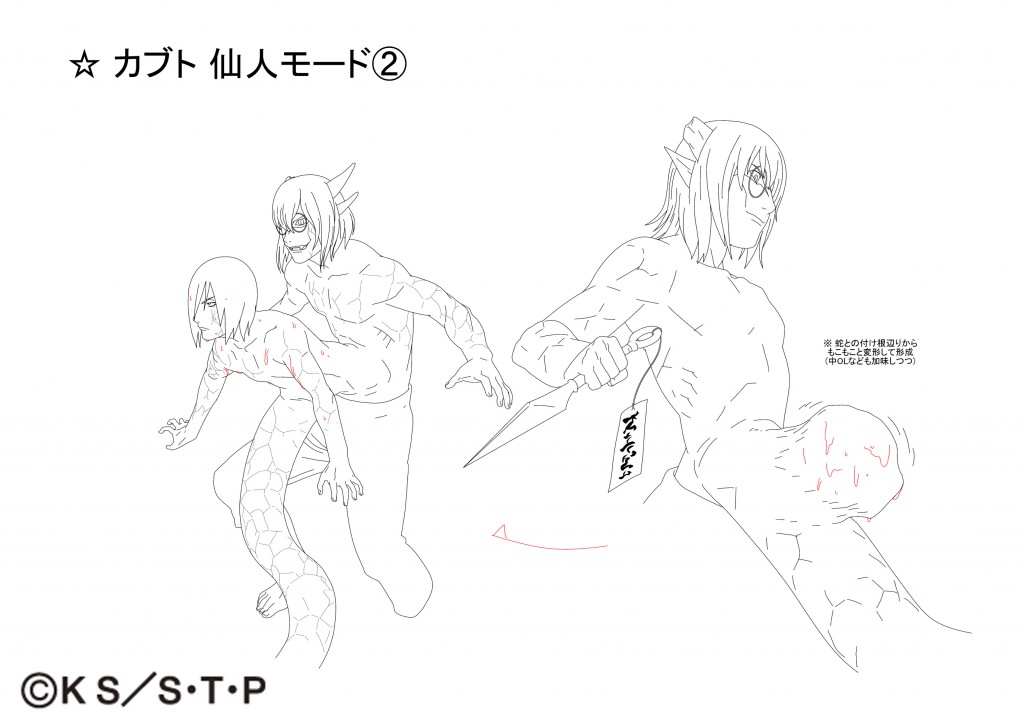
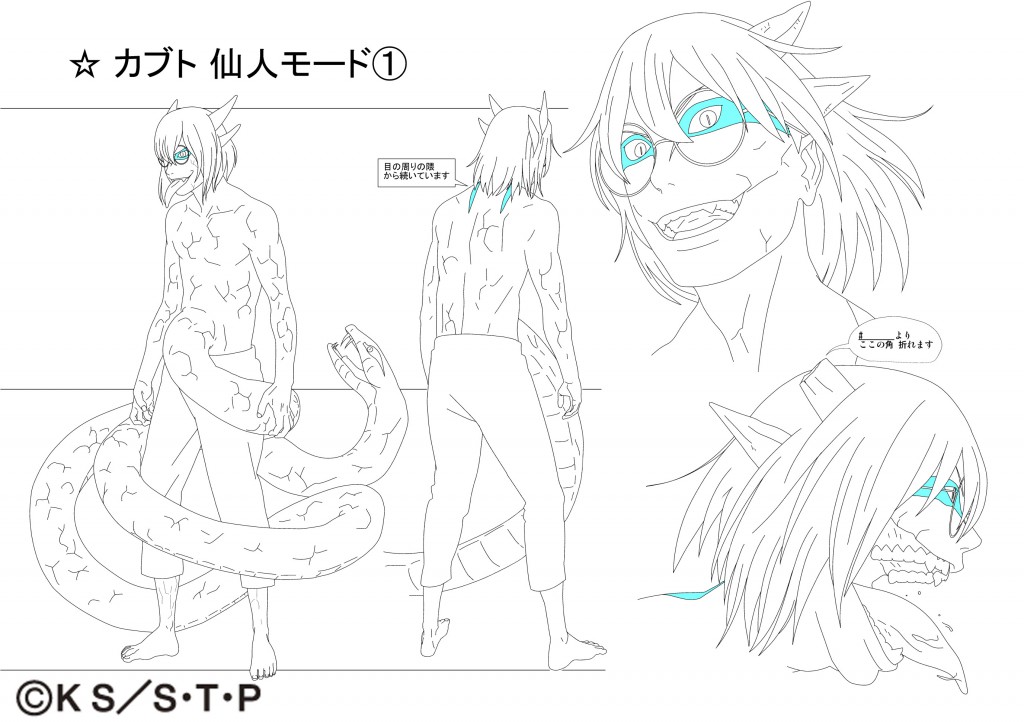
Kabuto, the medical ninja and faithful apprentice of Orochimaru, build upon the genetic research of his master & experimented on himself. He integrated his master’s true form (Orochimaru’s true form is serpentine and composed of a mass of white snakes as a result of his experimentation) into himself and the genetic material of Orochimaru’s elite minions. Kabuto’s skin became scaly and white, his eyes became serpentine and he gained a body similar to a naga (with a chimera tail). When he entered Sage Mode, he regained humanoid legs, grew horns, and the “chimera tail” moved to his belly button. His “tail” could replicate the forms of the genetic donors & manifest their unique abilities.
Default Mode:
Sage Mode:
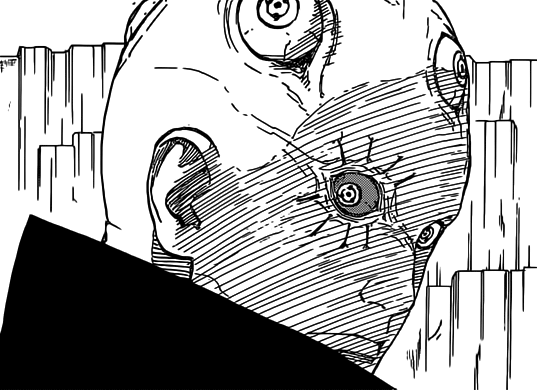
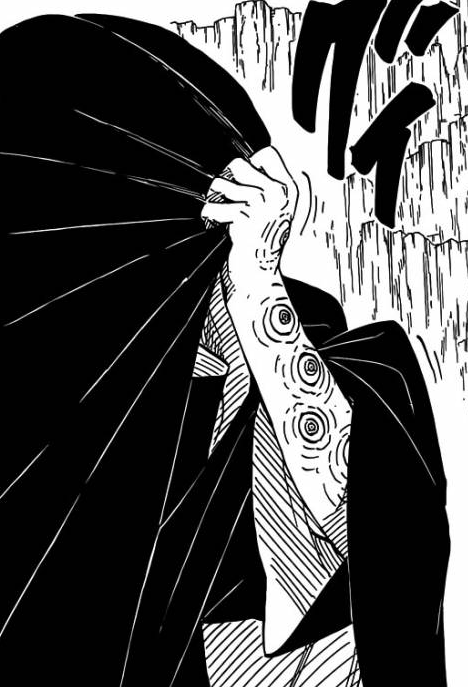
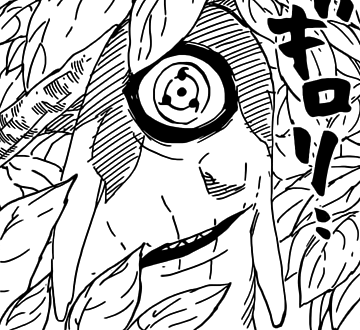
Shin Uchiha is a former test subject and experiment of Orochimaru. His unique body accepted all transplanted organs and genetic material. He was cloned in order to discover the secret of his unique physiology. He possesses a transplanted Sharingan eye in his right eye socket (a Sharingan is an ocular mutation unique to the Uchiha clan and consumes a massive amount of energy when transplanted in and used by non-Uchiha). He has numerous Sharingans all over his body. He can teleport with his fully evolved eye and control objects he marked telekinetically. He can see through a proxy Sharingan creature and utilize the teleportation ability.
Spy Creature:
Art Acknowledgements:
Original Art by Masashi Kishimoto and the animation cells are by Studio Pierrot
I can’t say that any entertainment franchise has given me more cause to think than Ghost in the Shell. It presents a mid-21st century post-apocalyptic earth in which society has more or less stabilized. Events revolve around Public Security Section 9, a counter-terrorism agency focused on investigating cyberterrorism, which is rather interesting because the original manga by Masamune Shirow launched in 1989, before cyberterrorism actually existed (or the modern internet, for that matter). Throughout their investigations, the team deals with the social and philosophical issues that arise in an age where society is fully integrated across a world-wide network and technology has been integrated directly into the body, rendering people intimately vulnerable to hacks and computer viruses.
I am as guilty as most of having never read the original manga. I became acquainted with Shirow’s world through Ghost in the Shell (1995) and Ghost in the Shell 2: Innocence (2004), both directed by Mamoru Oshii, and the 2002 anime series Ghost in the Shell: Stand Alone Complex, by Kenji Kamiyama. While the two directors take rather different aesthetic approaches–the movies present Section 9 as a harsh, disenchanted unit in a somewhat dystopian world, whereas the television series is lively and a bit cartoonish–both remain dedicated to questioning the impact of highly integrated technology.
Stand Alone Complex lies much closer to the root of my music series, because some of the key issues it tackles have since arisen online in the real world. Everyone is well familiar with the use of V for Vendetta-styled Guy Fawkes masks in protests originating from the internet, but there is a decent chance you have also caught a glimpse of an odd blue smiley face among the rabble. The Laughing Man image originates from Stand Alone Complex, where it functions as a mask employed anonymously by individuals taking public action independently of each other. At first, an advocate for social justice uses it to disguise himself while committing a ‘terrorist’ act, but the image quickly overreaches his motives. Others commit unrelated political sabotage under the guise. Corporations employ it to discredit their competitors. Pranksters use it as a sort of meme, forming the shape with chairs on a rooftop and cutting it into a field as a crop circle, for instance. The image has no concrete meaning, and everyone who uses it essentially ‘stands alone’, but the public perceive the Laughing Man as a single individual.
The actual anime gives a fairly shallow interpretation of this. The creator of the image, Aoi, explains that he never intended the mask to become a social phenomenon, and that its arbitrary usage dislodged the image from its original meaning. He sums this up by asking “Who knew that copies could still be produced despite the absence of an originator?” The ‘profoundness’ of this ties back to a long history of bad philosophy which assumes that signs have universal objective meaning in some sort of fundamental way which mystically transcends subjectivity of the mind. Basically, certain Greek ideas saw a resurgence of popularity in the late 19th and early 20th centuries, probably as a consequence of high society’s fascination with antiquities at the time. The plethora of ready-at-hand counterexamples to these archaic notions provided easy meat for countless grad students to earn their PhDs, so long as they did not throw the baby out with the bath water and ruin the game for everybody else.
But I digress. While the intended idea behind “Stand Alone Complex” is a bit naive, the Laughing Man does represent a unique sort of game that can only be played in the information age. To the public, the Laughing Man was a single individual, or at most a closely coordinated group, but the participants knew better. They knew that there was no real ‘Laughing Man’, but their independent actions were performed under the expectation that they would be written into ‘his’ public profile. The game was exclusive; you had to be aware of the mask in order to dawn it. The game also had rules; an action totally out of line with the Laughing Man’s pattern of behavior would be perceived as a fraud. (You could not, for instance, reveal the truth behind the Laughing Man.) By playing, you added a little piece of yourself to the puzzle, and it might slowly assimilate you in turn.
Ghost in the Shell has remained a uniquely relevant franchise in science fiction because it got so many ideas right. In 1989, at a time when internet was still a novelty of college libraries, the manga offered a world of total connectivity, where every human and device belonged to a global network. In 2002, Stand Alone Complex introduced the Laughing Man, and shortly afterwards the real world knew an equivalent. Whether this bodes well for the franchise’s dabblings into cyborg technology, only time can tell, but history has certainly made an inherently fascinating fictional world all the more compelling. In the Ghost in the Shell universe, science has fully bridged the gap between computers and neural systems, allowing electronic implants to directly convert wireless digital information into stimuli compatible with the senses. The average citizen possesses visual augmentations which allow them to directly browse the internet via voice command. More complex technology delves deeper, creating a sort of sixth sense whereby users can engage a network through thought command. Some individuals, especially accident victims with the means to afford it, might have their entire bodies replaced by neurally triggered machine components.
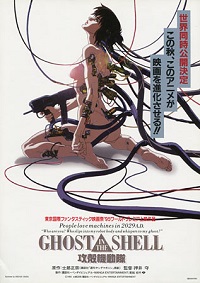
The 1995 Ghost in the Shell film gets especially creative in tackling this–enough that it became the chief inspiration for The Matrix four years later. It revolves around brain-mapping technology and its implications regarding sentience and identity. From the start of the film, the ability to copy and read brain data appears to be common. Presumably, these digital copies would remain stagnant until encoded back into a neural network, but as the government develops better software for interpreting and editing the massive content at its disposal, funny things start to happen. The software gains a sort of temporary sentience while performing its complex tasks, and eventually it uploads itself to a cyborg body in an act of self-preservation. This new entity possesses the capacity to read other augmented brains and incorporate them into its internal network. At least, that is how I’ve interpreted it. The movie does leave a lot to the imagination. Perhaps it is recycled from earlier science fiction, and far-fetched besides–I wouldn’t really know–but Ghost in the Shell presents it all as if it were right around the corner, not lost in a distant galaxy of Star Trek.
Ghost in the Shell is so steeped in ideas that it’s a wonder I don’t forget it is a collection of animations, not a book series. Stand Alone Complex is presented as rather typical–and relatively forgettable–anime, but the 1995 movie definitely denies dismissal. It is a real work of art. The city is dirty and a bit washed-out without feeling downright destitute; the masses still lead normal lives. Emptiness expands upward; the characters are perpetually surrounded by massive, sort of dusty-looking structures that feel vacant despite signs of life. The music is simultaneously vast and minimalistic. Generally, the artistic direction projects a feeling that the protagonists are isolated–cut off from the massive world surrounding them–perhaps by the knowledge they possess.
The score Kenji Kawai (川井憲次) crafted for Ghost in the Shell ranks among the best soundtracks I’ve ever encountered. Without it, the film might easily unravel. The plot really does take a lot of creative liberties. What amount of entertainment value could convince people to open up their brains to potential hacking? Or, if they are doing it to maintain memory backups, why is a brain hack so devastating? Can’t you just resume from your last save? Why would a hacker go to the trouble of replacing an entire memory system in the first place, if they could just encode an impulse into an existing one? To these questions, I say “shhhh!”, because Kawai has so utterly convinced me that my cyborg brain will be shipping in from Japan any day now. The music shrouds the film in imminent mystery. It is a moment of quiet awe, before the very foundations of human experience become uprooted and replaced by a higher state of computer-enhanced perception.
‘Interesting’ nerd note on Kawai: while the majority of his discography appears in anime and film, he is credited with arranging the TurboGrafx-16 port of Sorcerian, one of Yuzo Koshiro and Takahito Abe’s better 1980s NEC PC-8801 projects. I am pretty excited to dig that one up. Aren’t you? …Bueller?
I’ve been remiss about posting the winners of the Sakura-Con 2015 AMV Contest. This particular video won the “Fun” category and it’s a production from one of my favorite AMV creators, IleaiAMVs.
“Another Fanny Service Video” is a short, but to the point AMV that combines not just the romance-comedy anime series Kemeko Deluxke! but also the Jason Derulo song “Wiggle.” It’s a pairing made to order and just goes to show that an AMV doesn’t have to use an epic length song (though nothing bad about those).
Ileai has always been very using timed edits to her chosen song to tell the particular story her video are trying to tell. Whether the original intent of the anime being used comes across doesn’t matter. She could take a super serious anime and turn it hilarious through clever editing and the correct choice of music. This time around this video doesn’t stray too far from the comedic aspect of the anime Kemeko Deluxe! and instead highlights the ecchi sequences from the series.
The video has already won several AMV Contest awards reaching back to last year and all accolades Ileai’s way have been well-deserved.
This past weekend saw myself and fellow site contributor pantsukudasai56 over in Seattle attending Sakura-Con 2015. One of the activities we ended up participating in (meaning we sat down and watched) was in the AMV panels. While we never made it for the AMV Contest panel itself where people got to vote on the videos themselves we did manage to sit down and watch some of the videos. One of these days I will dedicate an entire con to just watching AMVs (well, at least go to the contest itself).
So, for the next week or so I shall be posting the videos we did catch and the one’s which ended up winning awards.
The first “AMV of the Day” Sakura-Con 2015 Edition made it as a finalist for the “Best Fun” Category. It’s “Cosplay Bargain Bin” by TarageAMV and is an amalgamation of over 30 or so anime clips edited to the tune of Macklemore’s “Thrift Shop.”
While it didn’t win in the end, this video from TarageAMV was actually quite funny and does a great job of spoofing the hardships and stress that cosplayers must go through to get ready for the next anime convention. As someone who broke his cosplay cherry this year with a simple enough costume (and I was still stressed that I couldn’t get all the pieces) I think I have a much better appreciation of the lengths and dedication cosplayers put into getting their cosplays ready.
Anime:Acchi Kocchi, Aquarion Evol, Attack on Titan, Baka and Test – Summon the Beasts, Black Butler, Black Rock Shooter, Bleach, Bodacious Space Pirates, Chobits, Clannad, Code Geass – Lelouch of the Rebellion, Cowboy Bebop, Daily Lives of High School Boys, Darker Than Black, Darker Than Black: Gemini of the Meteor, Dragon Ball, Neon Genesis Evangelion: 1.0 You Are (Not) Alone, Neon Genesis Evangelion: 3.0 You Can (Not) Redo, Genshiken Second Season, Gj-Bu, Golden Boy, Great Teacher Onizuka, Hayate the Combat Butler, Heaven’s Lost Property Forte, Horizon in the Middle of Nowhere, Horizon in the Middle of Nowhere II, Inu Yasha, Jojo’s Bizarre Adventure, Kill la Kill, Log Horizon, Love, Chunibyo & Other Delusions, Magical Shopping Arcade Abenobashi, Mayo Chiki!, The Melancholy of Haruhi Suzumiya, My Little Monster, Naruto Shippuden, Occult Academy, One Piece, Ouran High School Host Club, Plastic Nee-san, Robotics;Notes, Sailor Moon: Crystal, Spice and Wolf, Stein:Gate, Yuru Yuri
Song: “Thrift Shop” by Macklemore & Ryan Lewis (feat. Wanz)
There’s always been great combos throughout history. Whether it was Lee and Stonewall, Grant and Sherman right up to peanut butter and jelly. Sometimes two things alone and by themselves are very good, but only reach the level of greatness when put together.
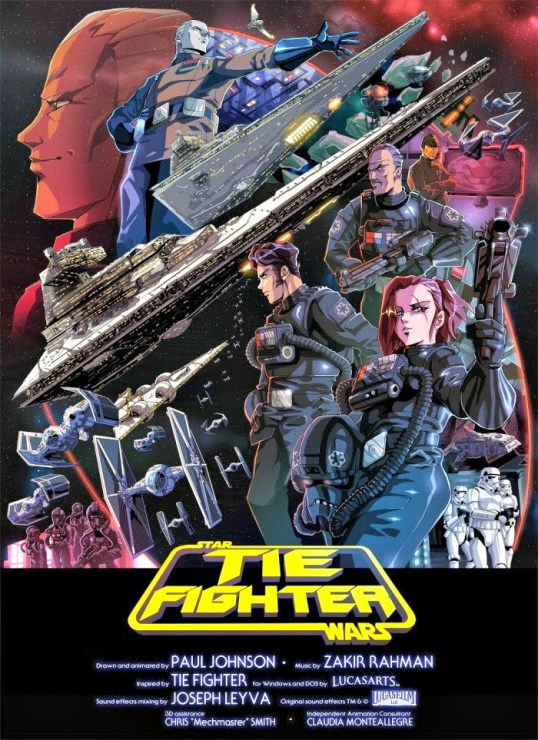
This short anime film by animator Paul Johnson (Youtube user Otaking77077) done over four years in the traditional anime style is turning out to be one of the best things to come out this year. It combines two things that were already great on their own, anime and Star Wars, but when put together has reached epicness status.
It even puts the narrative (scored with heavy metal fashion by Zakir Rahman) completely on the side of the Galactic Empire. This is a narrative we rarely get to see since everyone seems to be all in Team Rebel Alliance.
The following AMV of the Day is decidedly NSFW, unless you work at a place that is very lenient with what they allow their employees to watch. Which you probably don’t. So don’t watch this at work. Seriously, it’s not porn but it’s still very NSFW. Not sure if I’ve stressed this enough, but this is NSFW, and Through the Shattered Lens takes no responsibility for any discipline handed out for those that still haven’t paid close enough attention to what I’ve said.
Now, with that disclaimer out of the way, this is an AMV that I first saw when I was at Another Anime Convention back in October. They had the great idea of having a room dedicated solely to the showing of various AMVs all day every day of the convention. It was great to be able to relax and catch a few AMVs in between various panels that caught my interest. It was typically broken up into blocks that specialized in certain themes, and one of their late night themes was for various ecchi, or racy but not full blown porn AMVs. (They had a block for hentai, or porn AMVs, but that’s another story) The one thing I wish they had done different was that they didn’t always list the name and creator of the AMVs they were showing, so while I was aware that this one existed for some time, I didn’t have any luck finding it until Arleigh found it and showed it to me.
While I have seen a lot of ecchi anime in my day, this is made up of some 35 different anime, some of which I haven’t seen, and even further surprising to me was that there were even two that I had never heard of before. After viewing this AMV, I believe that’s an oversight I’ll have to correct. One wouldn’t necessarily think that the Can Can would work for this, but it is so perfectly done with just a rapid fire string of panty shots that I can only hope that someday the creator decides to do another like this except with boob shots. I was a little confused as to who the creator is, since at the end of the AMV it says it was made by Potato, but according to animemusicvideos.org, which is pretty much THE authority on AMVs, the creator’s name is FlamingMangos. Due to the racy nature of the AMV (did I mention this is NSFW?) I don’t believe that it’s been featured in any formal AMV contests. It’s too much for a general audience AMV contest, but not really bad enough to be in a hentai AMV contest. Still, its lack of awards is in no means a measure of it’s fun qualities. At the very least, I doubt you’ll be able to hear the Can Can and not have this AMV come to mind.
Anime:Akane-Iro Ni Somaru Saka, Bludgeoning Angel Dokuro-chan, Bludgeoning Angel Dokuro-chan 2, Demon King Daimao, Freezing, Freezing Vibration, Green Green, Gundam Seed Destiny, Hagure Yuusha no Estetica, Heaven’s Lost Property Forte, High School DxD, High School DxD New, Kanokon, Kyou no Asuka Show, Ladies Versus Butlers!, Maji de Watashi Ni Koi Shinasai!! S, Majimoji Rurumo, Manyuu Hiken-chou, Onī-chan dakedo Ai sae Areba Kankei Nai yo ne!, R-15, Rosario + Vampire, Rosario + Vampire Capu2, Samurai Girls, Seikon no Qwaser, Sekirei, Sekirei: Pure Engagement, Shuffle!, Shukufuku no Campanella, Sora no Otoshimono Final: Eternal My Master, To Love-RU (OAV), To Love-RU (TV), To Love-RU – Darkness, Tonagura!, Watashi ga Motenai no wa dō Kangaetemo Omaera ga Warui!, We Without Wings
The latest “AMV of the Day” is one of those rare, but impressive anime music videos which happens to have a several creators working together to make one video. These are called MEP which stands for Multi-Editor Project.
“Warriors” is a video collaboration between nine video editors by the names of Mycathatesyou, Kireblue, Xophilarus, Shin (aka tehninjarox), Obsidian Zero, Warlike Swans, Warlike Cygnet, PieandBeer and Rhianic. I always found it impressive that so many imaginative and creative individuals could work together to make one product. While collaboration between such people are not rare I’ve found that sometimes ego plays a huge part in making such things fail more than succeed.
As this video shows they’ve definitely succeeded in creating an anime music video which sticks to the theme of the Imagine Dragons’ song “Warriors”.
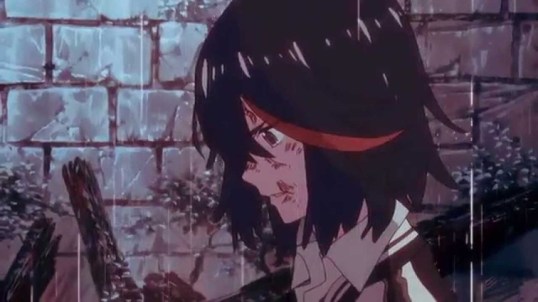
Anime:Kill la Kill, C-Bu: Stella, Women’s Academy, Kara no Kyokai, Attack on Titan, Fullmetal Alchemist, Pokemon, Slayers Evolution-R, No Game No Life, Fate/Zero
Arleigh has pointed something very important out to me. I have been drinking a lot, and the end of the year is nearing. (EDIT- I started this post on December 28th, and proceeded to get too drunk to continue. Then I forgot I had started it, got drunk several more times, and now on January 5th, I remembered it and am proceeding to get drunk again, so perfect time to actually finish this) Pretty much the best time I can think of to make one of my few posts this year. Again, one thing I should point out is that this year there were 149 series released, and I only watched 44 series. Basically, no one other than the biggest loser on earth could have possibly watched every single series released each year. If you know of anyone going by the name of Ryan Saotome, he’s one of those losers. Punch him one for me. But, I like to think that I have pretty good taste, and those 44 I watched were the cream of the crop. So of those best of the best, the best that I’ve watched was easily a series that came out this spring, a title by the name of No Game, No Life.
This show is pretty much an otaku dream. The basic premise is that “siblings” (I’m not 100% sure that they actually are related) Shiro and Sora are a couple of hikikomori, which are basically shut ins who don’t associate with other people, and they are the best gamers out there going by the nickname Blank. Blank is infamous in the online community because no matter what, they never lose. One day they get an invitation to play a game of chess. Naturally they win, although they have to struggle to actually do so. Upon winning, they are warped to the land of Disboard, where the God of that world, Tet, has decreed that all war is abolished and all conflicts between the races will be resolved via games. They quickly become rulers of the weakest faction in the world, humans, and set about to challenge all the races and eventually challenge God himself.
This is based on an ongoing light novel series, incidentally written by a native born Brazilian/Japanese, Yuu Kamiya real name Thiago Furukawa Lucas. Generally speaking, non-native Japanese do not find a lot of success in the Japanese light novel/manga/anime scene, so the fact that this has been highly popular speaks volumes about how well written it is. The anime sticks quite closely to the light novel, which works great for this first season, since there’s enough source material to cover it. Perhaps this means that any future anime adaptations will have to wait, or won’t be as good, but since most anime these days are basically just advertisements for the light novels/manga, I suspect that they won’t be in a rush to adapt more until either there’s more source material, or the light novel’s sales start to slip. Still, with it moving on average over 6,000 BDs per volume (and unlike in the US and other countries, Japan tends to only have 2 episodes per volume even with BDs so an average 13 episode series will still have 6 volumes) that’s showing there’s enough money out there to support a second season easily. I don’t follow light novel releases in Japan, because I can’t read Japanese, so I’m not sure what the sales were like prior to the anime showing, but I do know that for the year the releases averaged over 140,000 per volume, for 6 volumes, which is a pretty decent amount of sales. Combine that with the BD sales, and it’s pretty likely that the light novels got a decent boost, and so a second season is highly likely.
But what about this series makes it work? Well, first off, it’s insanely cute. We all know that Japan does cute better than anyone, but this just strikes a chord with even me, who has seen more cute than you can shake a stick full of kittens at. How cute is cute? Well, in a scene near the end, when the duo is panicking over thinking they’ve been transported to the real world (something hikikomori dread more than anything) Shiro is at her most adorable. No one can tell me that isn’t super adorable. You can try, you are wrong.
It also has one of the catchiest ending themes of the year.
Some of my favorite moments in the series come at the expense of Stephanie Dola. Prior to Shiro and Sora’s arrival in Disboard, she is attempting to be the representative of humanity, but she is inexperienced in the way of games and can’t see when an opponent is cheating, nor can she overcome that. Her naivety leads Shiro to basically begin using her name as an insult, calling her “Such a Steph”. She is constantly being somewhat humiliated by Shiro and Sora, but it never really and truly comes across as malicious. They do embarrass her often, but it seems more like they’re doing it to try and cure her of her naivety and teach her how to become a better ruler of humanity for when they either inevitably become the gods of the world, or return to their world.
Even though you know that Shiro and Sora are going to win (the heroes almost always win, especially in shows like this) the suspense and intrigue isn’t with the if, but the how. Their fight against the Werebeasts showed that even if they’re going to win, it was going to be tough, and most importantly, it wasn’t a bullshit type of win. It was certainly a come from behind, wow I didn’t see that coming, kind of win, but once it was explained, it makes good sense. The fact that the series ends on a major cliffhanger, to me all but assures there being a second season, but since I’m not currently in charge of Japan, and me and Japan don’t always agree upon what makes perfect sense, we shall see.
In all actuality, this was another good year for anime. Anyone saying that anime was better in the 90’s is a crazy person. It only seemed that way because anime was fairly new here, and so licensors were cherry picking titles. These days we get damn near everything, either through streaming, or through physical releases, so naturally there’s gonna be a lot more average titles, and a lot more stinkers. There has never been a better time to be an anime fan than now, and for 2o14, I say the best thing you could do is sit down and watch No Game No Life. Here’s to looking forward to what 2015 brings us, and I hope that I have a ton of must watch anime to think about writing about (but ultimately never do) in the coming year!


 Stand Alone Complex lies much closer to the root of my music series, because some of the key issues it tackles have since arisen online in the real world. Everyone is well familiar with the use of V for Vendetta-styled Guy Fawkes masks in protests originating from the internet, but there is a decent chance you have also caught a glimpse of an odd blue smiley face among the rabble. The Laughing Man image originates from Stand Alone Complex, where it functions as a mask employed anonymously by individuals taking public action independently of each other. At first, an advocate for social justice uses it to disguise himself while committing a ‘terrorist’ act, but the image quickly overreaches his motives. Others commit unrelated political sabotage under the guise. Corporations employ it to discredit their competitors. Pranksters use it as a sort of meme, forming the shape with chairs on a rooftop and cutting it into a field as a crop circle, for instance. The image has no concrete meaning, and everyone who uses it essentially ‘stands alone’, but the public perceive the Laughing Man as a single individual.
 Ghost in the Shell has remained a uniquely relevant franchise in science fiction because it got so many ideas right. In 1989, at a time when internet was still a novelty of college libraries, the manga offered a world of total connectivity, where every human and device belonged to a global network. In 2002, Stand Alone Complex introduced the Laughing Man, and shortly afterwards the real world knew an equivalent. Whether this bodes well for the franchise’s dabblings into cyborg technology, only time can tell, but history has certainly made an inherently fascinating fictional world all the more compelling. In the Ghost in the Shell universe, science has fully bridged the gap between computers and neural systems, allowing electronic implants to directly convert wireless digital information into stimuli compatible with the senses. The average citizen possesses visual augmentations which allow them to directly browse the internet via voice command. More complex technology delves deeper, creating a sort of sixth sense whereby users can engage a network through thought command. Some individuals, especially accident victims with the means to afford it, might have their entire bodies replaced by neurally triggered machine components.



 Through the Shattered Lens