On today, what would have been Angelo Badalamenti’s birthday, there’s little question as to what our song of the day should be.
On today, what would have been Angelo Badalamenti’s birthday, there’s little question as to what our song of the day should be.
4 Or More Shots From 4 Or More Films is just what it says it is, 4 shots from 4 of our favorite films. As opposed to the reviews and recaps that we usually post, 4 Shots From 4 Films lets the visuals do the talking!
Today is William Shatner’s birthday, which means that it is time for….
4 Shots From 4 William Shatner Films
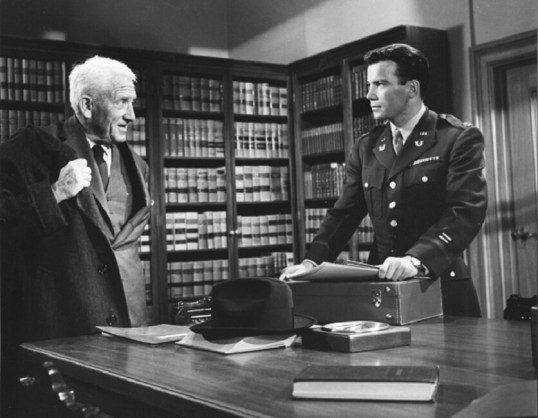
Judgment at Nuremberg (1961, dir by Stanley Kramer, DP: Ernest Laszlo)
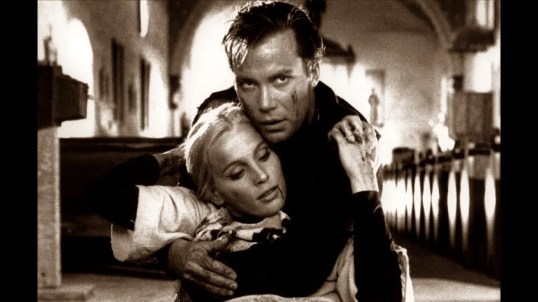
Incubus (1966, dir by Leslie Stevens, DP: Conrad Hall)

Big Bad Mama (1974, dir by Steve Carver, DP: Bruce Logan)
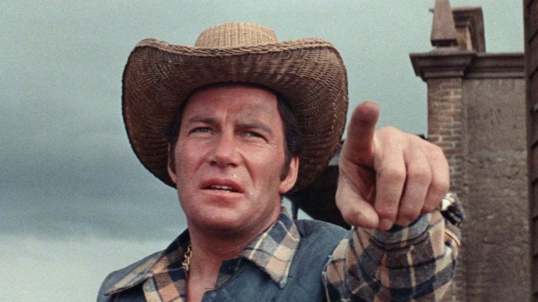
The Devil’s Rain (1975, dir by Robert Fuest, DP: Alex Phillips Jr.)
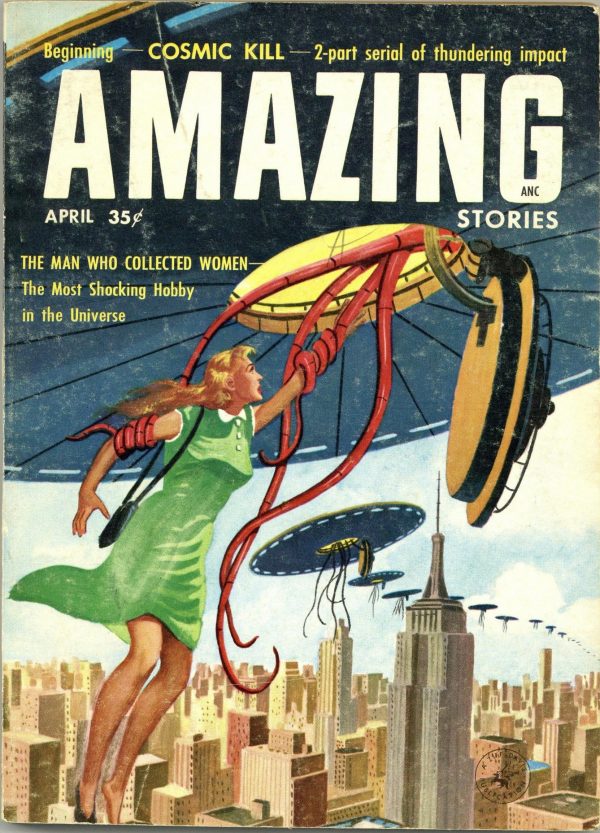
This amazing cover for amazing stories is from 1957.
Last night, my sisters and I enjoy watching the Mission Impossible films.. In honor of all those hours of sisterly bonding, here is the great Tomoyasu Hotei performing the Mission Impossible theme song.
Enjoy!

The 98th Annual Academy Awards (Sunday Night, Hulu)
I wrote about the Oscars here.
The Bachelorette: Before The Final Rose (Sunday Night, ABC)
It will never not be amusing that ABC decided to show the “first” episode of Taylor Frankie Paul’s season of The Bachelorette after the Oscars and then they ended up canceling the season five days later. What a waste of prime real estate! I really haven’t cared much about The Bachelor, The Bachelorette, or Bachelor in Paradise in recent years. Bring back Chris Harrison, you cowards!
Radio 1990 (NightFlight+)
I watched an episode of this old 80s music video show on Friday night. Cyndi Lauper said that girls just want to have fun. And then the host said that Virgin was going to start their own luxury airline and tickets would cost $144 each!
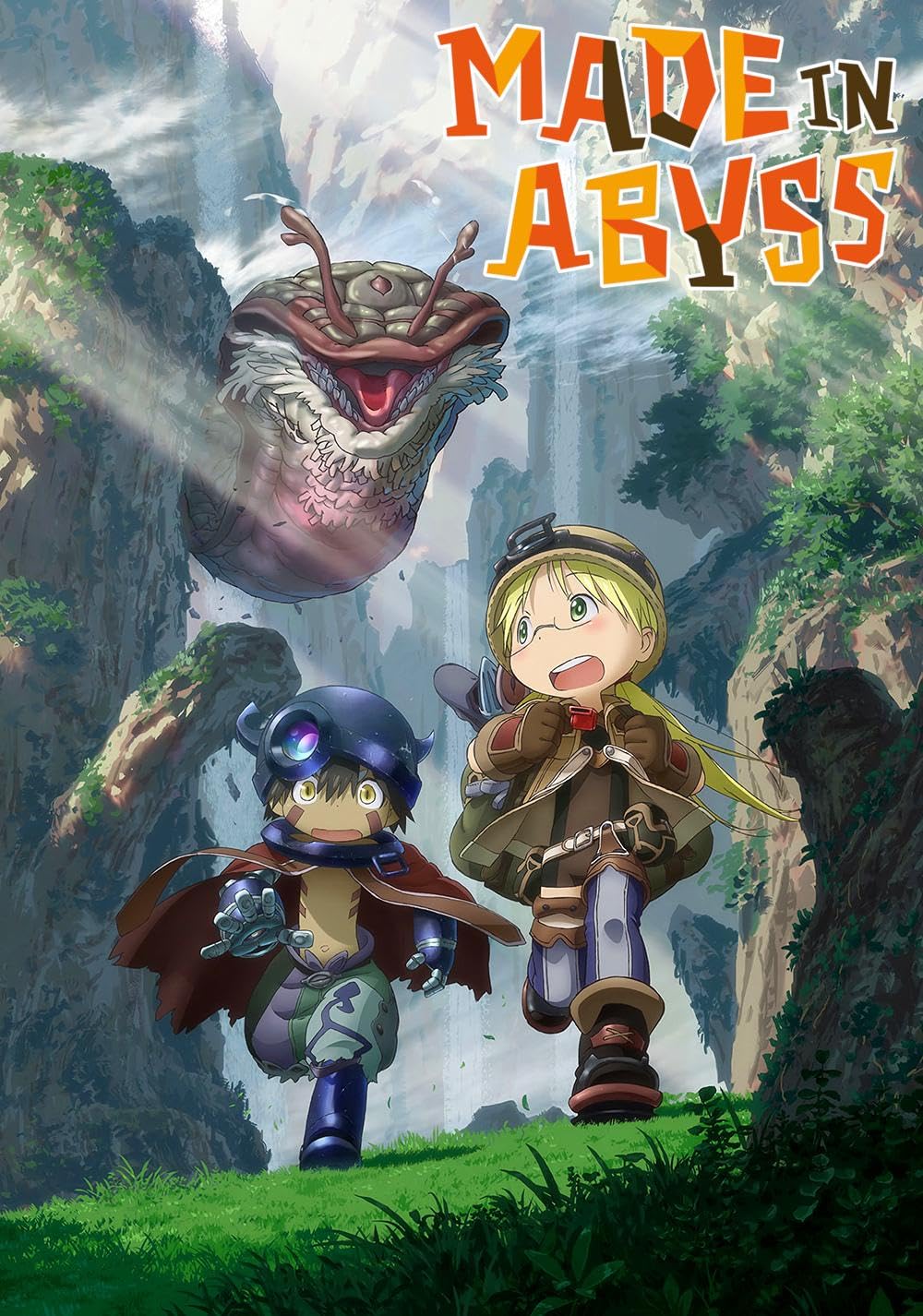
“I want to go to the bottom of the Abyss. Even if it means I can never come back.” — Riko
Made in Abyss is one of those shows that looks like a cozy kids’ fantasy at a glance and then quietly starts gnawing at your nerves. It’s a series that mixes cute character designs and lush worldbuilding with some of the most brutal, lingering depictions of pain and sacrifice you’ll see in mainstream anime, and that tension is really where it lives. Whether that mix works for you will probably decide if this becomes an all-timer or something you admire more than you enjoy.
The basic setup is simple but immediately gripping: the world is built around a gigantic vertical pit known as the Abyss, and humanity has basically reorganized itself around studying, looting, and mythologizing this hole in the ground. Riko, an orphaned girl living in an orphanage of trainee cave raiders, dreams of following in the footsteps of her legendary mother, a White Whistle who descended deep into the Abyss and never came back. When Riko finds Reg, an amnesiac boy with a mechanical body and an arm cannon, the two of them decide—through a mix of naïve optimism, desperation, and genuine affection—to dive all the way down to the bottom in search of answers. On paper it’s a classic coming-of-age adventure. In practice, the further they go, the more it shifts into a survival horror story where “growing up” means watching your illusions get peeled away layer by layer.
The worldbuilding is easily Made in Abyss’s biggest hook. The Abyss itself feels like a character: each layer has its own ecosystem, rules, and atmosphere, from misty forests and floating islands to grotesque biological nightmares that look like someone crossbred a nature documentary with a fever dream. The show doesn’t dump an encyclopedia on you; it sprinkles details through cave raider jargon, relics, and offhand remarks from more experienced characters until you start to feel how this society has bent itself around this hole. The “Curse of the Abyss,” which punishes you for ascending by inflicting anything from nausea to full-on bodily and mental breakdown, is a smart mechanic that makes every upward movement feel dangerous. It’s also a neat thematic metaphor for the price of trying to go back once you’ve seen too much—physically and emotionally, there’s no climbing out without a cost.
Visually, the show leans hard into contrast. The backgrounds are gorgeous: painterly vistas, rich color palettes, lovingly detailed flora and fauna. It has that “storybook you could fall into” vibe, and the camera knows how to linger on little things like light filtering through leaves or mist curling around rocks. The character designs, especially early on, skew round and childlike, which makes the brutality later hit harder. When horrific injuries happen—and they do, lingeringly—the clash between how soft the characters look and how realistically the pain is depicted is jarring on purpose. The animation sells that pain a little too well sometimes; bones don’t just break, they grind, blood doesn’t just appear, it seeps and pulses. If you’re squeamish about body horror involving children, this is a serious warning label, not a minor note.
The soundtrack deserves its reputation. The music goes for this ethereal, almost otherworldly feel, with vocals and instrumentation that make the Abyss feel ancient and sacred rather than just dangerous. Quiet, melancholic tracks show up during reflective moments and then give way to swelling, almost holy themes when the show wants you to feel the awe of descending somewhere no human should be. It’s the kind of score that would work in a nature documentary if that documentary occasionally cut to scenes of emotional devastation. The audio design in general—creature noises, echoes, the sense of space—does a lot of heavy lifting in making the Abyss feel vast instead of just “big background painting.”
Character-wise, Riko and Reg are a pretty effective duo. Riko is pure drive: she’s reckless, stubborn, and often dangerously single-minded, but she’s also the one with the knowledge, curiosity, and emotional openness that keeps the journey moving. She’s not a prodigy fighter, and the show never pretends she is; her value is in her ability to read the Abyss, improvise, and keep believing there’s something worth all this suffering. Reg, on the other hand, is the literal and figurative shield. He’s got the super-weapon, the durable body, and the instinct to protect, but he’s emotionally fragile, prone to tears, and constantly wrestling with guilt whenever he can’t prevent Riko from getting hurt. Their dynamic flips the usual “cool boy, emotional girl” archetype in a way that feels organic.
Once Nanachi enters the story, the emotional tone tilts even darker and deeper. Without spoiling specifics, Nanachi’s backstory is where the show makes it absolutely clear what kind of series it wants to be. It’s not just about dangerous monsters and mysterious relics; it’s about what happens when scientific ambition and obsession treat living beings, especially children, as raw material. Nanachi brings a weary, matter-of-fact perspective that anchors the later episodes. Through them, the show digs into trauma, survivor’s guilt, and the idea that sometimes “moving forward” just means finding a way to live with what you’ve seen.
Thematically, Made in Abyss is fascinated with curiosity and the cost of chasing it. There’s this persistent question of whether the drive to explore the unknown is noble or selfish—or if those two are inseparable. Adults in the series rationalize a lot of horrific choices in the name of progress, or the “glory” of uncovering the Abyss’s secrets. The kids are caught in that wake, inheriting both the romantic legends and the brutal consequences. The show also spends a lot of time on innocence and its erosion. Riko’s enthusiasm isn’t framed as stupid; it’s part of what makes her compelling. But episode by episode you watch that bright optimism get scarred, not in a grimdark “everything is meaningless” way so much as a “this world is much harsher than your storybooks said” way.
This is also where the series gets legitimately uncomfortable, and it’s worth talking about. Made in Abyss likes to juxtapose childlike bodies and faces with extreme suffering and, at times, questionable fanservice. There are moments of nudity, offhand sexual jokes, and camera framing choices that feel at odds with how seriously the show takes its darker material. Depending on your tolerance, this can range from minor annoyance to “I’m out.” On top of that, the willingness to linger on the physical torment of children—broken limbs, poison, invasive medical procedures—walks a very thin line between honest depiction of cruelty and exploitation. To the show’s credit, it never treats that suffering as cool or badass; it’s always presented as horrifying, traumatic, and scarring. But the intensity and frequency still won’t be for everyone.
Structurally, the first season is pretty tight. Thirteen episodes give the story enough room to breathe without bogging down in filler. The early episodes lean into exploration and atmosphere, introducing the rules, stakes, and vibe of Orth (the city around the Abyss) and the upper layers. As they descend, the pacing shifts into longer stretches of tension and pain interspersed with quiet, tender character beats. Some viewers might feel the last third becomes almost suffocatingly grim, but there’s a clear intent behind that choice; the deeper layers are supposed to feel like a point of no return, where the story’s whimsical trappings finally fall away.
If there’s a structural downside to the whole project so far, it’s that each season feels like “Part X” of a larger journey. You get emotional climaxes and a sense of progression, but not full narrative resolutions. The bottom of the Abyss remains out of reach, and major mysteries about Reg, Riko’s mother, and the true nature of the pit are left dangling. For some people, that’s exciting; it makes the world feel bigger and the story more ambitious. For others, it can feel like being cut off mid-descent just as things really start to escalate. Whether that’s a flaw or just the reality of adapting an ongoing manga will depend on how patient you are with long-game storytelling.
In terms of audience, Made in Abyss is not the comfy adventure its key art might suggest. It’s closer to a dark fairy tale dressed up as a traditional fantasy quest. If you’re into rich worldbuilding, emotional gut-punches, and stories that don’t shield their young protagonists from the full ugliness of their setting, it has a lot to offer and is worth pushing through the rough patches. If the idea of watching children suffer graphically in the name of narrative stakes sounds like a dealbreaker, no amount of gorgeous backgrounds and soaring music will make this the right fit.
Overall, Made in Abyss is a memorable, sometimes brilliant, sometimes frustrating series that takes big swings. With two seasons released so far and a third season announced but no release date as of its announcement, its strongest points—world, atmosphere, music, and the central trio—are strong enough that even people who bounce off parts of it usually still remember it vividly years later. It’s not an easy watch, but it’s a distinct one, and if you’re willing to take the plunge alongside Riko, Reg, and Nanachi, the Abyss has a way of sticking with you long after the credits roll.
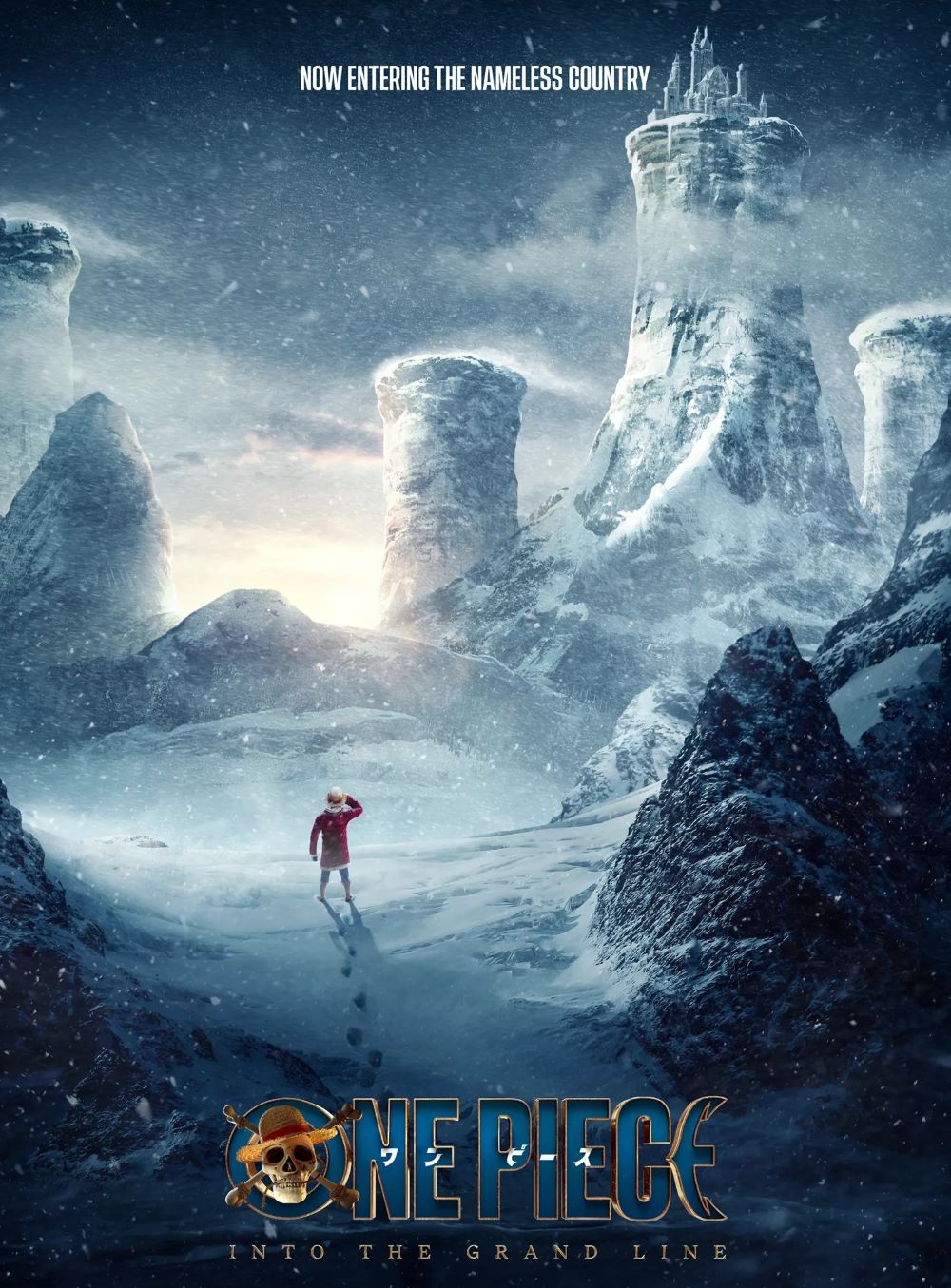
“A man dies when he is forgotten.” — Dr. Hiruluk
One Piece season 2 episode 7, “Reindeer Shames,” plunges straight into the emotional heart of the Drum Island arc, serving up one of the live-action series’ most moving character deep dives to date. Nami’s worsening illness has stranded the Straw Hats on this unforgiving frozen island, renowned for its scarce medical expertise, prompting the crew to split up amid the perilous climb. Luffy and Sanji wind up at the foreboding castle of the formidable Dr. Kureha, crossing paths with the standoffish talking reindeer Chopper who’s equal parts fascinating and fragile. The early scenes buzz with mismatched energy—Luffy’s irrepressible cheer slamming against Chopper’s guarded suspicion and Sanji’s bemused swagger—crafting an instant hook that peels back layers of mystery. Following the relentless action of previous episodes, this one’s a welcome slowdown, prioritizing raw backstory over brawls while dangling threads of island tyranny just out of reach. The production’s live-action magic pops here, fusing practical prosthetics, motion capture, and restrained CGI to render Chopper’s realm tactile and heartbreakingly real.
A crushing flashback opens the floodgates to Chopper’s past: born a runt with a blue nose, he’s booted from his herd and hunted mercilessly by villagers who see only a beast. Collapsing from a gunshot wound, he’s rescued by Dr. Hiruluk, played with masterful pathos by Mark Harelik in one of the episode’s great standout performances. Harelik brings this quack doctor to vivid life—a bombastic outcast with a ridiculous wig and a quixotic dream to revive Drum Island’s hope—infusing every bumbling experiment and heartfelt rant with aching authenticity. His impassioned speeches on miracles, self-belief, and cherry blossoms pierce Chopper’s despair like sunlight through ice, turning what could be cartoonish into profoundly human. Mikaela Hoover’s voice acting as Tony Tony Chopper is equally phenomenal, layering gruff vulnerability and wide-eyed wonder into every bleat and growl, making the reindeer’s pain palpably raw. Their backstory interplay is hands-down the best character dynamic of the season so far, and arguably the series as a whole—a masterclass in quiet intimacy amid chaos. In a show packed with zany antics and shonen action beats, this duo showcases One Piece‘s secret weapon: deep emotional gravitas that elevates backstories from fun fodder to soul-stirring cornerstones, proving the adaptation can wield heart as fiercely as fists.
Hiruluk’s confrontation in King Wapol’s throne room reaches a tragic crescendo, framed stunningly by a cascade of illusory sakura petals that bloom as an emblem of rebellion and fleeting beauty—Harelik sells every beat with sheer gravitas, especially his unforgettable line, “A man dies when he is forgotten.” Captain Dalton, ever the dutiful soldier, sees it unfold and begins his slow unraveling from blind loyalty, hinting at broader uprisings to come. Cutting to the present, Luffy’s offhand gesture of raising Hiruluk’s Jolly Roger flag over the castle is quintessential Straw Hat defiance—blunt, buoyant, and the perfect icebreaker for Chopper’s thawing heart, amplified by Hoover’s nuanced delivery. Sanji chips in with spot-on levity, his playboy poise crumbling hilariously under Kureha’s booze-fueled scrutiny, while the doctor asserts herself as a whirlwind of wisdom and whiskey, her tough exterior veiling deep-seated sorrow. Their interplay injects grounded realism into the whimsy, dodging fairy-tale traps and enriching motifs of mentorship and mending.
The subplot with Usopp and Zoro heightens the tension beautifully, as they wait back in the town at the base of one of the mountains, anxiously holding out for news on whether Luffy and Sanji secured medical help for Nami at the peak—it underscores the crew’s unbreakable bonds and adds palpable stakes to the separation, turning quiet anticipation into a gripping thread of worry and resolve. Not everything lands perfectly, though. The flashback sequence, while faithful and powered by Harelik and Hoover’s chemistry, meanders in spots, stretching manga moments that suit print better than the screen’s demand for snap. The visuals dazzle with authentic snowy vistas and crystalline peaks, and most transformations flow with inventive choreography synced to Hoover’s voice, but select shifts hide behind rapid edits, muting the anime’s exuberant morphing mayhem. The episode closes on a visceral cliffhanger as Dalton absorbs a hail of arrows in Wapol’s shadow, escalating stakes smartly yet craving prior buildup for fuller fright.
Those nitpicks pale next to the episode’s emotional knockout power, largely thanks to Harelik and Hoover anchoring it all, with the Usopp-Zoro wait amplifying the crew’s human vulnerability. Chopper’s vulnerable admission of being “one of a kind”—delivered with Hoover’s heartbreaking quiver—collides with Luffy’s nonchalant “I’m a monster too—ain’t that awesome?” in an exchange that bottles One Piece‘s creed: belonging bulldozes bigotry. The orchestral swell amplifies the pathos, cementing Chopper as crew catnip from minute one. Manga veterans relish the nod to endurance and “inherited will,” but fresh faces grab a punchy, plot-light powerhouse that stands alone. It affirms the adaptation’s chops for subtle soul-searching amid spectacle, fortifying season 2’s stride.
By fade-out, anticipation surges for Chopper’s fate and Wapol’s wrath. “Reindeer Shames” alchemizes personal humiliation into unbreakable resolve—a gem of an episode, warts and wonders intact, that reminds us why One Piece captivates across mediums, with performances that linger long after the snow melts.
One Piece: Into the Grand Line Season 2 Episodes
Today is Gary Oldman’s 68th birthday and, in honor of the occasion, here’s a scene from one of my favorite Oldman films, 2011’s Tinker Tailor Soldier Spy.
In this scene, British intelligence officer George Smiley (Gary Oldman) confronts his colleague and Russian mole Bill Haydon (Colin Firth). This scene is a masterclass of good acting, put on by both Firth and Oldman. As Haydon tries to justify his behavior, Smiley listens with deceptive calmness. When I first saw this film, Oldman suddenly raising his voice made the entire audience jump.
As some of our regular readers undoubtedly know, I am involved in a few weekly live tweets on twitter. I host #FridayNightFlix every Friday, I co-host #ScarySocial on Saturday, and I am one of the five hosts of #MondayActionMovie! Every week, we get together. We watch a movie. We tweet our way through it.
Tonight, for #ScarySocial, I will be hosting 2002’s Resident Evil!
If you want to join us on Saturday night, just hop onto twitter, start the film at 9 pm et, and use the #ScarySocial hashtag! The film is available on Prime! I’ll be there co-hosting and I imagine some other members of the TSL Crew will be there as well. It’s a friendly group and welcoming of newcomers so don’t be shy!
Today’s song of the day comes from the iconic score of 1999’s Fight Club. Director David Fincher wanted a score that sounded unique and original and The Dust Brothers delivered.
 Through the Shattered Lens