Retro Television Review: Miami Vice 5.9 “Fruit of the Poisoned Tree”


Welcome to Retro Television Reviews, a feature where we review some of our favorite and least favorite shows of the past!  On Mondays, I will be reviewing Miami Vice, which ran on NBC from 1984 to 1989.  The entire show can be purchased on Prime!

Retro television reviews returns with Miami Vice!

Episode 5.9 “Fruit of the Poisoned Tree”

(Dir by Michelle Manning, originally aired on February 3rd, 1989)

Crockett and Tubbs are trying to take down a drug dealer named Enriquez (Jeffrey Meek) but every time that they think they’ve got the guy, his shady lawyer, Sam Boyle (Stephen McHattie), is able to use a technicality to get the case tossed.  Even sending Gina in undercover backfires as Gina’s cover gets blown and a bomb meant for her kills an innocent 13 year-old instead.

Crockett thinks that Sam and his associate, Lisa Madsen (Amanda Plummer), have evidence that could put Enriquez away.  Crockett puts pressure on Lisa to become a confidential informant but Lisa is devoted to Sam.  Lisa’s father was a crusading anti-drug prosecutor who was stabbed to death and Sam has promised that he will do everything within his power to prove that her father was actually assassinated by a drug cartel.

Of course, there’s some things that Lisa doesn’t know.  Sam is heavily involved in the drug trade himself and he’s currently in debt to gangster Frank Romano (Tony Sirico, bringing some nicely realistic menace to his role).  Sam plots to double cross Enriquez to get the drugs necessary to pay off Frank.  Plus, it also turns out that Sam is the one who had Lisa’s father killed.

When Lisa (and hey, that’s my name!) finds out the truth, she uses her legal training to seek her own revenge.  Enriquez has been arrested due to evidence that Lisa gave Crockett.  But when Lisa reveals herself to have been Crockett’s informant, the case is tossed because Lisa violated attorney/client privilege.  This frees up Enriquez to kill Sam right before Sam gets onto a private plane that would have taken him to freedom.  The episode ends with Enriquez getting arrested yet again and Lisa staring down at Sam’s dead body.

This was a pretty good episode, especially considering that it aired during the final season.  It feels like a throwback to the first two seasons, where the morality was always ambiguous and pretty much no one got a happy ending.  Lisa may have gotten revenge for the killing of her father but she did it by arranging the murder of  a man who she had spent years worshipping.  The Vice Squad takes down a drug dealer but not before an innocent boy is murdered.  The only reason that they’re going to a conviction this time is because they actually witnesses Enriquez killing Sam Boyle.  Otherwise, the case probably would have gotten thrown out again.

Miami Vice was always at its strongest when it examined futility of the war on drugs.  There’s a lot of money to found in the drug trade and there’s always someone willing to step up and replace anyone who the Vice Squad actually manages to take down.  This episode may end with Enriquez defeated but there’s no doubt that someone else will step into his shoes.

Here Are The 2025 Nominations Of The Music City Film Critics Association


The Music City Film Critics Association — based out of Nashville — has announced its picks for the best of 2025.  And here they are:

Best Picture
Bugonia
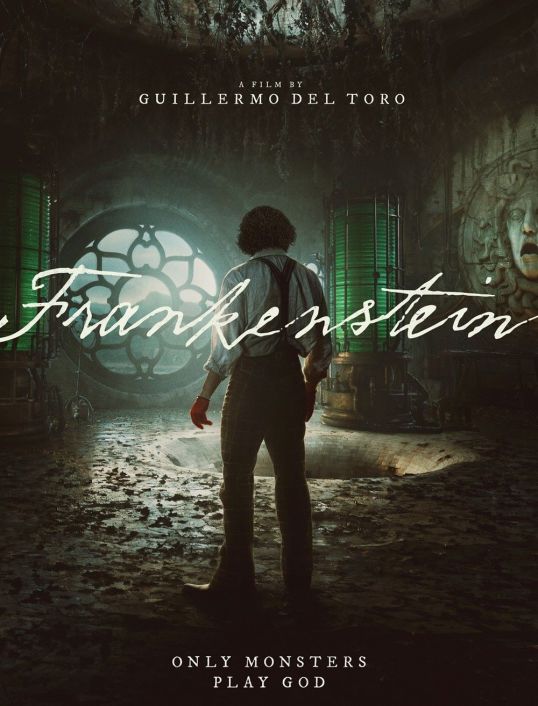
Frankenstein
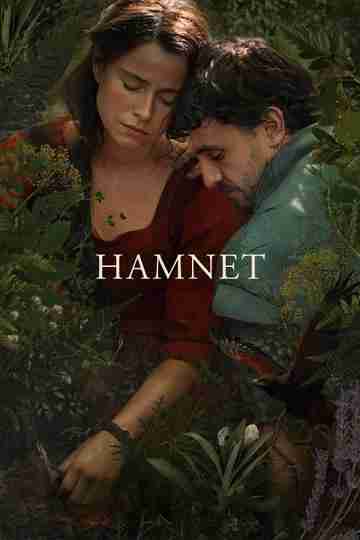
Hamnet
Marty Supreme
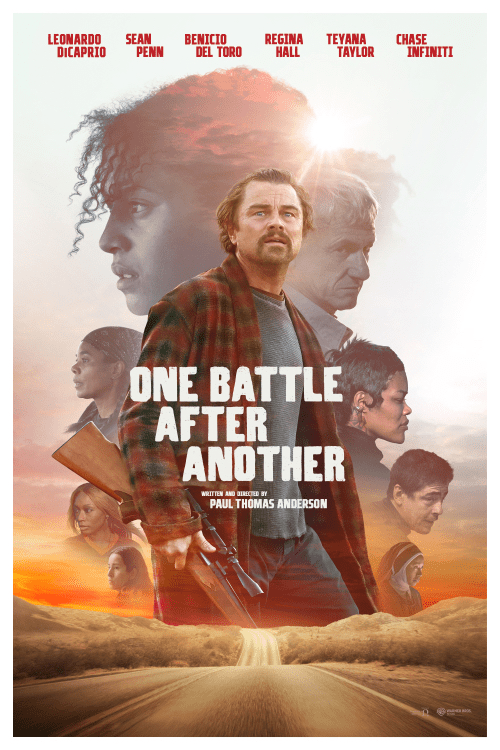
One Battle After Another
Sentimental Value
Sinners
The Testament of Ann Lee
Train Dreams
Weapons

Best Director
Paul Thomas Anderson – One Battle After Another
Ryan Coogler – Sinners
Guillermo Del Toro – Frankenstein
Josh Safdie – Marty Supreme
Chloé Zhao – Hamnet

Best Actress
Jessie Buckley – Hamnet
Rose Byrne – If I Had Legs I’d Kick You
Chase Infiniti – One Battle After Another
Amanda Seyfried – The Testament of Ann Lee
Emma Stone – Bugonia

Best Actor
Timothée Chalamet – Marty Supreme
Leonardo DiCaprio – One Battle After Another
Joel Edgerton – Train Dreams
Ethan Hawke – Blue Moon
Michael B. Jordan – Sinners

Best Supporting Actress
Odessa A’zion – Marty Supreme
Inga Ibsdotter Lilleaas – Sentimental Value
Amy Madigan – Weapons
Wunmi Mosaku – Sinners
Teyana Taylor – One Battle After Another

Best Supporting Actor
Benicio Del Toro – One Battle After Another
Jacob Elordi – Frankenstein
Delroy Lindo – Sinners
Sean Penn – One Battle After Another
Stellan Skarsgård – Sentimental Value

Best Young Actress
Shannon Mahina Gorman – Rental Family
Olivia Lynes – Hamnet
Madeleine McGraw – The Black Phone 2
Sora Wong – Bring Her Back
Nina Ye – Left-Handed Girl

Best Young Actor
Everett Blunck – The Plague
Miles Caton – Sinners
Cary Christopher – Weapons
Jacobi Jupe – Hamnet
Alfie Williams – 28 Years Later

Best Acting Ensemble
Marty Supreme
One Battle After Another
Sentimental Value
Sinners
Wake Up Dead Man

Best Music Film
The Ballad of Wallis Island
KPop Demon Hunters
Sinners
The Testament of Ann Lee
Wicked: For Good

Best Animated Film
The Day the Earth Blew Up
KPop Demon Hunters
Little Amélie or the Character of Rain
Predator: Killer of Killers
Zootopia 2

Best Documentary
The Alabama Solution
Cover-Up
John Candy: I Like Me
The Perfect Neighbor
Predators

Best International Film
It Was Just an Accident
No Other Choice
The Secret Agent
Sentimental Value
Sirāt

Best Screenplay
Marty Supreme
One Battle After Another
Sinners
Sorry, Baby
Weapons

Best Cinematography
Frankenstein
Hamnet
One Battle After Another
Sinners
Train Dreams

Best Editing
F1: The Movie
Marty Supreme
One Battle After Another
The Perfect Neighbor
Sinners

Best Production Design
Frankenstein
Marty Supreme
Sinners
The Testament of Ann Lee
Wicked: For Good

Best Original Song
“As Alive As You Need Me to Be” – Nine Inch Nails, Tron: Ares
“The Girl in the Bubble” – Ariana Grande, Wicked: For Good
“Golden” – EJAE, Audrey Nuna, and Rei Ami, KPop Demon Hunters
“I Lied to You” – Miles Caton, Sinners
“Train Dreams” – Nick Cave, Train Dreams

Best Score
Frankenstein
Marty Supreme
One Battle After Another
Sinners
Train Dreams

Best Sound
F1: The Movie
One Battle After Another
Sinners
Warfare
Wicked: For Good

Best Stunt Work
Ballerina
F1: The Movie
Mission: Impossible – The Final Reckoning
Sinners
Superman

Best Action Film
F1: The Movie
Mission: Impossible – The Final Reckoning
One Battle After Another
Predator: Badlands
Superman

Best Comedy Film
The Ballad of Wallis Island
Friendship
The Naked Gun
Splitsville
Wake Up Dead Man

Best Horror Film
28 Years Later
Frankenstein
Sinners
The Ugly Stepsister
Weapons

The Jim Ridley Award
The Day the Earth Blew Up
Dracula
A Little Prayer
Resurrection
Sirāt

One Battle After Another Wins In Oklahoma


The Oklahoma Film Critics Circle has announced its picks for the best of 2025!  And here they are:

Best Film
Winner:
 One Battle After Another
Runner-Up: Sinners

Best Director
Winner:
 Paul Thomas Anderson, One Battle After Another
Runner-Up: Ryan Coogler, Sinners

Best Actor
Winner:
 Leonardo DiCaprio, One Battle After Another
Runner-Up: Ethan Hawke, Blue Moon

Best North American Indigenous Film
Winner:
 Seeds
Runner-Up: Remaining Native

Best Actress
Winner:
 Jessie Buckley, Hamnet
Runner-Up: Rose Byrne, If I Had Legs I’d Kick You

Best Supporting Actor
Winner:
 Benicio del Toro, One Battle After Another
Runner-Up: Sean Penn, One Battle After Another

Best Supporting Actress
Winner:
 Amy Madigan, Weapons
Runner-Up: Teyana Taylor, One Battle After Another

Best Original Screenplay
Winner:
 Sinners
Runner-Up: Marty Supreme

Best Adapted Screenplay
Winner:
 One Battle After Another
Runner-Up: Hamnet

Best Documentary
Winner:
 The Perfect Neighbor
Runner-Up: Orwell: 2+2=5

Best Ensemble
Winner:
 One Battle After Another
Runner-Up: Sinners

Best International Film
Winner:
 Sentimental Value
Runner-Up: It Was Just an Accident

Best Animated Film
Winner:
 KPop Demon Hunters
Runner-Up: Zootopia 2

Best First Feature
Winner:
 Eva Victor, Sorry, Baby
Runner-Up: Charlie Polinger, The Plague

Best Body of Work
Winner:
 Pedro Pascal (Materialists, Eddington, Fantastic Four: First Steps)
Runner-Up: Josh O’Connor (Wake Up Dead Man, The Mastermind, The History of Sound, Rebuilding)

Best Score
Winner:
 Sinners
Runner-Up: One Battle After Another

Best Cinematography
Winner:
 Sinners
Runner-Up: One Battle After Another

Best Stunt Coordination
Winner:
 Mission: Impossible – The Final Reckoning
Runner-Up: F1

Best Performance by an Animal Actor
Honorable Mention:
 Good Boy

Here Are The 2025 Nominations of the North Dakota Film Society!


The North Dakota Film Society has announced its nominees for the best of 2025.  And here they are:

Best Picture
HAMNET – Nicolas Gonda, Pippa Harris, Liza Marshall, Sam Mendes, Steven Spielberg (Focus Features)
MARTY SUPREME – Ronald Bronstein, Eli Bush, Timothée Chalamet, Anthony Katagas, Josh Safdie (A24)
ONE BATTLE AFTER ANOTHER – Paul Thomas Anderson, Sara Murphy, Adam Somner, JoAnne Sellar (Warner Bros.)
SENTIMENTAL VALUE – Andrew Berenstsen Ottmar, Maria Ekerhovd (Neon)
SINNERS – Ryan Coogler, Zinzi Coogler, Sev Ohanian (Warner Bros.)

Best Director
Paul Thomas Anderson – ONE BATTLE AFTER ANOTHER (Warner Bros.)
Ryan Coogler – SINNERS (Warner Bros.)
Josh Safdie – MARTY SUPREME (A24)
Joachim Trier – SENTIMENTAL VALUE (Neon)
Chloé Zhao – HAMNET (Focus Features)

Best Actress
Jessie Buckley – HAMNET (Focus Features)
Rose Byrne – IF I HAD LEGS I’D KICK YOU (A24)
Chase Infiniti – ONE BATTLE AFTER ANOTHER (Warner Bros.)
Renate Reinsve – SENTIMENTAL VALUE (Neon)
Emma Stone – BUGONIA (Focus Features)

Best Actor
Timothée Chalamet – MARTY SUPREME (A24)
Leonardo DiCaprio – ONE BATTLE AFTER ANOTHER (Warner Bros.)
Ethan Hawke – BLUE MOON (Sony Pictures Classics)
Michael B. Jordan – SINNERS (Warner Bros.)
Lee Byung-hun – NO OTHER CHOICE (Neon)

Best Supporting Actress
Elle Fanning – SENTIMENTAL VALUE (Neon)
Inga Ibsdotter Lilleaas – SENTIMENTAL VALUE (Neon)
Amy Madigan – WEAPONS (Warner Bros.)
Wunmi Mosaku – SINNERS (Warner Bros.)
Teyana Taylor – ONE BATTLE AFTER ANOTHER (Warner Bros.)

Best Supporting Actor
Benicio del Toro – ONE BATTLE AFTER ANOTHER (Warner Bros.)
Jacob Elordi – FRANKENSTEIN (Netflix)
Paul Mescal – HAMNET (Focus Features)
Sean Penn – ONE BATTLE AFTER ANOTHER (Warner Bros.)
Stellan Skarsgård – SENTIMENTAL VALUE (Neon)

Best Ensemble
HAMNET – Joe Alwyn, Jessie Buckley, Jacob Jupe, Noah Jupe, Paul Mescal, Emily Watson (Focus Features)
MARTY SUPREME – Odessa A’zion, Timothée Chalamet, Kevin O’Leary, Tyler Okonma, Gwyneth Paltrow (A24)
ONE BATTLE AFTER ANOTHER – Benicio del Toro, Leonardo DiCaprio, Regina Hall, Chase Infiniti, Sean Penn, Teyana Taylor (Warner Bros.)
SENTIMENTAL VALUE – Elle Fanning, Inga Ibsdotter Lilleaas, Renate Reinsve, Stellan Skarsgård (Neon)
SINNERS – Miles Caton, Michael B. Jordan, Jayme Lawson, Li Jun Li, Delroy Lindo, Wunmi Mosaku, Jack O’Connell, Hailee Steinfeld (Warner Bros.)

Best Screenplay
HAMNET – Maggie O’Farrell and Chloé Zhao (Focus Features)
MARTY SUPREME – Ronald Bronstein and Josh Safdie (A24)
ONE BATTLE AFTER ANOTHER – Paul Thomas Anderson (Warner Bros.)
SENTIMENTAL VALUE – Joachim Trier and Eskil Vogt (Neon)
SINNERS – Ryan Coogler (Warner Bros.)

Best Cinematography
HAMNET – Łukasz Żal (Focus Features)
ONE BATTLE AFTER ANOTHER – Michael Bauman (Warner Bros.)
SINNERS – Autumn Durald Arkapaw (Warner Bros.)
SIRAT – Mauro Herce (Neon)
TRAIN DREAMS – Adolpho Veloso (Netflix)

Best Costume Design
FRANKENSTEIN – Kate Hawley (Netflix)
HAMNET – Malgosia Turzanska (Focus Features)
SINNERS – Ruth E. Carter (Warner Bros.)
THE TESTAMENT OF ANN LEE – Małgorzata Karpiuk (Searchlight Pictures)
WICKED: FOR GOOD – Paul Tazewell (Universal Pictures)

Best Editing
MARTY SUPREME – Ronald Bronstein, Josh Safdie (A24)
NO OTHER CHOICE – Kim Sang-beom, Kim Ho-bin (Neon)
ONE BATTLE AFTER ANOTHER – Andy Jurgensen (Warner Bros.)
SENTIMENTAL VALUE – Olivier Bugge Coutté (Neon)
SINNERS – Michael P. Shawver (Warner Bros.)

Best Visual Effects
AVATAR: FIRE AND ASH – Richard Baneham, Daniel Barrett, Joe Letteri, Eric Saindon (20th Century Studios)
F1 – Ryan Tudhope, Nikeah Forde, Robert Harrington, Nicolas Chevallier, Eric Leven, Edward Price, Keith Dawson (Apple Original Films)
HOW TO TRAIN YOUR DRAGON – Christian Manz, Glen McIntosh, Andy Kind, Terry Palmer (Universal Pictures)
SINNERS – Donnie Dean, Espen Nordahl, Michael Ralla, Guido Wolter (Warner Bros.)
SUPERMAN – Stephen Ceretti, Enrico Damm, Stéphane Nazé, Guy Williams (Warner Bros.)

Best Makeup & Hairstyling
BUGONIA – Torsten Witte (Focus Features)
FRANKENSTEIN – Cliona Furey, Mike Hill, Jordan Samuel (Netflix)
SINNERS – Ken Diaz, Mike Fontaine, Shunika Terry (Warner Bros.)
THE UGLY STEPSISTER – Thomas Foldberg, Anne Cathrine Sauerberg (Independent Film Company)
WICKED: FOR GOOD – Laura Blount, Mark Coulier, Frances Hannon (Universal Pictures)

Best Original Score
BUGONIA – Jerskin Fendrix (Focus Features)
HAMNET – Max Richter (Focus Features)
ONE BATTLE AFTER ANOTHER – Jonny Greenwood (Warner Bros.)
SINNERS – Ludwig Göransson (Warner Bros.)
SIRAT – Kangding Ray (Neon)

Best Original Song
KPOP DEMON HUNTERS – “Golden” – EJAE and Mark Sonnenblick (Netflix)
SINNERS – “I Lied to You” – Ludwig Göransson and Raphael Saadiq (Warner Bros.)
SINNERS – “Last Time (I Seen the Sun)” – Miles Caton, Ludwig Göransson, and Alice Smith (Warner Bros.)
THE TESTAMENT OF ANN LEE – “Clothed By the Sun” – Daniel Blumberg (Searchlight Pictures)
TRAIN DREAMS – “Train Dreams” – Nick Cave (Netflix)

Best Production Design
FRANKENSTEIN – Tamara Deverell (Netflix)
HAMNET – Fiona Crombie, Alice Felton (Focus Features)
MARTY SUPREME – Jack Fisk, Adam Willis (A24)
SINNERS – Hannah Beachler, Monique Champagne (Warner Bros.)
WICKED: FOR GOOD – Nathan Crowley, Lee Sandales (Universal Pictures)

Best Sound
AVATAR: FIRE AND ASH – Gwendolyn Yates Whittle, Brent Burge, Gary Summers, Michael Hedges, Alexis Feodoroff, Julian Howarth (20th Century Studios)
F1 – Gareth John, Al Nelson, Juan Peralta, Gary A. Rizzo, Gwendolyn Yates Whittle (Apple Original Films)
ONE BATTLE AFTER ANOTHER – Jose Antonio Garci, Christopher Scarabosio, Tony Vallaflor (Warner Bros.)
SINNERS – Steve Boeddeker, Benny Burtt, Felipe Pacheco, Brandon Proctor, Chris Welcker (Warner Bros.)
SIRAT – Laia Casanovas (Neon)

Best Animated Feature
ARCO – Ugo Bienvenu, Félix de Givry, Sophie Mas, Natalie Portman (Neon)
BOYS GO TO JUPITER – Julian Glander, Peisin Yang Lazo (Cartuna)
KPOP DEMON HUNTERS – Chris Appelhans, Maggie Kang, Michelle L.M. Wong (Netflix)
LITTLE AMÉLIE OR THE CHARACTER OF RAIN – Maïlys Vallade, Claire LaCombe, Edwina Liard, Henri Magalon, Nidia Santiago (GKids)
ZOOTOPIA 2 – Jared Bush, Byron Howard, Yvett Merino (Walt Disney Pictures)

Best Documentary Feature
THE ALABAMA SOLUTION – Andrew Jarecki, Charlotte Kaufman, Alelur “Alex” Duran, Beth Shelburne (HBO Documentary Films)
COME SEE ME IN THE GOOD LIGHT – Jessica Hargrave, Tig Notaro, Ryan White, Stef Willen (Apple Original Films)
COVER-UP – Laura Poitras, Mark Obenhaus, Yoni Golijov, Olivia Streisand (Netflix)
IT’S NEVER OVER, JEFF BUCKLEY – Amy Berg, Brad Pitt, Ryan Heller, Christine Connor, Mandy Chang, Jennie Bedusa, Matthew Roozen (Magnolia Pictures)
THE PERFECT NEIGHBOR – Alisa Payne, Geeta Gandbhir, Nikon Kwantu, Sam Bisbee (Netflix)

Best International Feature
IT WAS JUST AN ACCIDENT – France (Neon)
NO OTHER CHOICE – South Korea (Neon)
THE SECRET AGENT – Brazil (Neon)
SENTIMENTAL VALUE – Norway (Neon)
SIRAT – Spain (Neon)

Review: Final Fantasy VI


“It’s not the result of one’s life that’s important. It’s the day-to-day concerns, the personal victories, and the celebration of life… and love. It’s enough if people are able to experience the joy that each day can bring…” – Terra Bradford

Final Fantasy VI is one of those JRPGs that feels bigger than the cartridge it shipped on, and even now it earns its reputation as both a high point of the 16-bit era and a blueprint for what narrative-driven RPGs could become. It is dense, melodramatic, occasionally clunky, but consistently ambitious in ways that still feel relevant to the genre’s modern landscape, blending theatrical storytelling with flexible mechanics and a structure that dares to rethink its own world midway through. Revisiting it reveals not just a classic, but a foundational text whose echoes show up in everything from ensemble casts to customizable skill systems in later titles.

The opening hours set the tone with impressive confidence, dropping you right into a steampunk-flavored world where magic has been industrialized into a tool of conquest. Terra, a half-human, half-Esper whose mind is shackled by an imperial slave crown, marches through snowy mountains in powered Magitek armor toward the mining town of Narshe, instantly hooking you with her vulnerability amid high-stakes espionage. This personal thread weaves into a broader guerrilla war between the Gestahlian Empire—led by the scheming Gestahl and his unhinged general Kefka—and the ragtag Returners resistance, but the real genius is how the story quickly pivots from standard “rebels vs. empire” to a sprawling ensemble piece that trusts no single hero to carry the weight.

That cast of fourteen permanent party members is the game’s boldest swing, each layered with backstories, quirks, and mechanical identities that make them stick. Terra grapples with her monstrous heritage and search for belonging, Celes wrestles betrayal and isolation after defecting from the Empire, Locke chases redemption for a lost love, Cyan buries himself in grief over his family’s slaughter, Sabin roams as a free-spirited brawler, Edgar plays the charming king-turned-inventor, and Setzer brings cynical gambler flair—it’s a roster that juggles melodrama like opera-house soliloquies and doomed romances with quieter, human moments that land surprisingly hard even today. Some inevitably get shortchanged if you beeline through the back half, feeling more like vivid archetypes than deep dives, but the sheer ambition of giving everyone a mini-arc amid the chaos set a new bar for character work in JRPGs, influencing how later games like the Persona series built entire identities around tight-knit parties and personal subplots.​

Kefka anchors the escalating stakes as few villains do, evolving from a clownish psycho prone to war crimes like poisoning a town into a nihilistic force who hijacks the god-like Warring Triad, shatters the planet, and rules the resulting apocalypse as a tyrant-god cackling over the ruins. Midway through, he doesn’t just threaten doom—he delivers it, wiping cities off the map and thrusting the story into the World of Ruin, a time-skipped wasteland where survivors scrape by amid decay and despair. This pivot isn’t a cheap shock; it’s a structural earthquake that shifts the tone to post-apocalyptic reflection, forcing each character to confront whether they even have a reason to fight on, with Celes’ suicidal low point on a lonely island giving way to gradual reunions that feel earned because you choose the order. That willingness to let the bad guy win—and make the heroes rebuild emotionally as well as literally—rippled through the genre, showing JRPGs could handle survivor guilt, loss, and fragile hope without hand-waving the darkness.

Structurally, it’s like two games fused together: the linear World of Balance builds your crew through set pieces like infiltrations, multi-party defenses, and the iconic opera sequence, then explodes into a semi-open World of Ruin where you roam a shattered map, tackling side dungeons and personal vignettes at will. Pacing can wobble if you stray off-path early or grind too hard later, but the freedom to prioritize arcs—like Cyan’s haunted family dreams or Terra’s village sanctuary—mirrors the themes of recovery, prefiguring how modern titles blend cosmic plots with player-driven character priorities.

Combat nails a sweet spot with the Active Time Battle system, where gauges fill in real-time for flexible pacing—toggle “Active” for pressure or “Wait” to strategize—and row positioning adds tactics, frontliners tanking full hits while backrow slings safer damage. Character-unique commands keep it fresh: Sabin’s Blitz commands mimic fighting-game inputs, Edgar’s Tools hit formations, Cyan charges sword techs, Gau Rages as monsters, Setzer gambles on slots—making swaps feel playful and deliberate. The Esper system elevates this, letting anyone equip magical summons to learn spells via Magic Points and snag level-up bonuses, blending fixed identities with modular builds in a way that blurred roles late-game but normalized customization as core to JRPG fun.

This philosophy—strong personalities atop teachable, recombinable abilities—quietly reshaped the genre, with Persona‘s demon/persona fusion, Lost Odyssey‘s memory-tied skills, and similar systems in Clair Obscur owing a debt to Espers as a bridge from rigid classes to player-sculpted parties without erasing narrative flavor. Dungeons mix it up too, from pincer ambushes and gimmick bosses like the shell-hiding Whelk to timed escapes and that charming opera blending inputs with spectacle, though some late hauls drag with random encounters exposing 16-bit limits.

Visually, it’s pixel art at its peak: expressive sprites, detailed industrial backdrops, and a palette flip from Balance’s vibrancy to Ruin’s sickly decay, with ruined landmarks and evolving NPC lines selling irreversible change. Bosses escalate to surreal, painterly horrors fitting the finale’s otherworldliness, proving art direction trumps raw fidelity.

Nobuo Uematsu’s soundtrack is legendary for good reason, weaving leitmotifs—Terra’s theme, Kefka’s manic laugh, Celes’ aria—into a narrative spine that evolves with the story, from triumphant fanfares to haunting piano and faux-choral dread, all within SNES constraints. It established JRPG scores as orchestral-caliber storytelling tools, influencing fully symphonic later works and live concerts.

Final Fantasy VI‘s legacy permeates JRPGs today, its DNA visible in the way Persona weaves school-life bonds with supernatural showdowns, how Lost Odyssey probes immortal grief through written vignettes, or how ambitious indies like Clair Obscur chase painterly melancholy and hope amid ruin—the ensemble healing, world-shattering pivots, and trauma-to-recovery arcs all trace back here, proving a 16-bit game could set emotional and structural templates still in play. Hironobu Sakaguchi crystallized as the modern JRPG’s godfather through this title, fusing mechanical innovation like Esper flexibility with mature themes of identity and despair that Final Fantasy VII and beyond amplified into global phenomena, his vision elevating the genre from quest logs to profound, character-soaked epics.​

The Final Fantasy VII Remake‘s blockbuster success—reimagining a classic with modern graphics, cinematic flair, real-time twists, and expanded character beats—has only intensified fan campaigns for VI to get similar lavish treatment, from a fully voiced, motion-captured opera house to a destructible world rendered in heartbreaking detail and Ruin reunions that hit even harder with modern intimacy. Yet Square Enix leadership has flagged the project’s nigh-insurmountable scale: the fourteen-character sprawl, mid-game reset, player-driven nonlinearity, and web of optional stories demand a development odyssey that could dwarf even VII‘s trilogy, risking dilution of what makes the original a personal, unpredictable journey if forced into rigid cinematic lanes.

Flaws persist—sappy dialogue dates it amid earnest monologues, sidelined characters like Gau or Strago need deliberate hunting for payoff, Espers can shatter balance into spell-spam routs, and marathon dungeons fatigue under random encounter spam—but these 16-bit quirks pale against a boldness that endures. Final Fantasy VI isn’t frozen nostalgia; it’s a living cornerstone, its sprawling heart, tinkering joy, musical sweep, and unyielding ambition still sparking JRPG evolution, demanding replays not as history homework but as a masterclass in what the genre can feel like when it swings for the fences and connects. Decades on, it whispers to every ambitious RPG dev: let your world break, let your cast breathe, let your systems invite play—and watch players find reasons to care long after the credits roll.

Here Are The 2025 Nominations of the Hawaii Film Critics Society


The Hawaii Film Critics Society has announced its nominations for the best of 2025!  And here they are:

Best Picture
Jay Kelly
Marty Supreme
One Battle After Another
Sentimental Value
Sinners

Best Director
Paul Thomas Anderson, One Battle After Another
Ryan Coogler, Sinners
Guillermo del Toro, Frankenstein
Josh Safdie, Marty Supreme
Chloé Zhao, Hamnet

Best Actor
Timothée Chalamet, Marty Supreme
Leonardo DiCaprio, One Battle After Another
Ethan Hawke, Blue Moon
Michael B. Jordan, Sinners
Wagner Moura, The Secret Agent

Best Actress
Jessie Buckley, Hamnet
Chase Infiniti, One Battle After Another
Sally Hawkins, Bring Her Back
Renate Reinsve, Sentimental Value
Sophie Thatcher, Companion

Best Supporting Actor
Benicio del Toro, One Battle After Another
Jacob Elordi, Frankenstein
Adam Sandler, Jay Kelly
Sean Penn, One Battle After Another
Stellan Skarsgård, Sentimental Value

Best Supporting Actress
Elle Fanning, Sentimental Value
Inga Ibsdotter Lilleaas, Sentimental Value
Amy Madigan, Weapons
Amanda Seyfried, The Housemaid
Teyana Taylor, One Battle After Another

Best Original Screenplay
Eddington
Marty Supreme
Sentimental Value
Sinners
Weapons

Best Adapted Screenplay
Frankenstein
Hamnet
One Battle After Another
The Housemaid
Train Dreams

Best Editing
F1: The Movie
Marty Supreme
One Battle After Another
Sinners
Together

Best Cinematography
F1: The Movie
Frankenstein
One Battle After Another
Sinners
Train Dreams

Best Art Direction
Frankenstein
Hamnet
Marty Supreme
Sinners
The Phoenician Scheme

Best Costume Design
Frankenstein
Hamnet
Sinners
The Phoenician Scheme
Wicked: For Good

Best Animated Film
Arco
Dog Man
KPop Demon Hunters
The Day the Earth Blew Up: A Looney Tunes Movie
Zootopia 2

Best Documentary
George A. Romero’s Resident Evil
Orwell: 2+2=5
Pee-wee as Himself
Predators
The Perfect Neighbor

Best Make-Up
28 Years Later
Frankenstein
Sinners
Weapons
Wicked: For Good

Best Sound
F1: The Movie
Frankenstein
One Battle After Another
Sinners
The Testament of Ann Lee

Best Score
F1: The Movie
Frankenstein
One Battle After Another
Sinners
Tron: Ares

Best Song
“As Alive as You Need Me to Be,” Tron: Ares
“Highest 2 Lowest,” Highest 2 Lowest
“Hurry Up Tomorrow,” Hurry Up Tomorrow
“I Lied to You,” Sinners
“Train Dreams,” Train Dreams

Best Visual Effects
Avatar: Fire and Ash
Frankenstein
Jurassic World: Rebirth
Predator: Badlands
Sinners

Best Action Movie
Ballerina
F1: The Movie
Mission: Impossible – The Final Reckoning
One Battle After Another
Predator: Badlands

Best Stunt Work
Ballerina
F1: The Movie
Mission: Impossible – The Final Reckoning
One Battle After Another
Sinners

Best New Filmmaker
Ugo Bienvenu, Arco
Ben Leonberg, Good Boy
Charlie Polinger, The Plague
Michael Shanks, Together
Eva Victor, Sorry, Baby

Best First Film
Arco
Good Boy
Sorry, Baby
The Plague
Together

Best Overlooked Film
Clown in a Cornfield
Eddington
Nouvelle Vague
Rental Family
The Life of Chuck

Best Vocal / Motion Capture Performance
Eric Bauza, The Day the Earth Blew Up: A Looney Tunes Movie
Oona Chaplin, Avatar: Fire and Ash
Ebon Moss-Bachrach, The Fantastic Four: First Steps
Sam Rockwell, The Bad Guys 2
Alison Wright, Predator: Badlands

Best Animal Performance
Bing the dog, The Friend
Indy the dog, Good Boy
Jolene the dog, Superman
Olga the cat, Sorry, Baby
Tico the cat, Caught Stealing

Best Horror Film
Bring Her Back
Keeper
Shelby Oaks
Together
Weapons

Best Comic Book Movie
100 Nights of Hero
Captain America: Brave New World
Superman
The Fantastic Four: First Steps
Thunderbolts*

Best Foreign Language Film
It Was Just an Accident
Left-Handed Girl
No Other Choice
Sentimental Value
The Secret Agent

Best Underrated Film
Companion
Heart Eyes
Rental Family
The Life of Chuck
The Long Walk

Best Hawaiian Film
A Paradise Lost, dir. Laurie Sumiye (Hawaii)
Lahaina Rising, dir. Matty Schweitzer (Maui)
MĀHŪ: A Trans-Pacific Love Letter, dir. Lisette Marie Flanary (Oahu)
Reeling, dir. Yana Alliata (Oahu)
Sharing Aloha, dir. Blair Treu (Hawaii)

The Ha’aheo Award (Pride in Achievement for Film, TV, or Theater)
Chief of War

Worst Film of 2025
Death of a Unicorn
Eddington
Hurry Up Tomorrow
Karate Kid: Legends
The Strangers: Chapter 2

Here Are The 2025 Nominations of the Set Decorator Society


The Set Decorators Society of America has announced its nominations for the best of 2025!  And here they are:

Best Achievement in Décor/Design of a Contemporary Feature Film
“BUGONIA” – Set Decoration by Prue Howard; Production Design by James Price
“F1” – Set Decoration by Andrew McCarthy SDSA & Véronique Melery; Production Design by Mark Tildesley & Ben Munro
“JAY KELLY” – Set Decoration by Véronique Melery & Meg Everist; Production Design by Mark Tildesley
“ONE BATTLE AFTER ANOTHER” – Set Decoration by Anthony Carlino SDSA; Production Design by Florencia Martin
“WAKE UP DEAD MAN: A KNIVES OUT MYSTERY” – Set Decoration by Kathryn Pyle; Production Design by Rick Heinrichs

Best Achievement in Décor/Design of a Period Feature Film
“DOWNTON ABBEY: THE GRAND FINALE” – Set Decoration by Linda Wilson; Production Design by Donal Woods
“HAMNET” – Set Decoration by Alice Felton SDSA; Production Design by Fiona Crombie
“MARTY SUPREME” – Set Decoration by Adam Willis; Production Design by Jack Fisk
“SINNERS” – Set Decoration by Monique Champagne SDSA; Production Design by Hannah Beachler
“SPRINGSTEEN: DELIVER ME FROM NOWHERE” – Set Decoration by Kris Moran; Production Design by Stefania Cella

Best Achievement in Décor/Design of a Fantasy or Science Fiction Feature Film
“AVATAR: FIRE AND ASH” – Set Decoration by Vanessa Cole; Production Design by Dylan Cole & Ben Procter
“THE FANTASTIC FOUR: FIRST STEPS” – Set Decoration by Jille Azis; Production Design by Kasra Farahani
“FRANKENSTEIN” – Set Decoration by Shane Vieau SDSA; Production Design by Tamara Deverell
“HOW TO TRAIN YOUR DRAGON” – Set Decoration by Daniel Birt SDSA; Production Design by Dominic Watkins
“SUPERMAN” – Set Decoration by Rosemary Brandenburg SDSA; Production Design by Beth Mickle

Best Achievement in Décor/Design of a Comedy or Musical Feature Film
“FREAKIER FRIDAY” – Set Decoration by Brandi Kalish SDSA; Production Design by Kay Anna Lee
“KISS OF THE SPIDERWOMAN” – Set Decoration by Andrew Baseman SDSA; Production Design by Scott Chambliss
“THE PHOENICIAN SCHEME” – Set Decoration by Anna Pinnock; Production Design by Adam Stockhausen
“ROOFMAN” – Set Decoration by Kendall Anderson SDSA; Production Design by Inbal Weinberg
“WICKED: FOR GOOD” – Set Decoration by Lee Sandales; Production Design by Nathan Crowley

Join #MondayMania For The Ex Next Door!


Hi, everyone!  Tonight, on twitter, I will be hosting one of my favorite films for #MondayMania!  Join us for 2019’s The Ex Next Door!

You can find the movie on Prime and Tubi and then you can join us on twitter at 9 pm central time!  (That’s 10 pm for you folks on the East Coast.)  See you then!

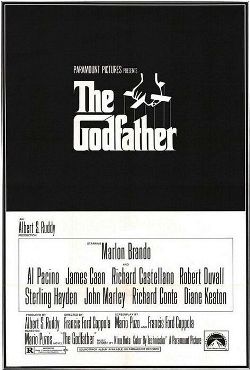
Song of the Day: Theme From The Godfather by Nino Rota


Today, the Shattered Lens observes the birthdays of two great actors, Robert Duvall and the much-missed Diane Keaton.

Along with being two of America’s best actors, Duvall and Keaton also co-starred in the first two Godfather films.  They didn’t share many scenes in the second film (though there was at least one Duvall/Keaton scene that was filmed but not included in the final film) but, in the first film, they have a memorable moment in which Keaton (as Kay) visits the Corleone compound while the Corleones are in the middle of a gang war, and asks Duvall’s Tom Hagen to send a letter to Michael in Sicily.  Hagen explains that he can’t do that because that would serve as evidence that he knew where Michael was.  When Kay notices a car that has obviously been bombed, Tom blandly replies, “Oh, that was an accident.  Luckily, no one was hurt!”

In honor of these two amazing performers and my favorite movie of all time, today’s song of the day is Nino Rota’s theme from The Godfather.

Scenes That I Love: Diane Keaton and Al Pacino in The Godfather


Today would have been Diane Keaton’s 80th birthday.

In today’s scene that I love, from 1972’s The Godfather, Keaton plays Kay Adams Corleone, the wife of Michael (Al Pacino).  In this scene, Michael has “allowed” Kay to ask him about the family business.  She asks him if he had his brother-in-law, Carlo, killed.  Michael says, “No.”  Kay is relieved …. until she steps out into the hallway and realizes, as the door is shut in her face, that her husband just lied to her.

This is a beautifully acted scene and one of the most powerful endings in film history.