Welcome to Late Night Retro Television Reviews, a feature where we review some of our favorite and least favorite shows of the past! On Saturdays, I will be reviewingthe Canadian sitcom, Check it Out, which ran in syndication from 1985 to 1988. The entire show is currently streaming on Tubi and Peacock!
This week, Leslie pursues a dream but there’s a demon in a bottle getting in the way…. (*cue the dramatic music*)
Episosde 3.21 “Educating Leslie”
(Dir by Alan Erlich, originally aired on February 7th, 1988)
Leslie has a chance to win an acting scholarship. The only problem is that his acting coach, Darla Fontaine (Corrine Conley), is an alcoholic who believes her glory days are far behind her. Leslie pours out her liquor, convinces her to give life another chance, and wins the scholarship after putting on a putty nose and delivering a monologue from CyranoDeBergerac.
This episode is certainly not something that I would normally expect from CheckItOut! but there it is. CheckItOut! has, over the course of three seasons, been a consistently silly show, one that featured Howard getting into impossibly dumb situations and the majority of the cast just going along with the weirdness of it all. There was one episode, during the first season, where Edna thought she was pregnant and cried when she discovered she wasn’t. Up until this episode, that was the only dramatic moment to be found in CheckItOut!
It’s a bit odd that, for it’s second-to-last episode, CheckItOut! would do an episode that goes so strongly against the usual style of the series but CheckItOut! was never a particularly consistent show and the fact that Sean Roberge’s stockboy makes an appearance in this episode after a long absence suggests that this episode was probably meant to air earlier in the season than it did. As well, Viker is prominently featured in this episode but no one mentions the fact that, just last week, his wife gave birth.
As for the episode itself, it was a bit overwritten and Corrine Conley overacted in the role of the alcoholic diva. But, as usual when he was given a spotlight episode, Aaron Schwartz nailed it as Leslie and elevated every scene that was in.
This episode ends with Leslie winning his scholarship. As next week’s episode is just a clip show, one could argue that, as a series, CheckItOut! ended with Leslie finally achieving his dream. That’s not a bad ending.
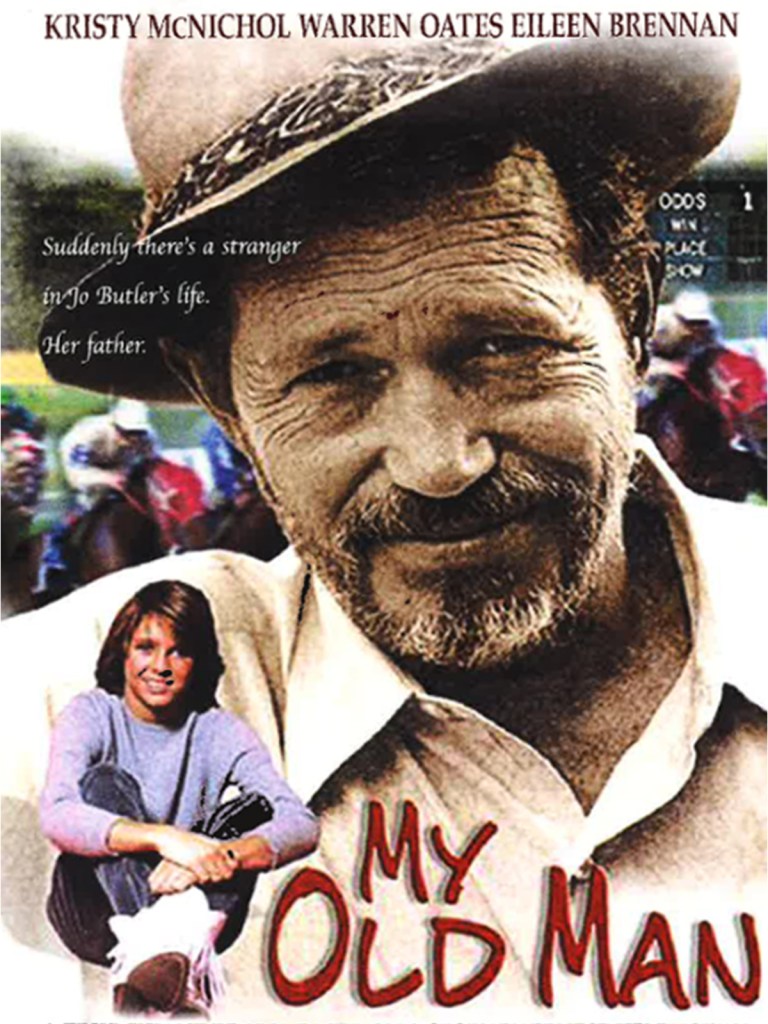
In my continuing celebration of Warren Oates’ birthday, I decided to check out his 1979 TV movie MY OLD MAN, with Kristy McNichol. Based on a 1923 short story from Ernest Hemingway, Oates stars as Frank Butler, an alcoholic horse trainer and compulsive gambler, who goes to see his 16-year-old daughter, Jo (Kristy McNichol) after the death of her mother. In an effort to have some sort of relationship with Jo, Frank asks her to spend the summer with him, where he introduces her to his world of horse racing, as well as his old flame Marie (Eileen Brennan). Things get off to a rocky start, but with time the two start to develop a loving and meaningful relationship. Frank’s notorious bad luck even changes for the better for a while, and he’s able to buy Jo her own racehorse. Unfortunately, just as things are starting to go well, Frank suffers a life threatening injury in the horse stables, and Jo is faced with the possibility of having to take on life without her mother or her father…
For a 1979 TV movie, I enjoyed MY OLD MAN. I like Warren Oates as the grizzled father who wants a relationship with his daughter but who also has no idea of how to go about it. He’s cranky and not happy to have someone else to answer to, but he also shows just enough vulnerability that we believe that he has a chance to be a caring dad. Kristy McNichol also does a good job as the 16 year old daughter who wants to get to know a dad that she’s only been told about thus far in her life, with most of those things not being very good. For this movie to work, their relationship has to work. I think both Oates and McNichol effectively express their characters’ desires to connect with each other simply because they’re father and daughter and that means something. As the father of a daughter myself, I know firsthand that our bond is truly special and one of the most important things in my life. And I’ll do anything to keep it that way.
Aside from the central relationship between Frank and his daughter Jo, I also like the relationship between Frank and his old flame, the waitress Marie (Eileen Brennan). Brennan is very good in the role and effectively conveys her character’s strong love for Frank. Frank needs her and even tells his daughter at one point, “No matter what was going on with me, she never lost her respect for me, and she never stopped caring about me. To me, that shows a lot of class.” From my perspective, I know that all of us guys need someone like Marie in our lives. I’m extremely blessed to have my own “Marie,” even if she does go by a different name. I do want to mention one more relationship in the film that’s interesting, and that’s between Frank and his former jockey George, played by a young Michael Jeter. The two have a bad past that rears its head over the course of the film, and Jeter acquits himself quite well acting against the seasoned veteran.
Overall, I enjoyed MY OLD MAN as it worked its way through its themes of family reconciliation and personal redemption. The last 20-30 minutes wasn’t quite as effective for me when the TV movie melodrama really kicked in. It still had some good moments, but it felt a little more forced once the focus shifted away from the relationships being developed by the central characters. With that said, I watched this movie in celebration of Warren Oates, and he’s just as great as I had hoped. He’s more than enough reason to watch the film even if it’s not perfect.
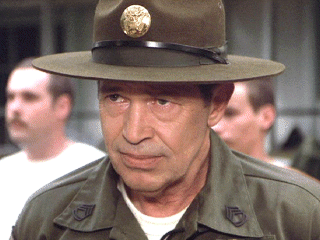
I didn’t have time to write a film review today but there’s no way I could late July 5th pass without honoring my favorite actor, Warren Oates. Oates played a lot of great roles over the course of his career but my favorite was his performance as Sgt. Hulka in 1981’s Stripes.
Here’s Warren Oates, as Sgt. Hulka, asking all the new recruits why they joined the Army. To those who would say that this isn’t a realistic portrayal of basic training, all I can say is “Lighten up, Francis.”
Welcome to Retro Television Reviews, a feature where we review some of our favorite and least favorite shows of the past! On Saturdays, I will be reviewing The American Short Story, which ran semi-regularly on PBS in 1974 to 1981. The entire show can be purchased on Prime and found on YouTube and Tubi.
This week, we have an adaptation of the short story that brought F. Scott Fitzgerald his first great literary success.
Episode #5 “Bernice Bobs Her Hair”
(Dir by Joan Micklin Silver, originally aired in 1976)
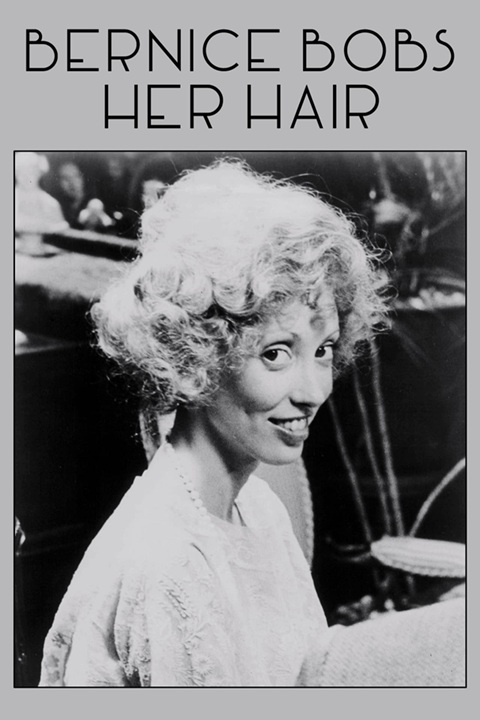
In this adaptation of a short story by F. Scott Fitzgerald, Shelley Duvall plays Bernice. Bernice is a socially awkward young woman from the country who, at the start of the glorious 1920s, spends the summer in the city with aunt (Polly Holliday) and her popular cousin, Marjorie (Veronica Cartwright). Though initially annoyed with having to watch over her cousin, Marjorie eventually decides to teach Bernice how to be a “society girl.” Marjorie teachers her how to flirt and, even more importantly, Marjorie spreads a rumor that Bernice is not only going to get her hair bobbed (which, at that time, was associated with being a flapper) but she’s going to let all the boys watch. Bernice goes from being seen as someone who is boring to being someone who is daring and rebellious. The rumor of her bobbing her hair gives Bernice a mystique, one that will only last as long as there’s a possibility of it happening.
Soon, all of the boys are interested in Bernice and Bernice becomes even more popular than Marjorie. Marjorie, with her long braids and her cultivated manners, watches in jealousy and horror as the boy across the street, Warren (Bud Cort), suddenly goes from liking Marjorie to liking Bernice. Marjorie is herself in love with Warren, though one gets the feeling that the love was more about the idea of Warren pining for her than any real desire to be with him. Realizing that the key to Bernice’s popularity is due to her unfulfilled promise to get hair bobbed, Marjorie tricks Bernice into actually doing it. Suddenly, Bernice is no longer as popular and her aunt is no longer comfortable with her being seen as a member of the family. The party invitations dry up and Marjorie once again claims her place as the long-haired society queen. Bernice prepares to return home but she has one more trick up her sleeve before she leaves.
I liked this one. Joan Micklin Silver gets wonderful performances from her cast and shows that she, more than even Robert Altman, understood how to best utilize Shelley Duvall’s quirky screen presence. While this adaptation is dominated by Duvall, I also really enjoyed Bud Cort’s earnest eccentricity as Warren. (“I’m getting old.” — 19 year-old Warren.) Finally, Veronica Cartwright gave an intelligent performance, one that kept Majorie from just becoming a one-dimensional villain. A look at the mystique of popularity and the way that social standards are casually accepted and rarely questioned, BerniceBobsHerHair works as both a wonderful short story and a witty short film.
I read about the movie COCKFIGHTER many years ago, and I remember the review being very positive. I had never watched the film before, but with today being Warren Oates’ birthday and it being available on Amazon Prime, I decided I’d finally watch it.
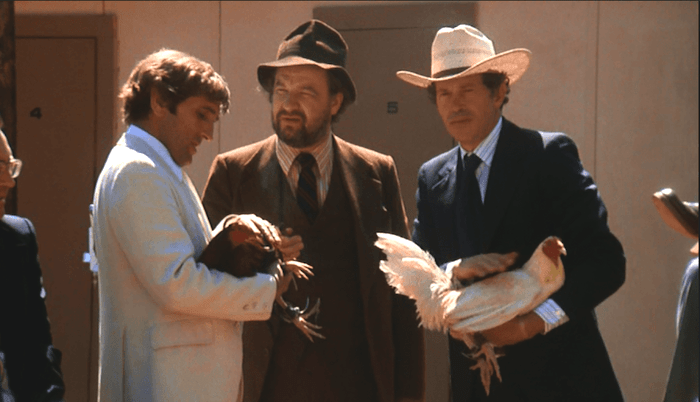
Directed by Monte Hellman and based on Charles Willeford’s 1962 novel, COCKFIGHTER introduces us to Frank Mansfield (Warren Oates), a man completely obsessed with the southern “sport” of cockfighting. As we meet him, he’s in the process of losing a bet and a cockfight with Jack Burke (Harry Dean Stanton). The loss isn’t just a setback, it costs him all of his cash, his truck, his trailer, and his current girlfriend Dody White (Laurie Bird). We also notice in these early scenes that Frank only communicates through sign language and writing notes. It seems that he’s been living under a self-imposed vow of silence. Two years earlier, on the eve of the big, season-ending cockfighting grand finale, Frank’s big-mouthed braggadocio caused him to lose his prized cock, and the prestigious “Cockfighter of the Year” medal in a meaningless hotel bet, also against Jack Burke. Frank vows not to speak again until he wins that medal. Coming up with cash in the only way he can by selling his family’s home, Frank buys a new cock named White Lightning from Ed Middleton, played here by the film’s writer Charles Willeford. Armed with new fowl and a new, capital rich partner named Omar Baradansky (Richard B. Shull), Frank will not let anything stop him, including the love of his life Mary Elizabeth (Patricia Pearcy) or an axe wielding competitor (Ed Begley, Jr.), from being named “Cockfighter of the Year” and finally regaining his voice and the respect he desires!
COCKFIGHTER definitely has some things going for it. First and foremost, Warren Oates is so good in the lead role as the obsessed man who puts success in cockfighting above anything else in his life, including every other person. He literally sells the family home out from under his alcoholic brother Randall (Troy Donahue) in order to fund his next cock purchase after he’s gone bust. This sets up quite the sight gag for such a gritty and realistic film as a large truck and trailer drives away the family home taking up the entire state highway. When his long time fiancé asks him to give up cockfighting, he just gets up, leaves her shirtless and heads back out on the circuit. He writes her a letter from the road and tells her he loves her, but he also makes it clear that life without cockfighting is a life that he’s unwilling to live. Oates’ Frank Mansfield is not the kind of person you’d ever want to depend on in life, but he’s also an uncompromising individual who is determined to live life wholly on his own terms, accepting of the successes and failures that come with it. I watched the film because it features Warren Oates, and after having done so, I can say that his performance is truly special.
COCKFIGHTER is one of those movies that makes us feel like we’re watching real people, and that’s kind of fascinating even if they reside in a world that we don’t really want to live in. The primary credit for that has to go to director Monte Hellman and Oscar winning cinematographer Nestor Almendros (DAYS OF HEAVEN). The restraint that is shown in the storytelling, as well as the sweaty, ramshackle authenticity of the Georgia locations, brings the story to life. The supporting cast also does its part to create the world of COCKFIGHTER. Harry Dean Stanton as Jack Burke, Frank’s primary rival in the cockfighting game, is excellent as you might expect, and he seems a lot like a regular guy. I really like Richard B. Schull, who plays Frank’s outgoing and talkative partner Omar. His friendly and gregarious personality seems a little untrustworthy at first, but he turns out to be the most likable person in the film. And finally, I want to shoutout Charles Willeford. Not only did he write the source novel and screenplay for COCKFIGHTER, he also gives a solid performance as Ed Middleton, an old-timer in the game who treats Frank with honesty and decency when he’s hit rock bottom.
With all the positive things I’ve said above, I have to address the graphic depiction of cockfighting in COCKFIGHTER. This was the 70’s, and the scenes shown here are real and were very difficult for me to watch. It’s not fun to see animals fight and kill each other, and this is coming from a person who loves fried chicken and is not particularly an animal lover. The scenes are presented as matter of fact and in service of the story, but that still doesn’t make them easy to watch. Director Monte Hellman has gone on record to express his personal disgust at even filming these scenes. While a movie made in the 1970’s probably couldn’t have been made without these sequences, I just wanted to make it clear that this film is probably unwatchable for a lot of people.
Overall, COCKFIGHTER is a relic of the 1970’s. It’s a gritty and realistic film, featuring a great central performance from Warren Oates. It’s also an ethically troubling film that features real animal on animal violence. Based on that I don’t necessarily recommend the film. Rather, I just want to share my own thoughts, and you can determine if you want to watch it or not. That’s what I’ve tried to do above.
Since today is the anniversary of the introduction of the bikini and it is summer time, this seems like the perfect time for some beach fun! And here to help is a sampling of pulp paperbacks that are perfect for Bikini Day! Grab one of these and head down to the beach. Be sure to wear sun screen.
As some of our regular readers undoubtedly know, I am involved in a few weekly live tweets on twitter. I host #FridayNightFlix every Friday, I co-host #ScarySocial on Saturday, and I am one of the five hosts of #MondayActionMovie! Every week, we get together. We watch a movie. We tweet our way through it.
Tonight, for #ScarySocial, I will be hosting 1964’s The Last Man On Earth!
If you want to join us on Saturday night, just hop onto twitter, start the film at 9 pm et, and use the #ScarySocial hashtag! The film is available on Prime and Tubi! I’ll be there co-hosting and I imagine some other members of the TSL Crew will be there as well. It’s a friendly group and welcoming of newcomers so don’t be shy!
Today is the official birthday of the bikini and today’s scene that I love features a moment that played a huge role in the bikini’s growing popularity.
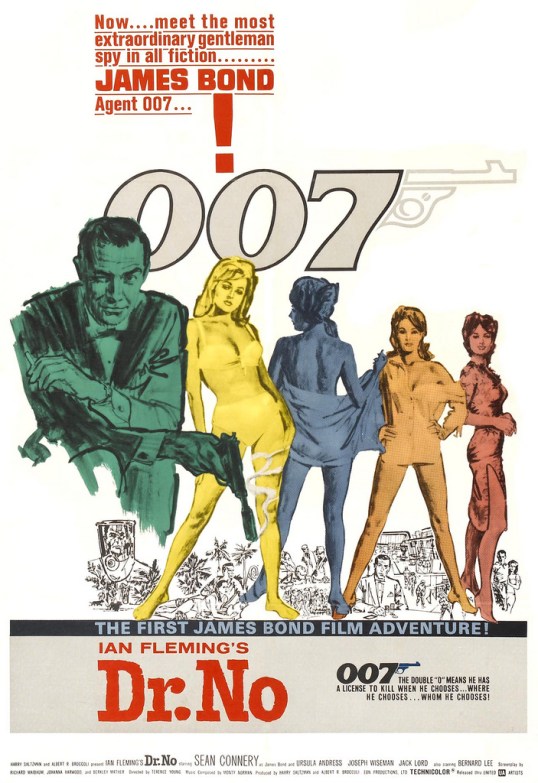
Ursula Andress was one of the very first Bond girls, appearing opposite Sean Connery in Dr. No. Andress played the role of Honeychile Ryder, who was good with a knife and totally willing to trespass on Dr. No.’s beach. Andress set the standard by which almost all future Bond girls would be judged and the scene where Bond and Ryder first meet remains one of the most famous in the Bond franchise. It was such a culturally-defining moment in 1962 that it apparently led to rocketing sales of bikinis. Up until this film came out, bikinis were apparently considered to be too risqué to be worn anywhere other than France.
(Personally, I’m thankful that Andress and Dr. No made bikinis popular. I look good in a bikini and, even if I don’t swim, I do like lying out by the pool and pretending like I’m capable of tanning as opposed to just burning.)
Of course, in the original novel, Honey Ryder is naked (except for a belt and a knife) when Bond first sees her. Personally, I think that’s a bit much. I prefer the scene as it plays out in the movie, where everyone is flirtatious and fashionable.
Though Dr. No is best known for turning Sean Connery into a star, it also did wonders for Ursula Andress’s career. Whereas she had previously been best-known for briefly dating Jams Dean and being married to John Derek, Andress was now an actress who was able to pick her roles and to become financially independent, a development she would later tell the Daily Independent that she owed to “that white bikini.” Andress also appeared in Playboy several times, even after becoming a star. When she was asked why, she replied, “Because I’m beautiful,” and I have to say that I absolutely love that answer.
4 Or More Shots From 4 Or More Films is just what it says it is, 4 shots from 4 of our favorite films. As opposed to the reviews and recaps that we usually post, 4 Shots From 4 Films lets the visuals do the talking!
Today, the Shattered Lens celebrates the 136th anniversary of the birth of the great French surrealist Jean Cocteau! It’s time for….
4 Shots From 4 Jean Cocteau Films
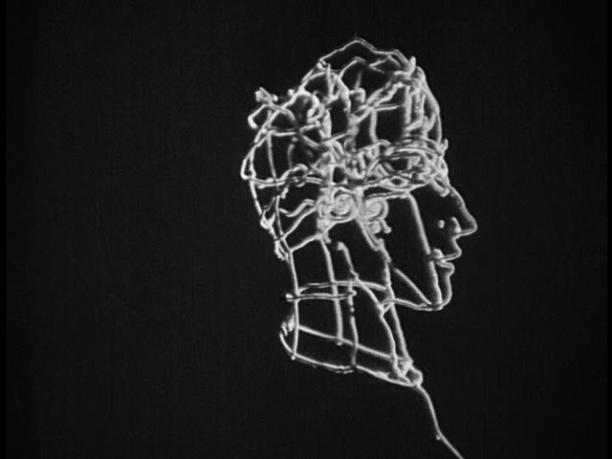
The Blood Of A Poet (1930, dir by Jean Cocteau, DP: Georges Perinal)
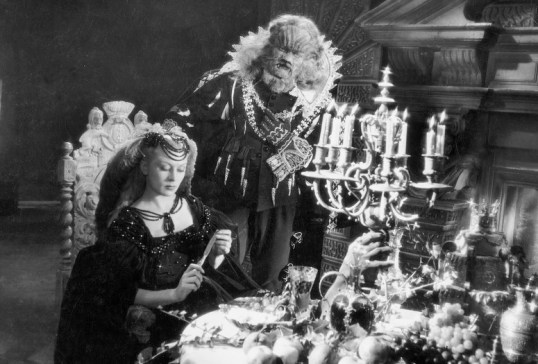
Beauty and the Beast (1946, dir by Jean Cocteau, DP: Henri Alekan)
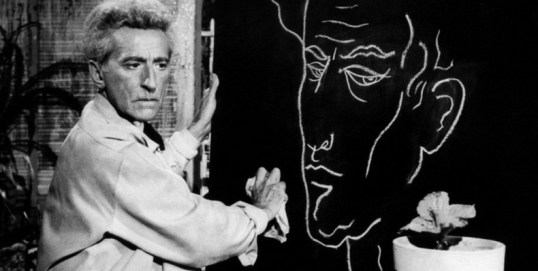
Orpheus (1950, dir by Jean Cocteau, DP: Nicolas Hayer)




 Through the Shattered Lens