4 Shots From Horror History: The 1920s Part Two


This October, I’m going to be doing something a little bit different with my contribution to 4 Shots From 4 Films.  I’m going to be taking a little chronological tour of the history of horror cinema, moving from decade to decade.

Today, we take a look at the latter half of the 1920s.

4 Shots From 4 Horror Films

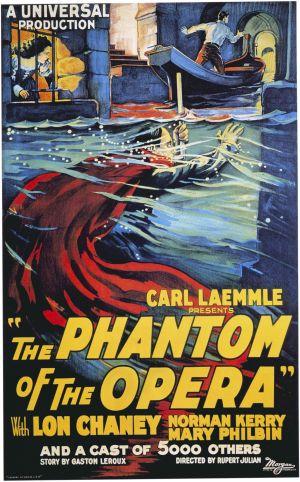
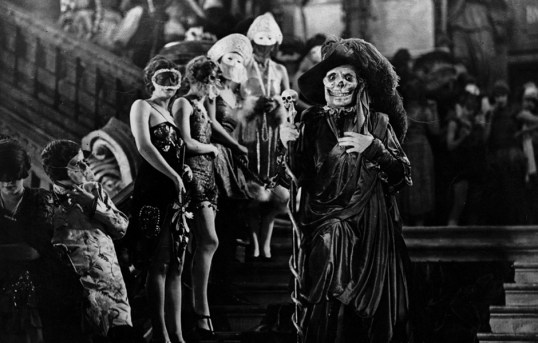
The Phantom of the Opera (1925, dir by Rupert Julian)

The Phantom of the Opera (1925, dir by Rupert Julian)

Faust (1926, dir by F.W. Murnau)

Faust (1926, dir by F.W. Murnau)

London After Midnight (1927, dir by Tod Browning)

London After Midnight (1927, dir by Tod Browning)

The Fall of the House of Usher (1928, dir by Jean Epstein)

The Fall of the House of Usher (1928, dir by Jean Epstein)

Brad’s Musical Number of the Day – Gerard Butler sings “The Music of the Night” from THE PHANTOM OF THE OPERA (2004)!


I’m a big fan of Gerard Butler, mainly because of his macho performances in action films and thrillers. I also appreciate his ability to sing. I remember being surprised and impressed with his performance in Joel Schumacher’s version of THE PHANTOM OF THE OPERA. I really enjoy the song “The Music of the Night,” and since I reviewed one of his thrillers today (SHATTERED), I thought I’d balance it out with a video of him belting out a tune. Enjoy!

Horror On The Lens: The Phantom of the Opera (dir by Rupert Julian)


Today’s horror movie on the Shattered Lens is both a classic of silent era and one of the most influential horror films ever made.  It’s one that I previously shared in 2013, 2015, 2016, 2108, 2019, 2020, 2021, and 2022 but it’s such a classic that I feel that it is worth sharing a second (or fifth or even a sixth or perhaps an ninth) time.

First released in 1925, The Phantom of the Opera is today best known for both Lon Chaney’s theatrical but empathetic performance as the Phantom and the iconic scene where Mary Philbin unmasks him. However, the film is also a perfect example of early screen spectacle. The Phantom of the Opera was released during that period of time, between Birth of the Nation and the introduction of sound, when audiences expected films to provide a visual feast and Phantom of the Opera certainly accomplishes that. Indeed, after watching this film and reading Gaston Leroux’s original novel, it’s obvious that the musical was inspired more by the opulence of this film than by the book.

This film is also historically significant in that it was one of the first films to be massively reworked as the result of a poor test screening. The film’s ending was originally faithful to the end of the novel. However, audiences demanded something a little more dramatic and that’s what they got.

8 Shots From 8 Horror Films: 1997–1999


4 Or More Shots From 4 Or More Films is just what it says it is, 4 shots from 4 of our favorite films. As opposed to the reviews and recaps that we usually post, 4 Shots From 4 Films lets the visuals do the talking!

This October, I’m going to be doing something a little bit different with my contribution to 4 (or more) Shots From 4 (or more) Films.  I’m going to be taking a little chronological tour of the history of horror cinema, moving from decade to decade.

Today, we take a look at 1997, 1998, and 1999!

8 Shots From 8 Horror Films: 1997 — 1999
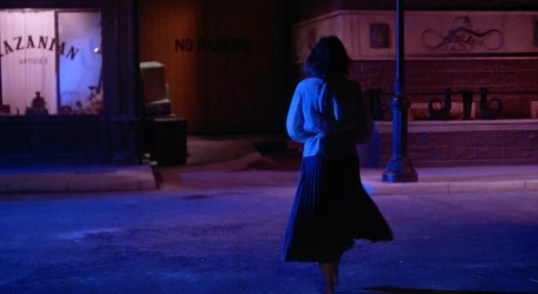
I Know What You Did Last Summer (1997, dir by Jim Gillespie, DP: Denis Crossan)

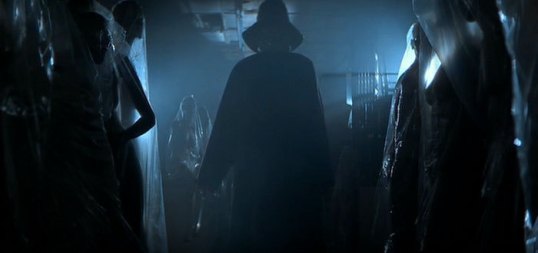
The Devil’s Advocate (1997, dir by Taylor Hackford, DP: Andrzej Bartkowiak)

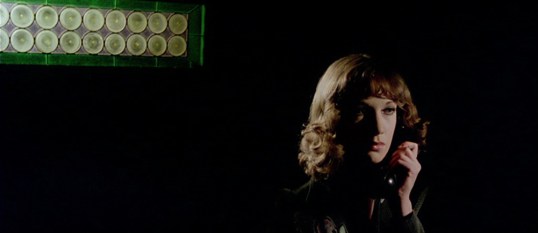
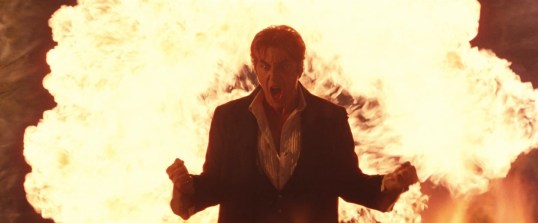
Lost Highway (1997, dir by David Lynch, DP: Peter Deming)
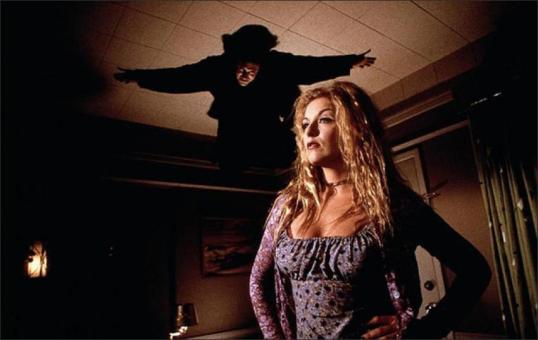

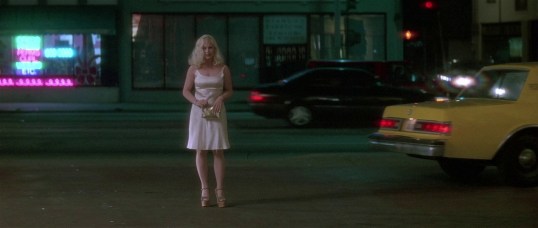
Vampires (1998, dir by John Carpenter, DP: Gary B. Kibbe)
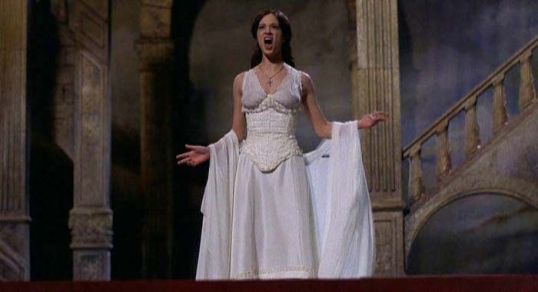

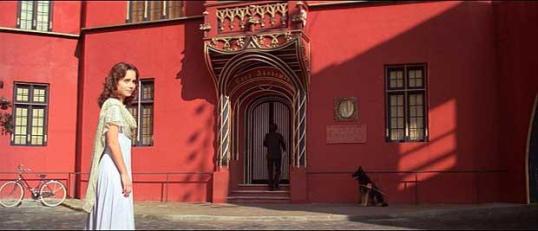
The Phantom of the Opera (1998, dir by Dario Argento, DP: Ronnie Taylor)
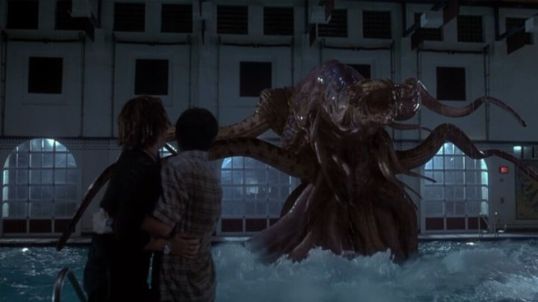

The Faculty (1998, dir by Robert Rodriguez, DP: Enrique Chediak)
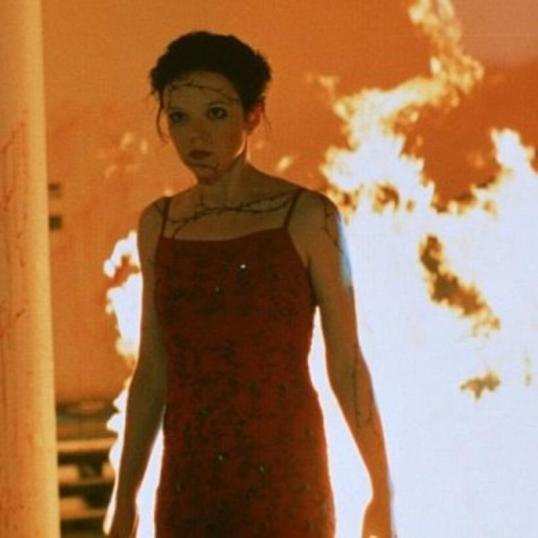

The Rage: Carrie 2 (1999, dir by Katt Shea, DP: Donald M. Morgan)
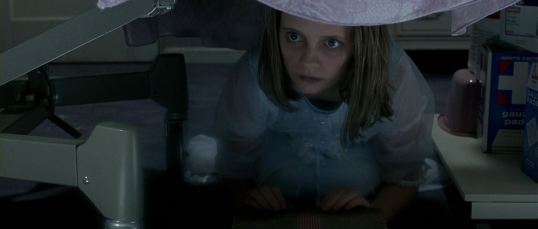

The Sixth Sense (1999, dir by M. Night Shyamalan, DP: Tak Fujimoto)

Horror On The Lens: The Phantom of the Opera (dir by Rupert Julian)


Today’s horror movie on the Shattered Lens is both a classic of silent era and one of the most influential horror films ever made.  It’s one that I previously shared in 2013, 2015, 2016, 2108, 2019, 2020, and 2021 but it’s such a classic that I feel that it is worth sharing a second (or fifth or even a sixth or perhaps an eighth) time.

First released in 1925, The Phantom of the Opera is today best known for both Lon Chaney’s theatrical but empathetic performance as the Phantom and the iconic scene where Mary Philbin unmasks him. However, the film is also a perfect example of early screen spectacle. The Phantom of the Opera was released during that period of time, between Birth of the Nation and the introduction of sound, when audiences expected films to provide a visual feast and Phantom of the Opera certainly accomplishes that. Indeed, after watching this film and reading Gaston Leroux’s original novel, it’s obvious that the musical was inspired more by the opulence of this film than by the book.

This film is also historically significant in that it was one of the first films to be massively reworked as the result of a poor test screening. The film’s ending was originally faithful to the end of the novel. However, audiences demanded something a little more dramatic and that’s what they got.

Horror On The Lens: The Phantom of the Opera (dir by Rupert Julian)


Today’s horror movie on the Shattered Lens is both a classic of silent era and one of the most influential horror films ever made.  It’s one that I previously shared in 2013, 2015, 2016, 2108, 2019, and 2020 but it’s such a classic that I feel that it is worth sharing a second (or fifth or even a sixth or perhaps a seventh) time.

First released in 1925, The Phantom of the Opera is today best known for both Lon Chaney’s theatrical but empathetic performance as the Phantom and the iconic scene where Mary Philbin unmasks him. However, the film is also a perfect example of early screen spectacle. The Phantom of the Opera was released during that period of time, between Birth of the Nation and the introduction of sound, when audiences expected films to provide a visual feast and Phantom of the Opera certainly accomplishes that. Indeed, after watching this film and reading Gaston Leroux’s original novel, it’s obvious that the musical was inspired more by the opulence of this film than by the book.

This film is also historically significant in that it was one of the first films to be massively reworked as the result of a poor test screening. The film’s ending was originally faithful to the end of the novel. However, audiences demanded something a little more dramatic and that’s what they got.


4 Shots From 4 Silent Horror Films


4 (or more) Shots From 4 (or more) Films is just what it says it is, 4 (or more) shots from 4 (or more) of our favorite films. As opposed to the reviews and recaps that we usually post, 4 (or more) Shots From 4 (or more) Films lets the visuals do the talking.

The horror genre has been around ever since people struggled to explain their fears and horror films were a feature of cinema from the time of the earliest movies.  Today, we pay tribute to some of the early entries in the horror genre with….

4 Shots From 4 Horror Films

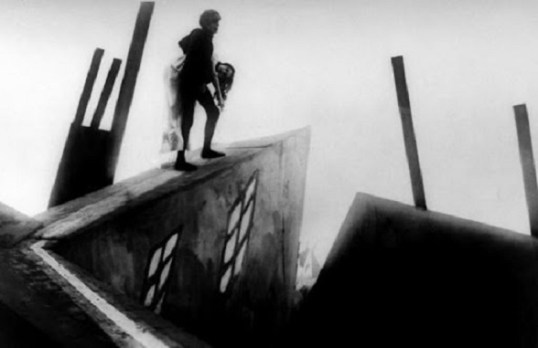
The Cabinet of Dr. Caligari (1920, dir by Robert Wiene, DP: Willy Hameister)

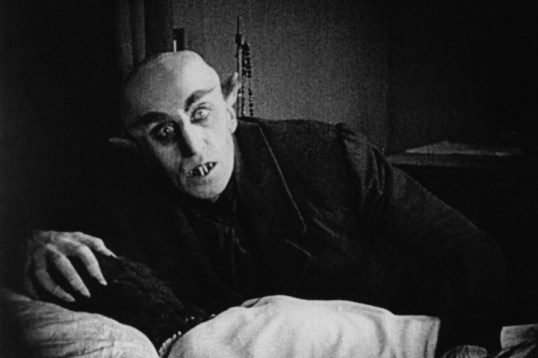
Nosferatu (1922, dir by F.W. Murnau, DP: Fritz Arno Wagner and Günther Krampf)

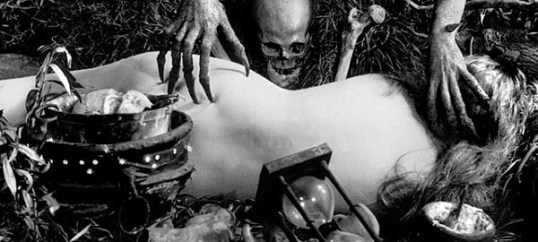
Haxan (1922, dir by Benjamin Christesen, DP: Johan Ankerstjerne)

The Phantom of the Oepra (1925, dir by Rupert Julian, DP: Milton Bridenbecker, Virgil Miller, Charles Van Enger)

4 Shots From 4 Dario Argento Films: Deep Red, Suspiria, Inferno, The Phantom of the Opera


4 Shots From 4 Films is just what it says it is, 4 shots from 4 of our favorite films. As opposed to the reviews and recaps that we usually post, 4 Shots From 4 Films lets the visuals do the talking.

This October, we’ve been using 4 Shots from 4 Films to pay tribute to some of our favorite horror filmmakers!  Today, we honor the one and only Dario Argento!

4 Shots From 4 Dario Argento Films

Deep Red (1975, dir by Dario Argento)

Suspiria (1977, dir by Dario Argento)

Inferno (1980, dir by Dario Argento)

The Phantom of the Opera (1998, dir by Dario Argento)

Horror On The Lens: The Phantom of the Opera (dir by Rupert Julian)


Today’s horror movie on the Shattered Lens is both a classic of silent era and one of the most influential horror films ever made.  It’s one that I previously shared in 2013, 2015, 2016, 2108, and 2019 but it’s such a classic that I feel that it is worth sharing a second (or fifth or even a sixth) time.

First released in 1925, The Phantom of the Opera is today best known for both Lon Chaney’s theatrical but empathetic performance as the Phantom and the iconic scene where Mary Philbin unmasks him. However, the film is also a perfect example of early screen spectacle. The Phantom of the Opera was released during that period of time, between Birth of the Nation and the introduction of sound, when audiences expected films to provide a visual feast and Phantom of the Opera certainly accomplishes that. Indeed, after watching this film and reading Gaston Leroux’s original novel, it’s obvious that the musical was inspired more by the opulence of this film than by the book.

This film is also historically significant in that it was one of the first films to be massively reworked as the result of a poor test screening. The film’s ending was originally faithful to the end of the novel. However, audiences demanded something a little more dramatic and that’s what they got.

Scenes That I Love: Lon Chaney Gets Unmasked in Phantom of the Opera


I know I’ve probably shared this scene in the past but I’m going to share it again because today is Lon Chaney’s birthday!  137 years ago, today, one of the greatest actors of all time was born in Colorado Springs, Colorado.  He was the man of a thousand faces and he brought a lot of life to silent cinema.

This scene is from the 1925 version of Phantom of the Opera!  That’s Lon as the phantom and Mary Philbin as Christine.  In honor of the anniversary of Lon Chaney’s birth, we invited you to enjoy a scene that I love…..

This scene, incidentally, was originally planned to be shot in color.  Unfortunately, the lights that were (back then) necessary to film in color were too hot and they caused Chaney’s makeup to melt.   So, those plans were scrapped and then scene was shot in black-and-white but, personally, I find the black-and-white to be more effective.  I’ve seen a colorized version of this film and it just wasn’t as effective.