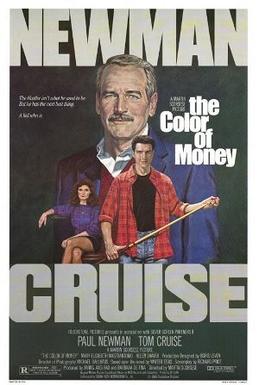
The Color of Money (1986, directed by Martin Scorsese)


ÀW

If you grew up in the 80s or 90s, you probably had at least one friend whose father kept a pool table in the garage.  This movie was probably the reason why.

Fast Eddie Felson (Paul Newman) was once The Hustler, the legendary pool player who recovered from having his fingers broken with a bowling ball and went on to defeat the legendary Minnesota Fats.  That was a long time ago.  Now, Fast Eddie is a slick liquor salesman in Chicago.  Eddie stills hangs out at the pool halls, despite his bad memories of the game.  When he sees a cocky young player named Vincent (Tom Cruise) and his girlfriend Carmen (Mary Elizabeth Mastrantonio), he takes them under his wing and teaches them how to hustle.  It’s not always easy because Vincent doesn’t like to lose, even if it means a chance to score an even bigger victory later on.  Eddie finds himself being drawn back into the game, even as he starts to wonder who is hustling who.

I always forget that The Color of Money is a Martin Scorsese films.  It’s a film that Scorsese made at a time when he had a reputation for only being able to make art films that critics loved but audiences stayed away from.  After the box office failure of The King of Comedy and his abortive first attempt to make The Last Temptation of Christ, Scorsese took The Color of Money to prove that he could work with a studio.  This is a Disney Scorsese film, with his signature camera moves but not much of his religious torment.  Even if it’s not one of his personal films, Scorsese makes pool look exciting, a battle that is as much about psychology as physicality.  Watching The Color of Money, you can smell the chalk on the tip of the pool cue.

Scorsese brings the seedy pool halls to life but it’s Paul Newman’s performance that dominates.  The Color of Money won Newman his first and only Oscar and he deserved it.  Newman had first played Fast Eddie Felson in 1961, in The Hustler.  Returning to the role twenty-five years later allowed Newman to show what would eventually happen to the angry young men that he played in the 60s.  Eddie has grown up and he’s got a comfortable life but he’s not content.  He finally has stability but he misses the game.  He needs the thrill of the hustle.  Newman is at his best in The Color of Money, building on The Hustler but also revealing new sides of Eddie Felson.

Newman is so good that Tom Cruise often gets overlooked but both Cruise and Mastrantonio hold their own against Paul Newman.  Cruise especially does a good job as Vincent, playing him as someone who is too cocky for his own good but also not as dumb as he looks.  Just when you think you’ve got Vincent figured out, Cruise surprises you.  The Color of Money came out the same year as Top Gun and Cruise’s Vincent feels like a commentary on the talented, troubled, but cocky characters that Cruise was playing at that time.  Cruise, Scorsese, and Newman make a good team in this more-than-worthy sequel.

Music Video of the Day: It’s In The Way That You Use It by Eric Clapton (1986, directed by Oley Sassone)


Today’s music video of the day was written for Martin Scorsese’s The Color of Money.  The video mixes clips of Clapton performing the song with scenes taken from the film.  This use to be a very popular format on MTV, back when MTV played videos and every movie was advertised with a music video.

Director Oley Sassone is perhaps best-known for directing the never released 1996 Fantastic Four for Roger Corman.

Enjoy!

26 Shots From 26 Films: Special Martin Scorsese Edition


4 Shots From 4 Films is just what it says it is, 4 shots from 4 of our favorite films. As opposed to the reviews and recaps that we usually post, 4 Shots From 4 Films lets the visuals do the talking.

Today, the TSL wishes a happy birthday to one of the greatest director working today, the one and only Martin Scorsese!  And that means that it’s time for….

26 Shots From 26 Martin Scorsese Films

(That’s right.  We usually do 4.  Scorsese gets 26.  He deserves a hundred.)

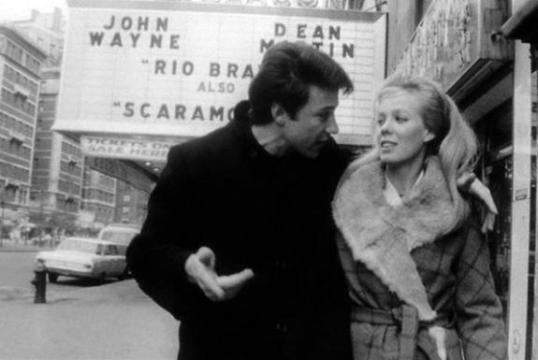
Who’s That Knocking On My Door (1967, dir by Martin Scorsese)

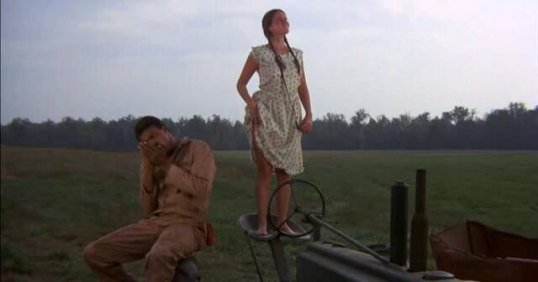
Boxcar Bertha (1972, dir by Martin Scorsese)

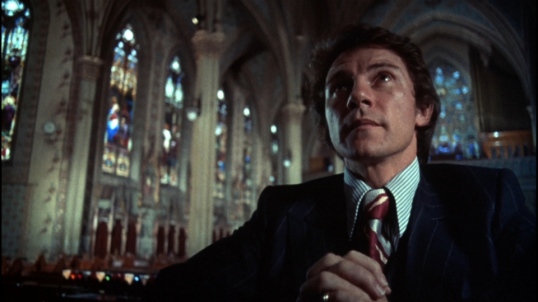
Mean Streets (1973, dir by Martin Scorsese)

Alice Doesn’t Live Here Anymore (1974, dir by Martin Scorsese)

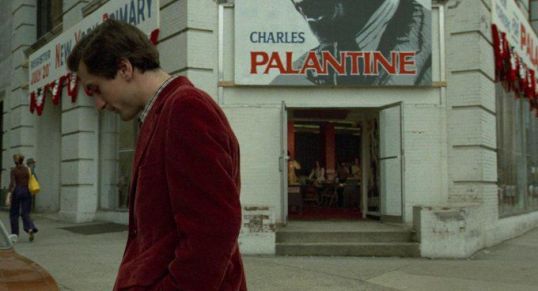
Taxi Driver (1976, dir by Martin Scorsese)

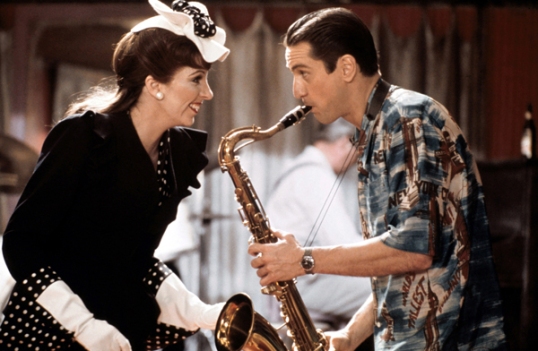
New York New York (1977, dir by Martin Scorsese)

The Last Waltz (1978, dir by Martin Scorsese)

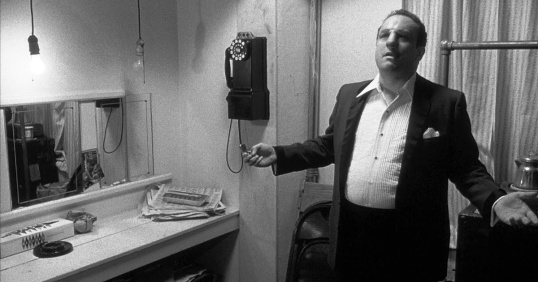
Raging Bull (1980, dir by Martin Scorsese)

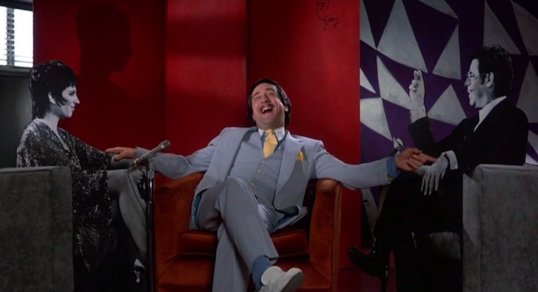
King of Comedy (1982, dir by Martin Scorsese)

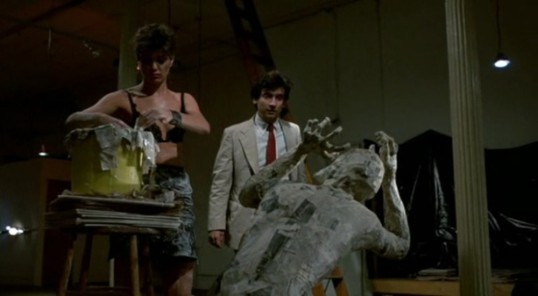
After Hours (1985, dir by Martin Scorsese)

The Color of Money (1986, dir by Martin Scorsese)

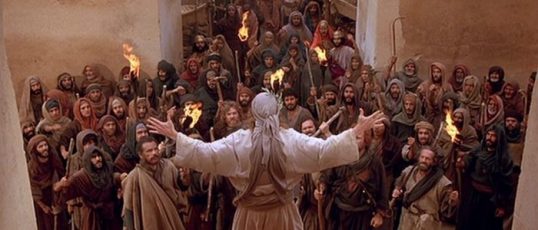
The Last Temptation of Christ (1988, dir by Martin Scorsese)

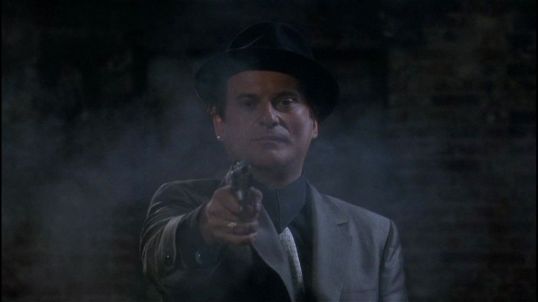
Goodfellas (1990, dir by Martin Scorsese)

Cape Fear (1991, dir by Martin Scorsese)

The Age of Innocence (1993, dir by Martin Scorsese)

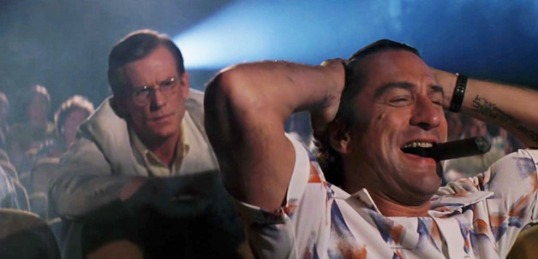
Casino (1995, dir by Martin Scorsese)

Kundun (1997, dir by Martin Scorsese)

Bringing out the Dead (1999, dir by Martin Scorsese)

Gangs of New York (2002, dir by Martin Scorsese)

The Aviator (2004, dir by Martin Scorsese)

The Departed (2006, dir by Martin Scorsese)

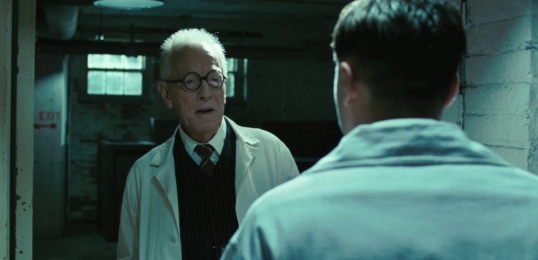
Shutter Island (2010, directed by Martin Scorsese)

Hugo (2011, dir by Martin Scorsese)

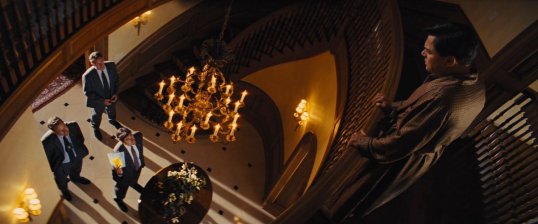
The Wolf of Wall Street (2013, dir by Martin Scorsese)

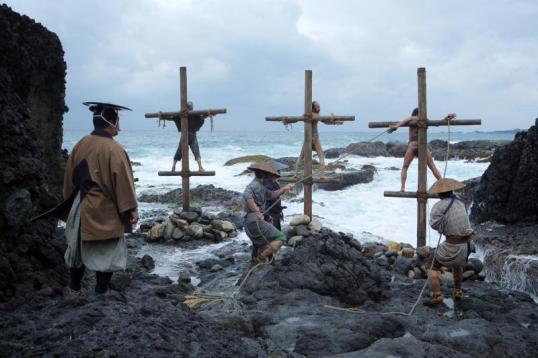
Silence (2016, dir by Martin Scorsese)

The Irishman (2019, dir by Martin Scorsese)

Let’s Second Guess The Academy: Best Picture 1986


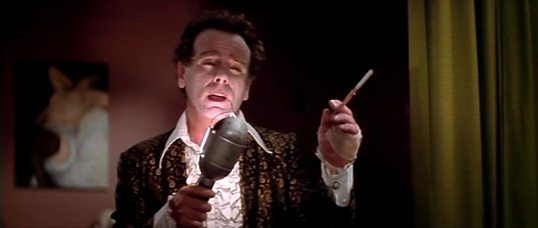
Dean Stockwell in Blue Velvet

Dean Stockwell in Blue Velvet

Last week, we considered whether or not Out of Africa deserved the title of best picture of 1985.  As of this writing, the votes would seem to indicate that most of you feel that it did not.

For this week, let’s jump ahead one year to 1986.  According to the Academy, the five best films of the year were:

1) Children of a Lesser God, an adaptation of play about an angry deaf girl and the teacher who falls in love with her,

2) Hannah and Her Sisters, a Woody Allen film about three sisters and the neurotic people they know,

3) The Mission, a film about Jesuit missionaries in South America that also won the Palme d’Or at Cannes,

4) Room With A View, James Ivory’s super romantic adaptation of E.M. Forster’s novel,

and finally, the winner,

5) Platoon, Oliver Stone’s autobiographical film about the Viet Nam war.

Unlike Out of Africa, Platoon has remained a fairly respected winner.  Still, was Platoon actually the best film of 1986?  If I had been a member of the Academy back in 1986, I would have been torn between A Room With A View and Hannah and Her Sisters with my final vote going to Room With A View.  How about you?

Now, here comes the fun part.  Let’s say that Platoon turned out to be a disaster.  Let’s say that Room With A View never made it over to American theaters and maybe Woody Allen decided to retire early.  Let’s say that none of the best picture nominees had been eligible to be nominated.  Which five films would have nominated in their place?

You can vote for up to five films and yes, write-ins are accepted!

(I voted for Blue Velvet, Ferris Bueller’s Day Off, Pretty In Pink, Betty Blue, and Something Wild.)