4 Shots From 4 Films is just what it says it is, 4 shots from 4 of our favorite films. As opposed to the reviews and recaps that we usually post, 4 Shots From 4 Films lets the visuals do the talking.
Today, the TSL wishes a happy birthday to one of the greatest director working today, the one and only Martin Scorsese! And that means that it’s time for….
26 Shots From 26 Martin Scorsese Films
(That’s right. We usually do 4. Scorsese gets 26. He deserves a hundred.)
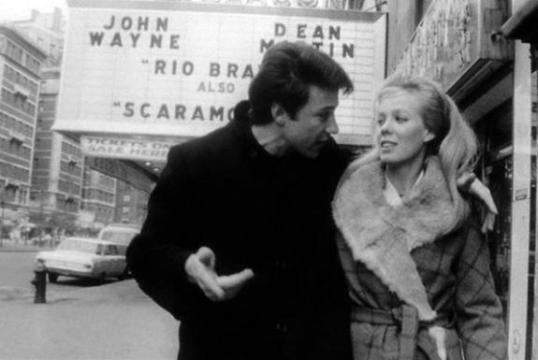
Who’s That Knocking On My Door (1967, dir by Martin Scorsese)
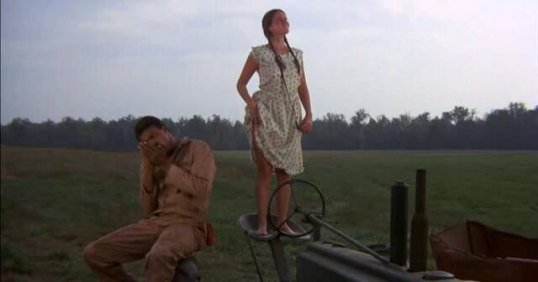
Boxcar Bertha (1972, dir by Martin Scorsese)
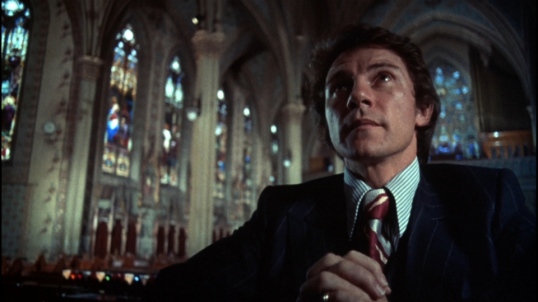
Mean Streets (1973, dir by Martin Scorsese)
Alice Doesn’t Live Here Anymore (1974, dir by Martin Scorsese)
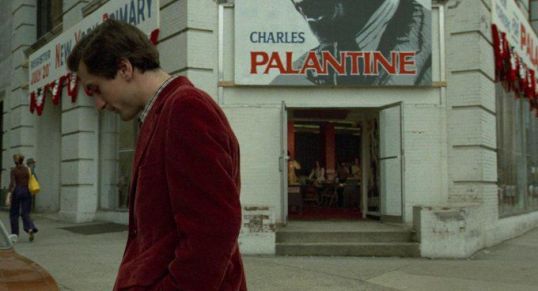
Taxi Driver (1976, dir by Martin Scorsese)
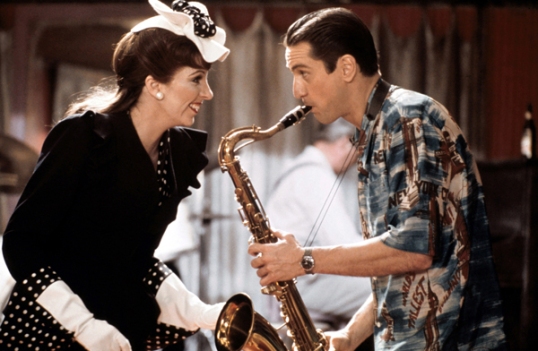
New York New York (1977, dir by Martin Scorsese)
The Last Waltz (1978, dir by Martin Scorsese)
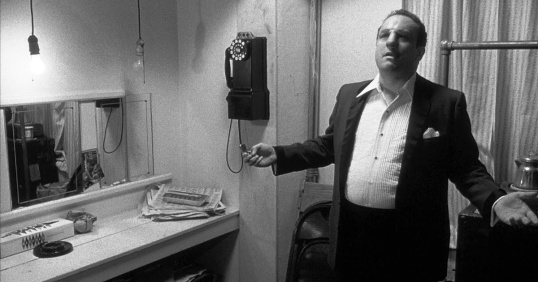
Raging Bull (1980, dir by Martin Scorsese)
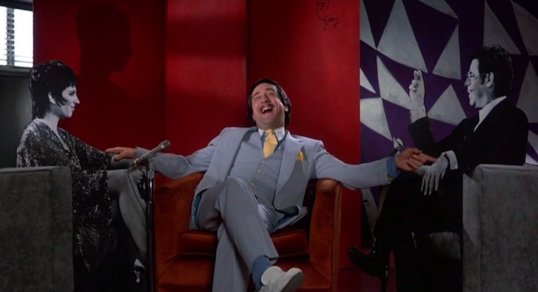
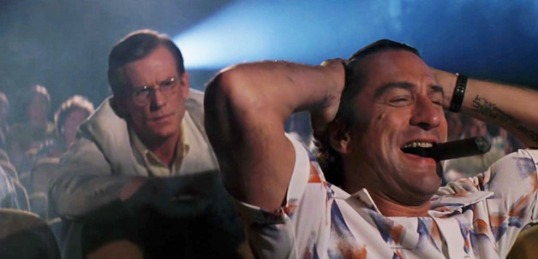
King of Comedy (1982, dir by Martin Scorsese)
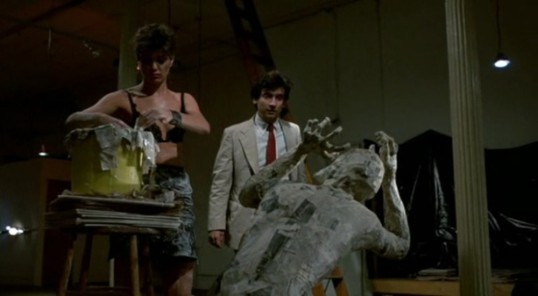
After Hours (1985, dir by Martin Scorsese)
The Color of Money (1986, dir by Martin Scorsese)
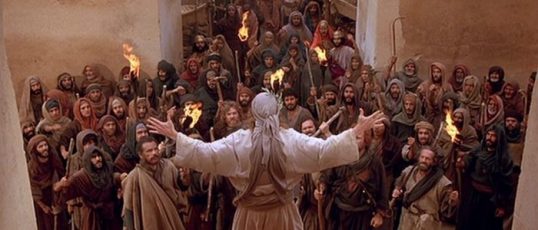
The Last Temptation of Christ (1988, dir by Martin Scorsese)
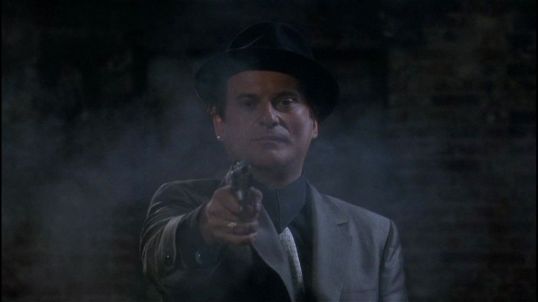
Goodfellas (1990, dir by Martin Scorsese)
Cape Fear (1991, dir by Martin Scorsese)
The Age of Innocence (1993, dir by Martin Scorsese)
Casino (1995, dir by Martin Scorsese)
Kundun (1997, dir by Martin Scorsese)
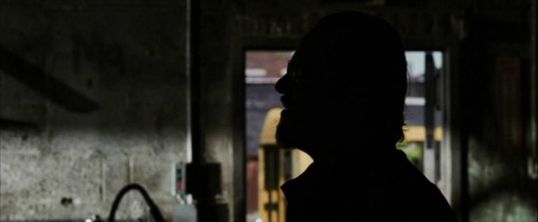
Bringing out the Dead (1999, dir by Martin Scorsese)
Gangs of New York (2002, dir by Martin Scorsese)
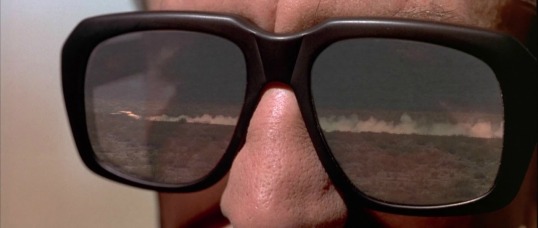
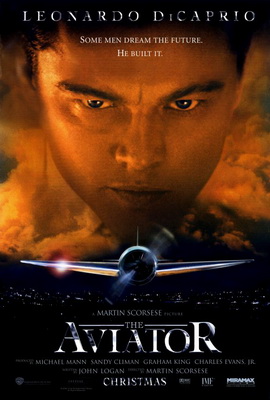
The Aviator (2004, dir by Martin Scorsese)
The Departed (2006, dir by Martin Scorsese)
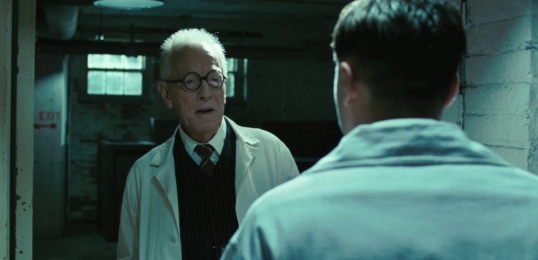
Shutter Island (2010, directed by Martin Scorsese)
Hugo (2011, dir by Martin Scorsese)
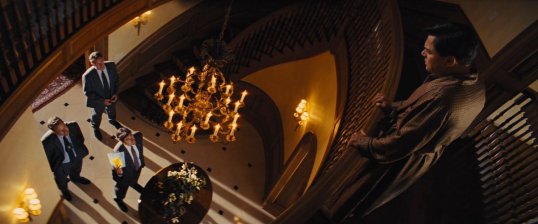
The Wolf of Wall Street (2013, dir by Martin Scorsese)
“The way of the future.” — Howard Hughes (Leonardo DiCaprio) in The Aviator (2004)
As I recently rewatched the 2004 best picture nominee, The Aviator, I realized that, in the film’s scheme of things, Ava Gardner was far more important than Katharine Hepburn. (Or, perhaps it would be more appropriate to say that Kate Beckinsale’s Ava Gardner was far more important than Cate Blanchett’s Katharine Hepburn.)
Over the course of the film, both Hepburn and Gardner are involved with billionaire-turned aviator-turned film director Howard Hughes (Leonardo DiCaprio). Throughout the film, Katherine is portrayed as being flighty, pretentious, and overdramatic. There’s a lot of dark humor to the scene where Katherine breaks up with Howard, largely because Katharine is incapable of not acting as if she’s making a film. Her every word is so carefully rehearsed that you have to agree when Howard says that she’s incapable of not giving a performance. Ava, on the other hand, is always direct. She has a sense of humor. She has no trouble telling Howard off. Whereas Katharine put on airs of being an incurable romantic, Ava tells Howard flat out that she doesn’t love him and is only using him to forward her career.
But, while Katharine Hepburn gets more screen time, it’s Ava Gardner who actually saves Howard’s business. Towards the end of the film, after Howard has had a nervous breakdown and has locked himself in a hotel room, it’s Ava who suddenly shows up, cleans him, and dresses him. She’s the one who gives Howard the strength to leave his room and to face down the corrupt senator (Alan Alda) who is investigating his business.
Of course, Howard Hughes is best known for once being the world’s richest recluse. In the 1960s, Howard locked himself away in a hotel room in Las Vegas and spent the next decade laying naked in bed and watching television. The Aviator doesn’t deal with this period of Howard’s life but it’s full of scenes where we catch glimpses of Howard’s future. Throughout the film, we watch as Howard obsessively washes his hands. We watch as he gives precise instructions on how even the simplest of tasks are to be accomplished. We watch as he grows increasingly paranoid about the germ-filled outside world. The film suggests that Howard’s obsessive compulsive disorder both served to make him a great engineer and a great filmmaker while, at the same time, ultimately destroying him.
The Aviator was the second film that DiCaprio made with Scorsese. And, as bad as DiCaprio may have been in Gangs of New York, he’s absolutely brilliant in The Aviator. As a character, Howard Hughes has so many quirks and tics that it would have been easy for DiCaprio to go overboard. Instead, he gives a surprisingly subtle performance. And, even more importantly as far as I’m concerned, he actually sounds authentically Texan when he speaks.
In many ways, much of The Aviator reminds me of Gangs of New York. Both films are gorgeously produced period epics that try to cover a lot of material. Both films are absolute cat nip for history nerds like me. But, whereas Gangs of New York leaves one feeling vaguely dissatisfied, The Aviator actually improves with subsequent viewings. Whereas the action in Gangs had no center, The Aviator revolves around Howard and the actor playing him.
While the Aviator starts off with Howard making movies and romancing Katharine Hepburn, it’s at its best when Howard appears before a committee chaired by Sen. Owen Brewster (Alan Alda) and passionately defends both himself as an engineer and a businessman and the right of innovators everywhere to freely pursue their passion. The film suggests that Brewster was bribed by Howard’s main business rival, Juan Trippe (Alec Baldwin, in unapologetic villain mode), and it’s hard not to applaud when Howard stands up for himself.
Speaking of which, it’s odd, so soon after reviewing Alan Alda in The Seduction of Joe Tynan, to see Alda playing a far less ethical politician in The Aviator. That said, Alda’s corrupt performance in The Aviator is a hundred times better than his cutesy work in Joe Tynan. If anything, Alda gives a performance here that will remind everyone of why they don’t care much for their congressman.
The Aviator was nominated for best picture but it lost to the far more low-key Million Dollar Baby. Scorsese would have to wait until the release of The Departedfor one of his films to finally win best picture.
2014 will not go down in history as one of humanity’s finest moments. Considering all that’s happened over the past year, it’s hard for me to be surprised by the fact that several of my favorite films of the year were films that I would normally describe as being entertaining escapism.
In 2014, we needed to be entertained. We needed to escape.
Will 2015 be any better? What will be the way of the future? It’s a question that Leonardo DiCaprio asked at the end of Martin Scorsese’s 2004 film The Aviator and it’s a question that we’re still asking today.











 Through the Shattered Lens