Frontier Fractured: Taylor Sheridan’s Neo-Western Reckoning


“The characters are fiction, but the landscape and the lives the characters are navigating are real.” — Taylor Sheridan

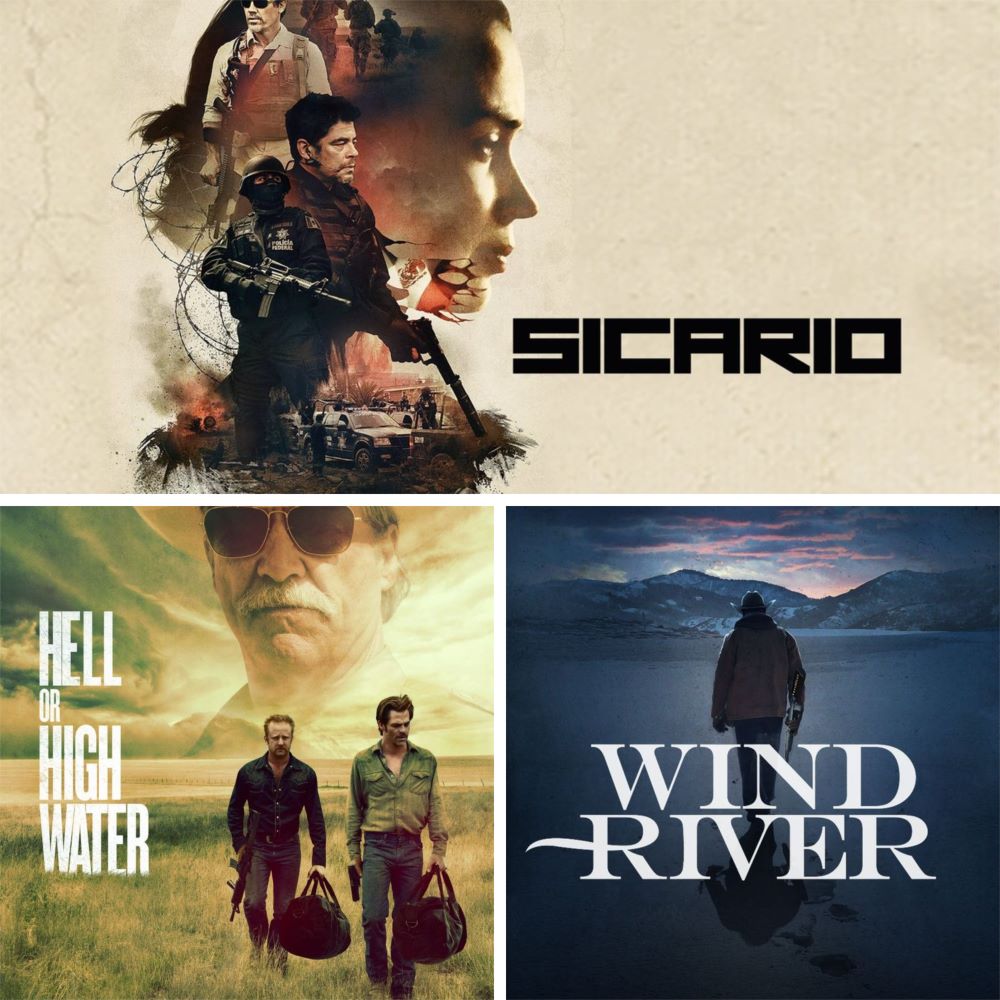
Taylor Sheridan’s American Frontier Trilogy—Sicario (2015), Hell or High Water (2016), and Wind River (2017)—stands as a landmark in modern neo-Western cinema, a tightly crafted exploration of America’s frayed edges penned by the screenwriter who would later dominate television with Yellowstone. These films, while not narratively linked, form a thematic triptych that dissects the moral decay of the contemporary frontier, where law buckles under the weight of systemic injustice, economic despair, and cultural erasure. This retrospective examines Sheridan’s screenplays as a cohesive vision of a nation haunted by its own myths of manifest destiny, blending pulse-pounding tension with unflinching social critique.

Defining the Trilogy’s Core

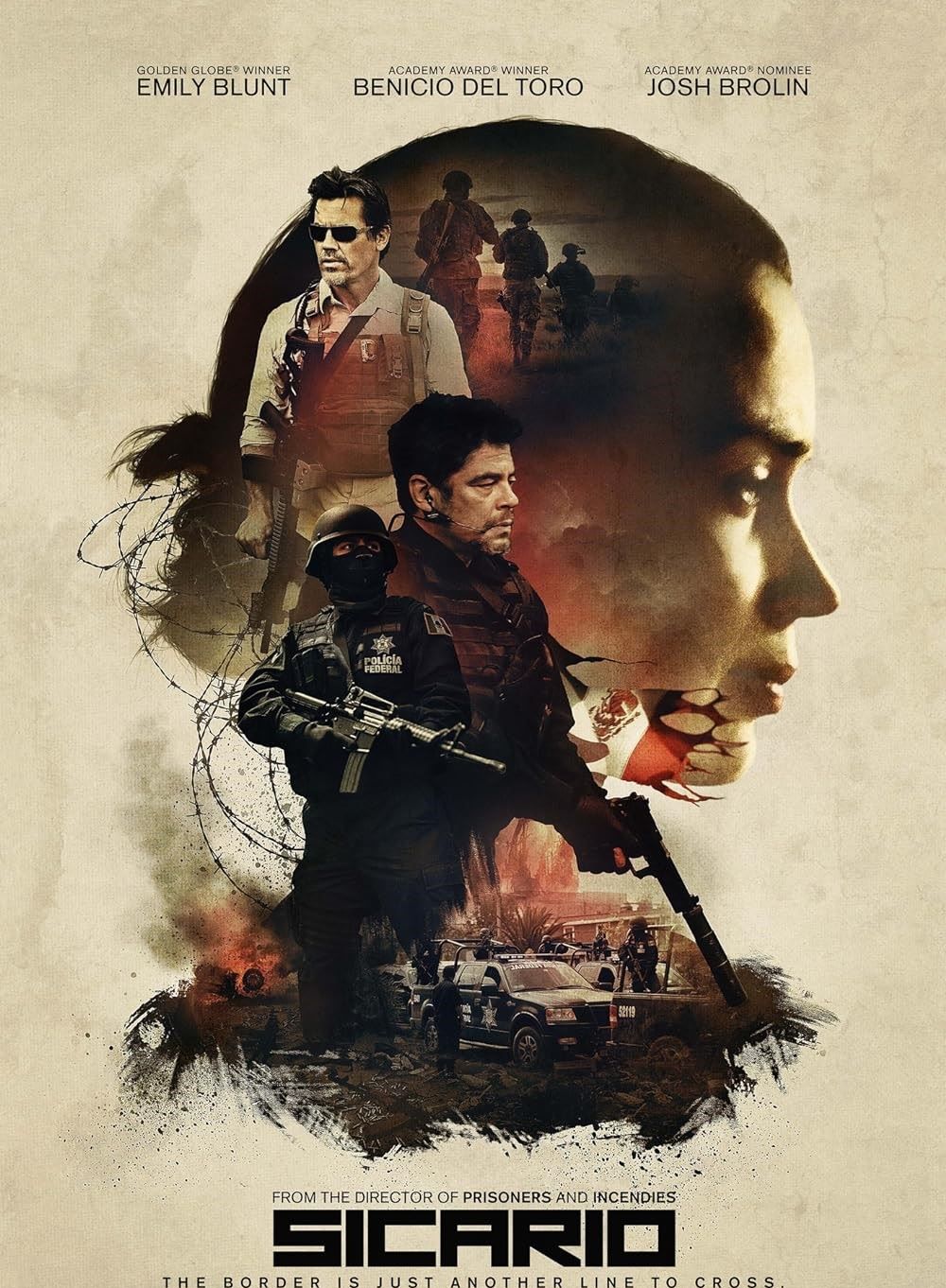
Sheridan’s “American Frontier” trilogy emerged from his own observations of overlooked American landscapes, as he described in interviews around Wind River‘s release. Sicario, directed by Denis Villeneuve, plunges into the U.S.-Mexico border war on drugs, following idealistic FBI agent Kate Macer (Emily Blunt) as she’s drawn into a shadowy CIA operation led by the enigmatic Matt Graver (Josh Brolin) and the ruthless Alejandro (Benicio del Toro). The film boasts breakneck pacing and claustrophobic tension, transforming a procedural thriller into a meditation on moral compromise, where the line between hunter and hunted dissolves in Juarez’s blood-soaked streets.

Hell or High Water, helmed by David Mackenzie, shifts to West Texas, chronicling brothers Toby (Chris Pine) and Tanner Howard (Ben Foster) as they rob branches of the Texas Midlands Bank—the same institution foreclosing on their mother’s ranch. It delivers a lean, character-driven drama, with an ear for authentic dialogue that captures rural Texan fatalism: lines like “You’re free now” underscore a cycle of poverty where crime becomes an act of reclamation. Ranger Marcus Hamilton (Jeff Bridges), pursuing them, embodies the law’s weary inefficiency.

Wind River, which Sheridan also directed, unfolds on Wyoming’s Wind River Indian Reservation, where U.S. Fish and Wildlife officer Cory Lambert (Jeremy Renner) aids rookie FBI agent Jane Banner (Elizabeth Olsen) in investigating a young Native woman’s death in the snow. It lands as a gut-punch of grief and rage, spotlighting the epidemic of missing and murdered Indigenous women (MMIW), with Cory’s personal loss fueling a vigilante justice that indicts federal neglect.

What unites them? Remote, unforgiving terrains—the border deserts, dusty plains, frozen reservations—mirror the characters’ isolation. Protagonists skirt legality not from villainy but necessity, exposing institutions (CIA, banks, FBI) as complicit oppressors. The “United States legal system” emerges as the trilogy’s true antagonist, wreaking havoc on the marginalized.

Thematic Pillars: Justice Beyond the Badge

At the trilogy’s heart lies a profound distrust of official justice, a motif each film escalates. In Sicario, Kate’s arc is one of disillusionment; she clings to warrants amid Graver’s extralegal raids, only to realize the “war” thrives on endless escalation. Sheridan’s script masterfully builds dread through escalating set-pieces—like the night-vision tunnel assault—while Alejandro’s backstory reveals the human cost of cartel savagery, blurring good and evil. It’s a film where victory feels pyrrhic, the frontier’s violence spilling northward unchecked.

Hell or High Water flips the script to economic predation. The Howards aren’t greedy outlaws but desperate everymen funding their family’s future against predatory lending. Sheridan’s sardonic humor amid despair shines in banter between Marcus and his partner Alberto (Gil Birmingham), laced with casual racism that humanizes their bond. The film’s climax, a bank standoff turned shootout, affirms the brothers’ twisted righteousness, critiquing how banks “won the West” anew through debt. It’s Sheridan’s most optimistic entry, suggesting personal agency can pierce systemic greed.

Wind River delivers the rawest indictment, weaving personal trauma into institutional failure. Cory tracks predators—animal and human—across a landscape where Native lives vanish without trace; statistics cited in the film (96% of reservation rapes unreported) hit like bullets. Its poetic minimalism—from snow-dusted crime scenes to Cory’s haunting promise to a grieving father: “I wish I could take that pain away”—underscores how the reservation embodies America’s forgotten frontier. Here, justice is vengeance, meted quietly in the mountains.

Across the trilogy, Sheridan updates Western archetypes: the principled lawman (Kate, Marcus, Jane) yields to the lone avenger (Alejandro, Toby, Cory). This serves as a modernization of classic Western struggles, swapping cattle barons for cartels and banks.

Stylistic Mastery and Sheridan’s Voice

Sheridan’s prose is economical yet evocative, favoring sparse dialogue that reveals worlds. His authentic regionalism comes through in Texan drawls in Hell or High Water, Arapaho stoicism in Wind River, and border Spanglish in Sicario. Directors amplify this: Villeneuve’s Sicario is visceral, with Roger Deakins’ cinematography turning borders into hellscapes; Mackenzie’s Hell or High Water feels expansive yet intimate, Giles Nuttgens capturing Texas’s soul-crushing vastness; Sheridan’s Wind River is austere, Nick Cave’s score amplifying isolation.

Performances elevate the scripts. Del Toro’s coiled fury in Sicario earned Oscar nods; Bridges’ folksy gravitas anchors Hell or High Water; Renner and Olsen ground Wind River‘s procedural in raw emotion. Yet Sheridan’s writing shines brightest in quiet beats: Kate’s post-raid breakdown, Toby’s motel confession, Cory’s frozen vigil.

The films were critically acclaimed for their sharp writing and thematic depth, earning Sheridan Oscar nominations for Hell or High Water and Wind River, while resonating widely with general audiences through gripping narratives and relatable human struggles that packed theaters and sparked enduring discussions. This neo-Western revival took audiences to unseen locales, from Juarez slums to Wind River snows.

Cultural Impact and Legacy

Released amid the turbulent 2010s—marked by escalating border crises, the lingering financial fallout from the 2008 recession, and rising awareness of the #MMIW epidemic—the trilogy presciently tapped into deep-seated national anxieties, reshaping conversations around justice, identity, and power in America. Sicario arrived as tensions over immigration and the drug war boiled over, humanizing the futility of America’s “war on drugs” just before the 2016 presidential debates on border walls and cartel violence. Its portrayal of shadowy U.S. operations crossing ethical lines sparked debates on real-world CIA tactics and the moral cost of security, influencing discourse in policy circles and popular media alike. The film’s raw depiction of Juarez’s carnage forced viewers to confront overlooked atrocities, bridging Hollywood thrillers with journalistic urgency and priming audiences for later works like Narcos.

Hell or High Water struck a populist chord amid post-recession rage, echoing Occupy Wall Street’s anti-bank fervor and the foreclosure crisis that ravaged rural America. By framing bank robbers as sympathetic everymen fighting predatory lending, Sheridan tapped into widespread resentment toward financial institutions, a sentiment that fueled political movements from Tea Party economics to progressive wealth taxes. The film’s Texas setting amplified its authenticity, resonating in heartland theaters and inspiring think pieces on economic despair as a driver of crime. Its legacy endures in modern “eat the rich” narratives, from The Gentlemen to economic thrillers, while proving indie sensibilities could deliver blockbuster emotional punches.

Wind River ignited a cultural firestorm by centering the MMIW crisis, a long-ignored epidemic where Native women face violence at rates exponentially higher than the national average. The film’s stark statistics and harrowing story propelled #MMIW into mainstream consciousness, directly contributing to legislative momentum like Savanna’s Act (passed in 2020), which improved federal responses to cases on tribal lands. Sheridan consulted with Native communities for accuracy, amplifying Indigenous voices through actors like Gil Birmingham and Julia Jones, though it faced critiques for “white savior” elements. Nonetheless, it opened doors for Native-led stories in films like Reservation Dogs and heightened Hollywood’s focus on underrepresented frontiers.

Collectively, the trilogy’s impact reverberates profoundly. Lionsgate’s 2022 Blu-ray collection formalized its status as a cinematic canon, while Sheridan’s scripts birthed his TV empire—Yellowstone1883Lioness—exporting frontier grit to streaming billions. Yet the films surpass his serialized work in laser-focused purity, influencing a neo-Western renaissance seen in No Country for Old Men echoes, The Power of the Dog, and series like Longmire. In policy realms, Sicario informed border security debates under both Biden and now-President Trump’s 2025 reelection; Hell or High Water prefigured rural economic populism in Trump-era politics; Wind River bolstered tribal advocacy amid ongoing land rights battles.

By 2026, amid Sheridan’s Yellowstone spinoffs dominating Paramount+ and renewed border rhetoric in a second Trump administration, the trilogy feels more vital than ever. It birthed a cinematic language for America’s internal fractures—geographic, economic, racial—challenging viewers to question who truly governs the forgotten edges. Academic panels dissect its archetypes; fan communities on Reddit and Letterboxd binge it as essential viewing. Flaws persist—Sicario 2‘s dilution without Sheridan, Wind River‘s debated optics—but its triumph lies in tension and truth, proving standalone stories can outlast franchises. Sheridan’s evolution from struggling actor to scribe magnate underscores a rare feat: films that entertain viscerally while indicting society, ensuring the frontier’s ghosts haunt us still.

Individual Breakdowns

Sicario: Border Inferno

Villeneuve’s adaptation turns Sheridan’s outrage at Juarez carnage—ignored by U.S. media—into a descent narrative. Kate’s naivety crumbles amid moral voids; Alejandro’s vendetta personalizes cartel horrors. Its operatic violence peaks in the stadium raid, where justice devolves to assassination. At 121 minutes, it’s taut prophecy.

Hell or High Water: Desperate Heist

Sheridan’s personal favorite channels his Texas roots, pitting family against finance. Pine’s everyman resolve contrasts Foster’s volatility; Bridges steals scenes with wry wisdom. The thrilling cat-and-mouse culminates in redemption through sacrifice, a neo-Bonnie and Clyde for foreclosure America. 102 minutes of populist fire.

Wind River: Frozen Requiem

Sheridan’s directorial bow personalizes loss—his script grew from real MMIW stats. Renner’s haunted tracker partners uneasily with Olsen’s fish-out-of-water fed; subplots flesh reservation despair. Its heartbreaking intimacy ends not in triumph but resolve amid endless winter. 107 minutes of unflinching truth.

Why It Endures

Sheridan’s trilogy isn’t mere genre exercise; it’s elegy for eroded American dreams. By bucking plot contrivances for lived-in despair, it forces reckoning with borders, banks, and buried bodies. These thrillers bleed social conscience—unadulterated, unflagging. In a franchise-saturated era, these standalone gems reclaim cinema’s frontier spirit.
Review: Wind River (dir. by Taylor Sheridan)


“Luck don’t live out here.” — Cory Lambert

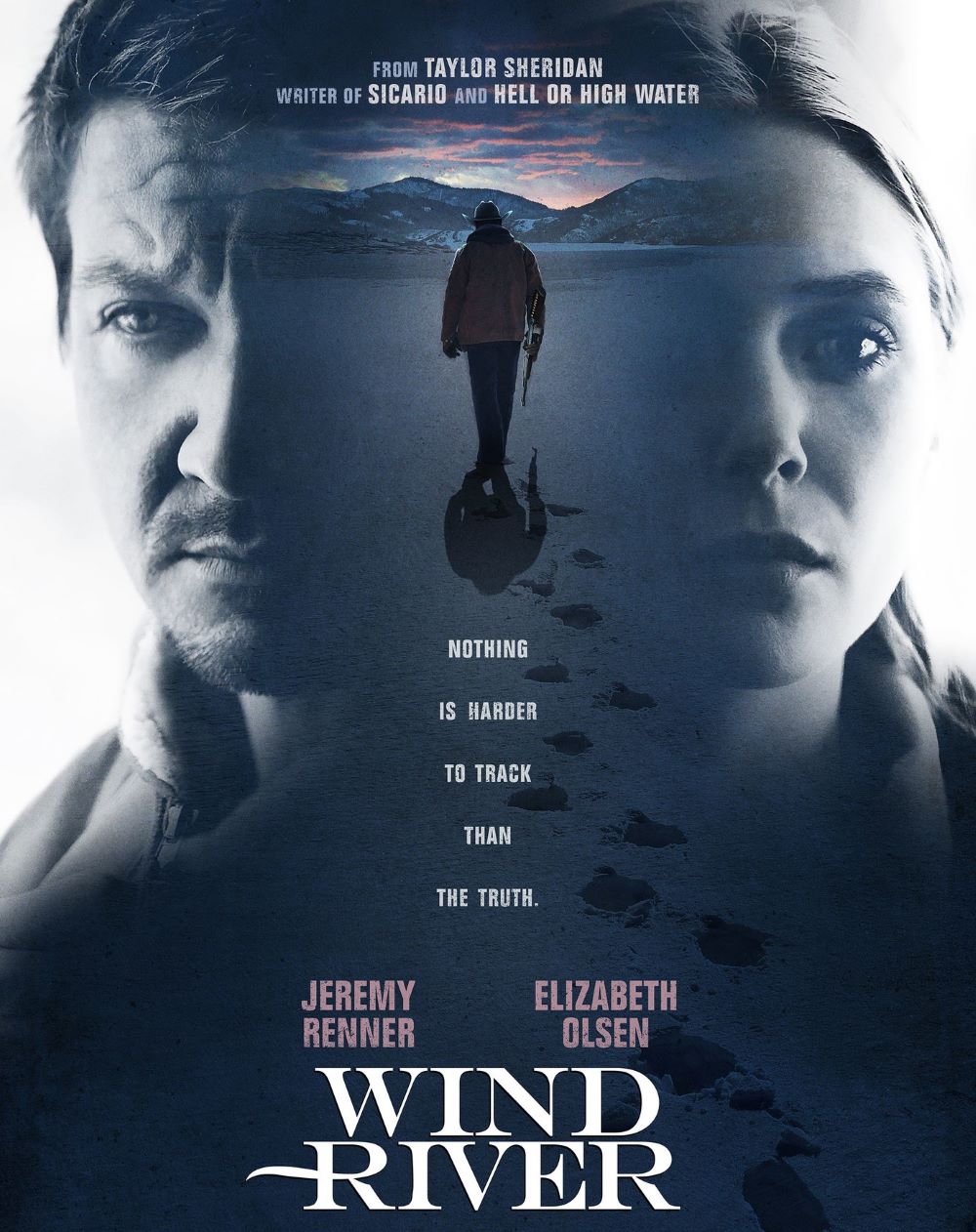
Wind River is a gripping crime thriller set against the stark, frozen backdrop of Wyoming’s Wind River Indian Reservation, where U.S. Fish and Wildlife tracker Cory Lambert teams up with rookie FBI agent Jane Banner to investigate the brutal death of a young Native American woman named Natalie Hanson. Wind River marks the third film in Taylor Sheridan’s American Frontier trilogy that he wrote—following Sicario and Hell or High Water—and it’s the first where Sheridan steps into the director’s chair himself, bringing his sharp eye for gritty realism to the helm. Clocking in at just under two hours, it delivers a mostly positive experience through strong performances, atmospheric visuals, and a script that builds suspense without unnecessary flash, though it occasionally leans on familiar tropes.

Right from the opening moments, Wind River immerses you in a world of isolation and harsh beauty. Snow-covered plains stretch endlessly under a pale sky, and the crunch of boots on ice sets an immediate tone of vulnerability. Cory, played with quiet intensity by Jeremy Renner, discovers Natalie’s frozen body while tracking a mountain lion that’s been preying on livestock. She’s barefoot, half-naked, and miles from any help—details that hit hard and underscore the film’s core mystery: what happened to her, and why does it feel like no one cares? Renner nails the role of a man haunted by his own past loss—his teenage daughter died under mysterious circumstances a few years back—making Cory a grounded everyman rather than a superheroic cowboy. His subtle grief adds layers to every scene, turning routine investigation beats into something personal and raw.

Enter Elizabeth Olsen as Jane Banner, the FBI agent flown in from Vegas who’s clearly out of her depth in sub-zero temperatures and jurisdictional limbo. Olsen brings a mix of determination and wide-eyed realism to the part, avoiding the cliché of the big-city hotshot who learns frontier wisdom overnight. She’s tough but human—hypothermic after a chase, throwing up from the cold, yet pushing through because Natalie deserves justice. The dynamic between Cory and Jane is one of the film’s highlights: no forced romance, just mutual respect born from necessity. Sheridan smartly lets their partnership evolve organically, with Cory’s local knowledge filling Jane’s gaps in protocol and reservation politics. It’s refreshing to see two leads click without sparks flying, focusing instead on shared purpose amid tragedy.

The script shines in its efficient storytelling. Sheridan wastes no time on exposition dumps; instead, he weaves backstory through quiet conversations and flashbacks that pack emotional punch. We learn about the epidemic of missing Indigenous women—thousands vanish yearly, often ignored by media and law enforcement—via stark statistics flashed on screen and through the eyes of Natalie’s family. Gil Birmingham delivers a heartbreaking performance as her father, Martin, a stoic oil rig worker whose rage simmers beneath a veneer of resignation. His scenes with Cory, especially a late-night talk by a bonfire, cut deep, exploring themes of fatherly failure and systemic neglect without preaching. Birmingham’s restrained power elevates what could have been a stock grieving parent into a standout supporting role.

Visually, Wind River is a stunner, thanks to cinematographer Ben Richardson. Those vast, snowy expanses aren’t just pretty—they mirror the characters’ emotional desolation and amplify the stakes. An early tracking sequence, with Cory following Natalie’s footprints in the snow, builds dread masterfully, the silence broken only by wind and labored breaths. The film shifts tones seamlessly: slow-burn investigation gives way to visceral action in the third act, including a raid on an oil site trailer that’s tense, realistic, and over in a flash—no prolonged shootouts or slow-mo heroics. Sound design plays a big role too; the howling wind and muffled gunshots make every moment feel immediate and unforgiving.

Sheridan’s direction keeps things taut without rushing the build-up. This is a slow-burner that earns its pace, letting tension simmer through everyday details like jurisdictional squabbles with underfunded tribal police or Cory teaching Jane to dress for the cold. Nick Cave and Warren Ellis’s score is another winner—sparse, haunting electronics that evoke loneliness rather than bombast. It underscores key scenes without overpowering them, much like the film itself avoids Hollywood excess.

That said, Wind River has its stumbles. Pacing dips in the middle, with some dialogue-heavy stretches that spell out themes a tad too explicitly—like chats about reservation poverty or ignored crimes. It can feel heavy-handed, pulling you out of the immersion. A few characters, like the bumbling FBI contingent or security guards, border on caricature, though the leads stay nuanced. The violence, while sparse and purposeful, includes a harrowing assault scene that’s tough to watch; it’s crucial to the story but might overwhelm sensitive viewers. And while the film tackles real issues facing Native communities, some critics note it centers white protagonists in a Native story, though Sheridan consulted tribal members and cast authentically.

Still, these are minor gripes in a film that largely succeeds on its own terms, especially as the capstone to Sheridan’s trilogy exploring America’s frayed edges. The ending delivers catharsis without easy answers, leaving you with a chill that lingers. Cory gets a measure of redemption, Jane gains hard-won insight, and the reservation’s harsh realities feel unflinchingly real. It’s the kind of movie that sticks because it respects your intelligence—connecting dots about corruption, indifference, and human cost without hand-holding.

What elevates Wind River above standard thrillers is its humanity. Every character, even antagonists, feels fleshed out rather than villainous stock. The oil workers aren’t cartoon evil; they’re desperate men making brutal choices in a forgotten corner of America. Sheridan, drawing from his own ranching background, captures blue-collar grit authentically—no glamour, just survival. Renner’s Cory hunts for a living, bottles his pain, and bonds with his ex-wife’s new family in tender asides that ground the procedural. Olsen’s Jane evolves from outsider to advocate, her arc subtle but satisfying.

The film’s relevance hasn’t faded since its 2017 release. With ongoing conversations around Missing and Murdered Indigenous Women (MMIW), it spotlights a crisis stats show claims over 5,000 cases annually, many unsolved due to jurisdictional messes. Wind River doesn’t solve it but demands attention, blending genre thrills with advocacy seamlessly.

In a crowded field of crime dramas, Wind River stands out for its chill factor, both literal and figurative. It’s not reinventing the wheel, but Sheridan proves he’s a triple threat: writer, director, voice for the voiceless. Renner and Olsen lead a tight ensemble, and the Wyoming wilderness becomes a character itself. If you dig thoughtful thrillers like Hell or High Water or Sicario, this one’s essential. It’s mostly positive vibes from me—intense, moving, and worth cranking up the thermostat for.

Sheridan’s ear for dialogue keeps things natural—terse exchanges crackle with subtext, like Cory’s line to Martin about enduring loss as a father that hits like a gut punch with simple words carrying profound weight. The film trusts silence too; long shots of characters staring into the void say more than monologues ever could, while technically it’s polished with editing that snaps during action and breathes during reflection. Even smaller roles shine—Kelsey Asbille as Natalie brings fire in limited screen time, and James Jordan plays an irredeemable private security contractor so well. Balanced against its preachiness, Wind River earns its emotional heft, dragging occasionally sure, but the payoff of an explosive finale and quiet closure makes it worthwhile, with power in inevitability and quiet fury as Sheridan avoids exploitative rape-revenge clichés to focus on aftermath and accountability.

Wind River delivers assured direction in Sheridan’s feature debut, memorable performances, and a compelling story that resonates. It refreshes the thriller genre with its blend of tension and substance.

Review: Hell of High Water (dir. by David MacKenzie)


“I’ve been poor my whole life… like a disease passing from generation to generation. But not my boys, not anymore.” == Toby Howard

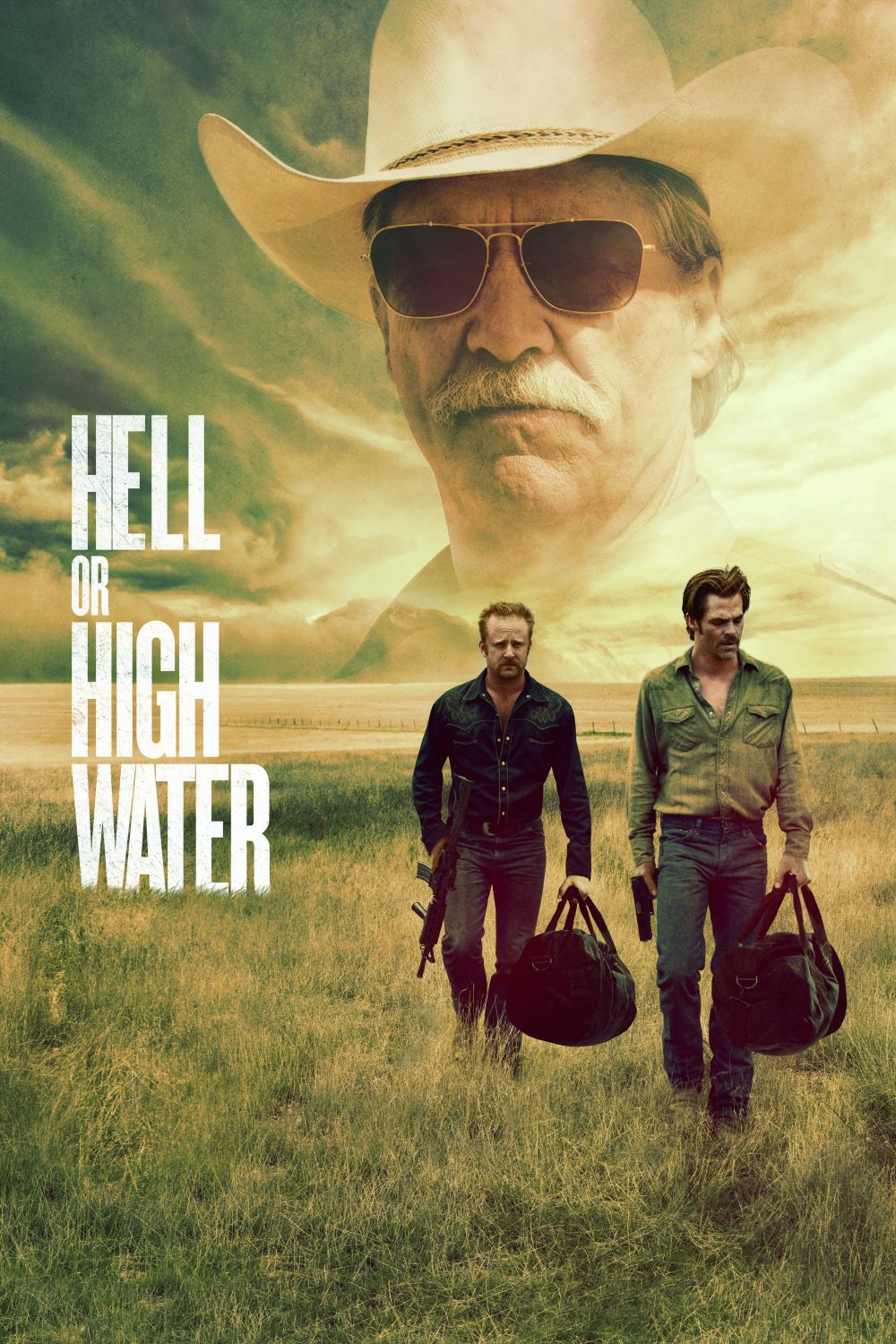
Hell or High Water is a gritty neo-Western that captures the desperation of rural America with sharp dialogue and tense heists. Directed by David Mackenzie and written by Taylor Sheridan, it stars Chris Pine and Ben Foster as brothers robbing banks across West Texas to save their family ranch. As the second film in Sheridan’s American Frontier Trilogy, it dives deep into economic despair on the fraying edges of modern America, carving out a raw, personal tale of survival amid systemic rot.

The story kicks off with Toby Howard (Pine), a quiet divorced dad scraping by at a casino, teaming up with his wild older brother Tanner (Foster), fresh out of prison and itching for chaos, for a string of quick bank jobs. They’re targeting branches of the Texas Midlands Bank, the same predatory outfit that’s been bleeding their late mother’s ranch dry with reverse mortgages that ballooned after her death. Toby’s motive is pure and heartbreaking: he wants to pay off the debt and hand the property—now sitting on untapped oil reserves—to his estranged kids, breaking a multi-generational cycle of poverty that’s crushed their family under debt, divorce, and dead-end jobs. It’s not about greed; it’s survival, wrapped in a fierce code of brotherly loyalty that feels timeless, echoing the blood oaths of classic Westerns like The Searchers or Unforgiven. Sheridan builds this setup methodically, letting the brothers’ quiet desperation simmer before the first robbery, making their partnership feel inevitable and doomed from the start. You get these early glimpses of their bond—Toby’s measured calm clashing with Tanner’s explosive energy—over shared meals or late-night drives, hinting at the fractures that prison and hardship have carved into their lives.

What stands out right away is how the film paints West Texas as its own brutal character—dusty highways stretching into infinity, faded diners serving coffee and Whataburger breakfast tacos, ghost towns where the only new construction is more banks or payday loan shacks preying on the broke. Giles Nuttgens’ cinematography turns the landscape into a vast, unforgiving canvas, with wide shots of endless plains, shimmering heat haze, and abandoned oil pumps that mirror the characters’ isolation and the weight of their choices. The visuals aren’t flashy; they’re oppressive, framing lone figures against horizons that swallow them whole, emphasizing how small these men feel against the indifferent sprawl. Nick Cave and Warren Ellis’ score adds a haunting twang—sparse piano notes, eerie strings, and subtle guitar plucks that build tension without ever overpowering the dialogue or action. It’s masterfully subtle, letting the silence between robberies speak volumes about the boredom, hopelessness, and fleeting camaraderie of these small, overlooked lives in flyover country. Even the sound design nails it: the rumble of getaway trucks, the click of slot machines in casinos, the distant wail of sirens—all weaving a sonic tapestry of gritty realism.

Chris Pine shines as Toby, completely shedding his action-hero polish for a layered everyman performance full of bottled-up resolve and quiet pain. You see the weight of his failures—a loveless marriage shattered, kids he barely knows living hours away—in every furrowed glance, every deliberate pause before he pulls a mask down. He’s the planner, the reluctant criminal whose moral compass wavers just enough to justify the heists in his mind, but you sense the toll it’s taking, like a man grinding his teeth through every moral compromise. Ben Foster, though, steals every scene he’s in as Tanner, the hothead ex-con with a wolfish grin that barely masks his pent-up rage and damage. His unhinged energy explodes during the heists—like firing warning shots at terrified tellers or flipping off pursuing cops mid-chase—but it’s always undercut by real pathos; years in prison have broken something fundamental in him, turning brotherly love into a volatile lifeline. Their dynamic is the beating heart of the film—casual banter over stolen cars, casino poker games, or roadside Whataburger runs feels achingly genuine, a brief respite from the doom that’s closing in. Moments like Tanner teasing Toby about his ex-wife or the brothers sharing a rare laugh humanize them, making their inevitable collision with fate hit that much harder.

Then there’s the pursuit side of the equation: Texas Rangers Marcus Hamilton (Jeff Bridges) and his partner Alberto Parker (Gil Birmingham), who provide the perfect counterpoint to the brothers’ frenzy. Bridges chews the scenery with gleeful abandon as the grizzled vet nearing retirement, obsessed with cracking one last big case before hanging it up. His folksy drawl delivers casual racist jabs at his Native American partner—not out of outright malice, but as a form of twisted, old-school affection that reveals Marcus’s own deep-seated insecurities about aging and obsolescence. It’s uncomfortable, authentic, and played with such charm that it lands as character revelation rather than cheap shock. Birmingham matches him beat for beat with deadpan comebacks that land like quiet thunder, turning their stakeouts into a buddy-cop routine laced with sharp cultural commentary. Chats about diner waitresses’ curves, Comanche history, or the ethics of bank robbery add unexpected levity and depth, transforming the cat-and-mouse chase into something richer, almost philosophical, amid the choking West Texas dust. Bridges’ Marcus isn’t just hunting criminals; he’s confronting his own mortality, piecing together the brothers’ pattern like a puzzle that might define his legacy.

Taylor Sheridan’s script nails modern American malaise without ever slipping into preachiness or melodrama. Poverty isn’t some abstract talking point; it’s visceral—Toby’s trailer-park existence with its peeling paint and flickering lights, the single mom’s quiet despair over her mortgage payments, the rusted oil rigs promising riches that never trickle down to anyone local. The banks emerge as the true villains, plastering billboards with false salvation (“Texas Midlands: Your Friend in Need”) while gobbling up ranches through fine-print loopholes and aggressive collections. Sheridan weaves in these details organically—no info-dumps, just overheard conversations at diners or glimpses of foreclosure signs dotting the highway—that build a world where desperation breeds crime. Violence erupts organically from this pressure cooker—robbers improvise with stolen cars and sawn-off shotguns, rangers swap hunches over lukewarm diner coffee—not in overblown Hollywood set pieces, but in raw, consequential bursts that leave real scars. A botched heist introduces innocent blood on their hands, forcing you to grapple with whether Toby’s noble ends can ever justify Tanner’s reckless means, a moral tightrope Sheridan walks with unflinching precision. It’s this nuance that elevates the film: no one’s purely good or evil, just products of their environment, clawing for a scrap of dignity.

The film’s slow burn pays off in spades. Early jobs are clinical and methodical: masks on, small bills only from the tellers’ drawers, in-and-out in under two minutes to avoid dye packs or alarms, always hitting small branches mid-morning when staff is light. Tension simmers in the mundane details—laundering dirty cash at Native casinos amid blinking lights and cigarette smoke, dodging security cams with cheap disguises, or holing up in cheap motels with peeling wallpaper—building inexorably to a final showdown that’s as brutal as it is poetic. No heroes ride off into the sunset unscathed; justice twists unpredictably like the West Texas wind, leaving you questioning who’s really won in this rigged game. It’s balanced too—no glorifying crime without consequences. Toby’s noble intent constantly clashes with Tanner’s powder-keg recklessness, while Marcus’s dogged pursuit peels back layers of his own regrets about a life spent chasing ghosts. Everyone’s deeply flawed, chasing some form of redemption in a system that’s stacked against the little guy from the jump, and Sheridan lets those contradictions breathe without forcing resolutions.

Pacing does drag a tad in the middle, with those ranger stakeouts testing patience at times, but it masterfully mirrors the tedious grind of real low-level crime—the waiting, the watching, the endless coffee refills—making the climaxes land with twice the force. Character depth is rock-solid across the board, though side players like the waitress (Katy Mixon) or the casino manager get a bit short shrift in the script’s tight focus. Still, the core quartet carries the weight effortlessly, with Bridges delivering a masterclass in weathered charm—part crusty mentor, part comic relief, all heart. Even smaller beats, like a teller’s trembling hands or a deputy’s split-second choice, add texture without stealing focus.

Hell or High Water revives the Western genre for the 21st century—less six-guns and saloons, more economic gunslinging and ATM skimmers. At its core, it’s about family ties that bind even as they strangle, personal failures that haunt like ghosts on the plains, and faceless corporations devouring the heartland one foreclosure at a time. Toby’s final call to his ex-wife, hinting at a freer future for his boys on the now-clear-titled ranch, lands with bittersweet punch, his voice cracking just enough to sell the lie he tells himself. Marcus, surveying the bloodied aftermath from a ridge, mutters about Comanches losing their land centuries ago—a stark reminder that history’s cycles of loss and revenge remain unbroken, no matter who holds the deed. No tidy Hollywood bows, just hard-earned truth staring you down from the screen.

In a landscape clogged with summer blockbusters, this indie gem—backed by bold financiers—proves that small-scale stories pack the biggest emotional wallop. Watch it for the immersive vibes and regional flavor, from the twangy accents to the sun-bleached pickups; stay for the soul-stirring performances and themes that linger long after the credits. If you dug the Coens’ No Country for Old Men, this slots right in—tense as a taut wire, thoughtful without pontificating, unflinching in its gaze at America’s underbelly. Hell yeah, it’s absolutely worth your time.

Review: Sicario (dir. by Denis Villeneuve)


“You should move to a small town where the rule of law still exists. You will not survive here. You are not a wolf. And this is the land of wolves now.” — Alejandro

Sicario is one of those thrillers that doesn’t just try to get your pulse up; it wants to leave you sitting there afterward, uncomfortable and a little hollowed out. Set in the murky world of the U.S.–Mexico drug war, it follows an idealistic FBI agent pulled into a “by any means necessary” operation and slowly realizing she’s basically a pawn in a much bigger, much uglier game. It’s not a movie about slick heroes taking down bad guys so much as a slow, grim spiral into the realization that the system is rigged on every level, and that’s where the film is both at its most impressive and its most uncompromising. Overall, it leans heavily positive as a piece of craft—beautifully shot, superbly acted, tightly directed—and its refusal to blink at where its story logically leads is a big part of what gives it power.

The basic setup is simple enough: Kate Macer, played by Emily Blunt, is an FBI agent used to doing things by the book, raiding cartel safe houses in Arizona with her partner Reggie. After a grisly opening operation that turns up corpses hidden in the walls and a deadly booby trap, she’s recruited into a joint task force helmed by Josh Brolin’s Matt Graver, a flip‑flop‑wearing CIA type who treats international borders and legal constraints as suggestions. The team’s official mission is to go after a cartel lieutenant, Manuel Díaz, but very quickly Kate realizes she’s only being told a fraction of what’s really going on. The more she pushes for answers, the more obvious it becomes that Matt and his mysterious associate Alejandro (Benicio Del Toro) are running their own agenda and using her badge and presence as cover.

From the start, Denis Villeneuve frames this story as a descent, and he does it by locking us into Kate’s perspective for most of the film. We’re as confused and kept in the dark as she is: we don’t fully know why the team is crossing into Juárez, why everyone is so tense at the border, or what the deeper objective is besides “disrupt the cartel.” That choice pays off in a huge way during the film’s standout sequences, whether it’s the convoy inching through traffic surrounded by armed federales or the nighttime tunnel infiltration lit by thermal and night‑vision photography. Those scenes aren’t just “cool action beats”; they’re engineered to make you feel boxed in and outmatched, like violence could erupt at any second and no one really has control. Even when nothing is technically happening, you can feel the nerves jangling under the surface.

One of the most striking things about Sicario is how it weaponizes space. The way the film uses its wide, open desert vistas isn’t just pretty scenery—it adds this creeping, suffocating dread to everything, as if the characters are tiny figures swallowed up by forces they can’t hope to understand or control. Those long shots of trucks threading their way across the landscape, or helicopters gliding over seemingly endless scrub, make the world feel vast, ancient, and totally indifferent to whoever’s spilling blood on it today. In those moments, the movie almost channels a kind of Lovecraftian horror, the same cosmic, indifferent menace that Cormac McCarthy managed to weave through his Westerns, where the land itself feels old, hostile, and utterly unmoved by human morality or suffering. It’s not supernatural, but that sense of something bigger, colder, and permanent presses down on every decision these characters make.

Roger Deakins’ cinematography is a huge part of why that dread lands so well. The desert is captured in these wide, ominous skyline shots with tiny vehicles creeping along the horizon, giving Sicario a sense of menace that feels baked into the environment. Even the daylight scenes feel threatening, all washed‑out heat and harsh sun flattening everything into a kind of moral no‑man’s‑land. Then the movie flips into night, and suddenly you’re plunged into infrared and silhouettes, which fits perfectly with the story’s obsession with secrecy and invisible lines being crossed. This is one of those films where you could watch with the sound off and still feel the tension just from how the images are composed, but the use of space and light also nudges the movie into that McCarthy‑adjacent territory where the West is less a backdrop and more a silent, malevolent presence.

The performances match that level of craft. Emily Blunt plays Kate as tough and competent, but not in a superhero way—she’s brave, but she’s also human, constantly trying to reconcile what she’s seeing with what she believes law enforcement is supposed to be. You can see the frustration mounting as she keeps demanding clarity and hitting a wall of smirks, deflections, and “you’ll understand later.” Benicio Del Toro, meanwhile, walks off with the film as Alejandro, this quiet, haunted figure who initially seems like just another operative but reveals layers of trauma and ruthlessness as the story goes on. The script is smart about keeping his backstory mostly hinted at until late in the film, which makes it all the more chilling when you finally see what he’s really there to do. Josh Brolin is the third pillar, playing Matt as casually flippant on the surface but utterly cold about collateral damage, the kind of guy who laughs through briefings because he already knows the moral lines are going to be erased.

On a thematic level, Sicario is very much about complicity and the idea that in this particular “war,” there are no clean hands. Kate comes in thinking she’s going to help nail cartel leadership through some kind of legal, targeted operation; what she slowly figures out is that the task force is really trying to destabilize one cartel to empower another, consolidating power into a more “manageable” single organization. That logic—“create one devil we can deal with instead of many we can’t”—is chilling, and the movie doesn’t really offer a comforting counterargument. Instead of pulling back or softening that stance, it commits to showing what that philosophy looks like in practice, all the way to the bitter end. By the time Alejandro reaches his personal endgame and we see what “justice” looks like in this world, any illusions about moral clarity are gone, and the film refuses to apologize for following that line through.

Where some films might hedge their bets or try to inject a last‑minute note of optimism, Sicario is deliberately straight‑backed about where its story logically leads. The CIA needs Kate’s FBI status to legitimize their operation on U.S. soil, but they don’t actually want her input; she’s there to sign off and be lied to, not to shape policy. Every time she pushes back—like when she tries to build a traditional case after the task force raids a cartel‑connected bank—she’s shut down because “that’s not what this mission is.” Even the brief subplot with the corrupt local cop Silvio is there to underline how the drug war trickles down: this isn’t just cartel bosses and shadowy agents, it’s working‑class people pulling double duty as mules because they’re desperate, and they end up as expendable as anyone else. Rather than treating that as background noise, the movie leans into the bleak implications and lets them sit with you.

The same goes for Kate’s arc. Some viewers see the film as sidelining its female lead in the third act, shifting the narrative fully over to Alejandro just when things are coming to a head. Structurally, that is what happens: the viewpoint tilts from Kate’s confused horror to Alejandro’s mission, and she becomes more of a witness than an active participant. But that shift feels of a piece with the movie’s overall approach—she has been outmaneuvered and used from the start, and Sicario isn’t interested in pretending otherwise just to deliver a more empowering or conventionally satisfying ending. There’s something bracing about the way the film sticks to its guns here; it says, “this is the world we’ve shown you for two hours, and this is how someone like Kate gets treated in it,” and then follows through.

All of this could have tipped into empty cynicism if the film didn’t feel so precise and purposeful. Jóhann Jóhannsson’s score, all pounding, low‑end rumble and ominous strings, practically turns the highway scenes into horror set‑pieces; it feels like the sound of something massive grinding forward that you can’t stop. Villeneuve keeps the pacing deliberate but never sluggish, using long stretches of quiet to make the explosions of violence feel random and brutal instead of exciting. Even small scenes, like Kate’s attempted hookup with a local cop who turns out to be on the cartel payroll, are staged to underline how deeply compromised everything is. There’s no safe space, no “off the clock” moment where the larger conflict doesn’t intrude, and the movie doesn’t pretend there is just to make you feel better walking out.

If you go into Sicario looking for a clean, cathartic crime thriller where the good guys outsmart the bad guys, you’ll probably come away irritated or even angry. The movie’s whole point is that those categories don’t really apply in this corner of the world, and it’s committed enough to that idea that it never gives you an easy out. But if you’re up for something more sobering—an incredibly well‑crafted, morally grim look at the drug war with standout work from Blunt, Del Toro, Brolin, Deakins, and Villeneuve—it’s a pretty exceptional ride. Its worldview is harsh, but it’s also coherent and honestly pursued, and that level of conviction is a big part of why the film lingers. It may not be the kind of movie you “enjoy” in a traditional sense, but it’s one that sticks with you, and in this genre, that counts for a lot.

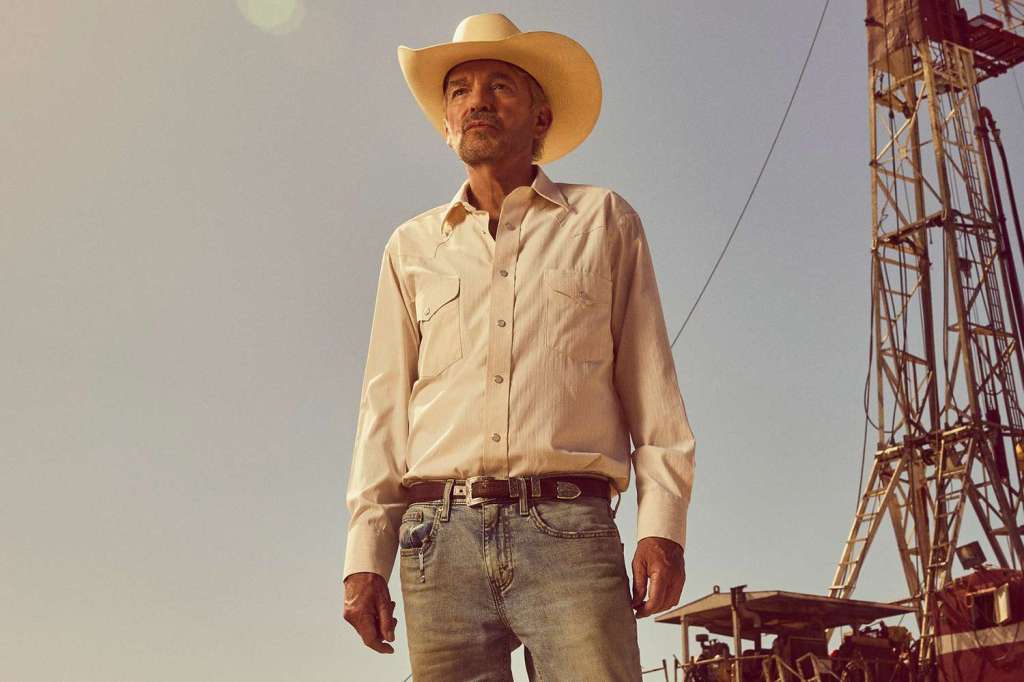
Brad’s Thoughts on Season 1 of LANDMAN, Starring Billy Bob Thornton!


Taylor Sheridan has become a fairly big part of my life over the last decade. It started when I saw HELL OR HIGH WATER in the movie theater back in 2016. It was one of my favorite movies of the year, and it was written by a guy named Taylor Sheridan. Well, the next year brought us WIND RIVER, which was both written and directed by Taylor Sheridan, and it was one of my favorite movies of 2017. Then came the series YELLOWSTONE, which was created by Taylor Sheridan and began airing in 2018. I didn’t watch the first couple of seasons, but I thought it looked good and even bought the first season on DVD when I saw it for sale at Wal Mart. When my wife Sierra came home from performing her nursely duties at the hospital and told me that everyone was saying that we needed to watch YELLOWSTONE, I informed her that I just so happened to own Season 1 on DVD. So, we popped it in the DVD player, and we were soon obsessed with the world of the Duttons. My wife took special joy in the characters of Beth (Kelly Reilly) and Rip (Cole Hauser), while John Dutton (Kevin Costner) and Rip kept my attention. I’ll admit that it scared me a little bit that Sierra enjoyed Beth so much, and I’m glad to report that, up to this point, she has not started trying to emulate her actions in real life!

When YELLOWSTONE ended its run at the end of 2024, the Paramount network was putting a major marketing push into their latest “Taylor Sheridan” series, that being LANDMAN, which had started its first season around the same time YELLOWSTONE was wrapping up its final season. I’m a huge fan of actor Billy Bob Thornton, so the fact that he was headlining a series set in Texas oil country automatically piqued my curiosity. Not ready to commit to 10 hours’ worth of LANDMAN episodes quite yet, we put the show on the backburner for a bit, knowing that we could jump in and watch it whenever we wanted to. Well, this past weekend, we got snowed in here in Central Arkansas, so I asked Sierra if she’d like to watch a few episodes of LANDMAN. Needless to say, over the course of the day we watched every episode of Season 1. I really enjoyed the first season and decided to share some of my thoughts with you.

First off, if I’m going to commit to watching 10 hours’ worth of anything, I need to really like at least some of the characters. I don’t just like Billy Bob Thornton’s portrayal of the “Landman” of the title, his Tommy Norris is now one of my favorite characters that he’s ever played. He’s the ultimate realist, because no matter what situation he finds himself in, whether he’s dealing with the head of a drug cartel, the head of his oil company, or his ex-wife, he tackles every situation by uniquely framing the specific issues in a matter of moments and then providing solutions that appeal to his audience’s most base instincts. Alternatively hilarious, serious, heartbreaking and genius, Thornton gives a masterful performance that I don’t think anyone else could have pulled off any more effectively. His ex-wife Angela (Ali Larter) is probably the toughest of all for him to deal with as his own sense of self-preservation seems to go out the window whenever she’s around. Ali Larter’s performance as Angela is loud, brash, attention-seeking, hypersexual, and every so often, just vulnerable enough that you can kind of like her. I think she’s great, and quite sexy, in the role. Michelle Randolph and Jacob Lofland get a lot of screen time in the first season as their children, Ainsley Norris and Cooper Norris. Michelle is cute and spunky, definitely her mother’s daughter, but she also loves her dad so much. I like her. Lofland, who, like Thornton, is from my state of Arkansas, has a meatier role, having to deal with tragedy from the very beginning and then serious family drama as the season plays out. It’s not a showy role, but he does a solid job. The other performance that I really enjoy throughout season 1 comes from Jon Hamm as the head of the oil company, Monty Miller. I kept referring to him as J.R. Ewing as I watched because he’s the big boss. He’s the person that Tommy Norris calls when he can’t solve their problems. Unlike J.R. Ewing, although Miller is a tough businessman, he’s also a committed family man who tries to be there for his wife Cami (Demi Moore) and their daughters when they need him. He is as hard-nosed as it gets in his business dealings, though, and it’s easy to see why he had emerged as the main guy over Tommy. I did want to shout out the actors Colm Feore, James Jordan and Mustafa Speaks as various employees of the oil company who provide different elements of humor and toughness to the proceedings over the course of the season. Finally, as far as the primary cast, while prominently credited throughout the first season, Demi Moore has relatively little to do until the very end of season 1. If you’re a big fan of hers, just know that going in. Her character seems primed to be a big part of season 2, though, so it will be interesting to see where that goes.

Second, like with any popular dramatic TV series, LANDMAN Season 1 contains some storylines that I really enjoy, while there are some that I don’t really care for. Where LANDMAN really works for me is when it features Billy Bob Thornton’s Tommy Norris as a fixer of some sort. It was in these storylines that we get to see his ability to use his intelligence, communication skills, and understanding of human nature to come up with solutions that are best for everyone. It might not always be easy, and he might have to take a beating every now and then, but Tommy knows how to get things done, and the show is at its best when it’s focused on him. We see this throughout season 1 as Norris deals with a variety of cartel henchmen, hotshot attorneys, and unhappy leaseholders in order to advance his company, M-Tex’s interests. There are also a few badass moments when it becomes clear that talking won’t get the job done, and even more direct methods will have to be used to get his point across. This usually happens when Tommy’s feeling the need to protect his children. If there is a weakness to the show, for me, it’s the fact that when Tommy Norris isn’t part of the proceedings, I don’t like it nearly as much. For example, while scenes involving Jacob Lofland’s character, Cooper, and the recently widowed young mother Ariana (Paulina Chavez), whose husband was an employee of the company, ramp up the melodrama, they also take up a lot of time, and I don’t find them very appealing. The same can be said when Ali Larter’s character, Angela, and her daughter Ainsley, decide they’re going to volunteer at a nursing home, and then proceed to hook the residents up with alcohol and even take them to a strip club. While I smiled at some of the proceedings, they weren’t realistic and didn’t really add anything to the story. I even found myself worrying about some of the residents, I mean, I’m sure some of their medication was NOT compatible with tequila! I’m guessing that these quibbles really just come down to a matter of personal preference, as I’m sure there are some who enjoy these moments more than I do. I will admit that these scenes are well-acted and performed even if they’re not advancing my favorite parts of the story.  

Overall, I really enjoyed season 1 of LANDMAN, and I’m looking forward to jumping into season 2 soon, which is now streaming. The last couple of episodes of season 1 introduced or elevated some very interesting characters who will have more prominent roles moving forward (played by Andy Garcia and Demi Moore), and peaking ahead, season 2 also appears to have some interesting additions to the cast (I’m looking at you Sam Elliott). I’m looking forward to the next 10 hours of fun!

4 Shots From 4 Films: Cold Weather Movies


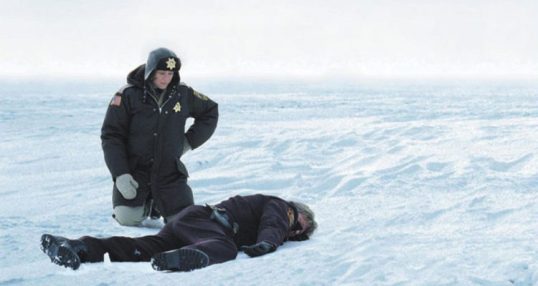
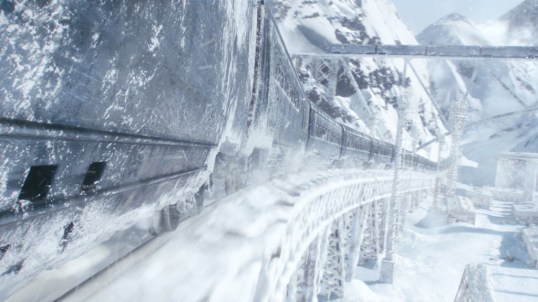
4 Or More Shots From 4 Or More Films is just what it says it is, 4 shots from 4 of our favorite films. As opposed to the reviews and recaps that we usually post, 4 Shots From 4 Films lets the visuals do the talking!

It’s that time of year.  It’s time to get ready for cold weather.  Here are 4 shots from 4 films that do just that!

4 Shots From 4 Cold Films

Groundhog Day (1993, Dir. by Harold Ramis)

Fargo (1996, Dir. by the Coen Brothers)

Snowpiercer (2013, Dir. by Bong Joon Ho)

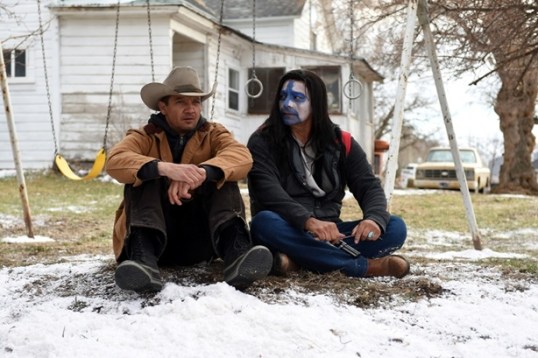
Wind River (2017, Dir. by Taylor Sheridan)

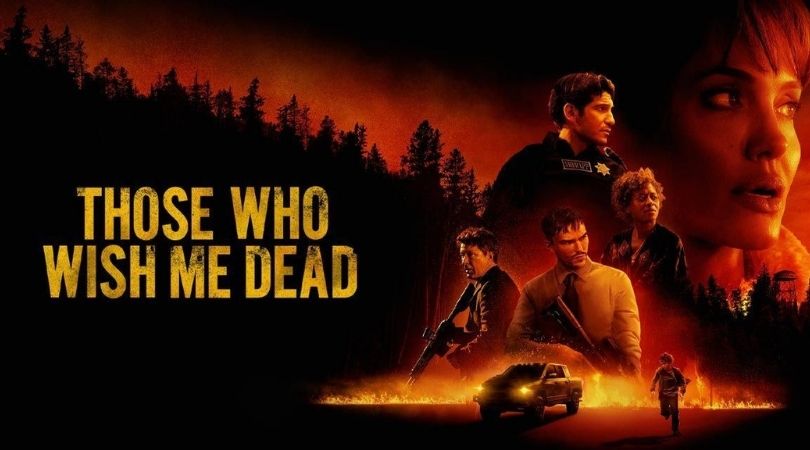
Film Review: Those Who Wish Me Dead (dir by Taylor Sheridan)


In Those Who Wish Me Dead, Angelina Jolie plays Hannah, a smokejumper who is haunted by a mistake that led to a family dying in a forest fire. All of her recent psych evals seem to indicate that Hannah is self-destructive and a danger to herself and potentially others. Of course, it doesn’t help that Hannah keeps doing things that are self-destructive and that put her and potentially others in danger. She’s watched over by her fellow smokejumpers and her ex-boyfriend, Ethan (Jon Bernthal). Even Ethan’s pregnant wife, Allison (Medina Senghorse) is looking out for Hannah.

Hannah, meanwhile, finds herself looking out for Connor (Finn Carter), a young boy whose father has been murdered by two ruthless assassins (Aidan Gillen and Nicholas Hoult). Because the boy has evidence that could lead to the downfall of an evil mob boss (played by Tyler Perry because, hey, why not?), the assassins search for Connor and they even set a forest fire to cover their tracks.

Trapped in the wilderness, Hannah, Connor, Ethan, and Allison have to somehow survive until the fire burns itself out and the smokejumpers can reach them. Meanwhile, the two assassins are closing in….

I was initially pretty enthusiastic about the prospect of watching Those Who Wish Me Dead on HBOMax but, ten minutes into the movie, I found myself wondering if maybe I was watching something that was made in 1998 and somehow not released until 2021. Everything about the film — from Hannah’s tortured backstory to the verbosely evil assassin played by Gillen — felt like it belonged in a direct-to-video thriller or maybe in a pilot for an old USA Network show starring Cynthia Rothrock and Lorenzo Lamas. It was very easy to watch this movie and to imagine Charlie Sheen and Patrick Swayze showing up as brothers fighting “the wildfire of the century!”

Oddly enough, Angelina Jolie probably could have starred in the 1998 version of this film. That’s how long we’ve been taking it for granted that Angelina Jolie can confront any crisis or any villain and basically kick its ass. That’s a huge reason why I was so looking forward to seeing Those Who Wish Me Dead. It’s been a while since we’ve had a chance to watch Angelina Jolie play an action hero and the fact that she was doing it in a film directed by Taylor Sheridan just made it all the more exciting. Unfortunately, though, Jolie doesn’t seem to be particularly invested in Those Who Wish Me Dead. There’s not much of the unpredictable spontaneity or the sense of danger that, in the past, made Angelina Jolie one of the most exciting actresses around. It’s easy to imagine that, just a few years ago, Jolie could have worked wonders playing someone as openly self-destructive as Hannah but, in Those Who Wish Me Dead, she instead often seems to just be going through the motions. If anything, Aidan Gillen makes a bigger impression, despite the fact that he’s just playing a standard bad guy.

(Speaking of bad guys, why is Tyler Perry playing a crime lord? There’s nothing menacing about Tyler Perry. The fact that Perry only appears in one scene makes his miscasting all the more obvious. As soon as you’ve said, “Wait — why is Tyler Perry in this movie?,” he’s gone. Perry needed at least two extra scenes where he could have killed someone or at least maybe cursed a little or anything else that could have established him as someone other than Tyler Perry making a strange cameo appearance.)

Taylor Sheridan both directed and had a hand in the script. Sheridan previously wrote Hell and High Water and Sicario and both directed and wrote Wind River. These are three of the best films of the past decade and, yet, in the early scenes especially, Those Who Wish Me Dead almost feels almost like a parody of those previous films. The early scenes, where Hannah hangs out with the other smokejumpers, especially ring false, with the blue collar dialogue feeling forced and artificial. Sheridan does better when directing the action scenes but there’s still an overwhelming blandness to the whole film. There’s too much talent involved for Those Who Wish Me Dead to be terrible but, at the same time, it’s hard not to feel that there’s also too much talent for it to be this forgettable.

Angelina Jolie and Taylor Sheridan team up in the Those Who Wish Me Dead trailer


When it comes to writing, anyone who’s watched either Sicario, Hell or High Water or Yellowstone know that Taylor Sheridan’s a force to be reckoned with. The Sons of Anarchy alum has a pretty good track record. With his latest, Those Who Wish Me Dead, he’s also working in the Director’s chair, his first film since 2017’s Wind River.

Whether it’s onscreen or through activism, Academy Award Winner Angelina Jolie (Girl, Interrupted , Maleficent) always maintains a powerful presence. Jolie’s performance mixed with Sheridan’s script should prove to be really interesting. Based on Michael Koryta’s book, Jolie plays a forest firefighter who finds herself protecting a small child on the run. The film also stars Nicholas Hoult (The Favourite), Jon Bernthal (The Accountant), Tyler Perry (Gone Girl), Aiden Gillen (King Arthur: Legend of the Sword) and Finn Little (Angel of Mine).

Those Who Wish Me Dead is part of the WB’s Same Day Premieres, meaning that HBO Max subscribers can watch the film when it’s released on May 14, or in theatres.

Film Review: 12 Strong (dir by Nicolai Fuglsig)


12 Strong begins with a montage of terror.

The World Trade Center is bombed in 1993.  Planes are bombed.  Ships are attacked.  Bill Clinton gives a speech in which he impotently condemns Al-Qaeda.  Finally, we reach September 11th, 2001.  Captain Mitch Nelson (Chris Hemsworth) is playing with his daughter when she suddenly looks up at the TV behind him.  “Look, Daddy,” she says.  Nelson turns around and sees The World Trade Center on fire.

Even though he’s recently announced his intention to retire, Nelson reports for duty.  Despite the skepticism of his commanding officer (Rob Riggle), Nelson and 11 others are sent into Afghanistan.  Their mission is to meet up with a warlord named Abdul Rashid Dostum (Navid Negahban) and to capture territory from the Taliban.  Nelson is initially given 6 weeks to complete this task.  Nelson replies that he’ll get it done in three, before the harsh Afghan winter makes it impossible to move through the mountains.

Among the actors who make up Nelson’s team: Michael Shannon, Trevante Rhodes, Austin Stowell, and Geoff Stults.  Fortunately, the cast is made up of familiar faces.  Even though you might not learn everyone’s name, you still feel as if you know them because you’ve seen all of them playing similar roles in other movies.  (After his performance in Moonlight, it’s a bit disappointing to see Trevante Rhodes playing such a minor supporting role in his follow-up but still, he’s a charismatic actor and he has enough screen presence that he definitely makes an impression.)  Somewhat inevitably, Michael Pena plays the funny member of the team.  It’s not a 21st century action film without Michael Pena providing comedic relief.

(That’s actually a little unfair to Michael Pena, who is a good actor and who gives a pretty good performance in 12 Strong.  It’s just that he’s played this role so many times that it’s almost become a cliché that every action movie will feature Micheal Pena making jokes.)

When the team first meets up with Dostum, there’s immediate tension between the supposed allies.  As Dostum puts it, the United States only cares about getting rid of the Taliban but they don’t care about what will happen afterward.  When Dostum looks at Nelson, he immediately announces that Nelson does not have killer eyes.  Everyone else on the team has killer eyes but not Nelson.  Dostum and his men are even less impressed when they see the Americans struggling to ride the horses that are required to get through the mountains.  Will Nelson win Dostum’s respect?  Will he develop the eyes of a killer?

You probably already know the answer to that.  There’s really not a single moment in 12 Strong that you won’t see coming.  As soon as Dostum says that Nelson needs to prove himself in battle, you know that he’ll get a chance to do just that.  As soon as another soldier talks about home, you know that he’s going to be seriously wounded.  When you first spot the child soldiers among Dostum’s forces and you see one of them give Nelson a nervous smile, you know that child’s probably going to be one of the first casualties of the attack.

12 Strong is a predictable movie but that doesn’t necessarily mean that it’s a bad one.  It’s a well-made film, with the cast all giving strong performances and director Nicolai Fuglsig doing a good job with the battle scenes.  My heart was racing during the film’s final battle.  New Mexico doubled for Afghanistan and the film features some truly stunning shots of the mountainous landscape.  The film even makes a point about why, after 17 years, there still doesn’t appear to be any end in sight to the War in Afghanistan.

Clocking in at 2 hours and 9 minutes, 12 Strong is probably about thirty minutes too long.  It’s a predictable movie but it’s well-made and the fact that it’s based on a true story does make it a bit more poignant than it would be otherwise.  It’s not a bad war film, particularly for January.

Teaser Trailer – Sicario 2: Soldado


2015’s Sicario snuck up on audiences with a quiet October release and a big impact. Strong performances and great visuals (by way of director Denis Villeneuve and legendary cinematographer Roger Deakins) lead the way on the film. I loved that movie. Personally, I didn’t expect a sequel to this one, but am a little curious about where Sicario 2: Soldado may go. Neither Emily Blunt (Girl on the Train) nor Daniel Kaluuya (Get Out) appear for this one, but it’s okay. Academy Award Winner Benecio Del Toro reprises his role as Alejandro, an agent who is more than what he seems, as he and Josh Brolin’s Matt Graver are on the hunt against drug cartels.

Something surprising I found out about this. Both films were written by Taylor Sheridan, who also had a stint on FX’s Motorcycle crime drama Sons of Anarchy (one of my favorite shows), where he played Deputy Chief David Hale. Sheridan was also earned a Best Original Screenplay Nomination for 2016’s Hell or High Water. With most of the acting team and the writer on board, Soldado could work out.

Stefano Sollima, best known for Italy’s crime series Gommorah, takes over the directing duties here. Dariusz Wolski will be handling the cinematography, fresh off of Ridley Scott’s last four films (All the Money in the World, Alien Covenant, The Martian and Exodus: Gods and Kings).

Sicario 2: Soldado opens in June 2018.