4 Or More Shots From 4 Or More Films is just what it says it is, 4 shots from 4 of our favorite films. As opposed to the reviews and recaps that we usually post, 4 Shots From 4 Films lets the visuals do the talking!
Today would have been Sam Peckinpah’s 101st birthday. Here are 4 shots from 4 of my favorite Peckinpah films.
4 Shots From 4 Sam Peckinpah Films
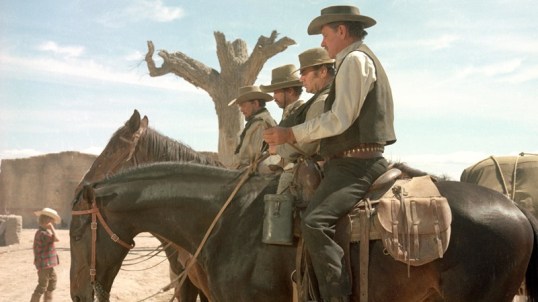
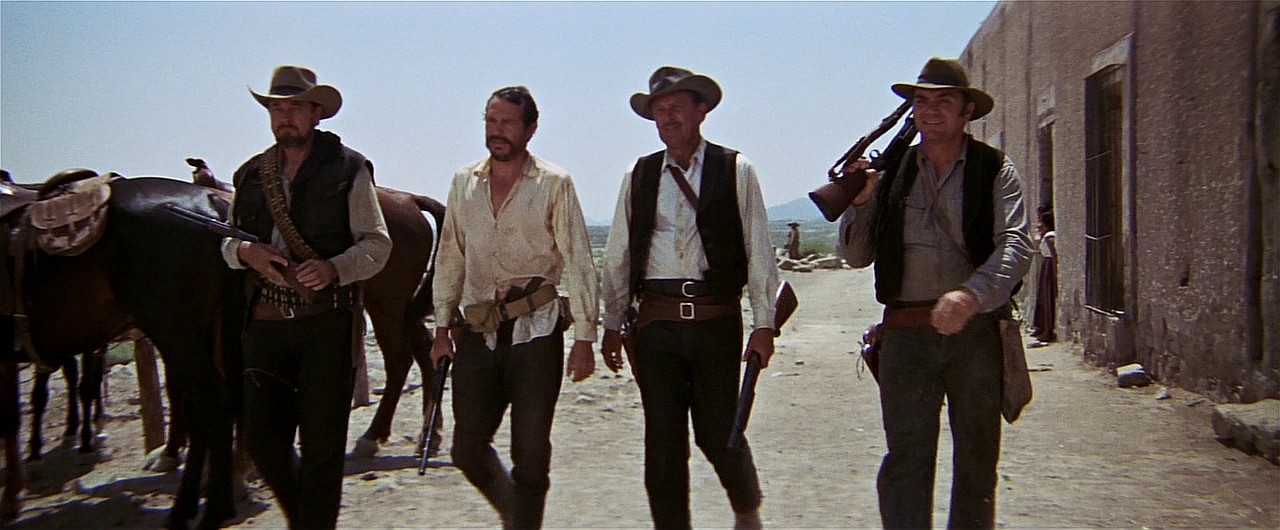
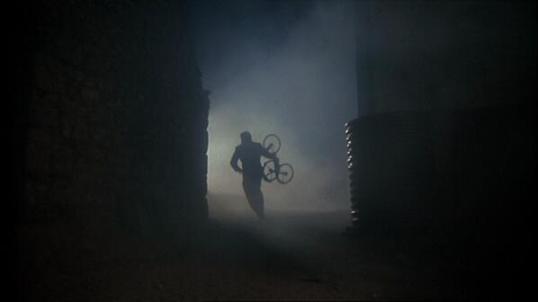
The Wild Bunch (1969, directed by Sam Peckinpah, Cinematography by Lucien Ballard)
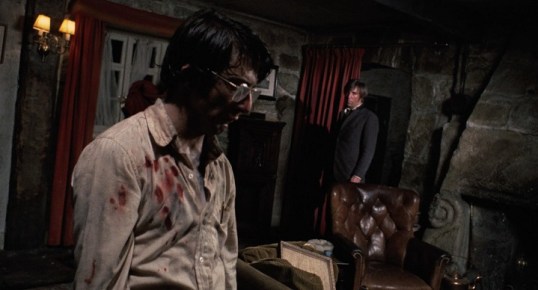
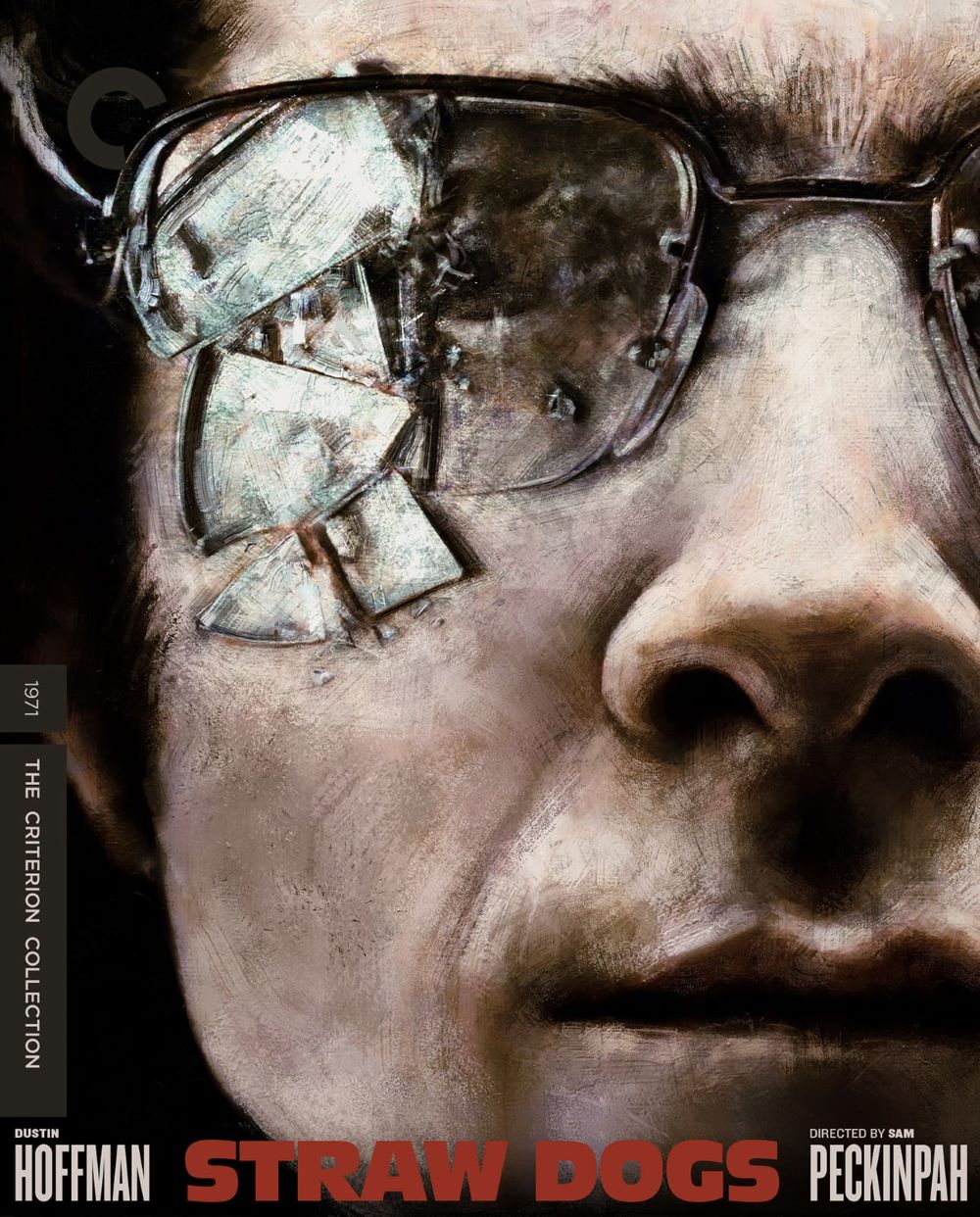
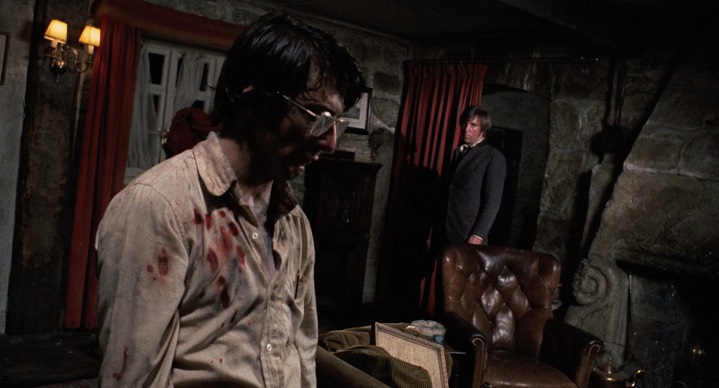
Straw Dogs (1971, directed by Sam Peckinpah, Cinematography by John Coquillon)
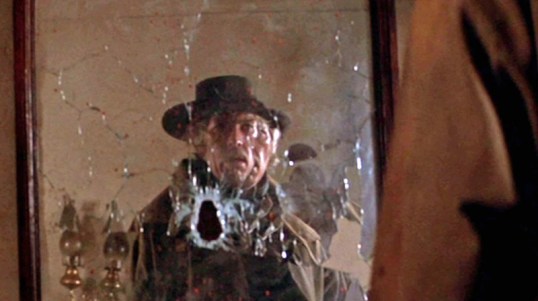
Pat Garrett and Billy The Kid (1973, directed by Sam Peckinpah, cinematograph by John Coquillon)
Bring Me The Head of Alfredo Garcia (1974, directed by Sam Peckinpah, Cinematography by Alex Phillips, Jr.)
“Violence can be the only answer sometimes.” — David Sumner
Sam Peckinpah’s Straw Dogs is a raw, compelling dive into the breakdown of civility and the primal instincts bubbling underneath. The story follows David Sumner, a mild-mannered American mathematician, who moves with his wife Amy to her rural English hometown. The couple’s plan for a quiet life takes a sharp turn when tensions with the locals spiral out of control, resulting in a violent showdown. At its core, the film examines how far a person can be pushed before the veneer of civilization peels away, revealing something much wilder underneath.
The tension starts subtly, as David’s intellectual and pacifist nature clashes with the rough, territorial mindset of the local men. This brewing conflict isn’t just about cultural difference but taps into deeper themes around masculinity, power, and identity. Straw Dogs asks difficult questions about what it means to be a man, exploring how fragile male identity can be when confronted with real or perceived threats. David’s journey is less about heroism and more about the psychological and emotional transformation forced upon a man who initially seems ill-equipped for the violence unleashed around him. The whole film operates as a kind of symbolic stage where primal instincts and societal expectations collide, forcing each character to confront their own limits.
Amy’s role in the film is both pivotal and deeply complex. Her experience of assault, handled with subtle but unflinching attention, adds emotional and thematic weight without dominating the narrative. The film portrays her trauma through its impact on her and the shifting dynamics in her relationship with David, inviting reflection on resilience and struggle for control. Amy is depicted not merely as a victim but as a layered character navigating vulnerability and strength amid the hostile environment. This approach challenges viewers to consider the nuanced and often contradictory responses to trauma, avoiding simplistic victim narratives while emphasizing its profound consequences.
The rural setting of Straw Dogs is more than just a backdrop; it becomes a character in its own right. The close-knit, insular community embodies a microcosm where social order teeters and violence hides just beneath the surface. Law enforcement and authority figures seem ineffective or indifferent, which heightens the sense of isolation and lawlessness. The hostility from some village locals, including Amy’s ex-boyfriend Charlie, feeds into a toxic masculinity that sees David as weak and out of place. Peckinpah carefully stages this clash, using tension and silence as expertly as physical violence, making viewers feel the pressure ramping up until it finally snaps.
Dustin Hoffman’s portrayal of David is quietly brilliant in its subtlety. He plays David as a man trapped between worlds—intellectual and physical, passivity and aggression—with a restrained but deeply affecting performance. Hoffman’s ability to convey complex emotions beneath a calm exterior makes David’s eventual transformation all the more gripping. Susan George delivers an equally powerful performance as Amy, capturing the mixture of fear, defiance, and heartbreak her character endures. Their dynamic feels authentic and layered, making the viewer invested in their peril. The supporting cast, including actors like Peter Vaughan, add a layer of authentic menace, embodying the grim rural antagonists with convincing grit and intensity. The performances overall ground the film’s explosive themes in believable, relatable humans.
Themes in Straw Dogs extend beyond just personal violence to address ideas about identity and societal breakdown. The film explores the notion of the “symbolic order”—how individuals fit into and negotiate the rules and roles imposed by society. David’s identity crisis and his uneasy place within the village spotlight questions of power, emasculation, and rebirth. Peckinpah uses psycho-sexual imagery—such as symbols of emasculation and phallic power—to deepen the psychological stakes of David’s journey. The film conveys how deeply fragile human identity is and how violence can act as a brutal yet transformative force pushing individuals to redefine themselves. At the same time, the portrayal of Amy complicates these themes by challenging traditional gender roles, making the film as much about female agency as male dominance.
The film’s violence is famously brutal and unsettling. Peckinpah does not shy away from showing the full consequences of escalating conflict, culminating in an intense and chaotic finale where the line between victim and aggressor blurs. This isn’t violence for spectacle but a narrative and thematic necessity that Peckinpah uses to strip away pretenses and reveal the raw human instincts beneath. It’s this uncompromising depiction that both shocked audiences at the time and continues to provoke discussion about the nature of power and survival. The film is also notable for its innovative editing, with Peckinpah’s use of jump cuts and slow-motion heightening the emotional intensity and pacing the violence with a rhythmic, almost visceral punch.
Ultimately, Straw Dogs is a challenging film that forces viewers to confront disturbing truths about human nature, relationships, and societal order. Its exploration of violence and masculinity is complex and often uncomfortable, presenting no easy answers. The film remains a significant piece of cinema for its bold themes, outstanding performances, and the way it captures the frailty and ferocity of its characters. Peckinpah’s direction melds tension, psychological drama, and physical action into a gripping, unforgettable experience. Though controversial for its content, Straw Dogs endures as a powerful work that asks what truly happens when the thin line between civilization and savagery breaks down.
“We’ve got to start thinking beyond our guns. Those days are closin’ fast.” — Pike Bishop
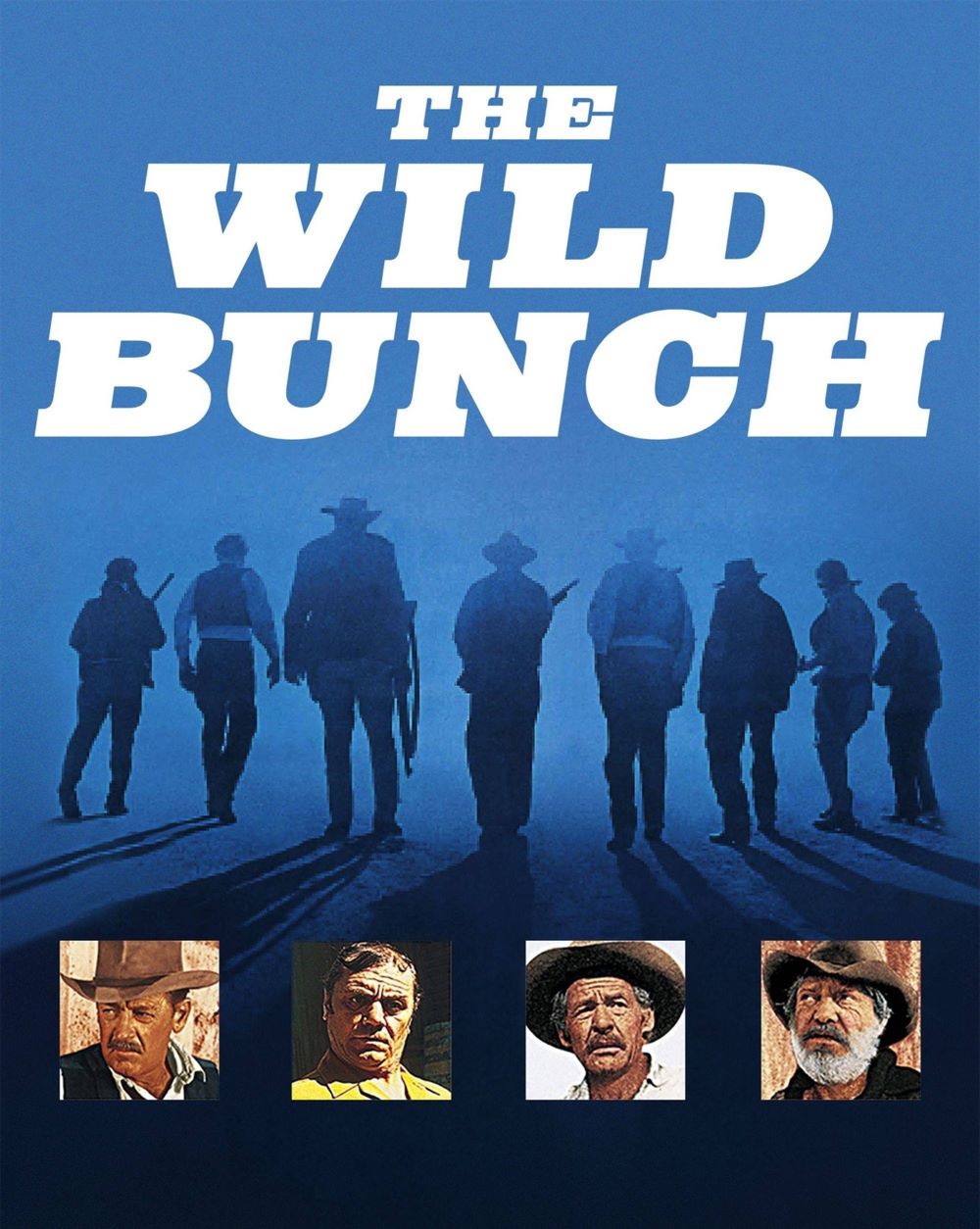
Sam Peckinpah’s The Wild Bunch stands out as a landmark in the Western genre, famous for its daringly harsh depiction of both violence and the fading mythos of the American West. Rather than following the traditions of earlier Westerns, the film presents a gritty portrait of aging outlaws on the edge of extinction, wrestling with a society that has evolved past them. It’s a movie that’s difficult to shake, both for its unapologetic style and the unresolved feelings it leaves long after the final shots ring out.
At its core, the story centers on Pike Bishop and his band—a crew of seasoned criminals aiming for one last grand heist as modernity encroaches on their world. Hoping to pull off a train robbery, they end up entangled in deeper complications after being betrayed and soon are thrust into the turbulence of the Mexican Revolution. Peckinpah builds a narrative where clear-cut morality falls away. The criminals and those pursuing them, supposed bringers of justice, are equally compromised and dangerous. This balancing act challenges the audience to reassess their sympathies, since the characters rarely line up as traditional heroes or villains.
The film’s notoriety is inseparable from its treatment of violence. In an era when Westerns often depicted gunfights as almost bloodless, The Wild Bunch arrived blazing with slow-motion fatalities, realistic wounds, and chaos that feels nearly documentary. Peckinpah didn’t intend to sugarcoat death; the film’s fight scenes are designed to unsettle rather than thrill, making viewers register the true cost of violence on screen. The movie’s most infamous sequences, particularly the opening and closing shootouts, still provoke debate over whether their artistry justifies their brutality. Peckinpah reportedly wanted to expose the real consequences of violence, not celebrate them, and the resulting imagery remains both striking and disturbing decades later.
Beyond its bloodshed, the film is packed with melancholy, exploring the futility and obsolescence of its central figures. The Wild Bunch themselves—Pike, Dutch, Lyle, Angel, and others—all feel the weight of their era’s end. They are not just outdated in terms of time; their entire way of life has been mechanized and modernized beyond their grasp. The film depicts this through powerful imagery, from horses being supplanted by cars and trucks to rifles giving way to machine guns. This mechanization highlights that Pike and his men live in a world that has moved on, leaving them behind. Their code of honor and rough camaraderie are relics in a brutal, mechanized landscape that favors efficiency and merciless violence. The emergence of rapid-fire weaponry and vehicles is more than a backdrop; it symbolizes their growing irrelevance and the passing of a wild, untamed frontier.
Technically speaking, The Wild Bunch is as impressive as it is influential. The cinematography captures wide Mexican landscapes with dust and sunlight, conveying both beauty and bleakness. The editing—particularly in the action scenes—was ahead of its time, with its expressive use of multiple camera angles and slow-motion adding an almost ballet-like rhythm to chaotic violence. The music, a mix of Jerry Fielding’s score and traditional Mexican songs, deepens the film’s sense of place and loss. All of this technical prowess merges in set pieces that are still studied by action directors today.
One of the film’s most enduring legacies is its profound influence on a slew of filmmakers in the years following its release. Directors like Martin Scorsese, Quentin Tarantino, and John Woo have all cited The Wild Bunch as a key inspiration, particularly in how it reshaped the depiction of violence and complex characters onscreen. Peckinpah’s innovative use of slow motion during action scenes transformed gunfights into sequences that feel almost balletic, bringing an eerie beauty to brutality. This technique became a hallmark of John Woo’s work, where slow-motion shootouts are choreographed with a dance-like precision, making the violence stylized yet emotionally impactful. Meanwhile, Scorsese and Tarantino embraced the moral ambiguity and character complexity Peckinpah championed, pushing their own stories beyond clear-cut good and evil. Through these directors and many others, The Wild Bunch continues to resonate and shape modern cinema.
The performances in The Wild Bunch are integral to its powerful impact, with its ensemble cast bringing layered humanity to otherwise rough, sometimes brutal characters. William Holden leads as Pike Bishop with a mix of weary charisma and existential urgency, embodying a man caught between the fading wild past and a ruthless present. Holden’s Pike is not just a leader of outlaws, but a man wrestling with his own moral contradictions—as loyal and protective as he is capable of cold violence. This complexity allows the character to stay compelling rather than becoming a cliché tough guy.
Ernest Borgnine as Dutch Engstrom offers a grizzled, weary presence, conveying the toll that years of violence have taken on his spirit, while Warren Oates imbues Lyle Gorch with a volatile and rebellious energy that adds tension within the gang. His brother, Tector Gorch, played by Ben Johnson, brings a contrasting steadiness, portraying a man caught between loyalty and survival. Robert Ryan’s portrayal of Deke Thornton, the relentless bounty hunter, stands out as a tragic figure torn between his past friendship with Pike and his duty. This character conflict gives the story a deeper emotional layer and adds weight to the relentless pursuit central to the plot.
Supporting performances by Edmond O’Brien as Freddie Sykes and Jaime Sánchez as Angel enrich the group dynamic, each adding distinct personality traits that feel authentic and lived-in. The chemistry between the cast helps ground the film’s heavy themes in real human experience, making the characters’ struggles with obsolescence and loyalty resonate beyond the screen.
However, despite the strong male performances, the film’s treatment of female characters is notably sparse and limiting. Women in the film often fall into marginal roles, lacking development or agency, which reflects the gender dynamics of many Westerns from the era but feels particularly dated today.
For viewers seeking straightforward heroism or moral clarity, The Wild Bunch can be a challenging experience. Its bleak, nihilistic worldview and refusal to deliver easy answers may leave some feeling drained. The story culminates in a violent, unresolved climax with no tidy resolution, emphasizing loss and the end of an era. But it is precisely this rawness and technical mastery that keep the film compelling and worthy of close viewing.
The Wild Bunch demands you shed simple notions of good versus evil and prepare for a rough, often brutal ride. It’s a story about men fighting not just other men but inevitability—caught between their own fading values and the relentless march of modernization and change. Peckinpah doesn’t offer comfort; instead, he forces the viewer to reckon with violence’s cost and the price of nostalgia. Even with all its grit and flaws, the film’s artistry and influence remain undeniable, securing its status as a masterwork that redefined Westerns and action cinema alike. It’s a wild ride that continues to inspire and provoke long after the credits roll.
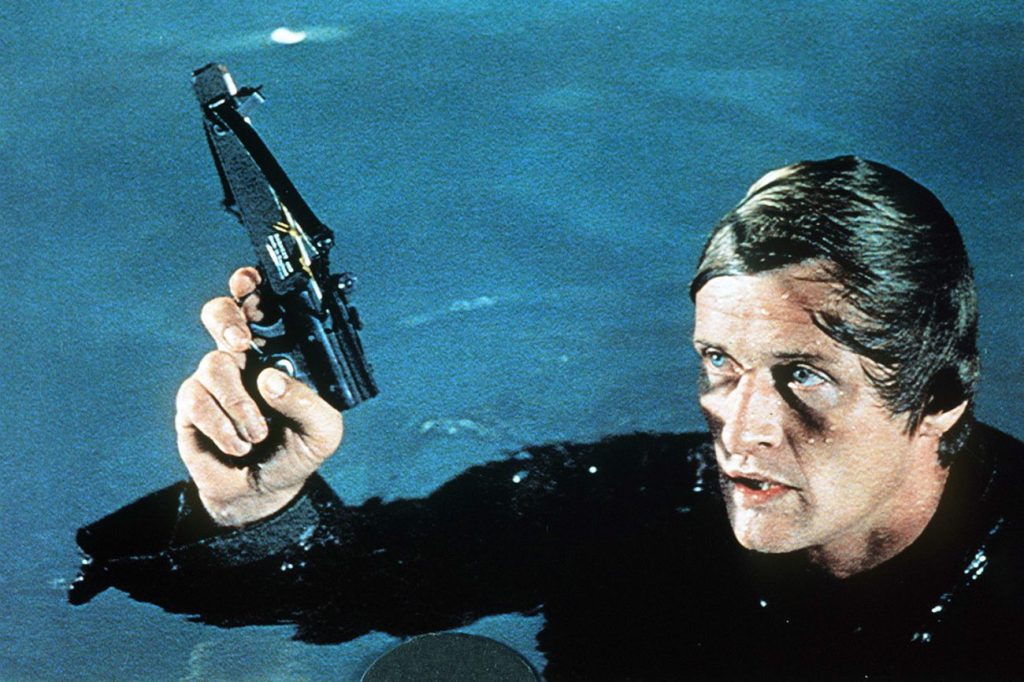
I’ve been having the best time reviewing Rutger Hauer films every Sunday. Today, I revisit THE OSTERMAN WEEKEND from 1983. Hauer made this film the year after BLADE RUNNER, so he was in the prime of his career. It also teams him up with an all-star supporting cast and master director Sam Peckinpah.
THE OSTERMAN WEEKEND opens with CIA Director Maxwell Danforth (Burt Lancaster) watching a recording of agent Laurence Fassett (John Hurt) making love to his wife. When Fassett hits the shower, two KGB assassins come in and kill her. Consumed by grief, Fassett hunts down the assassins and uncovers a Soviet spy network known as Omega. Fassett has identified three American men as top Omega agents… television producer Bernard Osterman (Craig T. Nelson with an awful, glued-on mustache), plastic surgeon Richard Tremayne (Dennis Hopper) and stock trader Joseph Cardone (Chris Sarandon). Rather than arrest the men and risk alarming the KGB, Fassett proposes to director Danforth that they try to turn one of the three men to the side of the West in hopes that this person will provide the information needed to bring down the Omega network.
Enter controversial television journalist John Tanner (Rutger Hauer). Fassett knows that Tanner has been close friends with Osterman, Tremayne, and Cardone since all four attended Berkeley together, and he believes that Tanner can successfully turn one of them. Although initially highly skeptical, the super patriotic Tanner begins to change his mind when Fassett shows him videotaped evidence of his old friends talking with a Russian agent in various capacities. Tanner reluctantly agrees to try turn one of his friends at their annual “Osterman Weekend” reunion which is coming up that week at Tanner’s house. He does have one condition… that Danforth, the CIA director will appear as a guest on his show. Danforth agrees to this condition. So that weekend, Tanner and his wife Ali (Meg Foster) welcome their old friends and their wives into their home, while Fassett has video camera equipment installed and hangs out in a van spying on the festivities. There’s no doubt it will turn out to be an awkward weekend, and you can’t help but wonder if Fassett may have more sinister motives than he’s letting on.
I’ll go ahead and say that I had a great time watching THE OSTERMAN WEEKEND for the first time in thirty-plus years. I’ve often read a criticism that the plot of this film is “incomprehensible.” Based on a book by Robert Ludlum, the story is purposely designed to keep you guessing up until its big reveal, but I didn’t have any trouble following it all. I’d say the biggest issue is that it doesn’t really stand up under close scrutiny. Some of the actions of the various characters don’t always make a lot of sense in light of the movie’s big twist near the end, but that didn’t take away from my personal enjoyment of the film. I just went along with the plot wherever it took me, and that was easy for me to do based on the cast that we have assembled. Any movie that includes Rutger Hauer, Burt Lancaster, John Hurt, Craig T. Nelson, Dennis Hopper, Chris Sarandon, Meg Foster, Helen Shaver, and Candy Yates will get a watch from me. Heck, Tim Thomerson even shows up as a motorcycle cop at one point. It’s a who’s who of excellent actors who always make their films watchable. In my opinion, it’s Hauer, Hurt, Foster and Nelson who do the most with their characters and take home the acting honors for their work here. Burt Lancaster is one of the all-time greats, and he does a good job, but it’s a one note character so there isn’t much he can do. Hopper and Sarandon are also fine, but their characters don’t really stand out. Their screen wives, Shaver and Yates, seem to be here mostly for eye candy because their tops are off for an abnormally large amount of their screen time! Speaking of eyes, the Hauer / Foster team up has to be on the list of the most striking combo pair of eyes in the history of cinema. Foster has the most noticeable eyes of any actress I’ve ever seen.
This is the great Sam Peckinpah’s final film, and I don’t agree with the people who complain that his career ended with a whimper. THE OSTERMAN WEEKEND is not in the same league as THE WILD BUNCH, RIDE THE HIGH COUNTRY, THE STRAW DOGS, or THE GETAWAY, but not many films are, including most of his own. And this movie is certainly visionary in one area, and that is found in its main theme about the damage that can be done with the manipulation of the media, including physical media, like videotape and audiotape. The primary driver of the film from the very beginning to the very end is the danger of false information that looks and sounds true. I can promise you that as I type this, and as you read it, there are people all over this world trying to make lies sound or appear true so they can share them on the news and on social media. I invite you to question everything you read, watch or hear on any outlet where you receive your news. Peckinpah’s final film beats this into our heads, just 40 years earlier.
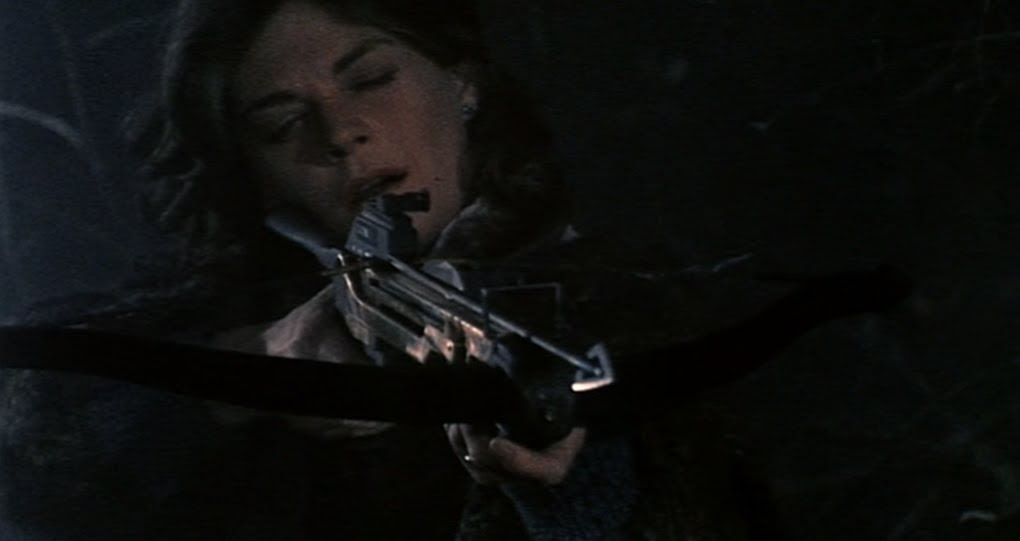
Sam Peckinpah was known for his stylish and violent action sequences. THE OSTERMAN WEEKEND is more of a paranoid thriller, but it does feature some good action. There’s a chase sequence early in the film where Hauer’s wife and son are kidnapped, and he’s forced to commandeer the truck of honeymooners John Bryson (a Peckinpah regular) and Anne Haney (Greta from LIAR LIAR) to take off in hot pursuit. The scene features Peckinpah’s signature stunts, slow motion, and a myriad of cool tracking shots. There’s another fun scene where Hauer is using a baseball bat to defend himself against his pal Craig T. Nelson, who’s been shown to be a martial arts expert. It’s an exciting scene even if Hauer does get his ass kicked, in slow motion no less. And I always appreciate a movie with some good crossbow action, especially when it’s being wielded by a lady. The poster of the film prominently features a lady with a crossbow and we get to see Meg Foster step into that role in the actual film. She gets one especially gruesome, blood gurgling kill.
Overall, I think THE OSTERMAN WEEKEND is a good film. It is not nearly as bad as the critics of the time labeled it, and it’s not as good as Peckinpah’s best work, but you can certainly do a lot worse. It has a great cast, a timely message, a lot more sex and nudity than I remembered, and some cool action sequences. It’s definitely worth a watch!
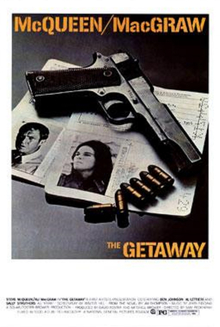
Doc McCoy (Steve McQueen) is doing a ten-year sentence in a Texas state prison when he’s offered a chance at parole. The only condition that Jack Benyon (Ben Johnson) gives Doc is that, once out of prison, Doc is going to have to plan and carry out a bank robbery with two other criminals, Frank (Bo Hopkins) and Rudy (Al Lettieri). Desperate for his freedom and to be reunited with his wife, Carol (Ali MacGraw), Doc agrees. On the outside, Doc carries out the robbery but it turns out that no one can be trusted. With everyone double-crossing everyone else, Doc and Carol head for the border, pursued by the police, Rudy, and Benyon’s brother, Cully (Roy Jenson).
Based on a novel by Jim Thompson, The Getaway is a fast-paced and violent heist film. It was on this film that Ali MacGraw and Steve McQueen first met and famously fell for each other. Married to producer Robert Evans, Ali MacGraw left him for McQueen. Their very real chemistry gives the film its forward momentum and it is so palpable that it doesn’t matter that the stunningly beautiful Ali MacGraw couldn’t really act. Steve McQueen, on the other hand, is at his coolest in The Getaway. McQueen was an actor who didn’t need much dialogue to say a lot and The Getaway features him at his tough and ruthless best. Doc is not one of the good guys. He’s a bad guy but not as bad as Rudy, Frank, Jack, and Cully.
As was typical of Peckinpah, The Getaway is full of small moments and details that make the movie’s world come to life. While Doc and Carol flee across Texas, Rudy has a twisted loves story of his own with Fran (Sally Struthers, in a role that will surprise anyone who only knows her as Gloria Stivic). Jack Dodson plays Fran’s kindly husband and gives a performance that reminds us of the human cost of crime. Slim Pickens has a wonderful cameo as an old cowboy whose truck is hijakced by Jack and Carol. Those who thought of Peckinpah as just being a director of violent thrillers often overlooked the moments of humanity that regularly emerged amongst all the bloodshed.
The Getaway was not given the critical acclaim it deserved when it was released but today, it’s regularly recognized as a career best for both Sam Peckinpah and Steve McQueen.
4 Or More Shots From 4 Or More Films is just what it says it is, 4 shots from 4 of our favorite films. As opposed to the reviews and recaps that we usually post, 4 Shots From 4 Films lets the visuals do the talking!
Today would have been Sam Peckinpah’s 100th birthday. Here are 4 shots from 4 of my favorite Peckinpah films.
4 Shots From 4 Sam Peckinpah Films
The Wild Bunch (1969, directed by Sam Peckinpah, Cinematography by Lucien Ballard)
Straw Dogs (1971, directed by Sam Peckinpah, Cinematography by John Coquillon)
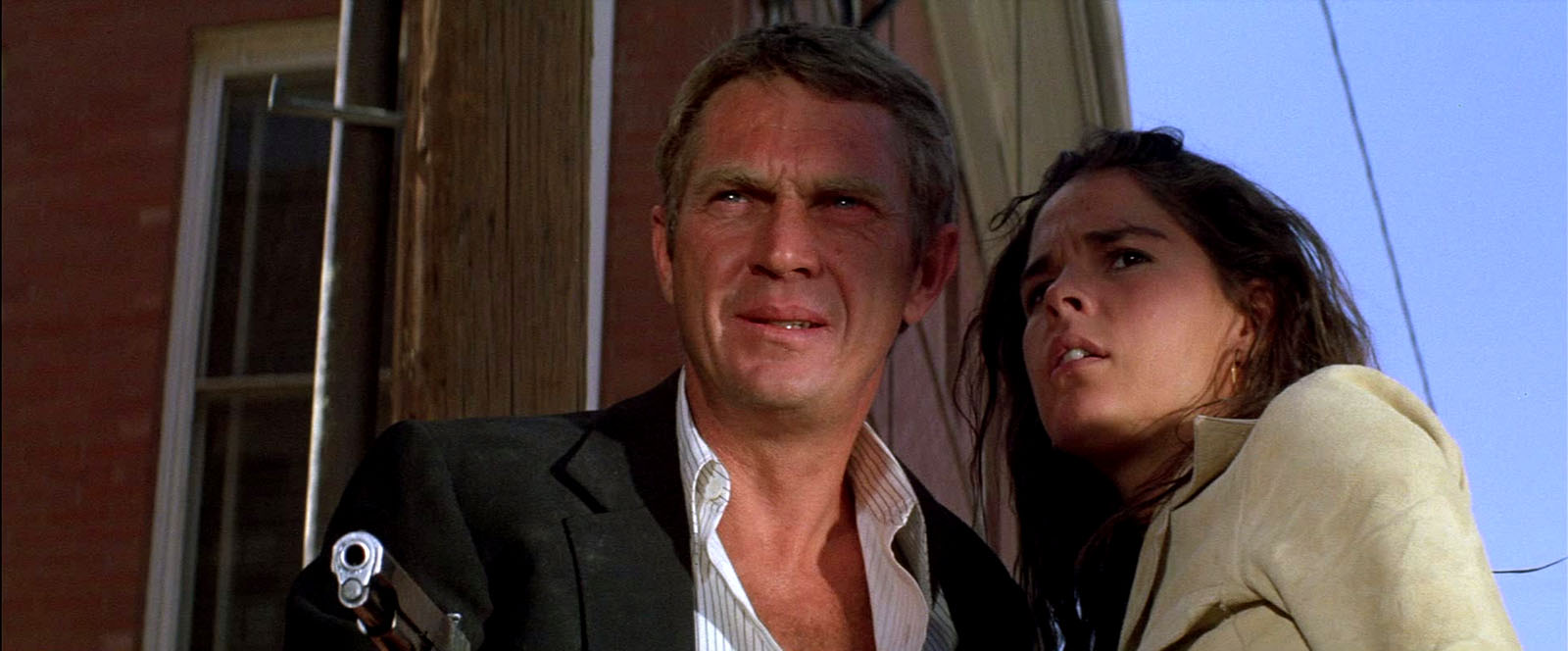
The Getaway (1972, directed by Sam Peckinpah, Cinematography by Lucien Ballard)
Bring Me The Head of Alfredo Garcia (1974, directed by Sam Peckinpah, Cinematography by Alex Phillips, Jr.)
4 Or More Shots From 4 Or More Films is just what it says it is, 4 shots from 4 of our favorite films. As opposed to the reviews and recaps that we usually post, 4 Shots From 4 Films lets the visuals do the talking!
Today would have been Sam Peckinpah’s 99th birthday. During his time, there was no greater hellraiser in Hollywood so here are 4 shots from 4 of my favorite Peckinpah films.
4 Shots From 4 Sam Peckinpah Films
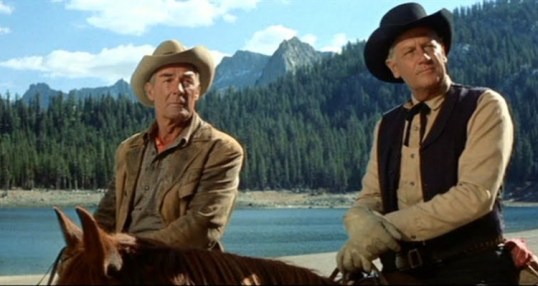
Ride the High Country (1962, directed by Sam Peckinpah, Cinematography by Lucien Ballard)
The Wild Bunch (1969, directed by Sam Peckinpah, Cinematography by Lucien Ballard)
Straw Dogs (1971, directed by Sam Peckinpah, Cinematography by John Coquillon)
Pat Garrett and Billy The Kid (1973, directed by Sam Peckinpah, cinematograph by John Coquillon)
4 Or More Shots From 4 Or More Films is just what it says it is, 4 shots from 4 of our favorite films. As opposed to the reviews and recaps that we usually post, 4 Shots From 4 Films lets the visuals do the talking!
Today would have been Sam Peckinpah’s 97th birthday. No one raised Hell like Peckinpah so in honor of the day and his legacy, here are 4 shots from 4 of my favorite Peckinpah films.
4 Shots From 4 Sam Peckinpah Films
Ride the High Country (1967, directed by Sam Peckinpah, Cinematography by Lucien Ballard)
The Wild Bunch (1969, directed by Sam Peckinpah, Cinematography by Lucien Ballard)
Straw Dogs (1971, directed by Sam Peckinpah, Cinematography by John Coquillon)
Bring Me The Head of Alfredo Garcia (1974, directed by Sam Peckinpah, Cinematography by Alex Phillips, Jr.)
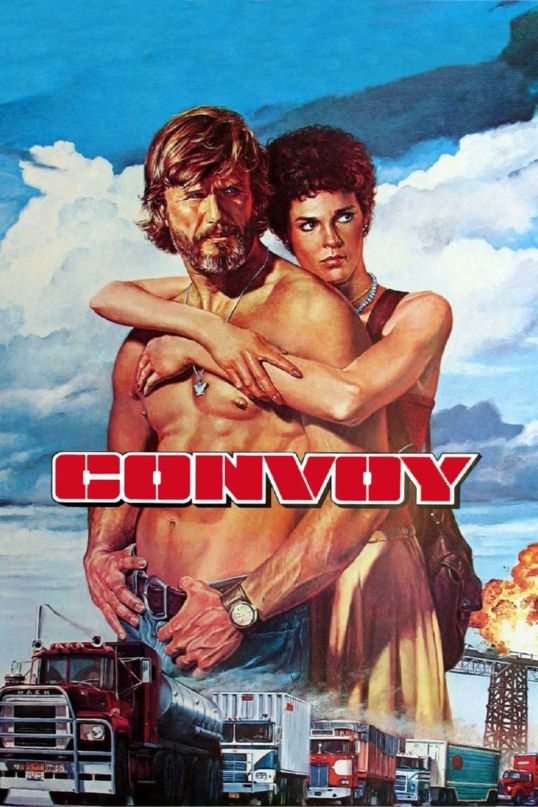
The 1978 film Convoy opens with the image of a truck passing by some hills that have been covered with snow. At a certain point, it actually looks like the truck is descending into a sea of white powder. It’s an appropriate image because, to film lovers and cinematic historians, Convoy will always be associated with cocaine.
Convoy was meant to be a relatively small-scale B-movie, one that was meant to capitalize on the popularity of a novelty song, as well as the recent success of other car chase films. Instead, it became a notoriously troubled production that went famously overbudget and overschedule as director Sam Peckinpah turned Convoy into a personal statement about modern cowboys and independence. When the film was finally released, it was the biggest box office hit of Peckinpah’s storied career. However, because so much money had been spent making the film, it still failed to make a profit and the film is regularly described as being one of the many flops of the late 70s that eventually led to the power in the film industry shifting away from the directors and over to the studio executives. Many in Hollywood grumbled that it was Peckinpah’s well-known cocaine use that led to him having such trouble with what should have been a simple B-movie. That’s probably a bit unfair to Peckinpah as it’s been written that just about everyone in Hollywood was using cocaine in 1978.
Add to that …. Convoy‘s not that bad.
Convoy tells the story of Rubber Duck (Kris Kristofferson), a legendary trucker who has never joined the Teamsters. He’s an independent. Rubber Duck’s nemesis is Sheriff Dirty Lyle (Ernest Borgnine), who is also an independent. He’s never joined the policeman’s union. As Rubber Duck puts it, “There’s not many like us anymore.”
Anyway, for reasons that are only vaguely defined, Rubber Duck leads a convoy of trucks across the southwest while being pursued by the police. It has something to do with protesting the law enforcement tactics of Dirty Lyle, despite the fact that Rubber Duck appears to kind of like Lyle. Soon hundreds of other independent truckers are joining Rubber Duck’s convoy, all to protest law enforcement. Among those in the convoy are Pig Pen (Burt Young), Widow Woman (Madge Sinclair), and Spider Mike (Franklyn Ajaye), who just wants to get home to his pregnant wife. Traveling with Rubber Duck is Melissa (Ali MacGraw), who is supposed to be some sort of photojournalist. Rubber Duck and Melissa fall in love but there’s only so much you can do with a love story when it centers around two of the least expressive stars of the 70s. During the chase, Rubber Duck picks up some non-truckers supporters, including some religious fanatics in a microbus. He and the truckers also drive through and destroy a lot of buildings, which kind of makes it look like the cops might have had a point.
What sets Convoy apart from other chase films of the 70s is just how seriously it takes itself. There’s an undercurrent of melancholy that runs through the entire film. Rubber Duck seems to know that America is changing and as people become more comfortable with the idea of sacrificing their freedoms, his days as an independent trucker are numbered. Dirty Lyle also seems to be stuck in a permanent existential crisis, taking no joy in being a crook but still forced to do so by being a part of an inherently corrupt government system. There’s a scene where a truckstop waitress offers herself up as a gift to Rubber Duck on his birthday and Peckinpah films it as if he’s making an Italian neorealist drama about Rome after the war. When Spider Mike says that he has to get home to his wife, he says it with the pain of a man who knows that the system only cares about control and not happiness. These aren’t just truckers. These are men and women who are on the front lines battling a creeping culture of oppression.
Surprisingly enough, the film’s serious tone actually works to its advantage. You may not fully understand why Rubber Duck is leading that convoy but you hope that it succeeds because you get the feeling that the world might end if it doesn’t. When the film ends with Ernest Borgnine laughing like a maniac, it comes across less like a moment of amusement and more like an acknowledgment that the universe is a tragic farce. Life is a riddle wrapped inside an engima and only Rubber Duck and Dirty Lyle seem to understand that fact.
Add to that, this is a film about independents refusing to allow themselves to be limited by the regulatory state. In its way, it’s one of the most sincerely Libertarian films ever made and, with all of us currently living under “lockdowns” and hoping that our governors don’t join those who have already surrendered their better instincts to their inner tyrant (sorry, Michigan, Kentucky, and New Jersey), Convoy remains an important film. Go, Rubber Duck, go!
4 Shots From 4 Films is just what it says it is, 4 shots from 4 of our favorite films. As opposed to the reviews and recaps that we usually post, 4 Shots From 4 Films lets the visuals do the talking!
95 years ago today, Sam Peckinpah was born in Fresno, California. He went on to become one of the most influential and most self-destructive directors of all time. Peckinpah was as legendary for his combative personality and his behind-the-scenes conflicts with the studios as he was for his talent.
Even after he revolutionized the western with The Wild Bunch, Peckinpah often struggled to get work and, when he died at the too young age of 59, it was after years of being neglected by the same industry that had once embraced him. Fortunately, a new generation of filmmakers discovered and appreciated Peckinpah’s work and have kept Mad Sam’s legacy going today. Directors like Quentin Tarantino and Robert Rodriguez owe a huge debt to him. (Once Upon A Time In Hollywood particularly felt as if it was suffused with the spirit of Peckinpah.) Whenever you see someone getting shot in slow motion or a group of old timers (whether they’re criminals or cowboys) getting ready to take a final stand, you’re seeing the influence of Sam Peckinpah.
In honor of Sam Peckinpah, here are:
4 Shots from 4 Films
The Wild Bunch (1969, directed by Sam Peckinpah)
The Getaway (1972, directed by Sam Peckinpah)
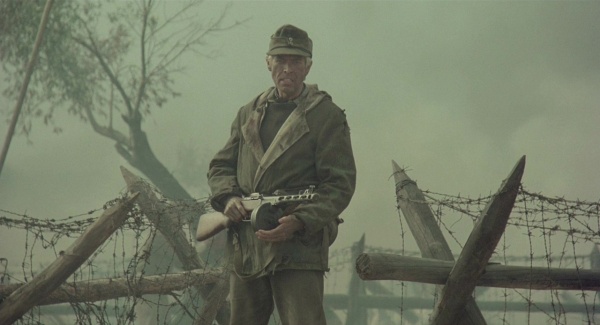
Cross of Iron (1977, directed by Sam Peckinpah)
The Osterman Weekend (1983, directed by Sam Peckinpah)



 Through the Shattered Lens