Review: Predator: Killer of Killers (dir. by Dan Trachtenberg)


“A fight to the death… only one will live… and the survivor… will face me!” — Grendel King

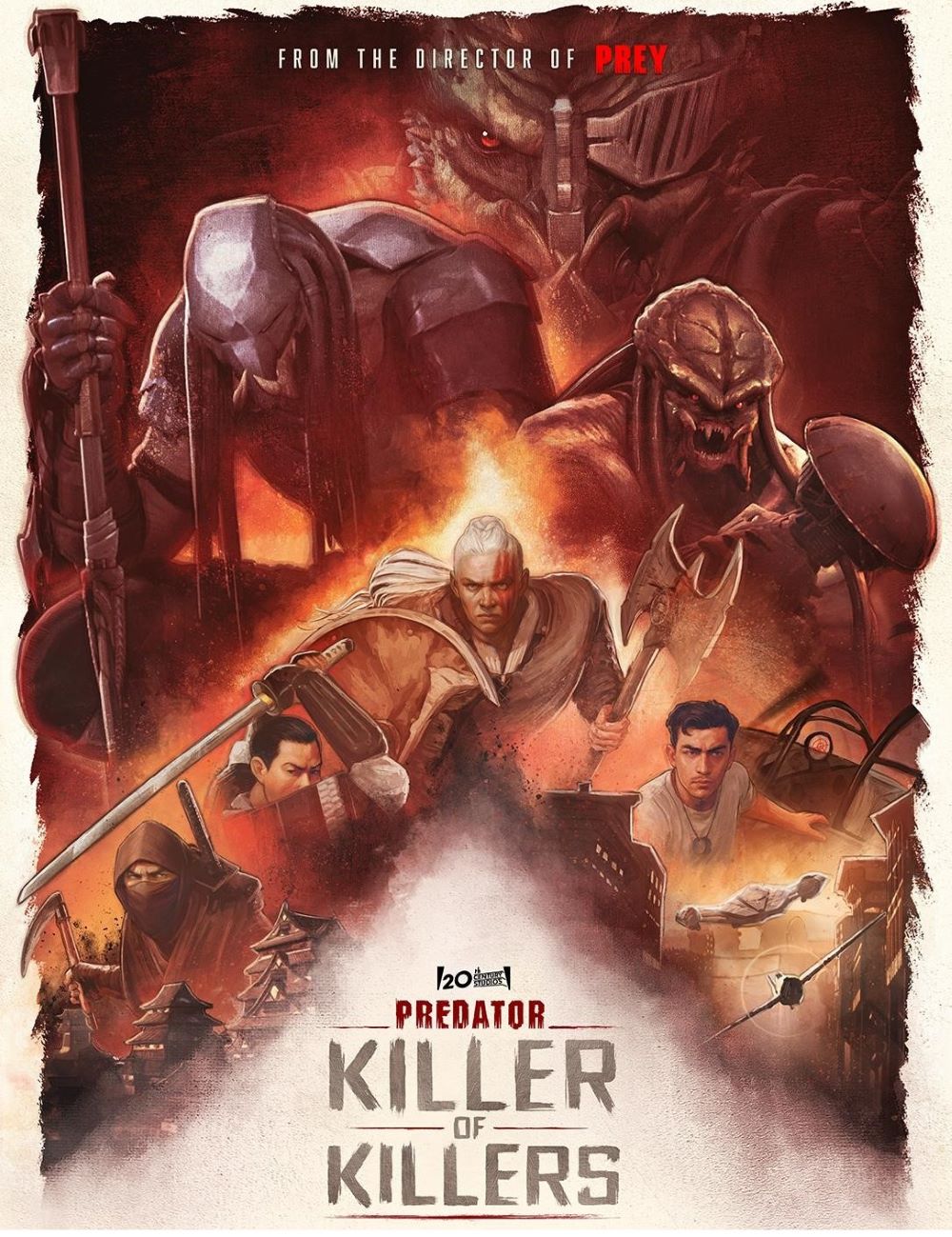
Hulu’s Predator: Killer of Killers signifies an ambitious and stylistically bold evolution of the Predator franchise, once again directed by Dan Trachtenberg following his excellent 2022 film Prey. Trachtenberg has clearly become the new creative caretaker of this series, bringing fresh vision and depth to the franchise. This animated anthology spans three distinct historical periods—Viking-era Scandinavia, feudal Japan, and World War II Europe—and tells the story of humanity’s ongoing, brutal clash with the alien hunters. By setting the predator mythos across such different cultures and eras, Trachtenberg presents a compelling exploration of survival, legacy, and adaptation.

The film unfolds in three chapters, each focusing on a different protagonist. The first segment introduces Ursa, a Viking mother consumed by grief and vengeance, who soon encounters a Predator in a primal battle that tests her strength and will to survive. The second segment is largely silent, centering on estranged brothers—a samurai and a ninja—in feudal Japan, who must unite against the alien menace. The final chapter shifts to World War II, following Torres, a Latino mechanic who seizes a chance to become a pilot amid chaotic battles against the Predators. Each story is steeped in its cultural milieu, aiming for depth and texture despite the limited runtime.

Visually, the film leverages a painterly animated style reminiscent of acclaimed adult animations like Arcane and Spider-Verse, yet it carries a darker, grittier tone suitable for the Predator universe. This style allows for intense, stylized violence—gore, blood, and brutal combat—which the anthology format showcases spectacularly. The distinct visual aesthetics of each era—from the somber shadows of Viking times, the flowing elegance of Japanese landscapes, to the metallic intensity of WWII dogfights—remarkably serve the film’s atmospheric ambitions. Notably, the Predators themselves are designed to reflect the atmosphere of each segment: the hulking, brute force Predator in the Viking-era matches the raw, physical brutality of that time; the lithe, agile Predator in feudal Japan suits the stealthy, precise combat of the samurai and ninja; and the grizzled, veteran pilot Predator in the WWII segment complements the aerial warfare and war-hardened theme. While some viewers may find the animation style unconventional compared to live-action, it delivers a fresh and inventive energy, allowing for spectacle and mood impossible in a traditional film.

Trachtenberg and screenwriter Micho Robert Rutare invest effort in creating emotionally grounded characters despite the anthology’s compressed storytelling. Ursa’s portrayal as a grieving mother brings weight to her arc, the Japanese chapter uses sibling rivalry and silence to evoke tension and tradition, while Torres embodies hope, determination, and cultural representation in a largely unexplored protagonist archetype for the series. The Predator itself remains a fearsome, vigilant hunter. Yet this film adds layers by examining how violence and survival shape human experience across eras, giving thematic weight beyond simple action thrills.

The film delivers relentless and varied action, ranging from poetic, skillful duels in Japan to brutal, visceral fights in the Viking and WWII chapters. Its anthology structure allows exploration of different combat styles and settings. However, this rapid pace sometimes sacrifices emotional depth and character development, making the stories feel like glimpses rather than fully realized narratives. Regarding the WWII segment, I found Torres’s character problematic; he often seems to succeed less through skill or ingenuity and more through luck or circumstance, embodying a “failing upwards” trope that weakens the audience’s emotional investment in his narrative. His frequent self-dialogue also disrupts the tone established by the near-silent Japanese chapter, creating a jarring shift that detracts from the overall cohesion.

Another notable aspect is the anthology format itself: while it enables a rich diversity of storytelling across periods and styles, the film’s roughly two-hour runtime limits how deeply each segment can develop. This leaves viewers craving more time to fully explore the characters and settings. In this respect, Predator: Killer of Killers might have been better served as a four-episode limited series rather than a single anthology film. Such a format would have allowed each segment to breathe, providing more room for nuanced storytelling and emotional engagement without making the runtime feel excessive. Stretching this anthology into a feature film already pushes its length near two hours, and adding more time to fully flesh out each story could have pushed it close to three hours, which might have been challenging for a theatrical or streaming movie. A limited series would have accommodated this expansiveness, letting each era’s story flourish while maintaining pacing and cohesion across episodes.

Though the film culminates in a grand finale combining the protagonists, the climax is somewhat chaotic and lacks coherence, which diminishes its impact. Notably, the movie ends on an unresolved note that doesn’t fully tie up the main storyline but instead clearly hints at a future sequel. While this open-ended conclusion may frustrate viewers seeking closure, it sets up anticipation for what lies ahead under Trachtenberg’s continued direction.

A fun piece of trivia is Michael Biehn’s inclusion as one of the voice actors in the film. With his role as Vandy in the WWII segment, Biehn has joined a very exclusive club: he is just the second actor to be part of all three iconic 1980s sci-fi franchises—AlienPredator, and Terminator. Known for his roles as Kyle Reese in The Terminator and Corporal Dwayne Hicks in Aliens, Biehn’s presence in Killer of Killers cements his unique legacy alongside fellow actors Lance Henriksen and the late Bill Paxton, who both previously held this sci-fi trifecta distinction. Director Dan Trachtenberg deliberately cast Biehn as a nod to this legacy, making his involvement a meaningful Easter egg for longtime fans.

While Predator: Killer of Killers marks a striking artistic and narrative effort within the franchise, it is not without flaws. The anthology format, while innovative, sometimes feels like a drawback—it limits how much the film can dig into each character or setting fully. The weakest link remains the WWII chapter and its protagonist Torres, whose arc doesn’t quite deliver the same resonance and often feels contrived. The finale’s lack of narrative closure may leave some feeling unsatisfied, though it promises more to come.

Despite these negatives, this film confirms Dan Trachtenberg’s role as a visionary leader for the Predator franchise, blending genre thrills with cultural specificity and psychological insight. For fans and newcomers alike, it offers a unique, stylized, and intense take on the alien hunters—the best the franchise has offered in many years. The film’s ambition and creativity outweigh its shortcomings, setting a foundation for a promising future for Predator under Trachtenberg’s direction.
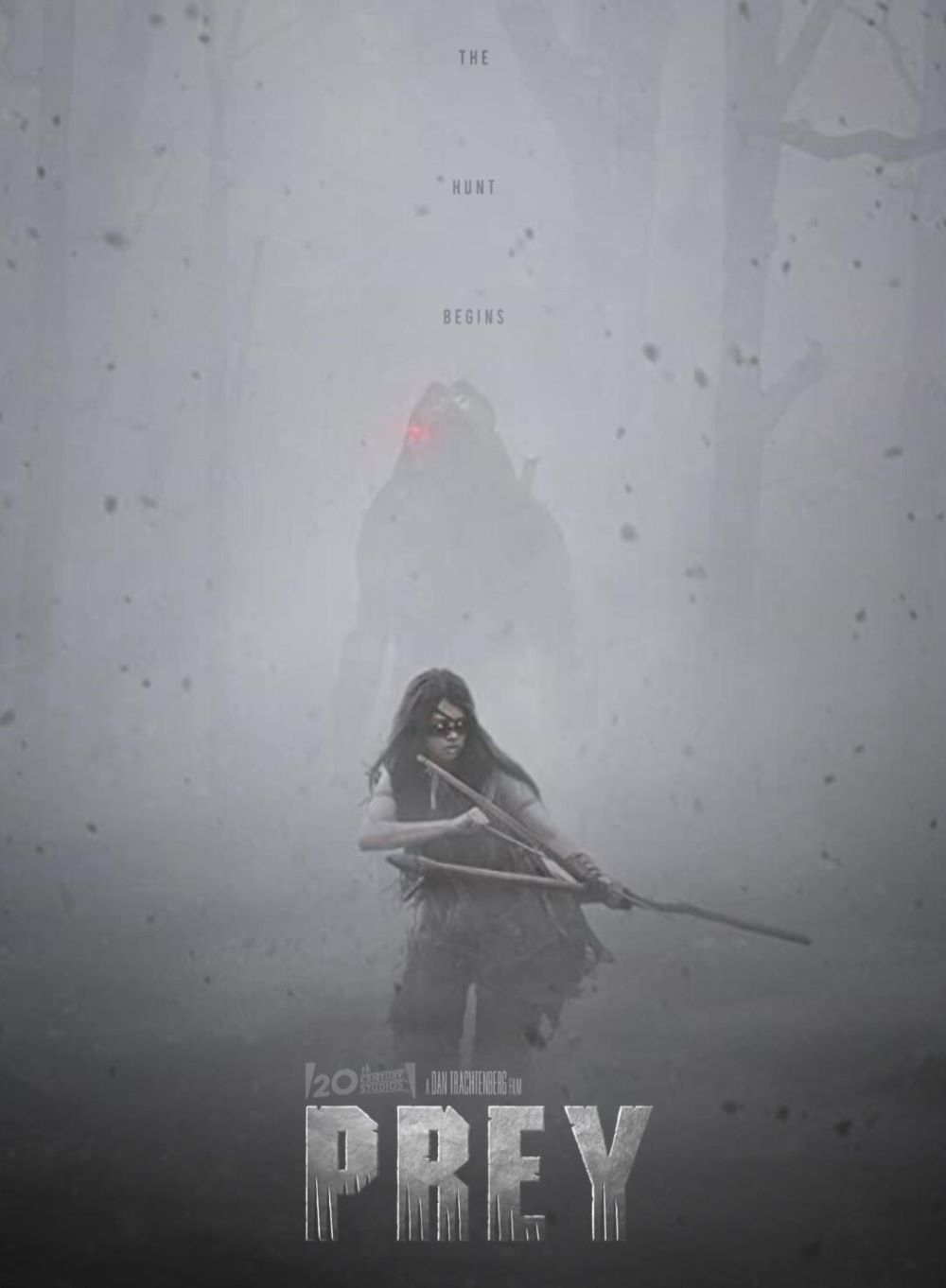
Review: Prey (dir. by Dan Trachtenberg)


“It knows how to hunt, but I know how to survive.” — Naru

Dan Trachtenberg’s Prey is honestly a breath of fresh air for the Predator series. It takes us way back to the early 18th century, deep in the Comanche Nation, ditching the usual sci-fi city jungle for actual wide-open plains and a history-rich vibe. The story follows Naru, a young Comanche woman who’s determined to prove she can hunt just as well as the men in her tribe. Amber Midthunder totally nails it as Naru, giving a performance that’s both vulnerable and tough without trying too hard. Her journey isn’t just about hunting the Predator; it’s also about breaking free from the limits her tribe has set for her as a woman, and that makes the story hit a lot deeper than your typical monster flick.

Speaking of the monster, Prey strips away the Predator’s fancy gadgets and drops it into a more primal, back-to-basics showdown. This Predator isn’t rocking all the high-tech gear we usually see—it’s raw and brutal, with stuff that fits the time period, which makes the whole hunter vs. hunter dynamic feel way more grounded and tense. The movie smartly uses survival skills and brains over flashy tech, and that makes the hunt way more interesting because it’s about anticipation and smarts, not lasers and gadgets.

One of the coolest behind-the-scenes moves with Prey was the filmmakers’ emphasis on cultural authenticity, especially with language. While most of the film is in English, they also made a full Comanche language dub, which is huge because Comanche is a nearly lost language with very few fluent speakers. The cast went back and recorded the whole movie in Comanche, making it the first feature to do so. Originally, they intended to shoot the whole film in Comanche, which would have been even more impressive, but having this dub option available on streaming platforms gives viewers an immersive way to connect with the culture in an authentic way. This shows a real commitment to uplifting Indigenous voices while still making the film accessible.

Trachtenberg did a great job balancing the suspense with action. The Predator’s scenes are super intense and keep you on edge without going overboard. One of the coolest parts is when the Predator takes down a bear—it’s done so cleverly that even though the creature is rarely fully seen, the splashes of its green blood make the moment feel really eerie and unforgettable. The film really puts you in Naru’s shoes, making you feel her fear and determination as she tries to outsmart this deadly creature.

Now, even though the Predator is the main beast to watch out for, the behavior of the French fur trappers is actually more disturbing in many ways. These guys aren’t just out there trying to survive—they’re slaughtering entire herds of bison en masse, skinning the animals and leaving huge carcasses to rot. It’s a brutal, wasteful approach to hunting that contrasts starkly with the Predator, who hunts singularly and with purpose, never wasting what it kills. The trappers’ wanton destruction of the environment and disregard for the land and its creatures makes them a reprehensible presence in the film. They’re essentially invaders who exploit the natural resources with no respect, creating a real commentary on colonial greed. So while the Predator is the alien menace, the human antagonists serve as a grim reminder of real historical violence and environmental exploitation faced by Indigenous peoples. It’s a powerful layer in the story that adds depth to the conflict.

Besides Naru, the rest of the characters feel real and fleshed out. Her brother Taabe adds a nice sibling angle—there’s a good mix of support and conflict that makes their relationship believable and keeps the story grounded. The French fur trappers act as another layer of conflict, showing that not all dangers come from the Predator. Their ruthless ways make you think about the real threats to the Comanche people, adding depth to the narrative beyond just monster vs. human.

Visually, the film is gorgeous. The cinematographer Jeff Cutter captures the sweeping plains and natural beauty in a way that really draws you in, and the natural lighting, weather, and shadows all add to the mood perfectly. The music supports this vibe, mixing suspense with subtle tribal influences that really tie the whole atmosphere together. This combo of visuals and sound creates an immersive world you just want to get lost in.

The themes in Prey are surprisingly meaty. It challenges old-school gender roles, shines a light on indigenous culture with respect, and subtly touches on colonialism through its human villains. Naru’s fight to prove herself becomes more than just physical—it’s a stance against tradition that resonates on a broader level. This isn’t your usual throw-everything-at-the-wall action flick; it’s thoughtful and makes you care about the characters.

Sure, the movie’s pacing slows down a bit toward the end, stretching out the finale more than necessary, and a few moments lean on familiar action tropes, but these are small grumbles in an otherwise tight and exciting film. Practical effects—especially in how the Predator moves and attacks—bring a rawness that CGI-heavy movies often miss, making the battles feel grounded and visceral.

All in all, Prey stands out as probably the best Predator movie since the original. It respects the classic elements fans love but brings fresh ideas and a ton of heart. Amber Midthunder steals the show with her performance, and Dan Trachtenberg’s direction keeps things suspenseful and sharp. The cultural respect and social layers make it more than just another monster movie—it’s a rare example of blockbuster cinema that gets representation right.

If you’re into smart, intense action movies with a meaningful story and some cultural depth, you really shouldn’t miss Prey. It strips things down to the essentials—survival, smarts, and heart—and the result is a movie that sticks with you long after the credits roll. It’s about more than just hunting a monster; it’s about standing your ground, breaking through barriers, and owning your strength. Definitely worth checking out if you haven’t already.

4 Shots From 4 Films: Special Alien Invasion Edition


4 Shots From 4 Films is just what it says it is, 4 shots from 4 of our favorite films. As opposed to the reviews and recaps that we usually post, 4 Shots From 4 Films lets the visuals do the talking!

The aliens are here …. or are they?

4 Shots From 4 Alien Invasion Films

It Came From Outer Space (1953, dir by Jack Arnold, DP: Clifford Stine)

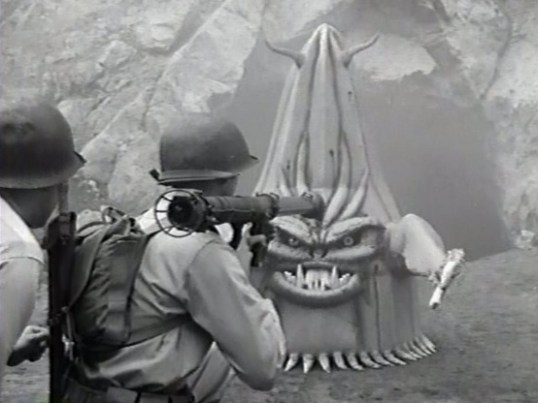
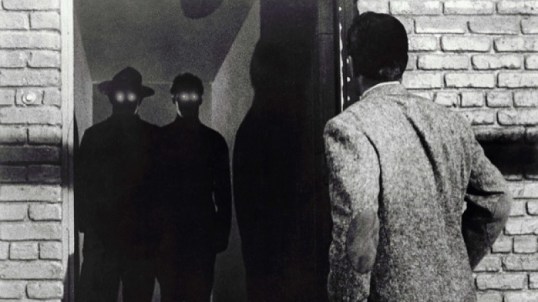
It Conquered The World (1956, dir by Roger Corman, DP: Fred E. West)

Starman (1984, dir by John Carpenter. DP: Donald M. Morgan)

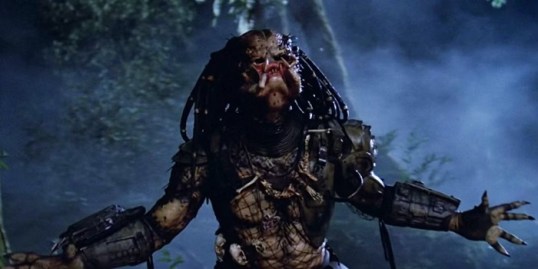
Predator (1987, directed by John McTiernan, DP: Donald McAlpine)

Scenes I Love: The End Credits of Predator


Predator (1987, directed by John McTiernan, DP: Donald McAlpine)

Look at how happy everyone is!  Well, everyone except for Dutch.  I don’t blame Dutch for not smiling.  He had to deal with a lot in 1987’s Predator.  Still, today’s scene that I love encourages us all to stay upbeat, even when we’re being stalked through the jungle by a fearsome extraterrestrial hunter.

If the crew of the Nostromo had smiled more, Alien would have ended on a much happier note.

4 Shots From 4 Films: Special John McTiernan Edition


Today is John McTiernan’s birthday!  Obviously, McTiernan’s career has had its ups and downs but he’s still responsible for directing some of the best action films ever made.

4 Shots From 4 John McTiernan Films

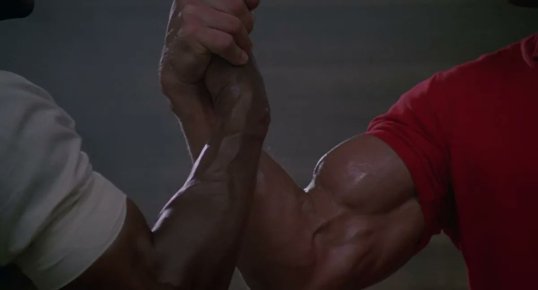
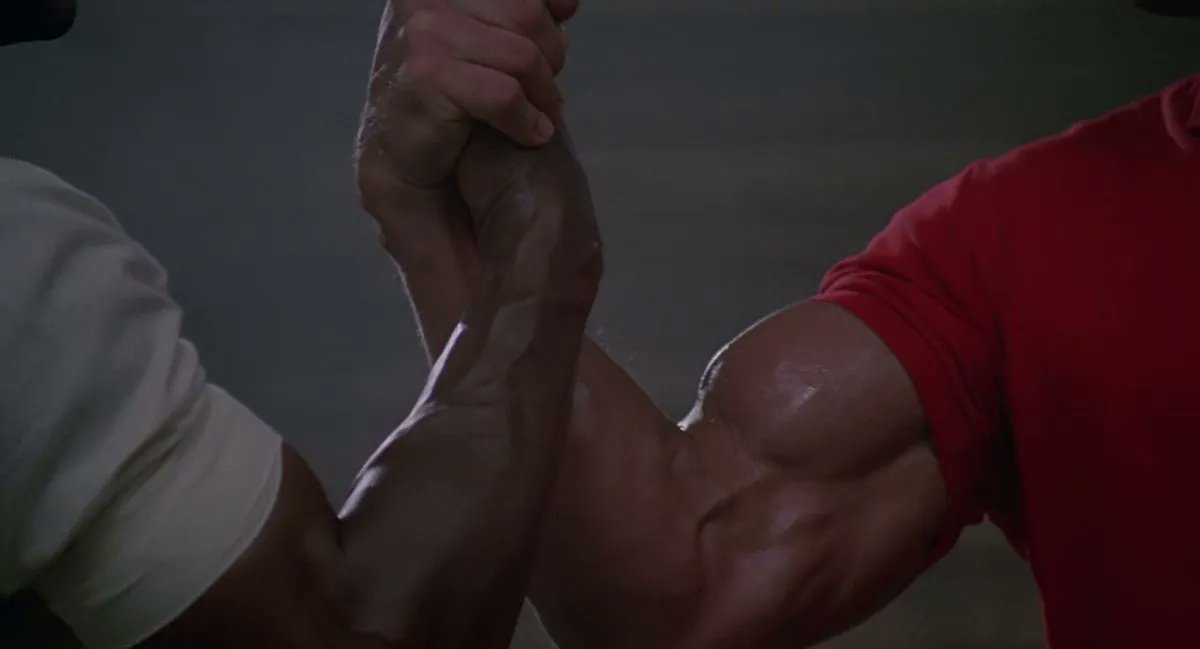
Predator (1987, directed by John McTiernan, DP: Donald McAlpine)

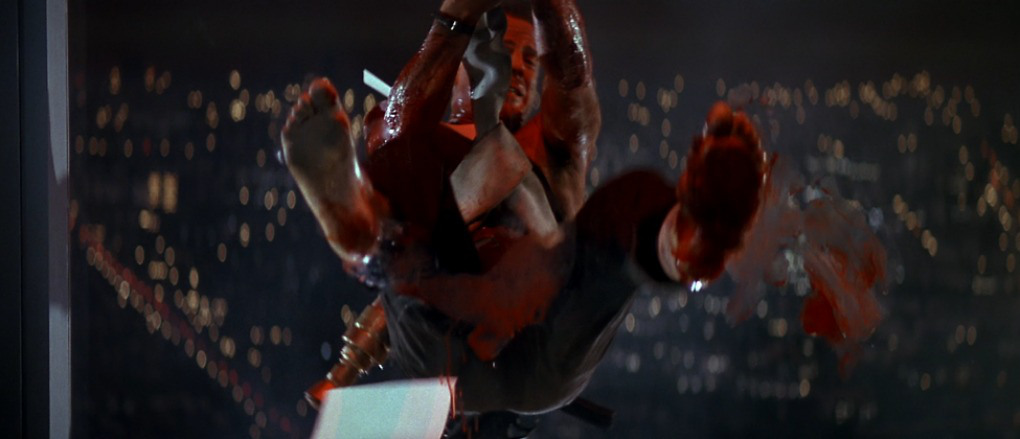
Die Hard (1988, directed by John McTiernan, DP: Jan de Bont)

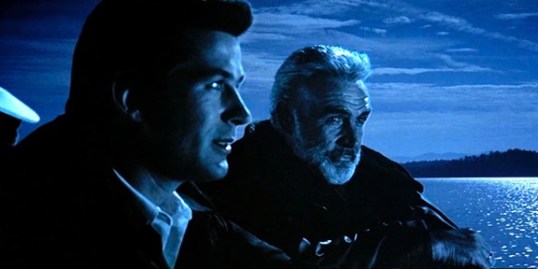
The Hunt for Red October (1990, directed by John McTiernan, DP: Jan de Bont)

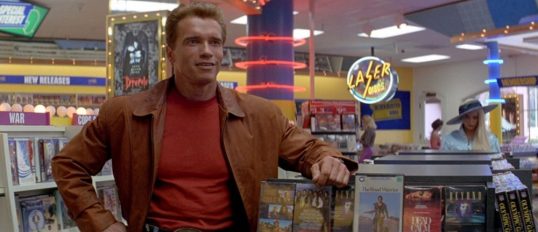
The Last Action Hero (1993, directed by John McTiernan, DP: Dean Semler)

4 Shots From 4 Films: Special John McTiernan Edition


Today is John McTiernan’s birthday!  Obviously, McTiernan’s career has had its ups and downs but he’s still responsible for directing some of the best action films ever made.

4 Shots From 4 John McTiernan Films

Predator (1987, directed by John McTiernan, DP: Donald McAlpine)

Die Hard (1988, directed by John McTiernan, DP: Jan de Bont)

The Hunt for Red October (1990, directed by John McTiernan, DP: Jan de Bont)

The Last Action Hero (1993, directed by John McTiernan, DP: Dean Semler)

Review: Predator 2 (dir. by Stephen Hopkins)


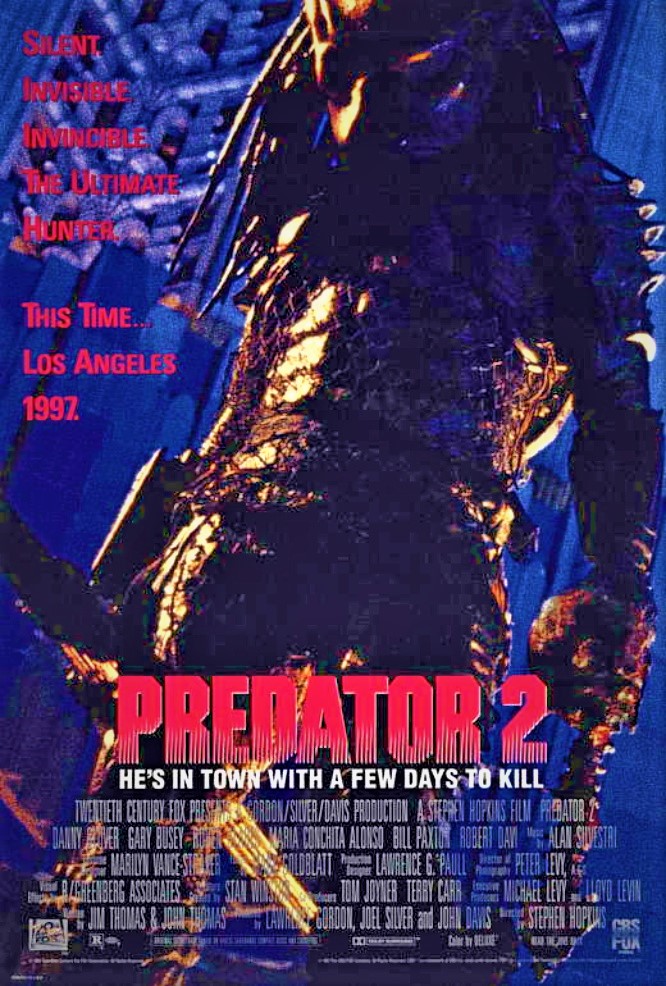
Predator 2

Like any successful genre film, Predator would remain in the consciousness of filmgoers during the late 80’s. The film was that popular and successful. This also meant that the studio who produced and released the film were more than happy to try and replicate what made them a lot of money.  So, a sequel was quickly greenlit within the halls of 20th Century Fox.

Yet, despite the success the first film was able to garner despite some major production problems, this time around luck wasn’t with Predator 2. The follow-up film would have different production issues than the first but they would affect the film in the long run.

First off, John McTiernan wouldn’t be on-board to direct the sequel. His back-to-back successes with Predator and Die Hard has suddenly made him a coveted action director. His schedule would keep him from directing Predator 2 as his slate was already full with The Hunt for Red October being his next film. In comes Stephen Hopkins to helm the sequel.

Yet, the biggest blow to the production would be not being able to get Arnold Schwarzenegger to return in the role of Dutch, the sole survivor of the elite rescue team from the first film. As with most stars and sequels, this time it would be over a salary dispute that would keep Arnold from returning so in comes Danny Glover to take on the sequel’s lead role.

Now, Danny Glover has more than pulled his own action film weight with two Lethal Weapon films already under his belt, but in terms of on-screen charisma he would be a major downgrade from the presence Schwarzenegger provided the first film. But Glover was more than game to take on the role of Lt. Harrigan of the LAPD as the setting for the sequel moves from the steaming jungle canopy of Central America to the blistering asphalt and concrete jungle of gang-ridden Los Angeles.

This change in location made for an interesting take as it helped establish some world building that showed these Predators have visited Earth many times in the past and not just in the faraway jungles but more towards areas and places rife with conflict. We learn that it hunts those who have survived the conflicts of the area they’re in. Only the strongest for these extraplanetary hunters.

Unlike, the original film, Predator 2 fails in not having a cast of characters that the audience could empathize and root for. This follow-up is mostly about action and even more gore than the first. Even the opening sequence tries to one-up the jungle shooting scene from the first film, yet instead of shock and awe the sequence just seems loud and busy,

Predator 2 suffers from a lot of that as the film feels more than just a tad bit bloated. The Thomas brothers (Jim and John) who wrote the original film return for the sequel but were unable to capture lightning in a bottle a second time around. Where the first film was very minimalist in it’s narrative and plot, the sequel goes for the throw everything in but the kitchen sink approach. We have warring drug gangs, inept police leadership, secretive government agencies with their own agendas.

What does work with Predator 2 and has made it into a cult classic as years passed was the very worldbuilding I mentioned earlier. We learn a bit more of this predator-hunter. While some comes as exposition from Gary Busey’s special agent role Peter Keyes, the rest comes from just seeing the new look of this particular Predator courtesy of special effects master Stan Winston.

The biggest joy for fans of the films comes in an all-too-brief scene showcasing the trophy case of the Predator inside it’s spacecraft. Within this trophy case are the skulls of the prey it’s hunted and killed. One skull in particular would ignite the imagination of scifi action fans worldwide. It’s a skull of a xenomorph from the Alien franchise. It made fans wonder if the two films were part of a larger tapestry. Both properties were owned by 20th Century Fox, so there was a chance and hope that the two meanest and baddest alien creatures on film would crossover together.

It would be many, many years before such a team-up would happen. Even when it finally did fans of the franchises would be let down with what they get after waiting for over a decade.

Predator 2 could be seen as trying to make lightning hit the same patch twice or it could be seen as a quick cash grab by a studio seeing a potential franchise. Both are true and without its two biggest stars, Arnold Schwarzenegger and John McTiernan, returning to reprise their roles for the sequel the film was already behind the eight-ball before filming began.

While the follow-up had some interesting new ideas that helped round out the Predator as one of film’s greatest onscreen villains, it also failed to capitalize on those ideas in a creative way. There’s some good in Predator 2, but way too much baggage and too much bad to have it live up to the success and popularity of the original.

Scenes I Love: Predator “Jungle Shootout”


Predator Jungle Shoot

I recently reviewed John McTiernan’s classic scifi action Predator. It is a film that many kids both young and those young at heart loved watching on the bigscreen. The 1980’s some would consider the golden years of action filmmaking.

It was a decade where action instead of dialogue ruled. Where muscle-bound stars like Arnold Schwarzenegger and Sylvester Stallone dominated the box-office. Even with the resurgence and current renaissance of the action film genre, many still reminisce about the action flicks of the 80’s and how they truly didn’t make them like they used to.

If there’s ever a great example of just how over-the-top and testosterone-fueled the action films were of this decade of the 80’s (also known as the decade of excess) then one can’t go wrong with showing the uninitiated the jungle shootout scene from Predator.

One doesn’t need to be into guns to appreciate the majesty of this scene.

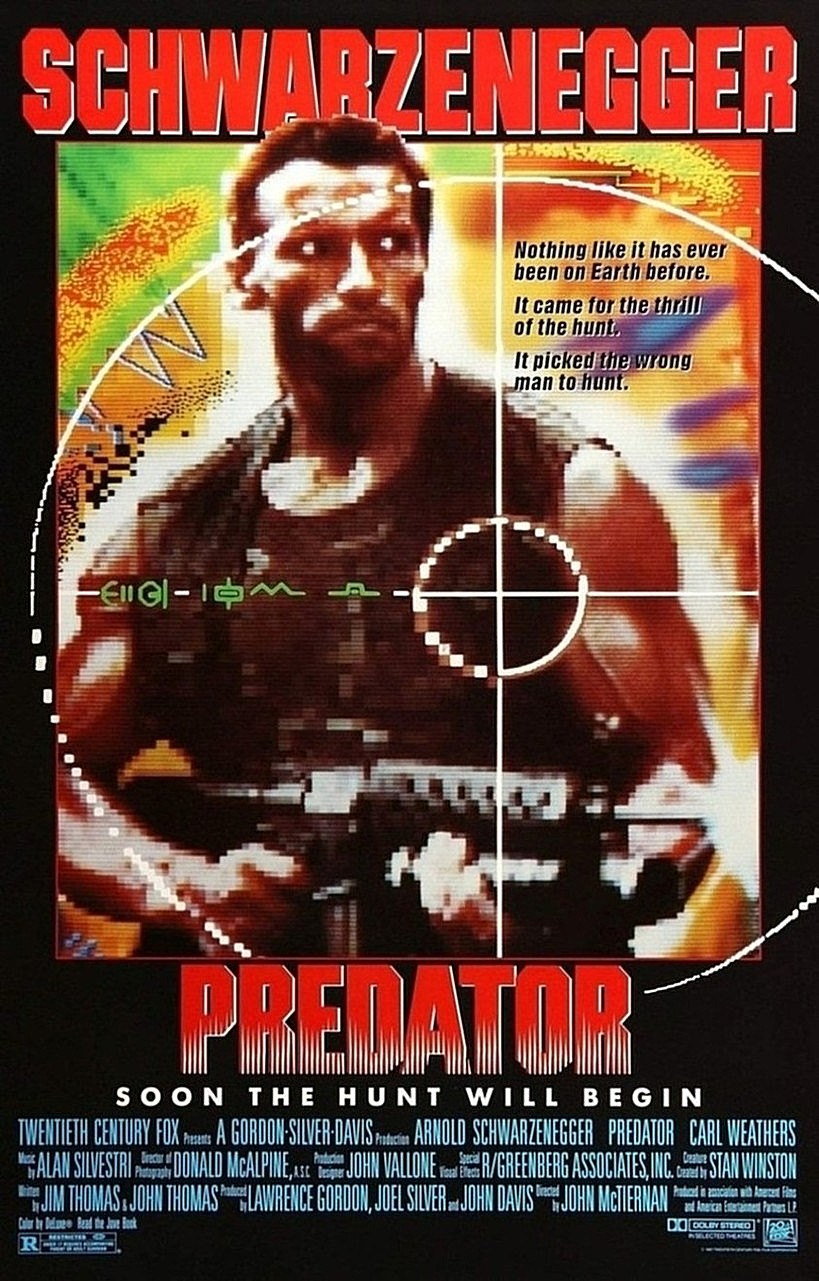
Review: Predator (dir. John McTiernan)


Predator 1987

It would be accurate for one to say that Arnold Schwarzenegger was king of the 80’s action flicks. He first burst onto the scene in the titular role in Conan the Barbarian then it’s follow-up sequel. Yet, it would be his role in James Cameron’s The Terminator in 1985 that would make him a household name.

He began to crank out action films after action film every year to varying degrees of success and quality between 1984 and 1987. It would be in the summer of 1987 that he would add a third iconic action film role to stint as Conan the Barbarian and the relentless cybernetic killer, the Terminator.

Maj. Dutch Schaefer in John McTiernan’s action scifi Predator cemented Arnold Schwarzenegger as the most bankable movie star of the 1980’s. The film itself has become a go-to classic whenever film fans of all stripes discuss what were some of the best films of the era. Yes, I do categorize Predator as one of the best to come out of the 1980’s. It does more than hold it’s own when stacked up against Oscar winners, festival darlings and indie cult-favorites.

It’s a film that takes the premise that “man is the most dangerous game” to new levels by adding in a scifi element to the story. That scifi element being an extraterrestrial hunter who comes to Earth every so often to hunt. It’s chosen prey tends to be killers, fighters and soldiers at the top of their craft and usually during times of extreme conflict.

The film, as written by the two brothers John and Jim Thomas, actually works like a slasher horror film in the beginning as Dutch and his team of elite commandos trek through the Central American jungle on a rescue mission. A mission that lands the team in finding the grisly remains of another American special forces team. Questions come up as to whether their CIA liaison (played by Carl Weathers of Rocky and Rocky II fame) knows more about the true nature of their supposed rescue mission than he’s willing to let on.

It’s once the team, still being stalked through the jungle by an unseen predator, finally find the people they’re suppose to rescue that all hell breaks loose in more ways than one. The action is loud, messy and exquisitely choreographed and filmed. Unlike some of the action films of the last ten years, Predator succeeds with it’s action scenes for having a director who uses very long takes and little to no hand-held to keep the action geography easy to follow and the action choreography unencumbered by too many edits and cuts.

Even once the team realizes that they were now being hunted and that whoever, or whatever is hunting them, the film still continues to stay on a creative track. When I mentioned that the film plays out like slasher film, it does in way in that the titular character behaves and moves like slasher killers. It seems to be everywhere and nowhere. The very victims it’s hunting only see it when it’s too late and death’s upon them.

The film’s dialogue has been quoted by so many fans that memes have been created around them. Yet, this doesn’t mean that the film is hilarious. What it does have was that masculine, brother’s-in-arms banter and quips that’s become a sort of signature for screenwriter and director Shane Black who was hired to do some uncredited rewrites on the Thomas Brother’s original script. Black would also end up playing one of the commandos in the film.

Outside of Arnold himself, Predator would be best-known for the effects work by the late and great Stan Winston, who would come in to help redesign the title character (with some help from his buddy James Cameron) and the rest as they would say was film history. It would be difficult to go anywhere around the world, show the Predator to some random person and they not know what it is.

Predator was one of those films that people, at first, thought was just a mindless, popcorn flick. The type of cinema that was to be seen then forgotten for better fare. Yet, in the end, Predator ended up becoming not just a classic of its genre, but a perfect example of a film that transcends it’s genre roots to become just a great film, in general.

Let’s Second Guess The Academy: 1987 Best Picture


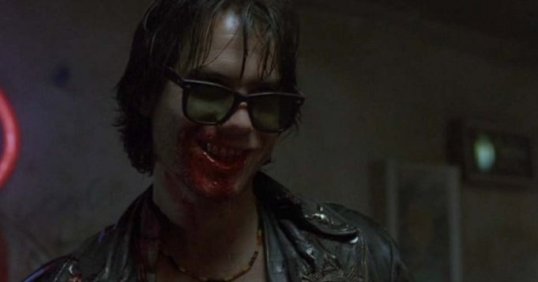
Near-Dark-Bill-Paxton

It’s time for another edition of Let’s Second Guess the Academy!  This time, we’re taking a second look at the race for Best Picture of 1987.

Can you remember which film won Best Picture for 1987?  Don’t feel bad if you can’t because Bernardo Bertolucci’s The Last Emperor is one of the lesser known Oscar winners.  The film’s relative obscurity leads to one natural question: was it truly the best film released in 1987?

Or should the Oscar have gone to one of the other films nominated — Broadcast News, Hope and Glory, Fatal Attraction, or Moonstruck?

Let your voice be heard by voting below!

After voting for which nominated film you think should have won, give some thought to some of the 1987 films that were not nominated.  Was Moonstruck truly a better film than Near Dark or Full Metal jacket?  Ask yourself what would have happened if The Last Emperor hadn’t been released in the United States or what if Fatal Attraction hadn’t been a huge box office smash.  What if none of the five best picture nominees had been eligible to be nominated in 1987?  Which five films would you have nominated in their place?

Let us know by voting below.  As always, you can vote for up to five alternative nominees and write-ins are accepted!

Happy voting!

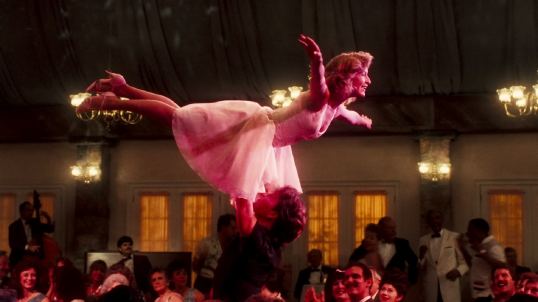
dirty-dancing-lift