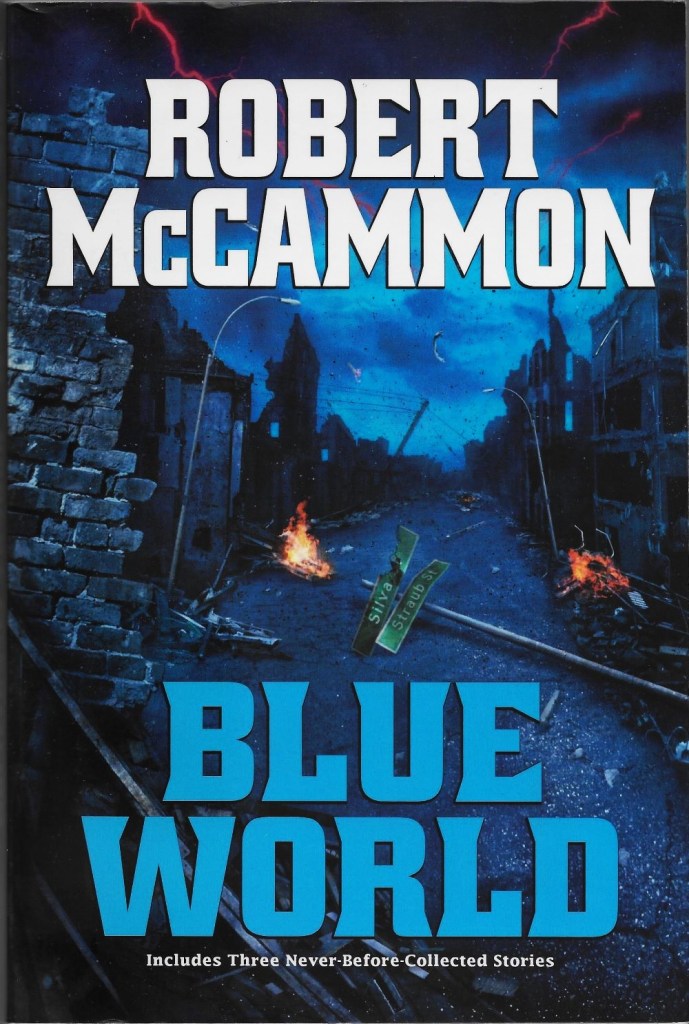
Horror Book Review: Blue World (by Robert R. McCammon)


“Even in a blue world filled with sorrow, the heart continues to seek love, light, and meaning beyond the darkness.”

Robert R. McCammon’s Blue World is a captivating collection of short stories that showcases his mastery of horror, while also exploring themes that go beyond the usual genre boundaries. Originally published in 1990 and recently reissued by Subterranean Press, this collection serves as a natural companion to Stephen King’s Night Shift. Both authors start with classic horror ideas but make them their own through distinctive voices. For readers who enjoy stories that combine suspense and psychological depth with moments of quiet reflection, Blue World is a deeply rewarding read.

The collection features a wide range of stories that feel connected by McCammon’s strong sense of character and place. In many tales, ordinary settings—such as small towns and suburban streets—become stages for hidden dangers. For example, “He’ll Come Knocking at Your Door” starts off with a familiar neighborhood atmosphere that slowly reveals an undercurrent of menace. McCammon’s ability to turn the everyday into a place of suspense taps into a universal fear: that the safe and known can quickly become threatening.

Themes of change, survival, and the strain on the human mind surface in stories like “Strange Candy” and “I Scream Man!” His characters often face challenges that test not just their bodies, but their minds and morals. McCammon skillfully combines moments of fast-paced action with quieter, thoughtful passages, which make the terror hit deeper because we connect with the characters on an emotional level.

“Night Calls the Green Falcon” stands out for its creative blend of horror and nostalgia. It tells the story of a down-on-his-luck actor caught in the pursuit of a serial killer, echoing the style of old adventure serials with cliffhanger scenes. This story reveals McCammon’s talent for mixing different genres in fresh ways without losing emotional depth.

The most distinct story in the collection is the title novella, “Blue World.” Unlike the other stories, it steps away from supernatural horror and focuses on a very human and emotional tale. It follows a priest who falls in love with a porn star, and both become targets of an obsessed fan. McCammon uses this story to explore themes of love, faith, and redemption, diving into moral and emotional complexities rather than scares or ghosts.

This change in tone creates a thoughtful space within the collection, inviting readers to reflect on themes that contrast with the fear and darkness in other tales. While most stories rely on supernatural or psychological horror, “Blue World” confronts the dangers and redemption found in real human relationships, showing a different but equally compelling side of McCammon’s storytelling.

McCammon’s writing throughout is vivid and sensory, pulling readers into each story’s environment. Whether describing the sweaty tension of summer in “Yellowjacket Summer” or the bleak landscapes of “Something Passed By,” the settings are tangible and emotionally charged. This helps both the horror and the personal stories feel authentic and immediate.

Across the collection, McCammon’s characters stand out because they are fully realized people rather than simple victims or villains. They grapple with their fears and flaws in ways that feel realistic and relatable. Their struggles add psychological weight to the stories, making themes of loss, survival, and redemption more powerful.

Ultimately, Blue World is more than just a collection of horror stories—it is a showcase of Robert McCammon’s storytelling skill and emotional range. Much like King’s Night Shift, it offers a variety of stories from suspenseful shocks to deep, character-focused explorations. The inclusion of the novella “Blue World,” which steps outside the typical horror mold, adds richness to the collection and highlights McCammon’s ability to write compelling stories about human resilience and complexity.

For readers who enjoy a mix of supernatural thrills, strong characters, and thoughtful moments, Blue World provides a memorable journey through fear and hope, darkness and light. It stands as a significant work in modern horror literature and beyond, inviting readers to feel deeply as well as be scared. This collection proves that the craft of horror can encompass more than just fright—it can tell stories about the very heart of human experience.
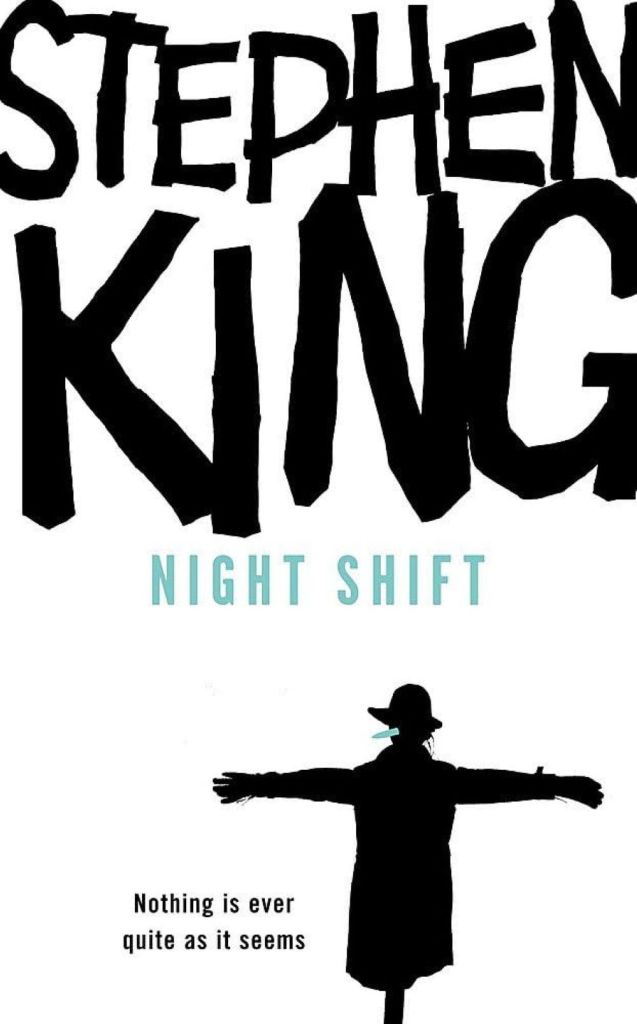
Horror Book Review: Night Shift (by Stephen King)


“Some fears are not of ghosts or demons but of loss, regret, and the quiet mistakes that haunt us long after the night has ended.”

Stephen King’s Night Shift is a fascinating look at the beginnings of one of the most prolific horror writers of our time. Many of these 20 stories first appeared in men’s magazines like CavalierPenthouse, and Gallery, where King started building his reputation from the ground up. This collection offers a wide range of horror—from supernatural thrills to deeply emotional tales—crafted with a realism that makes the scares hit harder. The book naturally moves from more traditional horror into stories that shine a light on human fears and regrets.

Although the collection opens with “Jerusalem’s Lot,” a story about haunted history, one of the more striking horror tales is “The Mangler.” It tells of a demon-possessed industrial laundry machine that becomes a deadly force. King’s detailed storytelling turns familiar machinery into something terrifying, driving the suspense from beginning to end.

“Sometimes They Come Back” takes a more emotional route. It centers on a man who is haunted by the death of his brother, with ghostly bullies from his past making a frightening return. This story blends the supernatural with raw grief, showing that some wounds never fully heal.

“The Last Rung on the Ladder” provides a quiet but powerful punch. It reflects on childhood, family, and the pain that comes with lost chances. This tale stands out by demonstrating King’s skill in generating a deep sense of dread through emotional weight rather than monsters.

In “One for the Road,” the tension ratchets up with a story set during a harsh snowstorm near a vampire-infested Maine town. The narrative grips you with its chilling atmosphere, isolation, and fight for survival. Notably, this story acts as a postscript to King’s novel Salem’s Lot, offering an eerie glimpse into what happens long after the main events, expanding that dark world in a satisfying way.

“Strawberry Spring” unspools slowly like creeping fog. Set on a college campus haunted by a serial killer, the story uses an unreliable narrator and a murky atmosphere to create a sense of growing paranoia and confusion.

Finally, “I Know What You Need” explores obsession cloaked in supernatural mystery. A college student experiences an unsettling friendship that appears to improve his life, but underlying this is a dark manipulation. King carefully builds this eerie tale with layers of tension and reveals the dangerous side of desire.

What makes these tales work so well together is King’s ability to vary tone and pace while grounding the stories with believable characters and locations. The rapid heartbeat of “The Mangler” contrasts with the quiet heartbreak of “The Last Rung on the Ladder.” The claustrophobic fear in “One for the Road” stands alongside the fog-thickened dread of “Strawberry Spring,” and the slow-burning menace in “I Know What You Need” rounds out the mood spectrum.

More than just scary stories, Night Shift taps into fears we all recognize: loss, guilt, loneliness, and obsession. King layers excitement with emotional truths, creating stories that stick with you. These fears aren’t just the stuff of monsters—they’re very real and human.

The order of the stories themselves feels intentional—starting with classic supernatural spins like “Jerusalem’s Lot,” and moving toward more internal, emotional terrors in stories like “Sometimes They Come Back” and “The Last Rung on the Ladder.” Some stories also ground horror in real-life struggles, like dangerous, grueling jobs in “Graveyard Shift” and “The Mangler,” where the horror is as much about the setting as the supernatural.

A lot of these stories have found their way to the screen, but while the films are entertaining, most take only loose inspiration from the originals and often don’t capture the full power of the tales. This disconnect doesn’t lessen the strength or impact of King’s writing, which remains impressive and affecting.

Ultimately, Night Shift is a journey through many forms of fear—from sharp shocks to slow-building unease—and its stories feel personal and alive. Whether it’s an industrial machine come to life, ghostly revenge, or a vampire town trapped in eternal winter, King’s tales connect with readers on multiple levels.

If you want horror that thrills but also hits close to home, Night Shift is a brilliant starting place. These stories show early signs of why King remains a master: he discovers monsters not just in the shadows, but woven into the fabric of everyday life. Sometimes, those are the ones that scare us the most.

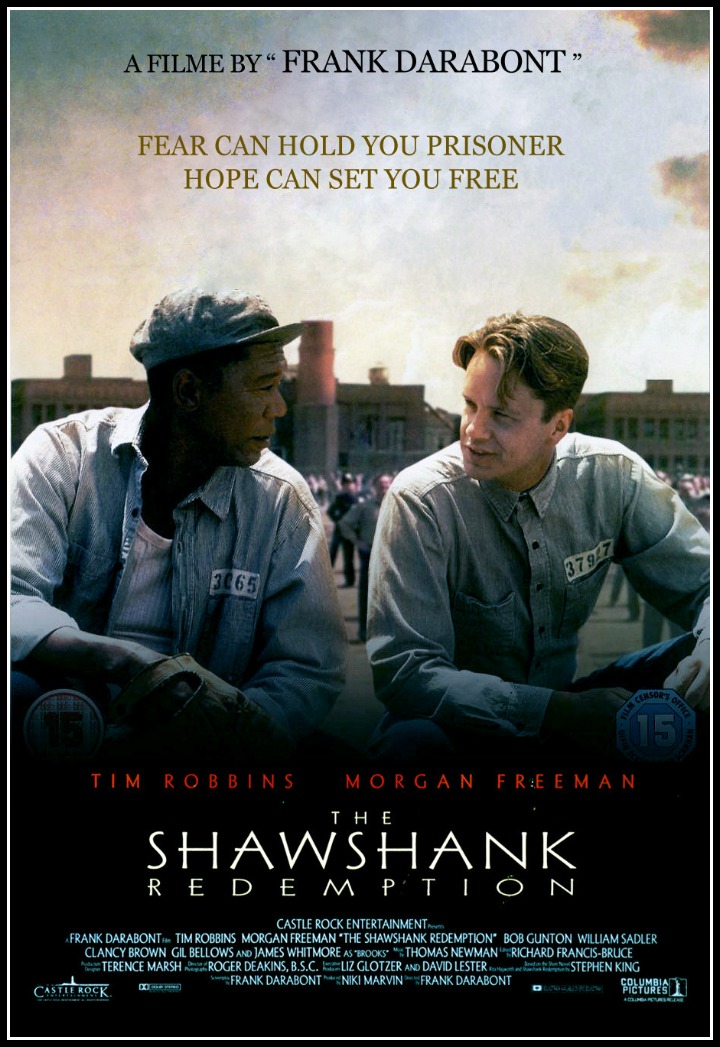
Review: The Shawshank Redemption (dir. by Frank Darabont)


“Remember, Red. Hope is a good thing, maybe the best of things, and no good thing ever dies.” — Andy Dufresne

1994 was the year that men finally got their version of Fried Green Tomatoes and Beaches. We men we’re always perplexed why so many women liked those two films. Even when it was explained to us that the film was about the bond of sisterhood between female friends and how the march of time could never break it we were still scratching out heads. In comes Frank Darabont’s film adaptation of the Stephen King novella Rita Hayworth and Shawshank Redemption.

Using a script written by Darabont himself, the film just takes the latter half of the novella’s title and focuses most of the film’s story on the relationship between the lead character of Andy Dufresne (played by Tim Robbins) who gets sent to Shawshank Penitentiary for the crime of killing his wife and her lover and that of another inmate played by Morgan Freeman. The film doesn’t try to prove that Andy is innocent even though we hear him tell it to the convicts he ends up hanging around that he is. The relationship between Andy and Red becomes a great example of the very same bond of sisterhood, but this time a brotherhood who are stuck in a situation where their freedom has been taken away and hope itself becomes a rare and dangerous commodity.

Darabont has always been a filmmaker known for his love of Stephen King stories and has adapted several more since The Shawshank Redemption, but it would be this film which has become his signature work. It’s a film that’s almost elegiac in its pacing yet with hints of hope threaded in-between scenes of men clinging to sanity and normalcy in a place that looks to break them down and make them less human. It’s nothing new to see prison guards abusive towards inmates in films set in prisons, but in this film these scenes of abuse have a banality to them that shows how even the hardened criminal lives and breathes upon the mercy and generosity provided by the very people who were suppose to rehabilitate them.

While the film’s pacing could be called slow by some it does allow for the characters in the film, from the leads played by Robbins and Freeman to the large supporting cast to become fully formed characters. It doesn’t matter whether it’s Clancy Brown playing the sadistic Capt. Byron Hadley to James Whitmore as Brooks Hatlen the inmate who has spent most of his life in Shawshank and whose sudden parole begins one of the most heartbreaking sequences in the film. The whole cast did a great job in whatever role they had been chosen to play. Freeman and Robbins as Red and Andy have a chemistry together on-screen that makes their fraternal love for each other very believable that the final scenes in the film doesn’t feel too melodramatic or overly sentimental.

The Shawshank Redemption was a film that lost out to Forrest Gump for Best Picture, but was a film that would’ve been very deserving if it had won the top prize at the Academy Awards. It was a film that spoke of hope even at the most degrading setting and how it’s the very concept of hope and brotherhood that allows for those not free to have a sense of freedom and camaraderie. Darabont’s first feature-length film remains his best work to date and one of the best Stephen King adaptations which is a rarity considering how many of his stories have been adapted. So, while the fairer sex may have their Fried Green Tomatoes, Beaches and the like, we men will have ours in the fine film we call The Shawshank Redemption.