Arleigh’s Top 10/Bottom 5 Stephen King Film Adaptations


StephenKingbooks

“We make up horrors to help us cope with the real ones.” — Stephen King

Last week we saw the release of the Carrie remake starring Chloe Grace Moretz and directed by Kimberly Peirce. This got me to thinking that of all the writers I grew up reading it was Stephen King whose novels, novellas and short stories made for easy film adaptations. His stories may be supernatural, horror scifi or dark fantasy but they all share that common denominator of having some basis in the real world.

They’re stories of how the real world and it’s seemingly normal inhabitants will react to something just beyond the norm, the pale and the real. In one story we pretty much have a Peyton Place-like setting having to deal with a arrival of a Dracula-like figure. On another we see the isolated work of hotel sitting during the winter turn into something both supernatural and a look into the mind of someone cracking under the pressure of issues both personal and professional.

With all the Stephen King film adaptations since the original Carrie I know I have seen them all and can honestly say that I’ve become an expert on the topic. So, here’s what amounts to what I think would be my top 10 best and bottom 5 worst film/tv adaptations from Stephen King stories.

Top Ten

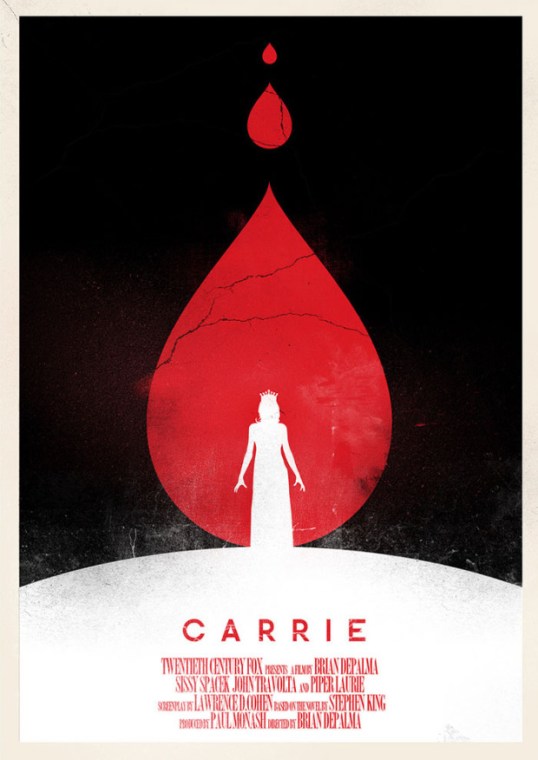
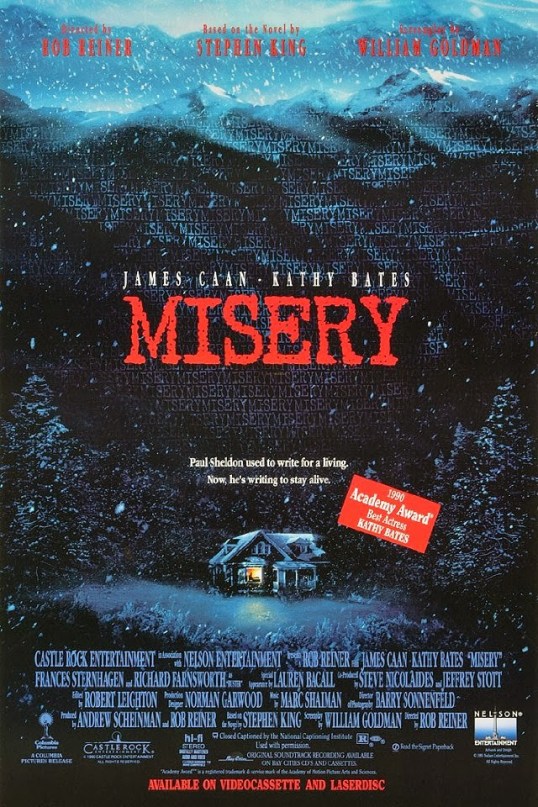
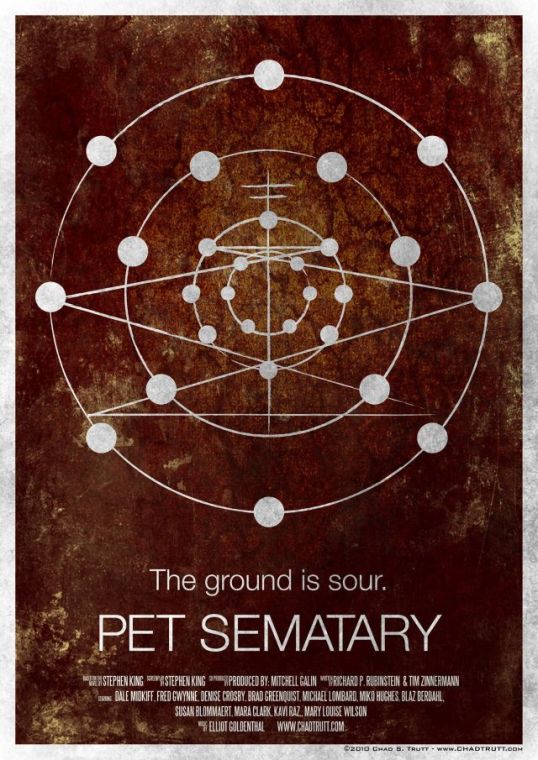
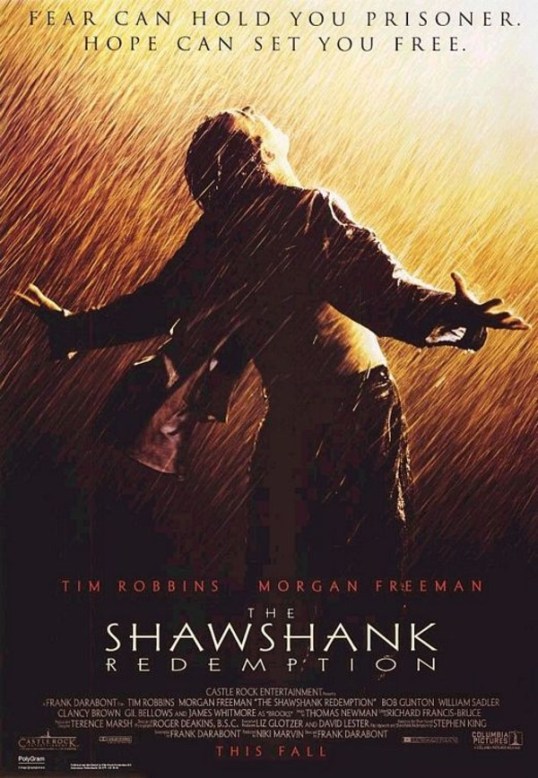
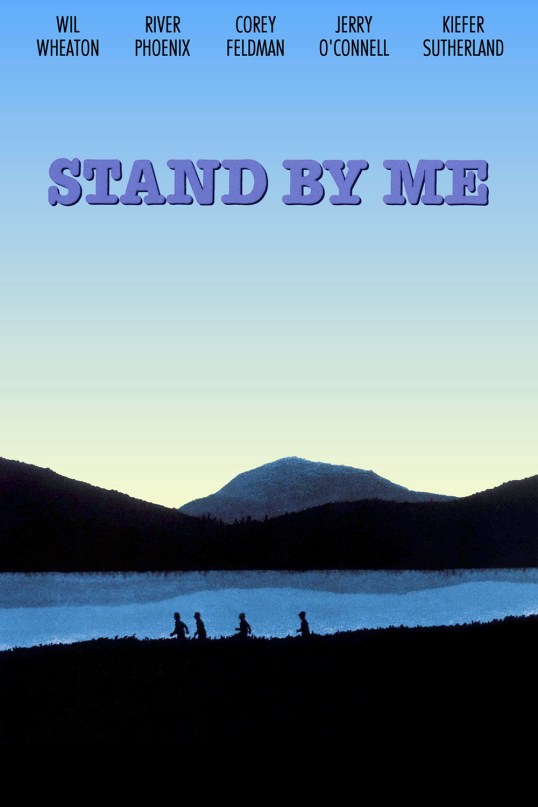
1. Salem'sLot2. TheShining3. DeadZone4. Carrie5. Christine6. Misery7. TheMist8. PetSematary9. shawshankredemption10. standbyme

Bottom Five

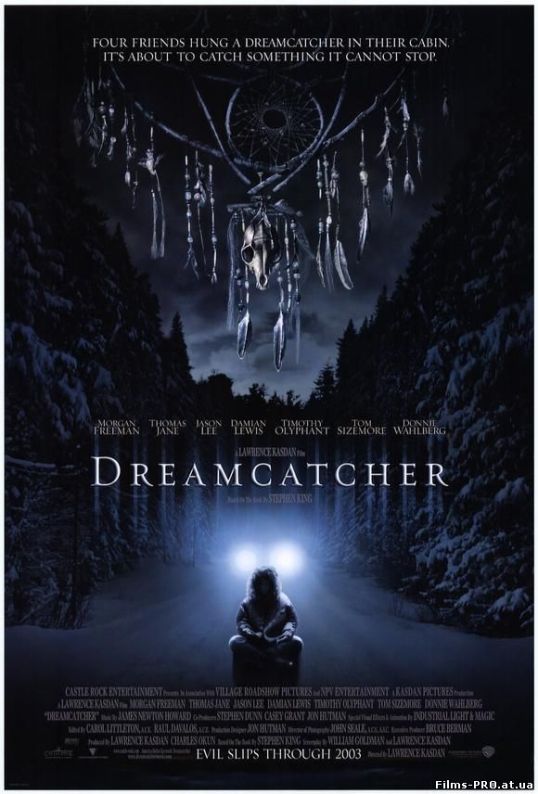
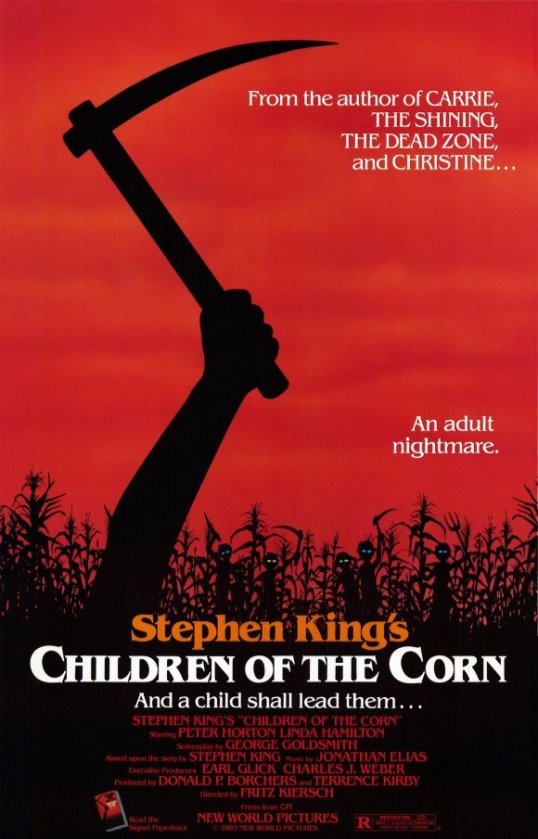
1. GraveyardShift2. maximumoverdrive3. Dreamcatcher4. TheMangler5. ChildrenoftheCorn

Horror Review: Down the Road (by Bowie Ibarra)


Down the Road by Bowie Ibarra is part of the renaissance of the zombie tale. While not a great novel, Ibarra’s first foray into novel length (though I would categorize this tale more as an extended novella than a full-blown novel) storytelling hits more than it misses.

Ibarra uses the the so-called “Romero Rules” in regards to the topic of the flesh-eating zombies in Down the Road. There are none of the Olympic-level sprinters of the recent trend in modern zombie films (Dawn of the Dead remake) and Ibarra’s zombies remain slow, shambling creatures with the barest of motor functions and instinct (unlike the demon-possessed undead of Brian Keene’s great, albeit nihilisitic The Rising and City of the Dead). The story’s told through the point of view of the main character, George Zaragoza, a high school teacher in an Austin school. The story starts off in quick form with George quickly going through preparing to leave the city to head for his boyhood home. There’s not of the so-called “origin” chapters that usually used to explain how the crisis first began and where. Instead the reader gradually learns from George’s interaction with people he meets during his roadtrip home about what exactly has been happening the past couple of weeks.

To say that George’s travels once he leaves Austin was eventful would be an understatement. He doesn’t just have to deal with the growing numbers of undead roaming the roads, by-ways and towns in his path, but also the danger of looters and criminals. Ibarra gives FEMA and Homeland Security top-billing as the living danger to bookend the growing undead. I may not agree with all his characterization of those two government agencies, but he does describe vividly just how quickly such organizations can go from protecting its citizens to posing a bigger danger in the end.

But his travels was not just about one dangerous crisis after the other. George meets up with other survivors who show and make him feel alive and give him some hope that not everyone has devolved to their most basest instinct. It’s in some of these encounters that Ibarra has injected a bit more sex in a zombie tale that other authors have not ventured deeply into. Who said a zombie tale meant character’s libido has to be suppressed or be non-existent. How Ibarra came about in creating the situations for the sex scenes might seem incredulous at first, but who said such things couldn’t occur in high stress situations especially when people find themselves trying to survive day0by-day or even hour-by-hour.

Overall, Ibarra’s first work looks to be a work of love by a fan of all things zombie and who knows exactly what other fans just like him want from their zombie tales. He doesn’t overdo in layering his story with layers upon layers of themes and social commentary. While the theme of how far an individual will go to survive in a crisis is there, Ibarra still sticks to keeping the story moving quickly from one end to the other. I actually thought the novel as too short. He had so much ideas introduced in the first couple chapters that I think he could’ve added another 150 pages and not lose the reader’s interest. But I’m assuming that’s where the sequel novel comes in.

Down the Road: A Zombie Horror Story by Bowie Ibarra is a very good first try by a new writer in keeping the tradition of the zombie tale alive during this second Golden Age for the subgenre. While there’s flaws in this first novel, the story itself moved at such a fast pace that I barely noticed the flaws until after I was done and by then I was already hooked by the world he had put on paper. I hope that with all the feedback he’s received from fans and fellow writers both, Ibarra’s sequel to this novel will be less of a jewel in the rough and more of the polished gem that I feel he has in him to write. I highly recommend this first novel to all fans of the zombie genre. They won’t be disappointed.

Horror Review: Dead City (by Joe McKinney)


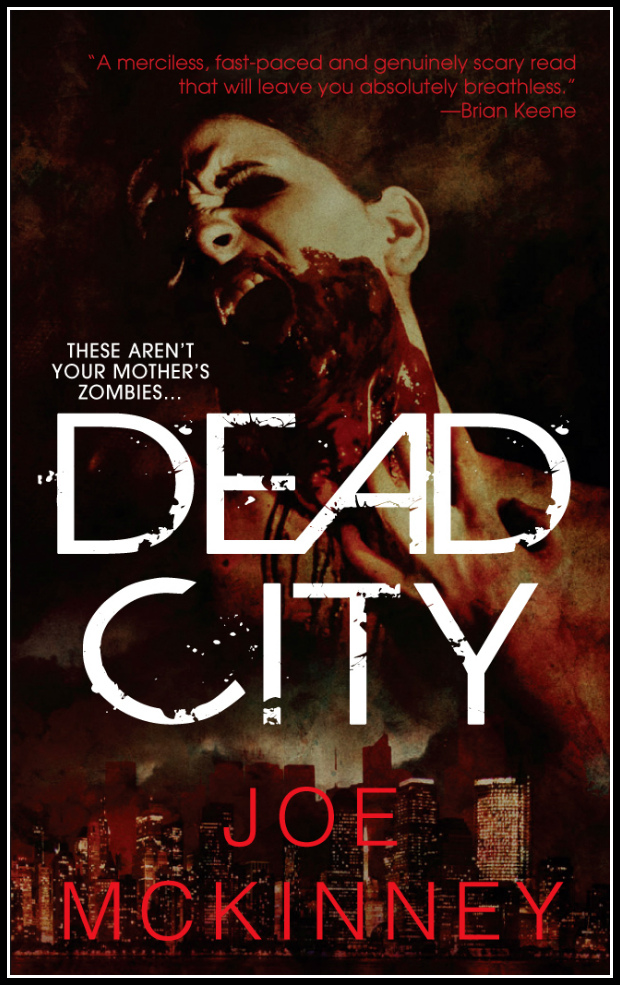
Joe McKinney’s debut novel, Dead City, is quite an impressive piece of writing for a first-timer. It’s doubly impressive for taking the zombie tale and just making it unfold as one long nightmare with little or no prelude or wasted exposition about what led up to it. McKinney’s novel is not overlong or full of filler chapters that does nothing but try to extend the telling of the tale far longer than necessary.

Dead City is not too different from many of the zombie novels and stories that continues to see a renaissance of sorts these past couple years. McKinney takes a more novel approach in his setting by using the hurricane disasters which plagued the Gulf from Katrina and onwards. It is during the aftermath of a series of non-stop super hurricanes hitting the Texas Gulf Coast where we meet the main protagonist of this novel. Eddie Hudson is a police officer in the San Antonio Police Department who we see balancing the problems he’s having with his wife with that of the devastation left by the passing of the major hurricanes over San Antonio. The action and horror begins pretty quickly as Hudson and his partner for the night head off to a disturbance call in one of San Antonio’s neighborhoods. What they encounter at the scene is one they’ve not been trained for. Confusion and lack of relevant knowledge to combat the newly zombified citizens of San Antonio leads to disaster for Hudson and the rest of his police and emergency services brothers.

McKinney does a great job of showing the confusion and disbelief Hudson goes through as a real-life horror film comes to life in front of his very eyes. There’s the disbelief in seeing their attackers continue to move towards him and his partner with a focused determination despite being pepper sprayed at point-blank range, then hit by shotgun beanbags then to lethal gunshots to the body. It is only when shot cleanly through the head and thus destroying the brain do their crazed assailants finally stop for good. This revelation comes way too late from most of Hudson’s fellow police officers and he’s left to his own dwindling supplies of ammunition and a vow to get to his own family before the nightmare he’s seen reaches them. Along the way Hudson meets up with other survivors from undocumented workers, a high school teacher and amateur zombie researcher, to other fellow officers who have managed to survive the first few hours of the zombie outbreak.

Throughout Hudson’s attempts to get to his wife and six month-old son, more of the extent of the zombie outbreak makes itself know to Ernie and those who tags along with him as they travel the streets of a devastated San Antonio. McKinney gets high marks from this fan of the zombie genre for not shying away from describing the sort of damage these zombies can do to a human body. The gore quotient in Dead City is quite high and I think one that would satisfy any fan like myself. In fact, I will very much like to see how this novel will look like adapted into a film. The story is pretty simple and a horror road trip through a devastated city with the simple goal of a man trying to find his family amongst all the horror he has seen and still to see.

Dead City is by no means a perfect novel and at times it shows. Characters sometimes have a certain cookie-cutout feel to them. From the gung-ho and adrenaline junkie cop whose wisecracking attitude is suppose to balance out the near-desperation and panic Hudson seems to be in all the time. Then there’s the angry black man whose mistrust of the police makes him blind to the need for cooperation. Some characters seem to be there looking to become a major role in the making then quickly gone thirty pages later under the assault and tearing hands and teeth of the zombies. I think the size and length of the novel may be one reason why characterization on some of the people on the periphery got a bit shortchanged. It doesn’t bring down the overall quality of the story but it does show that this is indeed a debut novel. But with the amount of quality storytelling McKinney was able to put together I am more than confident that this writing style will improve with each successive book.

In the end, Joe McKinney’s Dead City is one roller-coaster ride of a debut horror novel which doesn’t pull its punches. The story never lets up for a moment to give our main protagonist a moment of respite from the dangers around him. Like Officer Ernie Hudson, the reader becomes bombarded with horrific images after horrific images and only until the end to we find the respite and time to relax. I hope McKinney has more tales of the undead ahead of him and that he shares it with those likeminded people who displa the same kind of interest in the black sheep of the monster genre. I very much recommend Dead City to those who enjoy a very good zombie yarn.

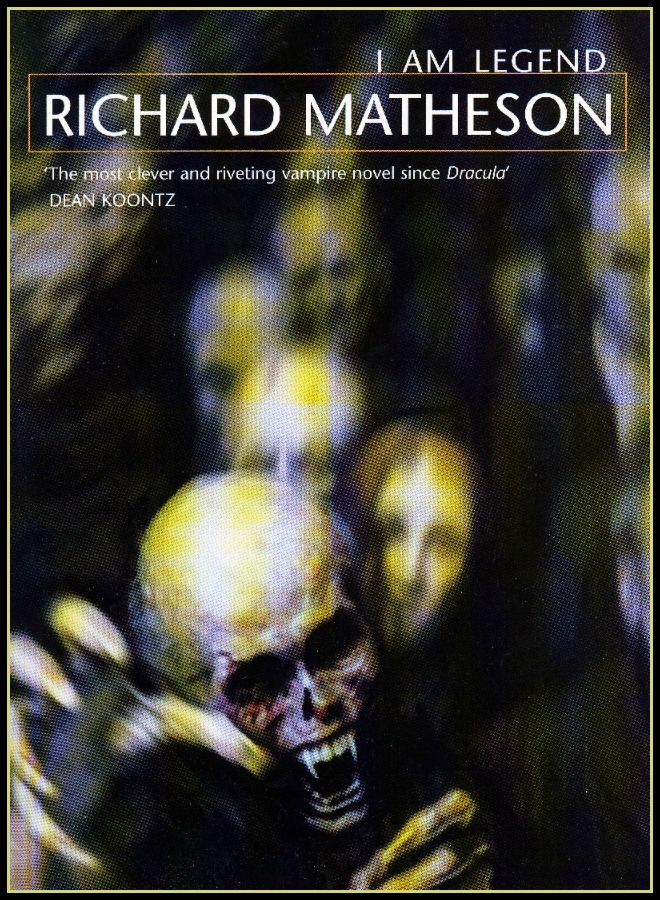
Horror Review: I Am Legend (by Richard Matheson)


“[I am] a new superstition entering the unassailable fortress of forever. I am legend.”Robert Neville

In 1954, Richard Matheson published a novel that would influence so many future generations of science-fiction and horror writers and film directors. Matheson’s body of work prior to 1954 could be summed up as good but nothing too exciting. His work thus far overlapped such pulp genres as horror, science-fiction and fantasy. This style would be the hallmark of his brand of story-telling. It would be in his novel I Am Legend that his unique style of combining different genres that Matheson would have his greatest and most epic work to date.

I Am Legend takes the vampire tale and brings it out of the shadows and darkness, so to speak. Set in the late 1970’s, I Am Legend begins its tale with humanity pretty much on the quick path to extinction due to a pandemic where the bacterium or virus involved caused symptoms very similar to what folklore had called vampirism. The protagonist of this tale was one Robert Neville. An unassuming man living in a Los Angeles suburban neighborhood who might just be the only living human being, or at least the only un-infected one, on the face of the planet. Neville’s been reduced to a day-to-day routine of defending his fortified home from the vampire-like infected humans who’ve tried attacking him and his home once night falls. This routine has become so ingrained in Neville that it starts him on a downward spiral to utter despair. He knows that he might just be the only human left and the prospect of such an idea almost becomes too much for his psyche. It’s this growing despair which gradually causes Neville to make little mistakes in his routine that puts him in greater levels of danger from those turned who see him as nothing but cattle.

His attempts to solve the mystery of why he’s the only one not affected by the disease becomes his way of keeping himself sane. Neville’s work in trying to find the answer leads him to take chances in keeping a vampire survivor alive and bound instead of just killing it outright. His experiments ranges from disproving the myths surrounding the vampire creature and acknowledging the scientific and/or psychological explanations to certain behavioral traits of these nocturnal creatures.

Neville’s studies on captured vampires tell him why certain things like garlic and sunlight causes such an extreme reaction on these creatures. Why do they have a certain invulnerability towards bullets but not a stake through the heart is one question he tries to answer through his research. He even surmises that the vampires aversion to crucifix was more psychological than anything supernatural. Neville arrives at this after observing a vampire’s reaction to a Star of David was similar to the reaction of another one towards the crucifix.

It’s events such as these which puts I Am Legend in a category all by itself. It still uses themes of horror which the vampires fulfill to great effect, but it also does a great job of taking the vampire tale out of the supernatural realm and into the scientific and logical. Neville’s attempts to keep himself sane, as his loneliness begin to weigh on his psyche and health, through these studies and experiments adds a level of the science-fiction to this tale. It’s the combination of these two genres which makes I Am Legend such an epic tale in scope yet it’s not that which gives the tale its heaviest impact. It’s Neville himself, more to the point, his desperate situation of being the last man on earth weighing on his mind. This tone gives this apocalyptic vampire tale such an intimate feel that the reader hopes and wishes for some sort of peaceful end to Neville; better yet, some hope that he might find clues that he might not be the last.

As the story moves forward, the line between who is human, who is monster and who is the true survivor become blurred as Neville’s forays into the city for supplies lead him to a community of others who have not succumbed to the monstrous effect of the pandemic. It’s this discovery that gives Neville a semblance of hope which momentarily lifts the heavy weight of inevitability from his mind. But not everything is at it seems at first glance. Neville finds this out as his encounters with this thriving community continue to give him more and more insight as to how they’ve survived. The climactic end to this tale has become such a classic ending that any other resolution wouldn’t have worked. The end worked as the best possible ending to Matheson’s tale. It also gives the books title a deeper and more profound meaning to it.

I Am Legend will continue to go down in literary history as one of the best examples of fantastic literature. It’s seemless blending of horror, science-fiction and the apocalyptic gives the tale both an epic and intimate feel and tone. It’s not wonder the very themes and premise of this story has influenced such horror writers and filmmakers as Stephen King (The Stand, Salem’s Lot) and George A. Romero (Night of the Living Dead, Dawn of the Dead, Day of the Dead). I Am Legend takes the vampire tale out of the shadows and darkness it usually in habits and brings it out to the light of science and logic with surprising results. A true classic piece of writing from Richard Matheson and one that still stands as the benchmark for apocalyptic tales.

Review: World War Z (written by Max Brooks)


I was one of many who heard about Max Brooks’ satirical guide book The Zombie Survival Guide: Complete Protection from the Living Dead. Being a huge fan of George A. Romero’s Dead series of films and just the zombie subgenre in general, I was intrigued by the release of this guidebook. From the first page to the last I was impressed, entertained, and hooked on Brooks’ serio-comic take on how to survive a zombie outbreak. One section of the book which really caught my interest and has remained a favorite to reread over and over was the final one which details the so-called “historical” instances of past zombie outbreaks throughout history. From as far back as Ancient Egypt and Rome up to the late 1990’s. My only gripe about that section of the book was that it was all-too-brief. I felt that it could’ve been made longer and even would’ve made for a fine book on its own. Maybe I wasn’t the only one to have wished for such a thing to happen for it seems that Brooks himself might have thought the same thing. His latest book in his trip through the zombie genre is titled World War Z: An Oral History of the Zombie War and it takes the final chapter of his previous book and expands on it. But instead of using past “historical events” to tell his story Brooks goes into the near future to describe what would happen if the zombies ever did bring the human race to the brink of extinction and how humans finally learned how to fight back and take back the world.

World War Z is a fictional account of a worldwide outbreak of the living dead in the near future and judging from some of the descriptions of places and events in the beginning of the book it won’t be too far in the future. WWZ is done in an interview-style format with each chapter consisting of first-person interviews of individuals who lived through the Zombie War from its initial outbreak to it’s final battles and mop-up operations. The sampling of survivors interviewed range from soldiers who fought the losing battles in the early going of the war when lack of information, outdated tactics, and illogical reactions to the zombie outbreak contributed to humanity almost losing the war. These soldier survivors explain how humanity became its own worst enemy when it came to protecting its own and combating the growing ranks of the zombies. Some of the mistakes were unavailable as information on how to combat the zombies were far and few and even then most were unreliable. Some mistakes on the other hand many today would consider as unconscionable as war-profiteers and those willing to keep a hold on their own power and who would sacrifice their own people to keep it so.

There’s also the regular people who survived the war and who made great contributions during the dark days when humanity were pushed into isolated and fortified pockets of resistance as everywhere around them the zombie army grew exponentially. Some of these people were just children when the outbreak first began as rumors and unsubstantiated news reports. It’s the words of those children now adults that show how war and conflict really takes the biggest toll on the smallest and helpless. One could substitute the wars in Iraq, Afghanistan, The Balkans and even Africa in lieu of Brooks zombie war and this book would still resonate. There’s a particular entry of how children left to their own devices to try and survive alone in the wild with zombies all around have turned feral to the point that their capacity to learn and develop into adulthood has become stunted or even halted permanently.
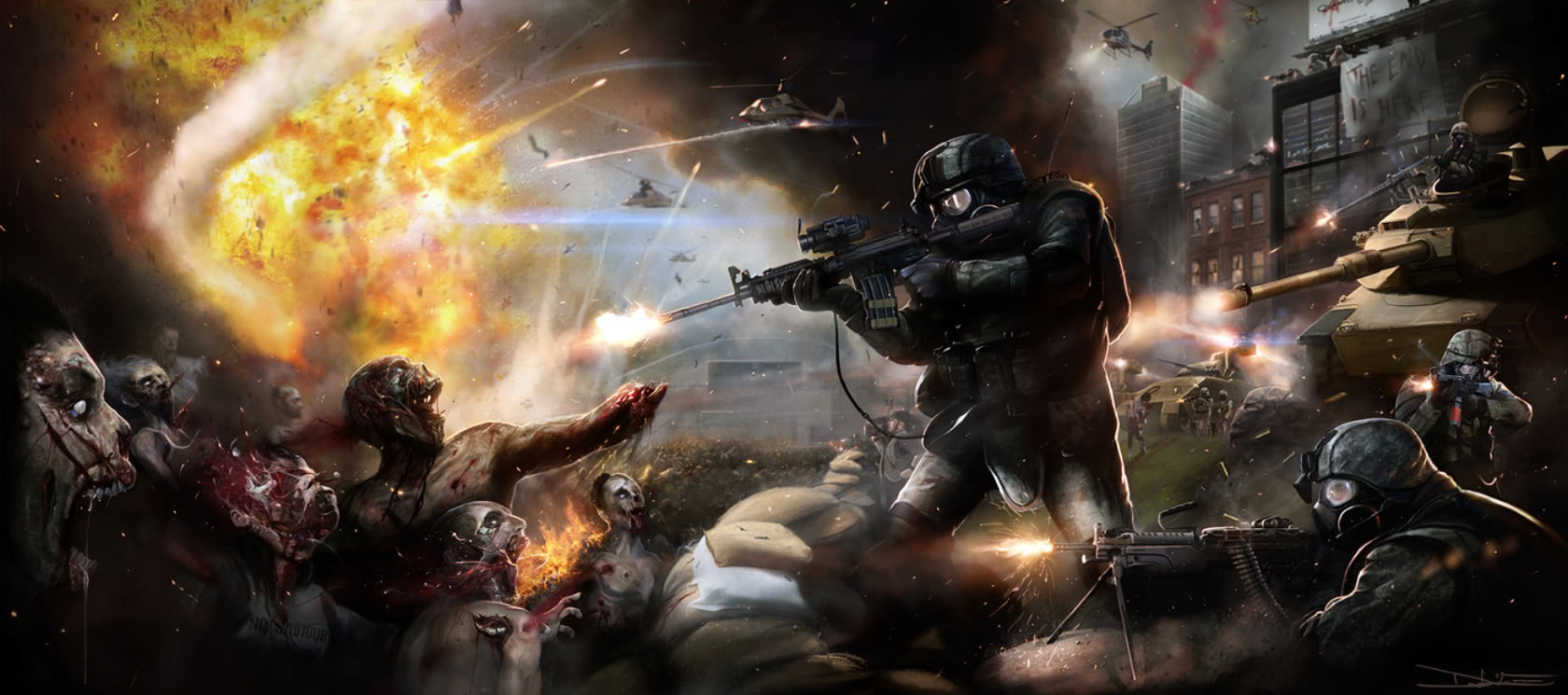
World War Z: Battle of Yonkers

Battle of Yonkers

Brooks’ novel also puts in little veiled references to the events occurring now in the real world. There’s mention of the unpopular war in the Persian Gulf as having a detrimental effect on the morale of troops once they returned home and how this helped make the initial fight to stem the tide of the zombies a losing proposition from the outset. There’s also mention of Iran as having acquired a nuclear arsenal and how this leads to an incident early in the Great Panic of the zombie outbreak that speaks volume of what could happen if unstable states acquire weapons of mass destruction. Brooks’ also gives a prescient look into a near future where the US and Europe stop being the economic superpowers of the world and step aside for the economic juggernaut that is China and India. All these inferences of today’s geopolitical and economical events mirrors what might just come into fruition.

The interview format really gives the book a sense of realism despite the outrageous and fantastical nature of the book. As I read the book I was reminded of Stephen A. Ambrose’s books on the men and women who fought during World War 2. Ambrose also used interviews and personal accounts to make up the bulk of his books like in Citizen Soldiers and Band of Brothers. Having a personal take on the events gave his books more emotional impact and really brought the emotions of the conflict to those who never experienced it. The same could be said about Max Brooks’ World War Z. Even though the novel was speculative fiction from beginning to end it still made the reader think of how such an event, if it ever came to pass, could be so tragic, disheartening but in the end uplifting as it once again shows that humanity could still pull itself together through all its petty misunderstandings to survive. On a more stylistic point, Brooks’ novel shares some similarities to Theodore Judson’s sci-fi epic Fitzpatrick’s War. Judson’s book also tries to chronicle a future war which was shaped by religious and ideological forces. Where Judson goes way into the future of an alternate Earth, Brooks smartly stays to a more foreseeable future that readers of his book would most likely see happen; hopefully a much brighter and less-zombified one.

Brooks’ decision to forgo the usual linear and narrative style for this book also allowed him a certain bit of freedom to introduce one-shot characters in addition to those who appear regularly. In a more traditional novel such one-shot characters would seem useless and even unnecessary, but in this interview format it makes more sense since it’s really just a collection of personalities trying to describe their own take of the Zombie War they lived through. Some people I know who have read the novel have said that there’s little or no talk of love and relationships in World War Z. I, for one, was glad that Brooks didn’t try to force certain “interviews” where it talks of survivors finding love and relationships during the outbreak, through the war and all the way to the mop-up. This book chronicles tales of survival and horror. As much as a tale of love would’ve been a change of pace to all the death and horror in the interviews it would’ve been too drastic a change of pace. I would think that the last thing that most people would have in their minds when trying to survive day-to-day, if not hour-to-hour would be to stop for a moment and have sex, cuddle or other less-than survival behaviors.

All in all, Max Brooks’ World War Z: An Oral History of the Zombie War takes a serious look at a fictional and fantastical premise and event with a serious eye. The book manages to be tragic and terrifyingly spot-on about how the world governments today could fail when confronted by such a horror of tremendous proportions. Unlike his more satirical first book on the zombie subject, World War Z shows the flaws and failings of humanity and how it almost led to its extinction, but it also shows humanity’s stubbornness in the face of total annihilation and how it could come together in cooperation to not just survive but take back the world. In times of extreme adversity man can be brought to his knees but also show his resilience. A great novel and one that deserves reading from not just fans of the horror and zombie subgenre, but those who enjoy taking a peek into what could be, no matter how outrageous.