4 Shots From 4 Films: Special Ewan McGregor Edition


4 Shots From 4 Films is just what it says it is, 4 shots from 4 of our favorite films. As opposed to the reviews and recaps that we usually post, 4 Shots From 4 Films lets the visuals do the talking!

Today is not just Christoper Walken’s birthday!  It’s also the birthday of another one of my favorite actors, the only and only Ewan McGregor!  And you know what that means.  It’s time for….

4 Shots From 4 Ewan McGregor Films

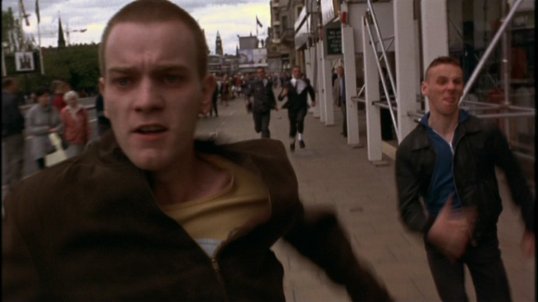
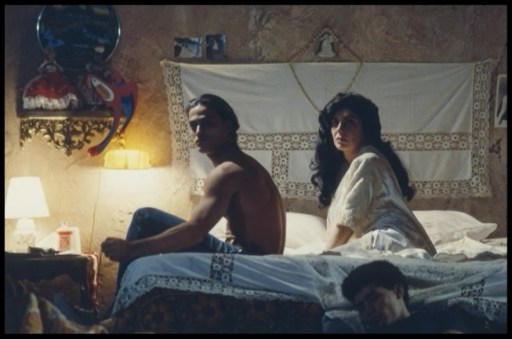
Trainspotting (1996, dir by Danny Boyle)

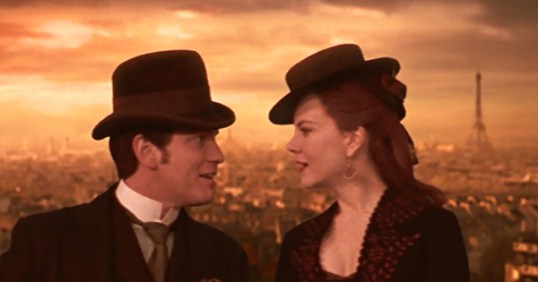
Moulin Rouge! (2001, dir by Baz Luhrmann)

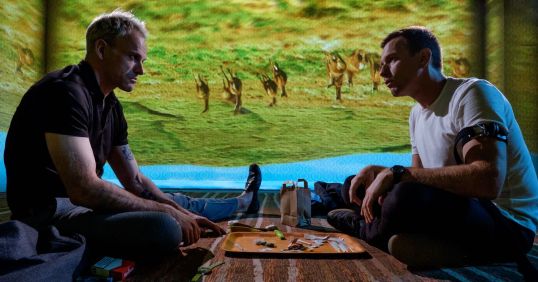
T2: Trainspotting (2017, dir by Danny Boyle)

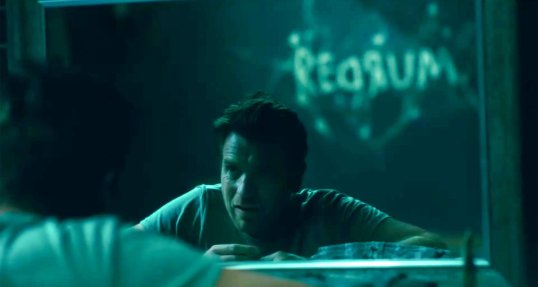
Doctor Sleep (2019, dir by Mike Flanagan)

Ranking The Films of Quentin Tarantino


Since Today is Quentin Tarantino’s 57th birthday, I figured this would be a good time to rank the ten films that he’s directed so far!

Please note that I have not included things like Natural Born Killers, True Romance, Four Rooms, Sin City, or those episodes of CSI and ER on the list below.  These are just the feature films that Tarantino has directed.

So, without further ado, for worst to best, here are the ten film of Quentin Tarantino:
10) The Hateful Eight (2015)

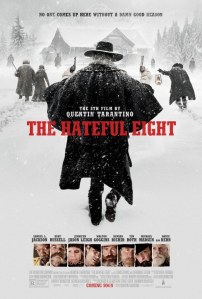
The Hateful Eight is one of those films that people either seem to love or hate.  I personally think that it’s the one Tarantino film in which QT truly stepped over the line and became a parody of himself.  From the punishing run time to the lengthy “chapters” that went nowhere to the overwritten dialogue that read more like someone trying to write like Tarantino than Tarantino himself, The Hateful Eight is my least favorite of his films.  For me, the final straw was when — after already having forced audiences to endure two and half hours of this film — Tarantino stopped the action completely for a totally unnecessary flashback that apparently only existed so Tarantino could work in a Zoe Bell cameo.
9) Death Proof (2007)

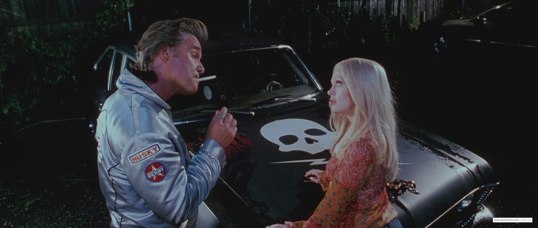
Oh, Death Proof.  I really liked Death Proof the first time that I saw it but whenever I’ve tried to rewatch it, it’s been a struggle to get through it.  Yes, Kurt Russell is great as Stuntman Mike and, unlike her previously mentioned cameo in The Hateful Eight, Zoe Bell is a welcome addition to Death Proof‘s ensemble.  But oh my God, why doesn’t the film just start in Tennessee?  Why do we have to suffer through all of that crap in Austin?
8) Kill Bill: Volume One (2003)

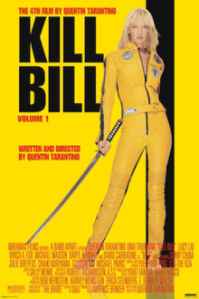
Now, it may seem like I’m ranking the first volume of Kill Bill fairly low on the list but you have to understand that, as far as I’m concerned, Tarantino has only made two bad films.  Kill Bill: Volume One is an exciting thriller and it not only features Uma Thurman at her best but it also has some of the best and most energetic fight scenes of all time.  If Kill Bill: Volume One seems ranked low, it’s just because it has some truly tough competition to deal with.
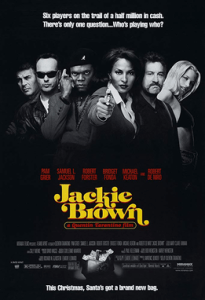
 

7) Jackie Brown (1997)

The first time I saw Jackie Brown, I thought it was a bit too slow and I guess I didn’t really “get” it.  As I’ve gotten older, I’ve come to better appreciate this surprisingly low-key and rather sad film.  Jackie Brown features Tarantino in the type of contemplative mood that he wouldn’t really return to until making Once Upon A Time In Hollywood.
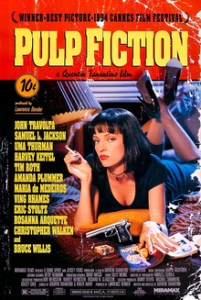
6) Pulp Fiction (1994)

One of the most influential films ever made, Pulp Fiction was not only the first of Tarantino’s first film to be nominated for an Oscar but it was also his first film to truly establish that his filmography takes place in its own separate, pop culture-centered universe.  If there’s anything that’s keeping Pulp Fiction from being listed higher, it’s the painfully self-indulgent taxi cab conversation between Bruce Willis and Angela Jones and Quentin Tarantino’s own terrible cameo as Jimmy, the casually racist homeowner.  That said, this is still one of the most — if not the most — essential film for the 90s.  If you want to understand that decade, you have to watch Pulp Fiction.
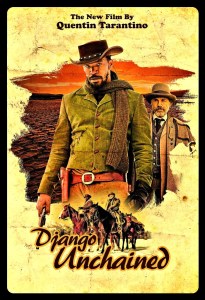
5) Django Unchained (2012)

Despite the fact that it features one of Leonardo Di Caprio’s worst performances (I know I’m the only one who thinks that), Django Unchained is still Tarantino at his most provocative and angry.  After decades of Hollywood films that attempts to explain away the history and legacy of slavery or that suggested that racism could easily be overcome, Tarantino and Django stepped up to say, “Fuck that.”  While the film received a lot of attention for its violence, I think it revealed that Tarantino is an artist with a conscience.  When Christoph Waltz speaks against the evils of slavery, it’s obvious that he’s speaking for Tarantino as well.  In much the same fashion of 12 Years A Slave (which would come out a year later), Django Unchained doesn’t flinch away from showing the horrors of slavery.
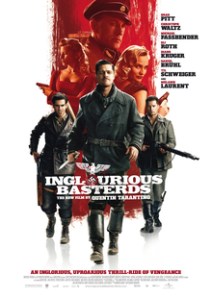
4) Inglourious Basterds (2009)

With Inglourious Basterds, Tarantino showed how art could be used to fix history’s mistakes.  In reality, many of the leaders of Nazi Germany escaped justice by committing suicide.  In Inglourious Basterds, they get blown away by a group of Jewish soldiers.  The film itself features some of Tarantino’s best set pieces and one of his best casts.  Despite the film’s length, this is also one of the few Tarantino films where there’s not a single scene that you can look at and say, “Well, that could have been cut.”  For once, every minute of the run time is needed to tell the film’s story.  Christoph Waltz became the first actor to win an Oscar for appearing in a Tarantino film.

3) Kill Bill: Volume Two (2004)

The Kill Bill saga concludes in grand fashion in Kill Bill: Volume Two.  For all of the fights and the violence, this film is more about accepting the consequences of your actions.  Uma Thurman and David Carradine give great performances but the heart of the film belongs to poor Michael Madsen, sitting in his trailer and waiting for justice to come and get him.  The scene where Thurman digs herself out of her grave is a justifiable classic and the final confrontation between Carradine and Thurman is Tarantino at his best.
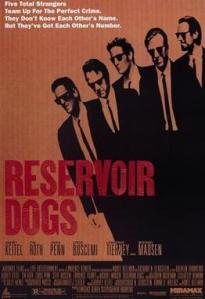
2) Reservoir Dogs (1992)

Tarantino’s debut film is still one of the most exciting and, in it’s way, funniest crime films ever made.  Every line is quotable.  Every performance is perfect.  Every song on the soundtrack is perfectly selected.  Who can forget Harvey Keitel’s incoherent scream of pain as he realizes that he’s been betrayed?  Personally, I just hope Mr. Pink escaped with the diamonds.


1) Once Upon A Time In Hollywood (2019)

Tarantino’s latest film is also his best, a love letter to the movies and the actors whose legacies live on in his own films.  For all the criticism that the film took for Margot Robbie’s lack of dialogue, her performance as Sharon Tate is the perfect epitome of everyone’s fantasy of what Hollywood was like in the years before the Manson murders made everyone lock their doors.  Leonardo Di Caprio and Brad Pitt are perfectly cast as Rick and Cliff and the film’s finale may be bloody but, at the same time, it corrected history in much the same way that Inglorious Basterds did.  By the end of the film, Rick Dalton knows that he’ll probably never be as big of a star as he could have been but at least he’s made some new friends.  He’s been accepted, in much the same way that a somewhat dorky former Hollywood video store clerk was eventually accepted by a film industry that, at first, wasn’t sure what to make of him.

Happy birthday, Quentin Tarantino!
4 Shots From 4 Spike Lee Films: Summer of Sam, 25th Hour, Oldboy, Da Sweet Blood of Jesus


4 Shots From 4 Films is just what it says it is, 4 shots from 4 of our favorite films. As opposed to the reviews and recaps that we usually post, 4 Shots From 4 Films lets the visuals do the talking!

Today is Spike Lee’s 63rd birthday and you know what the means.  It’s time that we honor one of American cinema’s greatest provocateurs with….

4 Shots From 4 Films

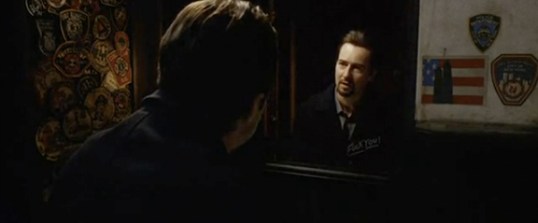
Summer of Sam (1999, dir by Spike Lee)

25th Hour (2002, dir by Spike Lee)

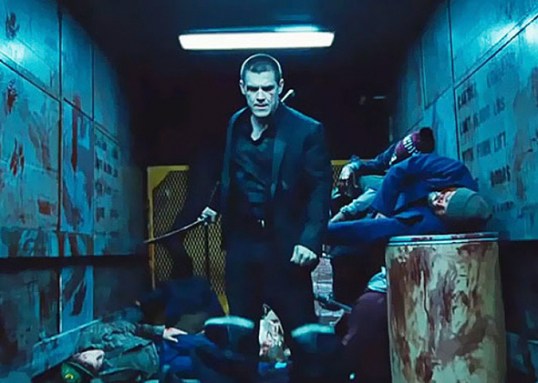
Oldboy (2013, dir by Spike Lee)

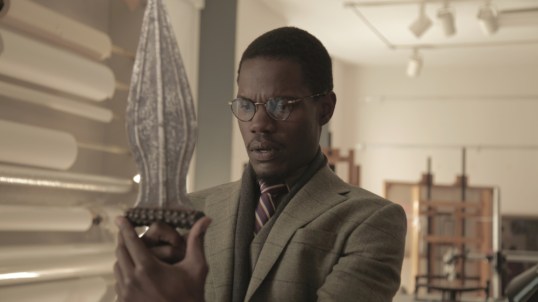
Da Sweet Blood of Jesus (2014, dir by Spike Lee)

4 Shots From 4 Films: Special David Cronenberg Edition


4 Shots From 4 Films is just what it says it is, 4 shots from 4 of our favorite films. As opposed to the reviews and recaps that we usually post, 4 Shots From 4 Films lets the visuals do the talking!

Today, we wish a happy birthday to one of the greatest Canadian filmmakers of all time, David Cronenberg!  Cronenberg is not only one of the best directors to come out of Canada but he’s also a favorite of those of us here at the Shattered Lens as well.  Just check out Arleigh’s review of Eastern Promises, for example.

In honor of a great artists’s birthday, here are….

4 Shots From 4 David Cronenberg Films

The Brood (1979, dir by David Cronenberg)

Scanners (1981, dir by David Cronenberg)

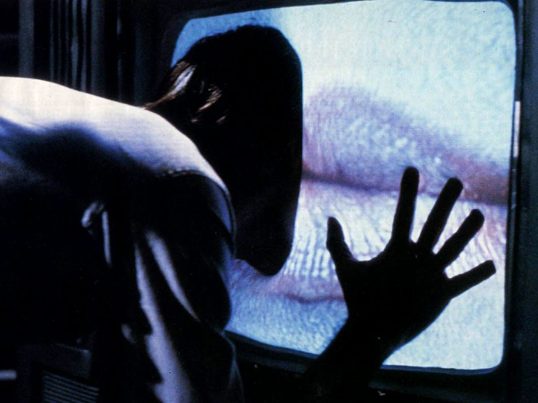
Videodrome (1983, dir by David Cronenberg)

existenz (1999, dir by David Cronenberg)

4 Shots From 4 Ania Pieroni Films: Inferno, The House By The Cemetery, Tenebre, Fracchia vs Dracula


Today is the birthday of Italian actress Ania Pieroni.

You may not recognize the name but, if you’re a fan of Italian horror, chances are that you’ve seen Ania Pieroni at least once.  Even though she only has 11 credits listed on the imdb and apparently made her last film over 30 years ago, Ania Pieroni achieved screen immortality by playing key roles in three of the greatest Italian films ever made.

In Dario Argento’s Inferno, she was the first actress to play the mysterious Mother of Tears.

In Lucio Fulci’s The House By The Cemetery, she played the mysterious housekeeper and nanny who, in one of the film’s most memorable scenes, nonchalantly mops up a huge pool of blood before subsequently losing her head in the house’s basement.

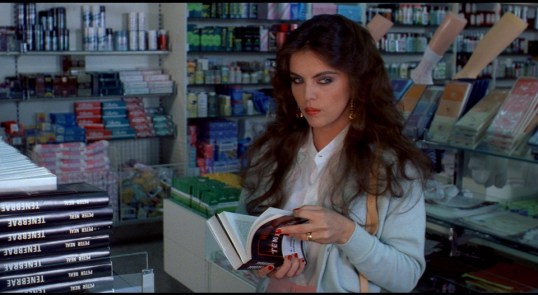
And then, in Argento’s Tenebre, she played the unfortunate shoplifter who pays a steep price for not paying for Peter Neal’s latest novel.

Today, the Shattered Lens wishes a happy birthday to Ania Pieroni with….

4 Shots From 4 Films

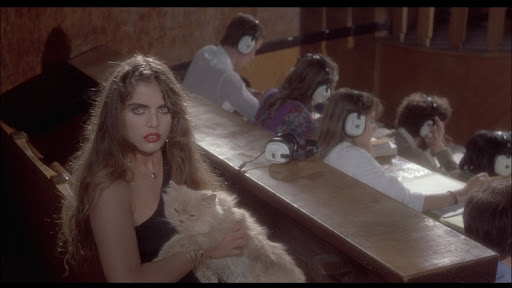
Inferno (1980, dir by Dario Argento)

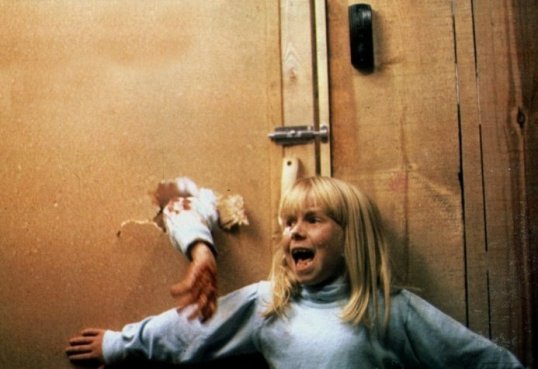
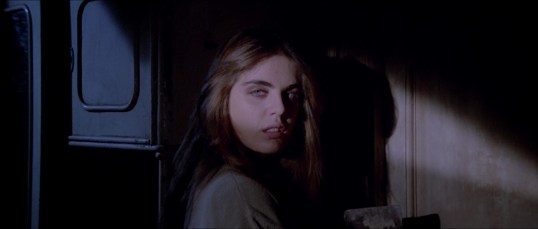
The House By The Cemetery (1981, dir by Lucio Fulci)

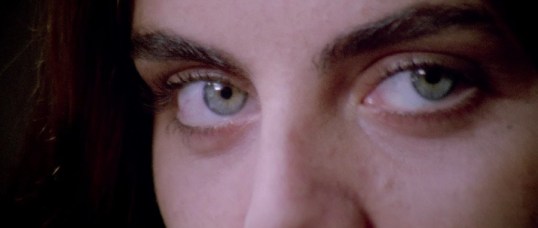
Tenebre (1982, dir by Dario Argento)

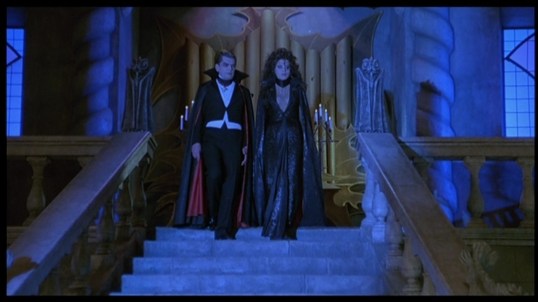
Fracchia vs Dracula (1985, dir by Neri Parenti)

4 Shots From 4 Elizabeth Taylor Films: A Place In The Sun, Suddenly Last Summer, Boom!, Night Watch


4 Shots From 4 Films is just what it says it is, 4 shots from 4 of our favorite films. As opposed to the reviews and recaps that we usually post, 4 Shots From 4 Films lets the visuals do the talking!

Today is the birthday of one of the greatest films stars ever, Elizabeth Taylor!  And you know what that means.  It’s time for….

4 Shots From 4 Elizabeth Taylor Films

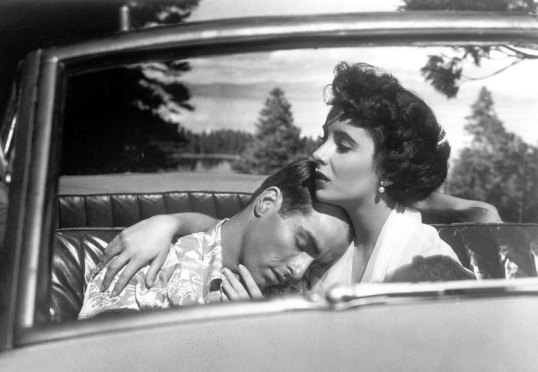
A Place in the Sun (1951, dir by George Stevens)

Suddenly, Last Summer (1959, dir by Joseph L. Mankiewicz

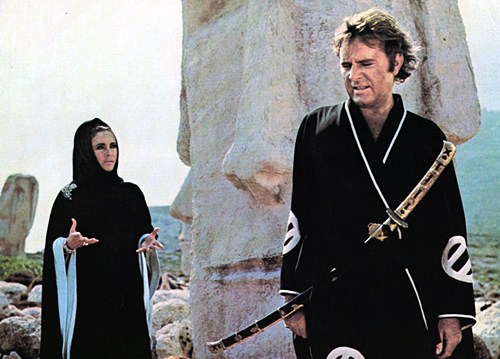
Boom! (1968, dir by Joseph Losey)

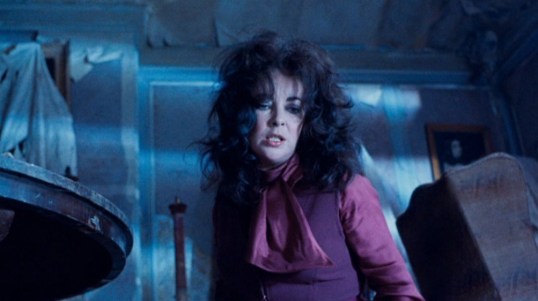
Night Watch (1973, dir by Brian G. Hutton)

4 Shots From 4 Paul Morrissey Films: Chelsea Girls, Trash, Blood For Dracula, Mixed Blood


4 Shots From 4 Films is just what it says it is, 4 shots from 4 of our favorite films. As opposed to the reviews and recaps that we usually post, 4 Shots From 4 Films lets the visuals do the talking!

Today, the Shattered Lens wishes a happy 82nd birthday to the one and only Paul Morrissey!

Though he may not be as well known as some of his contemporaries, Paul Morrissey is one of the godfathers of independent film.  He first came to notice as a collaborator of Andy Warhol’s.  Morrisey’s first films were shot at the Factory and starred the members of Warhol’s entourage.  At a time when the indie film scene barely even existed, Morrissey was making boldly transgressive films and distributing them largely on his own.  In fact, it could probably be argued that, if not for Paul Morrissey, the American independent film scene would never have grown into the impressive artistic and financial force that it is today.

There’s always been some debate over how much influence Warhol had over Morrissey’s films.  Morrissey has always said that Warhol had next to nothing to do with the films, beyond occasionally taking a producer’s or a co-director’s credit.  Others have disagreed.  What can be said for sure is that, even after Warhol retreated from directly involving himself in the cinematic arts, Morrissey continued to make fiercely independent films.

Paul Morrissey made films about outsiders.  While other directors were telling stories about the middle and upper classes, Morrissey was making movies about junkies, prostitutes, and people simply trying to make it from one day to another.  His films also frequently satirized classic Hollywood genres.  In fact, his two best-known films, Flesh for Frankenstein and Blood for Dracula, not only satirized the old Universal horror films but also the Marxist-themed films being made in Europe.  A devout Catholic and a political conservative, Morrissey took a particular delight in tweaking the left-wing assumptions of the counterculture.  Who can forget Joe Dallesandro’s gloriously shallow revolutionary in Blood for Dracula?

Here are….

4 Shots From 4 Paul Morrissey Films

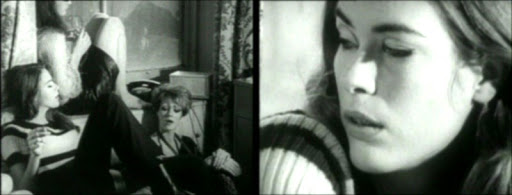
Chelsea Girls (1966, dir by Paul Morrissey and Andy Warhol)

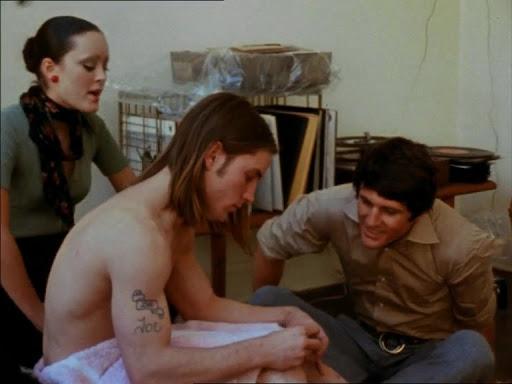
Trash (1970, dir by Paul Morrissey)

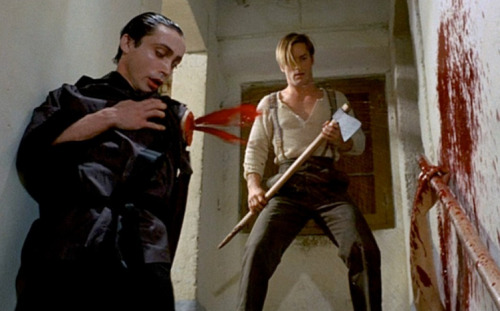
Blood For Dracula (1974, dir by Paul Morrissey)

Mixed Blood (1984, dir by Paul Morrissey)

4 Shots From 4 Luis Buñuel Films: Illusions Travels By Streetcar, The Exterminating Angel, Simon of the Desert, Belle de Jour


4 Shots From 4 Films is just what it says it is, 4 shots from 4 of our favorite films. As opposed to the reviews and recaps that we usually post, 4 Shots From 4 Films lets the visuals do the talking!

Today is the 120th birthday of the great Spanish surrealist filmmaker, Luis Bunuel!  Continuing the tradition that we’ve just started here at the Shattered Lens, that means that it is now time for….

4 Shots From 4 Luis Buñuel Films

(This post, I should add, was a true pleasure to put together because Luis Buñuel is truly one of the most visually inspiring directors of all time.  If you haven’t seen a Luis Buñuel film, 2020 is the perfect year to discover him!)

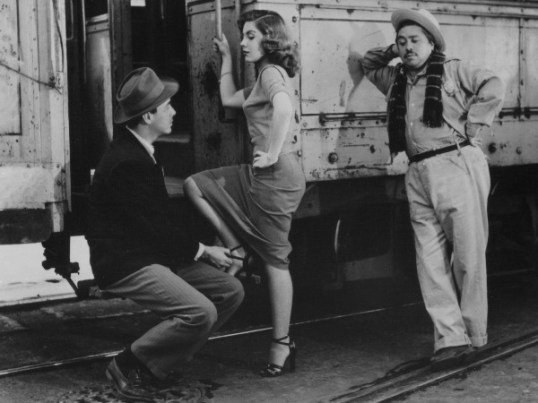
Illusion Travels By Streetcar (1954, dir by Luis Buñuel)

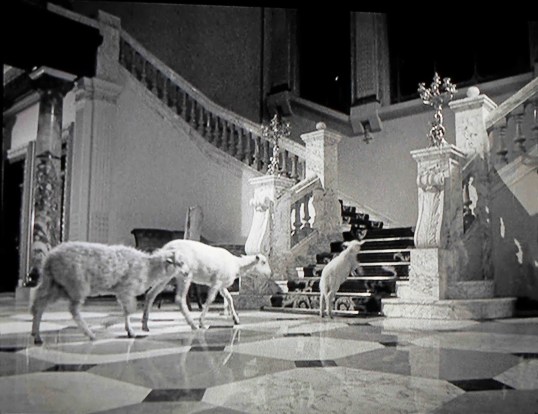
The Exterminating Angel (1962, dir by Luis Buñuel)

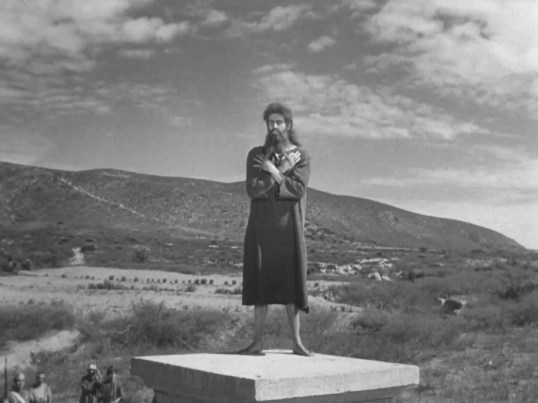
Simon of the Desert (1965, dir by Luis Buñuel)

Belle de Jour (1967, dir by Luis Buñuel)

Here Are The Oscar Winners!


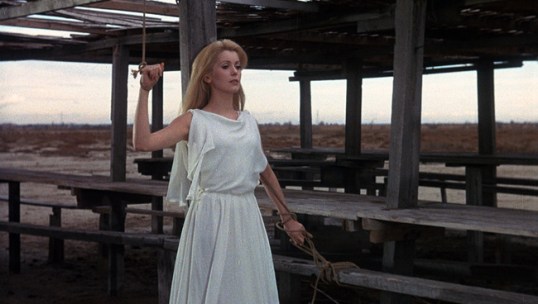
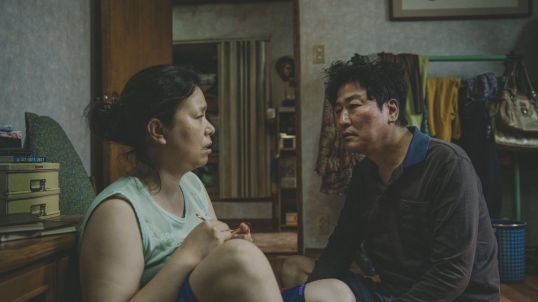
Best Picture — Parasite

Best Director — Bong Joon-ho for Parasite

Best Actor — Joaquin Phoenix, Joker

Best Actress — Renee Zellweger, Judy

Best Supporting Actor — Brad Pitt, Once Upon A Time In Hollywood

Best Supporting Actress — Laura Dern, Marriage Story

Best Original Screenplay — Parasite

Best Adapted Screenplay — JoJo Rabbit

Best Animated Feature Film — Toy Story 4

Best International Feature Film — Parasite

Best Documentary Feature Film — American Factory

Best Documentary Short Subject — Leaning to Skate In A Warzone (If You’re A Girl)

Best Live Action Short Subject — The Neighbors’ Widow

Best Animated Short Film — Hair Love

Best Original Score — Joker

Best Original Song — Rocketman

Best Sound Editing — Ford v Ferrari

Best Sound Mixing — 1917

Best Production Design — Once Upon A Time In Hollywood

Best Cinematography — 1917

Best Makeup and Hairstyling — Bombshell

Best Costume Design — Little Women

Best Editing — Ford v Ferrari

Best Visual Effects — 1917

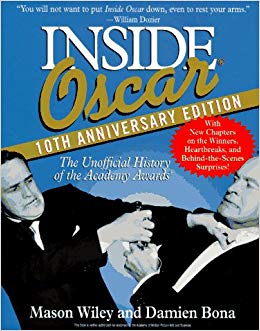
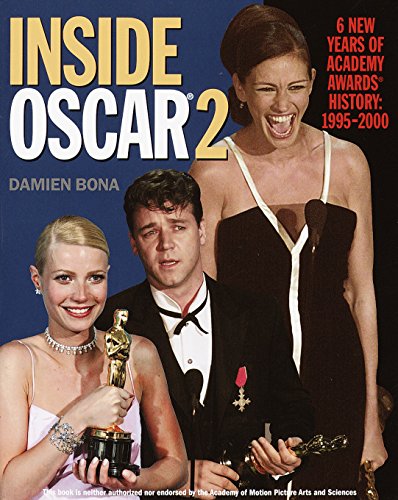
Book Review: Inside Oscar by Mason Wiley and Damien Bona and Inside Oscar 2 by Damien Bona


If you’re an Oscar fanatic or if you’re just a film lover who thinks that the Oscars are a joke, these are two books that you simply have to have.

As you can probably tell from the titles, Inside Oscar and Inside Oscar 2 are all about the Academy Awards.  Inside Oscar starts with the founding of the Academy and ends with the 1994 Oscar ceremony.  Inside Oscar 2 picks up with the 1995 ceremony and takes us through the year 2000.  The books were written by two Oscar fanatics and, as a result, it contains just about every bit of trivia that you could hope to find about the Academy, the Oscars, and Hollywood during the previous century.  (Unfortunately, both Mason Wiley and Damien Bona have passed away so we probably won’t be getting an Inside Oscar 3.)  The books contain not only every detail that you could possibly want about the ceremonies themselves, they also touch on what was going on in America and the rest of the world during each year.  For example, it’s quite interesting to read about how different the 1958 Academy Awards ceremony was to the 1968 ceremony.  (Essentially, in 1968, longtime Oscar host Bob Hope made a joke about the ceremony being moved back a few days out of respect for the recently assassinated Martin Luther King, Jr.  For the first time in Oscar history, the audience booed one of the host’s jokes.)  As a result, Inside Oscar and its sequel aren’t just books about Hollywood.  In their way, they also serve as an examination of the ever changing cultural and political landscape of the United States.

It’s not just the books are full of snarky details, though they are.  It’s also that the books serve as a great reference to the history of the Oscars.  In the appendixes, you’ll find every year’s list of nominees, some genuinely interesting trivia, and — perhaps most importantly — a list of notable films (and, in some years, songs) that were not nominated.  As you might guess, it’s those lists of unnominated films that I find especially interesting.  Every year, some very good films are ignored by the Academy.  That was true in the past and it’s true in the present and it will probably continue to be true in the future.

Taken together, Inside Oscar and Inside Oscar 2 are the two best reference books out there for film lovers like you and me.