Today’s horror song of the day comes to us from John Carpenter. Best-known as a director, Carpenter is also an accomplished musician and composer who is responsible for some of the most iconic horror themes of all time. Today, we offer you the main theme from his 1980 film, The Fog.
As I’m sure you have guessed, there will be more Carpenter songs in the days ahead.
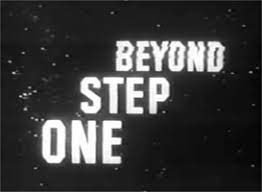
On tonight’s episode of One Step Beyond, a man suspects that his best friend is having an affair with his fiancee. What better way to take care of the problem than by leaving his friend to die on the side of a mountain?
It seems like the perfect crime and the man might get away with it …. but only if he can do something about the ghost who seems to be stalking him in the days leading up to his wedding!
As always, this is supposedly based on a true story.
A group of hikers decide to take a walk through the hills of Ireland. Things do not go well. First, one hiker is injured in an accident. Then the other hikers ignore a “No Trespassing” sign while looking for help and end up being stalked and targeted by a the people living on the land. The hikers have no one to blame but themselves. If you look through your binoculars and see someone wearing a skull mask and carrying a rifle, that should be enough to make you turn around.
The story is basic and the characters are poorly drawn but the Irish landscape is stunning, even when people are fighting for their lives. The budget is low and there are more than a few scenes where you can see the blood squibs under everyone’s clothes before their shot. If you can overlook or forgive that, Hillwalkers is occasionally suspenseful and it has enough action to appeal to thriller fans. This is a standard city folks vs country folks movie and there’s nothing surprising about it but it does a good job of showing why it’s best to stay on the approved path while hiking. Pay attention to those warning signs. They’re there for a reason!
Since today’s horror on the lens was the original Nosferatu, it feels appropriate that today’s scene of the day should come from Werner Herzog’s 1979 remake. In this scene, Lucy (Isabella Adjani) observes firsthand the madness that has come to the town of Wismar, along with the vampire and ship full of plague-carrying rats. While the people of the town have a last supper and celebrate their impending doom, Lucy tries to figure out a way to save them from Klaus Kinski’s Dracula.
This scene is a perfect example of how the director of a remake can both pay respectful homage to his source material while also bringing his own concerns to the story.
Handling The Undead opens, as many Norwegian films tend to do, with a shot of an overcast sky, an ugly apartment complex, and a forest that appears to be submerged in shadows. From the opening shots, it’s a depressing film. Again, that won’t come as a surprise to anyone who has ever watched a Norwegian film.
Three families are dealing with death. A woman has buried her young son and is now struggling not only with her grief but also her loving but overbearing father, whose attempts to make her feel better have the exact opposite result. An old woman’s longtime spouse lies in a coffin, having not yet been put back into the Earth. A woman is rushed to a hospital after an automobile accident and is not expected to live.
At night something happens. The lights turn off. Static is heard on every radio. When the lights come back, so do the dead. The grandfather hears his grandson wheezing and beating on his coffin and promptly digs him up. The old woman’s spouse climbs out of her coffin on her own and returns to the home where she lived for decades. The car accident victims opens her eyes and is alive, even though the doctor say that her heart is not beating rapidly enough to sustain life. While the local authorities try to figure out why the dead have come back to life and to try to keep track of where they’ve all gone, their relatives spend one more day with their loved ones.
The problem is that dead may be alive but they’ve come back as silent and unemotional empty shells. They seem to have a slight memory of their former lives but they don’t react to anything in a normal way. Instead, they stare straight ahead. The child has already started to decay and his return brings no happiness to his mother. In fact, there’s not much happiness to be found anywhere in Handling the Undead. One gets the feeling that even Ingmar Bergman would want to tell this film to lighten up.
Handling the Undead unfolds at a leisurely pace. There are a few creepy scenes but, for the most part, the horror comes from what we’re expecting the zombies to do than what we actually see them do. Everyone watching the movie knows what is eventually going to happen with the zombies. We know that eventually, the undead will attack the living. Handling the Undead, however, is more concerned with how the living would react to the dead than how the dead will eventually destroy the living. There’s very little dialogue and every scene is darkly lit and full of shadows. The majority of the characters hope that the returned dead will act like their old selves but they soon discover that they can’t go back to the way things once were. It’s an intelligent film about how we grieve and deal with loss.
That said, it’s also a rather dull film. It’s a deliberately boring film and, at times, it’s low-key approach feels almost as gimmicky as the blood and guts that can be found in more traditional zombie films. Stretched out to 90 minutes, the running time feels like an endurance test. And again, that’s probably what the filmmakers were going for but it doesn’t make the film any easier to sit through. When one reaches the end of a 90-minute film that is this purposefully slow, one has the right to expect more of an emotional or intellectual payoff than this film provides. This is a film that I can grudgingly respect but it’s not something that I’ll ever watch again.
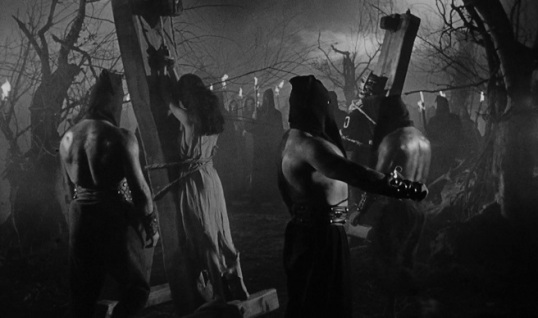
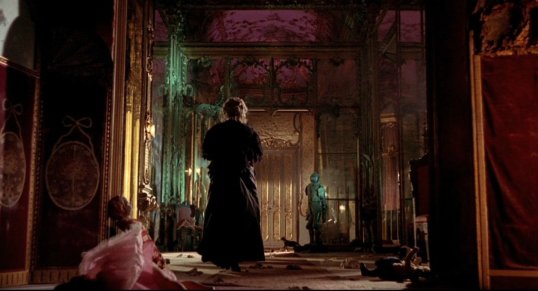
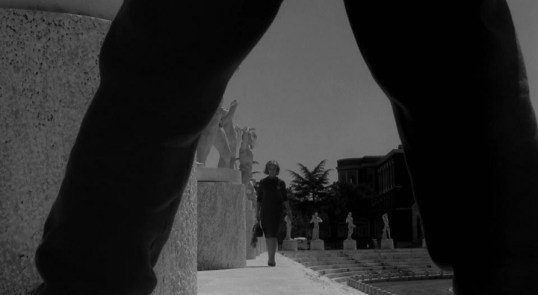
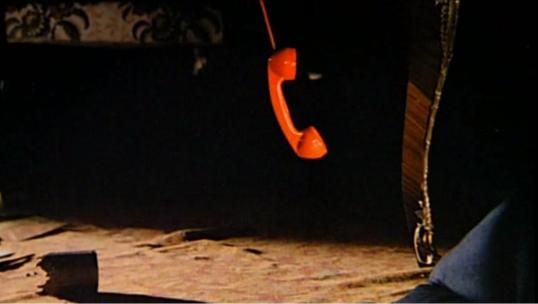
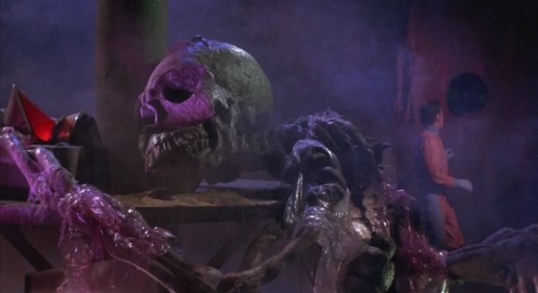
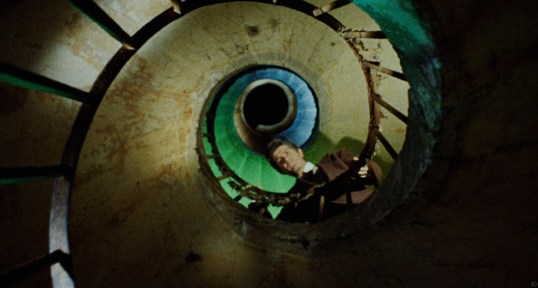
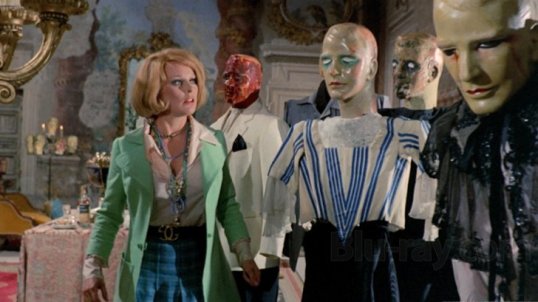
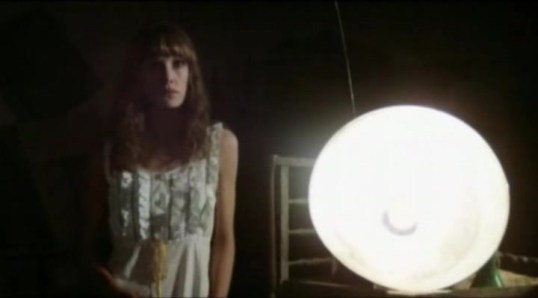
4 Shots From 4 Films is just what it says it is, 4 shots from 4 of our favorite films. As opposed to the reviews and recaps that we usually post, 4 Shots From 4 Films is all about letting the visuals do the talking.
Today’s director in Lamberto Bava, one of the most underrated directors in the history of Italian horror cinema.
4 Shots From 4 Lamberto Bava Films
Macabre (1980, dir by Lamberto Bava, DP: Franco Delli Colli)
A Blade In the Dark (1983, dir by Lamberto Bava, DP: DP: Gianlorenzo Battaglia)
Demons 2 (1986, dir by Lamberto Bava, DP: Gianlorenzo Battaglia)
Delirium (1987, dir by Lamberto Bava, DP: Gianlorenzo Battaglia)