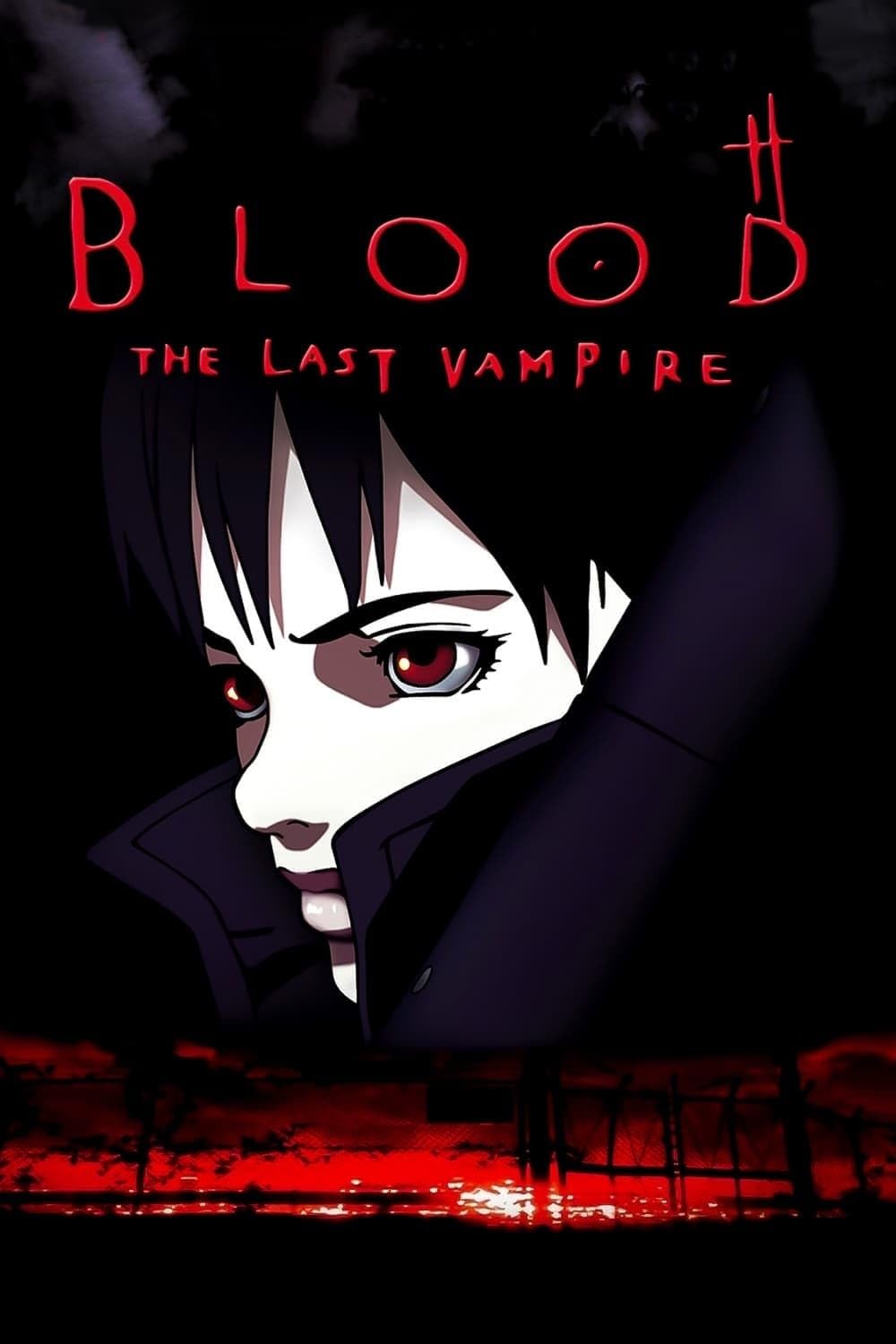
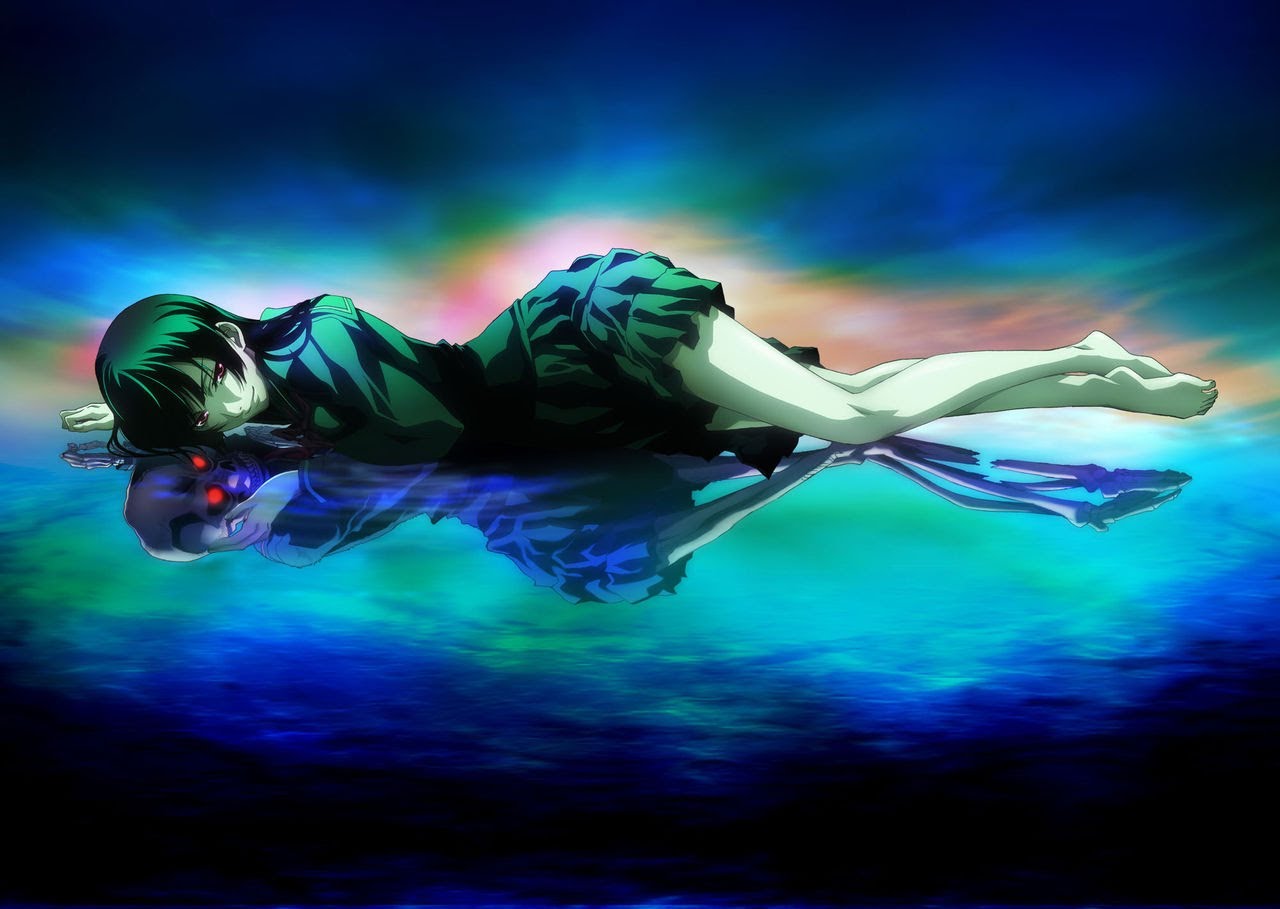
In 2000, Blood: The Last Vampire made quite an impact as a visually stunning and atmospherically intense anime horror film. It expertly combines military tension with supernatural thrills in a compact, sharply executed story. Directed by Hiroyuki Kitakubo and produced by Production I.G, this film helped define the vampire-action subgenre by delivering a haunting tale that’s as much about loneliness and identity as it is about monster hunting.
The story unfolds in 1966 at the Yokota U.S. Air Base in Japan, a setting infused with Cold War anxiety and the looming shadow of the Vietnam War. You follow Saya, a seemingly ordinary schoolgirl with a dark secret: she’s been enlisted by a secretive agency to hunt down bloodthirsty chiropterans—demons disguised as humans. Saya isn’t your typical vampire; she’s the last of her kind, wielding a katana with deadly precision while carrying the heavy burden of her immortal existence. Her cold, detached demeanor makes her an intriguing character, caught between humanity and monsterhood.
One of the film’s standout features is its incredible art and animation. Production I.G used a mix of traditional hand-drawn animation and early CGI to create a look that’s both detailed and immersive. In fact, James Cameron was an early fan, admiring the film’s innovative blend of 2D and 3D animation techniques that pushed technological boundaries to craft a visually striking experience. The backgrounds—military bases, grim hallways, and moody night scenes—feel tangible, while the fluid movements of the characters add grit and weight to every action sequence. The colors are muted but striking, with shadows dominating the frame and bold splashes of red that echo classic horror imagery.
While watching Blood: The Last Vampire, one can also spot clear influences from Western vampire horror, especially the live-action film Blade, which came out a few years prior, and the TV series Buffy the Vampire Slayer. The character of Saya shares traits with Buffy— a young, powerful woman wrestling with her role as a vampire hunter—melding gothic sensibilities with modern action heroine tropes. Director Hiroyuki Kitakubo has acknowledged in interviews that such Western influences, along with classic vampire literature like Dracula, shaped the film’s tone and character design. This fusion creates a uniquely cross-cultural vampire narrative that appeals broadly.
When it comes to horror, Blood goes for a raw, physical kind of fear rather than romanticized gothic vibes. Its monsters are grotesque and disturbing, bristling with sharp teeth and distorted faces. The fight scenes are swift and brutal, with blood sprayed in a way that’s more artful than gratuitous. The film wastes no time with filler; each moment serves to ramp up tension or deepen the mystery.
Saya herself is surprisingly well developed for such a short film. Her isolation and internal conflict give her depth beyond standard vampire tropes. You can sense the loneliness beneath her impassive exterior, along with a kind of weariness about her role as predator. Though the film leaves plenty unsaid, it effectively uses these shadows in the story to hint at a broader tragedy driving Saya on.
However, the film does have its drawbacks. Clocking in under 50 minutes, its brevity feels like a hindrance. The story’s short runtime leaves many threads underexplored, especially the wider world-building and deeper character background that fans of such a rich universe might crave. Some may find the pace hurried, with the narrative skimming over potentially fascinating lore and emotional beats. Additionally, Blood: The Last Vampire was mostly voiced in English, a decision by Production I.G. aimed at making the film more accessible to Western audiences. However, the English voice acting can be hit or miss, which may become distracting for anime viewers who prefer mostly Japanese voice acting with English subtitles.
Despite these flaws, the film’s soundtrack remains atmospheric and effective, supporting tension without overwhelming the visuals. The mix of Japanese and English dialogue fits the multicultural military setting, even if some performances falter.
Importantly, Blood: The Last Vampire served as a critical gateway for Western audiences at a time when anime was predominantly known through late-night broadcasts of child-friendly series like Sailor Moon and Dragon Ball Z. As one of the few adult-themed, violent anime films to achieve mainstream success in the West, it opened the door for a wider acceptance of mature anime stories. This paved the way for major franchises such as Attack on Titan and Demon Slayer, which have become some of the biggest and most influential anime series worldwide over the last 25 years.
Over time, Blood: The Last Vampire has gained a devoted cult following and inspired sequels like Blood+ and Blood-C, as well as live-action adaptations. Yet few have matched the original’s moody atmosphere and stylistic innovation.
All in all, Blood: The Last Vampire is a memorable and gripping piece of horror anime. It skillfully blends postwar unease, body horror, and existential themes into a sleek, powerful package that leaves a lasting impression. Whether you’re a fan of vampire tales, Japanese gothic horror, or intense animated action, this film proves that you don’t need hours to make a horror classic. It’s short, sharp, and packs a serious punch. It may not have delivered on every narrative promise, but its innovative visuals and haunting tone secure it as a must-watch for genre enthusiasts.
“In desire and dread, horror reveals fragile moral boundaries.”
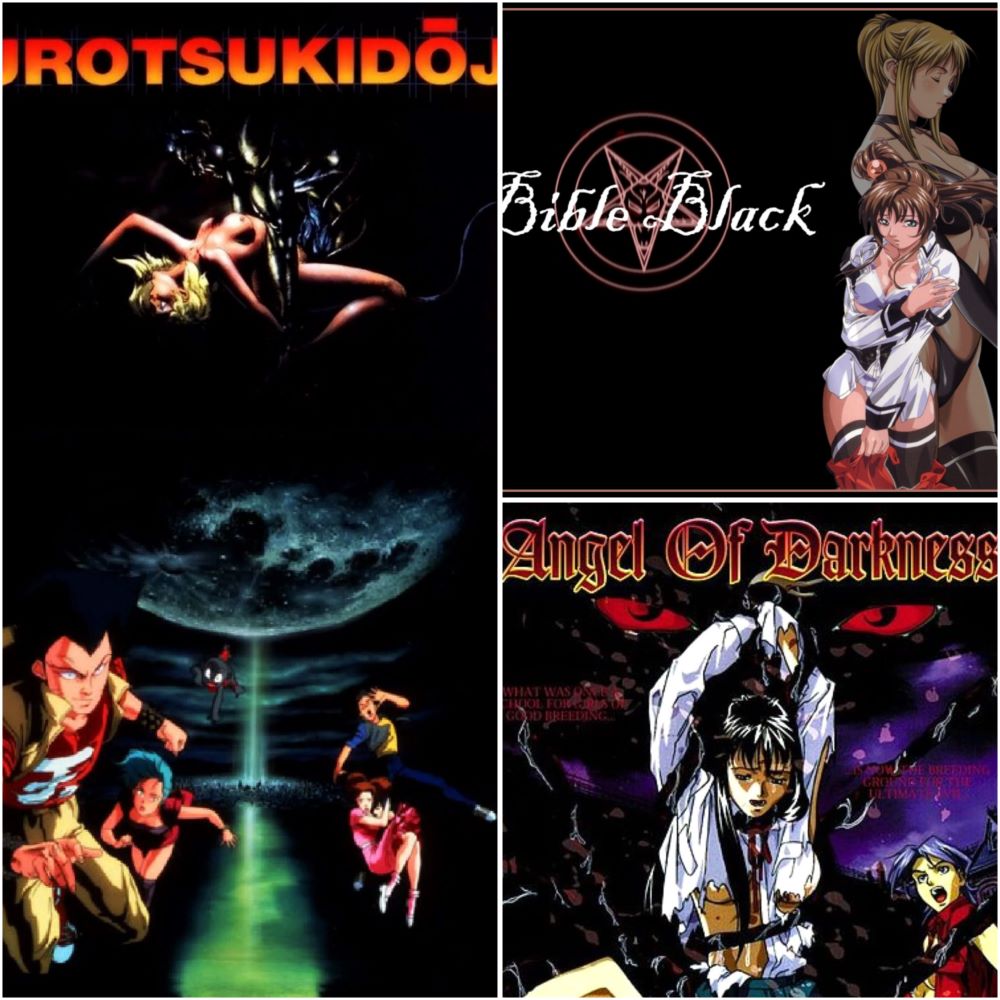
Hentai, as a genre of adult anime and manga, often explores sexuality in ways that push boundaries and traverse taboo territory. Within hentai, the subgenre of horror hentai stands apart for its unsettling blend of explicit sexual content and graphic violence, creating a distinctly disturbing atmosphere that extends beyond simple eroticism. Iconic titles such as Urotsukidoji, Angel of Darkness, and Bible Black exemplify the dark eroticism where sexuality is woven tightly with terror, gore, and supernatural dread, evoking both fascination and horror in audiences.
These works represent a period in hentai anime history when the medium evolved beyond mere explicit content into a form that combined high-quality animation with rich, complex narratives. Early pioneers like Urotsukidoji brought innovative animation techniques and layered storytelling, blending apocalyptic mythology with intense eroticism and horror. Similarly, Angel of Darkness explored psychological and existential themes within a darkly atmospheric boarding school setting, while Bible Black infused occult horror with morally complex character dynamics and ritualistic narratives. This golden era reflected a moment when hentai was capable of delivering mature, multi-dimensional stories alongside its adult themes.
However, as the hentai industry expanded and commercial pressures intensified, there was a growing shift toward quick production and profit-driven projects. Many recent works have sacrificed the intricate narrative structures and animation quality for formulaic, episodic content designed for rapid consumption. The loss of this narrative depth has diminished horror hentai’s ability to engage audiences emotionally and intellectually, making classic works all the more significant for their artistic ambition.
This analysis explores the crucial role sex and violence play in crafting horror hentai’s unique atmosphere by examining Urotsukidoji, Angel of Darkness, and Bible Black, while also reflecting on the medium’s evolution and the cultural contexts that shape these narratives.
The Fusion of Horror and Eroticism in Hentai
Horror hentai is distinctive because it merges two primal human experiences: desire and fear. Unlike conventional pornography or horror, it uses sex and violence symbiotically, each intensifying the impact of the other. The explicit sexual acts are far from mere titillation; they embody power dynamics, bodily autonomy violations, and often supernatural corruption. Violence is not a separate or accidental feature either, but deliberately intertwined—it amplifies the grotesque, shock, and transgressive qualities of the sexual content. This fusion creates an atmosphere charged with tension, vulnerability, domination, and degradation, engendering a complex emotional response that unsettles while captivating.
In horror hentai, sex often becomes a vehicle of horror itself—ritualistic, invasive, or monstrous. It evokes the taboo and the unnatural, shattering normative boundaries of consent, intimacy, and bodily sanctity. Violence, similarly, departs from mere physical harm and becomes symbolic of decay, corruption, and the invasion of the self. Together, they manifest the darkest aspects of human and supernatural experience, igniting dread and repulsion alongside erotic fascination. This duality is fundamental for horror hentai’s distinctive atmosphere.
Urotsukidoji: Apocalyptic Horror and Demonic Carnality
Urotsukidoji: Legend of the Overfiend (1987) stands as a landmark in horror hentai, merging apocalyptic mythology with hyper-sexualized violence. The story unites three overlapping worlds—the human realm (Ningenkai), the Demon World (Makai), and the Man-Beast World (Jūjinkai)—through the prophecy of the Chōjin or Overfiend, a godlike being destined to either unify or annihilate these realms. This cosmic setting is filled with grotesque demons, primal lust, and brutal power struggles, establishing a surreal and nihilistic horror atmosphere.
The plot focuses on Amano Jyaku, a sly and chaotic half-demon dispatched to Earth to find and protect the true Overfiend inhabiting the human teenager Tatsuo Nagumo. Nagumo’s ordinary college life—marked by voyeuristic tendencies and a turbulent romance with cheerleader Akemi Ito—collides violently with the supernatural. Akemi herself becomes a victim of monstrous sexual assaults by demons disguised as authority figures. Scenes of graphic rape and tentacle-based body horror fuse sexual transgression with violence, confronting moral boundaries and generating visceral horror.
Jyaku’s relationships with otherworldly beings, including his nymphomaniac sister Megumi and others, amplify the series’ themes of lust, corruption, and spiritual warfare. One poignant subplot involves Niki’s tragic transformation: under demonic influence, he self-mutilates for power, embodying the horror of humanity’s capitulation to hedonism and violence. Set against a decaying Osaka cityscape plagued by monstrous invasions and apocalyptic destruction, Urotsukidoji contrasts the banal and the terrible, heightening unease. The visual style’s vivid, brutal imagery escalates the horror, making sexual violence and grotesque bodily distortions emblematic of cosmic decay. The result is an immersive experience where apocalyptic dread, demonic carnality, and primal lust collide, producing a uniquely disturbing horror narrative rooted in both the supernatural and the deeply personal.
Angel of Darkness: Psychological and Existential Horror in a Girls’ Academy
Angel of Darkness (1994) crafts a deeply unsettling atmosphere of horror through its bleak, rain-soaked setting at Siren Academy, a secluded all-girls boarding school cloaked in mystery and shadow. The oppressive environment—with its dark hallways, forbidding chapel, and hidden underground basements—functions as a claustrophobic prison that accentuates the vulnerability and isolation of the characters. The pervasive stormy weather amplifies the tension, underscoring the darkness both physical and psychological that permeates the story.
The narrative centers on Atsuko Yoshikawa and Sayaka Matsumoto, two students whose secret love is fraught with danger, especially given the presence of Atsuko’s possessive older sister Yuko, a teacher tainted by jealousy and entangled in the sinister forces at the school. The introduction of Professor Goda, a young science teacher who becomes possessed by an ancient sex demon called the “Inju,” marks the descent into horror. This supernatural entity is unleashed after Goda breaks a mysterious stone seal beneath a large tree during a thunderstorm, allowing the Inju to inhabit his body and begin a reign of terror.
The school’s underground chapel becomes a horrifying locus of sexual assault and torture, as Goda and the cruel school director exploit the students to feed the Inju, who grows stronger by consuming the girls’ bodily fluids. This fusion of physical violation with demonic possession conveys a potent, symbolic horror of exploitation and corruption, intertwining the personal violation of the girls’ bodies with a cosmic, supernatural threat. Supporting this is the enigmatic figure Rom, a dark fairy-like presence whose role is ambiguous but undeniably ominous, adding a mythic and surreal layer to the nightmare that envelops the academy. The girls’ visible despair and alienation throughout the series reveal the pervasive psychological weight of the evil they endure, highlighting themes of loss, trauma, and shattered identity.
Plotlines featuring ritualistic sexual domination, possession, and brutal abuse map onto broader psychological and existential terrors. The story’s climax reveals the Inju’s plan to use Yuko’s body to birth a demonic female offspring, raising the stakes by entwining personal, familial betrayal with apocalyptic horror. Atsuko and Sayaka’s efforts to confront and halt this dark destiny are fraught with desperation and helplessness, deepening the emotional impact.
The explicit sexual violence depicted in Angel of Darkness is graphic and provocative, but it is employed narratively to symbolize the fracturing of selfhood and the encroachment of darkness into private, sacred spaces. Elements of Japanese folklore and supernatural horror—including tentacled demons, curses, and possession—infuse the work with a cultural resonance that heightens the uncanny and grotesque. Ultimately, Angel of Darkness balances supernatural horror with psychological realism, situating its explicit depictions of sex and violence within a tragic narrative of trauma, loss, and entrapment. Its atmospheric power lies in weaving bodily violation and possession into a story of existential despair, transforming the boarding school into a haunted prison where horror permeates every intimate moment.
Bible Black: Occult Horror within a School of Dark Desire
Bible Black (2001) blends occult horror with extreme sexuality inside a seemingly typical Japanese high school, subverting the safe, familiar setting with dark rituals and supernatural threats. Central is the titular grimoire, a forbidden tome enabling demonic spells and rituals that require sexual acts as conduits for power. The narrative follows Minako Suzuki, an initially naive student drawn into occult mysteries, alongside Reika Kitami, a manipulative sorceress wielding the Bible Black’s powers for deadly ends, and teacher Taki Minase, who becomes a possessed enforcer of dark magic. The school’s hidden chambers and secretive cults wrap the story in an atmosphere thick with dread and betrayal.
Sex scenes are inextricably linked to violence and domination, involving possession, forced rituals, and psychological torment. Victims are frequently coerced or overtaken by dark forces, reducing their bodies to battlegrounds where pleasure, pain, control, and horror merge. The series’ graphic depiction of rape and torture underscores themes of lost agency and creeping corruption. Juxtaposing everyday student life with nightly occult depravity creates a dissonance that intensifies the horror. Vivid animation accentuates shadows, magical transfigurations, and brutal acts, building a suffocating mood where normalcy is a fragile mask.
Bible Black ultimately explores the destructive fusion of forbidden knowledge, obsession, and corrupted desire. Its horror emerges from depicting the unraveling of morality and identity under the influence of occult lust and violence.
Ethical Themes: A Comparison of Moral Ambiguity and Taboo
While Urotsukidoji, Angel of Darkness, and Bible Black all employ sex and violence to generate a horror atmosphere, they explore distinct ethical themes that reflect varied understandings of morality, power, consent, and human nature. Urotsukidoji is steeped in cultural-specific moral ambiguity rather than clear distinctions of good and evil. Drawing from a mythic apocalyptic framework, the arrival of the Chōjin (Overfiend) symbolizes both destruction and potential transformation. The series portrays sexuality as a primordial, transformative force—sometimes destructive but essential within a cosmic order beyond human moral judgment. Characters like Amano Jyaku embody chaotic morality, acting as both protector and trickster, blurring the boundaries between right and wrong within spiritual and existential contexts. This moral ambiguity challenges Western sensibilities by embedding taboo sexual violence within a larger allegory of cosmic chaos and renewal.
In contrast, Angel of Darkness shifts the focus toward trauma, violation, and existential despair, emphasizing the intimate human impact of sexual violence and supernatural possession. The horror arises from the devastating effects of such abuses on identity, relationships, and hope within the closed sanctuary of Siren Academy. The series presents bodily and psychological violation as corrosive forces that undermine selfhood, while portraying love and loyalty as fragile bulwarks against overwhelming darkness. Unlike the cosmic ambiguity of Urotsukidoji or the power corruption in Bible Black, Angel of Darkness offers a tragic meditation on suffering and resilience, critiquing institutional predation and exploring the reverberations of trauma.
Bible Black explicitly foregrounds ethical concerns centered on corruption, consent, and the abuse of power. Sexual violence and occult rituals function as tools of manipulation, leading to spiritual degradation and loss of agency. The narrative depicts many sexual acts as violations—forced possession, ritual rape, and psychological torment—highlighting the consequences of unchecked desire and the destruction wrought by forbidden knowledge. The setting of a high school amplifies this tension by juxtaposing youthful innocence with predation and manipulation, resulting in a cautionary tale about power’s capacity to unravel morality and identity.
Together, these works form a spectrum of ethical inquiry: Urotsukidoji invites contemplation on transcultural notions of morality and cosmic destiny, Angel of Darkness humanizes horror through intimate trauma and victimhood, and Bible Black warns against abuses of power and corruption. Though all depict explicit sexual violence and horror, their ethical expressions diverge—ranging from mythic transcendence through taboo (Urotsukidoji), to reflection on suffering and care (Angel of Darkness), to condemnation of manipulation (Bible Black). This layered ethical complexity enriches their horror atmospheres, compelling audiences not only to recoil but to engage with profound questions of consent, power, and human fragility.
Japanese Cultural and Social Influence on Horror Hentai
The chilling atmospheres and provocative content of Urotsukidoji, Angel of Darkness, and Bible Black are deeply informed by specific cultural and social norms in Japan, shaping how sex, violence, and horror intertwine in ways distinct from Western media. These works reflect a nexus of traditional Japanese folklore, post-war societal anxieties, and cultural attitudes toward sexuality, taboo, and the supernatural.
Japanese horror broadly draws from centuries-old spiritual beliefs and folklore, including entities like yōkai (supernatural creatures), yūrei (vengeful spirits), and obake (shape-shifters), which frequently embody unresolved trauma, injustice, or societal imbalance. This foundation informs horror hentai’s supernatural elements, with demons, possession, and curses recurring as metaphors for spiritual and psychological disruption. For instance, Angel of Darkness’s “Inju” sex demon and its possession ritual can be linked to traditional concepts of spirit invasion accompanied by trauma and retribution, core to many classical Japanese ghost stories.
The pervasive theme of violated purity and corrupted innocence found in all three titles reflects the emphasis on purity and social conformity in Japanese culture, where public discussions of sexuality are often repressed or heavily mediated. Hentai’s graphic sexual content, juxtaposed with grotesque violence and supernatural horror, can be seen as transgressive responses to this repression—externalizing hidden desires, fears, and social taboos. This tension is especially apparent in Bible Black, set in a high school, where innocence and social order clash violently with occult corruption and sexual depravity.
Another culturally distinctive element is the motif of youthful or childlike characters, despite legal adult status, which taps into complex Japanese perspectives on age, purity, and desire. The repeated depiction of tentacle erotica—an iconic and controversial trope originating in Japan—exemplifies how fantastical, non-human sexual violence is used to bypass censorship and symbolize penetrating societal taboos about sexuality and violation. The grotesque yet metaphorical tentacle scenes in Urotsukidoji highlight this distinctly Japanese form of combining horror, eroticism, and fantasy.
Moreover, Japanese post-war history and rapid modernization have infused the country’s horror traditions with themes of trauma, alienation, and distrust of technological or institutional authority. This background resonates in Angel of Darkness’s claustrophobic boarding school setting and corrupt institutional figures, highlighting societal fears of oppression and loss of individual agency. The tension between tradition and modernity, evident in Japan’s urban decay and cultural transformation, animates these horror hentai narratives with an underlying socio-historical anxiety.
A profound and complex cultural layer within these works is the appropriation and reinterpretation of Christian symbolism and ritual. In Japanese cultural context, Christian imagery—such as crosses, holy water, church architecture, and priestly robes—does not uniformly convey purely sacred or redemptive meanings as in Western Christianity. Instead, these symbols often carry a dual or ambiguous function. They serve simultaneously as signs of sacredness and purity and as markers of the demonic, the profane, and corruption within horror hentai narratives. This ambiguous use stems from Japan’s history with Christianity as an imported religion, which has been both admired as exotic and subject to persecution and suppression historically.
In the Japanese cultural imagination, Christian ritual and symbolism are often detached from their doctrinal meanings and recontextualized within native concepts of purity, impurity, and spiritual balance. This cultural reinterpretation infuses Christian iconography with an ambivalent power, making crosses and holy rites potential sites of both spiritual protection and demonic infiltration or desecration. For example, holy water may be used not only to bless but also to exacerbate supernatural crises; the church as a place may become the theater of unholy rituals. This dual use reflects Japan’s syncretism, where imported religious forms are made to interact with Shinto and Buddhist perspectives on spirituality and the sacred.
Such transformations of Christian symbols amplify the horror in hentai by turning what Western audiences associate with sanctity into eerie, unstable signifiers of spiritual conflict and moral reversal. The profane and sacred intertwine, reinforcing the sense of a world where boundaries between good and evil are porous and contested. This dynamic enriches the narratives of Bible Black and Angel of Darkness especially, where Christian motifs become layered signifiers with both protective and threatening resonance.
The influence of traditional Japanese theater styles like Noh and Kabuki also permeates the visual and narrative language of horror. These theatrical traditions emphasize psychological tension, stillness, and emotional trauma rather than explicit violence alone, encouraging viewers to engage with horror on a subtle, psychological level even amidst graphic content. The use of masks, symbolic costumes, and stylized movement has parallels in the exaggerated yet symbolic visual depictions in hentai horror.
In sum, these culturally specific influences enrich Urotsukidoji, Angel of Darkness, and Bible Black with layers of meaning uncommon in Western horror erotica. Far from mere shock or titillation, their sex and violence echo complex dialogues about spiritual imbalance, social repression, trauma, and the liminal spaces where the human and supernatural converge in Japanese cultural imagination. This cultural embedding is essential to understanding their unique and enduring impact within and beyond Japan.
The Atmospheric Power of Sex and Violence in Horror Hentai
Sex and violence in horror hentai are not simple add-ons but foundational elements that shape tone, narrative, and viewer engagement. The combination evokes a raw emotional cocktail of repulsion, fascination, dread, and arousal. This complex emotional interplay deepens immersion and heightens tension, crucial for horror’s psychological impact.
Sexualized violence challenges taboos, breaking social and psychological boundaries that normally regulate discomfort and arousal. It renders characters highly vulnerable, evoking empathy alongside horror. This vulnerability is instrumental in constructing an oppressive and unsettling atmosphere where horror feels potent and immediate.
The graphic and often surreal visual style of horror hentai amplifies these effects. Distorted bodies, exaggerated features, and unflinching depictions of sex and gore confront viewers with the monstrous and uncanny. This fusion of eroticism and grotesquery crafts a uniquely immersive horror atmosphere that is as shocking as it is intense.
Final Reflections
In Urotsukidoji, Angel of Darkness, and Bible Black, sex and violence do not merely coexist but coalesce to generate a distinctive atmosphere of horror in hentai. Through apocalyptic carnality, occult seduction, and psychological trauma, these elements engender an immersive experience that disturbs and compels. The entwinement of sex and violence transcends shock to become a vehicle for exploring power, corruption, vulnerability, and taboo. This dark eroticism forms the backbone of horror hentai’s unique capacity to evoke fear and fascination, crafting narratives where horror is felt in the deepest, most primal human urges.
The synthesis of sex and violence in these works creates a space where horror and desire collide, challenging viewer boundaries and offering a potent psychological impact unmatched by other media forms. Horror hentai, with its extreme and transgressive approach, reveals the intrinsic horror in human sexuality and violence, transforming these primal forces into tools of terror and storytelling mastery.
shokushu zeme: “tentacle attack” erotica that explores taboo themes using tentacle-based sexual fantasy as a narrative and visual motifto circumvent Japanese censorship laws.
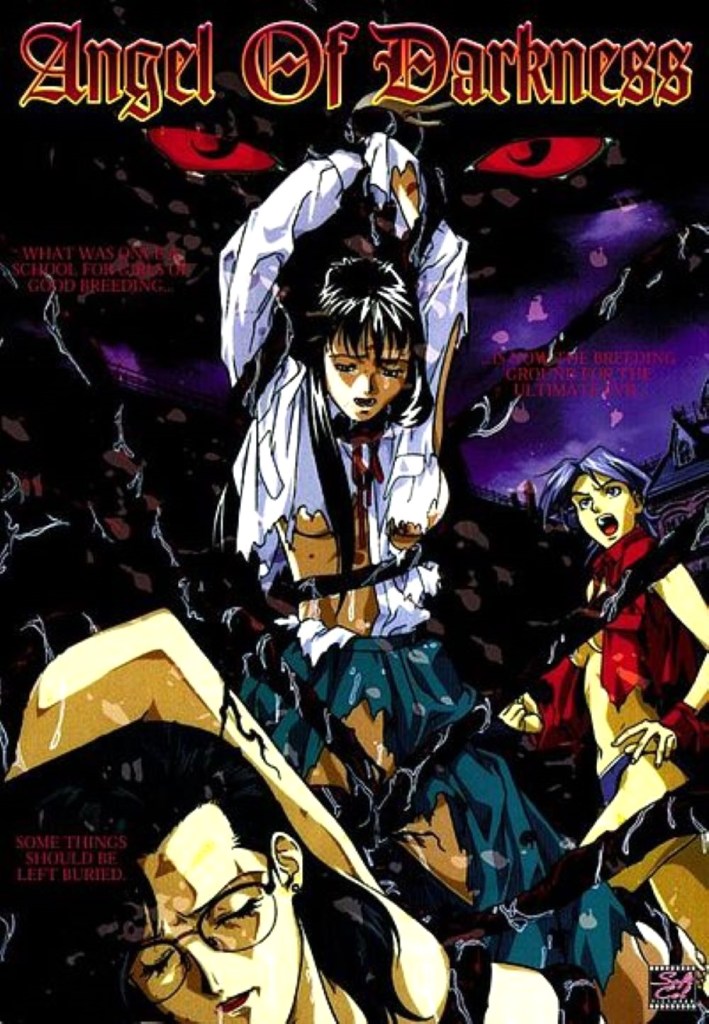
Angel of Darkness (Injū Kyōshi) holds a notorious place in the lineage of erotic horror anime, bridging the transgressive extremities of Chōjin Densetsu Urotsukidōji and the occult eroticism that would later define Bible Black. This four-episode OVA series from 1994 encapsulates the tentacle horror subgenre with uncompromising explicitness, wrapping its unsettling imagery in a narrative set within the seemingly innocent confines of a girls’ boarding school. The series exemplifies a distinctive moment in adult anime history, when grotesque sexuality and supernatural horror merged to explore themes of control, corruption, and forbidden knowledge.
Like Urotsukidōji, Angel of Darkness does not shy away from cataclysmic violence or graphic sexual transgression. However, rather than sprawling cosmic battles and apocalyptic carnage, it opts for a claustrophobic setting where the boundaries between predation and education collapse. The boarding school, an archetype of sheltered innocence, becomes a crucible for spiritual decay where evil—in the form of demonic possession and twisted rituals—lurks beneath routine façades. This subversion of a sacred educational environment highlights the series’ investment in moral and sexual transgression as intertwined forces.
The plot centers on Professor Goda, whose discovery of a strange stone beneath a campus tree unleashes an ancient, tentacled spirit that begins a viral corruption throughout the school. His transformation into a monstrous sex demon initiates an escalating cycle of ritual abuse and possession among the students and faculty. Against this backdrop, the developing relationship between Sayaka and Atsuko—the relatively innocent lovers trying to find connection amid chaos—provides a tragic human center to the nightmarish events unfolding. The series’ focus on lesbian romance adds emotional depth while diverging from typical harem or fetishistic formulas, instead using sexuality as both refuge and vulnerability under the shadow of demonic influence.
The narrative frequently returns to graphic scenes of domination, bondage, and forced extraction of bodily fluids, imagery that serves symbolic purposes as much as titillation. The recurring S&M rituals, scenes of rape by tentacles, and the desecration of once-hallowed spaces—such as the chapel turned site of torment—communicate a profound collapse of innocence and spirituality. This fusion of sex, violence, and the supernatural positions Angel of Darkness not as mere pornography, but as a stark allegory for power, control, and the corruption of purity.
Visually, the series operates within the constraints of mid-1990s adult OVA budgets, but its simplistic, shadow-heavy animation effectively evokes a mood closer to gothic horror than glossy erotica. The color palette is muted, alternating between the sterile luminescence of the school’s daytime routine and the ominous shadows of ritual scenes. This dichotomy underscores the narrative’s tension between surface normality and subterranean evil. Though the character designs lack the polish of contemporary works like Bible Black, with rougher lines and stilted motion, these limitations amplify the uncanny atmosphere, making the viewer uneasy in a way polished animation rarely achieves.
Sexual content dominates explicitly and persistently, refusing to separate eroticism from horror. This integration exemplifies Angel of Darkness’ commitment to challenging viewer boundaries and expectations. The tentacle horror motifs—ubiquitous in the genre but here rendered with disturbing severity—represent not just physical assault but a symbolic invasion of autonomy and identity by dark forces. The series’ interest in bodily horror situates it firmly within the tradition of Japanese erotic horror, yet its blend of sexuality with a narrative of supernatural possession elevates it beyond titillation toward a meditation on corruption and loss of self.
The series’ narrative and visual style contributed significantly to the evolution of adult anime as a genre willing to explore complex themes within erotic content. It is a clear spiritual predecessor to later occult-erotic works such as Bible Black, which would refine this formula with denser storytelling and atmospheric lighting but owe much to Angel of Darkness’ bold fusion of sex and the supernatural. The taboo-challenging spirit of the series also helped popularize tentacle pornography as a distinctive fetish category internationally, with Angel of Darkness frequently cited as a touchstone in underground anime communities.
Critically, Angel of Darkness remains polarizing. Its extreme explicitness and depiction of violent, non-consensual acts alienate many viewers while fascinating others with its raw thematic ambition. While it is impossible to discuss the anime without acknowledging its deeply problematic content, dismissing it purely as objectionable obscenity overlooks its place as a cultural artifact that pushes the limits of storytelling in adult animation. Indeed, the series critiques institutional complicity and the violation of trust—from teacher to student, from sacred institution to corrupted shrine—embedding its sexual horror within a larger allegory for power abuse.
Despite—or perhaps because of—its intense imagery, Angel of Darkness has maintained a lasting cult status for nearly three decades. Its influence reaches beyond hentai audiences, with many anime historians and scholars referencing it as a foundational work in the erotic horror niche. Its legacy is one of transgression not just for shock, but as a deliberate aesthetic and narrative strategy that challenges the viewer’s comfort zones and probes darker aspects of desire and domination.
Ultimately, Angel of Darkness is a complex and disturbing work that defies simple categorization. It is a horror anime that uses explicit sexuality and supernatural menace to explore themes of corruption, power, and forbidden love. As a historical piece, it represents both the creative ambition and the social taboos of 1990s adult Japanese animation, offering a grim yet compelling experience for those prepared to confront its darkness.
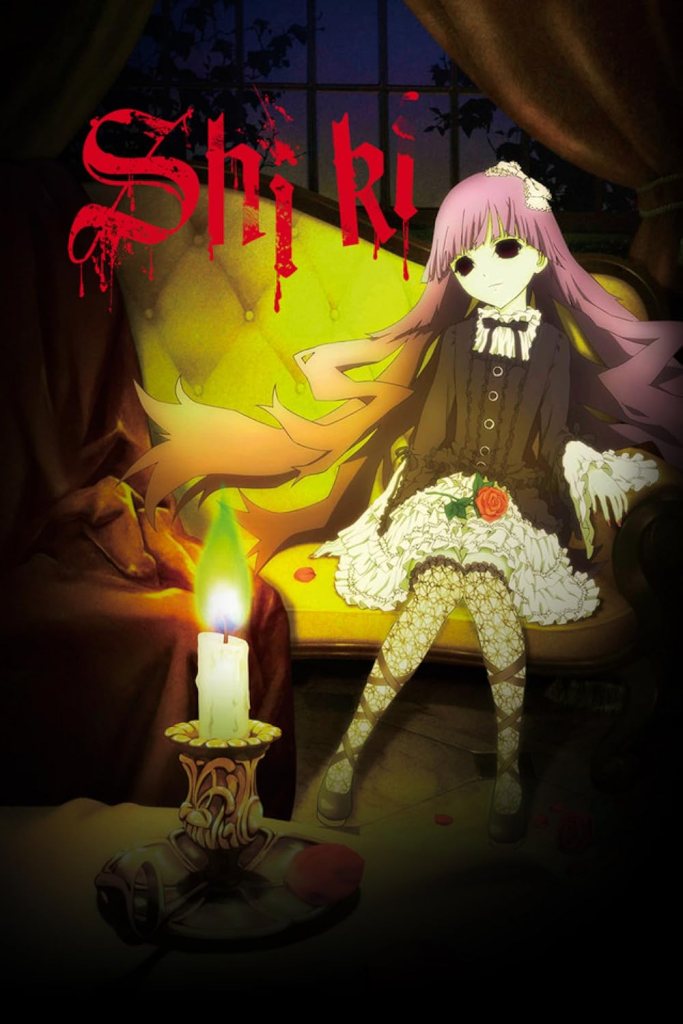
The anime adaptation of Shiki, based on Fuyumi Ono’s acclaimed horror novel and directed by Tetsurō Amino, stands as a rare specimen in the horror genre. Rather than relying on quick shocks, excessive gore, or typical jump scares, Shiki unsettles its audience through atmosphere, moral erosion, and the slow, relentless unraveling of human conscience. Premiering in 2010, the series unfolds at a measured, almost meditative pace, transforming what could have been a simple vampire tale into a profound meditation on survival, faith, fear, and the delicate boundary between life and death when everything is pushed to the brink.
The story is set in Sotoba, a small, isolated village nestled precariously near a larger modern metropolis. The residents of Sotoba live tightly woven lives, their routines and social bonds preserved with careful attention over generations. This fragile peace shatters when a mysterious wave of deaths begins sweeping through the population. At first, these fatalities are dismissed as consequences of the harsh local climate—heatstroke, seasonal illnesses, and the inevitable toll of old age. Yet, as the body count rises, the truth reveals itself to be much darker: the deceased are rising as vampires, known locally as “shiki” or “corpse demons,” creatures that survive by feeding on the living.
What distinguishes Shiki from many other vampire narratives is its refusal to paint the conflict in stark black-and-white terms of good versus evil. The shiki are portrayed not as mindless monsters but as tormented souls, burdened by memories, emotions, and guilt over what they have become and the horrors they must commit to survive. Conversely, the human villagers—once caring and close-knit neighbors—succumb to suspicion, fear, and eventually cold-hearted survival instincts. The real horror emerges as morality frays and the line between human and monster becomes irrevocably blurred.
Unlike classic horror tales set in small towns—such as Stephen King’s ’Salem’s Lot, where a seemingly idyllic village hides sinister supernatural forces—Shiki offers a nuanced inward gaze. For instance, the novel They Thirst situates vampirism within a sprawling urban landscape, where anonymity accelerates chaos and alienation. In contrast, Shiki uses the microcosm of Sotoba to emphasize intimate, communal decay. The focus is not just on the physical threat, but on the erosion of social bonds and moral fabric, revealing how fragile human civility truly is under stress.
While ’Salem’s Lot depicts vampires as a pure evil contaminating a tight-knit community—highlighting themes of moral corruption and contamination—Shiki explores moral ambiguity with far greater depth. The vampires, including the enigmatic Sunako Kirishiki, retain their memories, emotions, and even remorse. Both vampires and humans carry guilt and anguish, complicating simplistic notions of villainy. The villagers—their friends, family, and neighbors—begin to see the suffering of the vampires while realizing their own brutal deeds. The narrative challenges viewers to question whether survival excuses the loss of morality or if it is possible to retain one’s spirit even amid brutal chaos.
At the heart of the series are characters who embody competing moral philosophies. Natsuno Yuki, a cynical teenager newly transplanted to Sotoba from the city, provides both an insider and outsider’s perspective. His disillusioned view highlights how fear, suspicion, and grief can unravel even the most intimate relationships. Natsuno serves as a rational voice within a community unraveling into paranoia and despair, offering a reflection of the audience’s own struggle to comprehend the incomprehensible.
Dr. Toshio Ozaki exemplifies the desperate human desire for order amid chaos. Initially, he seeks to explain away the deaths with rational, scientific explanations grounded in medicine. However, when superstition and supernatural realities intrude, Ozaki is compelled to confront truths beyond his understanding. His leadership in trying to save Sotoba begins with scientific resolve but soon descends into moral compromise. As hysteria spreads, the villagers’ collective violence explodes into ruthless slaughter, justified as necessary to preserve survival. Ozaki’s internal conflict—balancing ethical convictions against brutal necessity—reflects the series’ central question: at what point does the will to survive erode the soul?
Set against this turmoil is Sunako Kirishiki, the quiet yet profoundly troubled leader among the shiki. Though she has lived for centuries and suffers deeply from a sense of divine rejection—believing God has forsaken her—Sunako retains a core spirituality that anchors her sense of morality. Even as she is forced to kill in order to survive, she wrestles with guilt and her faltering faith. Her belief that divine rejection is not synonymous with divine abandonment acts as a form of moral defiance, preserving her fragile humanity amid brutal circumstances.
This spiritual resilience is deepened through her relationship with Seishin Muroi, a local junior monk and published author. Muroi, gentle and introspective, offers a unique perspective on the tragedy unfolding in Sotoba. His dual roles as a religious figure and a thoughtful writer allow him to interpret the crisis with spiritual depth and philosophical insight. His literary works—admired by the Kirishiki family, especially Sunako—explore mortality, suffering, and the search for meaning beyond pain. As a monk, Muroi embodies faith and compassion; as an author, he grapples with existential ambiguities, granting him a rare wisdom in navigating the village’s descent.
Muroi’s role makes him both observer and actor in Sotoba’s unraveling. His spiritual duties compel him to provide comfort and guidance, while his writings deepen his understanding of human and supernatural suffering. This duality shapes his interactions with Sunako and others, serving as a pathway for faith and empathy to endure amid horror and despair.
Sunako’s friendship with Muroi becomes central to her moral endurance. In contrast to Tatsumi, the Kirishiki family’s pragmatic and ruthless jinrō guardian who views survival through a cold, utilitarian lens, Muroi offers a moral counterpoint grounded in mercy and hope. Through his compassionate presence and reflective insights, Sunako finds a way to renew her faith. Although she feels forsaken, Muroi’s influence rekindles the fragile spark of belief in her that prevents her humanity from being swallowed by despair.
The thematic contrast between Muroi and Tatsumi becomes a fulcrum for Shiki: survival devoid of soul versus survival with spirit. Muroi’s continuing faith—soft, tentative, but persistent—demonstrates that even in the bleakest conditions, moral conviction need not fade entirely. His dual lens as monk and author enriches the narrative, bridging theology and philosophy while threading through the story’s core existential dilemmas.
Amino’s direction amplifies these themes through patient pacing and subtle storytelling. The mounting tension grows slowly through quiet, contemplative moments and lingering visuals—the hum of cicadas, shifting light through leaves, the barely audible footsteps in the dark. Ryu Fujisaki’s stylized character designs convey unease with elongated features and a surreal sheen, while Yasuharu Takanashi’s sparse, mournful score melds choral lamentations with haunting silences. Together, these elements create an immersive atmosphere steeped in dread and melancholy.
By the series’ climax, the distinction between human and shiki dissolves into near indistinguishability. Both sides bear the scars of survival—physical, psychological, and spiritual. The violence ceases, but the damage lingers, leaving survivors hollow, burdened by guilt and loss. Yet amidst the ruins of a shattered community, Sunako’s renewed faith, forged under Muroi’s guidance, flickers faintly—an emblem of hope that refuses to be extinguished.
The final scene distills this weighty truth without grandiosity or closure. There are no victors, no absolutes—only profound loneliness in survival. The living bear wounds deeper than any inflicted by fang or bullet. But in this quiet aftermath, Sunako’s fragile faith, buoyed by Muroi’s steadfast compassion, pulses as the last vestige of what it means to remain human: choosing faith and empathy even when everything else seems lost.
Shiki closes not with resolution but with a haunting reminder: survival is incomplete without humanity, and faith—however delicate—is the courage to hold onto that humanity when all else has fallen away.
Here’s a little horror anime music video to help decompress after last night’s very nihilistic and emotional draining season premiere of The Walking Dead.
It’s from amv creator Xophilarus and combines Halsey’s song “Control” with the horror anime Gakkou Gurashi (surprise it’s about zombies!). The series itself was reviewed by site anime contributor pantsukudasai56. Yes, for some the zombie subgenre has started to feel overplayed and overused. But if there’s one thing the two co-founders of this site never truly get tired of are good zombie fiction and Gakkou Gurashi is such a thing.
For the first Horror AMV of the Day we go back to good old Another. Those not well-versed in the world of anime this series is literally titled Another.
Another is one of the best horror anime to arrive in years and it combines elements of the supernatural ghost story, mystery and, most important of all, enough gore to satisfy even the most bloodthirsty fan. What better way to advertise some of the highlights of Another than by making a video to the tune of Marilyn Manson’s cover of the classic Eurythmics song “Sweet Dreams”.
Horror anime is quite a tough thing to pull off well. Either one goes full-on gore but sacrificing a coherent narrative or going for characterization and a great story yet lacking in the blood and gore. Another is able to accomplish both and amv creator S&D Productions does a great job of making sure this comes across in the video simply titled “Sweet Dreams”.
We have another new AMV of the Day for the current horror month and this time around it’s a sort of mixtape of some of the more recent horror anime.
“Yurei” pretty much takes two of the most recent horror anime in Another and Mirai Nikki and combines it with one that’s more supernatural romance than horror in Dusk Maiden of Amnesia, but still shares the previous two titles’ dark fantasy roots. The song itself is one of the musical compositions created for another horror anime, Jigoku Shoujo aka Hell Girl, by Japanese composer Takanashi Yasuharu. So, this video is pretty much horror on horror and while it’s not the full on bloodbath (though one must watch both Another and Mirai Nikki to see just how off that statement truly is) one would associate with horror nowadays it’s still quite an appropriate video for this month’s theme.
Anime:Another, Dusk Maiden of Amnesia, Mirai Nikki


 Through the Shattered Lens