How many westerns do you know that open with a graduation ceremony at Harvard? I can only think of Michael Cimino’s Heaven’s Gate.
Today’s scene that I love comes from the controversial 1981 epic western. Some people feel that Heaven’s Gate is a secret masterpiece. I’m not quite one of those people but I do think the Harvard graduation scene was a great way to launch Cimino’s idiosyncratic vision of the Old West.
4 Shots From 4 Films is just what it says it is, 4 shots from 4 of our favorite films. As opposed to the reviews and recaps that we usually post, 4 Shots From 4 Films lets the visuals do the talking!
Today, it is time to celebrate the birth of one of the most intriguing (if uneven) filmmakers of the 20th Century, Michael Cimino! It’s time for….
4 Shots From 4 Michael Cimino Films
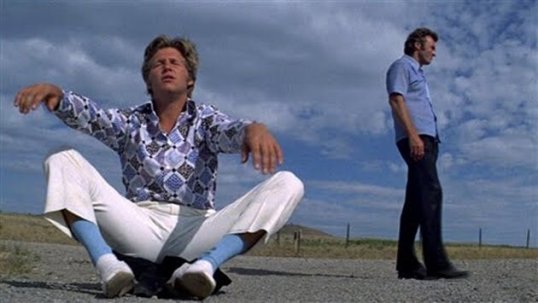
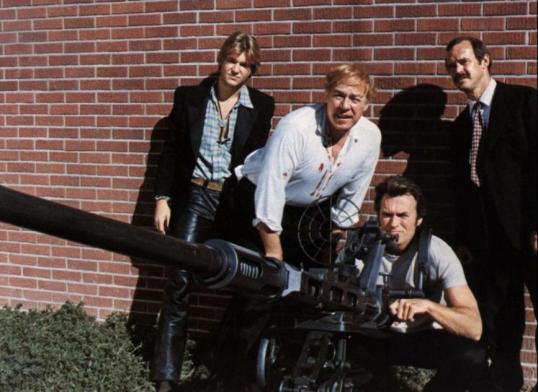
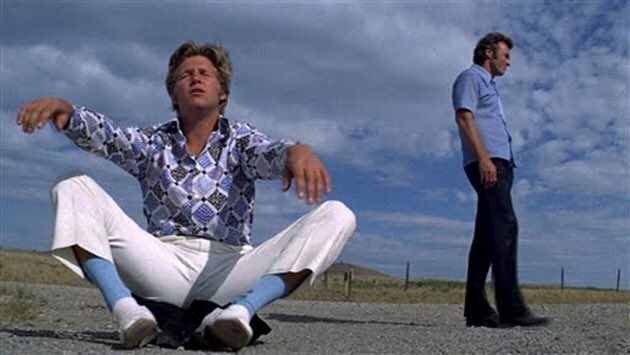
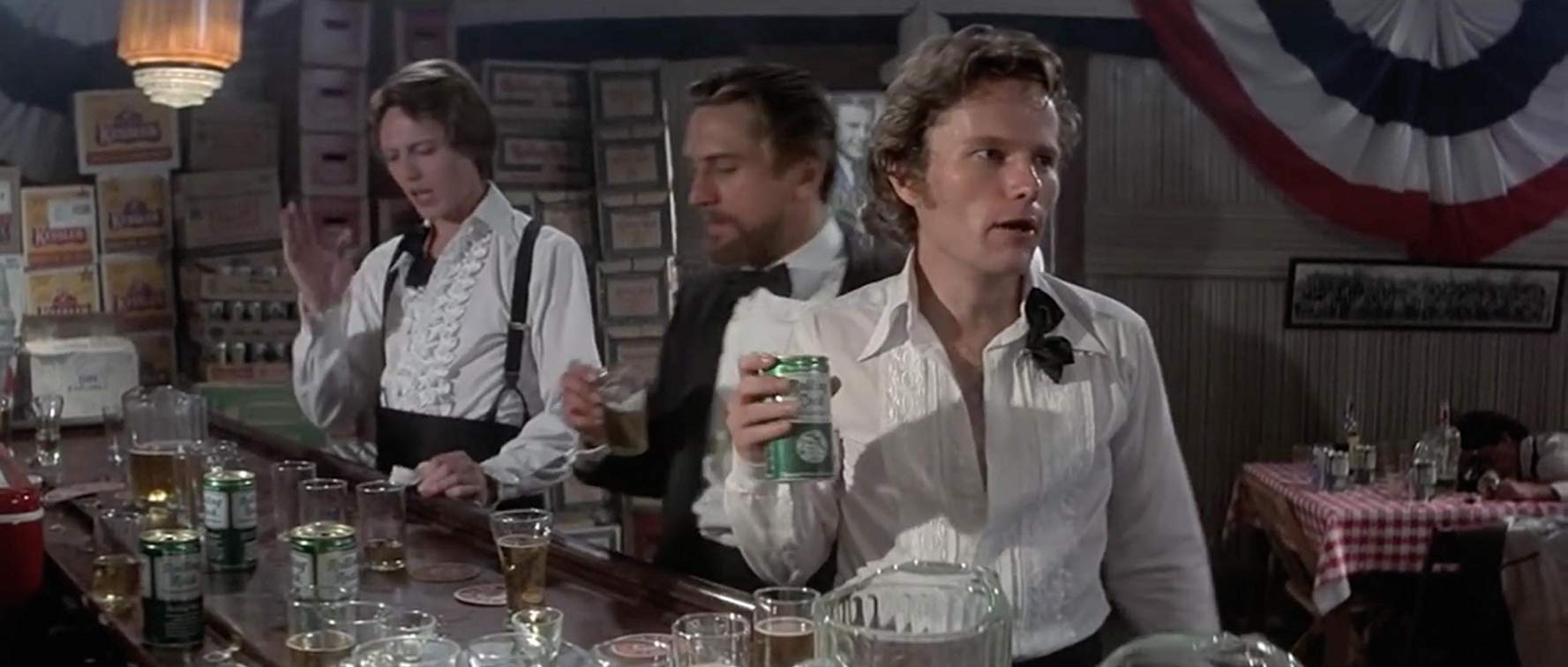
Thunderbolt and Lightfoot (1974, directed by Michael Cimino, DP: Frank Stanley)
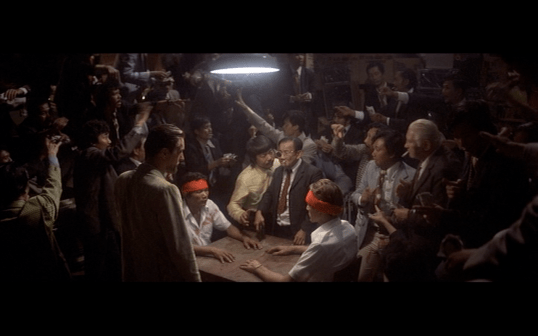
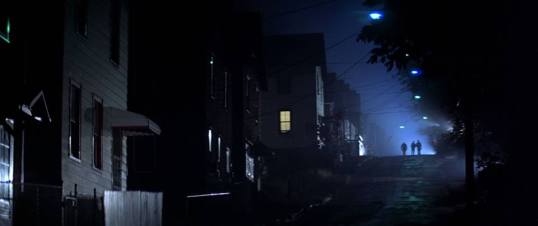
The Deer Hunter (1978, dir by Michael Cimino. DP: Vilmos Zsigmond)
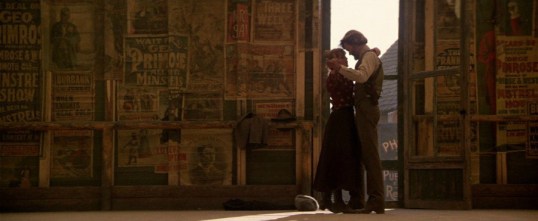
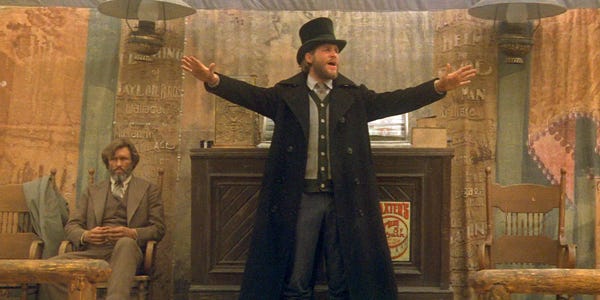
Heaven’s Gate (1980, dir by Michael Cimino, DP: Vilmos Zsigmond)
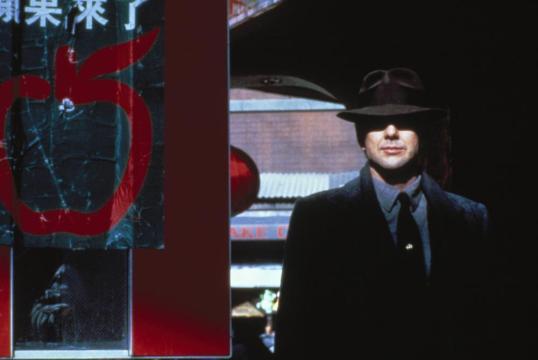
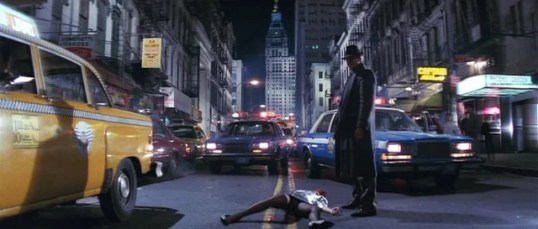
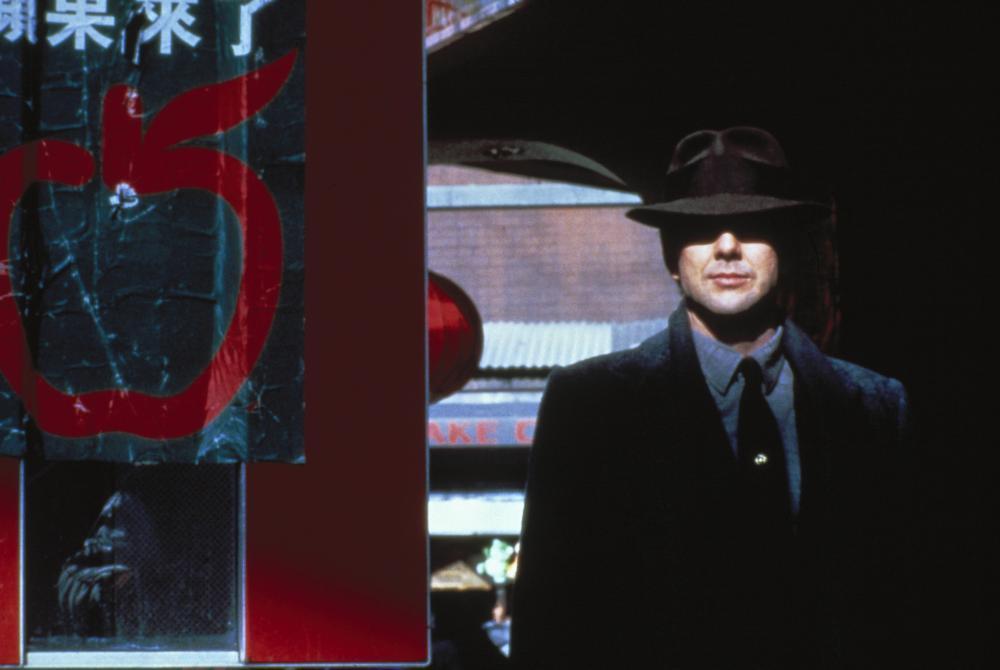
The Year of the Dragon (1985, dir by Michael Cimino, DP: Alex Thomson)
4 Shots From 4 Films is just what it says it is, 4 shots from 4 of our favorite films. As opposed to the reviews and recaps that we usually post, 4 Shots From 4 Films lets the visuals do the talking!
Today, we pay tribute to the legendary cinematographer, Vilmos Zsigmond. Born 90 years ago today in Hungary, Zsigmond got his start in the 60s with low-budget films like The Sadist but he went on to become one of the most in-demand cinematographers around. In fact, of all the people who started their career working on a film that starred Arch Hall, Jr., it’s hard to think of any who went on to have the type of success that Zsigmond did.
Zsigmond won one Oscar, for his work on Close Encounters of Third Kind. He was nominated for three more. He also received a BAFTA award for his work on The Deer Hunter and was nominated for an Emmy for his work on Stalin. He’s considered to be one of the most influential cinematographers of all time.
In honor of the legacy of Vilmos Zsigmond, here are….
4 Shots From 4 Films
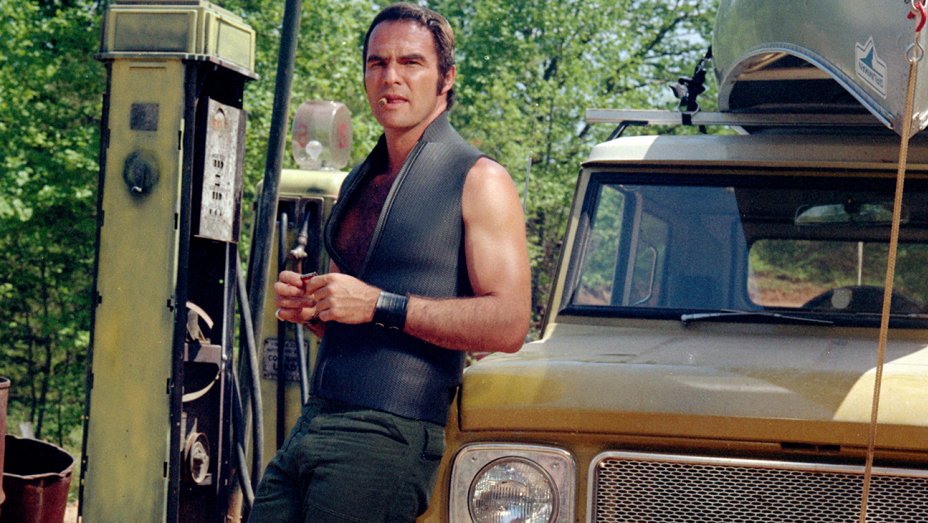
Deliverance (1972, directed by John Boorman, DP: Vilmos Zsigmond)
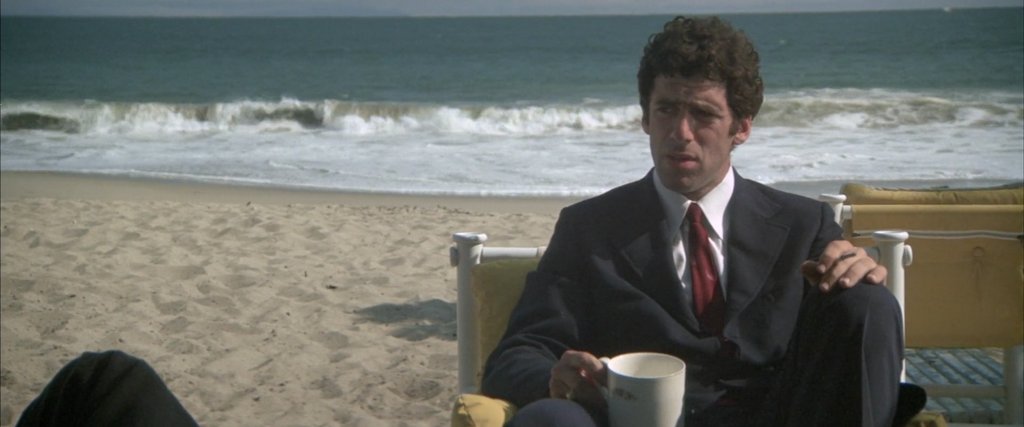
The Long Goodbye (1973, dir by Robert Altman, DP: Vilmos Zsigmond)
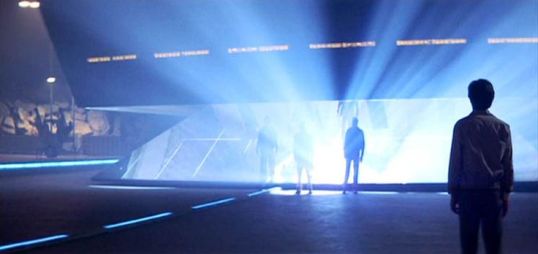
Close Encounters of the Third Kind (1977, dir by Steven Spielberg, DP: Vilmos Zsigmond)
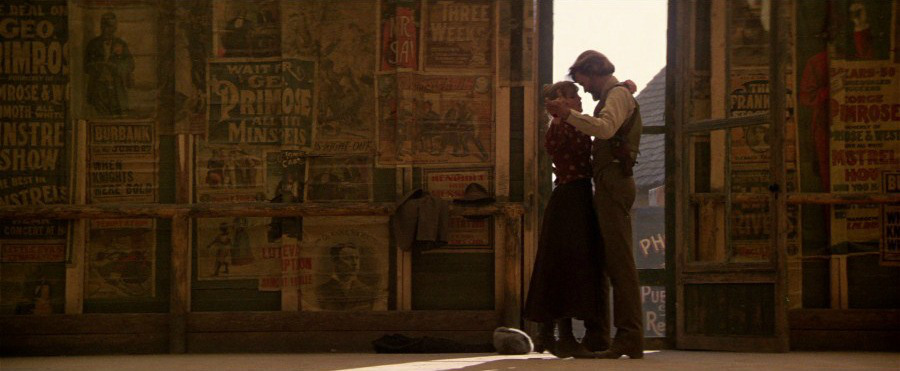
Heaven’s Gate (1980, directed by Michael Cimino, DP: Vilmos Zsigmond)
Today’s scene that I love comes from Michael Cimino’s Heaven’s Gate.
You know what? I’ve read that some people consider this scene with the skating fiddler to be an example of Cimino’s tendency towards self-indulgence. The oft-made claim is that it’s a scene where Cimino is more interested in showing off than moving the story forward. That may be true but still, I don’t care what anyone says, I like this scene. It captures the communal joy of the settlers before the arrival of the mercenaries who have been hired to force them out of their homes. To understand why the settlers fight, you also have to understand what they’re being expected to give up.
4 Shots From 4 Films is just what it says it is, 4 shots from 4 of our favorite films. As opposed to the reviews and recaps that we usually post, 4 Shots From 4 Films lets the visuals do the talking!
Today, it is time to celebrate the birth of one of the most intriguing (if uneven) filmmakers of the 20th Century, Michael Cimino! It’s time for….
4 Shots From 4 Michael Cimino Films
Thunderbolt and Lightfoot (1974, dir by Michael Cimino, DP: Frank Stanley)
The Deer Hunter (1978, dir by Michael Cimino, DP: Vilmos Zsigmond)
Heaven’s Gate (1980, dir by Michael Cimino, DP: Vilmos Zsigmond)
The Year of the Dragon (1985, dir by Michael Cimino, DP: Alex Thomson)
First released in 1981 and then re-released in several different versions since then, Heaven’s Gate begins at Harvard University.
The year is 1870 and the graduates of Harvard have got their entire future ahead of them. At the graduation ceremony, Joseph Cotten gives a speech about how, as men of cultivation, they have an obligation to help the uncultivated. Student orator Billy Irvine (John Hurt) then gives a speech in which he jokingly says the exact opposite. Amongst the graduates, Billy’s friend, Jim Averill (Kris Kristofferson), laughs at Billy’s speech. It’s a bit of a strange scene, if just because all of the graduates appear to be teenagers except for Hurt and Kristofferson, who are both clearly in their 30s. The graduates of Harvard sing to their girlfriends and dance under a tree and, for a fleeting moment, all seems to be right with the world.
Twenty years later, all seems to be wrong with the world. Averill is now the rugged and world-weary marshal of Johnson Country, Wyoming. Cattle barons are trying to force immigrant settlers to give up their land. Gunmen, like Nate Champion (Christopher Walken) and Nick Ray (Mickey Rourke), are accepting contracts to execute immigrants who are suspected of stealing cattle. When Averill stands up for the people of Johnson Country, the head of the Wyoming Stock Grower Association, Frank Canton (Sam Waterston), hires a group of mercenaries to ride into Johnson County and execute 125 settlers. Billy Irvine, who now is dissolute alcoholic who works with Canton, warns his old friend Averill. Averill, who has fallen in love with Ella (Isabelle Huppert), the local madam, announces that he will defend the immigrants. Nate, who is also in love with Ella, considers changing sides.
Heaven’s Gate is loosely based on an actual event. I actually have three distant ancestors who traveled to Wyoming to take part in the Johnson County War. All three of them survived, though one of them was shot and killed in an unrelated manner shortly after returning to Ft. Smith, Arkansas. That said, director Michael Cimino is clearly not that interested in the historical reality of the Johnson County War or the issues that it raised. Just as he did with Vietnam in The Deer Hunter, Cimino uses the Johnson County War as a way to signify a loss of national innocence. Averill and Irvine start the film as hopeful “young” men with the future ahead of them. By the end of the film, one is dead and the other is living on a yacht and dealing with what appears to be crippling ennui.
Heaven’s Gate is a bit of an infamous film. Though the film was pretty much a standard western, Cimino still went far over-budget and turned in a first cut that was over six hours long. A four hour version was briefly released in 1980 but withdrawn after a week, due to terrible reviews and audience indifference. A studio-edited version that ran for two hours and 35 minutes got the widest release in 1981. Since then, there have been several other versions released. Cimino’s director’s cut, which was released as a part of the Criterion Collection in 2012, runs for 212-minutes and is considered to now be the “official” version of Heaven’s Gate.
For years, Heaven’s Gate had a terrible reputation. It’s failure at the box office was blamed for bankrupting United Artists. After the excesses of the Heaven’s Gate production, studios were far more reluctant to just give a director a bunch of money and let him run off to make his movie. (They should have learned their lesson with Dennis Hopper and The Last Movie.) Described by studio execs as being self-indulgent and even mentally unstable, Michael Cimino’s career never recovered and the director of The Deer Hunter went from being an Oscar-winner to being an industry pariah. (Some who disliked The Deer Hunter’s perceived jingoistic subtext claimed that Heaven’s Gate proved The Deer Hunter was just an overrated fluke.) However, the reputation of Heaven’s Gate has improved, especially with the release of Cimino’s director’s cut. Many critics have praised Heaven’s Gate for its epic portrayal of the west and, ironically given the controversy over The Deer Hunter, its political subtext. It’s anti-immigrant villains made the film popular amongst the Resistance-leaning film historians during the first Trump term.
So, is Heaven’s Gate a masterpiece or a disaster? To be honest, it’s somewhere in between. Whereas it was once over-criticized, it’s now over-praised. Visually, it’s a beautiful film but those who complained that the film was too slow had a point. As with The Deer Hunter, Cimino takes the time to introduce us to and immerse us in a tight-knit immigrant community. Personally, I like the much-criticized scenes of the fiddler on skates and Averill and Ella dancing in the roller rink. Overall though, as opposed to The Deer Hunter, the members of the film’s victimized community still feel less like individual characters and more like symbols. As for the political subtext, I think that any subtext of that sort is accidental. (I feel the same way about The Deer Hunter, which I like quite a bit more than Heaven’s Gate.) Cimino is more interested in the loss of innocence than whether or not the Johnson County War can be fit into some sort of nonsense Marxist framework.
The main problem with the film is that there is no center to keep everything grounded. Kris Kristofferson had a definite screen presence but, as an actor who was incapable of showing a great deal of emotion, he lacks the gravitas necessary to keep from being swallowed up by Cimino’s epic pretensions. Isabelle Huppert, an otherwise great actress, also feels lost in the role of Ella and Sam Waterston is not necessarily the most-intimidating villain to ever show up in a western. Christopher Walken, as the enigmatic and intriguing Nate Champion, gives the best performance in the film but his character still feels largely wasted.
There are some brilliant visual moments to be found in Heaven’s Gate. I even like the Harvard prologue and the ending on the boat, both of which are not technically necessary to the narrative but still add an extra-dimension to both Averill and Irvine. But, in the end, Heaven’s Gate is big when it should have been small and epic when its should have been intimate. It’s a misfire but not a disaster. Even great directors occasionally have a film that just doesn’t work. Speilberg had his 1941. Scorsese has had a handful. Coppola’s career has been a mess but no one can take his successes away from him. Michael Cimino, who passed away in 2016, deserved another chance.
4 Shots From 4 Films is just what it says it is, 4 shots from 4 of our favorite films. As opposed to the reviews and recaps that we usually post, 4 Shots From 4 Films lets the visuals do the talking!
In life, Michael Cimino was often controversial.
Cimino hit box office gold with his first film as a director, Thunderbolt and Lightfoot. With his second film, The Deer Hunter, he won the Academy Award for Best Director. With his third film, Heaven’s Gate, he nearly bankrupted United Artists.
Heaven’s Gate was Cimino’s passion project, an epic western that was based on the historical Johnson County War. Considering that Cimino had just won an Oscar, expectation were high when production began in 1979. Soon, however, ominous reports started to come back from the set. It was said that Cimino was a perfectionist and a megalomaniac who was demanding so many takes and retakes that the filming was quickly falling behind schedule. The modestly budgeted production soon went overbudget and overschedule. After nearly a year of shooting, Cimino finally allowed the studio executives to view his first cut. It was over five hours long.
Though the film was eventually edited down to a more manageable length, the damage had been done. By the time Heaven’s Gate was finally released, the title was already being used a byword for fiasco. The film lost a ton of money and, at the time, it was savaged by critics. Cimino would only direct four more films after Heaven’s Gate and none of them were a success at the box office or with critics.
However, once the initial hype died down, some critics started to take another look at Cimino’s films. Heaven’s Gate has been reevaluated and is now considered by many to be a minor classic. Cimino’s Year of the Dragon has also developed a strong cult following. Though Cimino himself died in 2016, he is a director who is currently in the process of being rediscovered.
Today would have been Michael Cimino’s birthday. Because he told so many conflicting stories about his past, there is some controversy about the year of Cimino’s birth. Most people agree that it was probably 1939. Today, on his birthday, let’s take a moment to honor this unfairly dismissed talent.
4 Shots From 4 Films
Thunderbolt and Lightfoot (1974, directed by Michael Cimino)
The Deer Hunter (1978, directed by Michael Cimino)
Heaven’s Gate (1980, directed by Michael Cimino)
The Year of the Dragon (1985, directed by Michael Cimino)
 Through the Shattered Lens