My Top 15 Albums of 2017


Hi! Still existing and loving my family, hope the same goes for all of you. I may be retired from all else in the music world, but the year end list is eternal.

Sample size: I have 83 albums released in 2017 at the time of writing this. Can’t promise I actually listened to all of them.

Surgeon General’s Warning: Ranking music is silly and I generally discourage it.  (But I do it once a year anyway…….)

15. Chinese Man – Shikantaza

trip hop/hip hop

Sample track: Liar

fun French hip hop/trip hop album that seems to have gotten overlooked a lot. I listened to it a ton earlier this year. It’s not something I’ll remember years down the road, but it certainly earned a spot for as much as I played it.

14. Elder – Reflections of a Floating World

stoner prog

Sample track: Sanctuary

For me personally, this is probably the most unorthodox pick on my list, because it is heavily rock-centric in all the ways that typically turn me off. God but something about rock and roll has always felt absolutely soulless to me in a way that few genres can match at their worst. But Elder just do what they do so damn well that it’s impossible to hate this opus. An endless onslaught of prog ingenuity with a nice stoner rock crunch that keeps it driving from start to finish. It’s 64 straight minutes of ear candy without a dull note in the mix, and I have a world of respect for how flawlessly these guys accomplished what they set out to do.

13. Krallice – Go Be Forgotten

post-black metal

Sample track: This Forest For Which We Have Killed

Krallice are responsible for a lot of the best music to come out this decade, and in 2017 they pumped out two new ones (both painfully late into the year for a band that requires a lot of repetition to fully appreciate). While I haven’t actually read anything about either of these yet, the distinctly different styles between them have me pretty convinced that Mick Barr wrote the bulk of this one and Colin Marston took charge on the other. Go Be Forgotten gets off to a glorious start with its opening track, but the remainder has so far failed to really captivate me to the extent that most of their previous works did. It doesn’t raise the bar (or if it does, it hasn’t sunk in yet), but it’s still a fascinating exploration of highly complex soundscapes that few other artists have the technical precision to delve. And god that opening riff is sick. Krallice will be a perpetual year end contender as long they keep doing what they do.
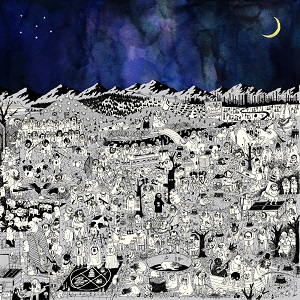

12. Father John Misty – Pure Comedy

folk rock

Sample track: When The God Of Love Returns There’ll Be Hell To Pay

I have mixed feelings about this album, and my inclination is to point out the negative; suffice to say, it’s not lacking in universal praise. It wouldn’t be on my list if I didn’t love it. The reason it’s not higher is that, as I see it, Tillman too often defaults to rather throw-away lines. That’s not inherently problematic (see: my #1 pick), but I think it clashes with the more refined, theatrical vibe of the sound around them. Simple case in point: Total Entertainment Forever kicks off with an absolutely delicious line–Bedding Taylor Swift every night inside the Oculus Rift–and follows it up with something so generic that I feel it only exists to achieve a rhyme–after mister and the missus finish dinner and the dishes. Sometimes gentle flaws make a work all the more endearing, but Pure Comedy goes too big and refined to get away with it for me. I feel like he aimed extraordinarily high and almost got there.


11. Tchornobog – Tchornobog

blackened death metal

Sample track: II: Hallucinatory Black Breath Of Possession (Mountain-Eye Amalgamation)

A landscape album as only blackened death metal can paint one. Tchornobog takes you on a 64 minute journey across an entirely unpleasant and stomach-turning waste of all purpose ugliness that really reflected how I’ve felt about the world this year any time I let my attention range beyond my immediate household. We’re talking death metal aesthetics here so yes, that can be a compliment. And while the visions are certainly exotic, there’s not much surrealism of the lofty, artistic sort you find on say, a Blut Aus Nord album. It’s just leaves you feeling kind of dirty. It hit a note I could appreciate while maintaining enough melody and progression to avoid succumbing to redundancy.
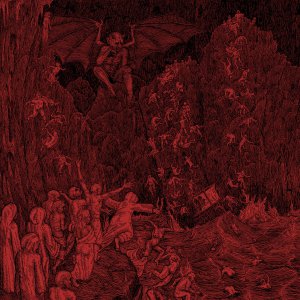

10. Hell – Hell

doom sludge

Sample track: Machitikos

Ridiculously heavy slow-rolled sludge that shouldn’t require any genre appreciation to crush your skull. At its peek on “Machitikos”, the quality of this album is unreal. Unfortunately I was pretty late to the ballgame, and their more ambient moments are going to take more than a sporadic month to leave a lasting impression or definitively fail to. Nowhere to move but further up the charts for this one.
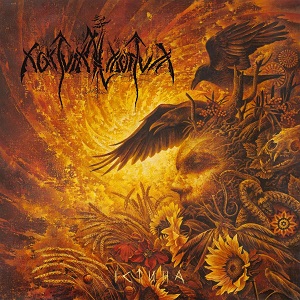

9. Nokturnal Mortum – Істина

pagan metal

Sample track: Дика Вира

We’ve certainly come a long way from Knjaz Varggoth screaming hateful nonsense to crackling cassette recordings of Dollar General synth, and as endearing as Nokturnal Mortum’s early works may be, you can’t deny that he has matured (both musically and intellectually) substantially over the years. This album thoroughly lacks the trademark Eastern European folk metal execution that Knjaz inspired more than perhaps anyone else: brutally hammered folk jingles lashing out violently from beneath a wall of modern noise. Істина is a lot more even keel, to such an extent that its metal elements almost feel unnecessary at times. It fully embraces the more cerebral, orchestral sound we began to hear on Weltanschauung and leaves most else behind, achieving a new height in terms of orchestration. I do miss Knjaz’s more passionate explosions, but I don’t consider that a flaw. The real down side to the album for me stems from the studio. For all of its grand instrumental diversity, the complete package is a bit washed out. Everything feels like it’s playing in the background as a supporting element to a non-existent centerpiece. It’s something I’m certainly used to–Nokturnal Mortum have always struggled a bit on the finer finishing touches of sound production–but it’s still a fault that’s hard to ignore. An incredibly solid album that could have been even better.


8. Riivaus – Lyoden Taudein Ja Kirouksin

black metal

Sample track: Vihan Temppeli

This is probably the most unknown album on my list. It’s just straight-up black metal. No frills. No novelties. Really it’s the sort of thing I rarely listen to these days, because most great bm artists have moved on to more experimental fronts. But this is tight as fuck. The riffs are great and it’s got a nice punchy pace and a crisp tone that suits the mood perfectly. Outstanding debut from an unheard of artist. Hoping he sticks around for many years to come.
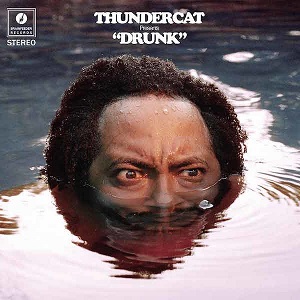

7. Thundercat – Drunk

funk/jazz

Sample track: Bus in These Streets

A tongue-in-cheek dreamfunk fantasy. Artists who can let a cheesy sound be cheesy often accidentally stumble into brilliance. This guy makes some of the goofiest sounds that funk and jazz have ever imagined somehow feel endearing. I’m also pretty impressed by how distinct his sound is. I mean, considering how radically uninformed on this sort of style I am, it kind of blew my mind that I could instantly go “this guy must have wrote the bass lines to Wesley’s Theory“. I think Drunk is an incredibly well-craft work masked behind a delicious veil of comedy. And it’s given us such eloquent 21st century mottos as “thank god for technology, because where would we be if we couldn’t tweet our thoughts?”
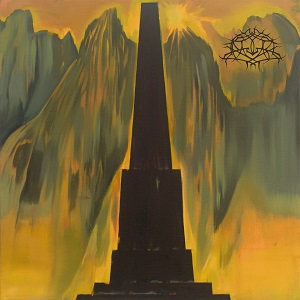

6. Krallice – Loüm

post-black metal

Sample track: Etemenanki

If Go Be Forgotten offered Krallice’s most deranged opening melody to date, Loüm might take the prize for their heaviest boot in the ass. Etemenanki hammers down all the brutality of a headbanger’s wet dream from the first note without budging an inch on Krallice’s classic eclectic tremolo noodling. I don’t think I’ve wanted to just open my mouth and shout “fuuuuuuuuuuuuuuuuuuuuuck” to a Krallice song this bad since Inhume. As with Go Be Forgotten, there’s a serious question of whether the album as a whole is really that great or if the opening song just carries it, and that’s not to knock the rest so much as to say that by Krallice’s ridiculously high standards I think it might have some mediocrity. You can never really tell with most Krallice songs until you’ve heard them four dozen times. It’s complicated, intricate shit that your brain doesn’t instinctively unravel. My gut tells me that Loüm will keep on growing on me in a way that Go Be Forgotten may struggle to, and I was right about that with Prelapsarian’s incredibly late release last year. (Yes, it is amazing.) The only lasting down point about Loüm for me is, surprisingly, the addition of Dave Edwardson (Neurosis, Tribes of Neurot) on vocals. He does a killer job, but I am shamelessly in love with Nick McMaster’s vox and can’t help but miss them.


5. Mount Eerie – A Crow Looked at Me

folk

Sample track: Crow

Phil Elverum’s wife died last year, and he wrote this album. It’s artistically significant for reasons that are pointless to explain, because I think you will either already get it or it will fundamentally conflict with whatever life coping mechanism you personally subscribe to, and both are fine. It matters to me more than other albums about death because we appear to share roughly the same world view. It isn’t my favorite album of the year because it can’t be.


4. Godspeed You! Black Emperor – Luciferian Towers

post-rock

Sample track: Bosses Hang

I somehow managed to ignore the rebirth of GY!BE in spite of being entirely aware of it, and this is the first album I’ve listened to by them since Yanqui U.X.O. fifteen years ago. In the meantime, I’ve become an avid consumer of Silver Mt Zion, and after that long of a break it’s easy to forget just how different the two projects were. I’m at a loss for words to properly describe how I feel about Luciferian Towers because I have nothing remotely current and similar to compare it to. “Bosses Hang” and “Anthem For No State” are both absolutely mind blowing, and I usually skip the first and third tracks and don’t even care. This is the greatest band in post-rock being exactly that.
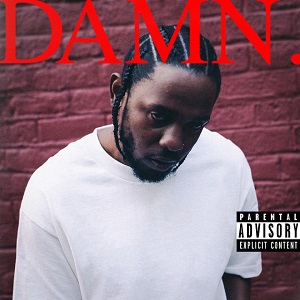

3. Kendrick Lamar – Damn

hip hop

Sample track: DNA

Every time I saw this album top another year-end list, I wanted to move it further down mine. It doesn’t move me on an emotional level like To Pimp a Butterfly. It’s not Kendrick’s greatest work. Can it really be the best of 2017? But every time I revised my year-end list, it just kept moving up instead. Everything he touches has a subtle finesse to it. I love the sound of his voice. I love the way he weaves it into the instrumentation flawlessly. I love how every aspect of each song seems painstakingly tailored to suit the intended vibe. I can just really get into this from start to finish time after time with zero effort. It was my 2017 fallback the grand bulk of the times I wasn’t in the mood for something dark or heavy. This album makes me feel empowered every time I put it on with no cheap sense of escapism attached, and god did I need something like that.


2. Boris – Dear

drone/doom/psych/post-rock

Sample track: Dystopia (Vanishing Point)

Wow. This is 16th year that I’ve compiled a year-end list. For the grand majority of that time, I would have named Boris in my top 5 favorite bands if you asked me. During that time, they’ve put out 53 releases just that I have managed to acquire. And not one has earned my #1 slot. Smile came so close. So close. And now I’m saying it again. I almost feel guilty leaving Dear at #2. It was never dropping any lower. But if you’re at all familiar with it, this might sound generous. Dear is nowhere near their most well-received album. It is absolutely nowhere near their most accessible. Doom and drone at its core, it’s a slow drip grind that will leave all but the most steadfast fans bored out of their minds on first encounter. Yet I somehow managed to listen to it close to 50 freaking times. It wasn’t that I liked it at first. I kind of didn’t. But the mood was right. It hit that sweet spot between ambience and melody that made it never quite dull enough to bore inherently but never quite memorable enough to bore through familiarity. It was dark but it wasn’t morbid. It was just the right sort of fuzz to make me feel more alert without distracting me. And it was through that extremely passive but relentless pattern of listening that its finest moments slowly revealed themselves to me, raising the bar higher and higher, until now it blows my mind that a track like Dystopia (Vanishing Point) could have failed to sweep me off my feet on first encounter. It certainly manages to every time now, on take number one hundred and god knows what. This isn’t my favorite Boris album, but I suspect it’s much higher up there for me than for most fans, and after a very great deal of consideration it only failed to take the title by a fraction of a hair. Oh, I also got to watch them play it live in its entirety. 😀
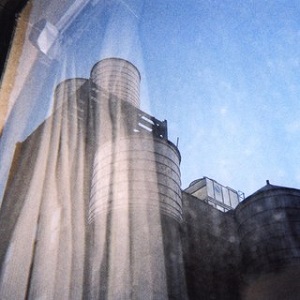

1. Sun Kil Moon – Common as Light and Love are Red Valleys of Blood

Americana

Sample track: Lone Star

The grand prize goes to Sun Kil Moon. I think this might be for me what Pure Comedy has been for a lot of other people this year. It just speaks to so much I’ve been feeling in 2017 in a way I can completely relate to. Mark Kozelek takes half of the stuff I’ve been making enemies spouting all year and sets it to solid American folk music. He has a blue collar political perspective that offers no compromise for our “total fucking asshole” President but takes far more cutting hits at liberal America’s zero-attention-span reaction-click-and-move-on culture for allowing the country to fall into this state. The album is a two hours and ten minutes meandering disjointed travel through personal stories and monologues that reach all over the place, but underneath it all is a consistent love and appreciation for the bonds we share in our meager little lives, and an intense compassion for those who have permanently lost them. If he comes across as cranky, he’s just pissed at how many Americans have lost sight of this.

Previous years on Shattered Lens:
2011 / 2012 / 2013 / 2014 / 2015 / 2016

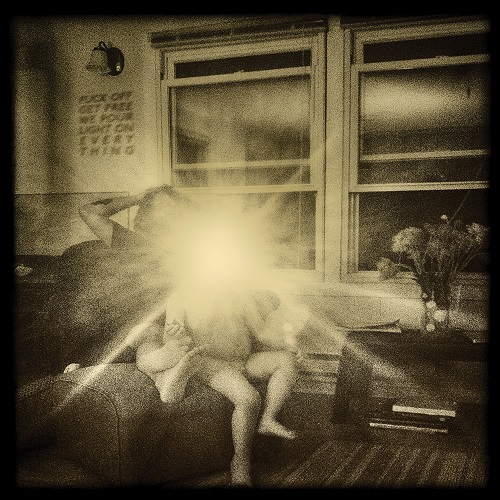
Review: Thee Silver Mt. Zion Memorial Orchestra – Fuck Off Get Free We Pour Light on Everything


I don’t normally step beyond the threshold of metal these days, but I was no stranger to post-rock in the late 90s and 2000s. It and indie were the defining musical genres of the last decade, and I gobbled them up for a time. I lost touch with ex-Godspeed You! Black Emperor legends A Silver Mt. Zion shortly after Horses in the Sky (2005), though “God Bless Our Dead Marines” was my favorite song by them until now.

I guess that wasn’t a very subtle hint of what’s to come. I picked up Efrim Menuck and company’s newest album because of its name. (Not the band name, presently on its fifth incarnation as “Thee Silver Mt. Zion Memorial Orchestra”.) Their seventh LP, released this January, is titled Fuck Off Get Free We Pour Light on Everything. That was just too delicious to pass up.

http://www.youtube.com/watch?v=WfPXY6mtq4U

Thee Silver Mt. Zion Memorial Orchestra – Fuck Off Get Free, from Fuck Off Get Free We Pour Light on Everything

I stumbled into one of the most novel and delightful sounds I had heard since, well, the days of post-rock and indie. It is in effect a merger of the two, utilizing classic GY!BE post-rock instrumentation and techniques in songs with distinctly indie structures and vibes. The opening title track sold me instantly with its warbling, almost unidentifiable instrumentation fused to a rock beat. These are sounds you would expect in some 20-minute build-up from silence, and they sound totally unique in their new environment. I suppose A Silver Mt. Zion had been heading this way for a while, but this is the first time I’ve listened to them that they’ve fully embraced the merger.

It’s not just the sounds themselves that make this song so convincing. The lyrics are paramount, infusing a crafty title with a great deal of depth and rendering the sounds relevant to the message. It shouts a pseudo-cryptic political/social statement with a keen eye we haven’t seen since the 60s and a punk rebel’s spirit, rocked back at the haters with a power to counter Ted Nugent’s whole discography. It begs the establishment and their drones to hate it. Need some harsh, gravely vocals to waggle your cock to? Sorry, voices don’t get more sissy than Efrim’s. They slam “wide white men” where a country star cries “freedom”, and the rejection of coherent grammar and sentence structure from a group totally fluent in English is an affront to the many that view their proper American English with some odd sense of pride. And it has a cuss word in the title! *gasp*

It’s a totally harmless song with a positive message, but I know a lot of people who would feel really insulted by it, and you probably know some too. I could easily see my mother showcasing this song in one of her Sunday School lessons about the corruption of youth, totally oblivious to the fact that it’s pushing her buttons on purpose. It’s what this song is all about: not letting the outdated, self-serving values of the ruling class tone down a message of peace and equality. Fuck off. Get free. We pour light on everything we see.

And how about that drop down into a stoner metal chug at 6:40? Last thing I saw coming, and I love it.

Thee Silver Mt. Zion Memorial Orchestra – What We Loved Was Not Enough, from Fuck Off Get Free We Pour Light on Everything

The album never really drops the slack the whole way through. It’s edgy, it’s angry, it’s indie in spirit, it’s eclectic as hell, and the message is great. There is really no down time at all–not something you might expect from the descendents of post-rock’s favorite son. “Take Away These Early Grave Blues” is especially intense and makes compelling use of a melody that I have to think came from some old country western film. I’m not going to go into detail on any of it; it’s hard to even begin to describe what’s going on with their odd choices of instrumentation. Suffice to say the first 34 minutes of the album pass very quickly, holding my attention all the while. It all leads to a grand finale with “What We Loved Was Not Enough”. This song is mind-blowing. With the sort of lengthy, escalating waltz common to many indie album closing tracks, the build-up is glorious and the lyrics cut deep.

This song uses a lot of excessively dramatic, over-the-top lines that remind me of The Decemberists, only A Silver Mt. Zion’s purpose is not all tongue-in-cheek fun and games. It has an apocalyptic flare, positioning the band at some breaking point where modern society crumbles in self-destruction: We can try to teach people to be open and understanding–to abandon their bigotry and love one another–but this vision will never come to pass. “What we loved was not enough. The day has come when we no longer feel. All our cities gonna burn. All our bridges gonna snap. All our pennies gonna rot. Lightning roll across our tracks. All our children gonna die. And the west will rise again.”

The band has tried their best. They pour light on everything they see. But in the end, it is up to the masses to let go of their pride and embrace a future of peace and love. Efrim knows they won’t, and he calls upon them mockingly: “So goodnight vain children. Tonight is yours. The lights are yours, if you’d just ask for more than poverty and war.”

This is an album for those of us who want to make a difference but know we can’t do shit to dent a machine that has mastered every art of cultivating people’s fears and hatreds. It’s an album to make you feel good about yourself, and to let you know you aren’t alone. I like that. “Kiss it quick and rise again.”

Fuck Off Get Free‘s only shortcoming is that they plugged a seemingly pointless four minute post-finale track after “What We Loved Was Not Enough”. I can easily forgive that.

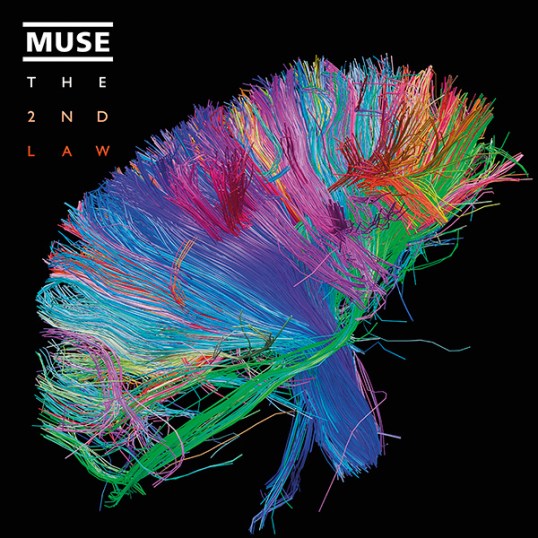
Song of the Day: Isolated System (by Muse)


muse-2nd-law-artwork5-1348263520

World War Z premiered over this past weekend and as I mentioned in my review the film was better than expected and showed something which previous zombie films have never truly shown and that’s the epic nature of just how a zombie apocalypse would look. While the film probably has disappointed fans of the novel for it’s massive and major deviations of the novel it was adapted from it was still a fun film.

It was from the opening title sequence of World War Z that I was first introduced to the song that comes in as the latest “Song of the Day”.

The song “Isolated System” from Muse’s latest album, The 2nd Law, really comes off as a nice precursor to what will be an apocalyptic event just around the corner. The whole song is an instrumental piece that’s interspersed with voice clippings from news reports that just have a hint of something ominous about to happen. The song looks to have have been influenced, whether by accident or on purpose, by another song which works well as a soundtrack to the apocalypse: Godspeend Ye! Black Emperor’s “East Hastings”.

Even if one didn’t like the film World War Z, this song was at least a nice find for those who haven’t been introduced to it.

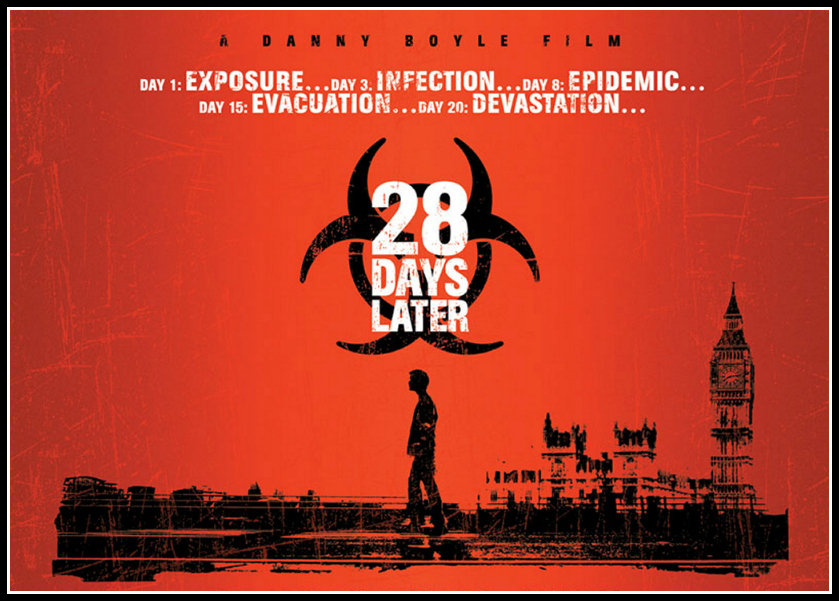
Horror Review: 28 Days Later (dir. by Danny Boyle)


For decades, the zombie film genre has been defined by the rules established by the grandfather of the modern zombie story, George A. Romero. His 1968 landmark horror film Night of the Living Dead transformed what had once been a gothic creature rooted in the voodoo folklore of Haiti and the Caribbean into an apocalyptic force symbolizing social collapse and human weakness. The film not only terrified audiences but also laid the foundational blueprint for every zombie movie that followed. Romero’s zombies weren’t merely monsters — they were a reflection of humanity’s fears, prejudices, and inner decay. His influence has remained so pervasive that, even today, filmmakers working in horror are inevitably responding to his legacy, whether they realize it or not.

Through the years, there have been numerous attempts to deviate from Romero’s formula. The most prominent early success came in the 1980s with the Return of the Living Dead series — a clever horror-comedy franchise that infused dark humor and punk aesthetics into the genre. Yet even that beloved cult entry eventually lost steam. True reinvention did not arrive until 2002, when British filmmaker Danny Boyle and screenwriter Alex Garland collaborated on 28 Days Later, a project that both revitalized the zombie genre and split its devoted fan base down the middle. Was it truly a “zombie” film, or something else entirely? That very debate remains unresolved more than twenty years later.

Boyle’s film begins not with a supernatural curse or the reanimation of the dead, but with a catastrophic act of human arrogance. A group of naïve animal-rights activists break into a research laboratory to rescue chimpanzees subjected to bureaucratic cruelty. However, they find that these animals have been injected with a rage-inducing virus — the product of bioengineering rather than black magic. One of the activists, horrified by what she witnesses, ignores the pleas of a desperate scientist and frees a chimp, unleashing a pandemic that will decimate Britain within weeks. This opening sequence is both economical and horrifying: the origins of the apocalypse come from compassion twisted into recklessness. Boyle establishes his tone immediately — quick editing, grainy digital video, and an oppressive sense of realism create a world that feels disturbingly possible.

The narrative then leaps forward twenty-eight days. In a now-iconic sequence, the protagonist Jim (played by Cillian Murphy) awakens from a coma in an abandoned London hospital. His disorientation mirrors that of the audience: sterile hallways littered with trash, flickering lights, a haunting silence broken only by the hum of wind through the empty city. When Jim emerges into the sunlight, the camera captures a London entirely devoid of people, its majestic landmarks standing as hollow monuments to civilization’s sudden collapse. This is one of cinema’s most unforgettable depictions of isolation. The haunting score by John Murphy and the use of Godspeed You! Black Emperor’s instrumental “East Hastings” heighten the apocalyptic stillness, transforming London into a ghost metropolis.

Jim’s bewilderment only deepens when he seeks refuge in a church — a setting traditionally associated with salvation — only to find it desecrated by carnage. His presence awakens a horde of infected individuals who charge at him with terrifying speed. Unlike Romero’s slow, lumbering undead, Boyle’s infected are human beings transformed by a virus that amplifies their aggression to animalistic extremes. They move like predators, sprinting at prey with berserk fury. Jim narrowly escapes thanks to two survivors, Selena (Naomie Harris) and Mark (Noah Huntley), who introduce him to the brutal new rules of existence: infection spreads through blood contact, turning victims within seconds, and hesitation means death.

The trio’s uneasy alliance soon crumbles after Mark becomes infected, forcing Selena to kill him without hesitation. This harrowing moment establishes her as one of the film’s strongest and most pragmatic characters — a refreshing departure from the damsel archetype that has long haunted horror cinema. Jim and Selena later encounter Frank (Brendan Gleeson), a good-natured taxi driver, and his teenage daughter Hannah (Megan Burns), who have been surviving in a fortified apartment building. Together they form a fragile surrogate family and travel in search of a military broadcast promising safety and a potential cure.

Boyle deftly blends moments of human warmth amid horror. Scenes like the group’s scavenging trip through an abandoned grocery store — a darkly comic echo of Dawn of the Dead’s consumer satire — offer glimpses of joy and normalcy. The countryside sequences, shot with a painterly eye, contrast the urban decay of London with the serene beauty of a world reclaiming itself from human control. Nature, the film quietly suggests, endures long after people have vanished.

Their journey leads them to a fortified mansion commanded by Major Henry West (Christopher Eccleston), a British officer whose soldiers claim to have “the answer to infection.” The supposed sanctuary quickly reveals a darker truth. West’s band of men have descended into moral depravity, promising their commander that the promise of “women” will restore morale. The film shifts from survival horror to psychological thriller as the real threat emerges — not the infected outside, but the monstrousness within human beings when order collapses. In this descent into militaristic patriarchy and madness, Boyle channels the spirit of Romero’s Day of the Dead, where the military’s illusion of control becomes the true source of terror.

Boyle and Garland’s reinvention of the zombie mythos was revolutionary. Longtime fans of Romero’s shambling undead initially resisted the notion that 28 Days Later even qualified as a zombie movie. After all, its creatures weren’t reanimated corpses but living people overtaken by an uncontrollable virus. Yet their function within the story — relentless, dehumanized embodiments of contagion and rage — served the same thematic role as zombies always had: mirrors for society’s breakdown. The debate over whether the infected “count” as zombies is less important than the fact that Boyle redefined the genre’s emotional and kinetic language. His infected didn’t just pursue victims; they hunted them. Their blistering speed and screams injected pure chaos into what had once been slow, creeping dread.

The technical and artistic choices heightened the film’s intensity. Shot largely on digital video with handheld cameras, 28 Days Later looked raw and immediate, more like found footage than polished fiction. This realism bridged the gap between old-school horror and the new century’s fixation on viral outbreaks and global instability. Coming in the post-9/11 era, its images of deserted cities and military lockdowns felt eerily prescient, foreshadowing later fears of pandemics and authoritarian control.

The performances ground the film emotionally. Cillian Murphy’s portrayal of Jim evolves from bewildered innocence to hardened survivor, serving as the audience’s emotional compass. Naomie Harris delivers one of the genre’s most capable female performances, blending vulnerability with ferocity. Brendan Gleeson, always magnetic, brings compassion and tragedy to Frank — a man whose paternal instincts ultimately lead to heartbreak. Christopher Eccleston’s Major West stands as a chilling embodiment of human corruption in crisis: the soldier who insists he is saving civilization while replicating its worst impulses.

Despite being produced on a modest budget of roughly eight million dollars, Boyle’s film achieved a scale and impact far greater than its resources suggested. The empty London shots — achieved by closing key streets at dawn for only minutes at a time — remain astonishing feats of logistical precision and cinematic audacity. More importantly, the film’s minimalist production enhanced its believability. Everything about 28 Days Later feels lived-in, grimy, and plausible.

Two decades on, 28 Days Later continues to stand as one of the most influential horror films of the 21st century. Its success reinvigorated a genre that had grown stale and inspired a wave of imitators across film, television, and video games, from Zack Snyder’s Dawn of the Dead remake to AMC’s The Walking Dead. Beyond its cultural impact, it remains a haunting meditation on rage — personal, societal, and political. Boyle and Garland transformed horror into a canvas for existential dread, exploring how quickly civility unravels when survival becomes the only law.

Whether one calls it a zombie film or not hardly matters anymore. 28 Days Later breathed new life into the undead myth, shattering old rules and redefining what modern horror could be. The debate it sparked continues, but one truth is undeniable: the genre has never been the same since Jim first walked through that silent, ruined London — a world devoured not by the dead, but by the terrifying rage of the living.